Precision-Engineered Heavy Duty Racking and Modular Storage Units Configured for Optimum Space Efficiency
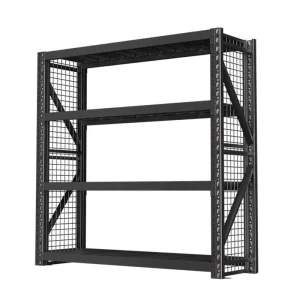
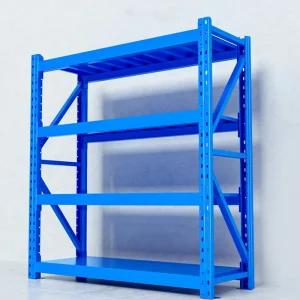
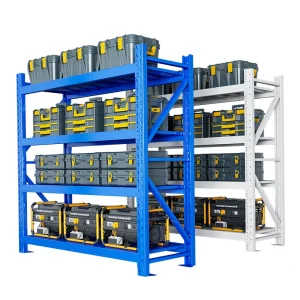
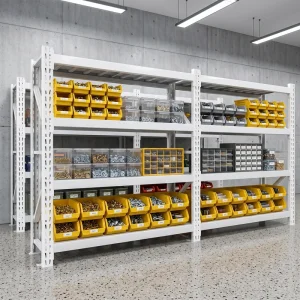
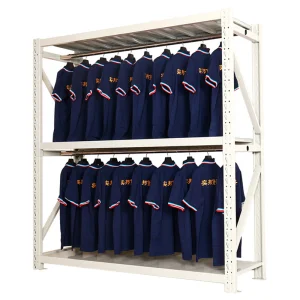
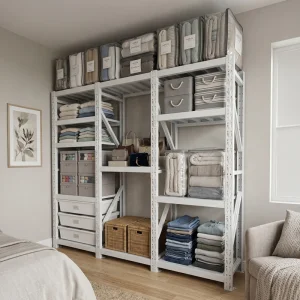
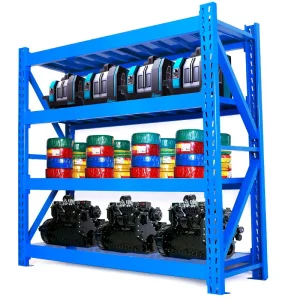
In modern supply chain management, cargo protection, storage optimization, and logistics efficiency are heavily dependent on robust material handling configurations. Within this landscape, industrial wire baskets and wire mesh containers have transitioned from simple storage accessories to highly engineered logistics solutions. Global manufacturing enterprises, distribution centers, and high-density fulfillment hubs require systems that allow for high structural load capacities, unobstructed visual control, fire safety compliance, and maximum ventilation.
When searching for the top 10 wire baskets manufacturers and exporters, industrial buyers look beyond simple physical storage. They seek technical design consistency, certified structural integrity, and long-term surface treatment resilience. For instance, in automated storage and retrieval systems (ASRS), even a minor millimeter-level deformation in a stackable wire basket can stop automatic pickers. Sourcing departments analyze the raw materials used, welding configurations, and stress distribution geometries to select manufacturers that can offer reliable equipment with long lifespans.
Industrial wire basket applications vary across different sectors. Automotive manufacturing plants rely heavily on high-tensile stackable wire mesh containers to handle heavy castings and transmission assemblies, requiring static load ratings of over 1,500 kg. Meanwhile, the pharmaceutical and food processing sectors require electropolished stainless steel configurations that resist harsh chemical sanitizers. In standard commercial retail warehousing, wire mesh decking is preferred due to local fire safety codes, as the open grid allows overhead sprinkler water to pass through freely.
Understanding these diverse requirements helps global sourcing agents properly evaluate supplier capabilities. Manufacturers must demonstrate a balance of structural analysis (FEA), modern coating systems, and fully automated wire-drawing and welding lines. This level of technical control ensures that bulk orders remain consistent and reliable.
High-caliber exporters construct wire baskets in accordance with international standards, such as the Rack Manufacturers Institute (RMI) guidelines and ISO standards. This requires utilizing high-grade raw carbon steel, such as Q235B cold-rolled steel, known for its optimal yield strength and ductility. Every batch must undergo tensile strength and elongation testing to ensure the finished structures can withstand dynamic forklift impacts and long-term static loads without catastrophic weld failure.
A comparative structural analysis highlighting material grades, coating technologies, and load ratings.
| Equipment Type | Structural Material Grade | Surface Treatment Method | Avg. Load Capacity (Per Layer) | Target Operational Environments |
|---|---|---|---|---|
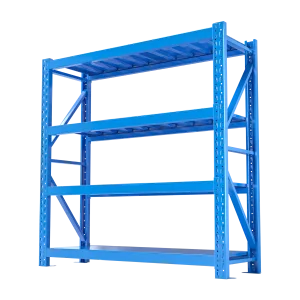
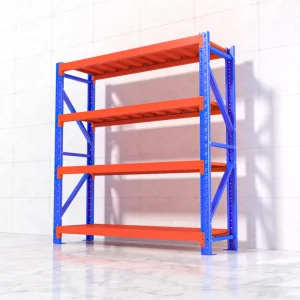
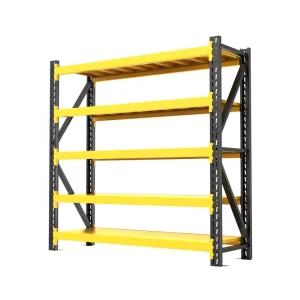
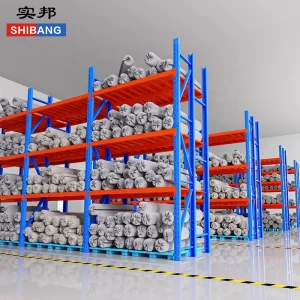
| Heavy Duty Pallet Racks | Q235B Cold-Rolled Structural Steel | Electrostatic Powder Deposition (Corrosion Protection) | 1,000 kg – 4,000 kg | High-Density Warehousing, Distribution, Industrial Logistics |
| Medium Duty Longspan Shelving | Structural Carbon Steel (SPCC/Q235) | Powder Coated Thermosetting Polymer | 300 kg – 800 kg | E-commerce Sortation, Spare Parts Warehouses, Garages |
| Industrial Wire Baskets / Mesh Containers | High-Tensile Drawn Carbon Steel Wire | Electro-Galvanized / Hot-Dip Zinc Coating | 500 kg – 1,500 kg | Automotive Assembly Lines, Foundry Casting, Retail Fulfillment |
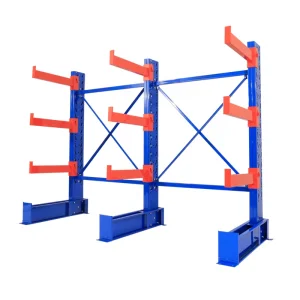
| Cantilever Racks | Q235B / Q345 Hot-Rolled H-Beams | Dual-Coat Polyester Powder Paint | 800 kg – 2,000 kg (Arm capacity) | Timber Yards, Steel Pipe Depots, Long Profile Material Storage |
| Light Duty Garage Shelves | Medium Steel / Composite Panels | Hybrid Epoxy-Polyester Powder Coating | 100 kg – 300 kg | Commercial Backrooms, Tool Storage, Domestic Applications |
Selecting industrial-grade wire baskets and storage systems requires analyzing several factors. Modern distribution centers must coordinate racking configuration with material handling equipment to maximize throughput. When designing storage systems, engineers balance three key factors: volumetric utilization, load stability, and access speed. By incorporating high-tensile wire mesh decking and heavy-duty steel frames, warehouses can stack loads vertically while maintaining high safety margins.
Guarantees uniform yield strength and structural elasticity, reducing risk of deformation under maximum static load.
Multi-stage chemical washing and thermosetting powder coatings protect steel profiles against humidity and acidic exposure.
Automated manufacturing guarantees millimeter-level alignment for smooth integration with robotic picking systems.
All designs incorporate a load safety factor based on RMI specifications to withstand accidental forklift impacts.
Material handling technology is moving toward greater automation and real-time tracking. Future logistics networks will likely feature wire containers integrated with active RFID chips or IoT tracking sensors, enabling automatic inventory counts at various warehouse touchpoints. This integration reduces manual counting labor and provides supply chain managers with real-time location data for critical components.
At the same time, manufacturing plants are refining steel processing workflows to reduce environmental impact. Eco-friendly coating lines minimize volatile organic compounds (VOCs) and reduce energy consumption. These advancements help heavy industries meet environmental regulations while maintaining long-term product durability.
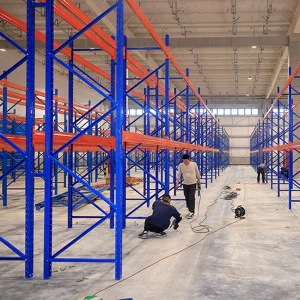
Navigating international shipping regulations and local building codes is a critical factor for global procurement. Heavy industrial rack installations must conform to regional seismic zones, requiring tailored engineering calculations for base plates, anchoring, and frame bracing. For example, systems built for Western Europe must satisfy EN standards, whereas installations in the United States must comply with local IBC and RMI specifications. Working with a manufacturer that provides detailed engineering documentation simplifies the local approval and installation process.
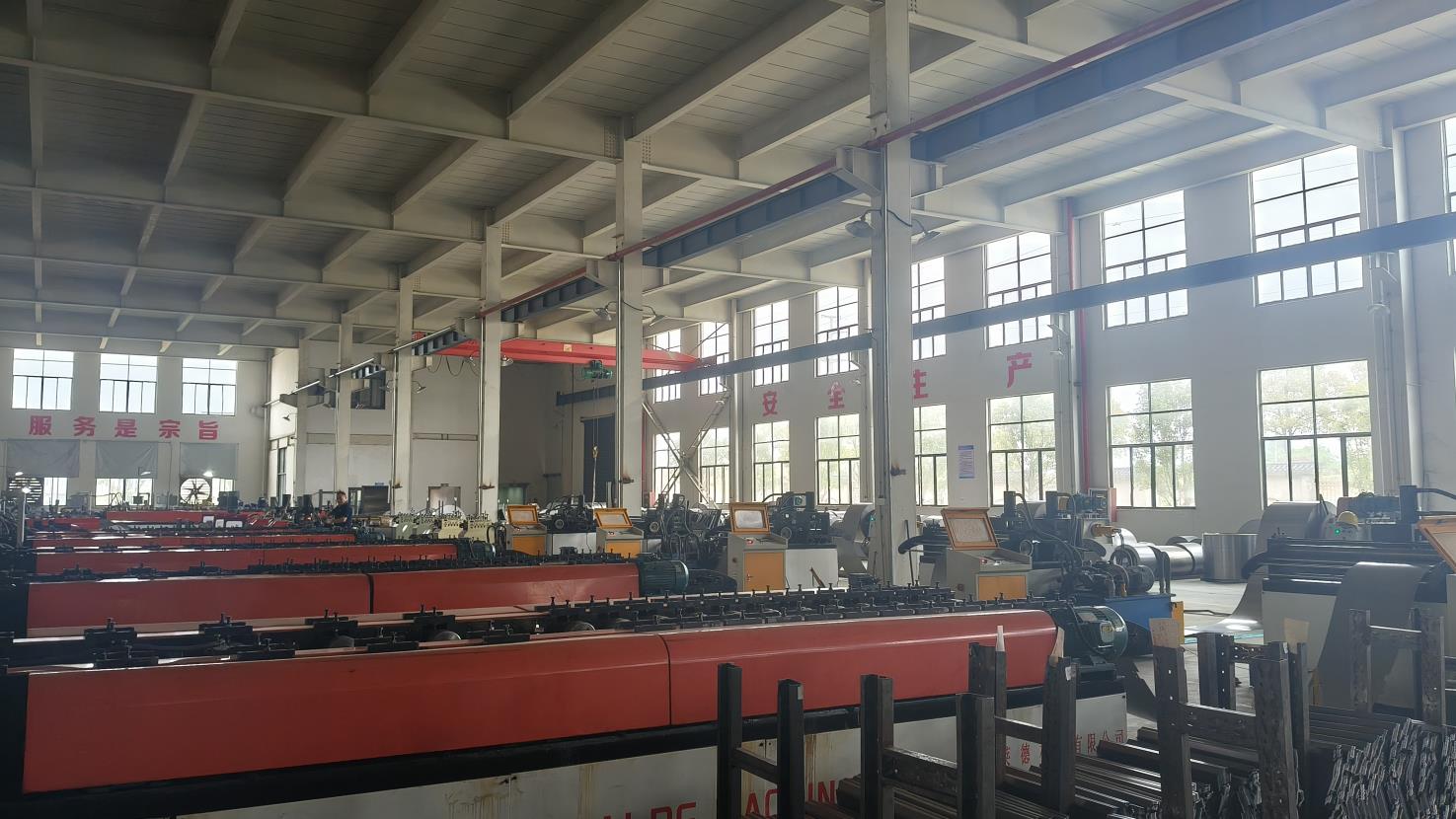
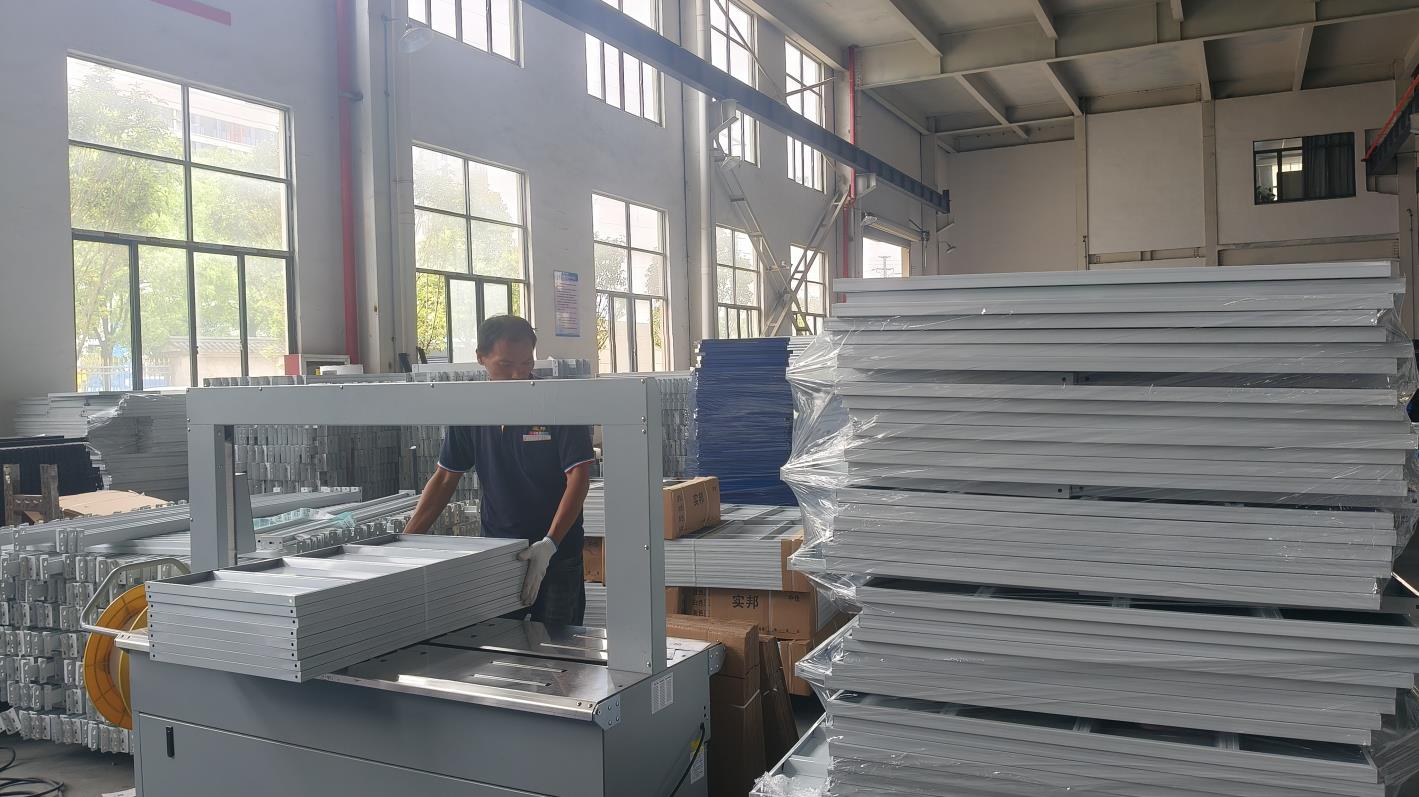
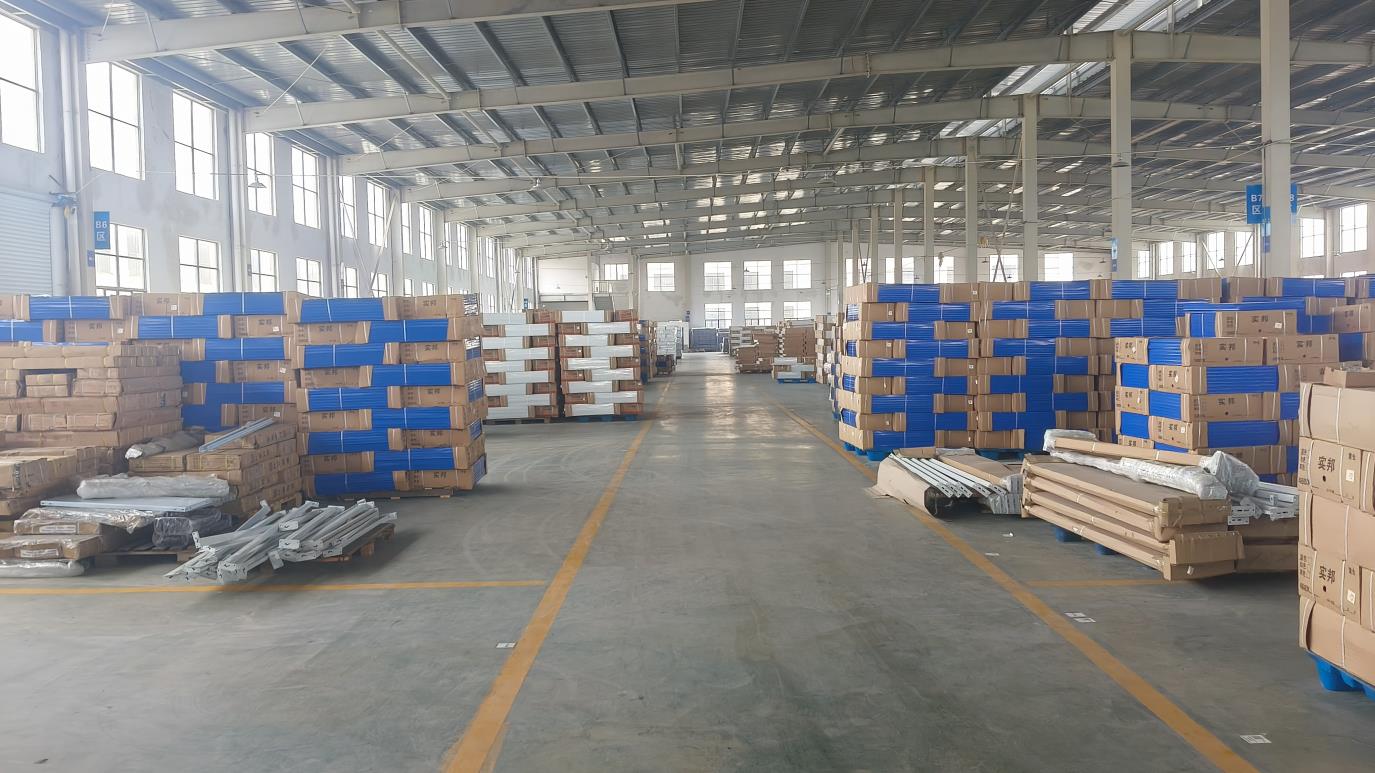
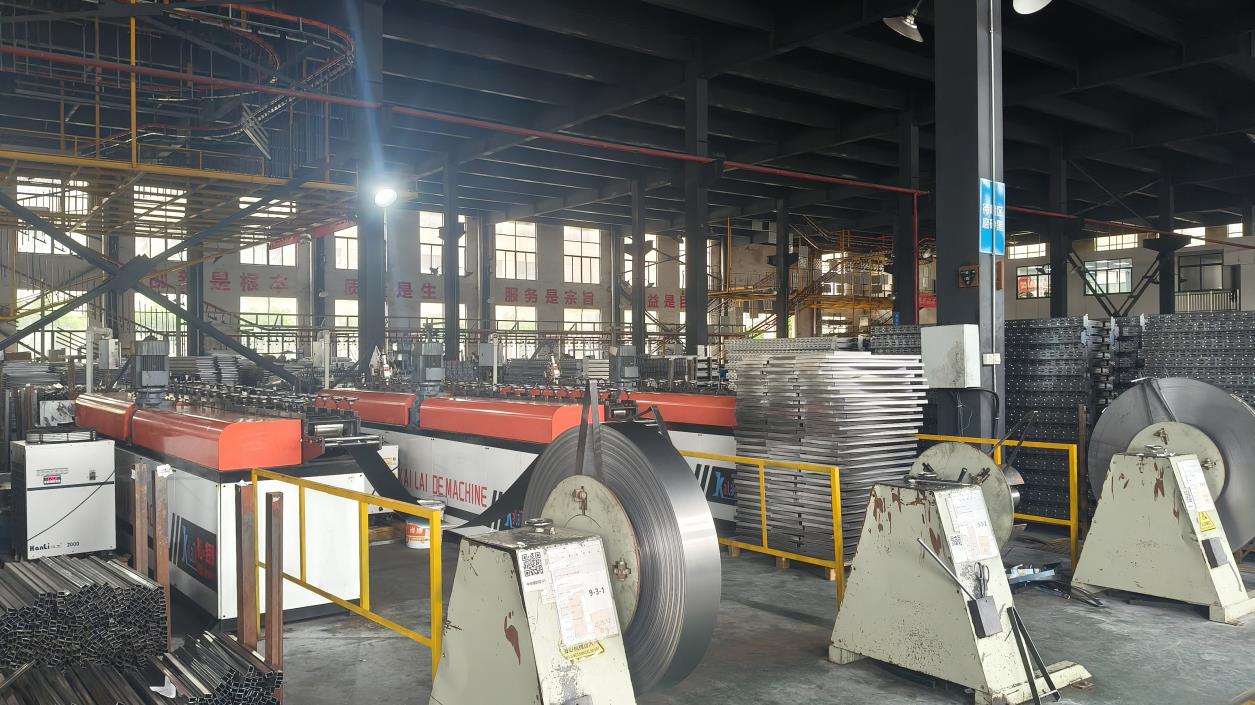
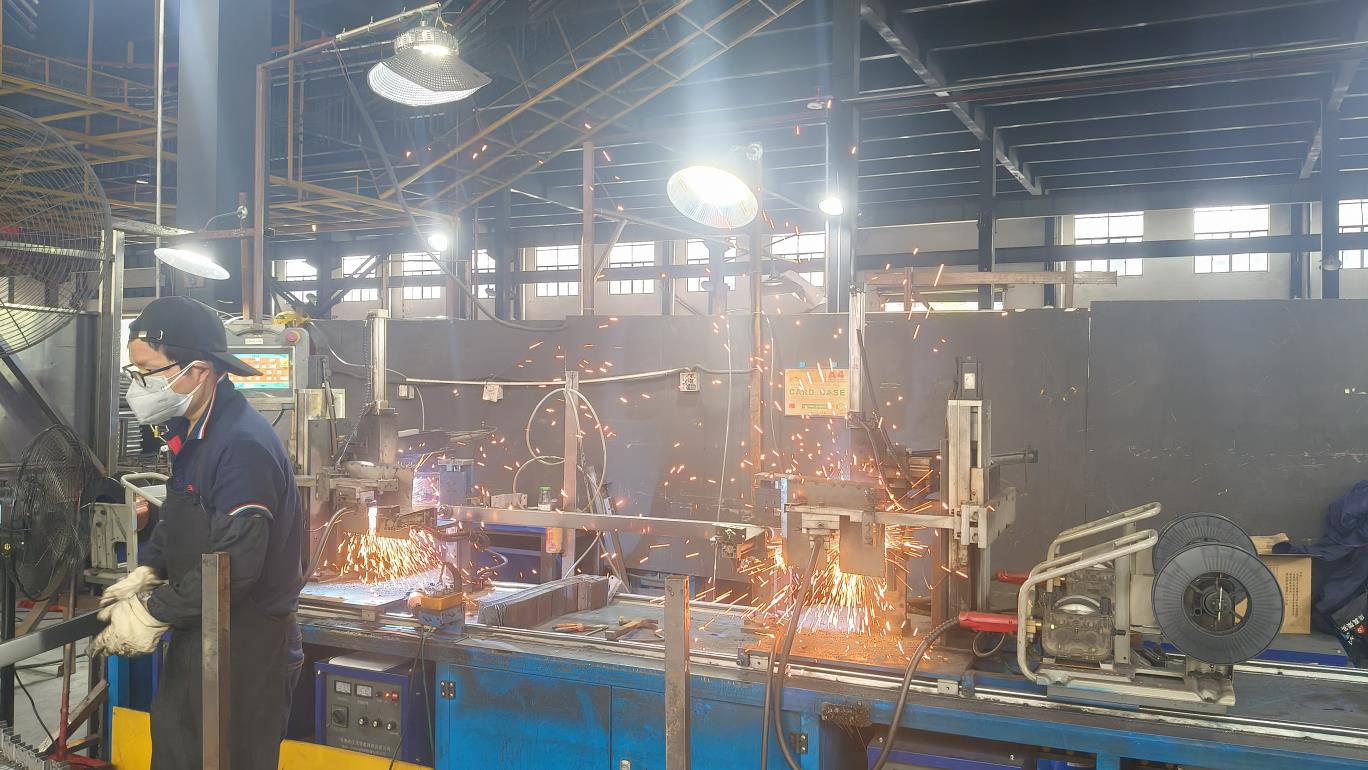
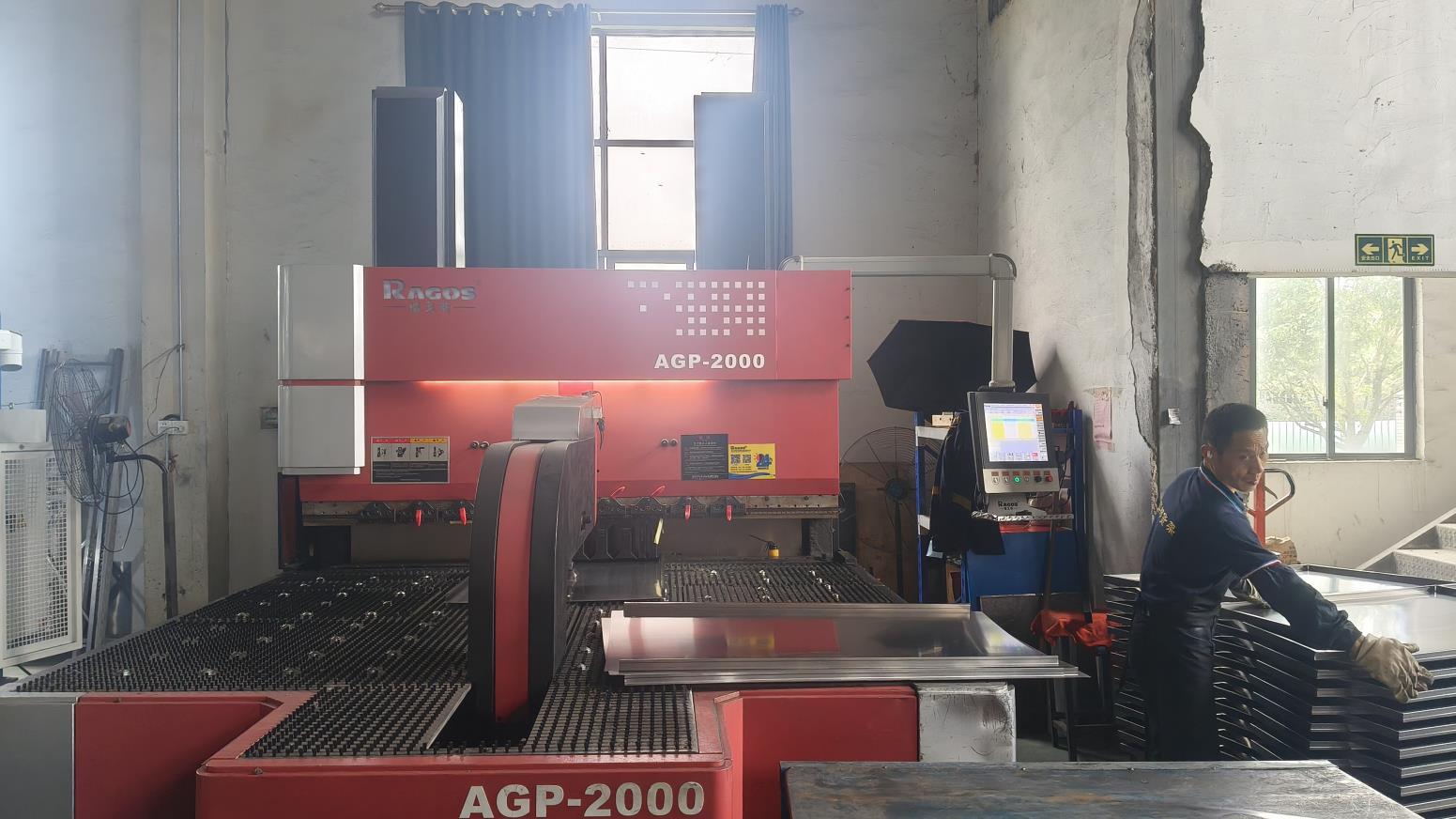
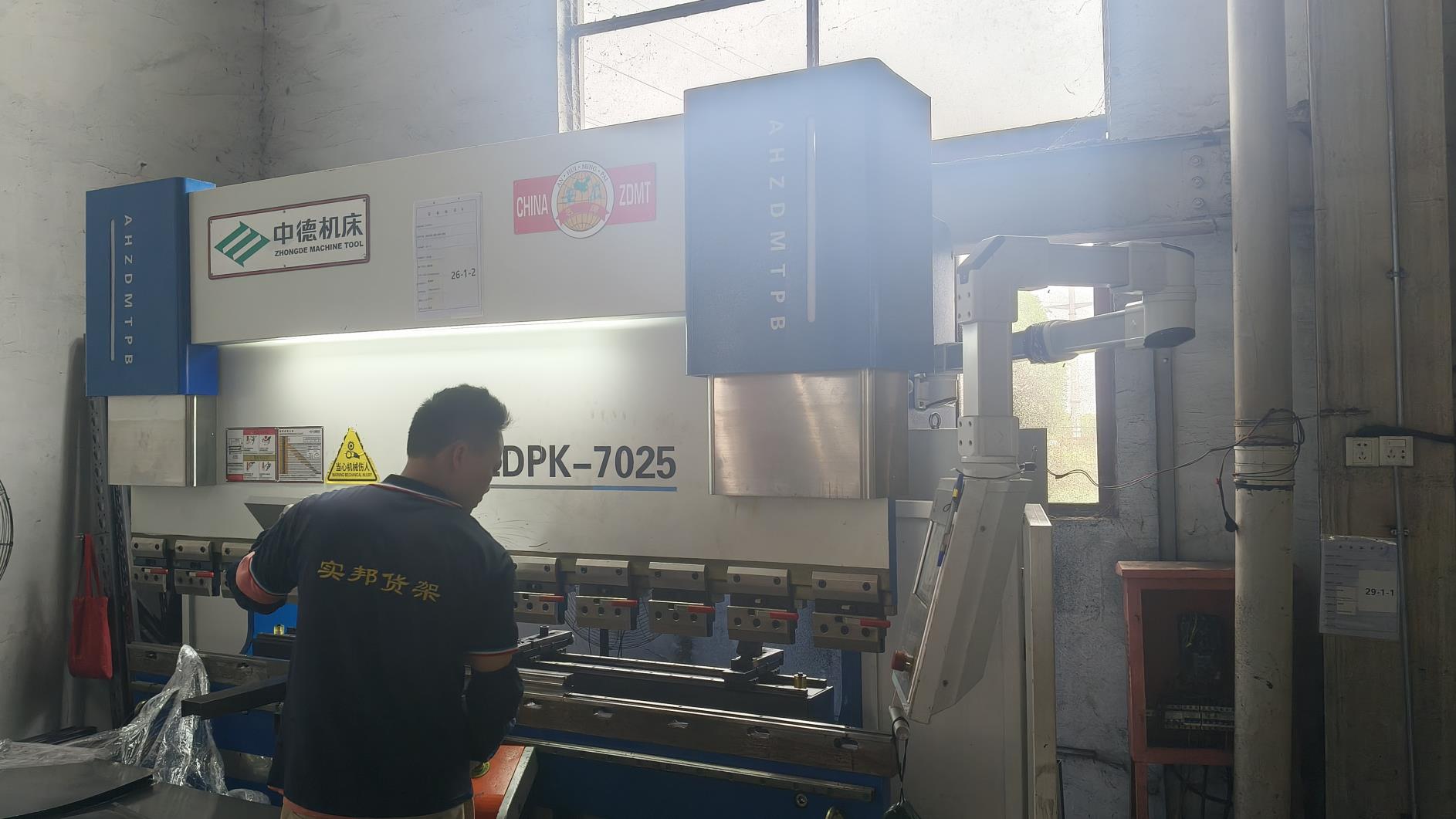
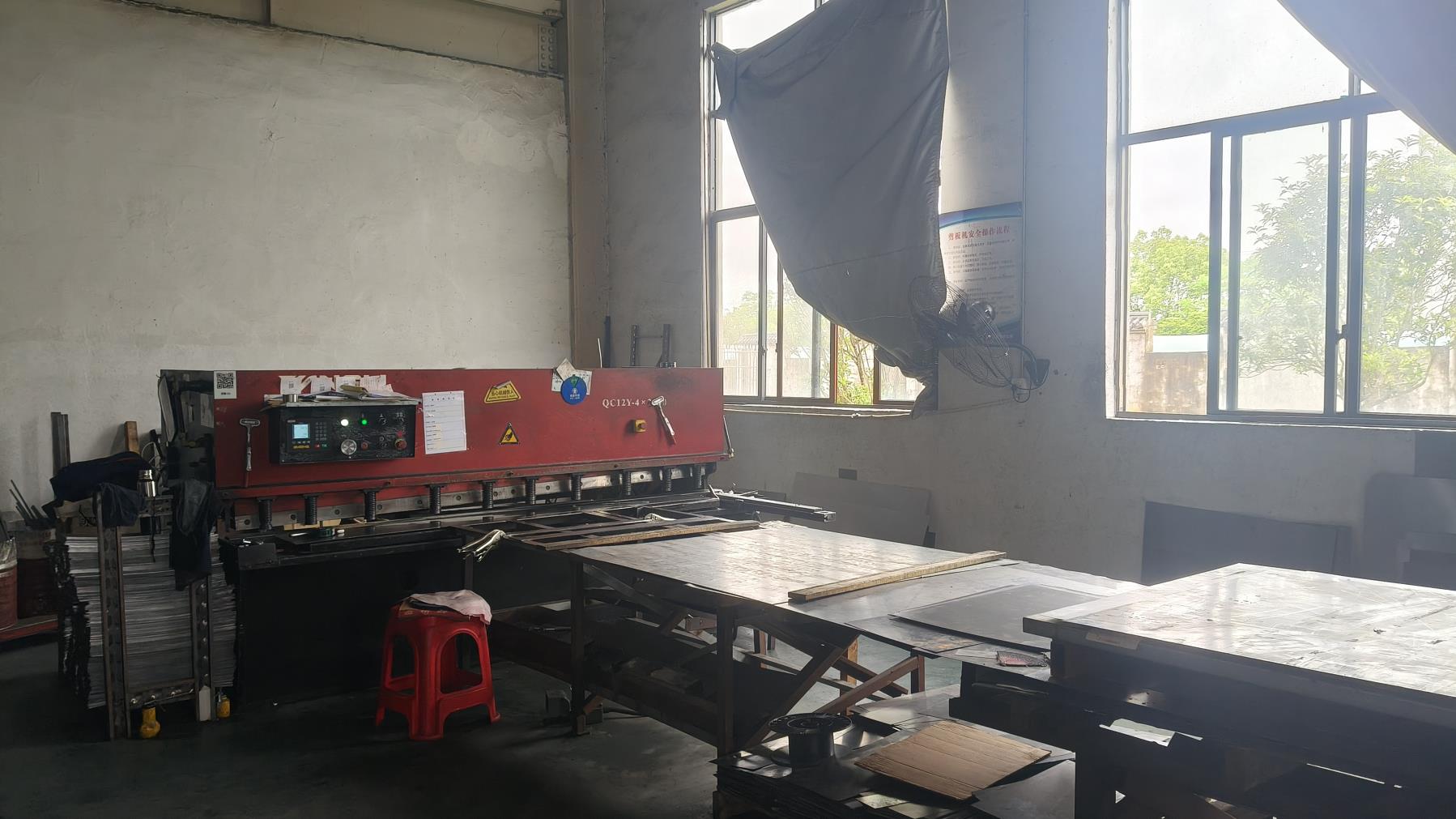
Guangdong Shibang operates a modern 35,000㎡ plant equipped with automated forming, welding, and powder coating lines to deliver consistent product quality.
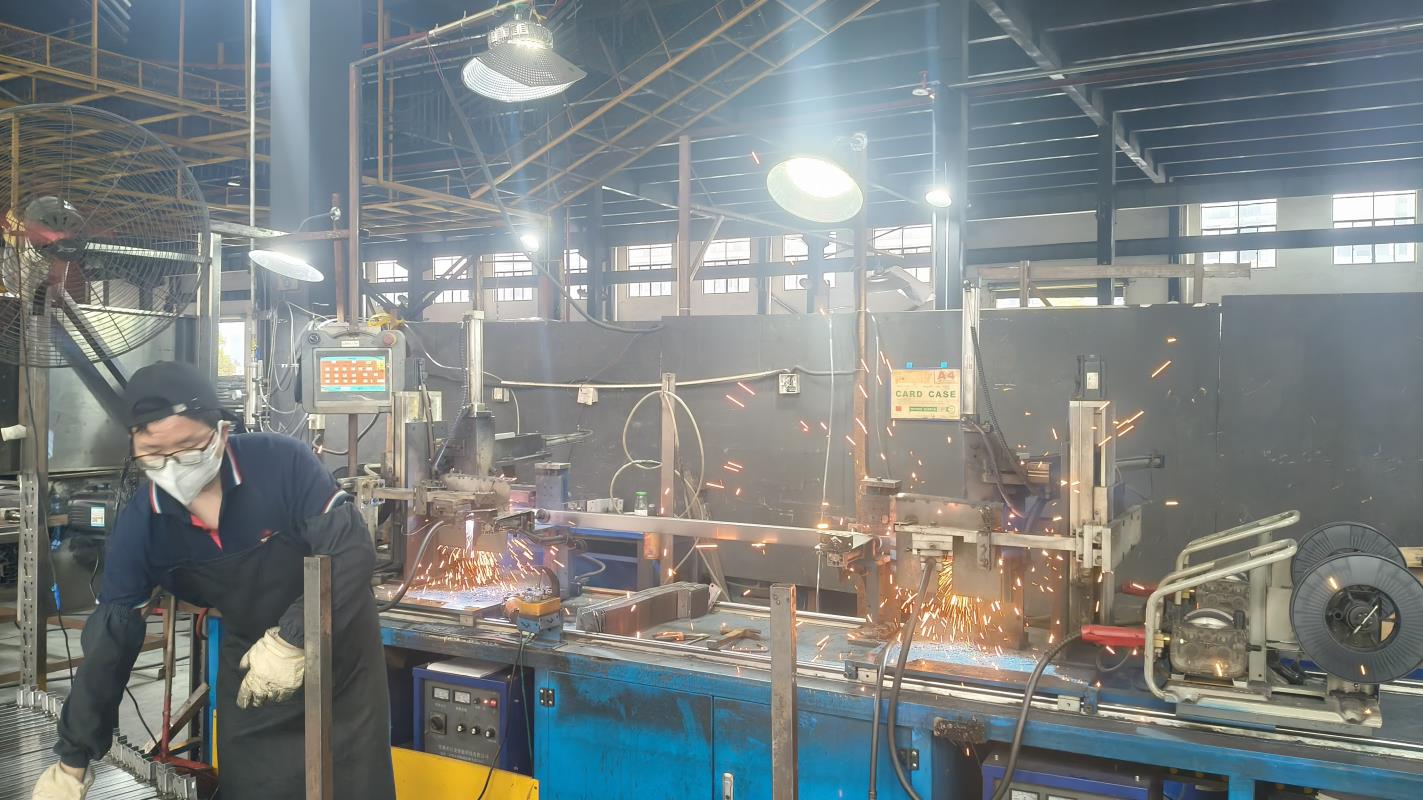
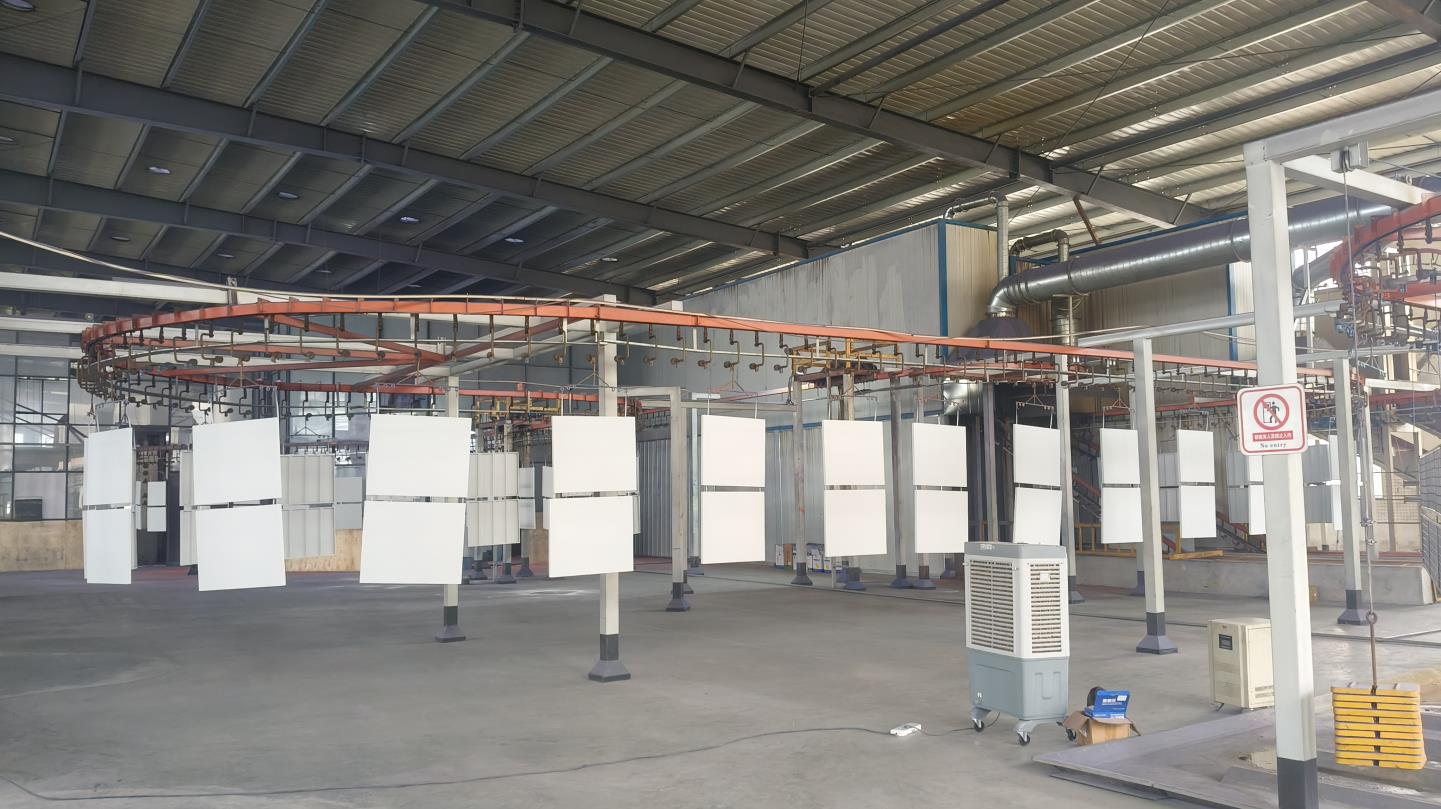
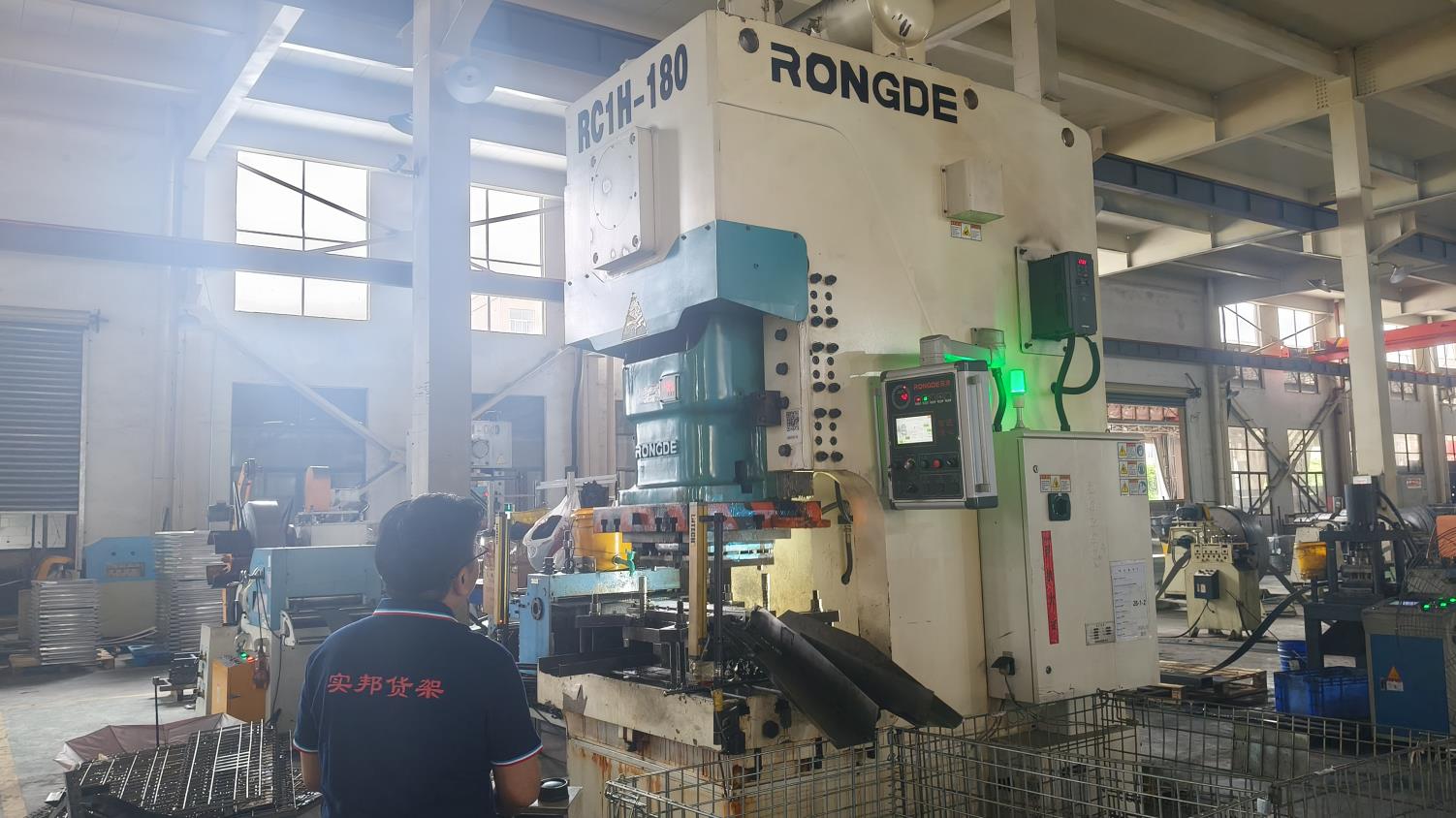
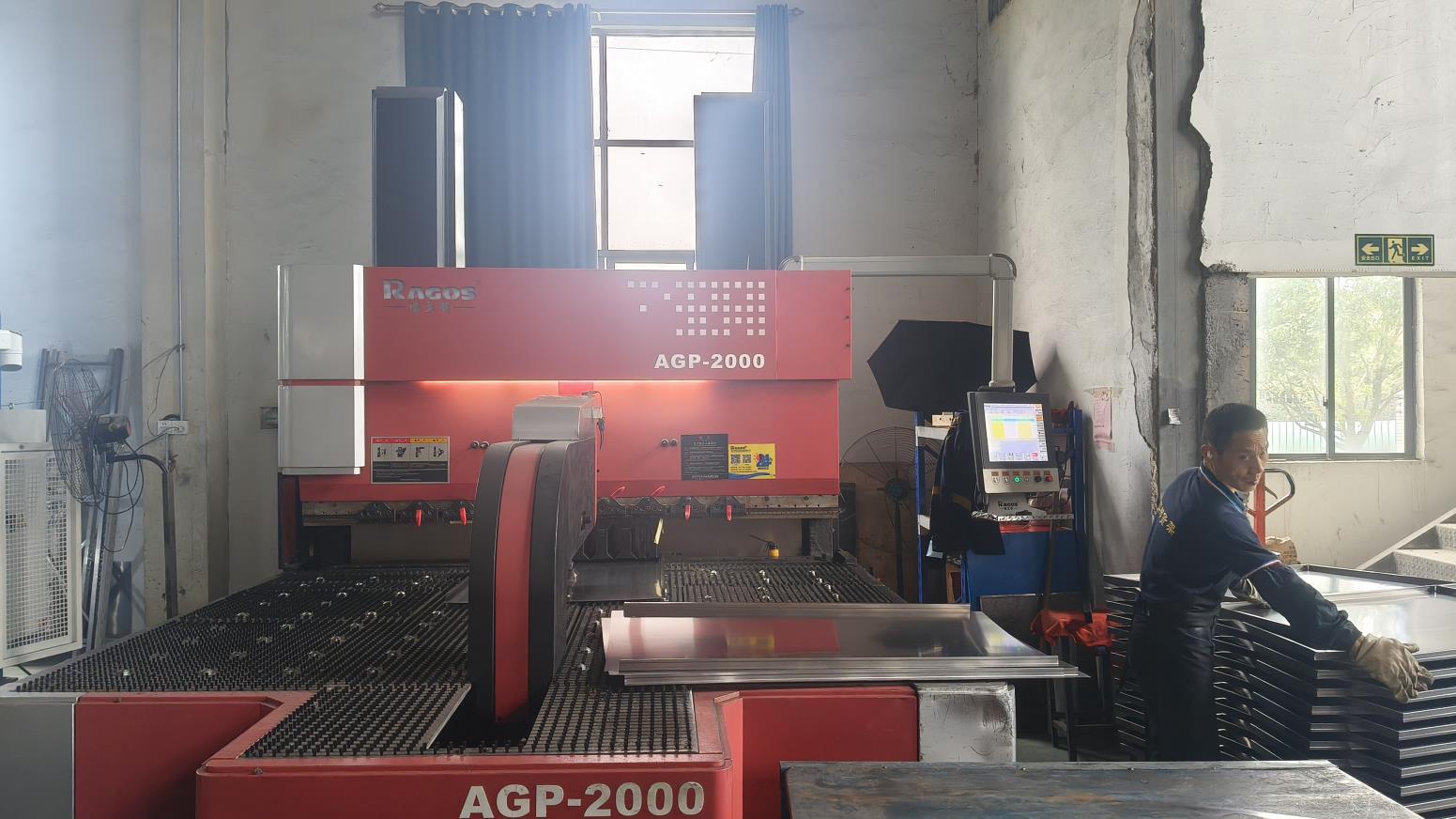
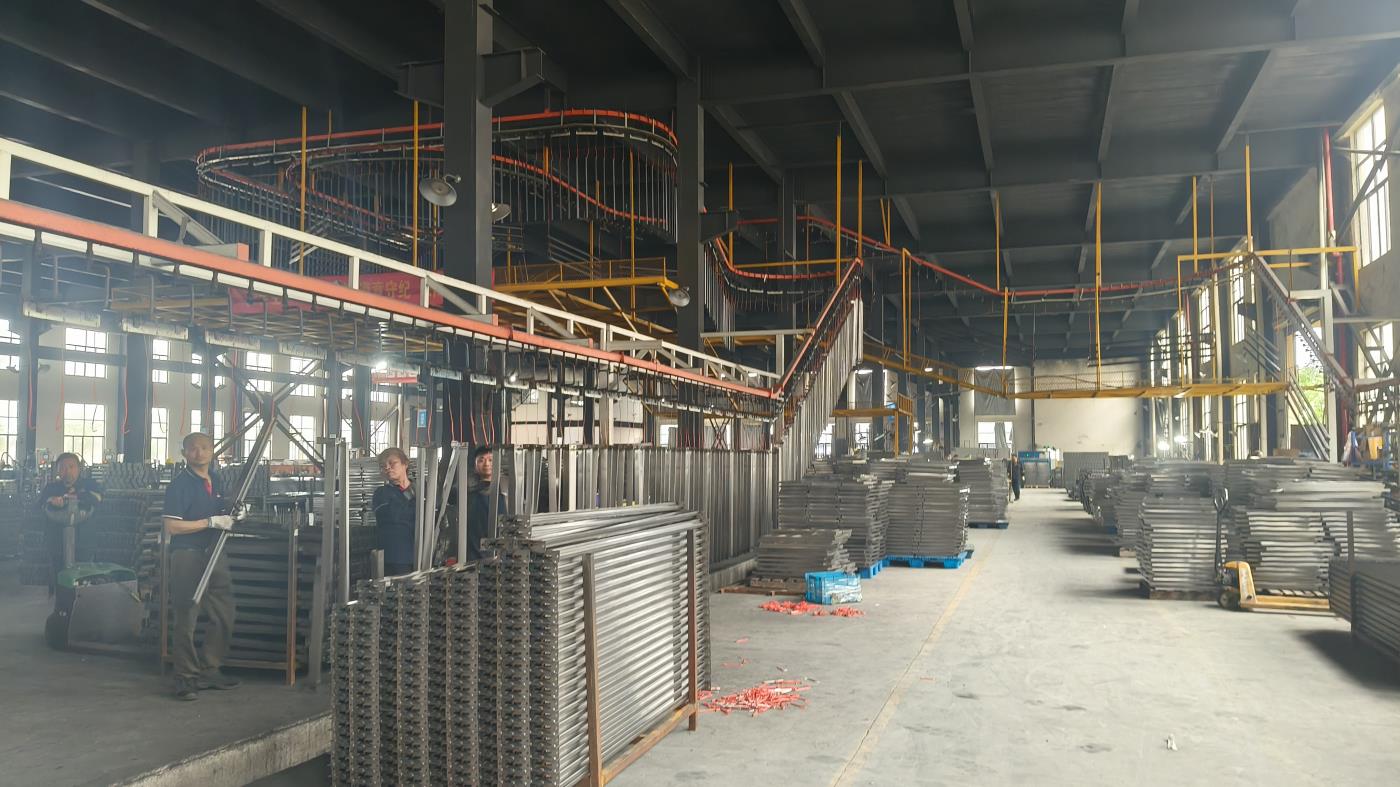
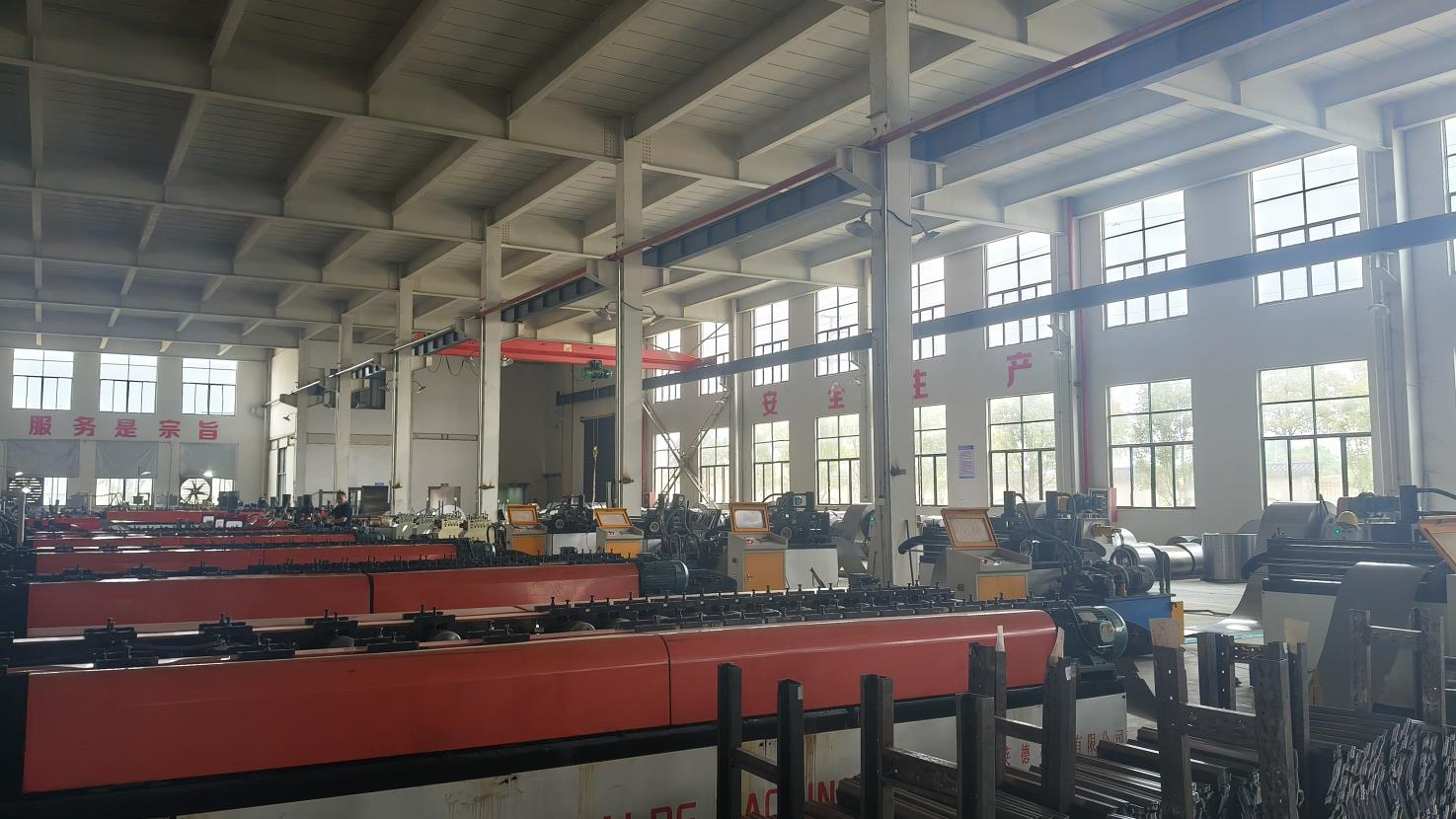
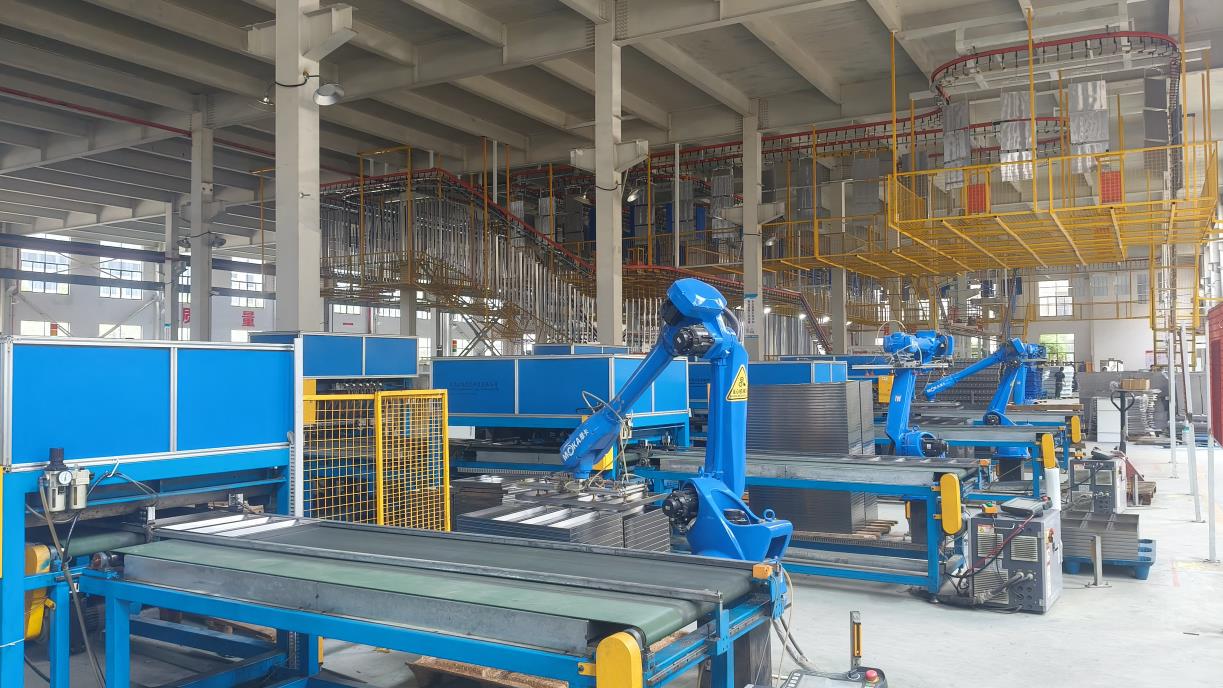
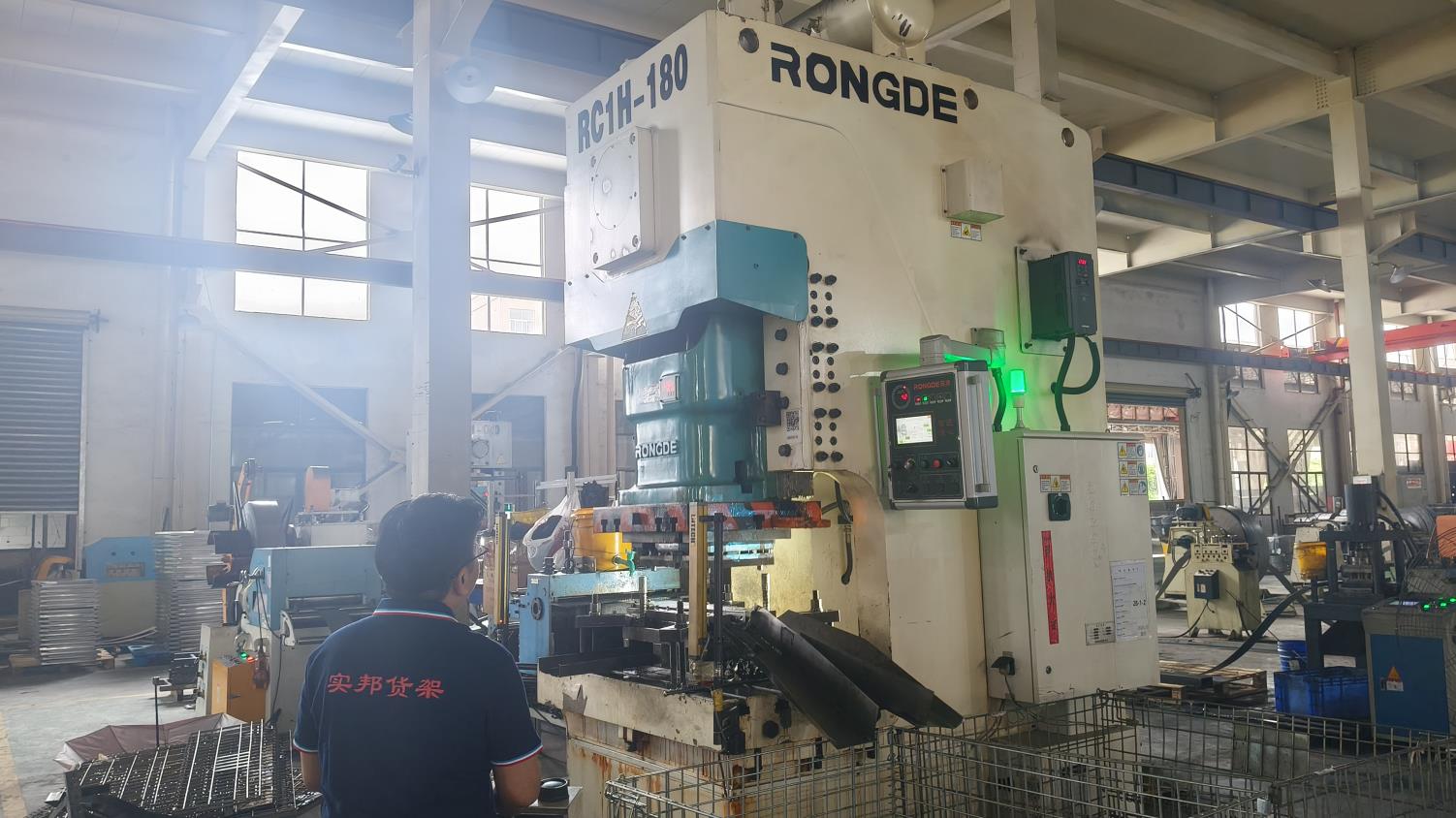
Providing direct answers to critical logistics engineering and procurement questions regarding steel storage racks and wire mesh components.
Q235B steel is a standard structural carbon steel grade widely used in rack manufacturing. It provides balanced mechanical properties with a yield strength of 235 MPa and high tensile strength. This ensures structural elasticity under maximum load conditions. It has excellent welding properties, allowing for robust joints that resist seismic forces and accidental impact from forklifts. This helps prevent localized failures from escalating into structural collapses.
Electrostatic powder coating uses a thermosetting polymer layer cured under heat. This provides a hard, abrasion-resistant barrier that protects against moisture, oils, and mild chemical cleaners in dry indoor warehouses. Hot-dip galvanization, which deposits a zinc-iron alloy layer, is better suited for outdoor locations or sub-zero cold storage facilities. The zinc acts as a sacrificial anode, preventing rust even if the surface is scratched by metal pallets.
Boltless steel shelving designs feature a interlocking taper key-hole assembly method. This allows quick adjustment of beam levels without specialized tools, saving time during setup and changes. They offer clean structures with minimal protruding parts, reducing the risk of snagging retail packaging or injuring workers during manual picking operations.
Load capacity verification involves structural calculations using Finite Element Analysis (FEA), followed by physical testing. Racks are loaded to 1.5 times their rated capacity to verify deflection limits. Welded joints are inspected using ultrasonic or magnetic particle methods, and raw steel batches are verified to ensure consistent yield strength.
The wire mesh decking must feature precise dimensional accuracy, flat surface profiles, and structural reinforcement channels. The channels must rest securely on the box beams to prevent shifting. Mesh spacing must align with local fire protection standards to ensure sprinkler water can pass through, while still supporting the point loads of pallet bases.
Robust Solutions Engineered for High Load Intensities, Cold Chain Environments, and Automated Warehousing
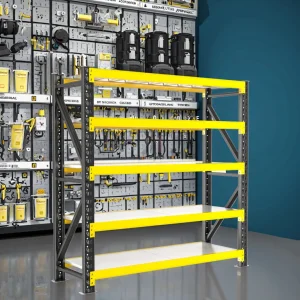
 Shibang Storage Rack