Explore our range of heavy-duty, boltless, and semi-automated pallet storage systems designed to transform warehouse throughput.
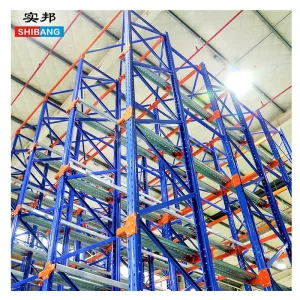
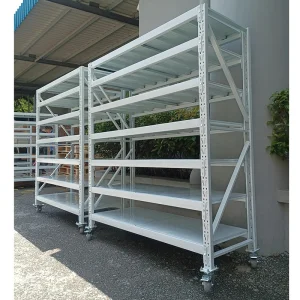
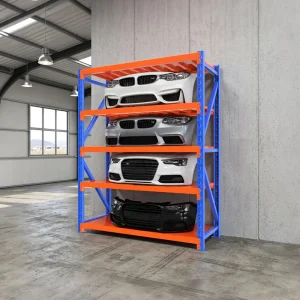
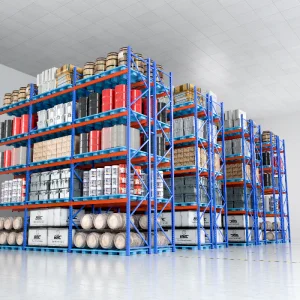
In the modern logistics landscape, the cost of commercial real estate and industrial warehousing space continues to rise globally. Standard pallet racking systems, while highly flexible, fail to optimize density due to the necessity of wide operating aisles for reach trucks and forklifts. Conversely, static block-stacking presents risks of structural damage and limits stock access. This challenge has driven global enterprises to adopt semi-automated racking systems, chief among which is the Radio Shuttle Racking System (also referred to as the Pallet Runner or Shuttle Rack).
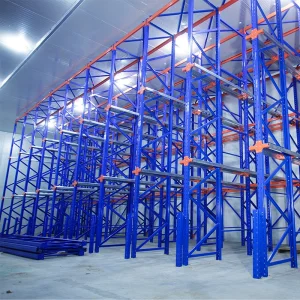
The Radio Shuttle rack consists of a specialized racking framework and a self-powered cart that runs on guide rails within the storage lanes. Guided by remote controls or integrated WMS (Warehouse Management System) instructions, the shuttle cart carries pallets from the entry face of the lane to the deepest available storage slot. This eliminates the need for forklifts to enter the racking structure, minimizing structural collisions and significantly driving up speed and warehouse throughput.
Radio shuttle storage utilizes up to 85% of warehouse volume, doubling the storage capacity compared to standard selective pallet racking systems by eliminating access aisles.
Forklifts do not enter the lanes. This eliminates structural impacts, reduces vertical upright damage, and keeps warehouse personnel and heavy machinery separated.
Shuttle systems support both LIFO (Last-In, First-Out) for typical drive-in applications and FIFO (First-In, First-Out) setups where entry and exit lanes are located on opposite sides.
As global supply chains transition to leaner operations, pallet shuttle technology is moving from a premium option to a necessity. Under strict regulatory climates in North America, Europe, Australia, and the Middle East, structural failure, seismic safety, and speed are the foremost criteria for purchasing managers. Heavy industries utilize shuttle racking systems to automate critical phases of raw materials inventory and finished product logistics.
Cold Chain and Temperature-Controlled Logistics: Cold storage environments represent the highest cost per cubic foot of warehouse space. Shuttle systems thrive in temperatures as low as -30°C. By condensing storage and reducing the overall footprint, operators decrease refrigeration losses and thermal transfer surfaces, generating massive energy savings.
FMCG and High-Volume Distribution Centers: Fast-Moving Consumer Goods (FMCG) require rapid batch transitions. The pallet runner system handles large numbers of identical SKUs with maximum speed, allowing forklifts to feed multiple lanes simultaneously. It provides an efficient intermediate option for companies transitioning from manual configurations to fully automated ASRS (Automated Storage and Retrieval Systems).
Inside our 35,000㎡ modern manufacturing plant, we run automated roll-forming and high-precision steel-processing machinery to ensure dimensional consistency and load capacity.
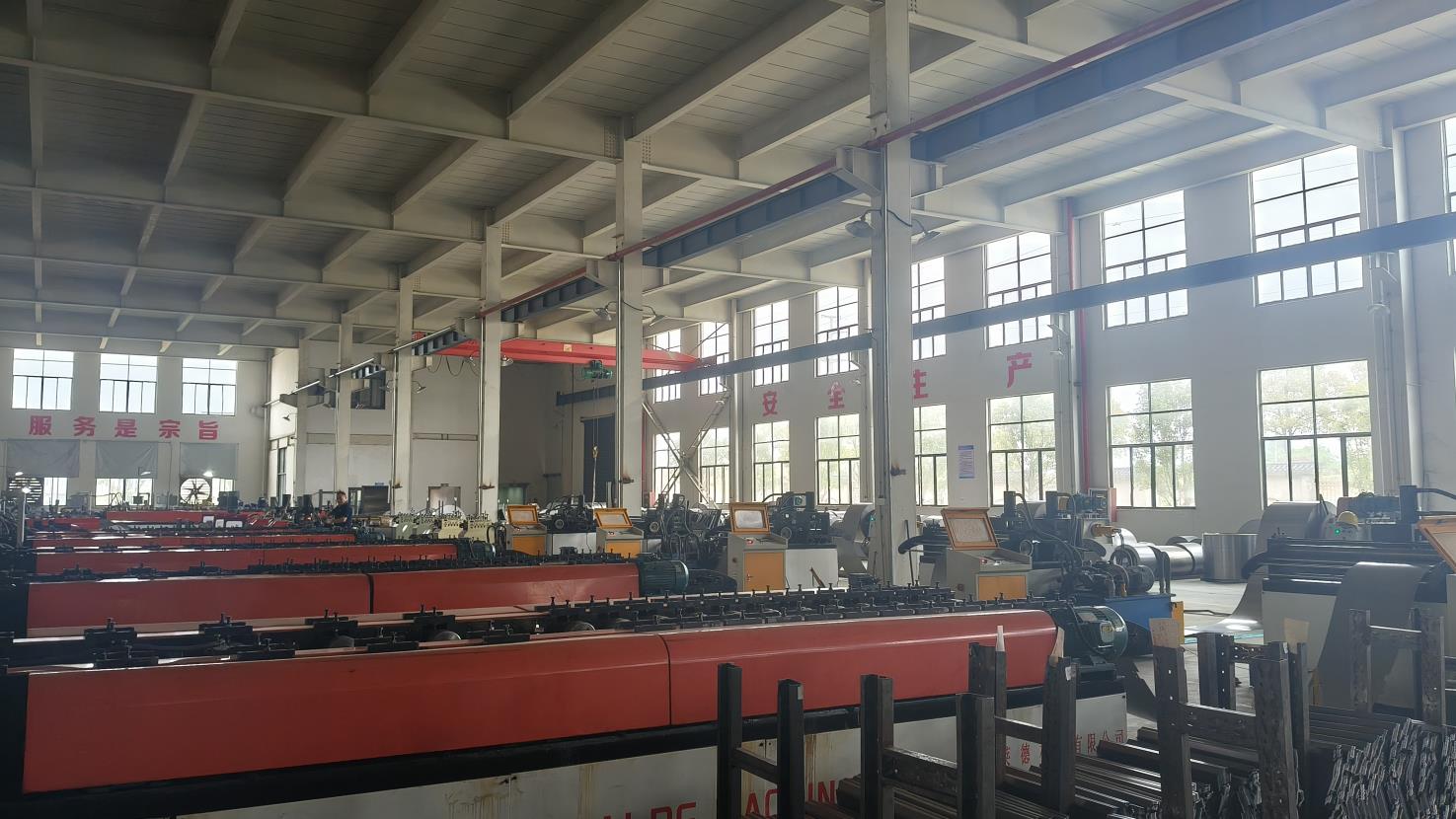
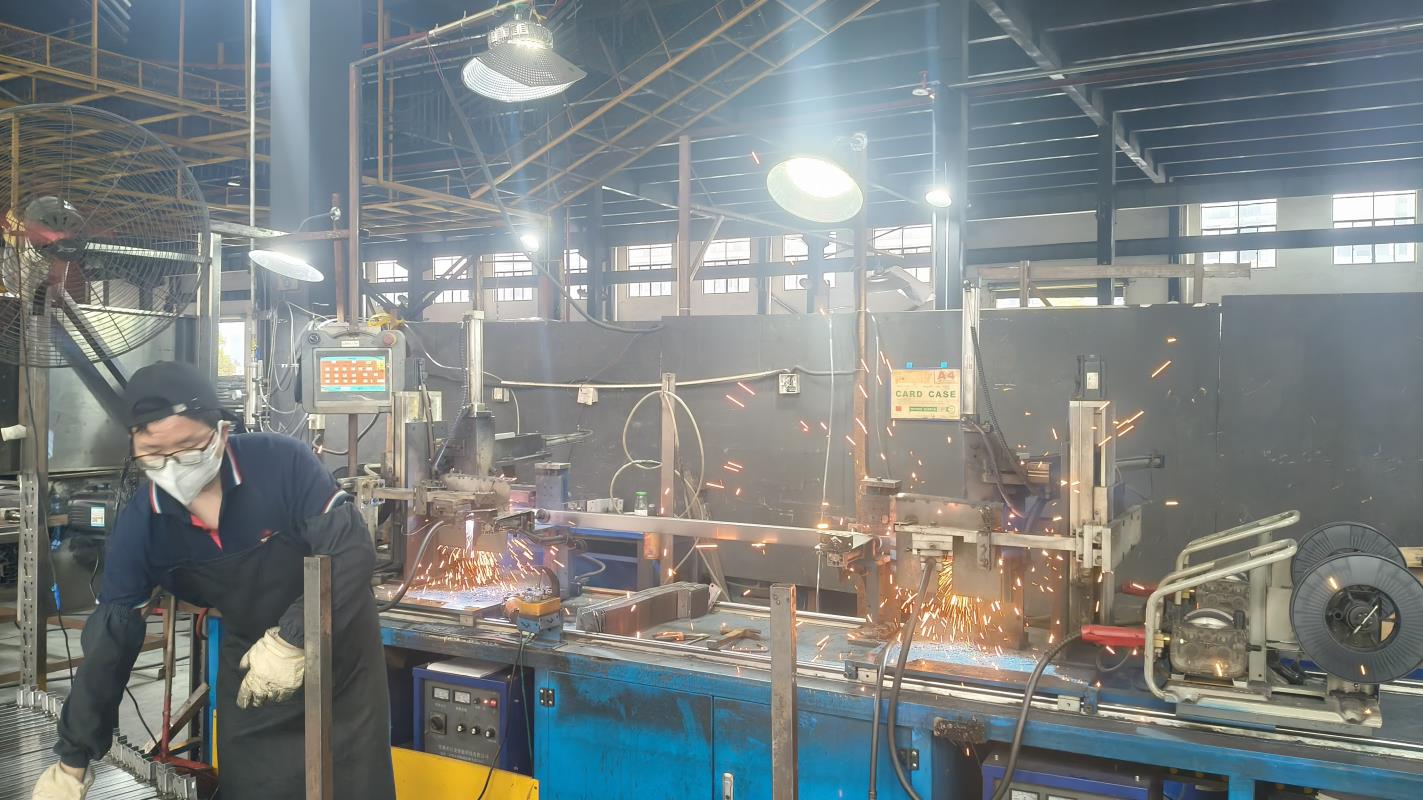
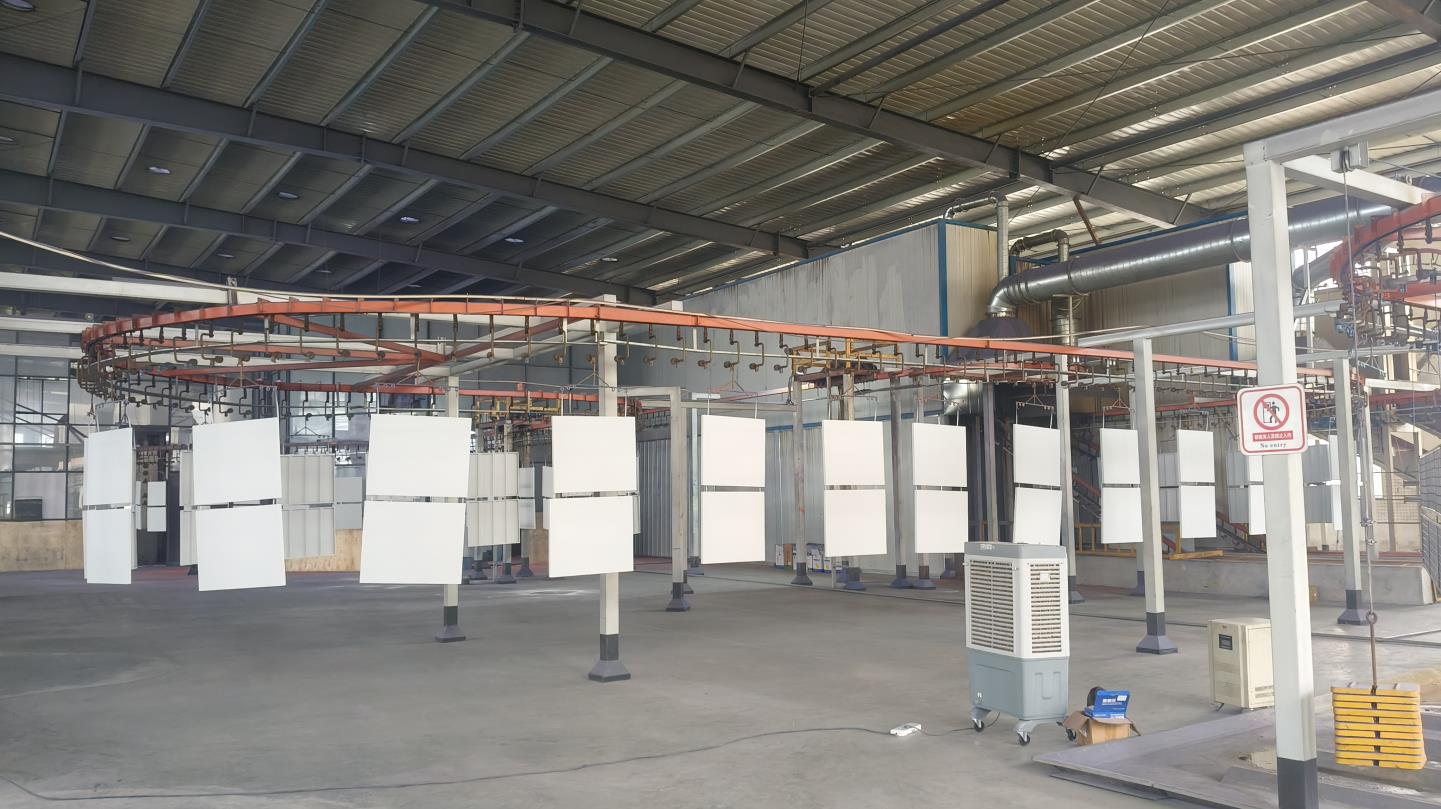
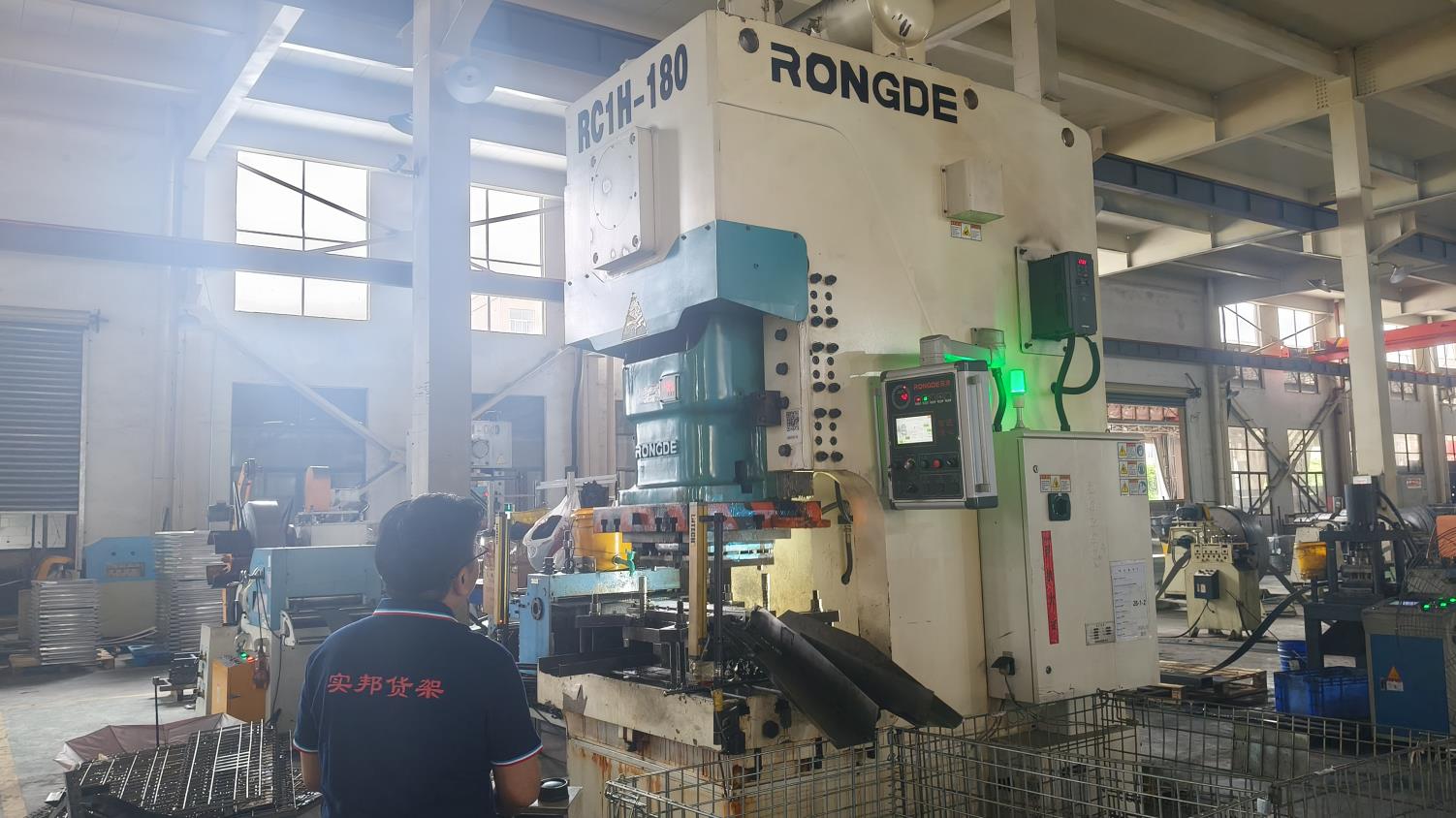
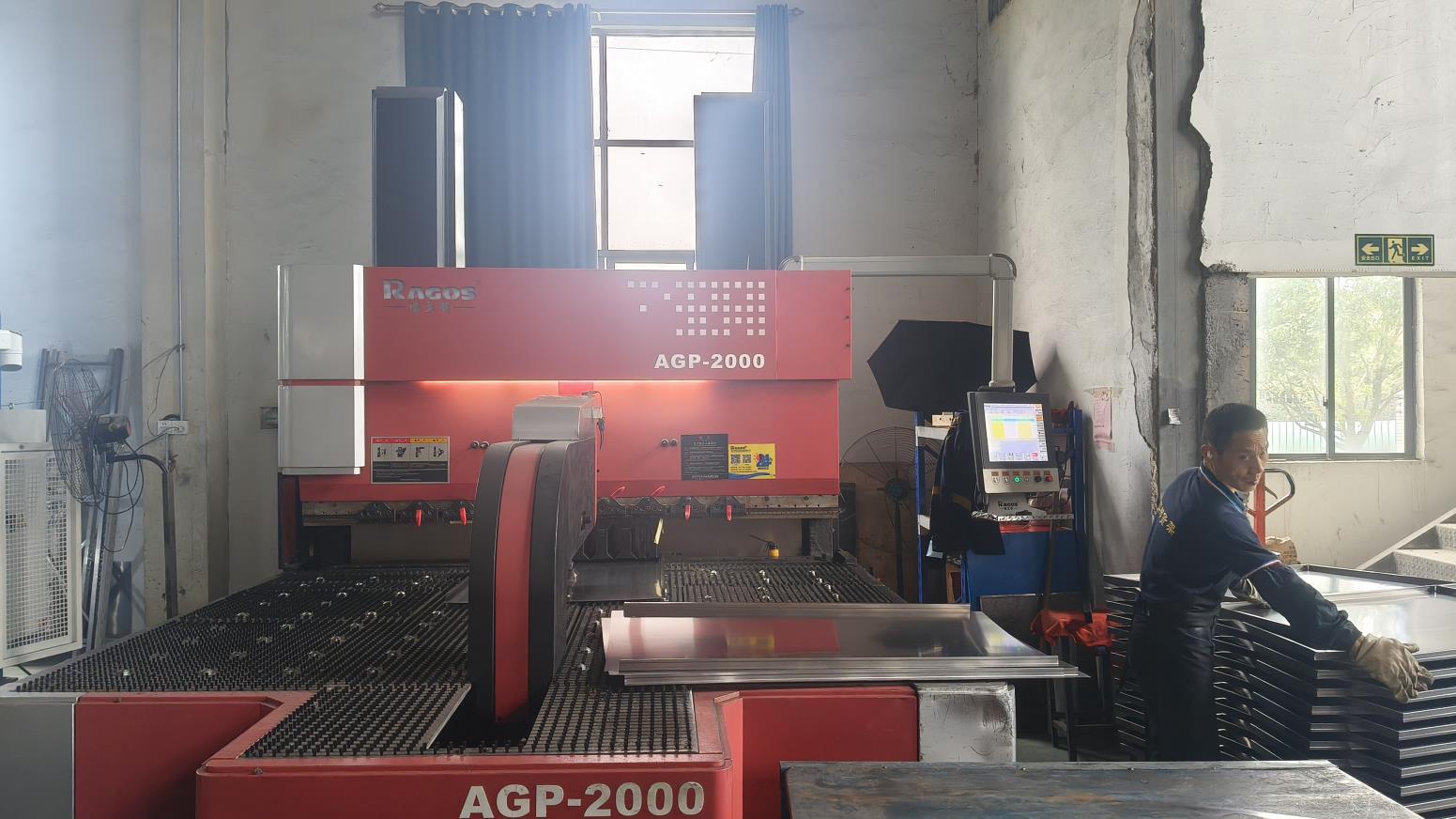
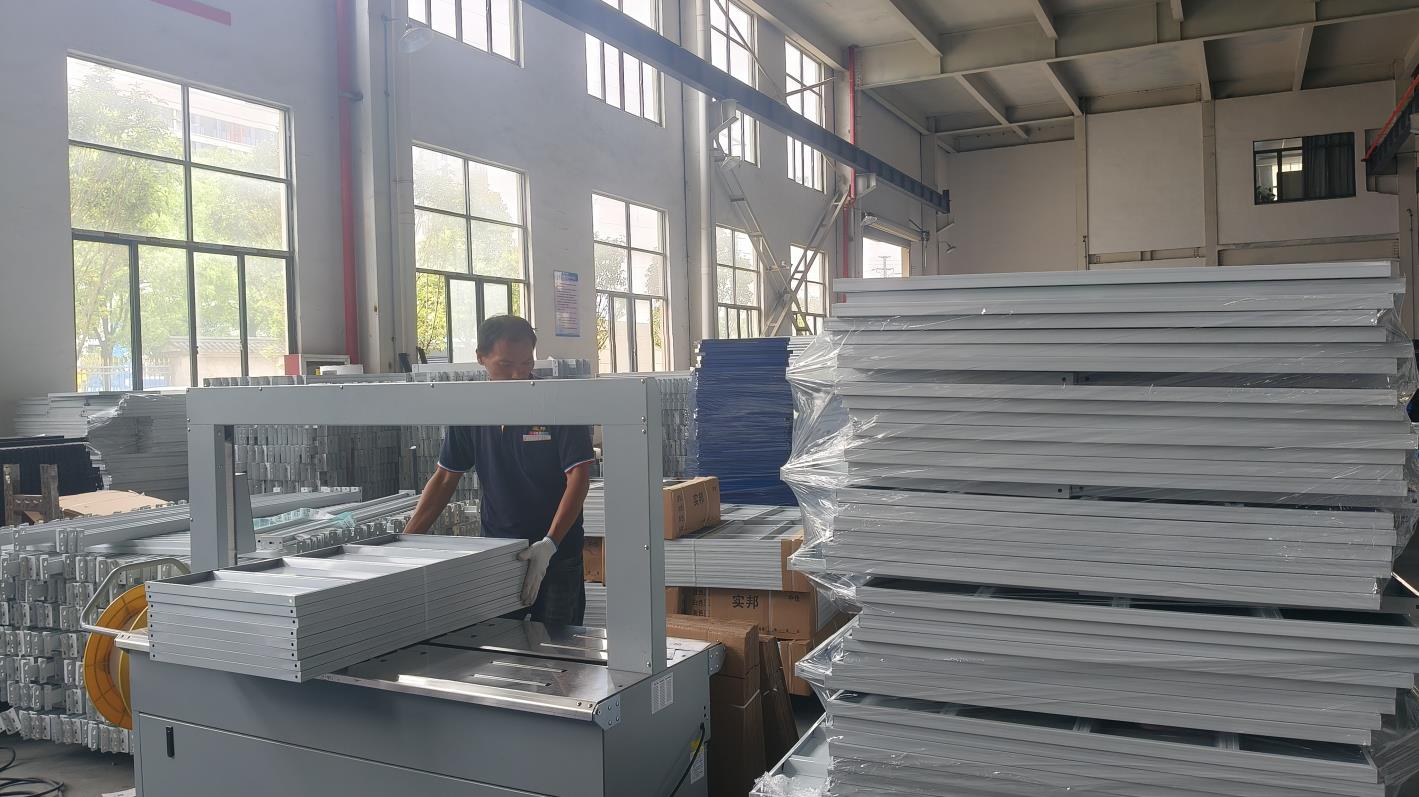
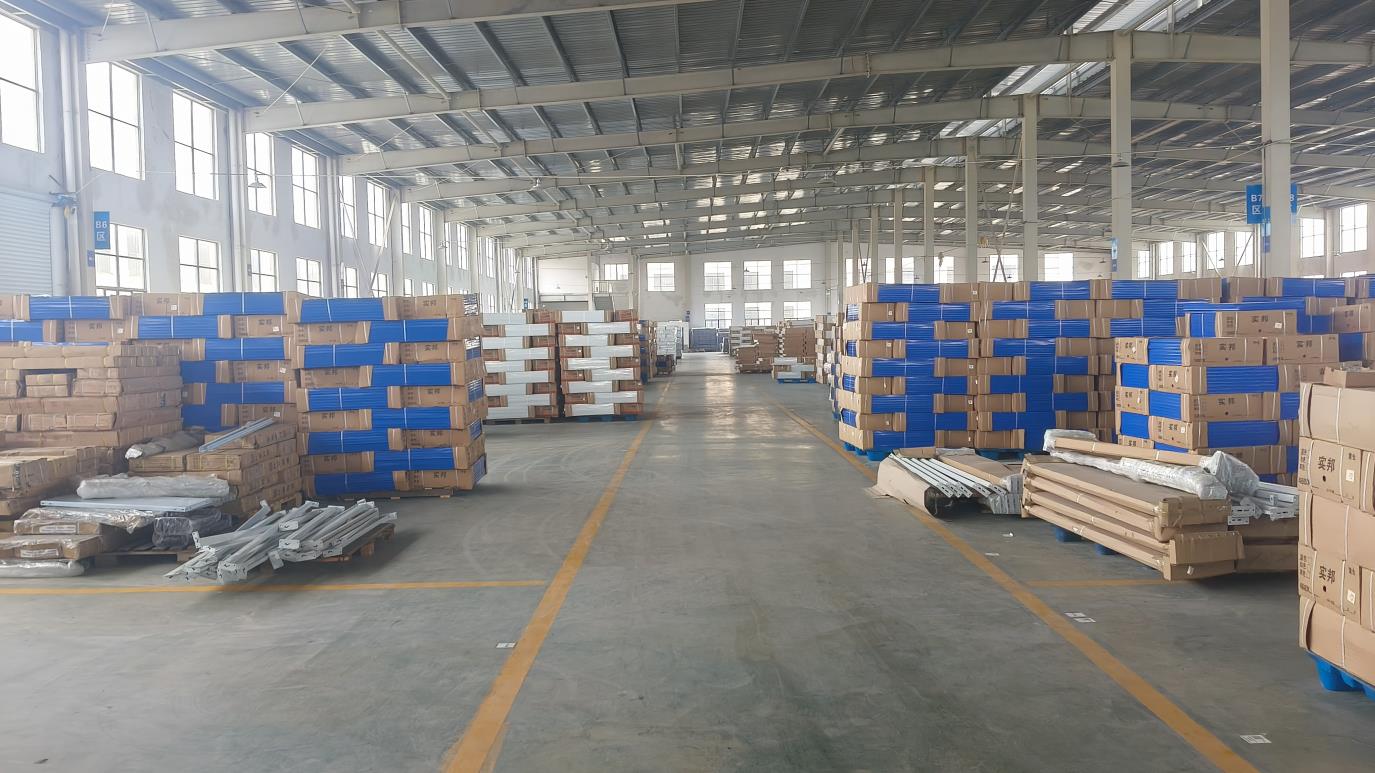
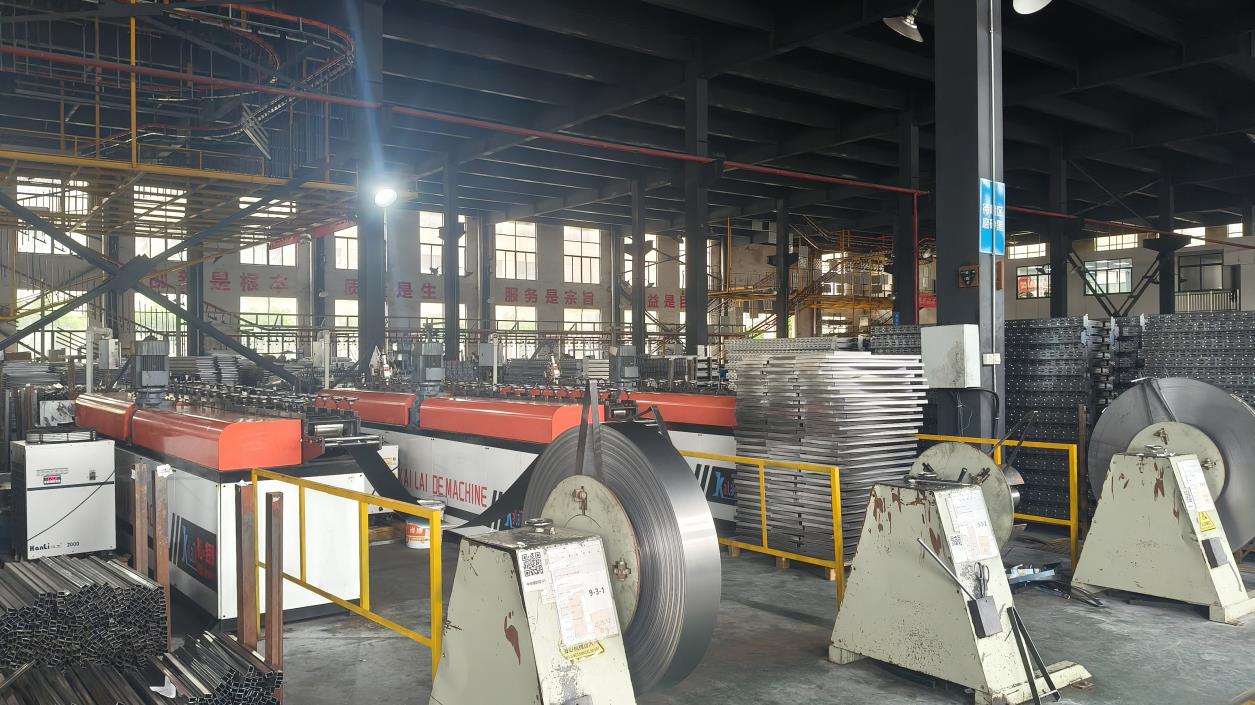
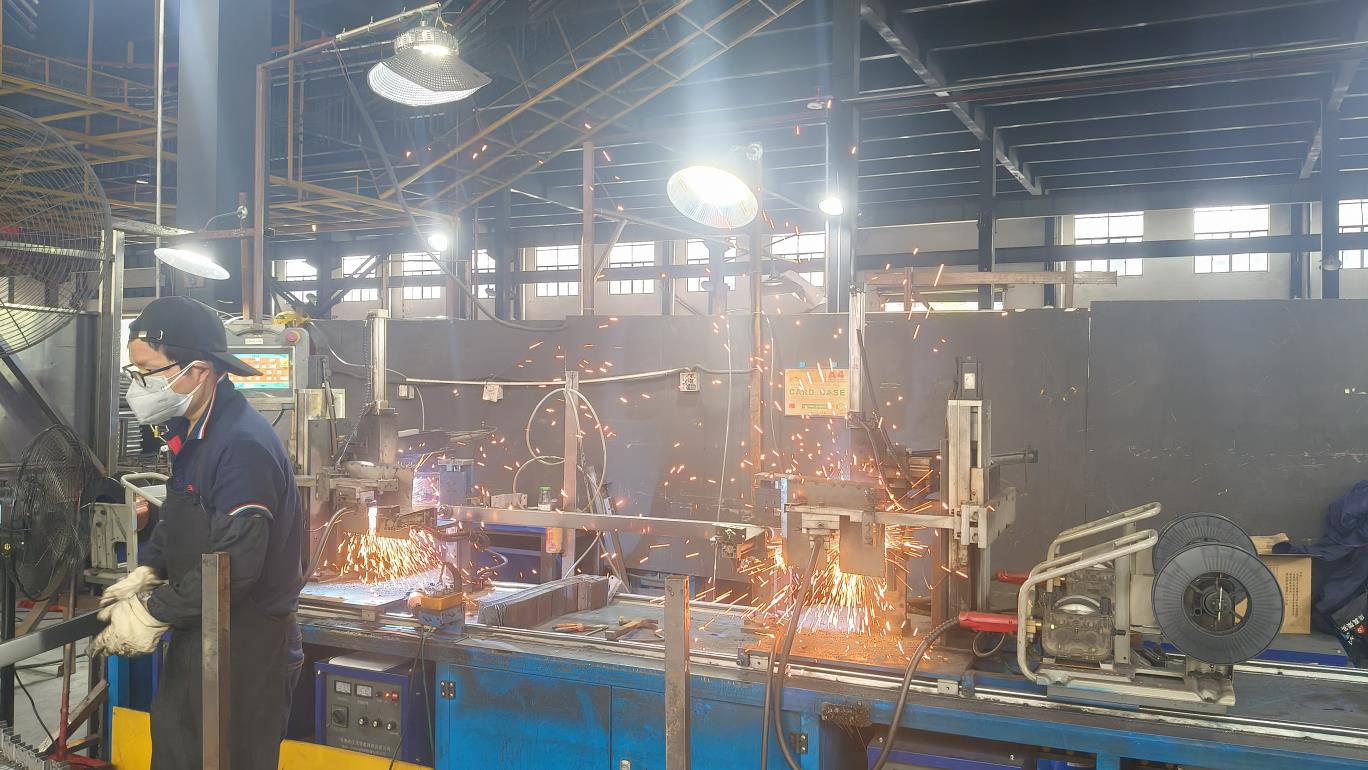
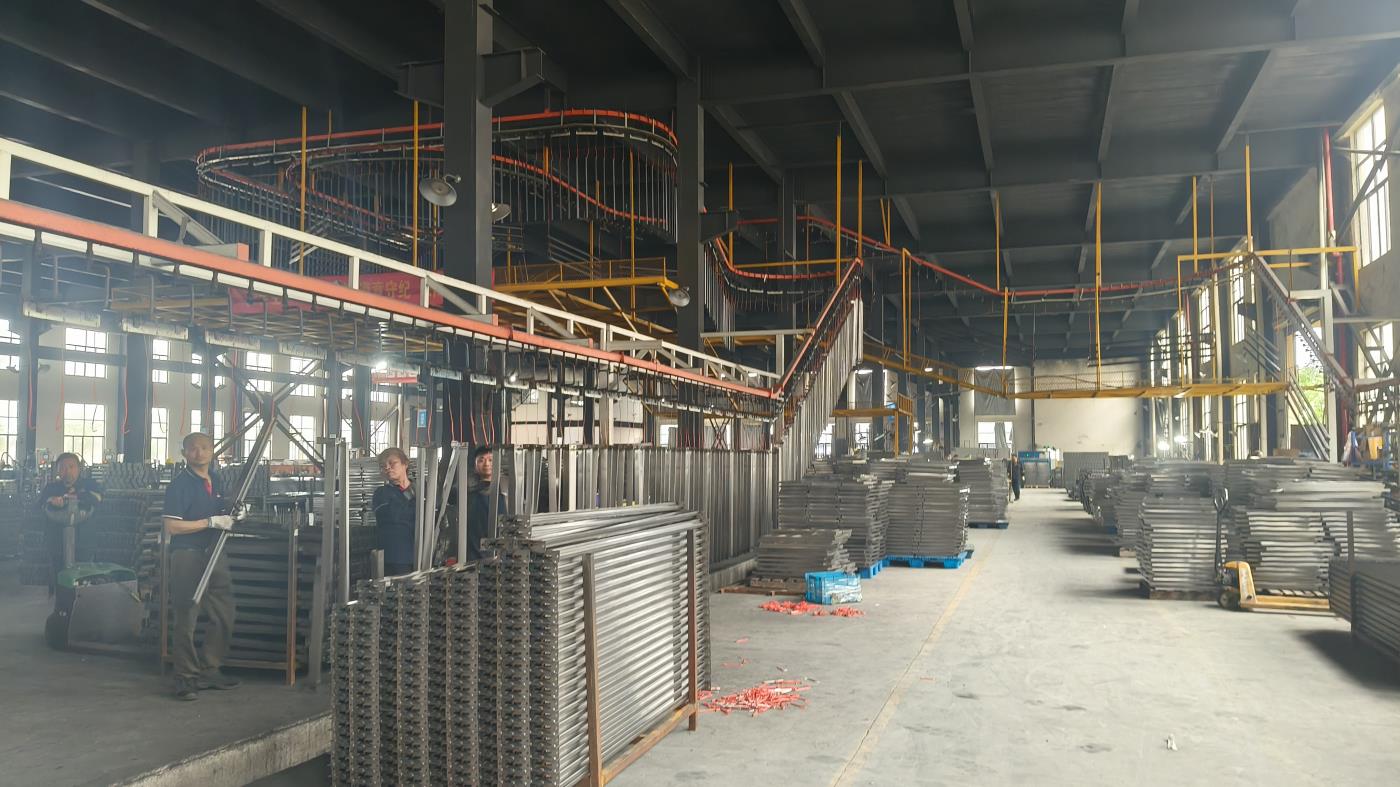
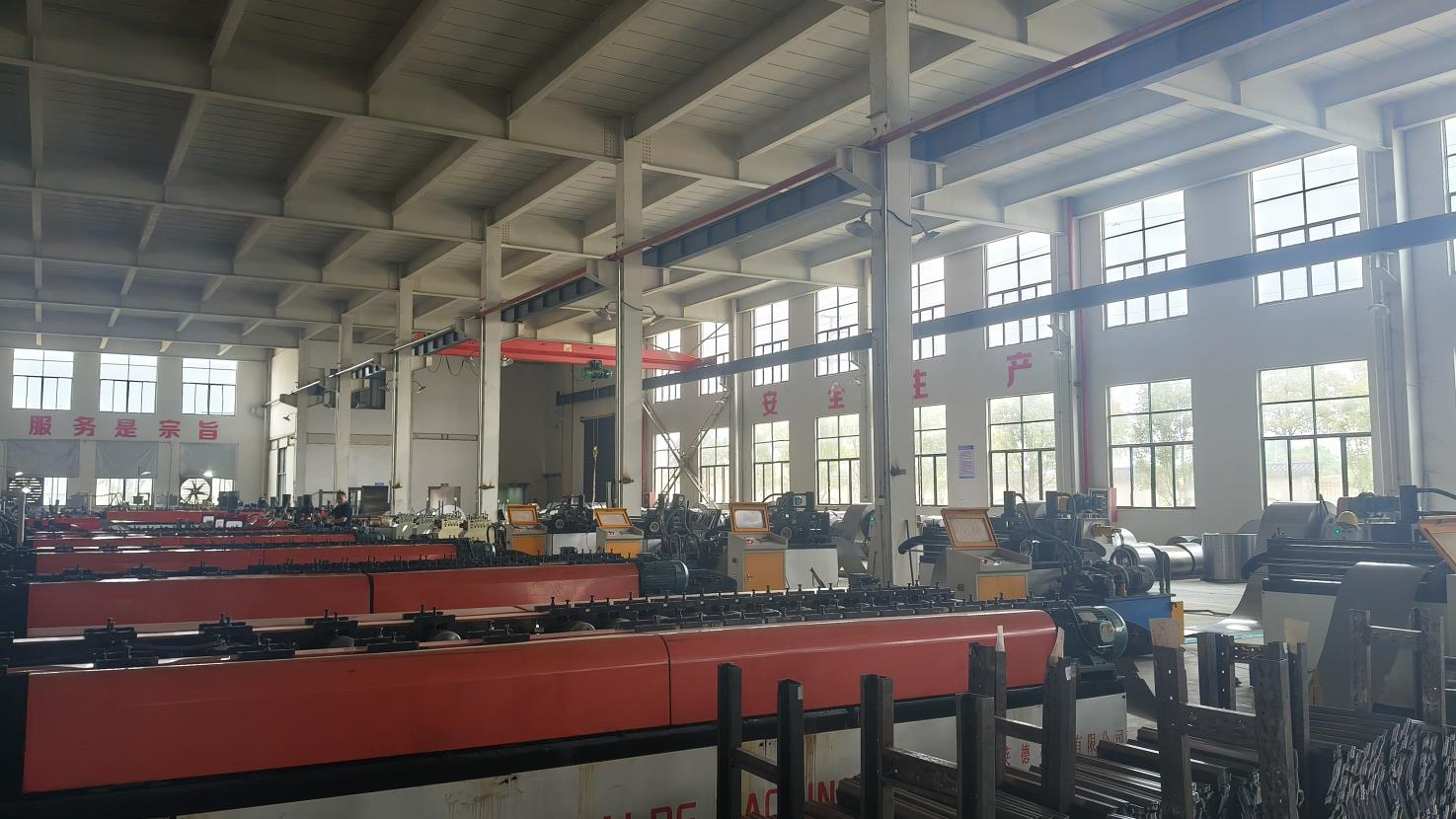
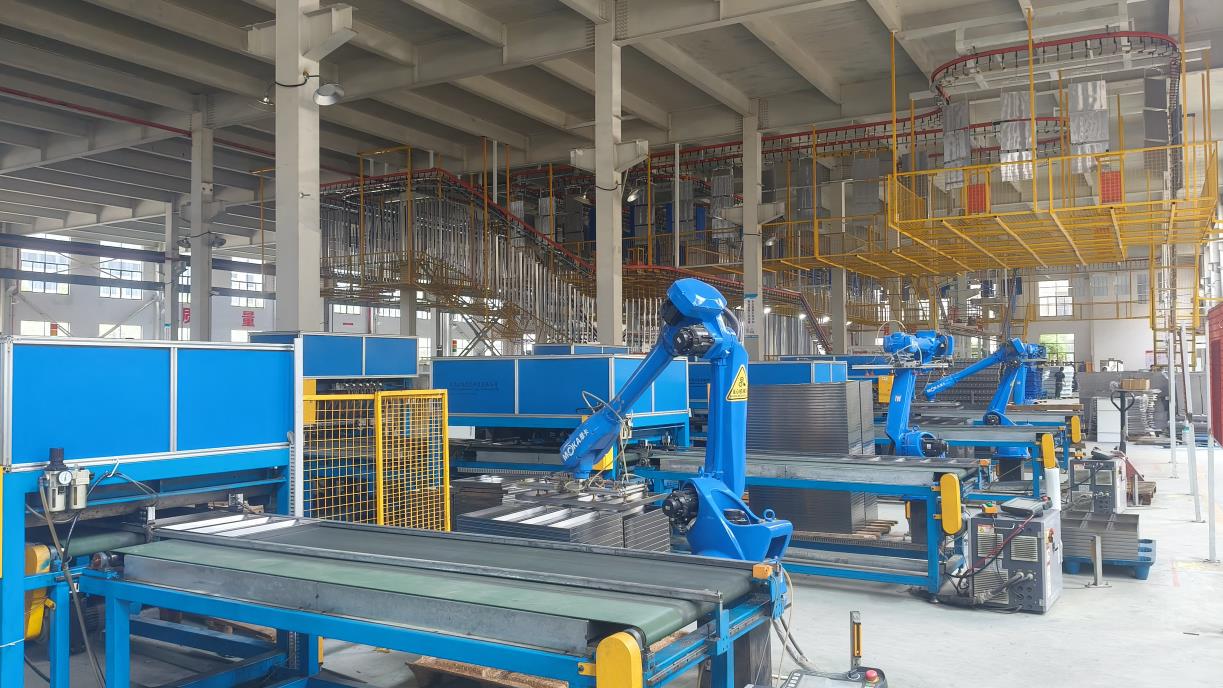
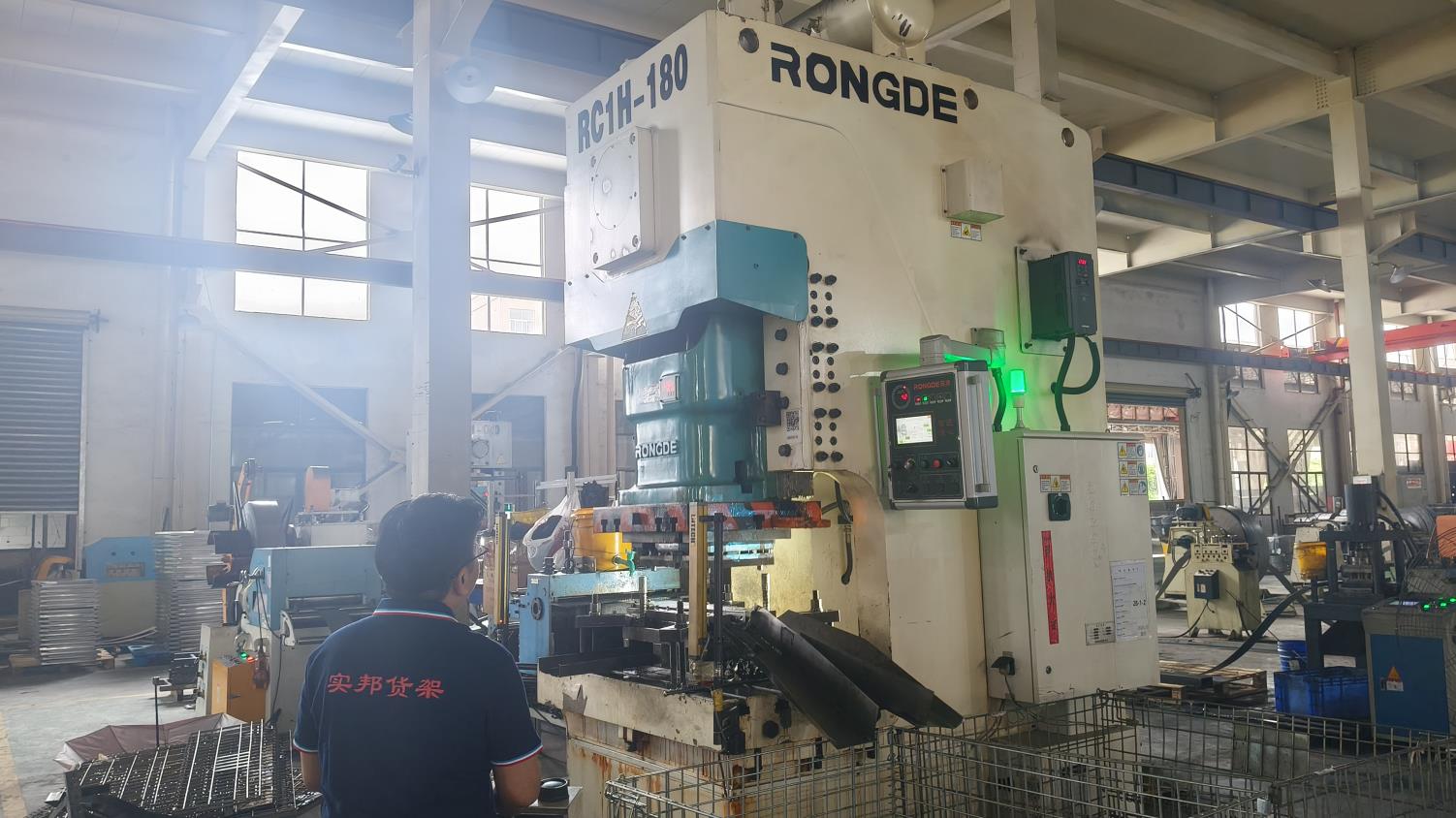
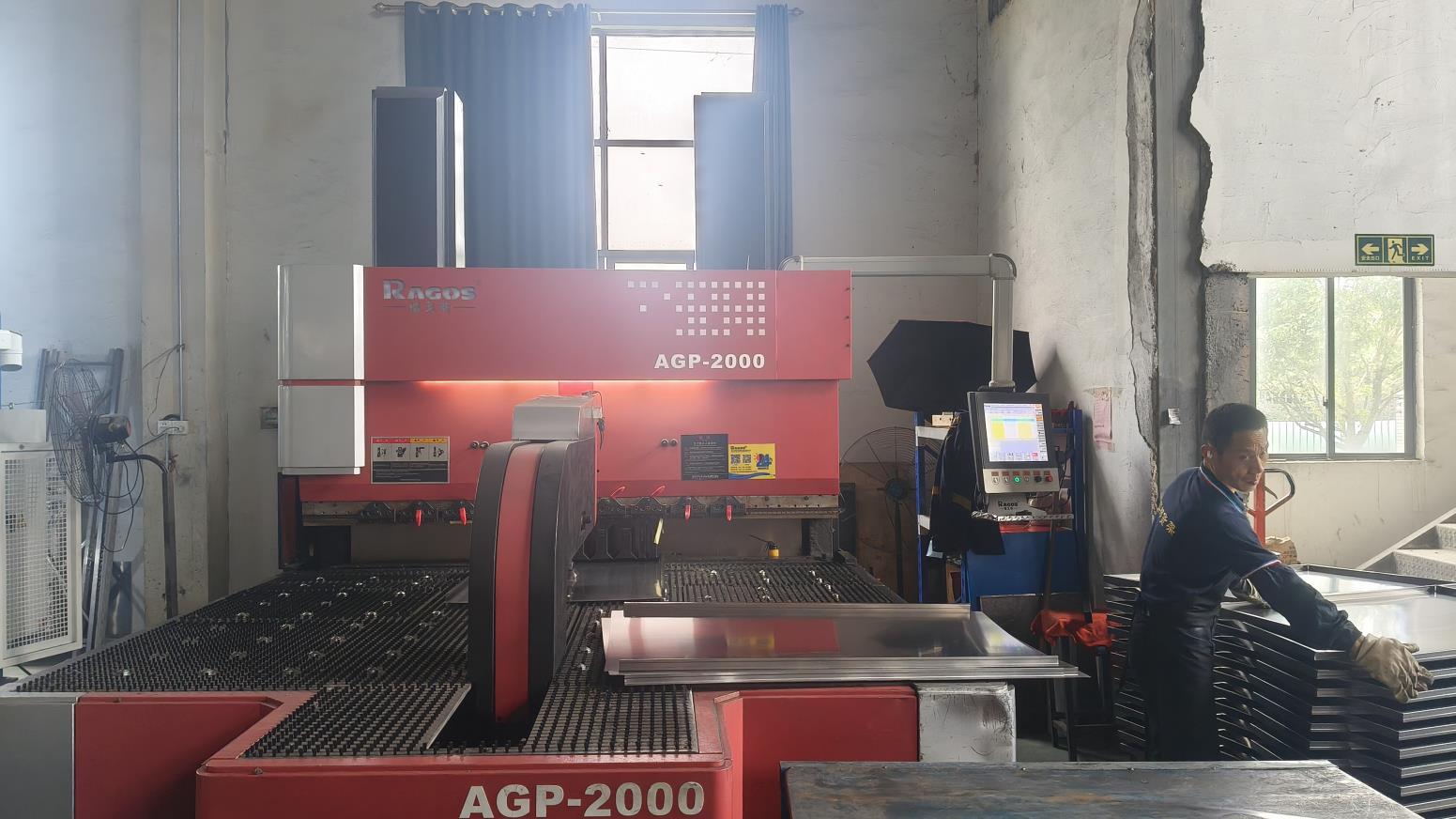
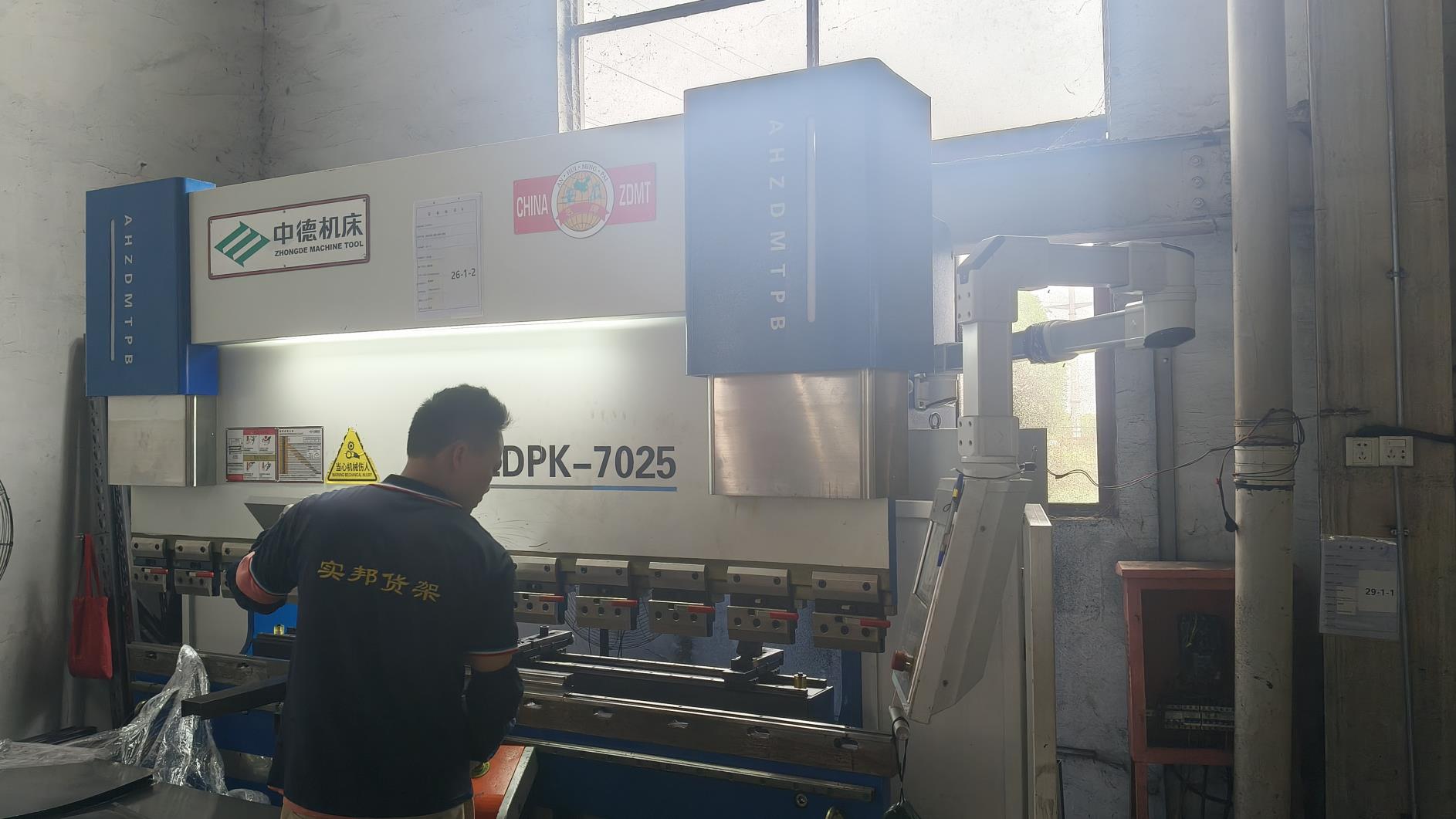
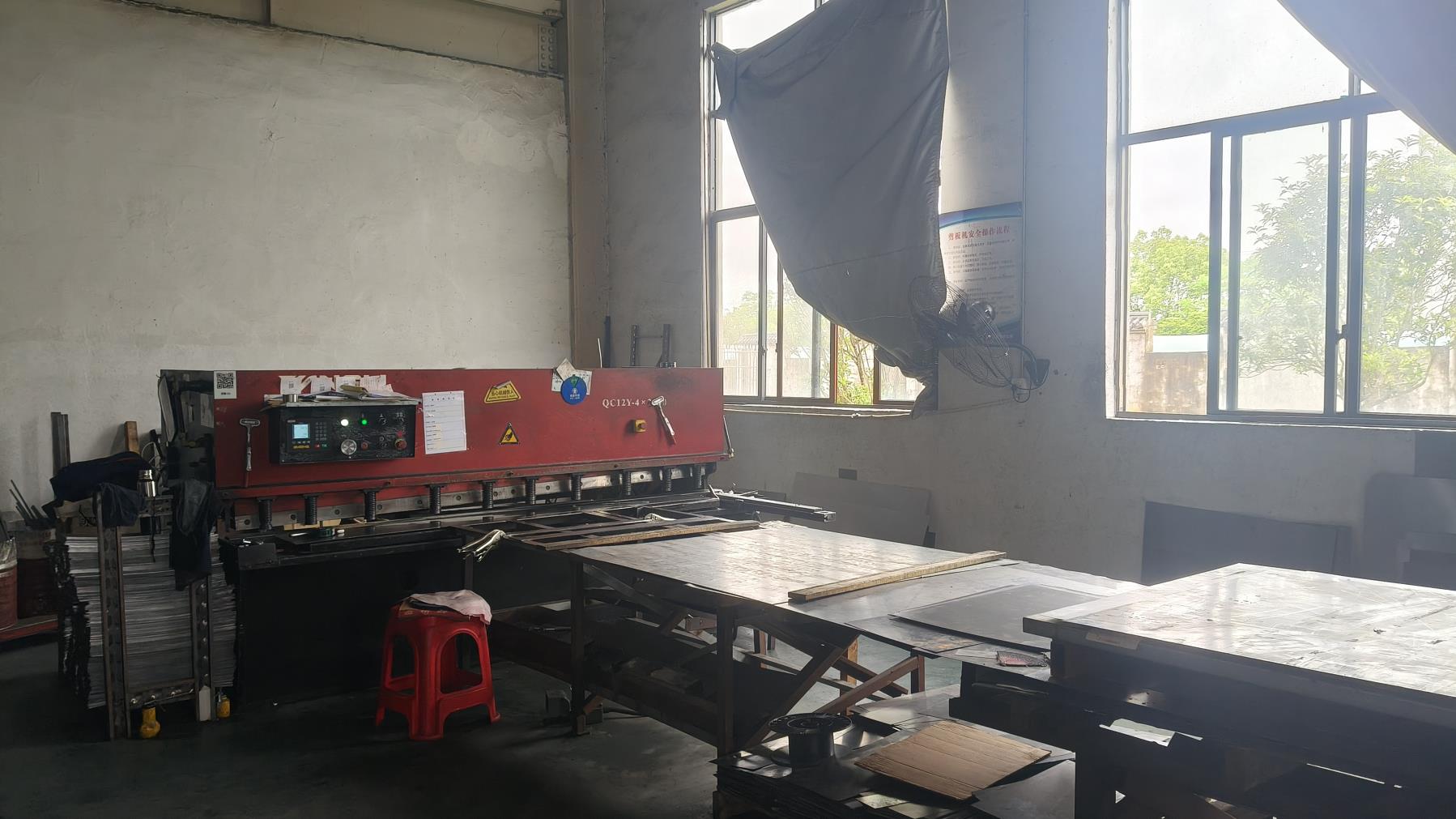
Guangdong Shibang Storage Rack Co., Ltd. integrates this comprehensive machinery footprint to control every phase of manufacture. Utilizing Q235B and Q355B high-grade cold-rolled steel coils, our processes include automated rolling, precision mechanical arm welding, multi-stage chemical pretreatment, and automated electrostatic powder coating. This ensures our racking structures sustain nominal load ratings and seismic calculations under continuous service conditions.
Every high-density radio shuttle rack system is dynamically engineered. Guide rails require precise alignment tolerances to avoid lateral slippage or excessive mechanical resistance. Vertical upright frames are structured to withstand dynamic forces generated by moving shuttles decelerating and braking under load.
| System Configuration Parameter | Typical Industrial Range | Shibang Engineered Standard |
|---|---|---|
| Load Capacity Per Pallet | 500 kg - 1500 kg | Up to 2000 kg (Custom Heavy-Duty Configurations) |
| Operational Travel Speed | 0.6 - 1.0 m/s (Loaded) | 0.8 m/s (Loaded) / 1.2 m/s (Unloaded) |
| Battery Chemistry & Autonomy | Lead-Acid or Li-Ion / 6-8 hrs | Lithium Iron Phosphate (LiFePO4) / Up to 10 hrs continuous |
| Operating Temperature Threshold | -15°C to +40°C | -30°C to +50°C (Specialized Cold Storage Package) |
| Steel Profile & Thickness | 1.8 mm - 2.5 mm | 2.0 mm, 2.3 mm, 2.5 mm High-Tensile Structural Steel |
| Compliance Certification | Localized standards | FEM 10.2.02, RMI, AS4084-2012, ISO 9001:2015 |
The Shibang radio shuttle cart incorporates multiple active safety measures, including front/rear obstacle laser scanners, mechanical limit switches, emergency recovery hooks, and tilt sensors. Our control interfaces feature manual handheld transmitters alongside APIs for direct integration into existing Warehouse Management Systems (WMS) and Warehouse Control Systems (WCS).
Quality is not an afterthought; it is integrated into every step at Shibang. Our dedicated division of 65 experienced QC specialists enforces structured inspections throughout the production cycle:
Incoming structural steel coils undergo chemical composition verification and tensile strength tests to ensure conformity with material grades (e.g., mill test certs matching EN 10025 specifications).
Critical connections are welded by certified robotic welders and inspected for root penetration and throat thickness. Hole punching patterns are monitored to ensure uniform load distribution.
We use state-of-the-art automatic spray painting lines. The powder coating is checked via cross-hatch adhesion testing, thickness gauges (aiming for >60 microns), and salt spray corrosion tests.
Our manufacturing site complies strictly with ISO 9001 parameters. For structural calculations, our engineers apply finite element analysis (FEA) methods to simulate local seismic events, wind-load variations (for rack-clad structures), and operational stresses. This approach ensures our rack systems satisfy stringent local compliance and structural codes worldwide.
Shibang's research and development division, comprising 28 structural and control engineers, continually evaluates emerging storage innovations. Our developmental roadmap focuses on integrating automation and intelligence directly into rack architectures:
Dynamic Smart Lanes & IoT Integration: Future rack installations will incorporate localized sensors monitoring deflection, ambient load profiles, and floor-level shifts in real-time. This structural monitoring warns facilities of accidental overload or forklift impact before catastrophic buckling occurs.
3D Pallet Shuttle Integration: As operations move beyond single-lane movements, we are refining automated 3D shuttle platforms that move both laterally along guide rails and vertically across racking levels. This technology reduces dependancy on vertical lifts and dedicated crane units, optimizing cycle times and energy efficiency.
Crucial engineering, performance, and commercial inquiries answered by Shibang's senior technical consultants.
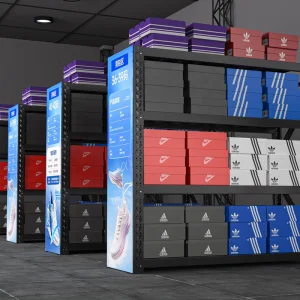
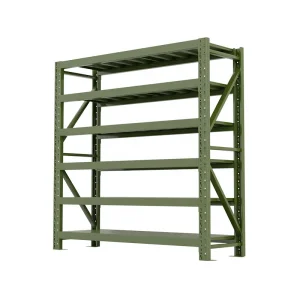
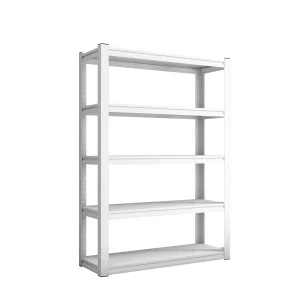
From heavy-duty industrial installations to retail display solutions, Shibang delivers structural excellence across all lines.
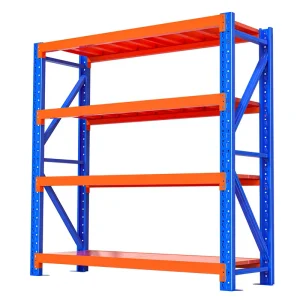
 Shibang Storage Rack