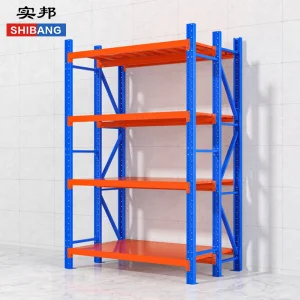
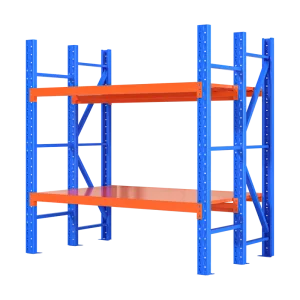
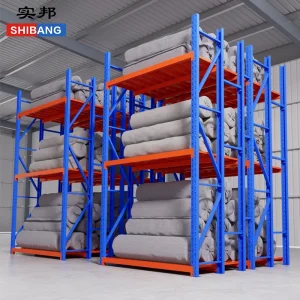
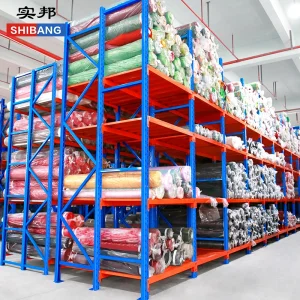
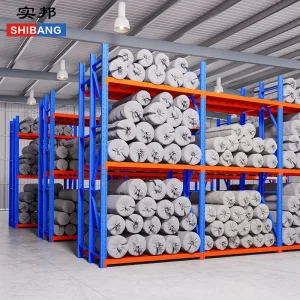
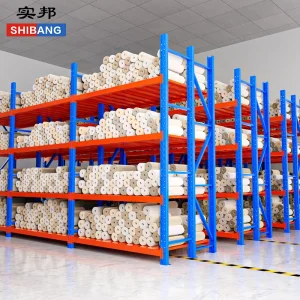
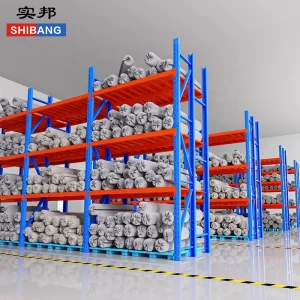
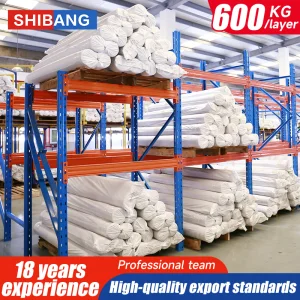
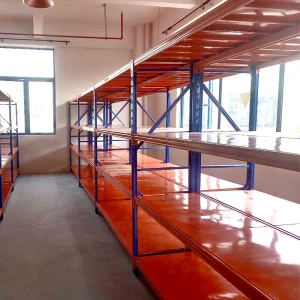
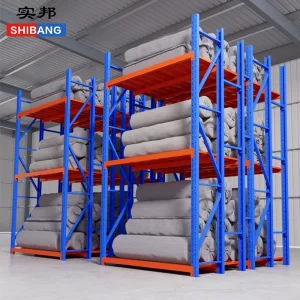
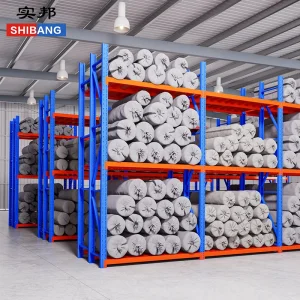
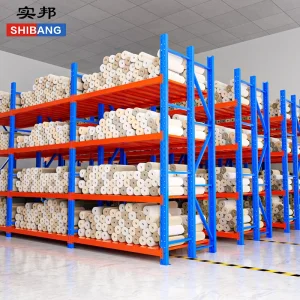
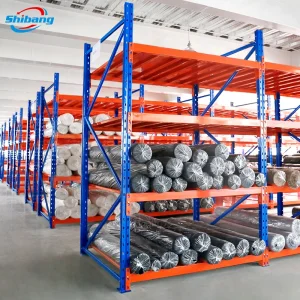
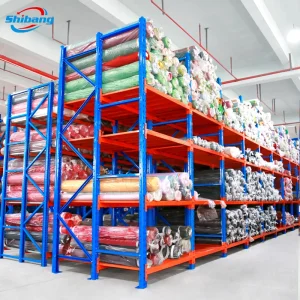
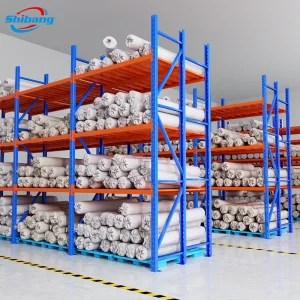
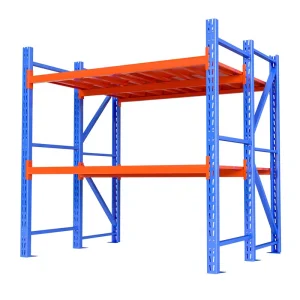
Select from our specialized line of industrial storage systems, designed to optimize vertical space and sustain heavy load distributions ranging from 400kg to 1500kg per layer.
Modern textile logistics requires specialized solutions beyond standard pallet racking. Traditionally, fabric rolls—often referred to as bolts—were stored in simple bulk stacks or flat shelves. However, raw textile materials, carpets, and non-woven synthetics are highly susceptible to compression damage, creasing, moisture accumulation, and unraveling under improper storage conditions. The transition to specialized **fabric shelves** and **roll racking systems** has fundamentally changed how textile manufacturing and logistics function globally.
Historically, textile roll inventory suffered from poor space utilization and labor-intensive retrieval. Today's industrial **fabric roll racking systems** utilize heavy-duty cold-rolled steel profiles equipped with custom cradle configurations or heavy-duty cantilever supports. This architecture allows individual rolls to be selectively accessed, minimizing product handling and protecting the physical integrity of fragile fabrics. By introducing modular structural systems, modern plants can scale vertically, transforming warehouse footprints from chaotic horizontal staging grounds into clean, high-density, automated storage configurations.
SEO Value-Added Insight: When optimizing warehouse environments for fabrics, look for rack configurations that support cross-docking and FIFO (First-In, First-Out) stock rotation, ensuring delicate dye-lots and natural fiber rolls do not age excessively or face unnecessary light degradation.
Unlike rigid boxed inventory, fabric rolls concentrate significant linear weight on localized contact points. A single large roll of upholstery fabric or industrial canvas can weigh between 200kg and 1500kg. Under such concentrated loads, inferior shelving systems can experience structural deflection, leading to system failure or workers' safety hazards. Professional fabric storage manufacturers utilize high-tensile, cold-rolled steel (SPCC or Q235/Q355 grade equivalents) to fabricate uprights and beams. The surface finish is equally critical: electrostatic powder coatings must be perfectly smooth to prevent fabric snagging, tearing, or static discharge during loading operations.
Procurement teams in North America, Europe, and Asia-Pacific maintain strict quality controls when specifying warehouse racking systems. Understanding these criteria is critical for engineering firms and distribution coordinators sourcing heavy-duty steel shelves. The primary standard requirements revolve around certification compliance, adaptability, and load verification:
For B2B buyers, sourcing directly from specialized factories is the most viable method to achieve these technical parameters while retaining pricing advantages. A direct-to-factory pipeline ensures clear communication concerning customized dimensions, specific beam profiles, and tailored load capacities.
Guangdong Shibang Storage Rack Co., Ltd. integrates modern production processes with automated technology to engineer durable warehouse storage equipment.
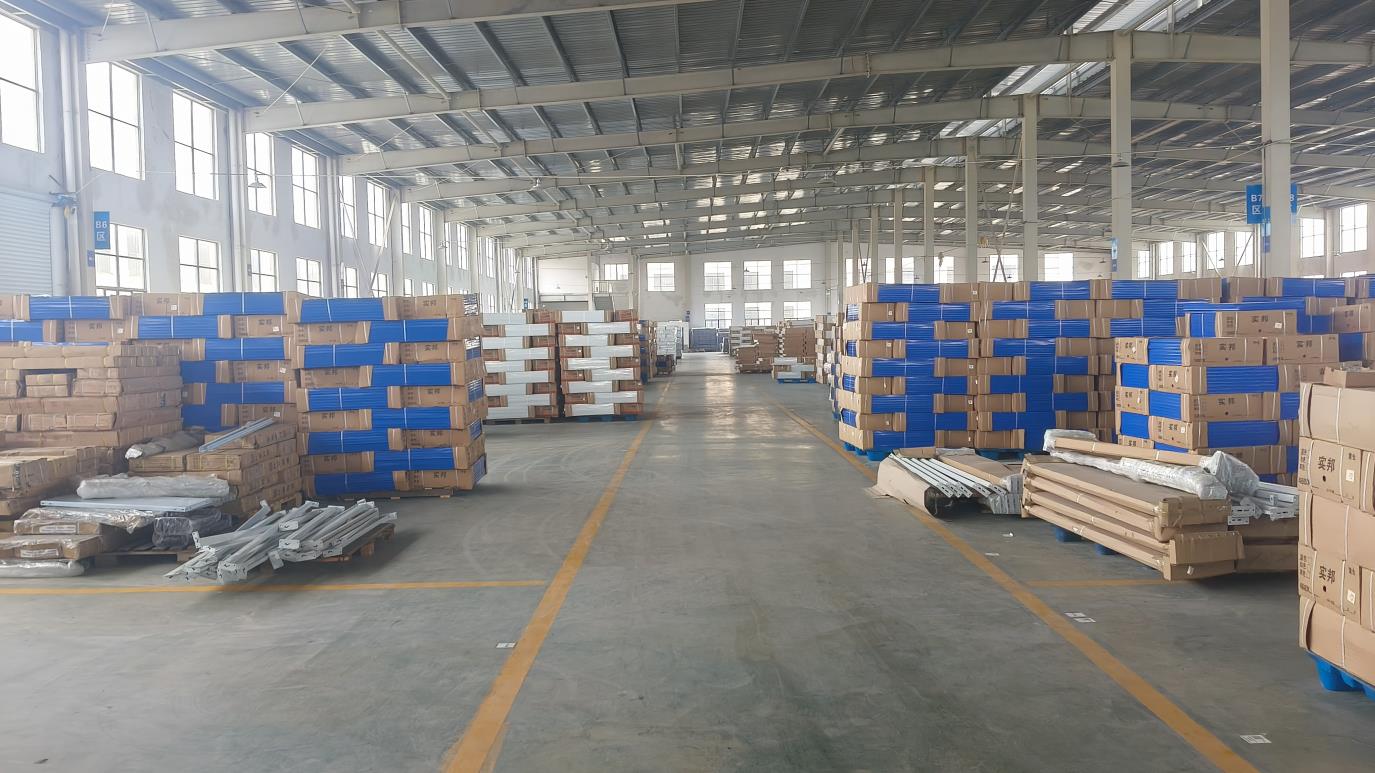
Guangdong Shibang Storage Rack Co., Ltd. represents the pinnacle of modern Chinese storage manufacturing. Founded in 2016 and leveraging 15 years of deep industry expertise, our company has constructed a 35,000㎡ production facility designed to meet the rigorous demands of global logistics clients. Our annual export revenue has reached USD 18 million, supported by a resilient network of over 1,200 reliable raw material and supply chain partners.
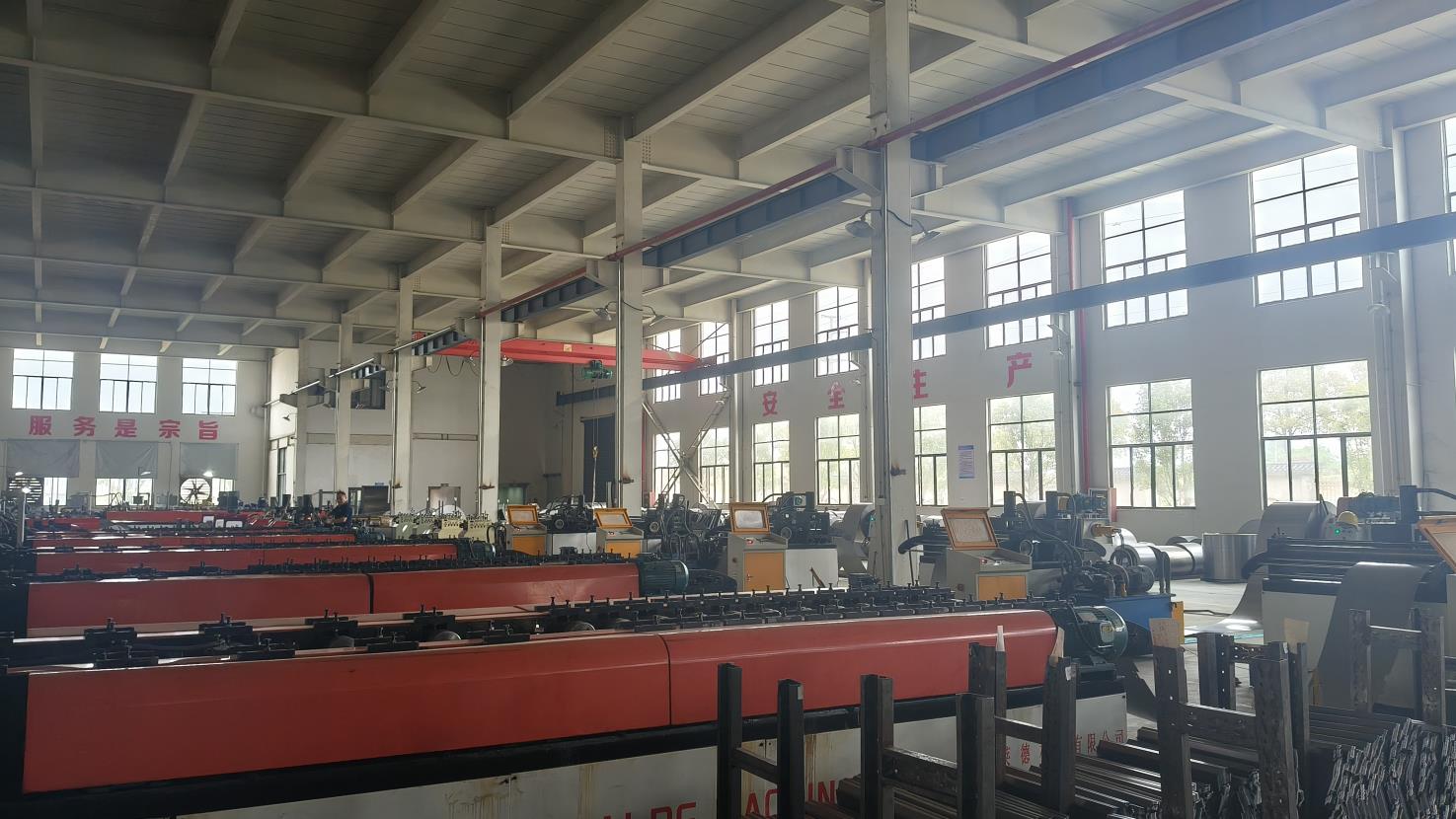
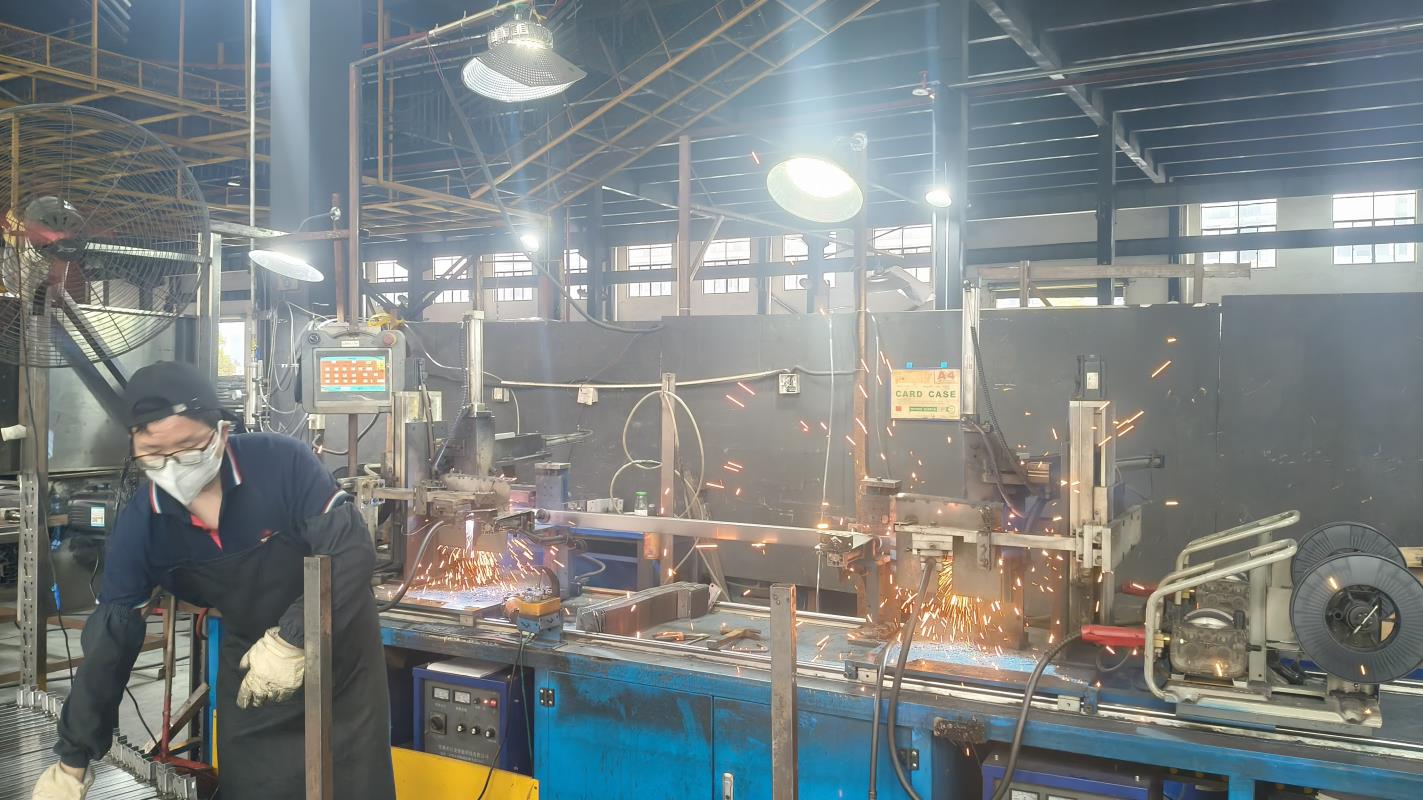
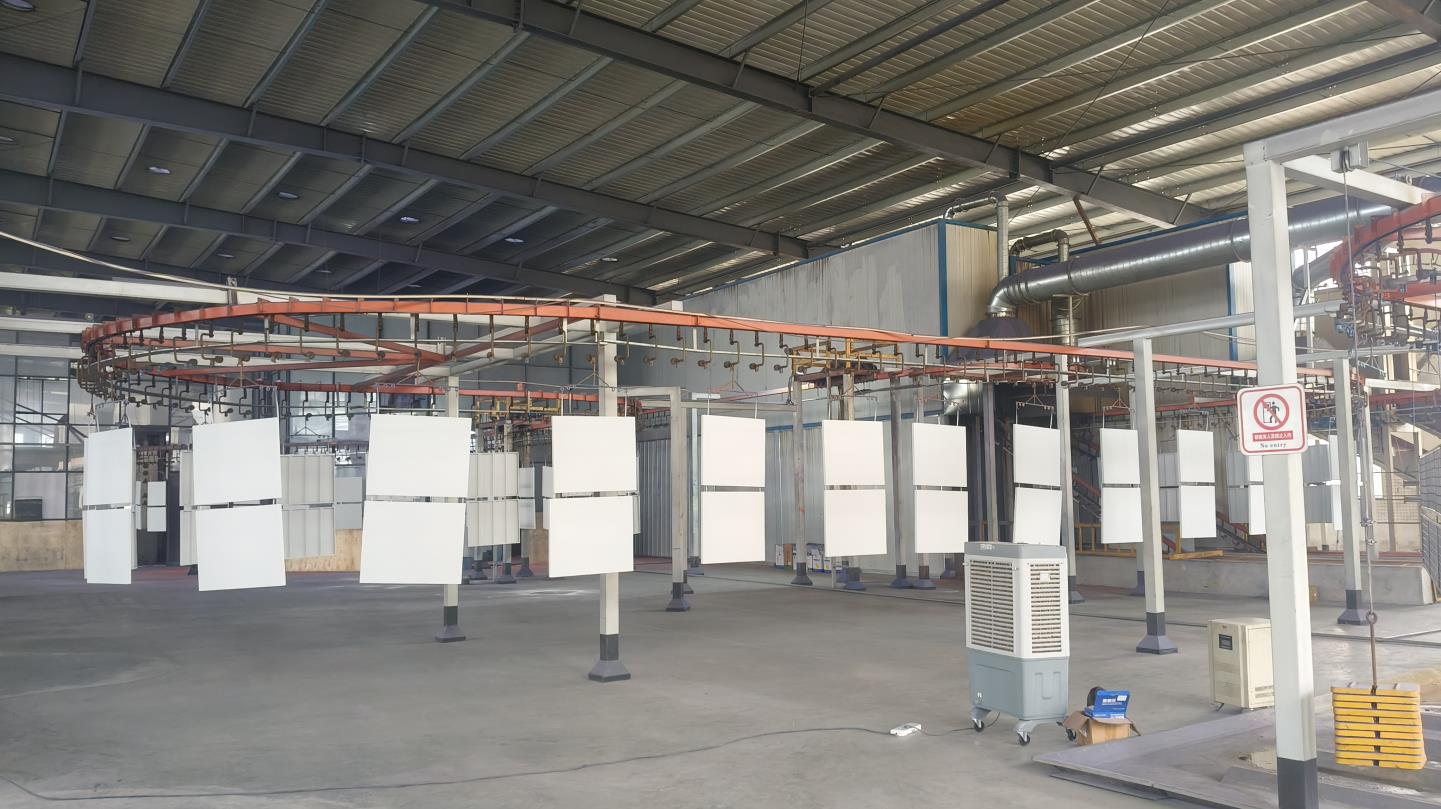
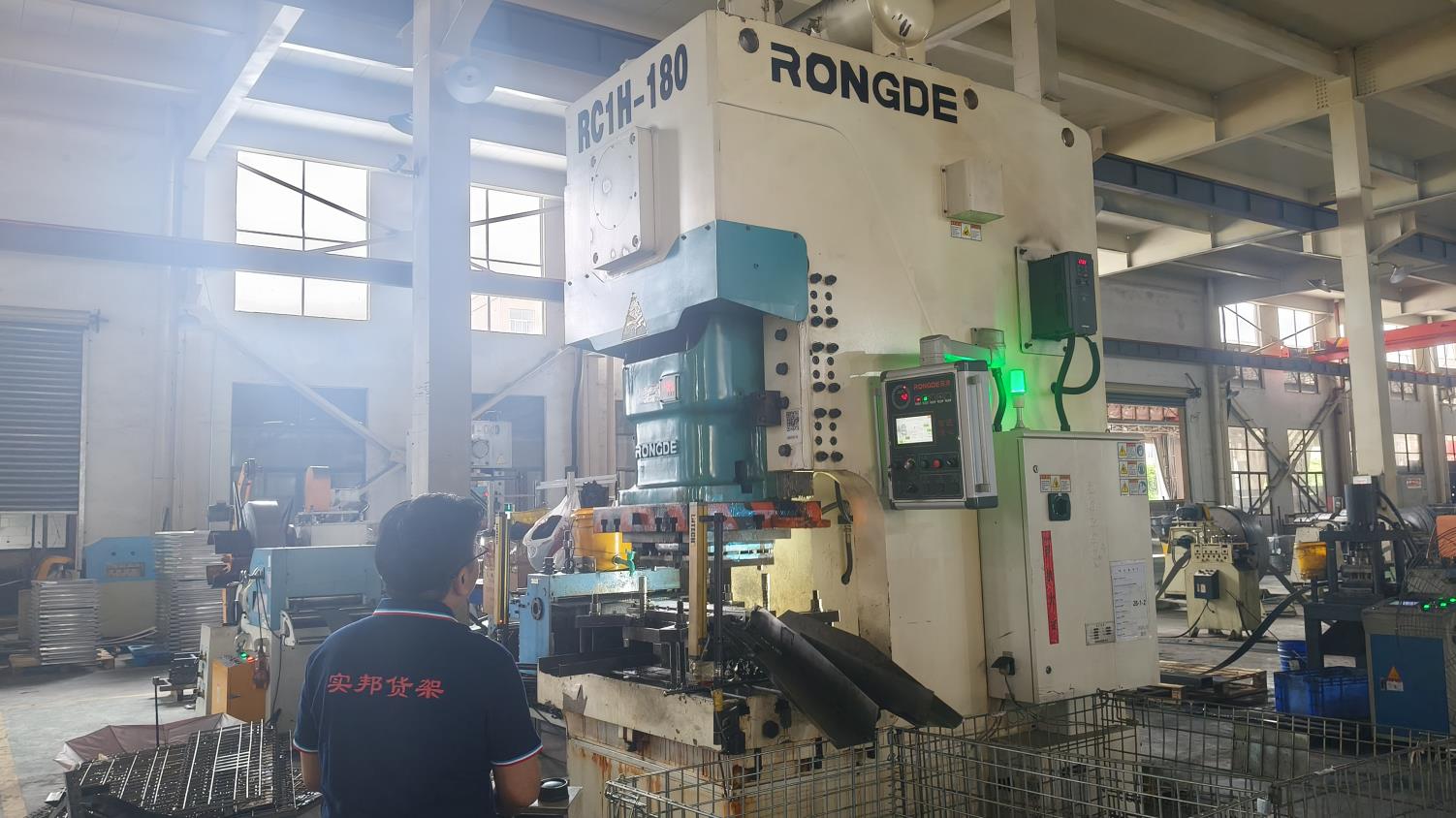
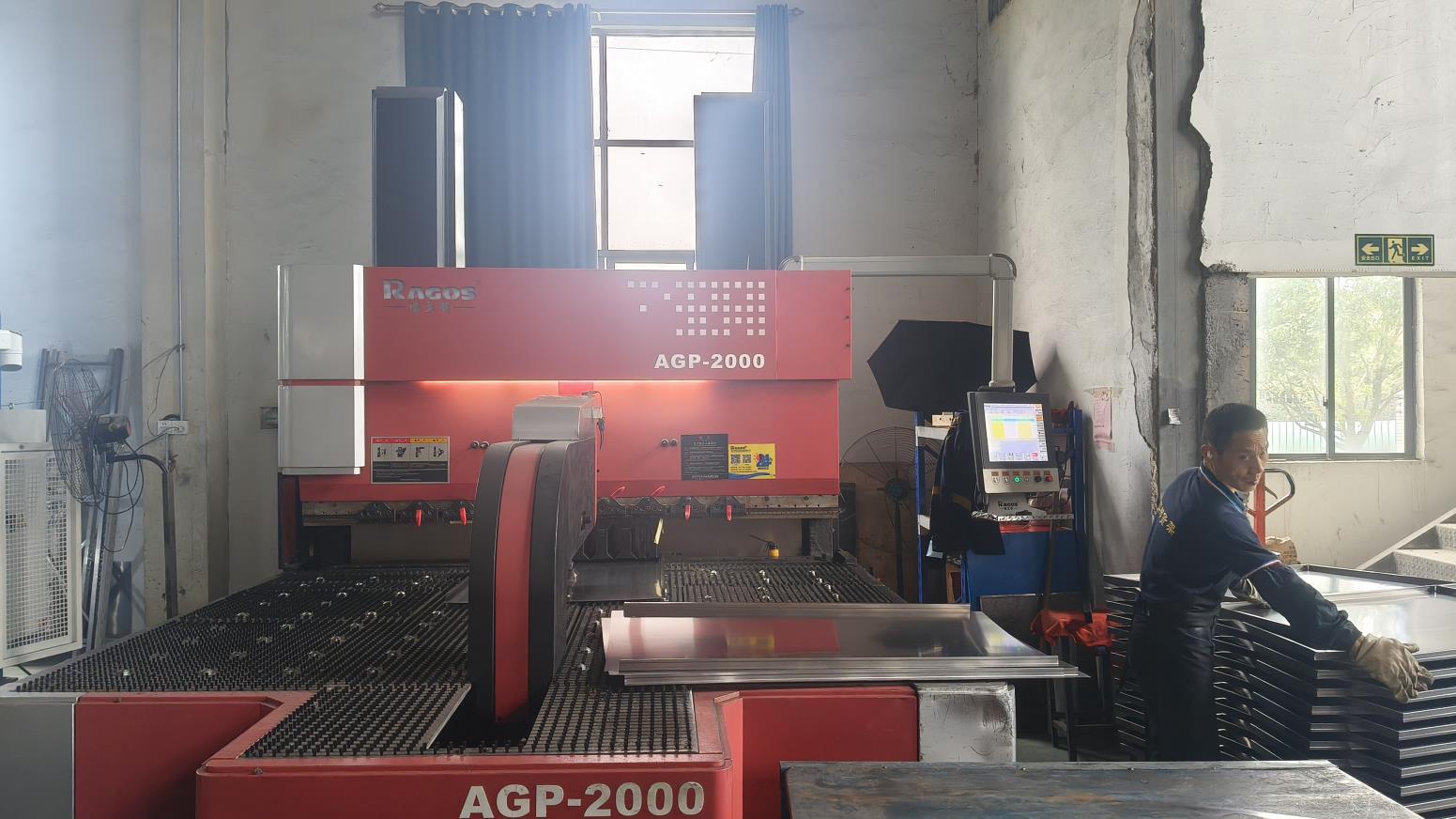
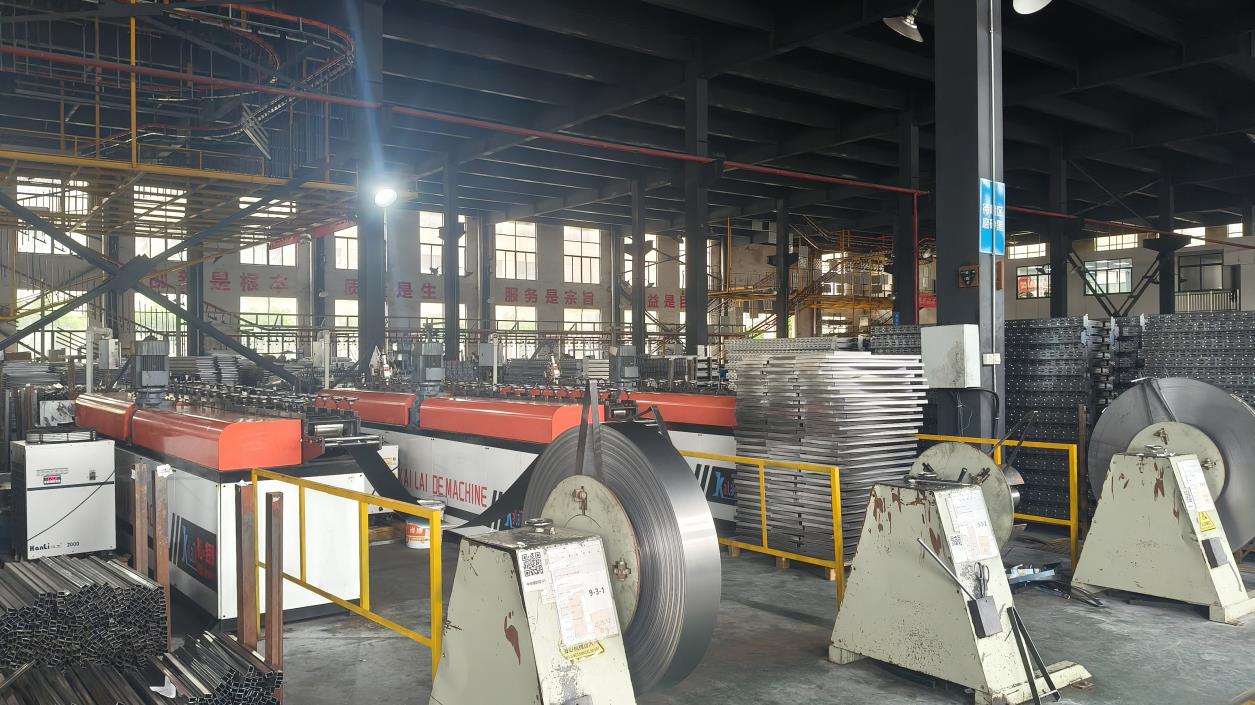
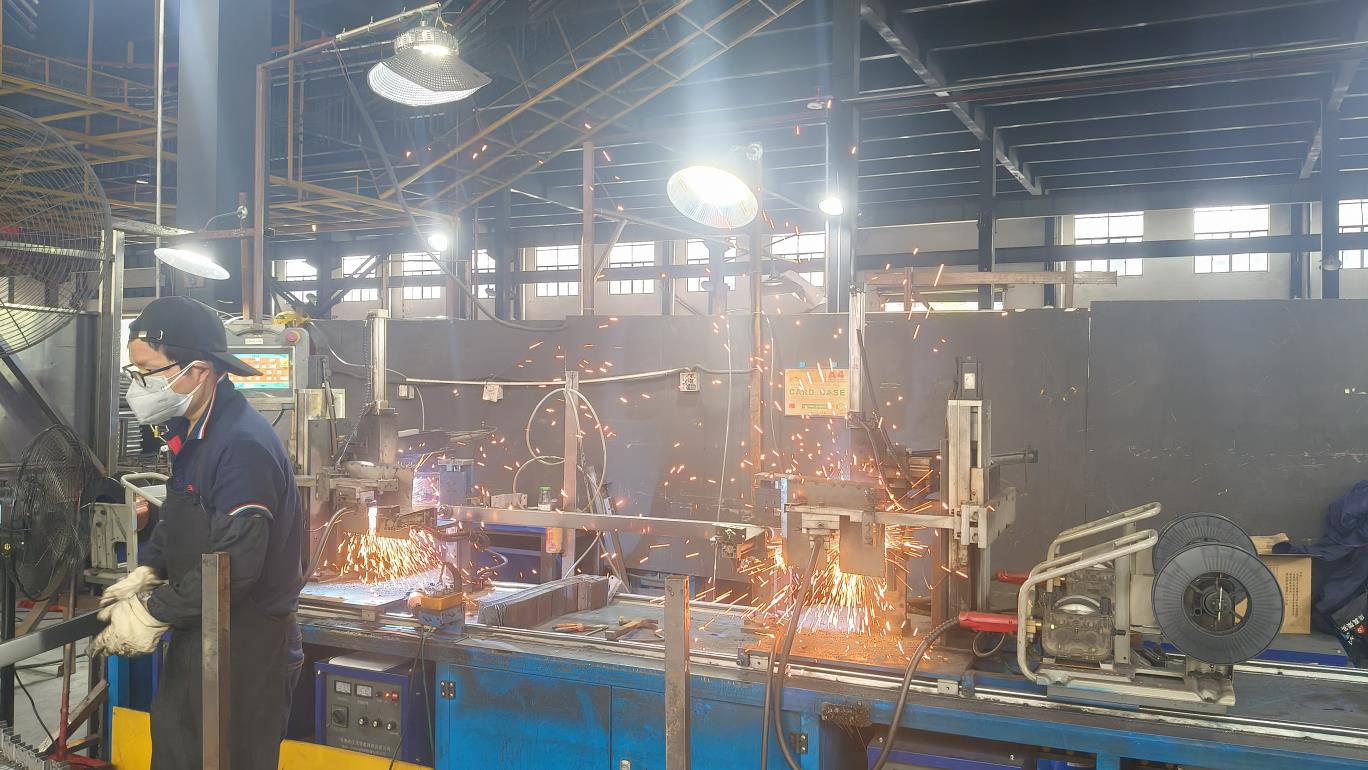
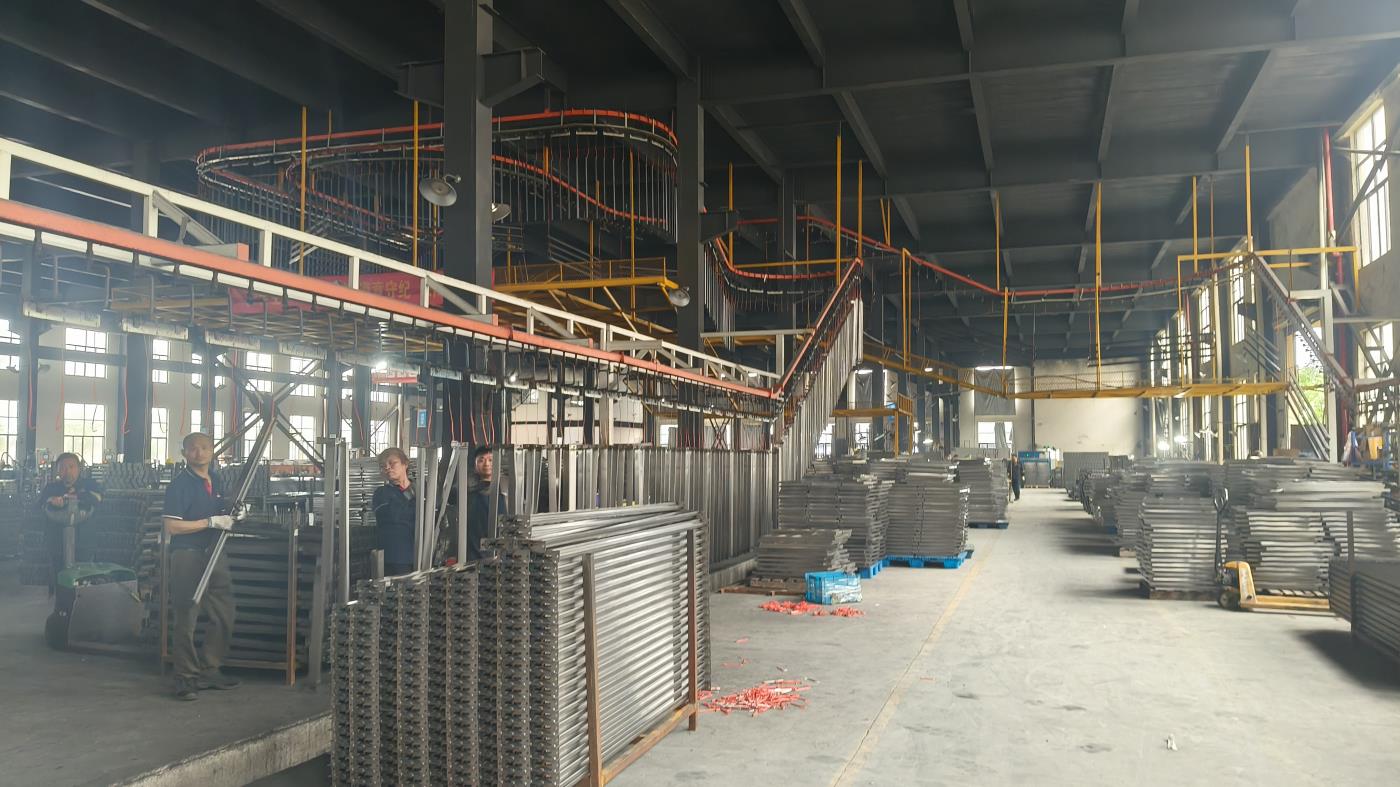
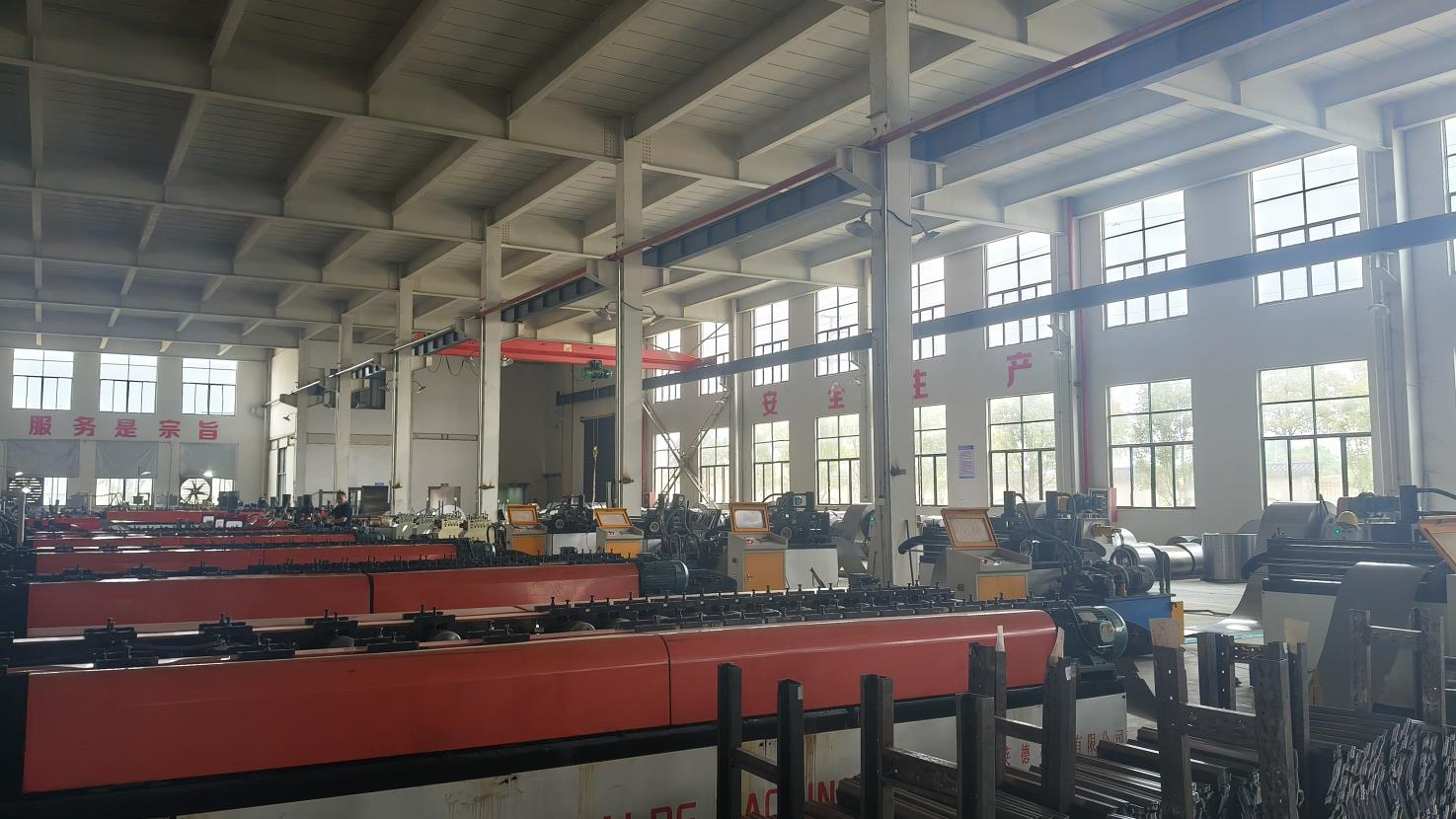
By implementing a "Factory 4.0" framework, we integrate automatic sheet metal processing, automated roll forming lines, robotic welding machinery, and multi-stage powder coating stations to maintain tight dimensional tolerances. This technological ecosystem ensures that Shibang is capable of processing complex, large-scale custom OEM/ODM orders while keeping prices highly competitive.
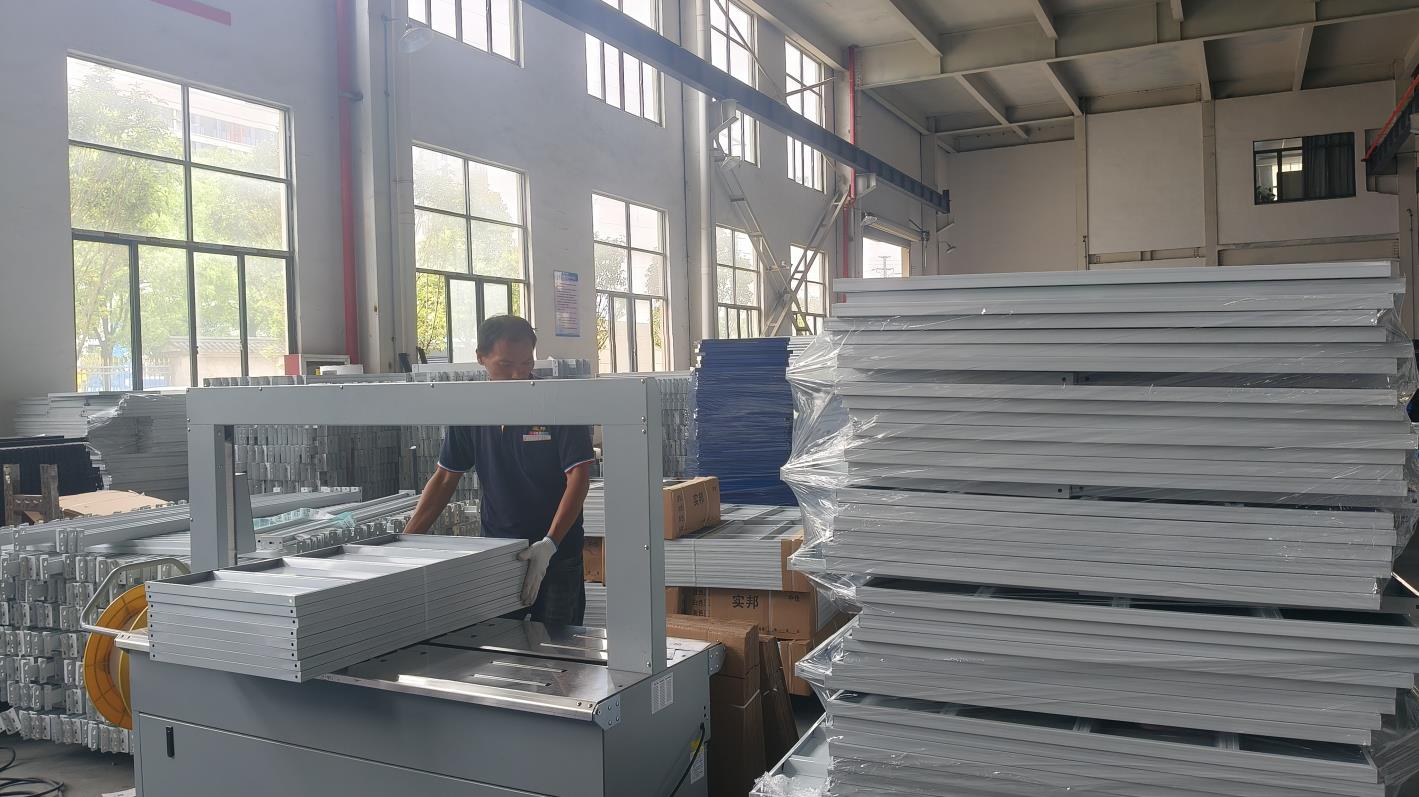
Every step of our production workflow is calibrated to deliver optimal load capacities and exact fitment. Check our detailed production processes below:


Industrial storage requirements vary deeply by sector and location. Custom fabric shelves play a pivotal role in ensuring uninterrupted operations across several specific industrial environments:
For operations located in major textile zones such as Central America, Southeast Asia (Vietnam, Bangladesh), and Central China, our high-density selective steel pallet shelving is configured to handle constant raw material inbound and outbound flows. High load-bearing vertical structures allow mills to stack raw cotton bales, heavy woven canvas rolls, and synthetic fiber supplies to heights exceeding 8 meters, keeping production lines continuously supplied.
Modern distribution centers handling apparel and home textiles require quick access, accurate barcode scanning, and safety mechanisms. By integrating customized boltless shelving, adjustable longspan rack decks, and stackable steel pallets, operators can streamline selective picking. This directly reduces processing times for fast-fashion suppliers and domestic home goods delivery programs.
Automotive supply chains run on strict JIT (Just-In-Time) inventory schedules. Storage for large, heavy rolls of leather, synthetic vinyl, and fire-resistant materials used in automotive seats and interiors demands zero-defect storage. Our multi-layer powder-coated pallet shelves prevent friction wear, surface contamination, and structural sagging, safeguarding high-value technical textiles.
Wholesale textile distributors require storage that functions as an organized display system. The Shibang customized fabric roll racks offer visual visibility, allow easy manual loading, and maximize layout plans, allowing retail operators to display fabric patterns while storing heavy bulk rolls behind or beneath active sales areas.
Our dedicated R&D department features 28 experienced engineers who develop approximately 120 new product designs every year. Utilizing modern finite element analysis (FEA) software, we calculate stress, deflection limits, and seismic stability to model our storage systems before they enter production. Shibang provides comprehensive, tailored design consultations to suit your space:
Technical and procurement answers designed for project managers, buyers, and warehouse engineers.
Load capacity is determined by evaluating the maximum weight per fabric roll, the number of rolls stored per bay, and the width of the shelf span. Shibang heavy-duty pallet systems support capacities ranging from 400kg up to 1500kg per layer. We run finite element analysis (FEA) to confirm that beam profiles will not deflect beyond 1/200th of the span under peak loading conditions.
We primary utilize high-quality Q235 and Q355 structural steel grades, which offer exceptional yield strength and ductility. The finish is an electrostatic thermo-hardened epoxy powder coating that delivers smooth, anti-scratch protection. This prevents physical wear or snagging on fabric surfaces during material handling.
Yes, our systems are highly modular. The upright frames feature standard hole spacings (pitched at 50mm or 75mm intervals), allowing beams to be easily repositioned vertically without the need for welding or specialized tools. This design accommodates changes in fabric roll diameters over time.
Our quality control program consists of ISO 9001 certified procedures managed by 65 dedicated QC specialists. We conduct incoming raw steel tests, ultrasonic welding checks, coating thickness tests, and physical load testing before any batch is packaged and shipped globally.
Yes, we provide extensive OEM and ODM services. Backed by our engineering and R&D department, we assist buyers in creating custom structural configurations, selecting specialized color schemes (such as our classic blue and orange palette), and planning optimized layouts for warehouse spaces.
Select from our specialized line of storage solutions to optimize your warehouse operations.
 Shibang Storage Rack