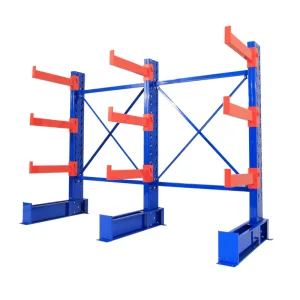
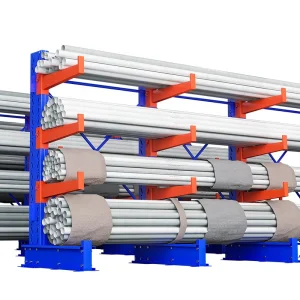
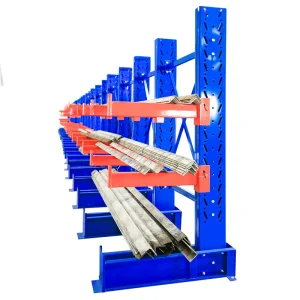
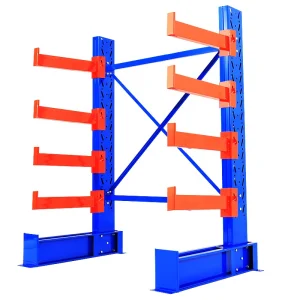
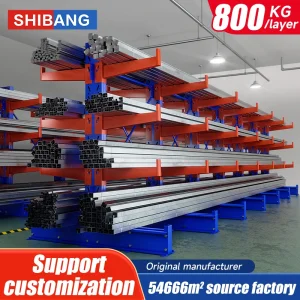
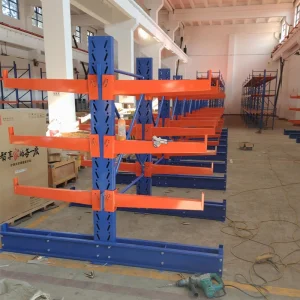
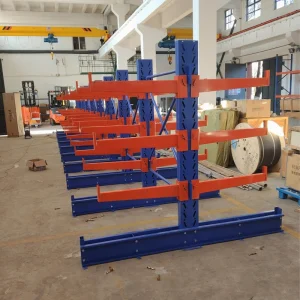
Explore our high-performance cantilever storage systems, custom-engineered for handling long, heavy, and non-standard raw materials. Built in our ISO 9001 certified manufacturing facility.
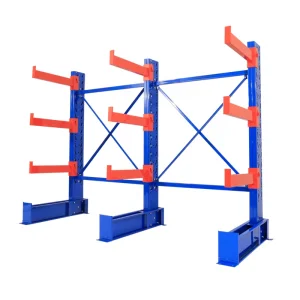
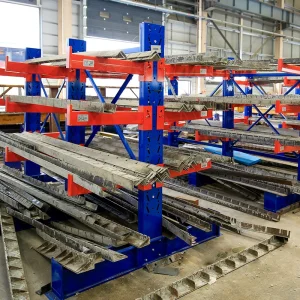
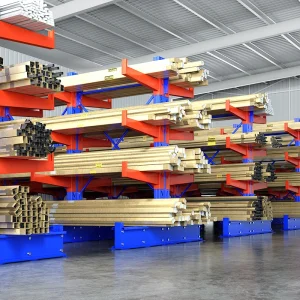
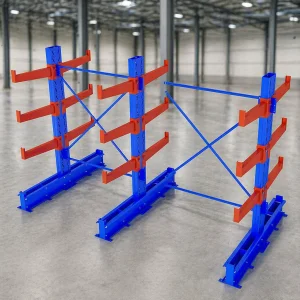
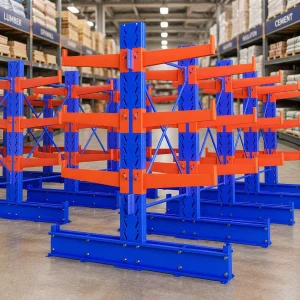
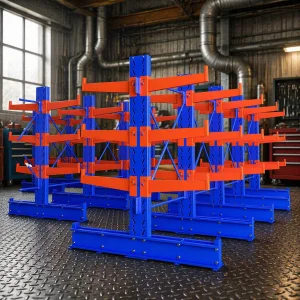
The modernization of global logistics and warehousing infrastructures requires a significant shift from standardized pallet solutions toward complex material handling topologies. Traditional pallet racking formats fail when confronted with atypical, linear, or high-density heavy payloads. In this landscape, cantilever storage systems serve as the structural backbone for sectors handling raw materials, construction structural profiles, and metallurgy goods.
Driven by global infrastructure investment programs and regional supply-chain adjustments in North America, Western Europe, and the Asia-Pacific, manufacturing industries are demanding higher density warehouse footprints. Single and double-sided cantilever systems remove the front vertical column barrier. This permits linear freedom of storage for items such as steel rebar bundles, extruded plastic conduits, timber stacks, drywall loads, and coil formats. Without vertical obstructions, automated side-loaders and standard heavy forklifts gain faster entry, reducing loading cycle times while improving operational safety.
Compliance with ANSI/RMI MH16.3 standards and EN European codes regulates seismic load distribution, deflection ratios, and post-yield structural characteristics. This guarantees safety under high-tonnage strain.
Leveraging structural I-beams and high-tensile cold-rolled uprights with integrated bolted arm connections. This delivers customizable arm configurations with variable inclination to prevent round-bar slippage.
Hot-dip galvanized (HDG) coating variants provide protection against harsh weather, high humidity, and coastal salt spray for lumber yards, construction sites, and heavy industrial settings.
Evaluating the engineering details of cantilever rack designs requires looking closely at material science, processing methods, and structural stress behaviors. Selecting the correct steel processing method directly impacts overall performance, deflection tolerance, dynamic impact resistance, and total load limits.
Cold-formed cantilever columns utilize high-yield strength steel plates fed through progressive roll-forming machines at ambient temperatures. This work-hardening technique creates a uniform grain structure, yielding a high strength-to-weight ratio. Engineered for light to medium-heavy requirements (typically 500kg to 1200kg per arm level), cold-rolled systems use keyhole or slot connections. This allows for quick, vertical arm adjustments without specialized tooling.
Manufactured from high-strength carbon steel structural channels (such as W-beams and I-sections), hot-rolled cantilever columns are suited for rugged heavy-industrial applications. With column loading limits often exceeding 20,000kg and arm load limits beyond 3,000kg, structural steel offers excellent resistance to forklift collisions. The bolted beam connections resist continuous vibration and intense shear stresses, ensuring performance in harsh environments.
Engineering a safe cantilever configuration requires calculating vertical arm deflection under static load. Under a uniformly distributed load (UDL), the deflection (δ) at the free end of a cantilever arm is modeled by:
δ = (W * L³) / (8 * E * I)
Where W represents total design load, L is arm length, E is the Young's Modulus of Steel (typically 200 GPa), and I is the Second Moment of Area of the selected arm profile. RMI specifications demand that deflection under load does not exceed L/180. This prevents structural instability and keeps materials from sliding forward.
Guangdong Shibang Storage Rack Co., Ltd. was established in 2016 and is a professional manufacturer specializing in warehouse storage racks, industrial shelving systems, and customized storage solutions. With a 35,000㎡ modern production facility, we provide high-quality storage equipment for warehouses, factories, logistics centers, and commercial applications worldwide.
With an annual export revenue of approximately USD 18 million and 8 years of export experience, Shibang has accumulated 15 years of industry experience in storage rack manufacturing. Our company integrates product design, manufacturing, quality control, and global supply services to deliver reliable warehouse solutions for customers in different industries.
Our quality management system includes ISO 9001 quality control procedures, incoming material inspection, production process monitoring, and finished product testing. Every rack system is carefully inspected through raw material testing, welding inspection, surface coating inspection, load-bearing testing, and dimensional accuracy checks before shipment.
We have a professional quality inspection team of 65 experienced QC specialists responsible for ensuring every product meets international standards and customer requirements.
With extensive international trade experience, Shibang has developed long-term cooperation with customers from North America, Europe, Southeast Asia, the Middle East, Africa, and South America. Our main markets include the United States, Germany, the United Kingdom, Australia, Saudi Arabia, Thailand, and Mexico. Supported by a strong supply chain network of more than 1,200 reliable partners, we are capable of providing stable raw materials, efficient production capacity, and competitive pricing for global buyers. Our customers include warehouse operators, logistics companies, manufacturing enterprises, e-commerce businesses, distributors, system integrators, and construction contractors.
Shibang owns a professional R&D team with strong engineering capabilities, focusing on warehouse optimization, structural design, and customized storage solutions. We provide various customization options, including rack dimensions, loading capacity, colors, configurations, accessories, and complete warehouse planning solutions.
Every year, our R&D department develops approximately 120 new products to meet changing market demands and improve warehouse efficiency. Our team consists of 28 experienced R&D engineers specializing in product innovation, engineering design, and customized project development.
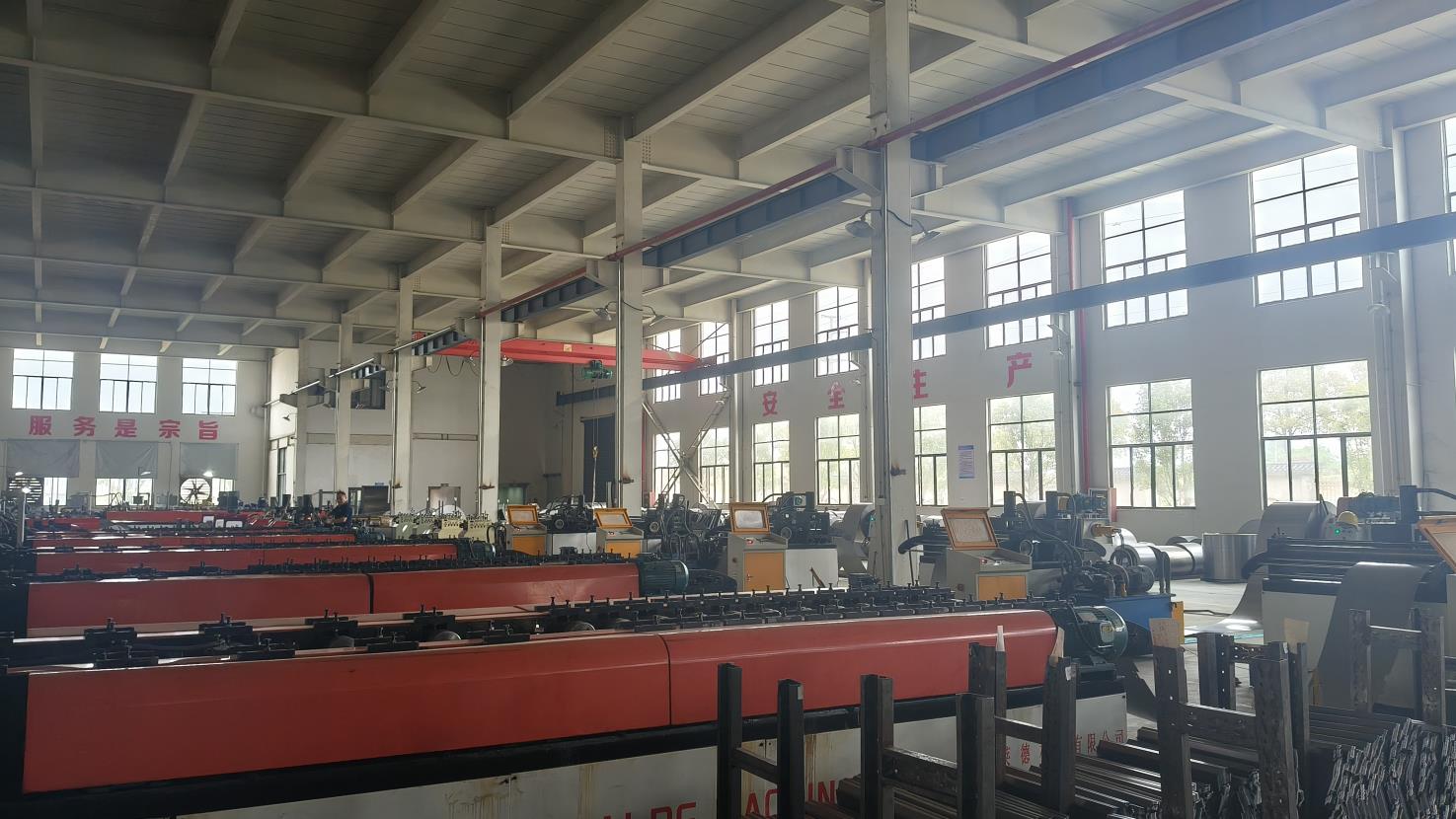
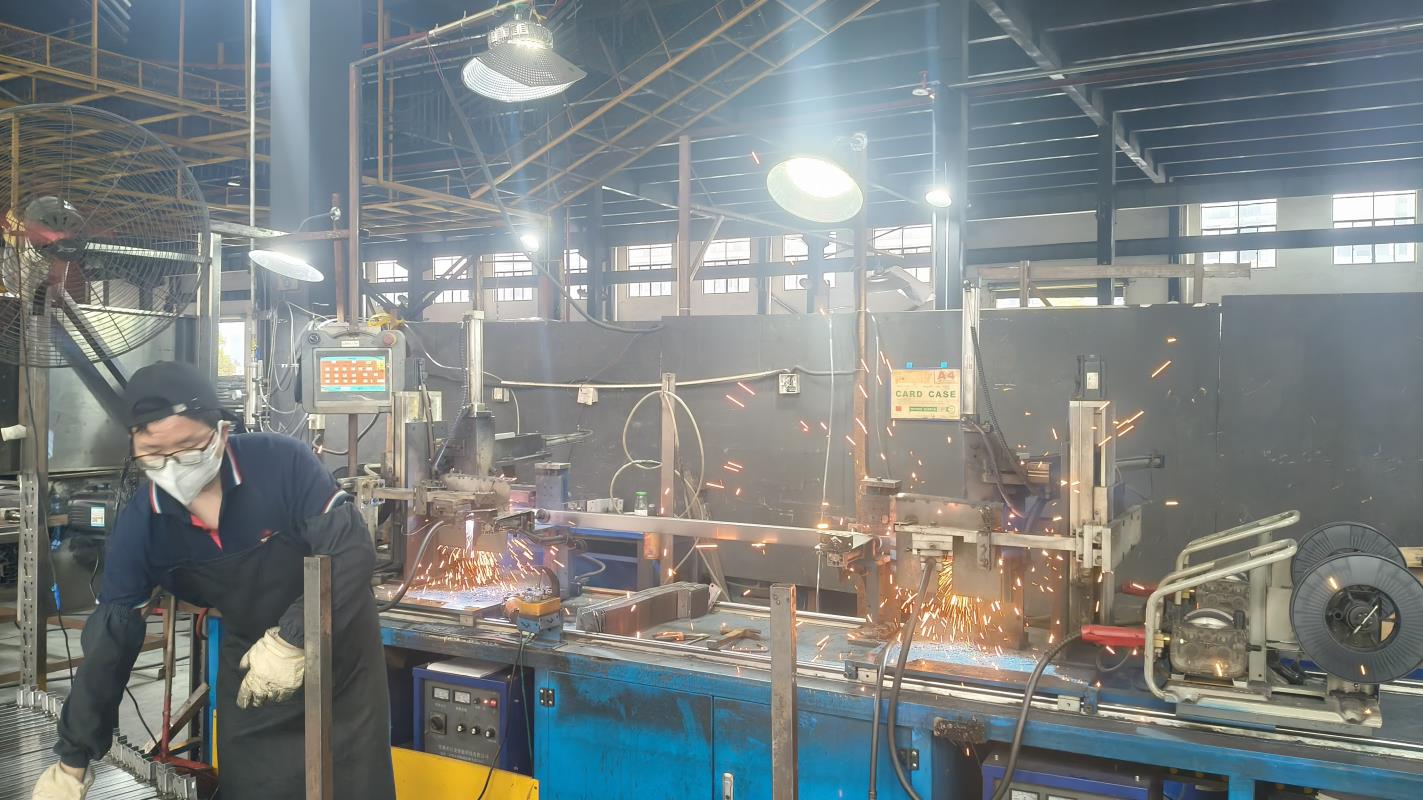
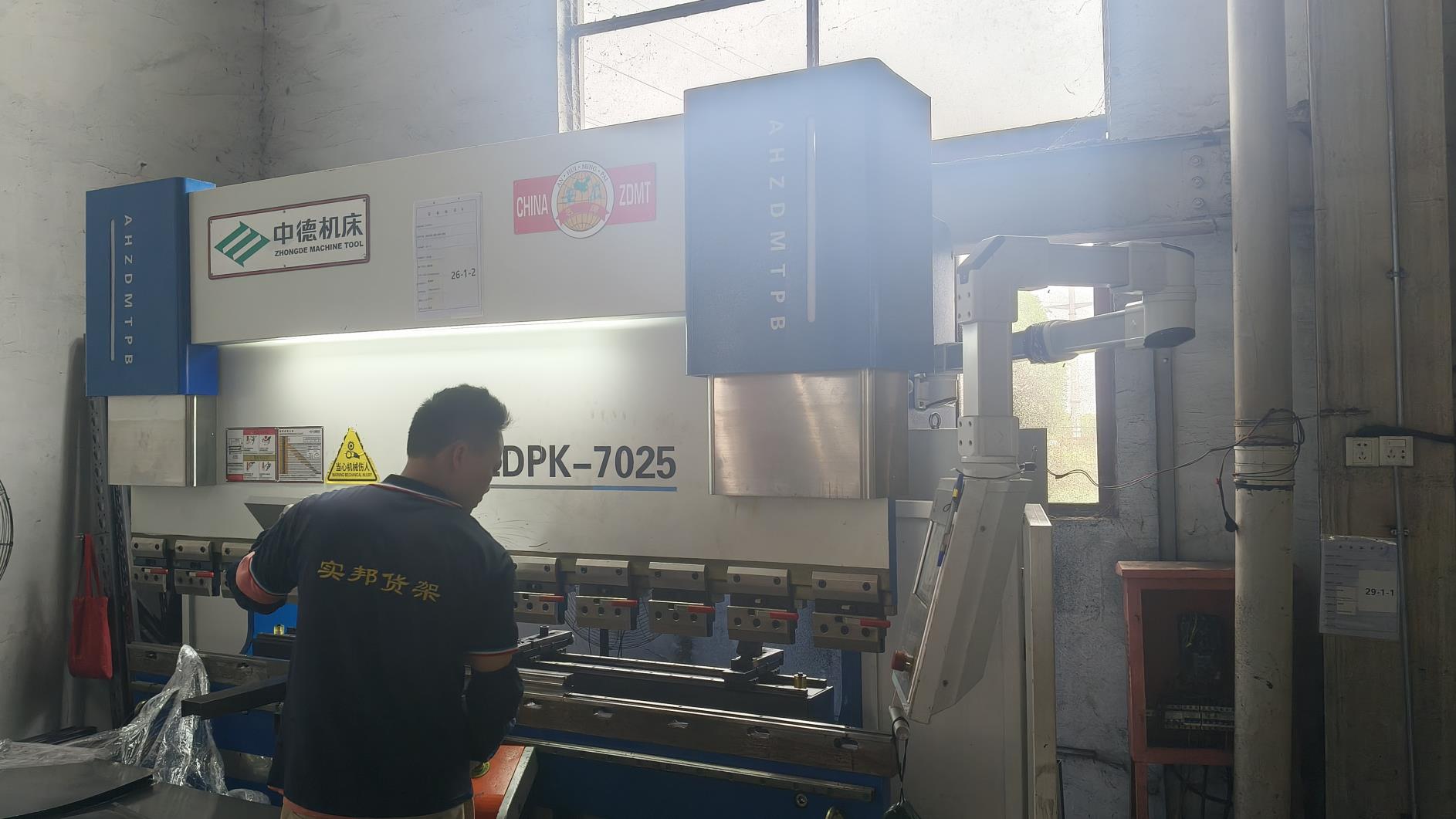
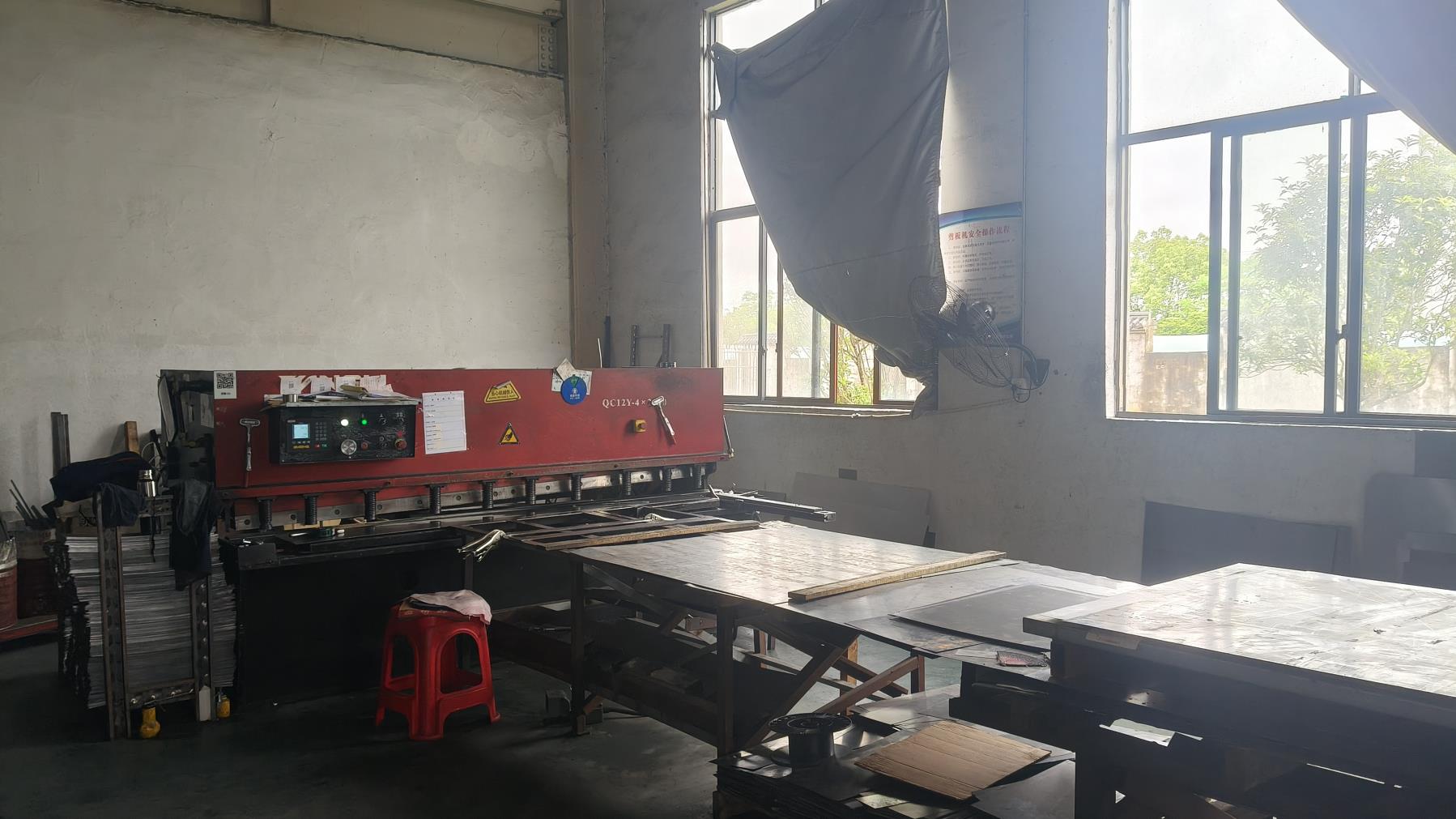
Our factory utilizes advanced automated processing equipment to maintain high-quality tolerances across all structural configurations.
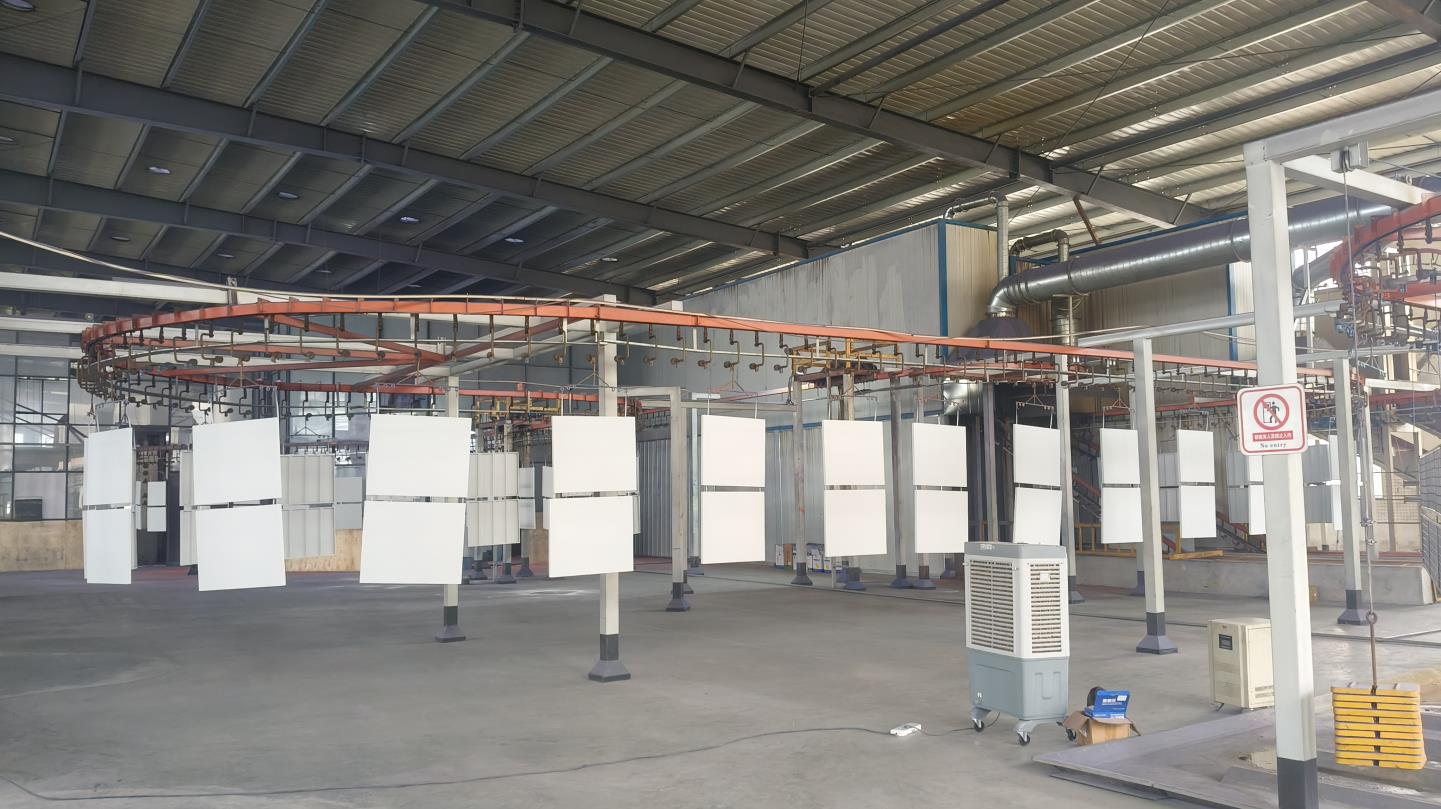
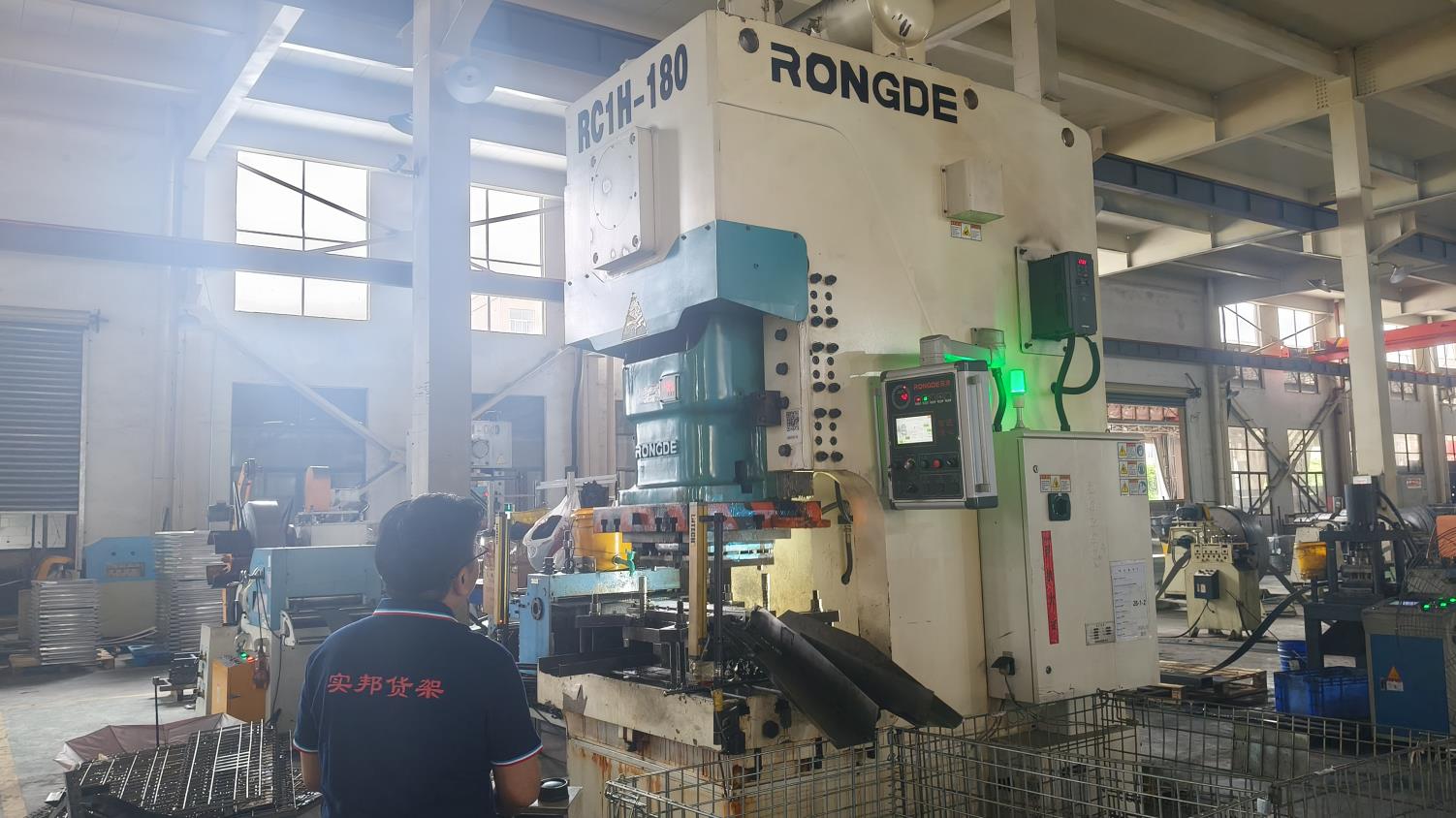
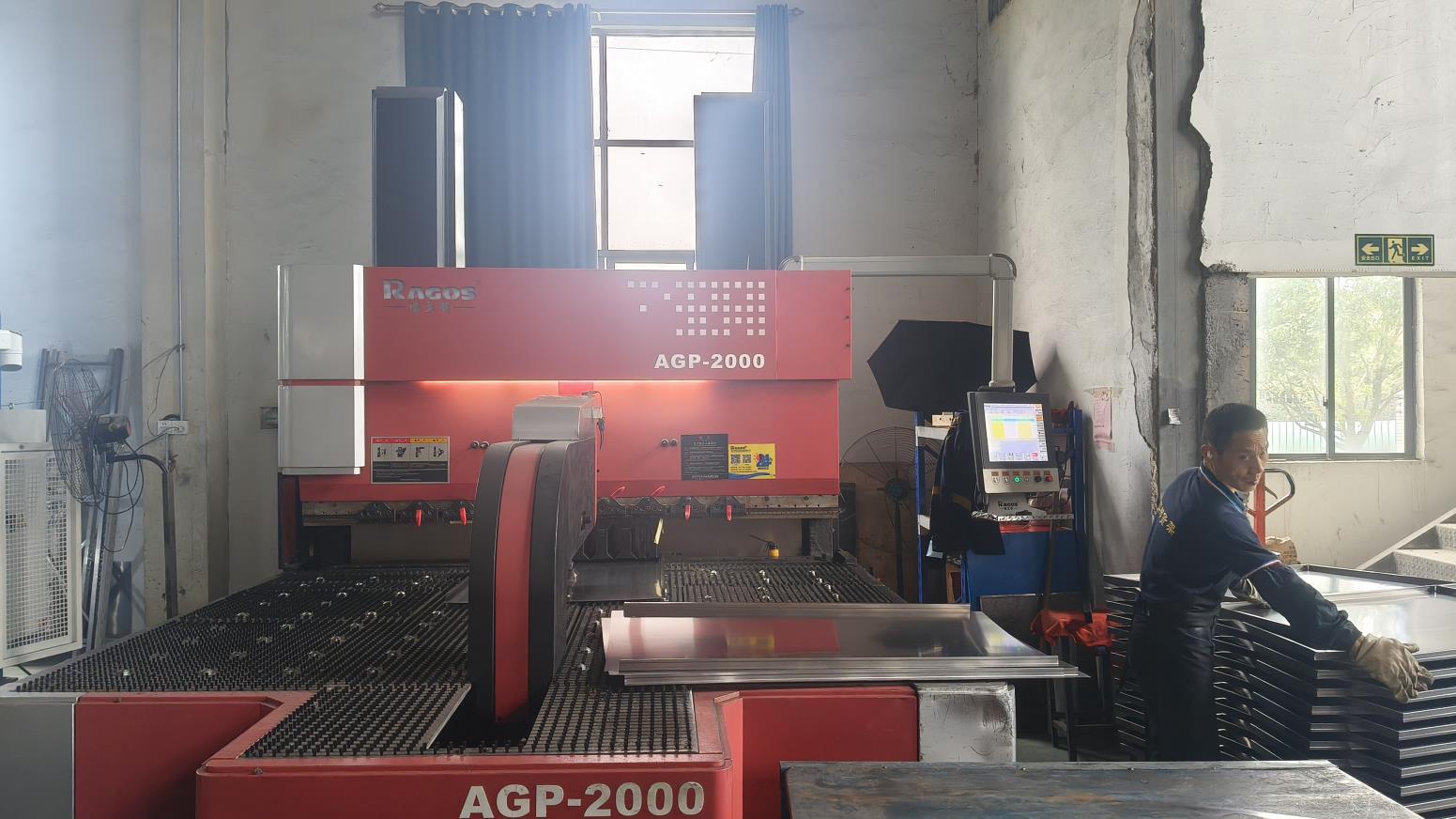
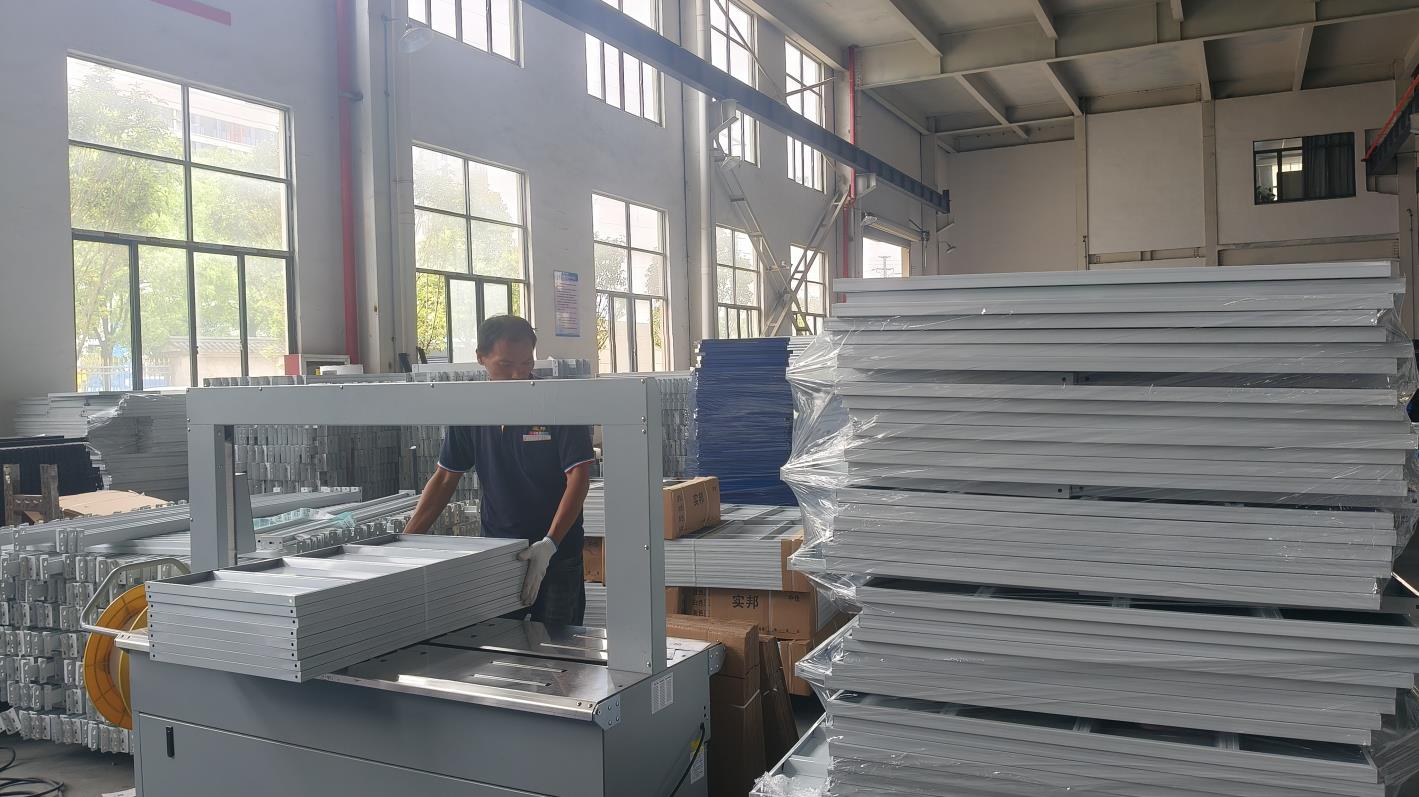
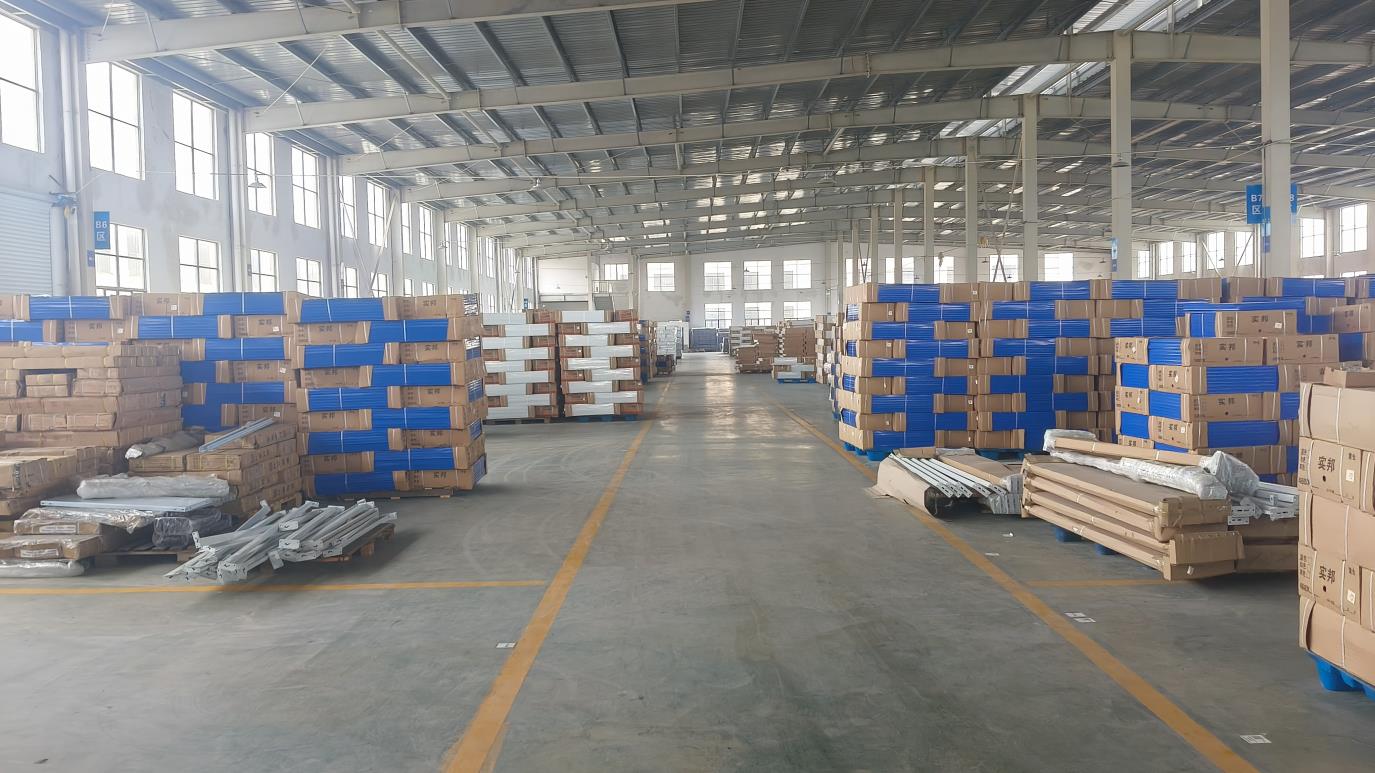
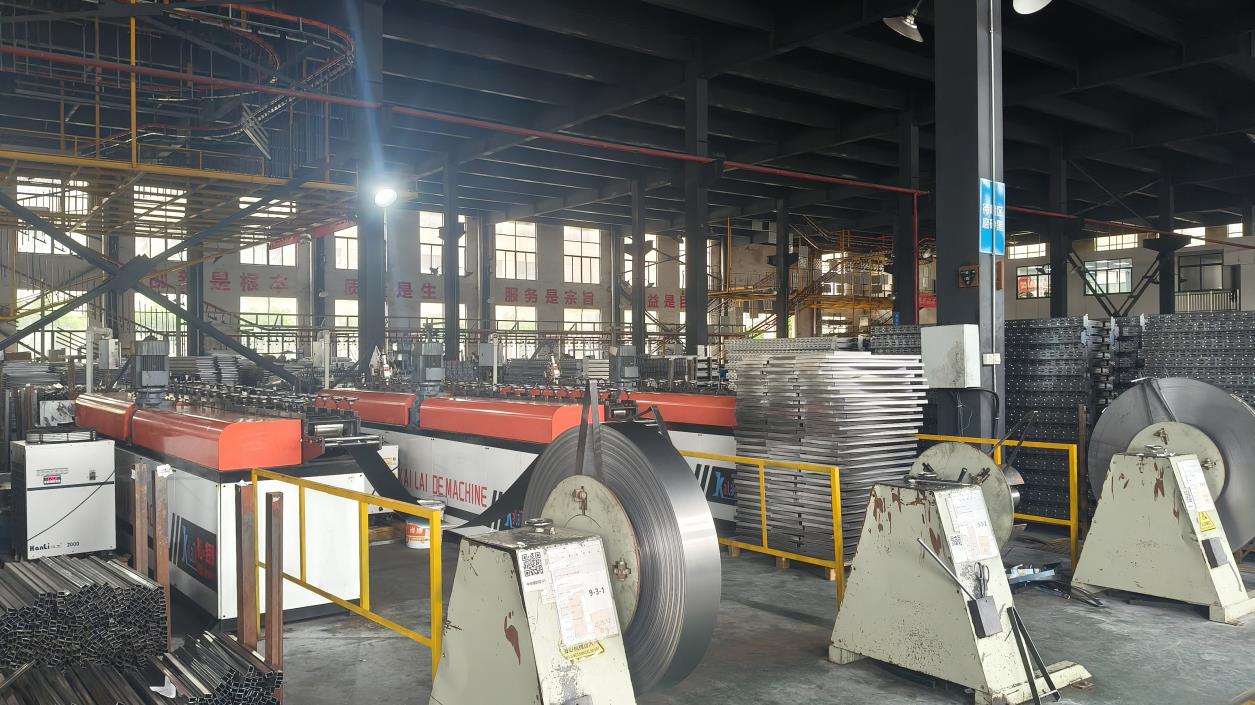
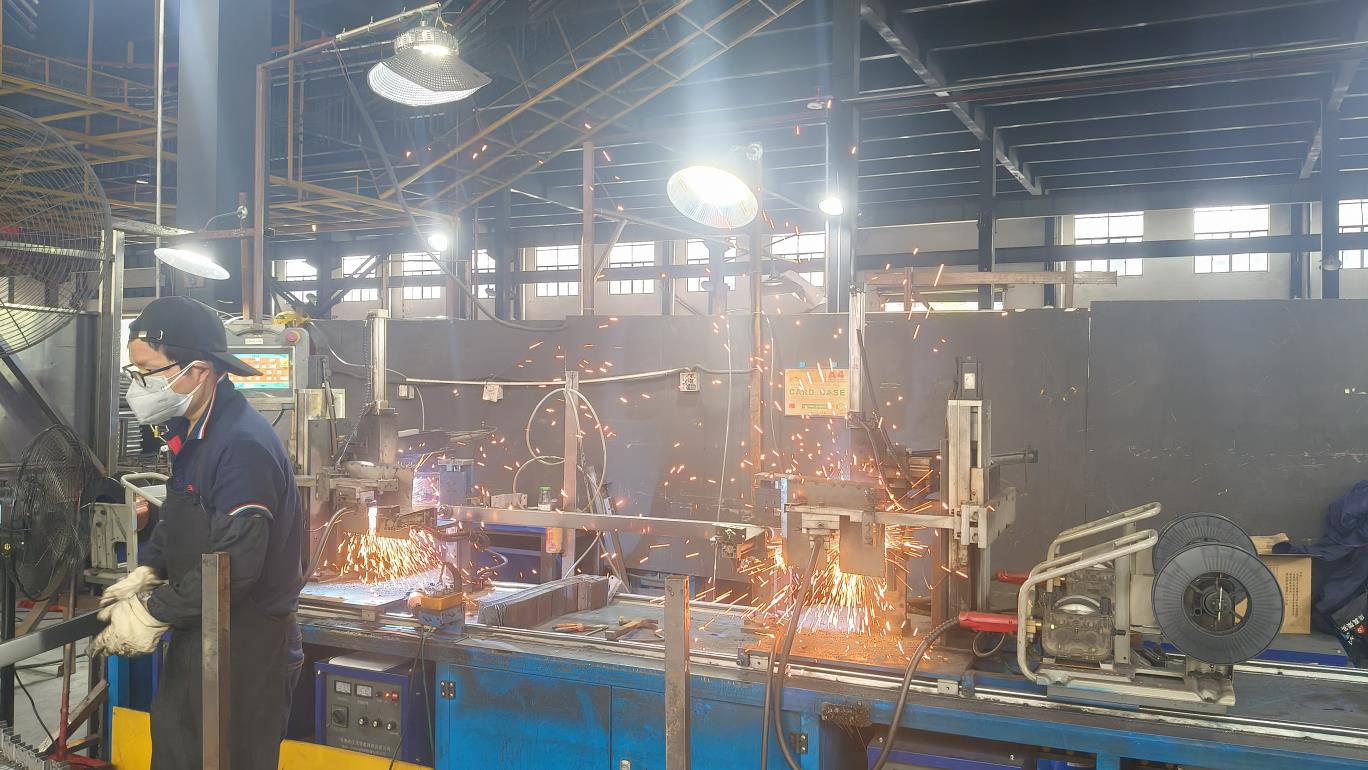
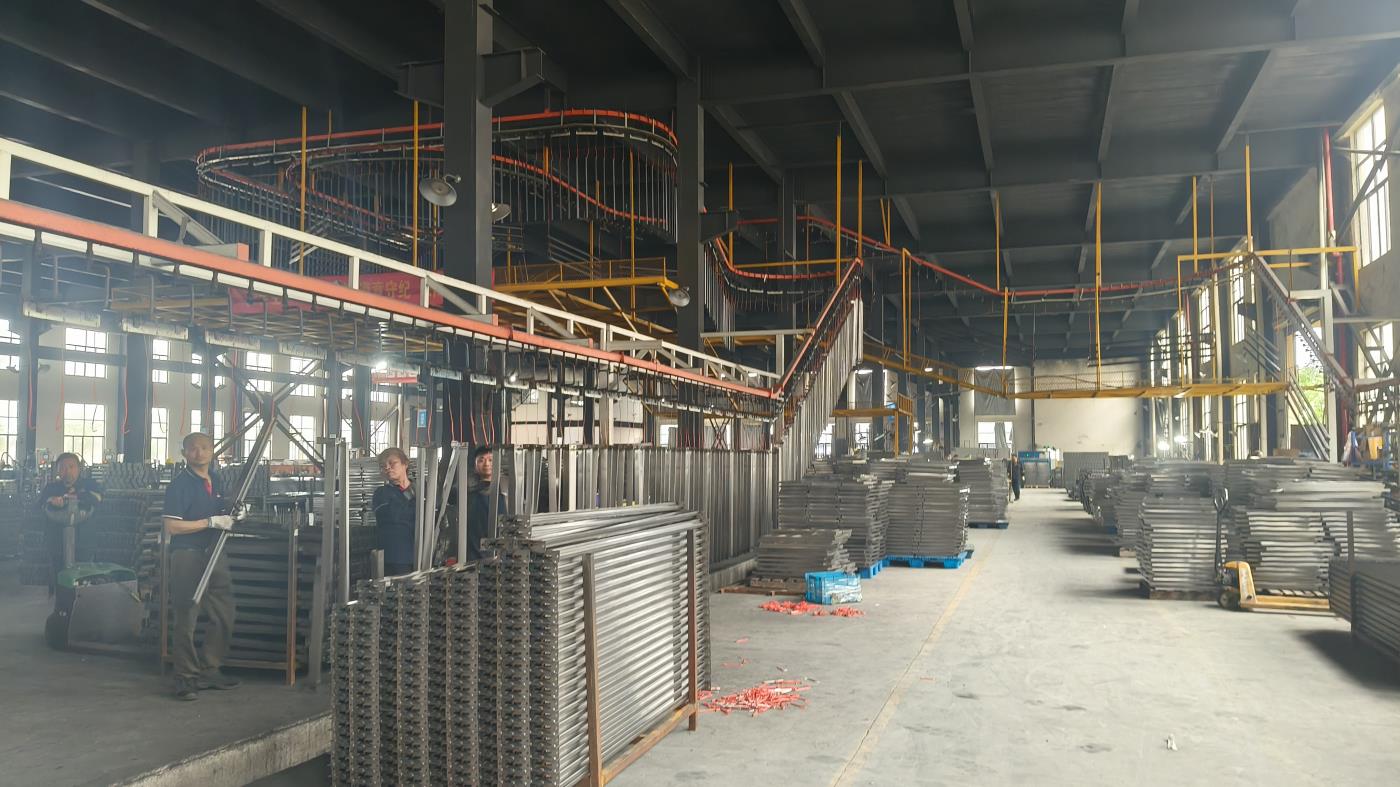
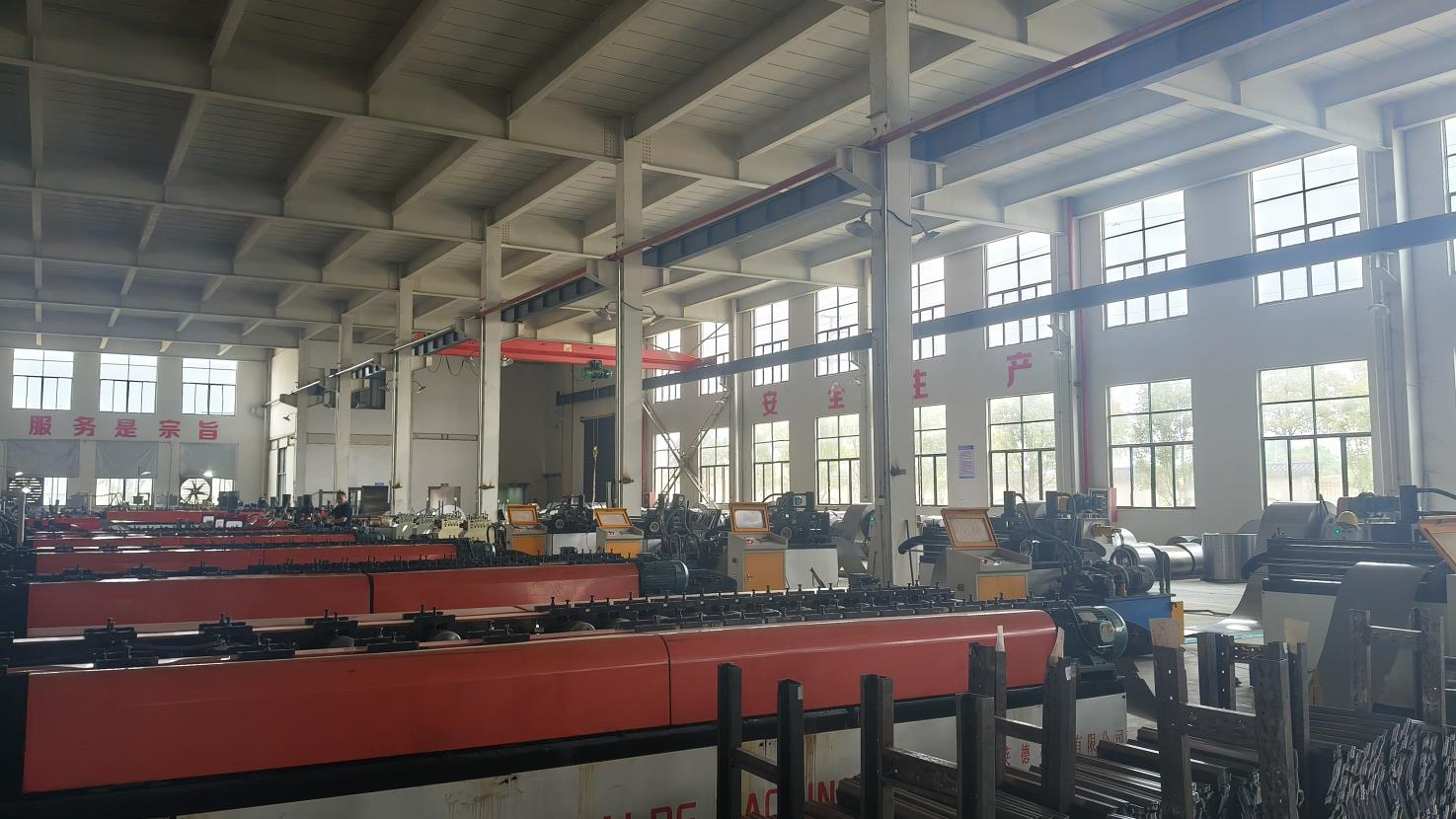
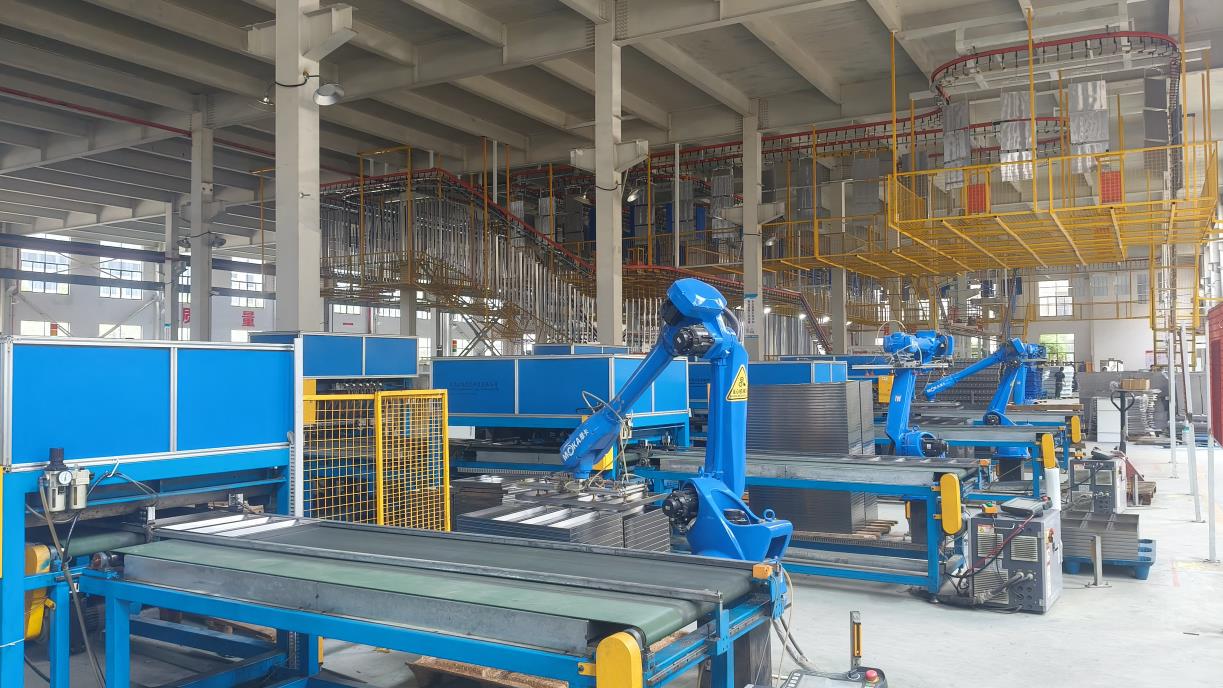
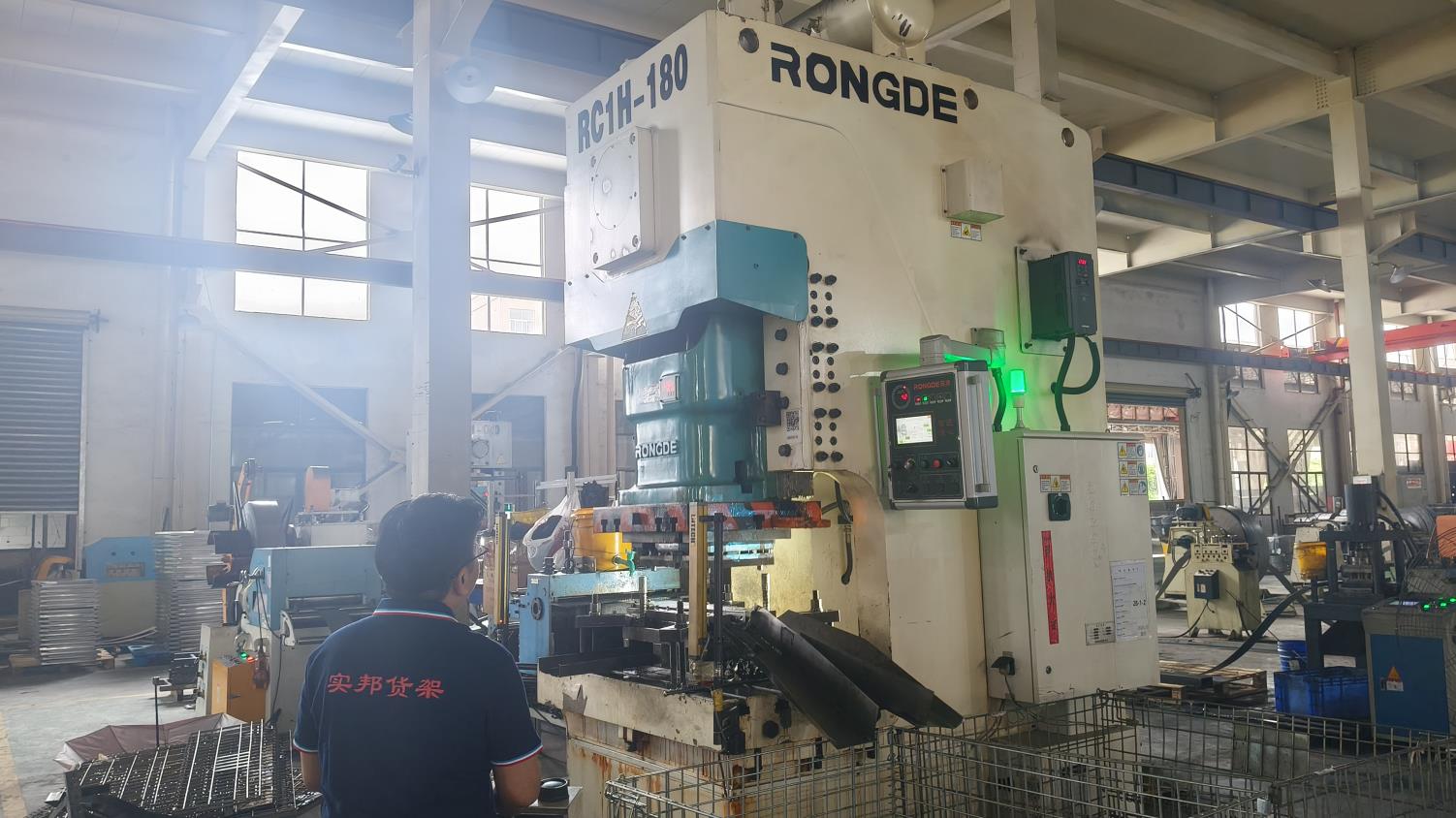
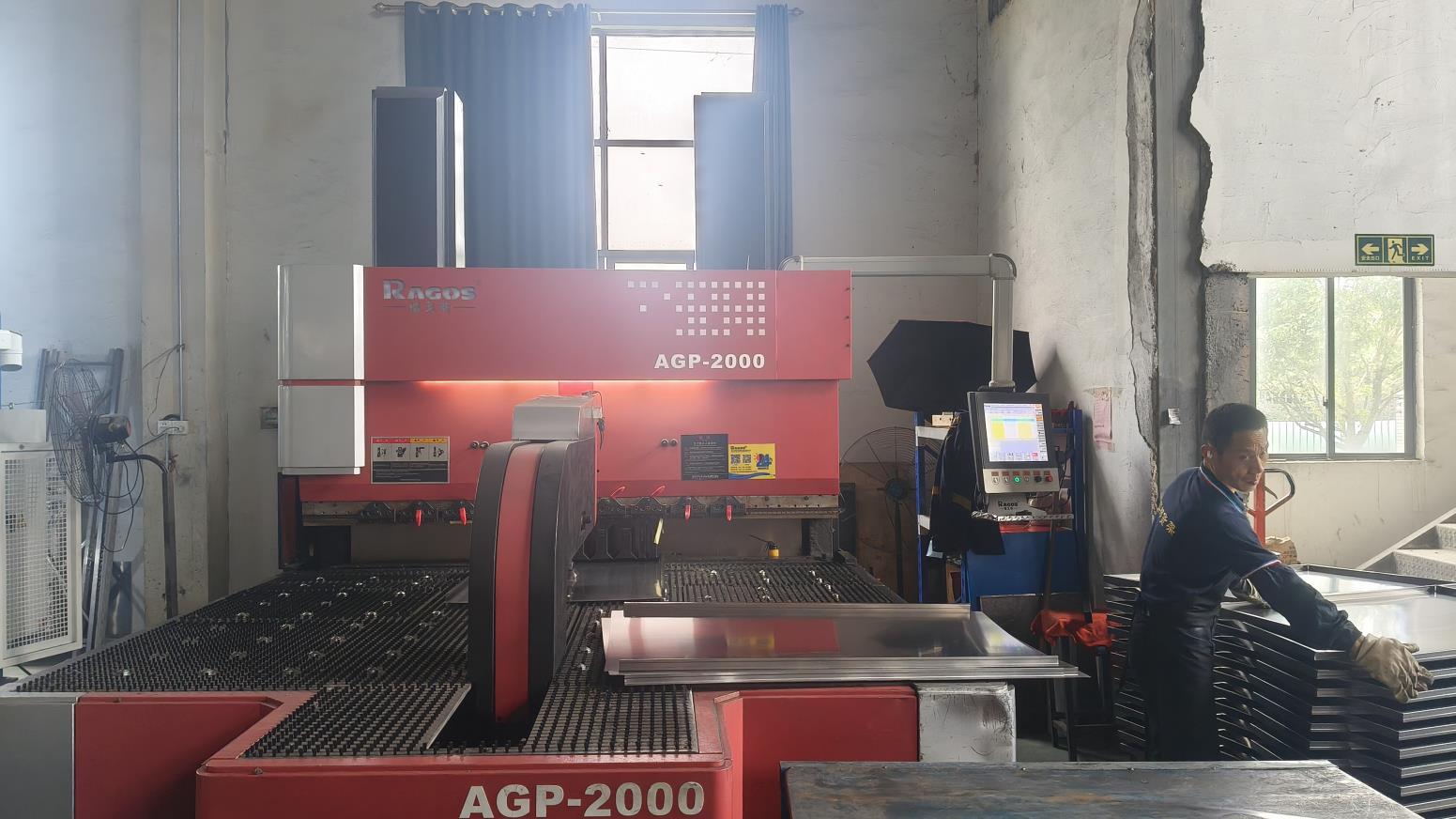
Cantilever racking requirements vary by application. Different loads demand dedicated modifications, arm profiles, and configurations to prevent mechanical failure.
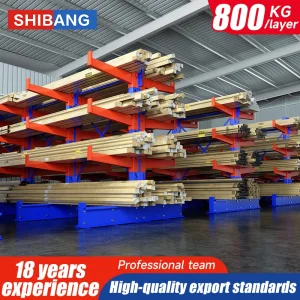
Wood products must be kept dry and flat to prevent bending. Outdoor-configured cantilever systems are engineered with roof trusses to support galvanized sheet metal canopies. Combined with custom run-off slopes, this design protects bulk lumber from rain and snow.
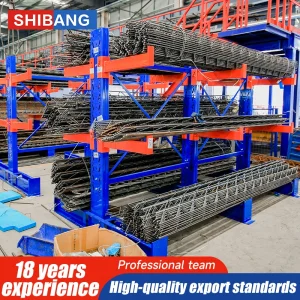
Steel tubes, rebar bundles, and brass channels create high concentrated loads. Heavy-duty structural systems feature welded retaining sockets and drop-in pipe stops on the arms. This configuration keeps cylindrical stock secured in place.
Storing vehicle chassis, engines, and drive axles requires dynamic resilience. Heavy structural steel profiles resist direct impact from forklift tines. They provide multi-tier, high-density storage that withstands oil residue and grease exposure.
The future of industrial storage is driven by automated material handling. Standard, static cantilever storage systems are evolving into smart, dynamic units integrated with AS/RS (Automated Storage and Retrieval Systems). Our engineering team is developing specialized automated interfaces for rack systems, facilitating rapid retrieval of long payloads.
Using advanced FEA software, Shibang engineers simulate load stresses and dynamic impacts on cantilever arms before production begins. This virtual testing optimizes structural profiles, reduces unnecessary steel mass, and increases overall system capacity.
Furthermore, our development in high-strength, low-alloy (HSLA) steel grades allows us to fabricate racks that maintain strict load capacities while using less material. This helps reduce shipping costs and lessens environmental impact.
Find expert answers to common structural engineering, load capacity, and customization questions about industrial cantilever racking systems.
Browse our catalog of custom-length warehouse shelves, heavy-duty stacking frames, and specialized cantilever storage solutions.
 Shibang Storage Rack