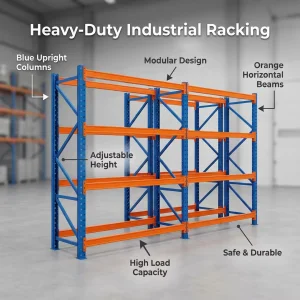
Explore our high-performance, modular industrial racking designs engineered for superior load capacities, safety, and inventory optimization.
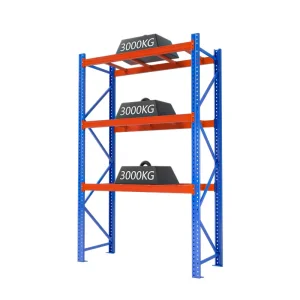
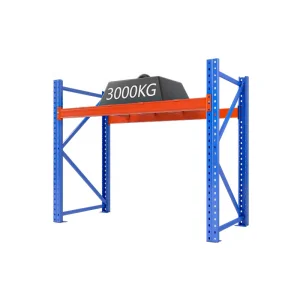
Why modern global supply chains require high-tolerance structural profiles to maximize vertical cube density and pick efficiency.
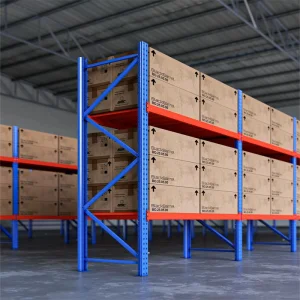
In modern industrial logistics, selecting appropriate storage infrastructure is critical to efficiency. Industrial systems fall into two major categories: Heavy-Duty Pallet Racking Systems and Wide Span (Longspan) Shelving. While pallet racking is engineered for unitized load storage accessed primarily via forklift trucks, Wide Span Shelving fills a critical operational gap: manual loading of medium-to-heavy, high-volume products that require direct accessibility.
Wide Span Shelving features long clear-entry spans, rigid upright frames, and heavy-duty step beams. These components support solid steel panels, wire mesh decking, or chipboard layers. This design allows operators to store bulk goods, heavy cartons, and odd-shaped parts without the space constraints of traditional palletized units. Understanding structural load-bearing parameters, material grades (such as premium SPCC cold-rolled steel), and deflection ratios is essential for logistics centers, e-commerce hubs, and industrial suppliers seeking to optimize warehouse operations.
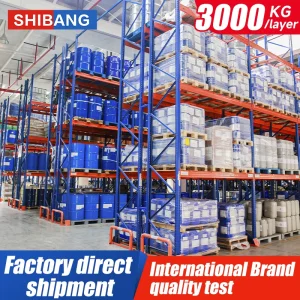
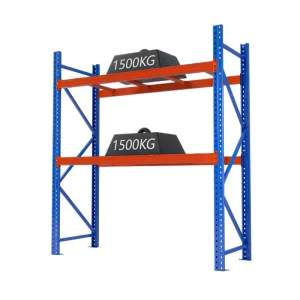
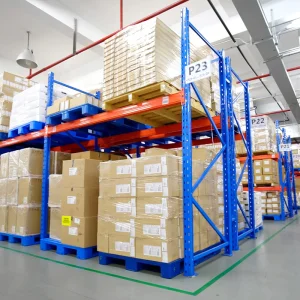
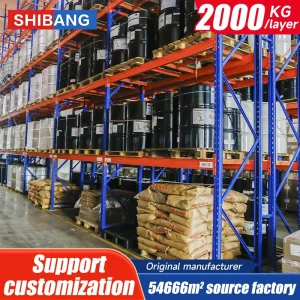
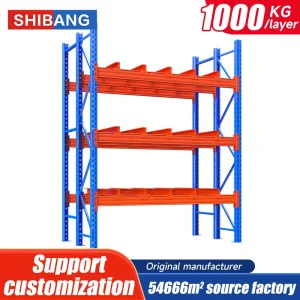
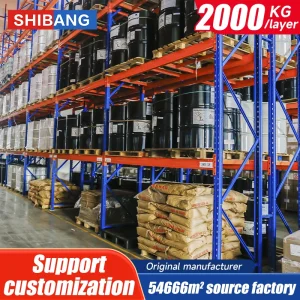
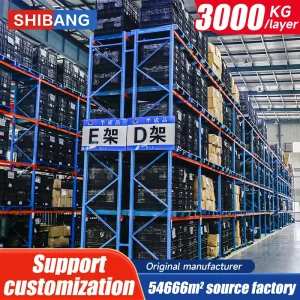
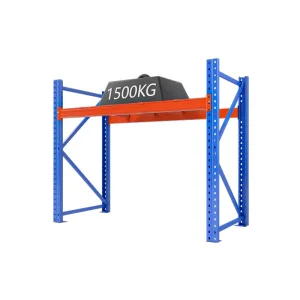
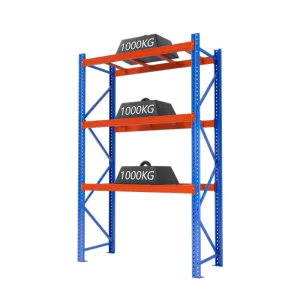
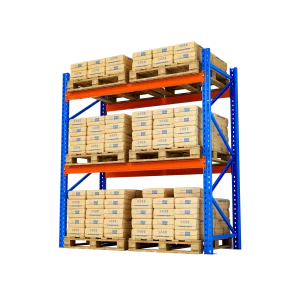
Pallet Racks: Engineered primarily for mechanized pallet handling. System heights can exceed 12 meters, utilizing high-density storage profiles (Selective, Double Deep, VNA, Drive-In) with load ratings typically from 1,000kg to over 4,000kg per level.
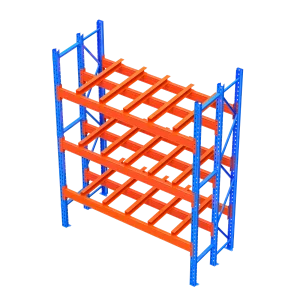
Wide Span Shelving: Designed for manual hand-loading and carton picking. Standard load capacities range from 300kg to 1,000kg per level. It offers dynamic beam level adjustability (typically at 50mm or 75mm increments) and wider spans (up to 3000mm) without intermediate vertical uprights blocking operator access.
A Premier Industrial Racking Manufacturer and Global Supplier with over 15 Years of Engineering Excellence.
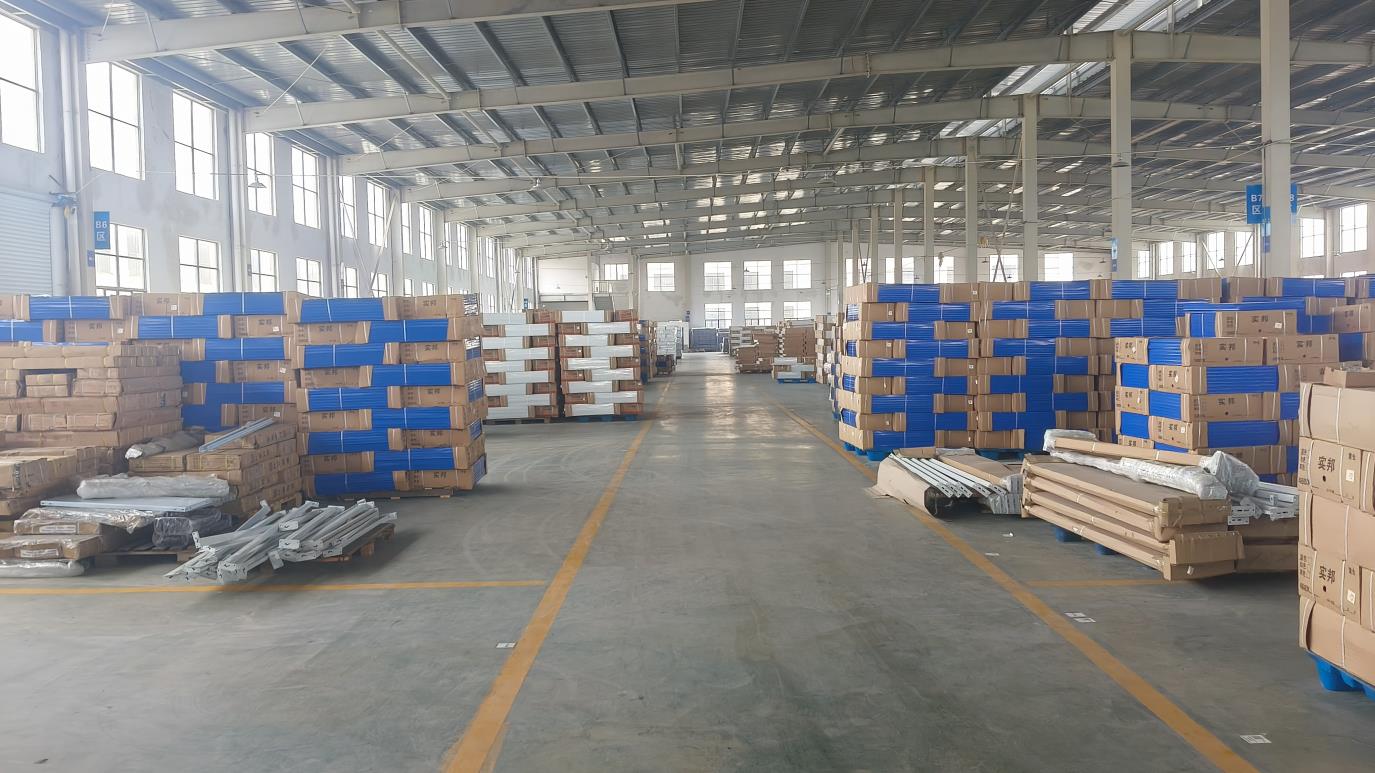
Guangdong Shibang Storage Rack Co., Ltd., established in 2016, is a leading manufacturer specializing in warehouse storage racks, industrial shelving systems, and customized logistics storage solutions. Operating a 35,000㎡ modern production facility, we design, manufacture, and distribute high-performance racking components to warehouses, distribution centers, and manufacturing plants worldwide.
With an annual export revenue reaching USD 18 million and 8 years of dedicated export experience, Shibang leverages 15 years of industry experience in warehouse storage manufacturing. We offer full-cycle support, including architectural spatial planning, structural CAD engineering, automated roll-forming production, surface treatment, and global supply logistics services.
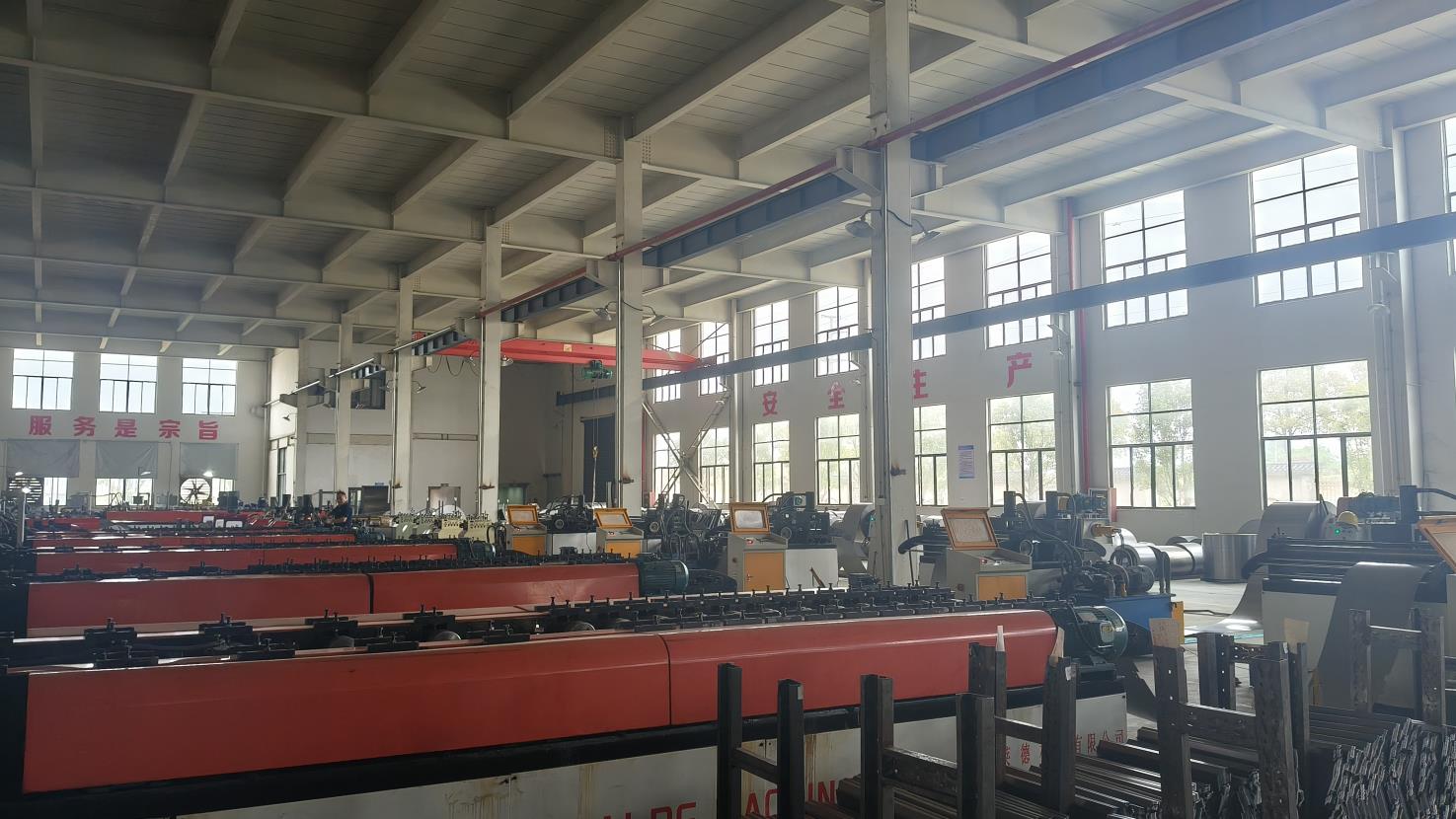
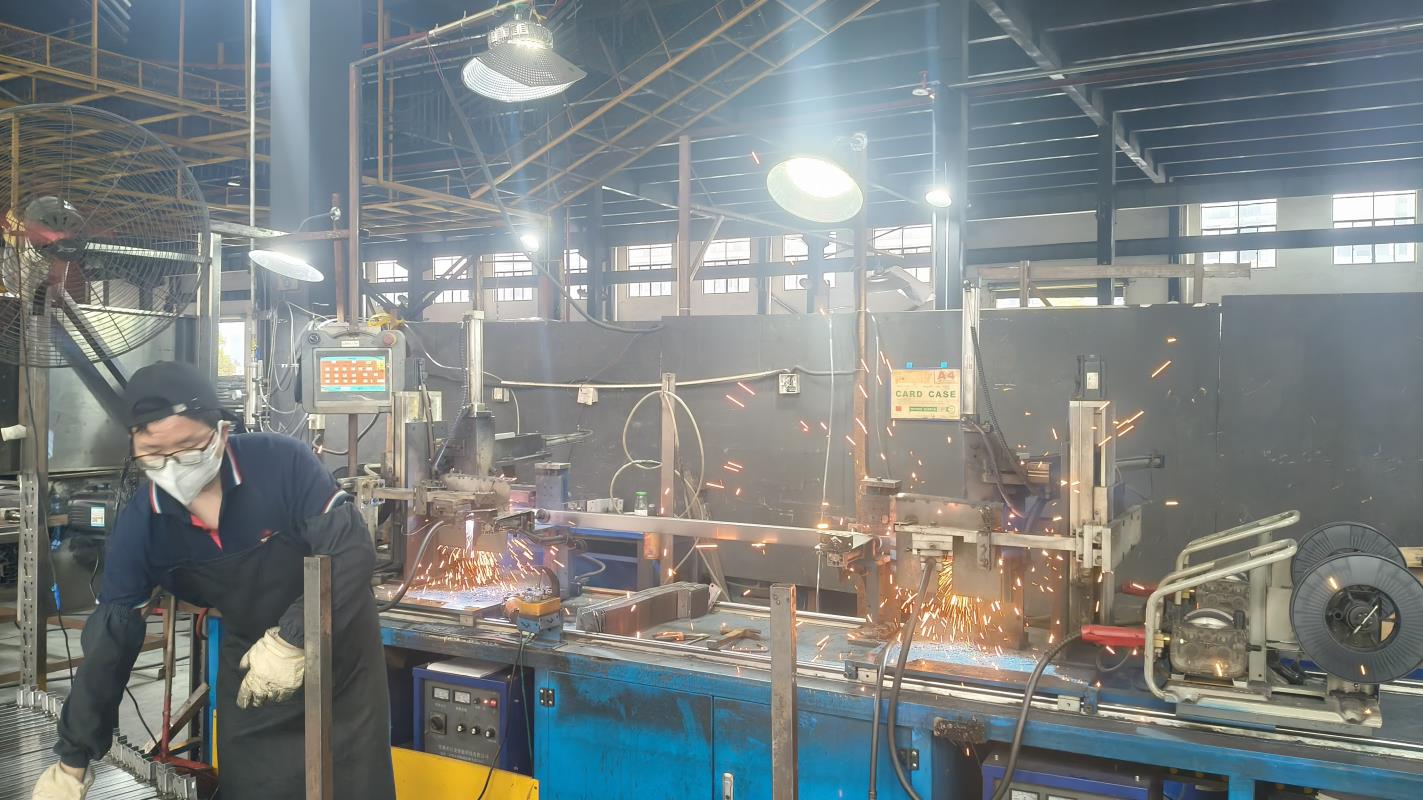
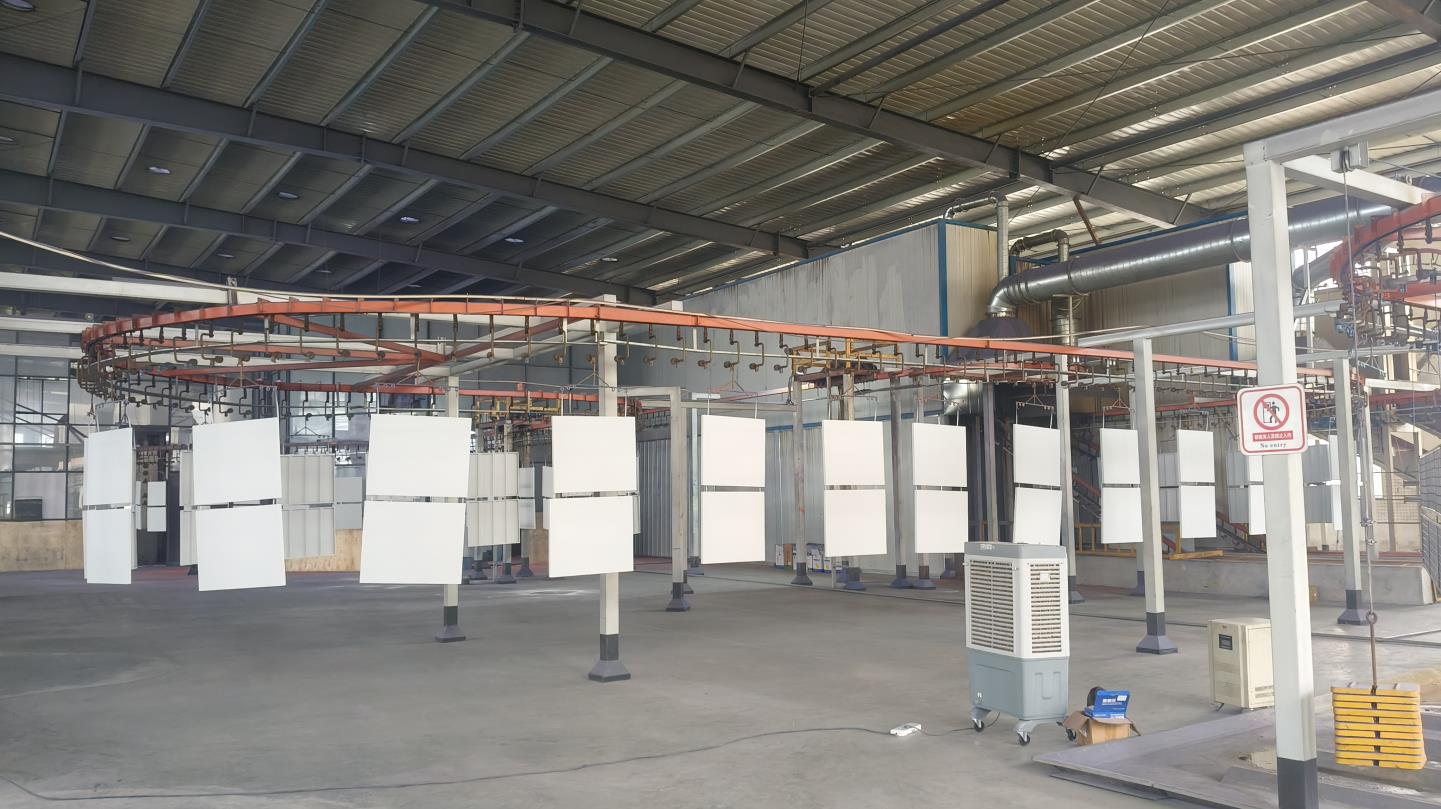
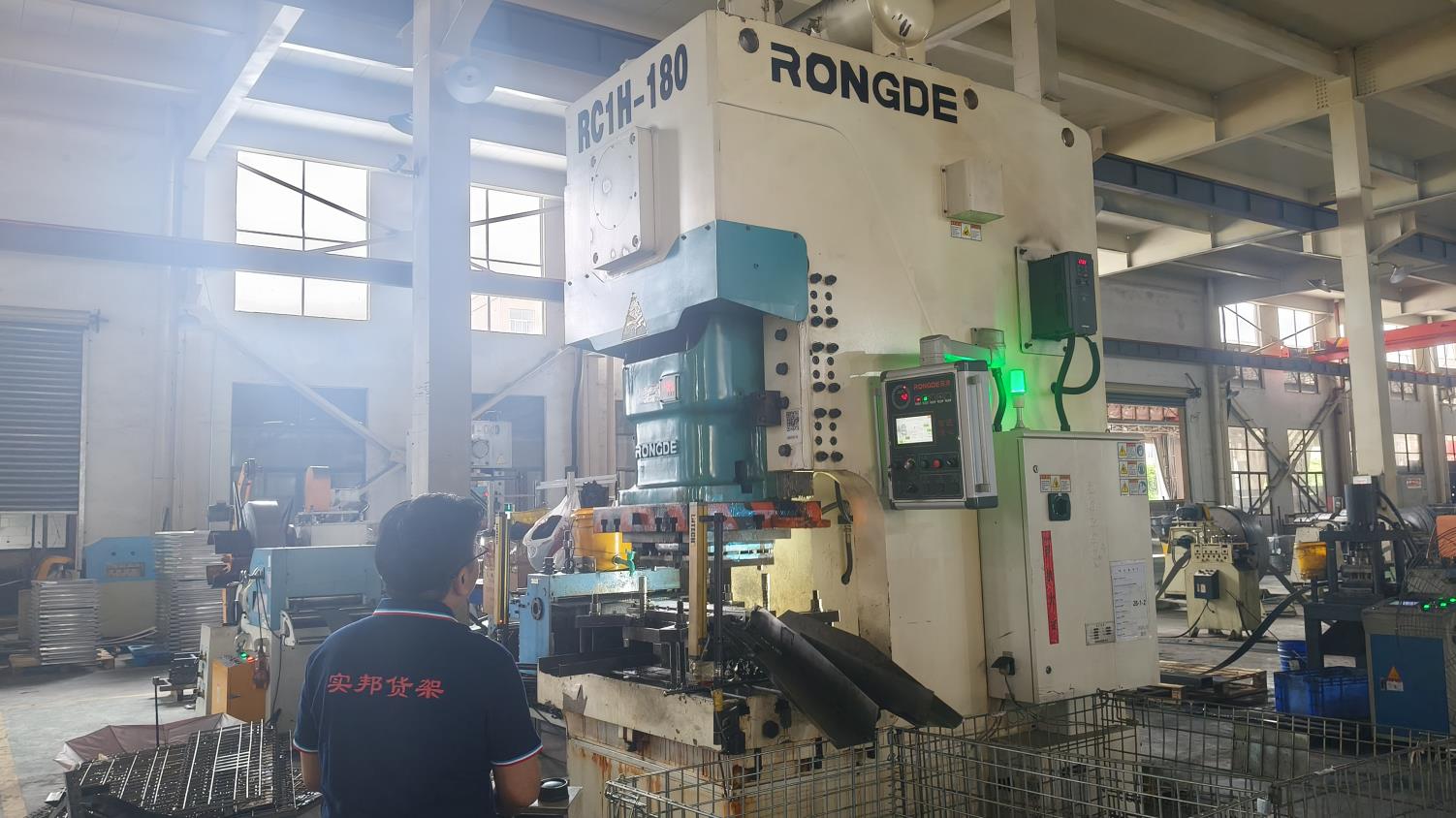
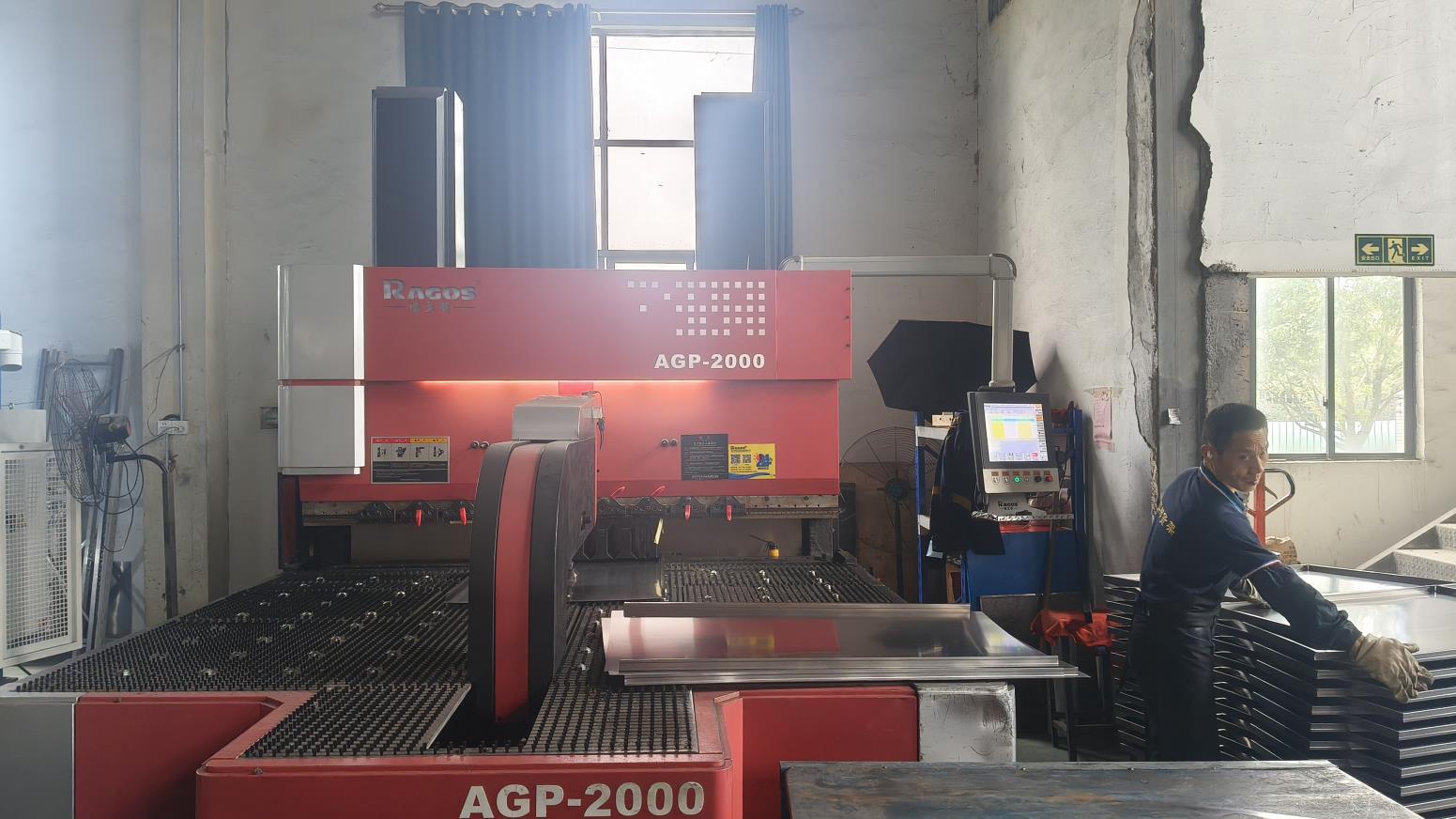
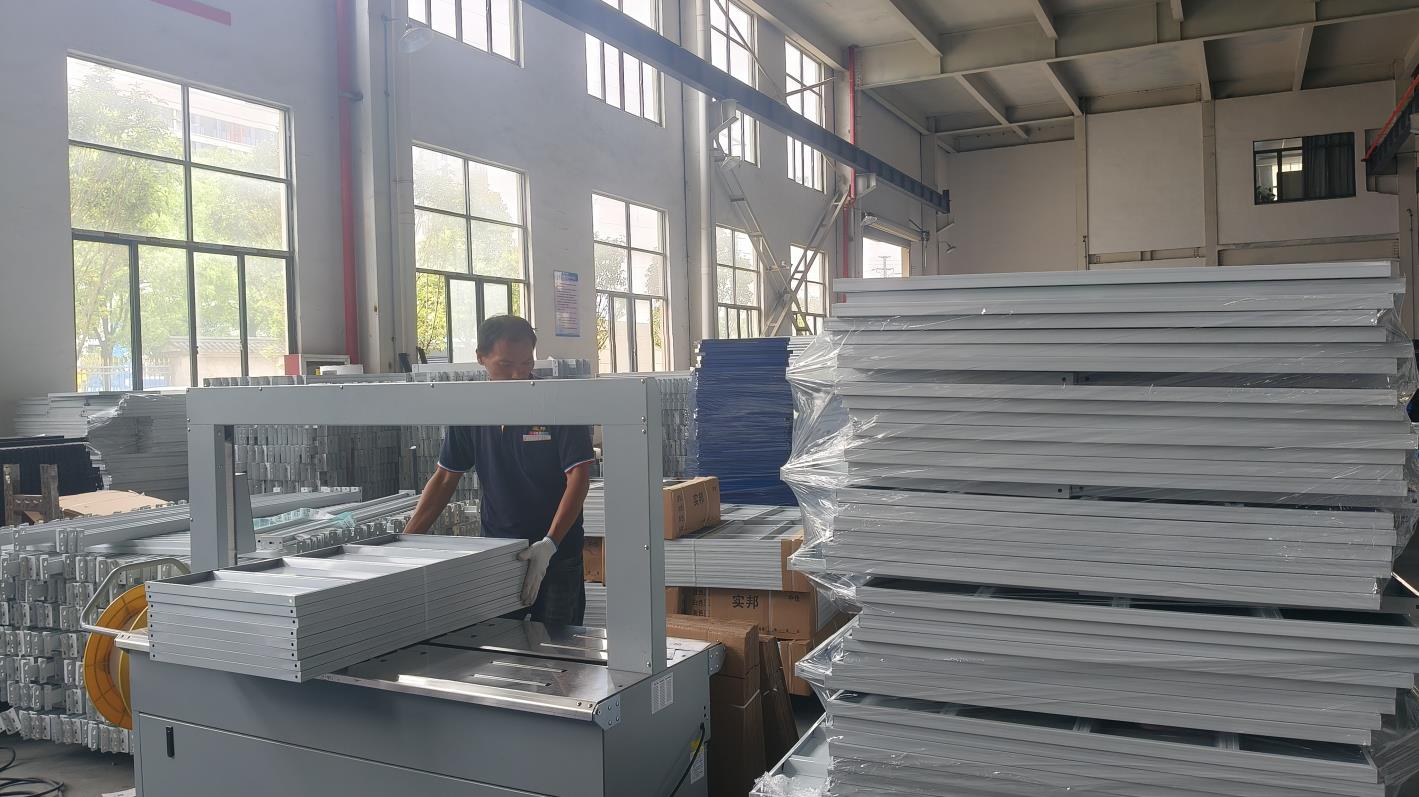
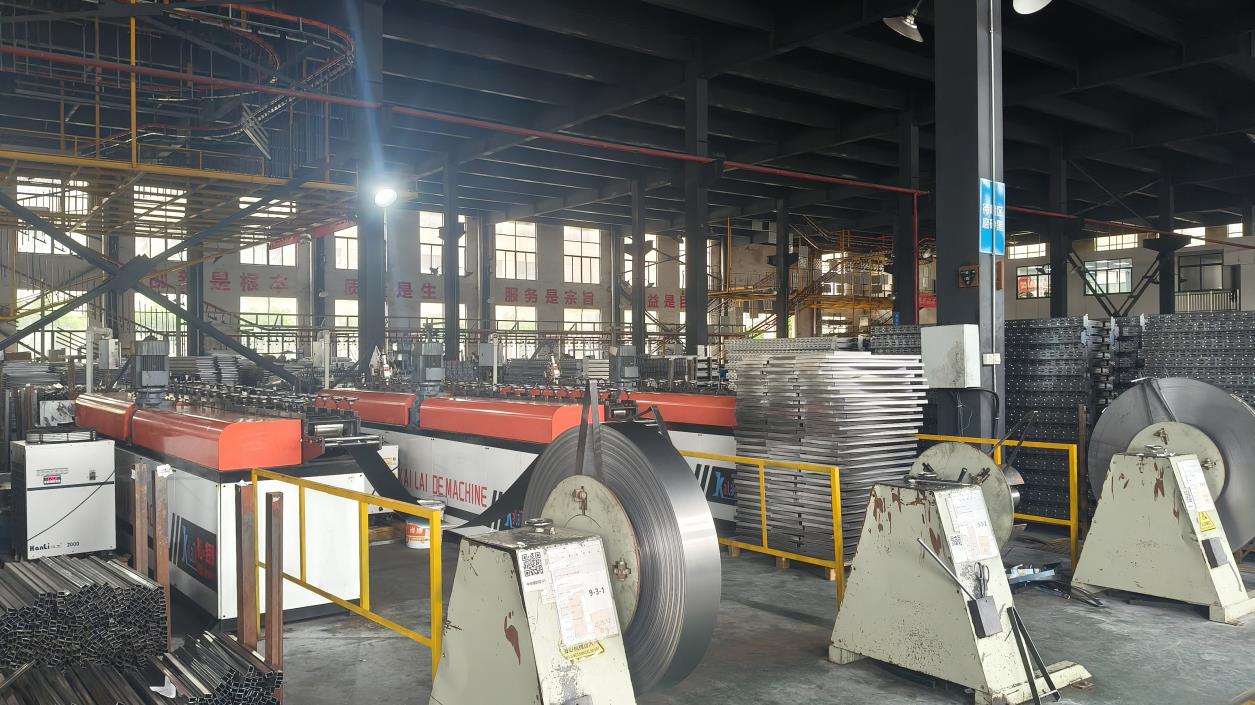
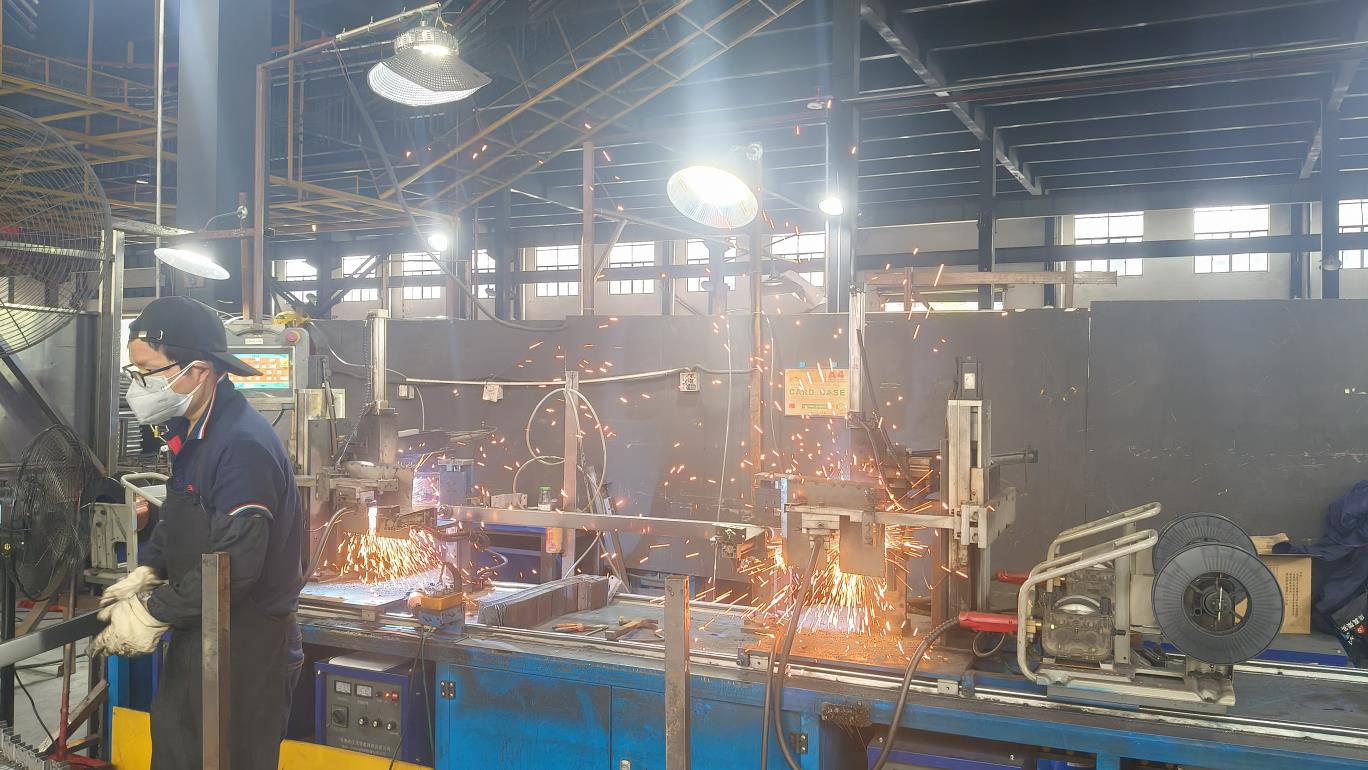
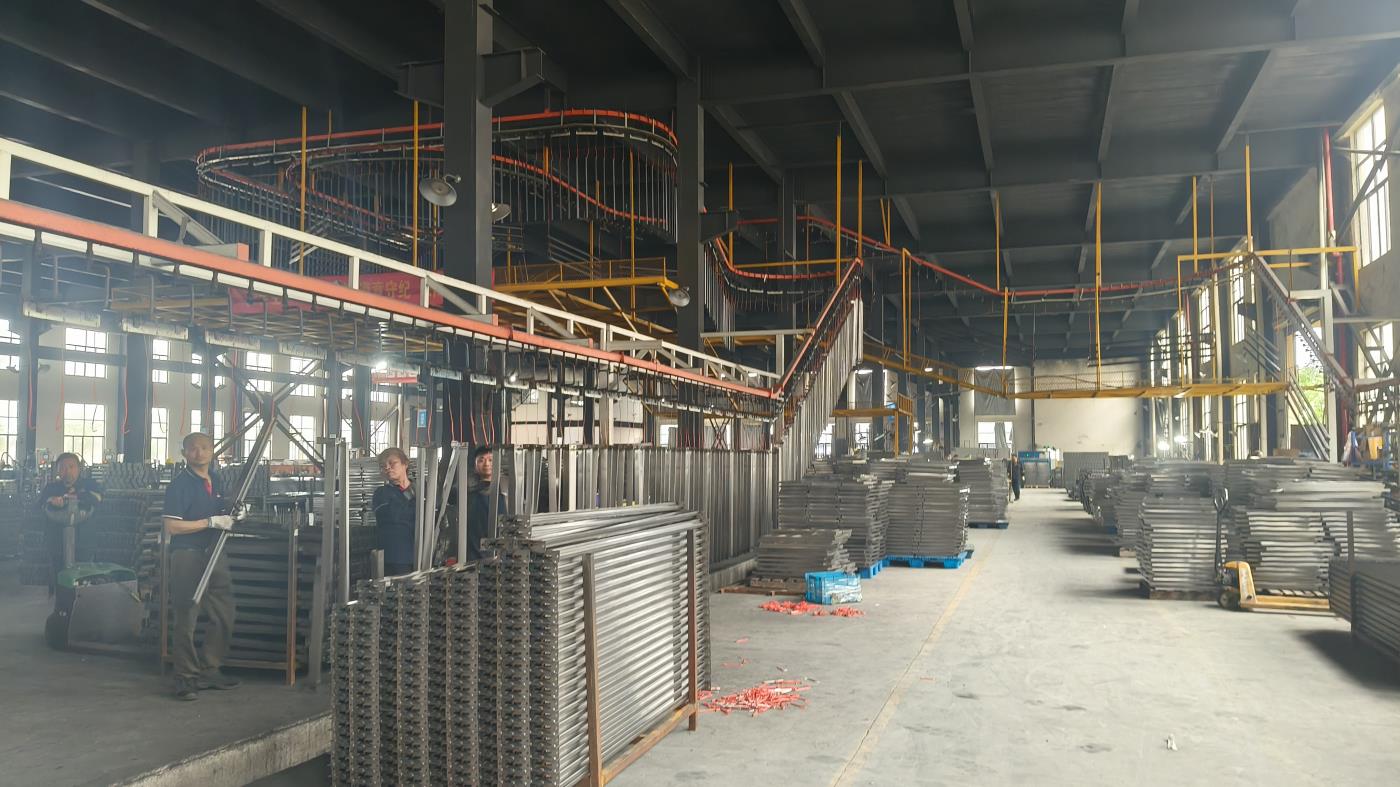
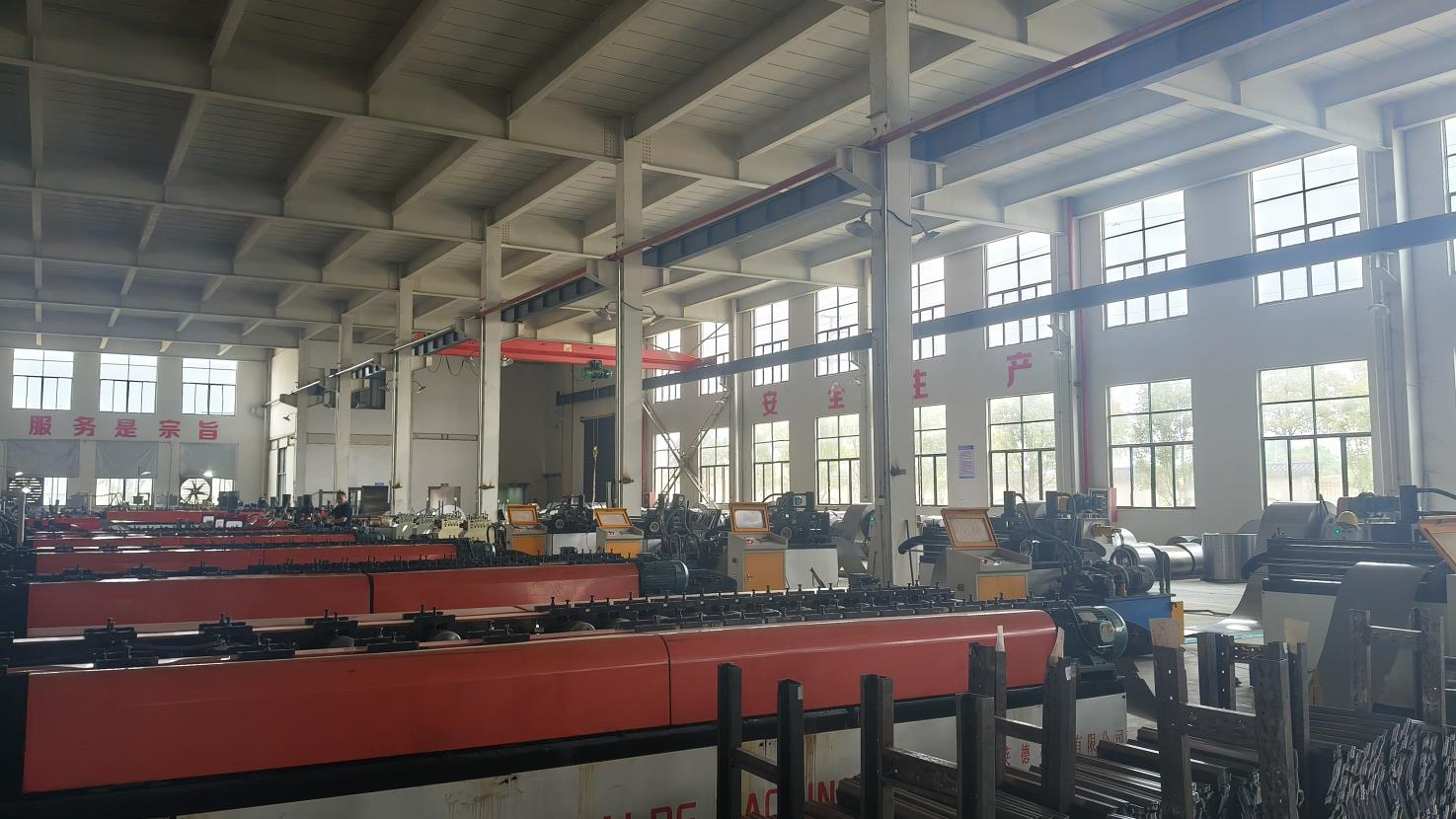
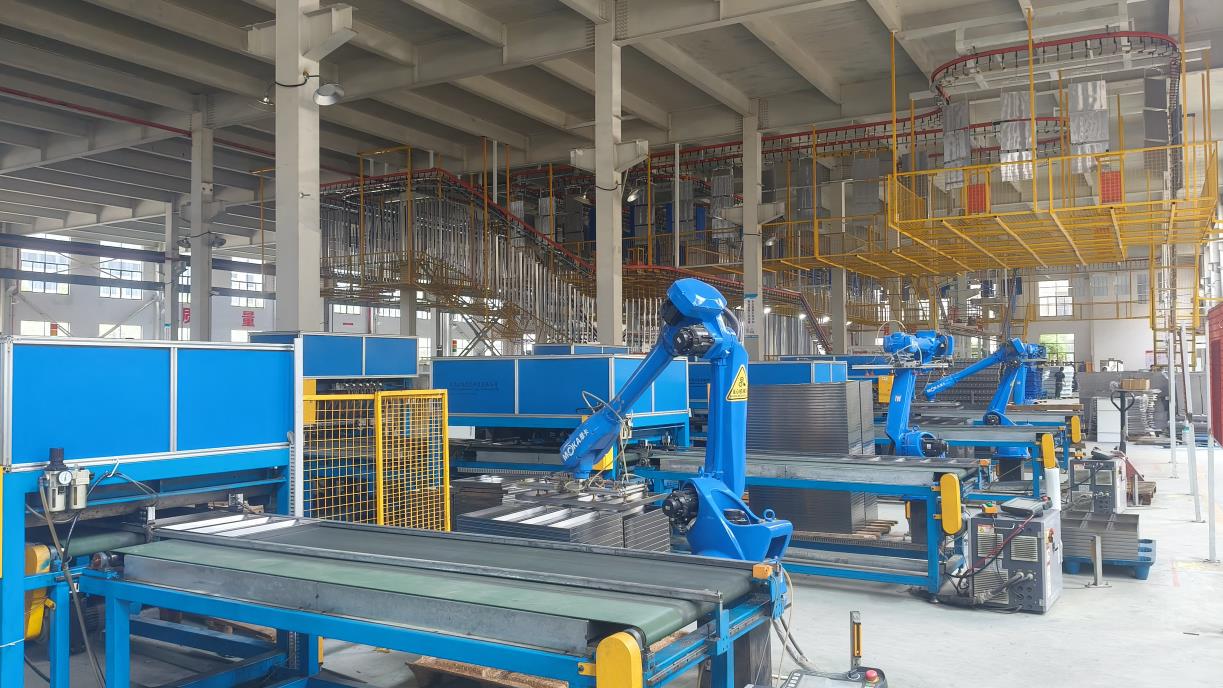
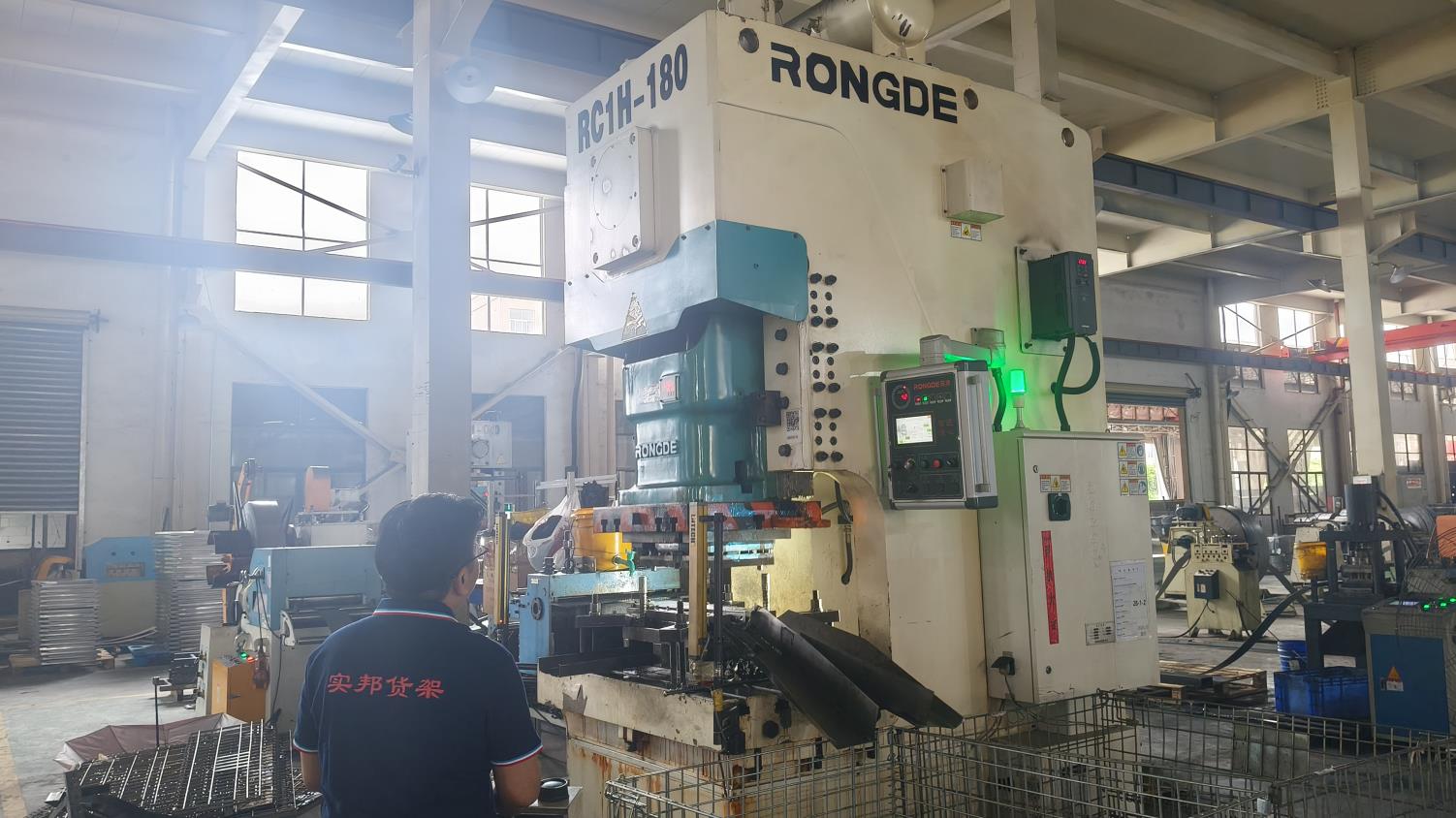
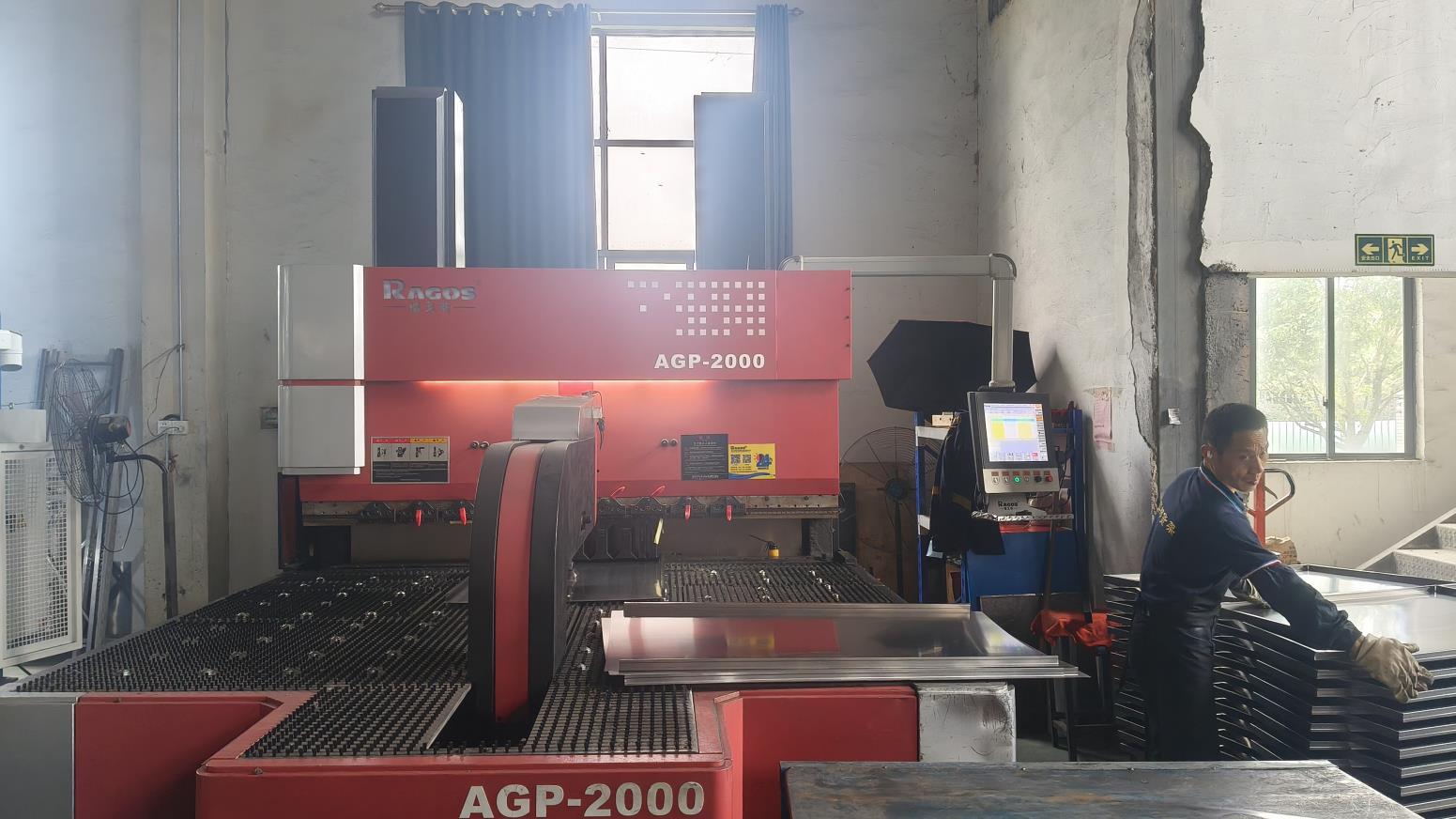
A inside look at our advanced manufacturing lines, where precision robotics and state-of-the-art coatings guarantee consistent structural load capacity.
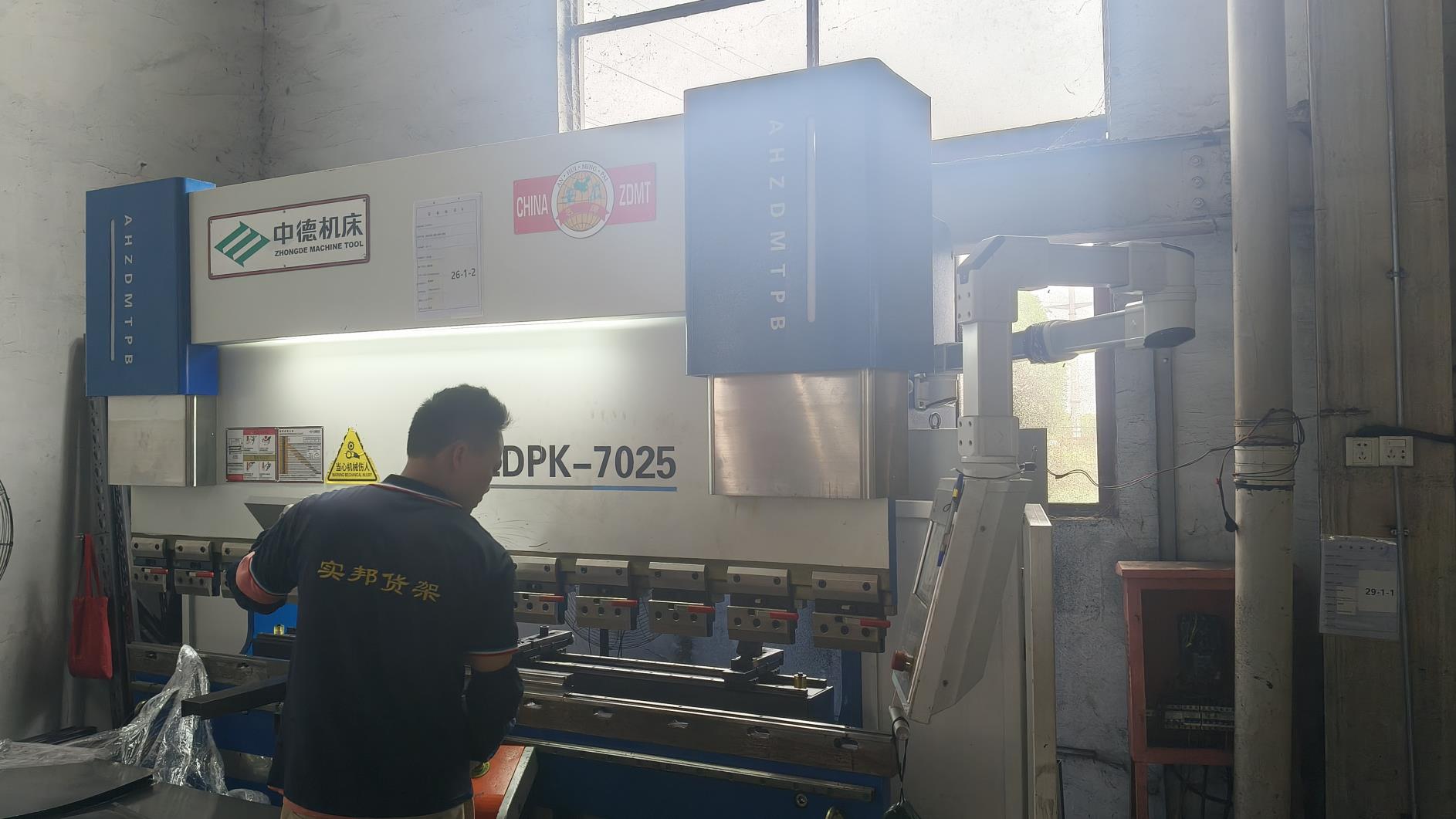
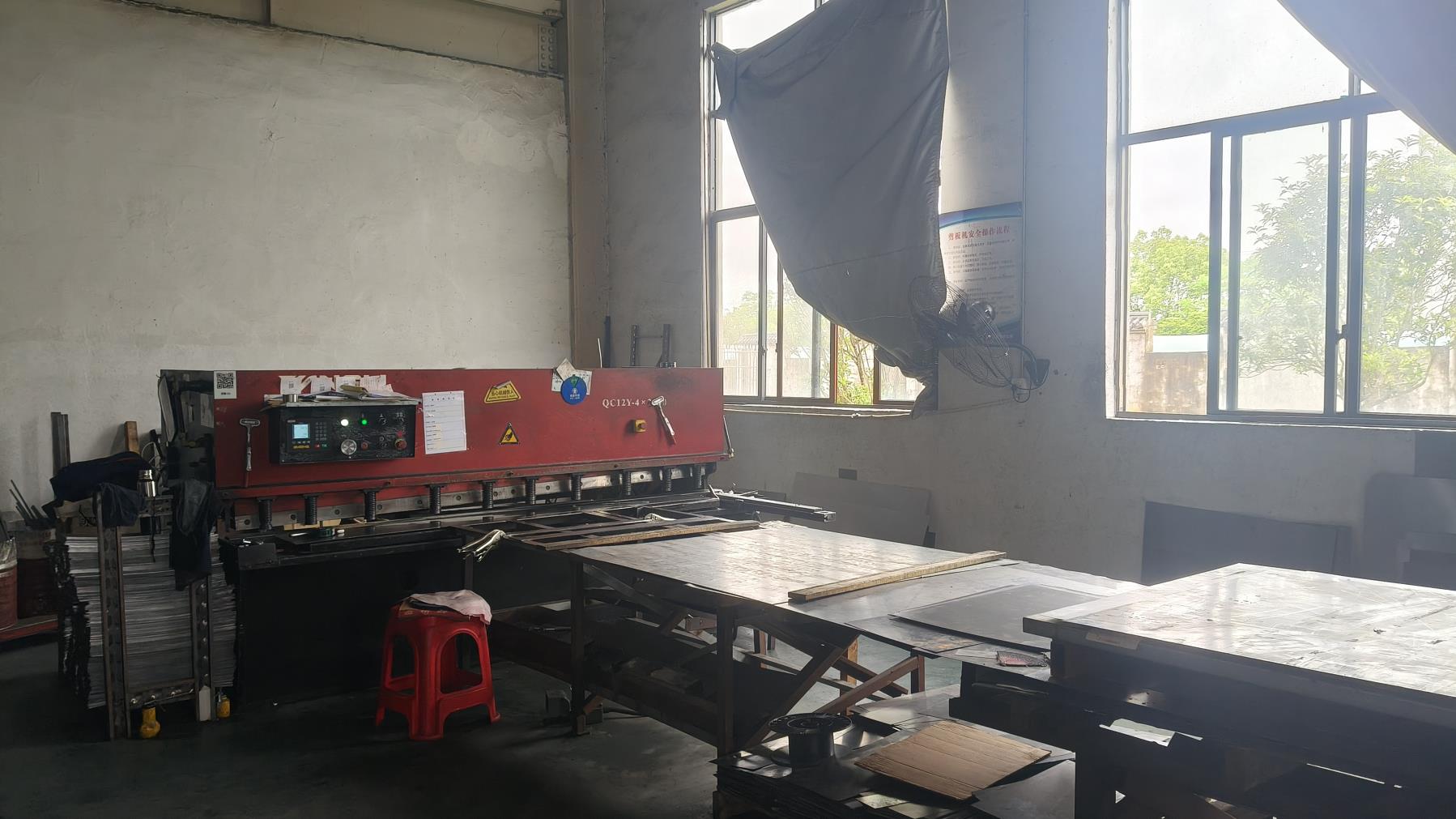
Guangdong Shibang's manufacturing infrastructure utilizes automated roll-forming and robotic welding technology to produce high-durability shelving and racking systems. We manage the entire production process—from raw material coil slicing and high-speed CNC punching to automated bending and multi-stage powder coating—ensuring consistent dimensional tolerances and weld strength.
By leveraging an extensive domestic industrial supply chain network of over 1,200 reliable partners, we maintain a steady supply of high-grade steel. This integrated supply chain enables us to mitigate raw material price fluctuations and offer consistent, competitive pricing and stable lead times to global buyers.
Custom-engineered racking layouts adapted to specialized storage conditions and handling requirements.
Multi-tier Wide Span shelving with integrated mezzanine platforms designed for manual picking systems. Increases floor area utilization by up to 200%, supporting fast-moving SKUs in modern logistics centers.
Utilizes corrosion-resistant epoxy powder coatings and hot-dip galvanized steel frames to withstand high moisture and temperatures down to -40°C, maintaining structural safety in cold-chain logistics.
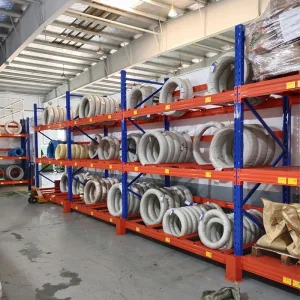
Heavy-duty, wide-span shelving designed to hold heavy components like engines, gearboxes, and tooling. Options include integrated dividers, security mesh backings, and drop-in metal shelves.
How our engineering team meets strict international building codes and fire safety regulations.
To ensure structural safety, our manufacturing and engineering designs align with regional building regulations. We manufacture in compliance with major standards, including the ANSI/RMI MH16.1 specifications in North America, the EN 15512 codes in Europe, and AS 4084-2012 standards in Australia. These compliance guidelines cover seismic engineering, frame buckling calculations, and load deflection limits.
Our quality management workflow follows standard ISO 9001 quality control procedures. This process includes incoming steel material inspections, continuous inline welding checks, and final product load testing. A team of 65 QC specialists monitors every production stage, testing structural strength, weld integrity, and coating consistency before shipment.
| Inspection Standard / Phase | Test Parameters Checked | Guaranteed Quality Metrics |
|---|---|---|
| Raw Material (ASTM/GB-T Standard) | Chemical composition & tensile yield testing of structural steel coil. | Certified yield strength ≥ 235 MPa to 345 MPa. |
| Welding Quality Control (AWS D1.1 Compliant) | Ultrasonic weld testing, gas metal arc welding fusion checks. | Zero weld voids; continuous penetration at high-stress beam-connector joints. |
| Powder Coating Durability (ISO 2409) | Cross-cut adhesion test, salt spray corrosion testing. | Thickness 60-80 microns; excellent impact resistance and corrosion protection. |
| Load Deflection Testing (FEM 10.2.02) | Deflection testing under maximum safe working load. | Deflection limit < L/200 of the beam length, meeting industrial safety standards. |
Exploring the integration of IoT, automated storage and retrieval systems (AS/RS), and sustainable steel manufacturing.
The industrial storage industry is shifting from traditional passive steel racks to integrated, intelligent warehouse systems. Our R&D team of 28 experienced engineers design structures optimized for modern automation, including high-speed automated storage and retrieval systems (AS/RS), autonomous mobile robots (AMRs), and shuttle racking systems.
Our research focus includes incorporating RFID chips and smart sensors directly into beam assemblies to monitor load-bearing distribution and structure movement in real-time. Additionally, we are working to reduce the carbon footprint of our operations by using eco-friendly, low-emission thermoset powder coatings and sourcing raw steel from certified low-carbon suppliers.
Engineering rack components with tighter tolerances to match the tracking requirements of automatic crane systems and vertical lift modules (VLMs).
Working with premium eco-certified steel producers to offer high-strength steel grades that use recycled content, helping clients meet corporate sustainability goals.
Designing boltless, adjustable, and reconfigurable interlocking mechanisms that allow logistics operators to scale layouts quickly as operational needs change.
A technical guide for procurement managers, structural engineers, and logistics directors to verify project specifications before ordering.
When planning a large-scale warehouse installation, procurement managers and engineers should verify several key technical factors. Defining these requirements early helps prevent structural issues, reduces installation delays, and ensures compliance with workplace safety standards:
Ensure the structural steel meets standard specifications (such as ASTM A1011 or GB Q235B/Q355B). High-strength structural steel provides reliable load ratings and maintains strength even with thinner, lighter profiles.
For installations in active seismic areas (like parts of the US, New Zealand, or Japan), dynamic seismic load calculations must be integrated into the upright frame and baseplate designs.
Match the paint or coating to the storage environment. Standard dry indoor warehouses typically use electrostatic epoxy powder coating. For cold storage, high-humidity zones, or outdoor applications, hot-dip galvanizing is recommended to prevent rust.
Answers to technical questions about load capacities, customizable options, and global shipping policies.
Engineered for high load limits, durability, and smooth warehouse logistics.
 Shibang Storage Rack