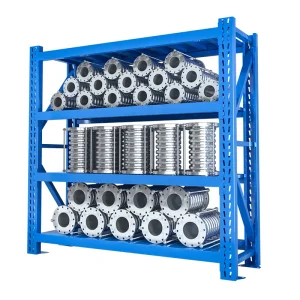
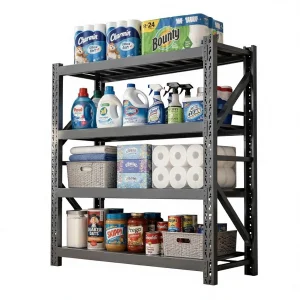
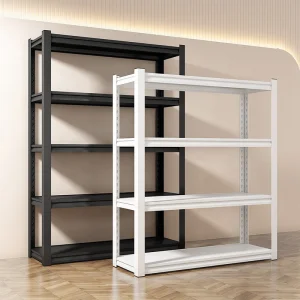
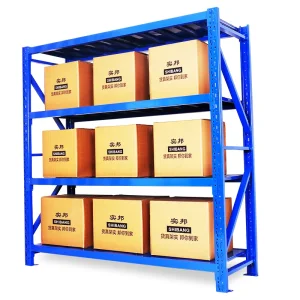
Engineered for extreme durability, corrosion resistance, and structural loading efficiency.
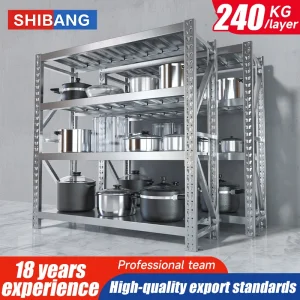
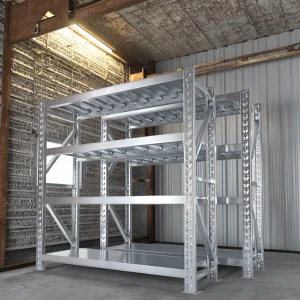
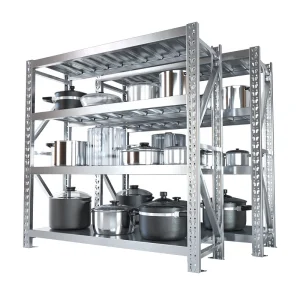
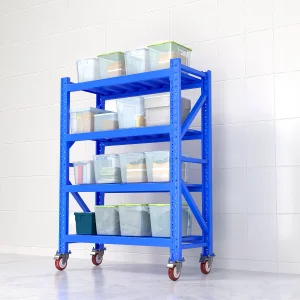
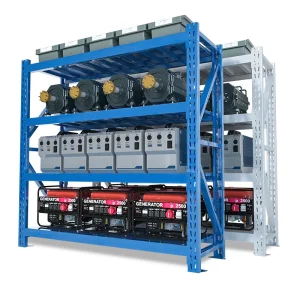
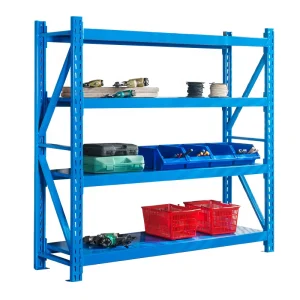
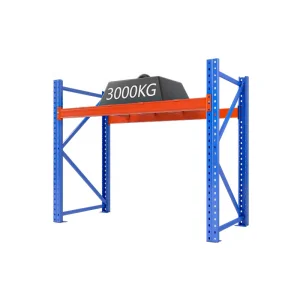
Understanding modern supply chain demands, technical requirements, and environmental variables.
In the era of automated warehousing, cold chain logistics, and highly regulated pharmaceutical environments, the demand for high-performance structural systems has elevated the Stainless Steel Rack from simple storage utility to a mission-critical infrastructure element. Global supply chain strategies now prioritize reliability, asset lifespan, and hygienic maintenance, pushing traditional powder-coated carbon steel systems out of ultra-clean and high-humidity environments.
Industries such as food processing, bio-pharmaceuticals, high-density chemical storage, and marine shipping operate under intense regulatory mandates (like FDA, GMP, and HACCP). These standards enforce absolute sanitation protocols, which can only be achieved using stainless steel alloys. Unlike conventional storage units, stainless steel racks offer inert surface chemistry that prevents bacterial adhesion, tolerates high-pressure washdowns with harsh cleaning chemical compounds, and performs without embrittlement at extreme temperatures ranging from -40°C in blast freezers to +250°C in baking validation systems.
As procurement departments globally seek to lower their Total Cost of Ownership (TCO), they realize that investing in premium stainless steel configurations significantly reduces replacement cycles. The corrosion-resistant barrier formed by chromium oxide naturally repairs itself when scratched, ensuring decades of operation. When comparing the initial investment vs. long-term maintenance, stainless steel racks offer a highly optimized return on investment (ROI).
Established in 2016, Guangdong Shibang Storage Rack Co., Ltd. has established itself as an authoritative global manufacturer specializing in industrial shelving networks, warehouse racking equipment, and heavy-duty structural warehouse layouts. Operating a state-of-the-art 35,000㎡ production facility, our company provides high-performance storage solutions tailored to global logistics centers, cold-storage operators, e-commerce centers, and heavy industrial facilities.
Backed by 15 years of manufacturing experience and 8 years of direct export history, Shibang averages an annual export volume of USD 18 million. We operate a highly structured production pipeline that integrates technical raw materials analysis, structural drafting, custom tooling, automated manufacturing, and complex logistical shipping. Our products serve strategic developers in the United States, Germany, the United Kingdom, Australia, Saudi Arabia, Thailand, Mexico, and other key global markets.
Our operational facilities run strictly under ISO 9001 quality control protocols. The quality checking division is composed of 65 professional quality assurance engineers who monitor every production phase, including:
How automation and integrated material supply chains create cost-effective, high-quality industrial storage equipment.
Chinese manufacturers offer strong pricing advantages due to close proximity to raw material producers, highly integrated component ecosystems, and deep investments in robotics. Guangdong Shibang achieves high efficiency through advanced automation, utilizing CNC tube profiling, robotic structural welding, automated roll-forming, and continuous steel cleaning lines.
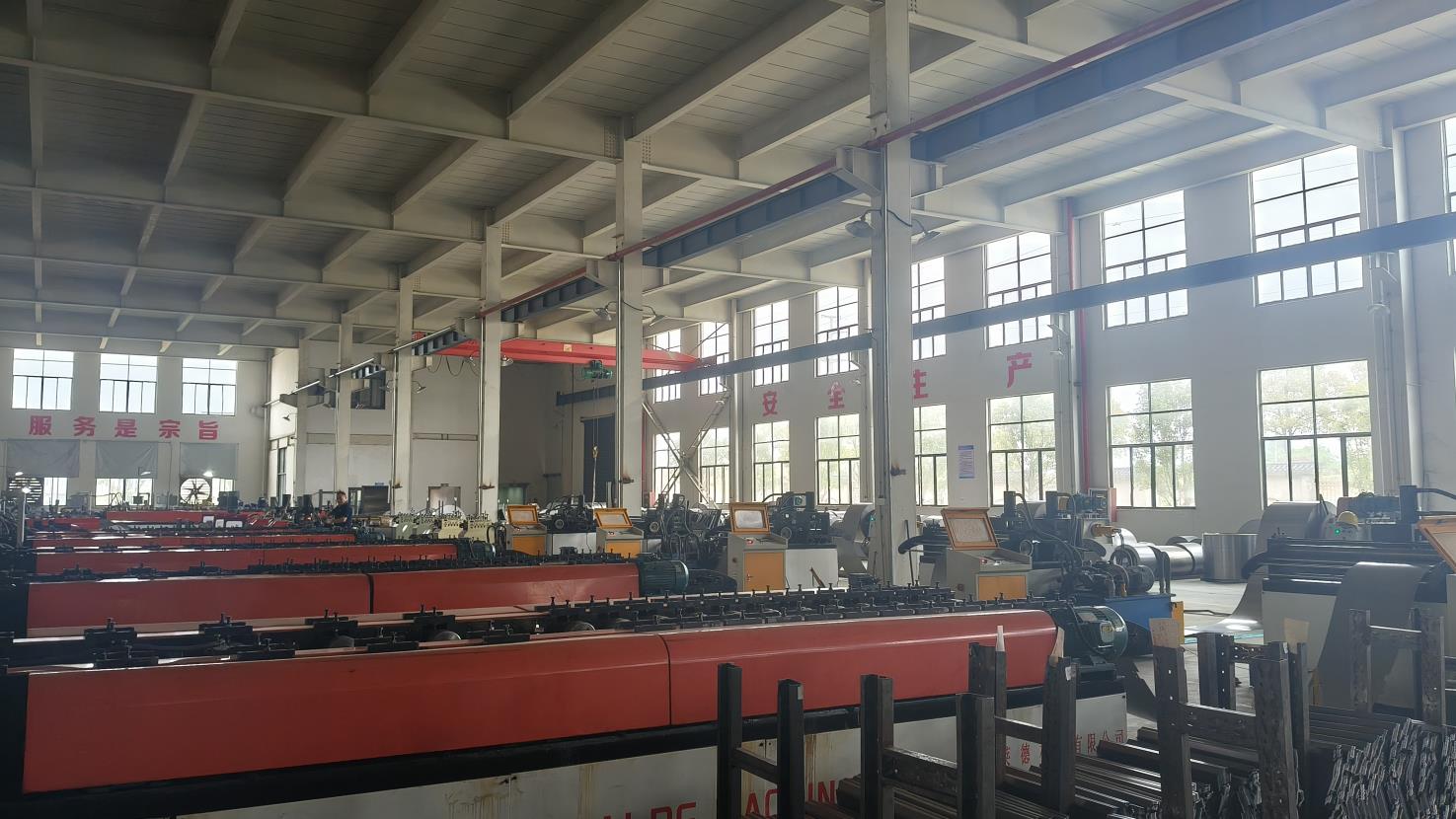
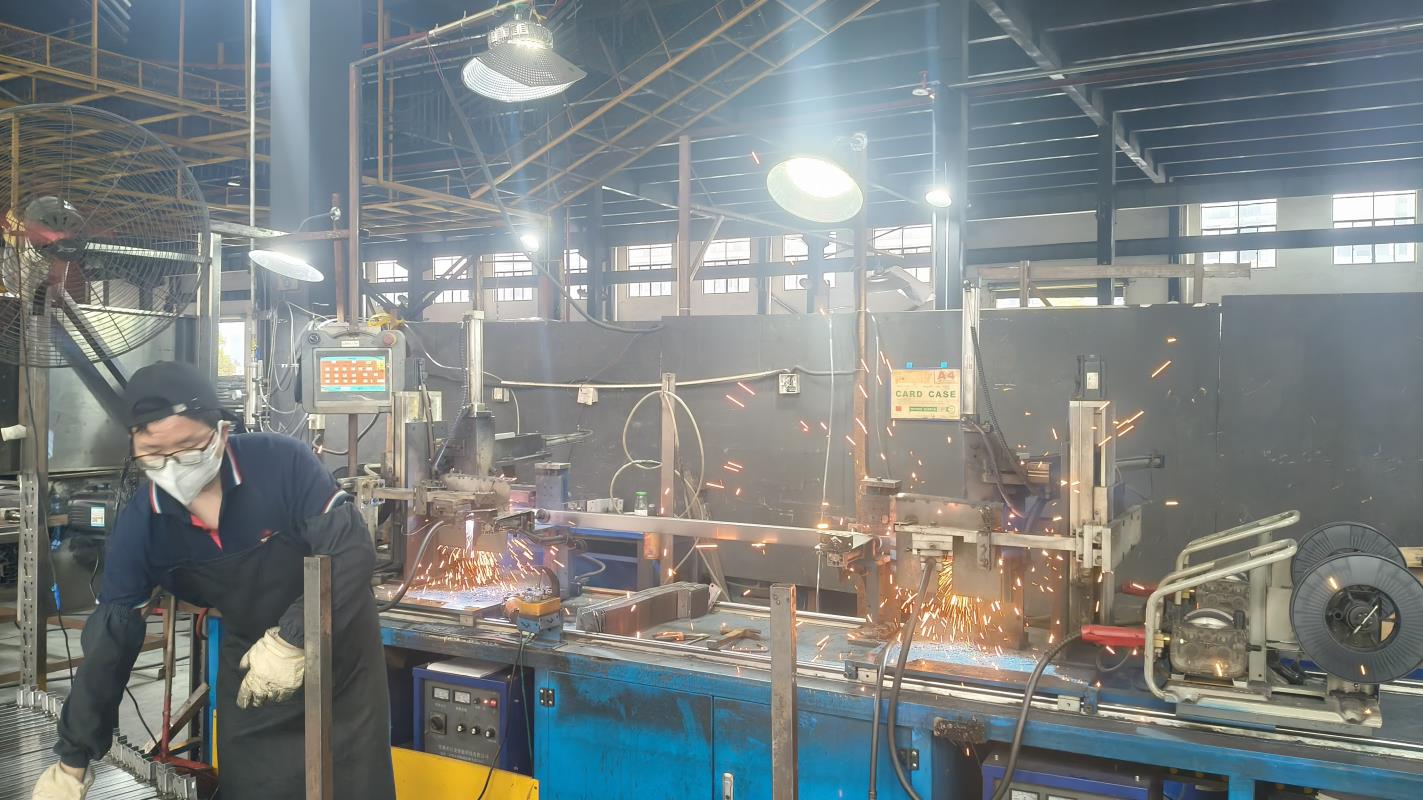
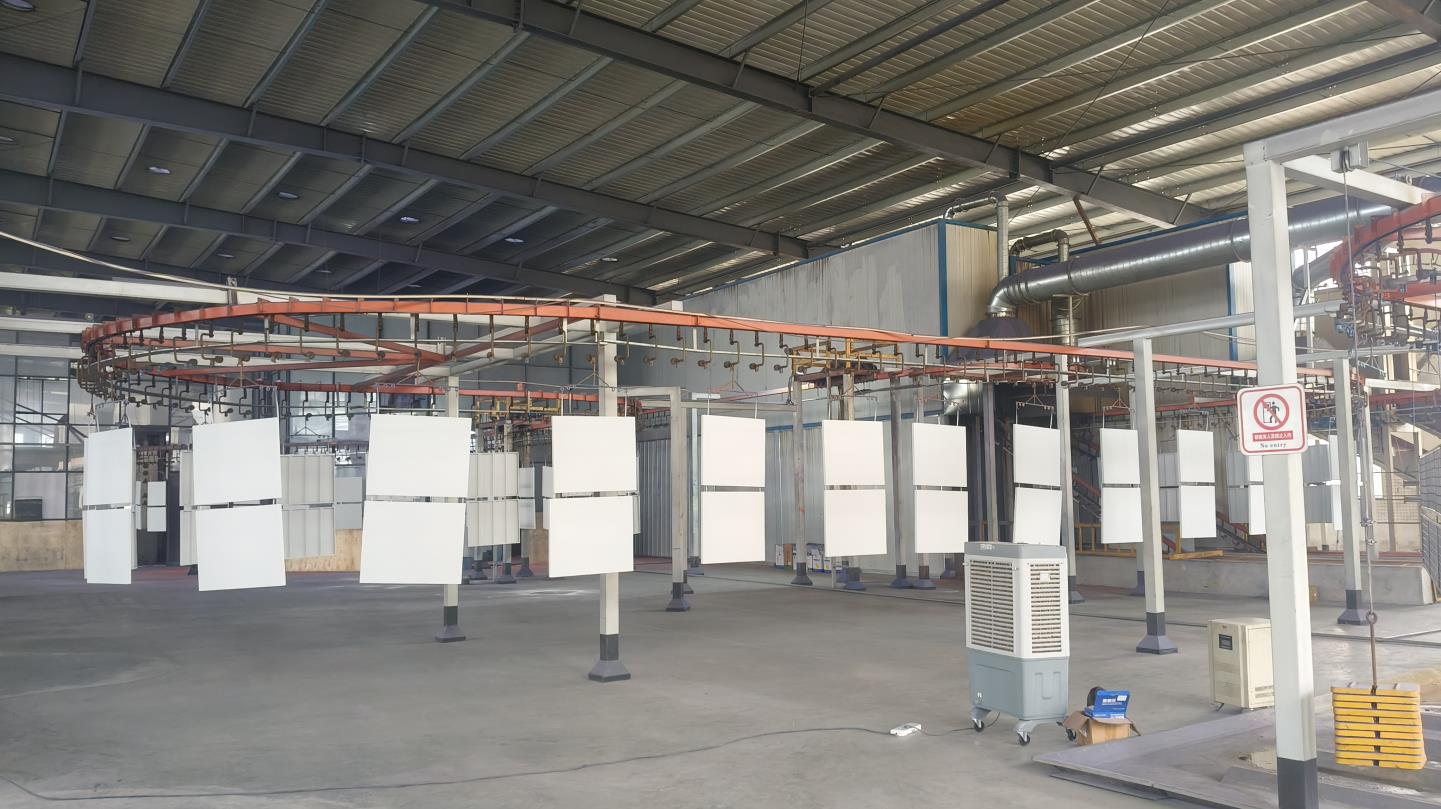
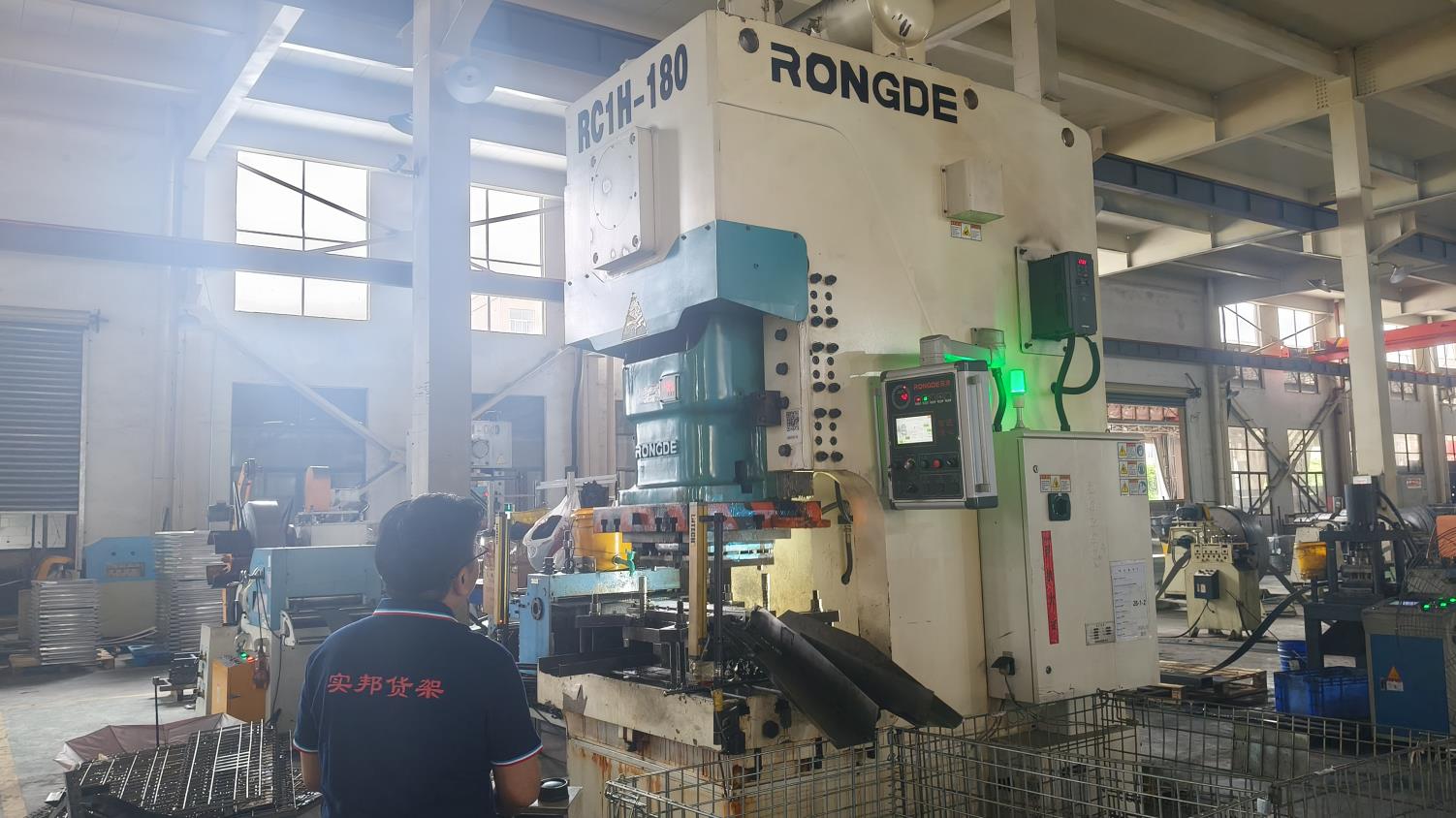
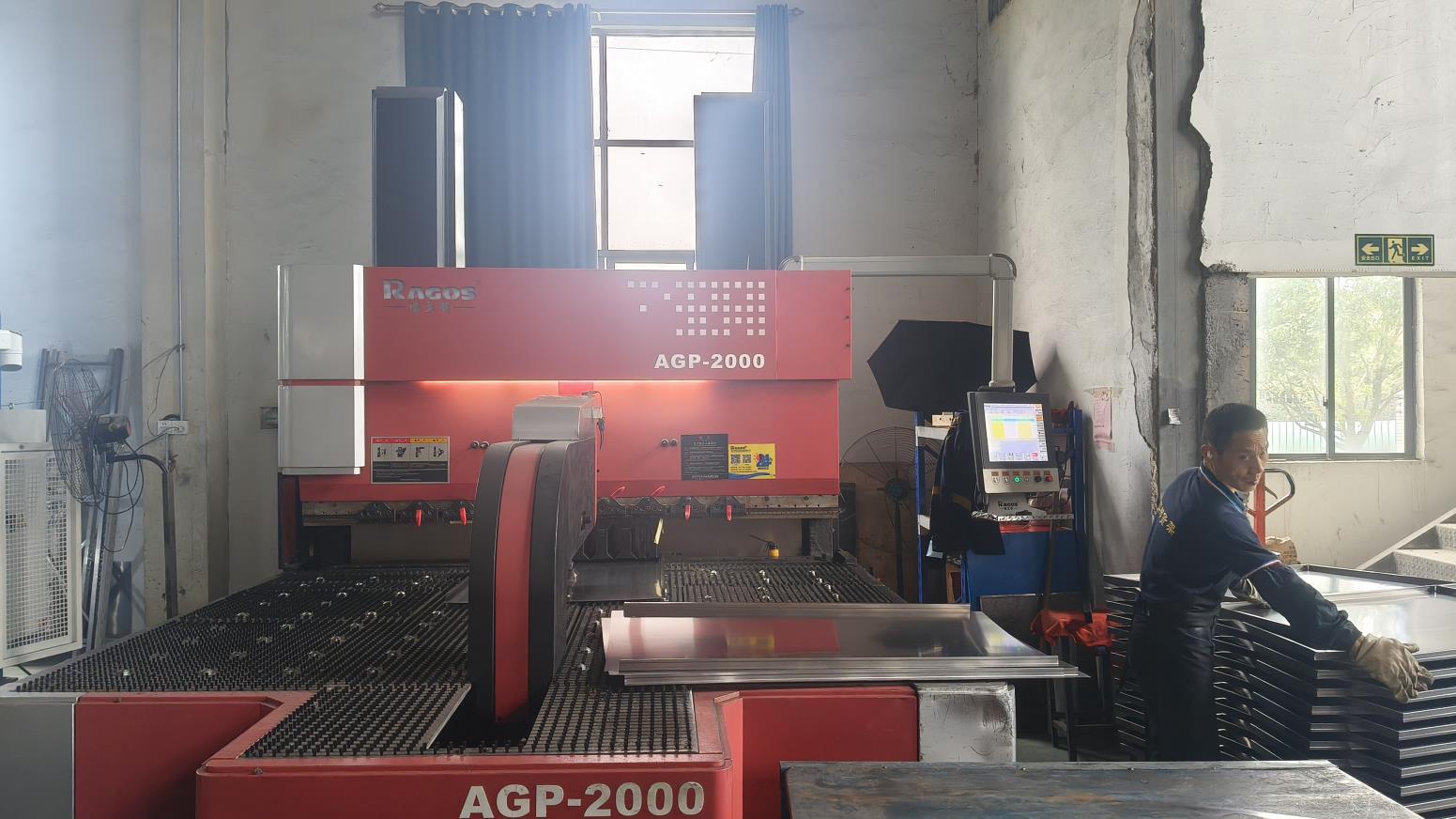
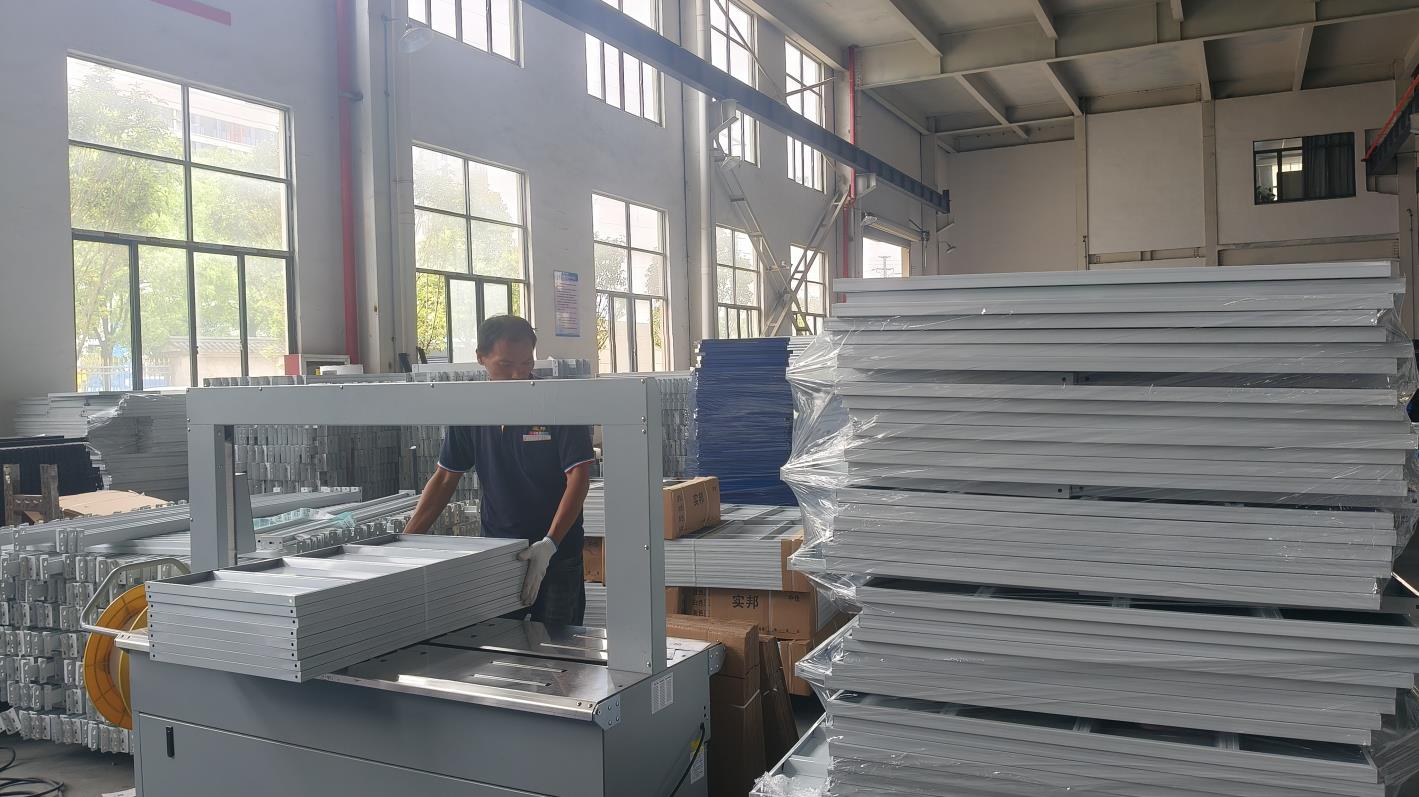
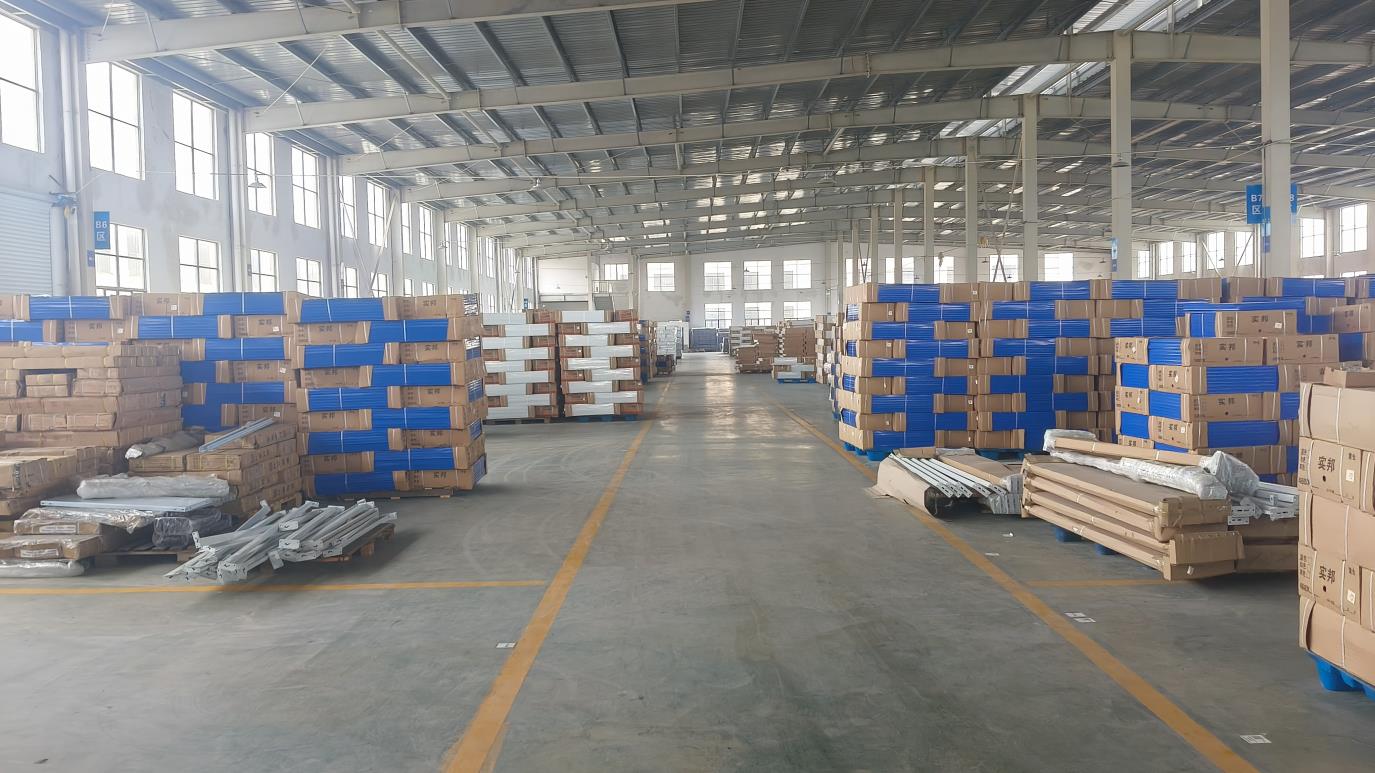
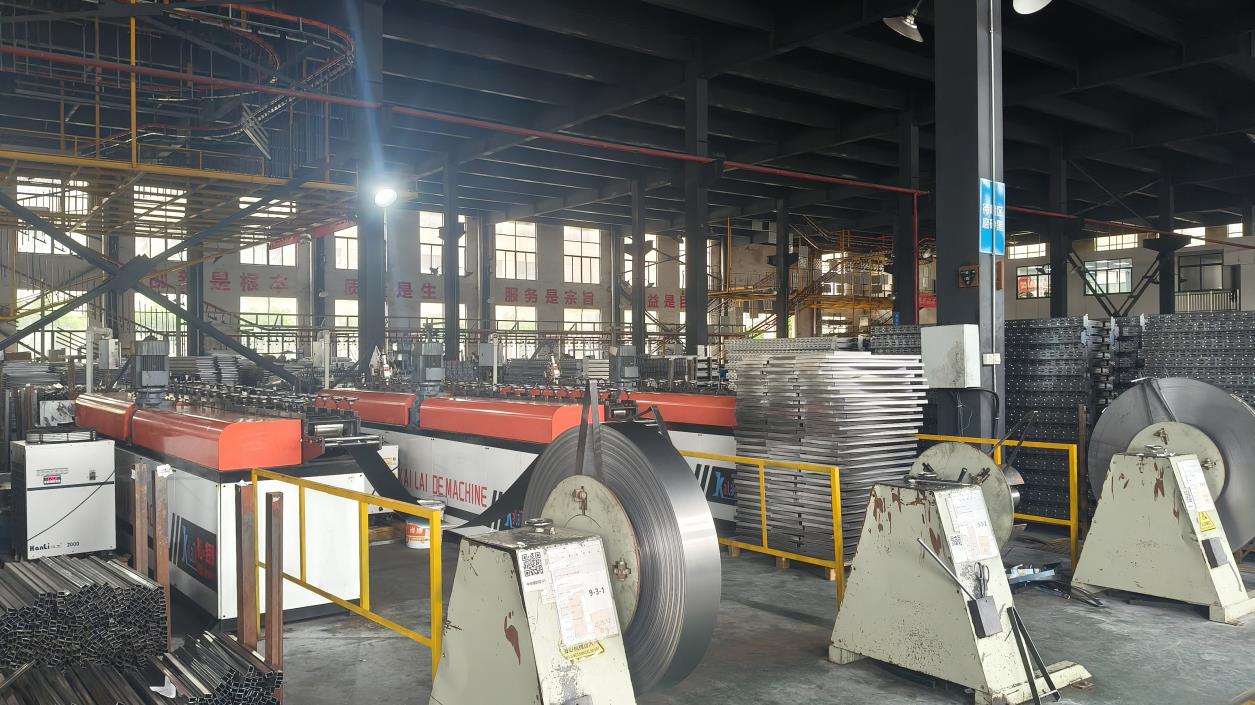
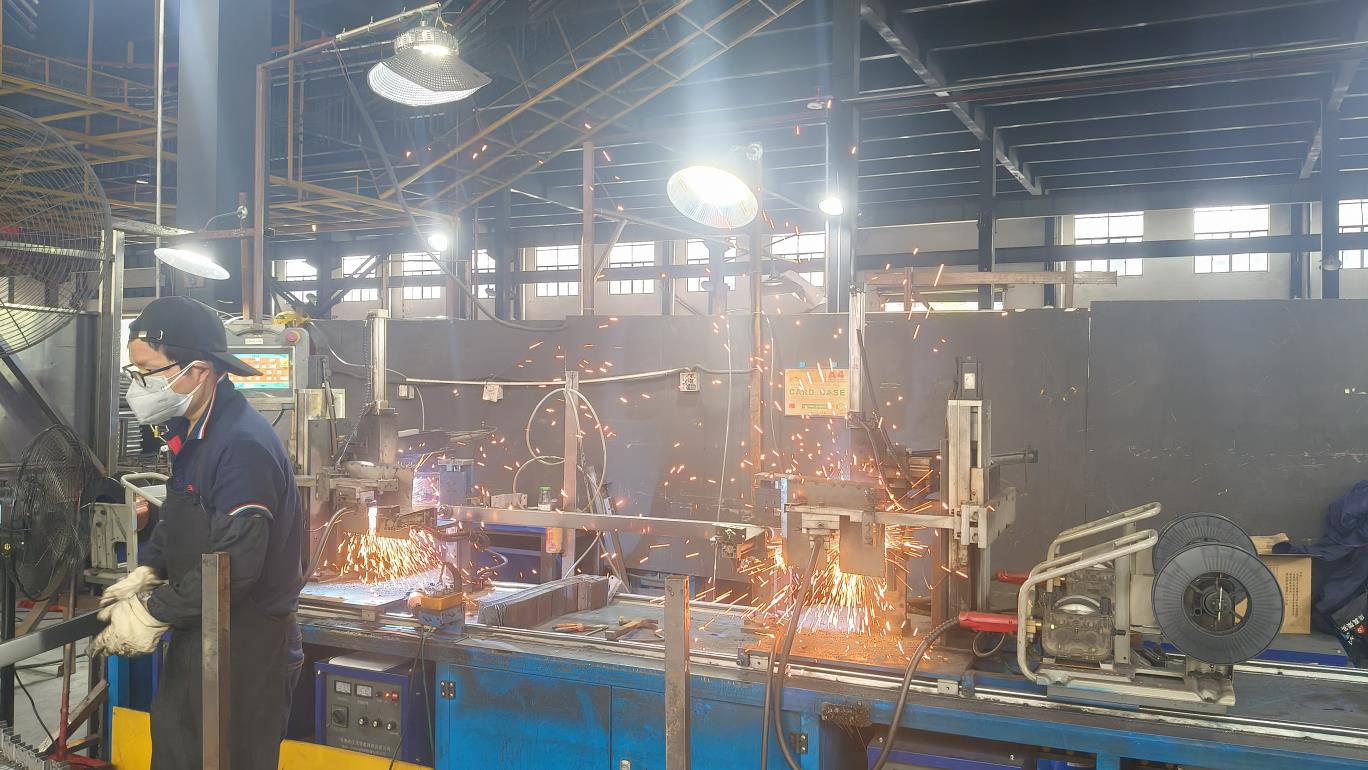
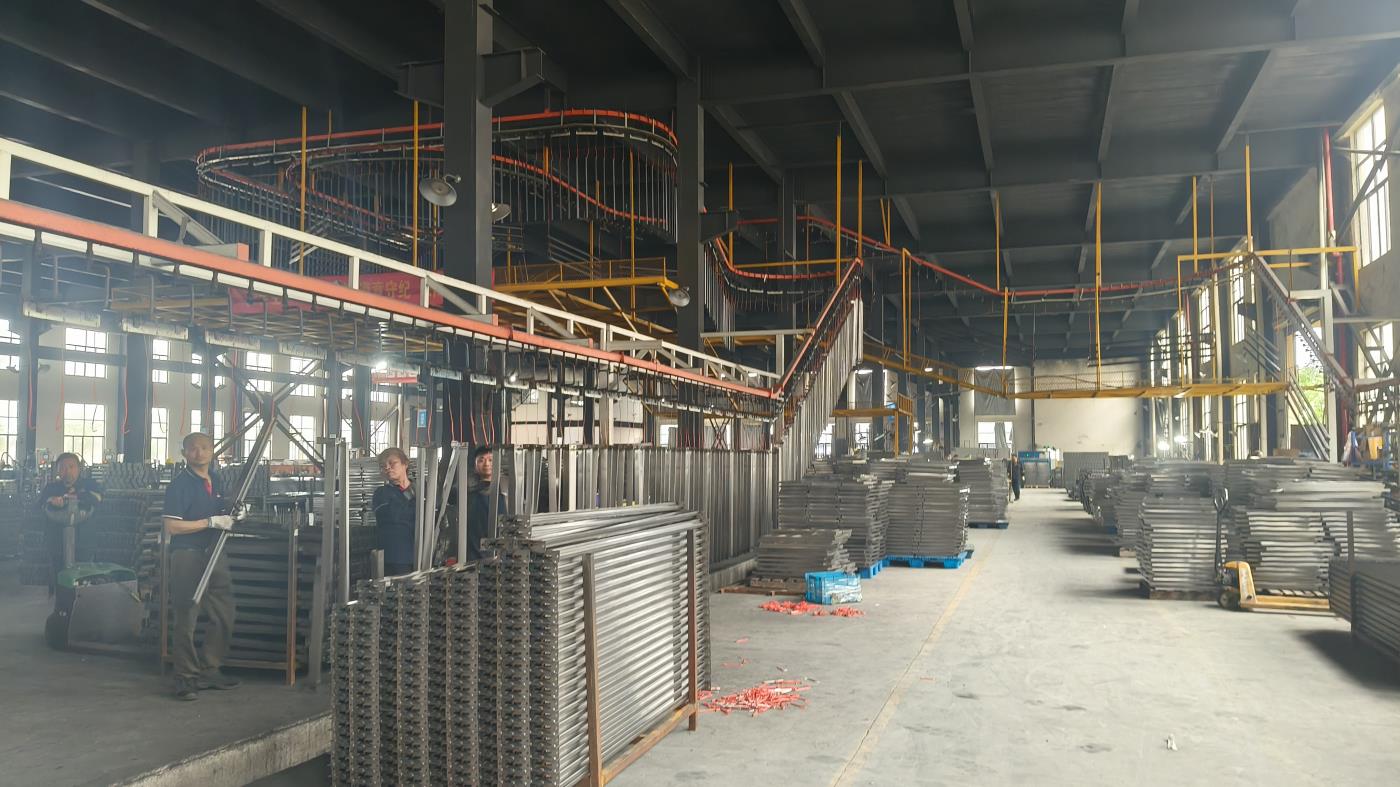
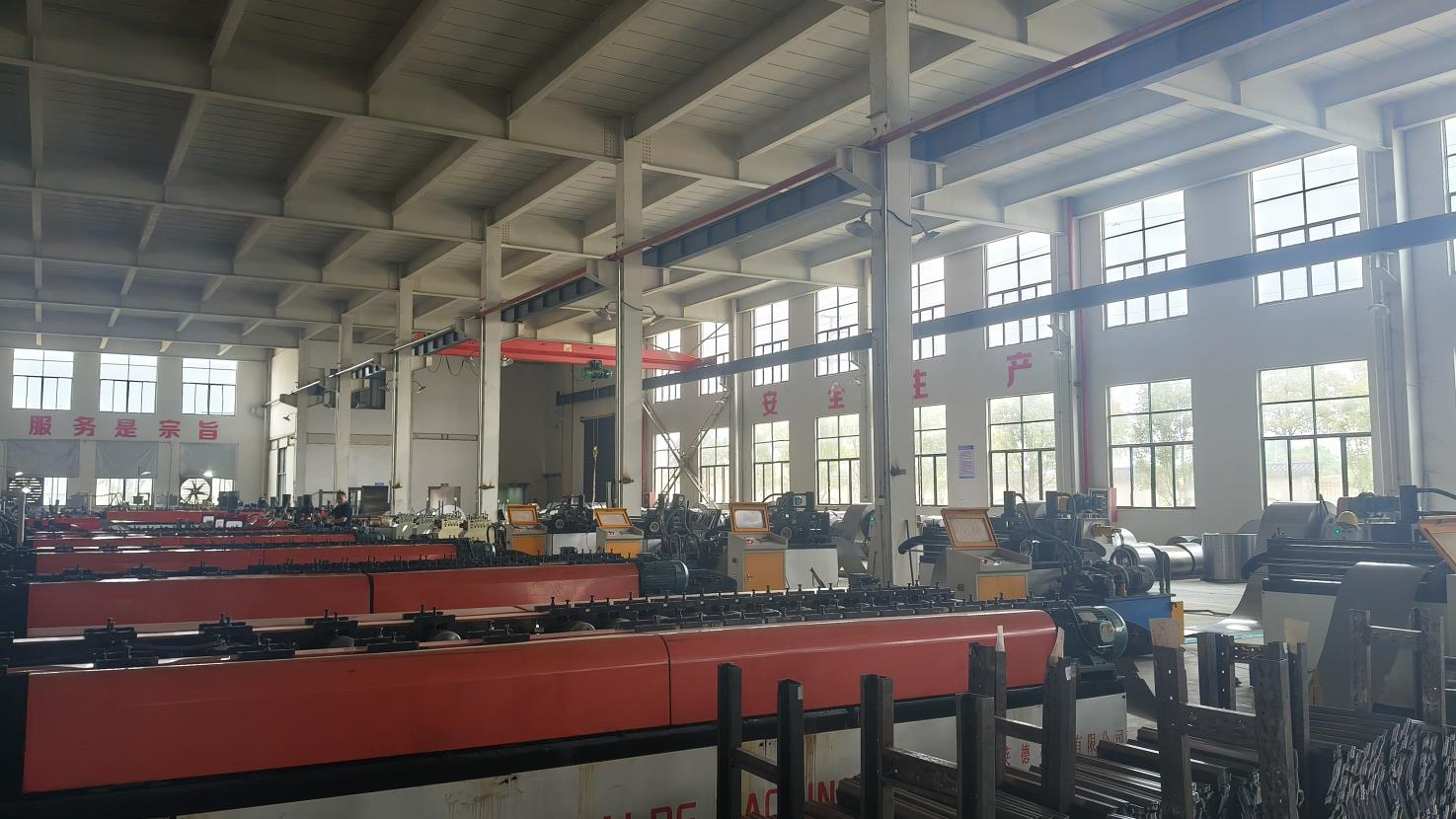
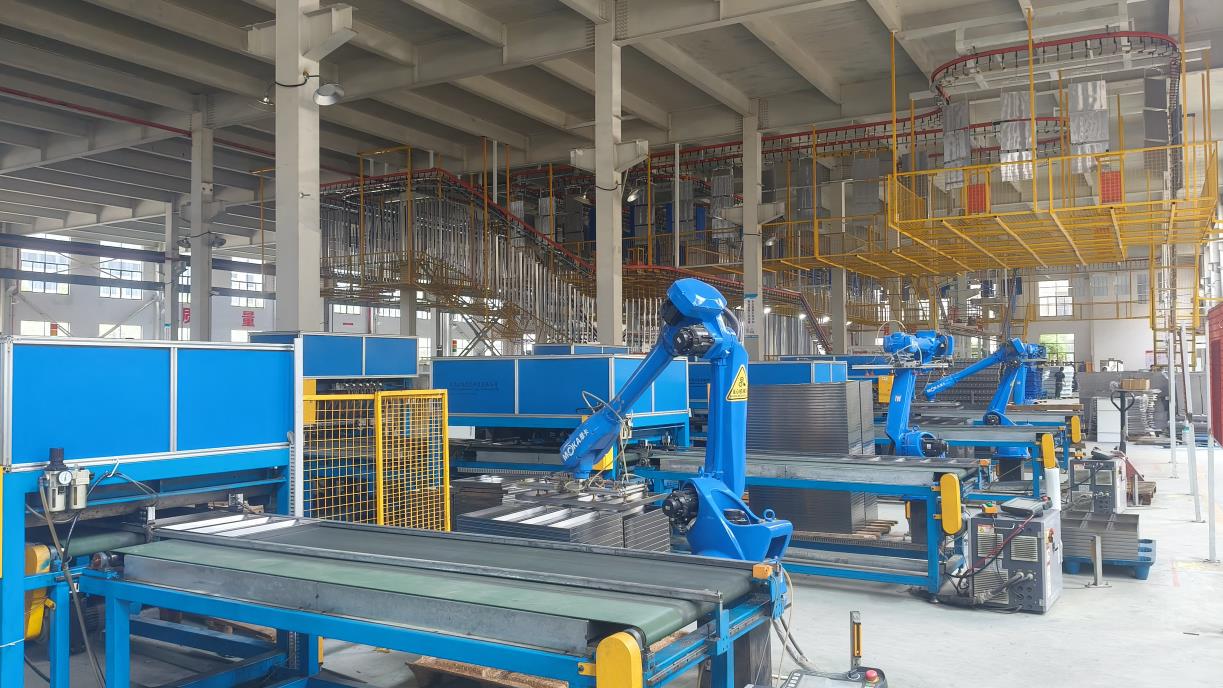
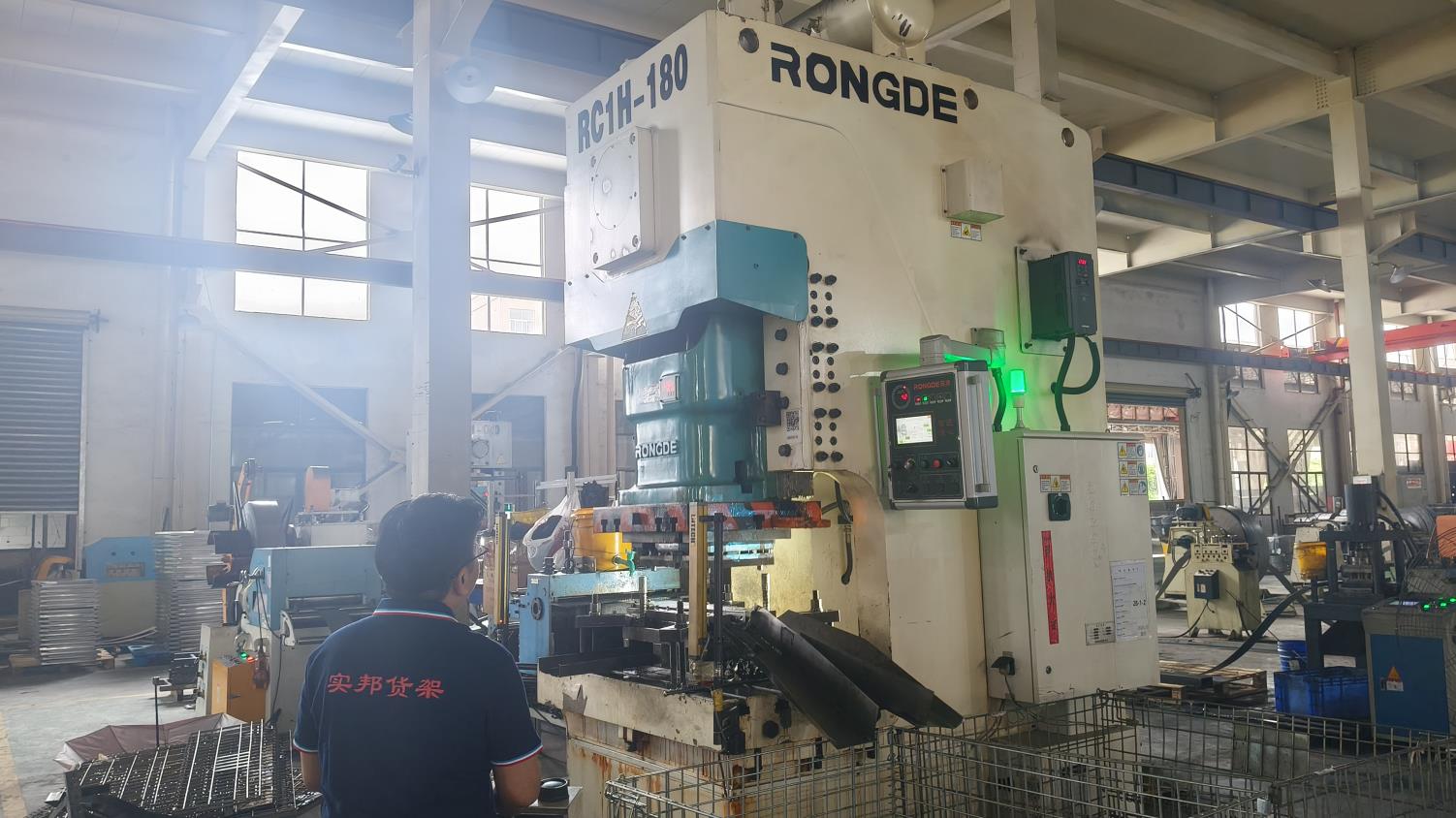
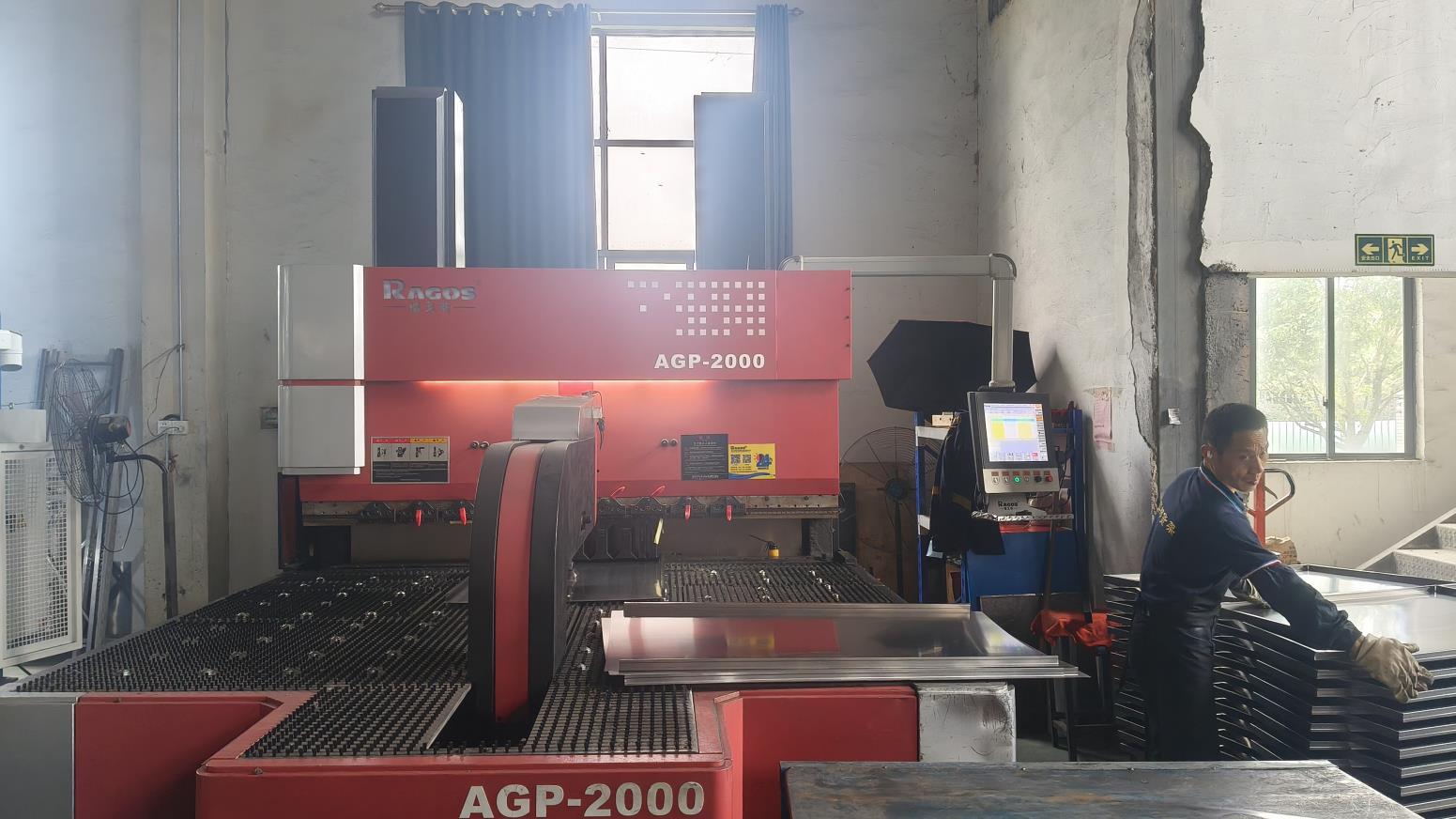
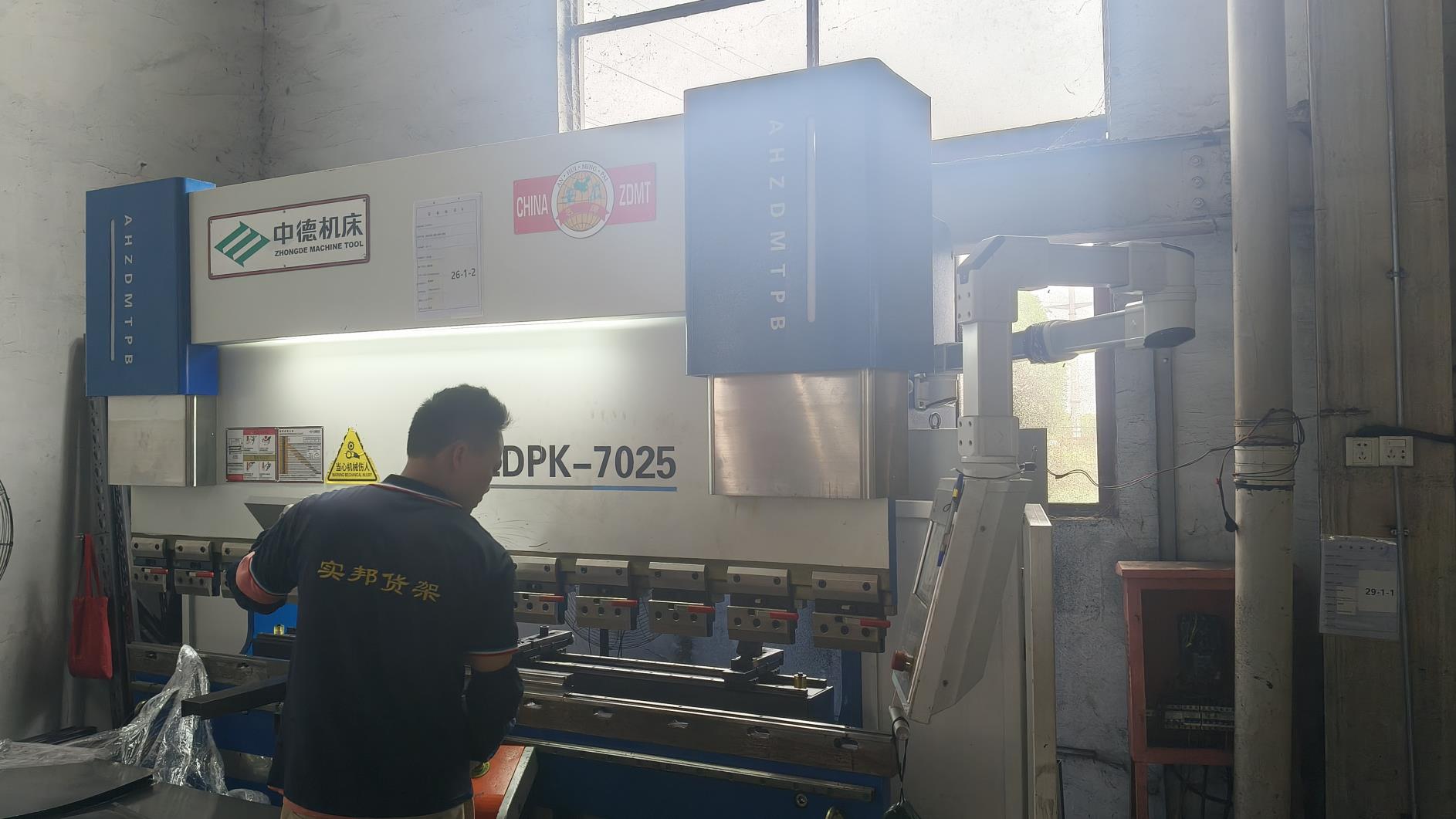
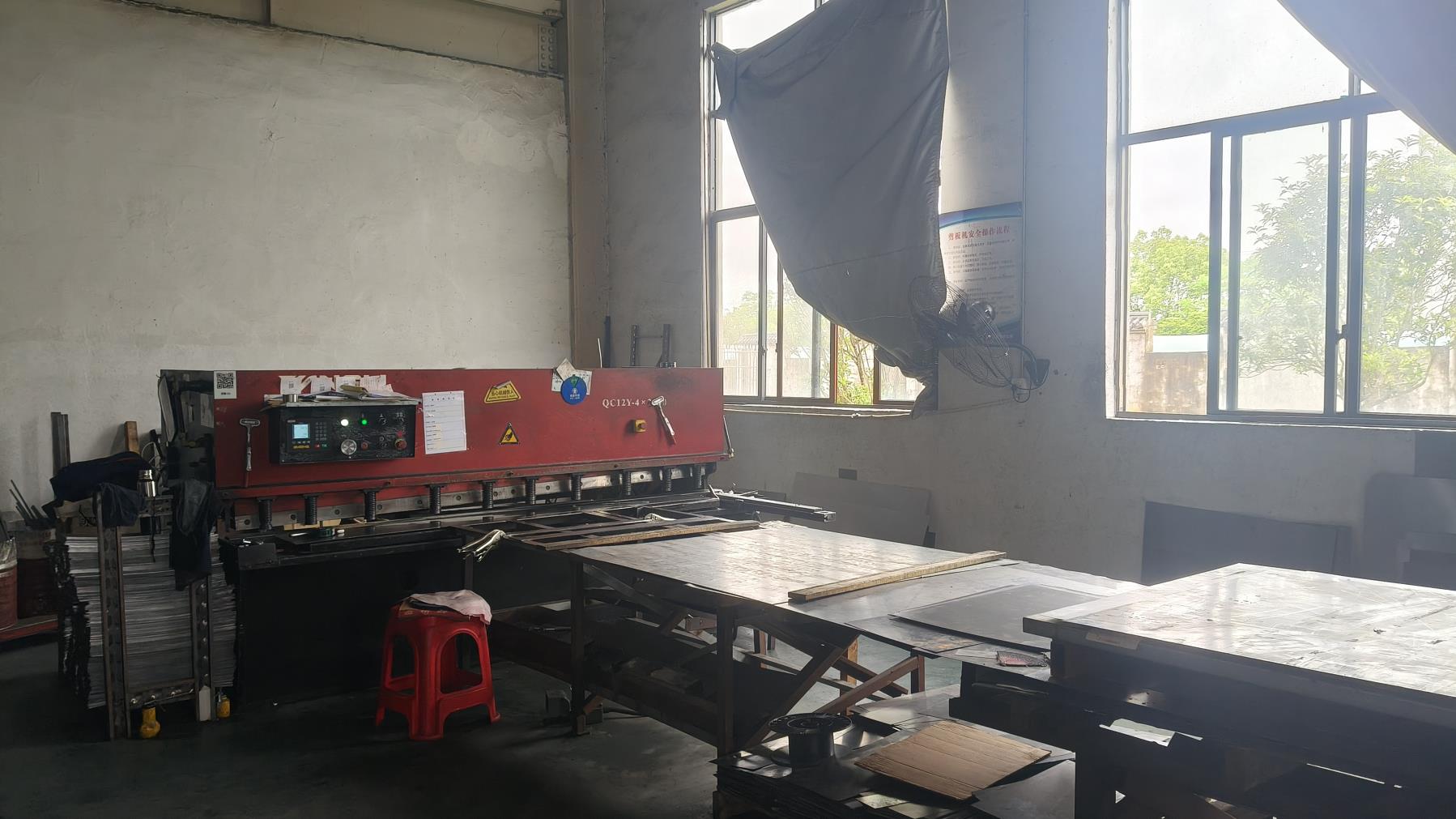
By utilizing advanced equipment, Shibang minimizes scrap rates to less than 0.5% and optimizes rolling speeds. This automation allows us to offer highly competitive pricing without compromising quality. Additionally, our R&D team consists of 28 experienced engineers who develop approximately 120 new products annually, keeping our catalog aligned with modern warehouse logistics practices.
Choosing the right material alloy is crucial for high-capacity industrial shelving systems.
Selecting the correct stainless steel alloy is critical to ensuring structural integrity and a long service life. The most commonly used materials are austenitic alloys SUS304 and SUS316. Understanding their structural differences is essential for global buyers.
| Performance Indicators | SUS304 Standard Steel | SUS316 Marine Grade | Carbon Steel (Powder Coated) |
|---|---|---|---|
| Alloy Composition | 18% Cr, 8% Ni | 16% Cr, 10% Ni, 2% Mo | Standard Carbon, Paint Shell |
| Chloride Resistance | Moderate (Pitting Risk in Salt) | Excellent (Molybdenum Shield) | Low (Fails quickly if surface is scratched) |
| Temperature Integrity | -196°C to +800°C | -269°C to +800°C | -20°C to +200°C (embrittlement risk) |
| Acid/Alkali Tolerance | Good (organic food acids) | Superior (industrial cleaners, salts) | Poor (corrodes under coatings) |
| Sanitization Performance | Excellent (high pressure wash) | Absolute (harsh chemical agents) | Fair (vulnerable to rust at joints) |
From a structural design perspective, a rack must handle dead loads, product live loads, and transient forces from forklift operations. Shibang's R&D team uses advanced Finite Element Analysis (FEA) to evaluate stress distribution and deflection ratios under heavy loads.
Our heavy-duty upright frames utilize cold-rolled Omega-profile designs, while beams feature boxed step configurations. This layout helps distribute load stresses and prevents local buckling, ensuring safe operations in busy environments.
How localized environment parameters dictate customized design requirements.
Cleanroom configurations (ISO Class 3-5) require electropolished surfaces with a surface roughness (Ra) below 0.4μm to prevent microbial adhesion. Our designs feature fully welded frames that eliminate open cavities, preventing dust accumulation and simplify gas sanitization.
Operating at temperatures down to -40°C, typical structural steel can suffer from low-temperature embrittlement. Shibang's SUS304 and SUS316 racks maintain their ductility and impact resistance under these conditions, preventing brittle failure and ensuring safe operations in automated cold stores.
Offshore platforms and coastal warehouses deal with high-humidity and high-saline conditions. For these environments, we supply SUS316 structural designs with passivation treatments. This forms a corrosion-resistant layer that protects against salt spray and ocean humidity.
The industrial storage sector is evolving with the growth of intelligent logistics networks and automated material handling. Modern stainless steel racks are now designed to integrate seamlessly with Automated Guided Vehicles (AGVs) and Autonomous Mobile Robots (AMRs). These systems demand tighter dimensional tolerances (within ±1.0mm) to ensure precise robotic handling.
Additionally, the integration of RFID tracking chips directly into the rack frames allows for real-time inventory management in harsh conditions. Sustainable manufacturing is also a growing priority; stainless steel is highly recyclable, aligning with modern corporate carbon reduction targets.
Important checkpoints to evaluate when choosing a long-term manufacturing partner.
Ensure the supplier provides mill test certificates (MTC) trace-labeled to the raw coil heats, verifying exact chemistry breakdowns.
Request non-destructive testing (NDT) reports or ultrasonic weld inspection logs to ensure connection strength under dynamic loading.
Confirm the designs comply with international standards such as RMI (USA) or EN 15512 (Europe) for structural safety limits.
Expert engineering responses to common queries from global procurement managers.
From heavy-duty industrial pallet racking to specialized warehouse shelving systems.
 Shibang Storage Rack