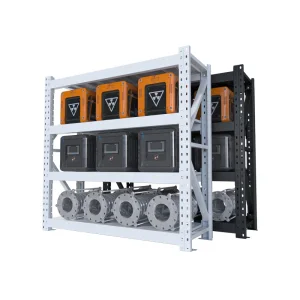
Engineered for structural resilience, operational safety, and optimal physical ergonomics in high-throughput supply chains.
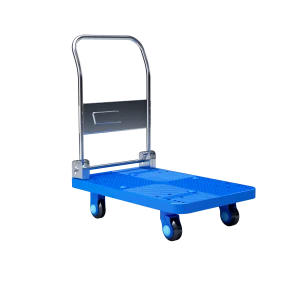
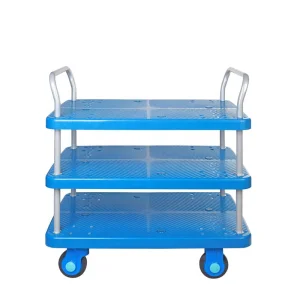
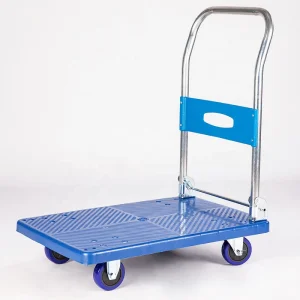
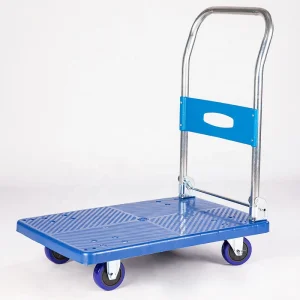
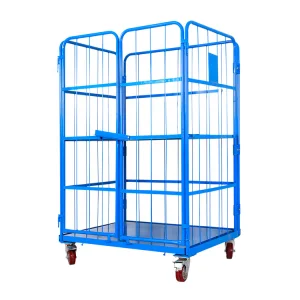
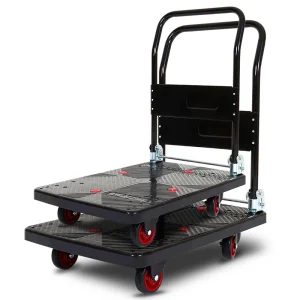
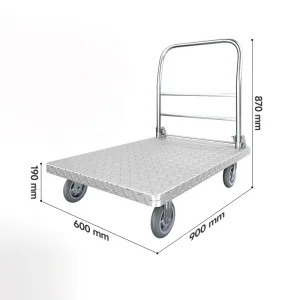
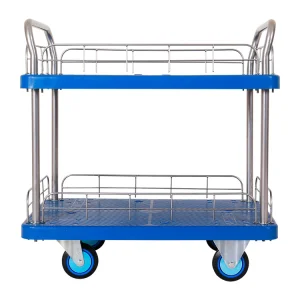
In modern globalized industries, the efficiency of material handling and intralogistics systems defines the threshold of supply chain profitability. As e-commerce acceleration, cold-chain logistical demands, and automated distribution networks reshape warehouses globally, the humble hand cart & trolley and high-density warehouse storage rack have evolved from simple utility items into highly engineered assets. Worldwide distribution centers no longer view these elements as independent, but as integrated solutions crucial for lowering average processing times, ensuring workplace safety, and optimizing high-frequency order picking.
The commercial demand across North America, Europe, and the Asia-Pacific region highlights a clear shift towards high-load, durability-focused equipment. Industrial buyers are prioritizing materials that reduce friction and operator fatigue while maximizing system lifespan. Standard galvanized roll cages, heavy-duty utility folding trucks, and custom electric flatbed trolleys are replacing traditional static units. Simultaneously, the storage racking sector is experiencing a transition toward modular, boltless, high-capacity racking designed to withstand seismic shifts and intense loading stresses under strict international safety standards such as CE and ISO 9001.
Global supply chains are suffering from rising floor costs and high employee turnover rates. According to industry data, material handlers lose up to 15% of daily productivity due to poor caster rollability and poorly structured vertical rack indexing. By integrating custom-engineered, low-rolling-resistance platform carts with micro-adjustable warehouse storage systems, operators can reduce kinetic resistance by up to 25%, drastically enhancing human throughput while directly mitigating workplace injury claims.
To understand the trajectory of industrial storage and mobile transport equipment, supply chain planners must keep pace with four macro-trends:
Established in 2016, Guangdong Shibang Storage Rack Co., Ltd. is a professional manufacturer specializing in warehouse storage racks, industrial shelving systems, and customized storage solutions. Operating out of a state-of-the-art 35,000㎡ modern production facility, we deliver top-tier material handling and storage infrastructure for warehouses, factories, distribution hubs, and commercial operations globally.
Shibang maintains an annual export revenue of approximately USD 18 million, backed by 8 years of dedicated export experience and 15 years of deep industry expertise in storage rack design and manufacturing. Our business structure integrates product design, structural engineering, precision manufacturing, global logistics optimization, and comprehensive post-sale support to serve various demanding vertical markets.
Our comprehensive quality assurance framework includes strict ISO 9001 quality control procedures, incoming raw material verification, real-time production monitoring, and finished product weight-tolerance testing. Each racking system undergoes rigorous inspections covering raw material testing, welding structural checks, electrostatic surface coating inspections, static load-bearing certifications, and dimensional accuracy audits prior to export container loading.
To ensure zero-defect quality standards, Shibang maintains an independent quality department staffed by 65 experienced QC specialists responsible for ensuring compliance with international directives and precise client requirements.
Leveraging global shipping routes and supply partnerships, Shibang has established strong business networks across North America, Europe, Southeast Asia, the Middle East, Africa, and South America. Our primary markets include the United States, Germany, the United Kingdom, Australia, Saudi Arabia, Thailand, and Mexico.
Supported by a robust raw material and logistics supply chain network comprising over 1,200 reliable partners, we guarantee material availability, stable pricing, and rapid delivery cycles for high-volume international buyers. Our diverse client base spans warehouse operators, logistics providers, large-scale manufacturing plants, global e-commerce fulfillment centers, regional distributors, material handling system integrators, and industrial construction contractors.
Our dedicated R&D division focuses on structural optimization, space-efficiency design, and bespoke storage solutions. We offer high-flexibility customization options including rack dimensions, dynamic and static loading capacities, custom RAL powder coat colors, multi-tier configurations, safety accessories, and complete warehouse layouts.
Annually, our R&D department develops approximately 120 new products to meet evolving logistics challenges. The team consists of 28 experienced R&D engineers specialized in material engineering, mechanical design, and turnkey industrial projects. Driven by quality, innovation, and client satisfaction, Guangdong Shibang Storage Rack Co., Ltd. is committed to being your trusted partner for intelligent warehouse storage and material transport solutions.
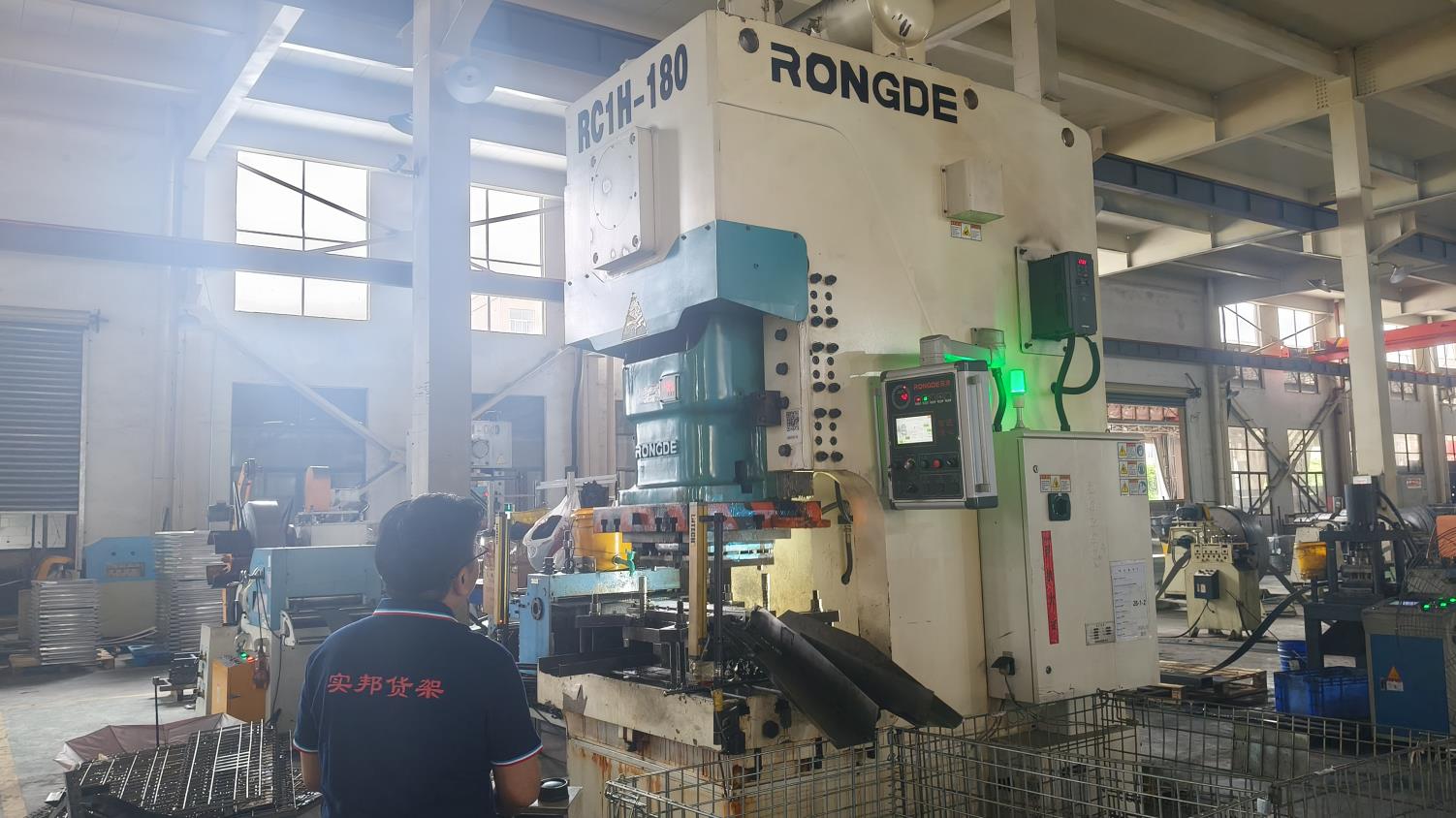
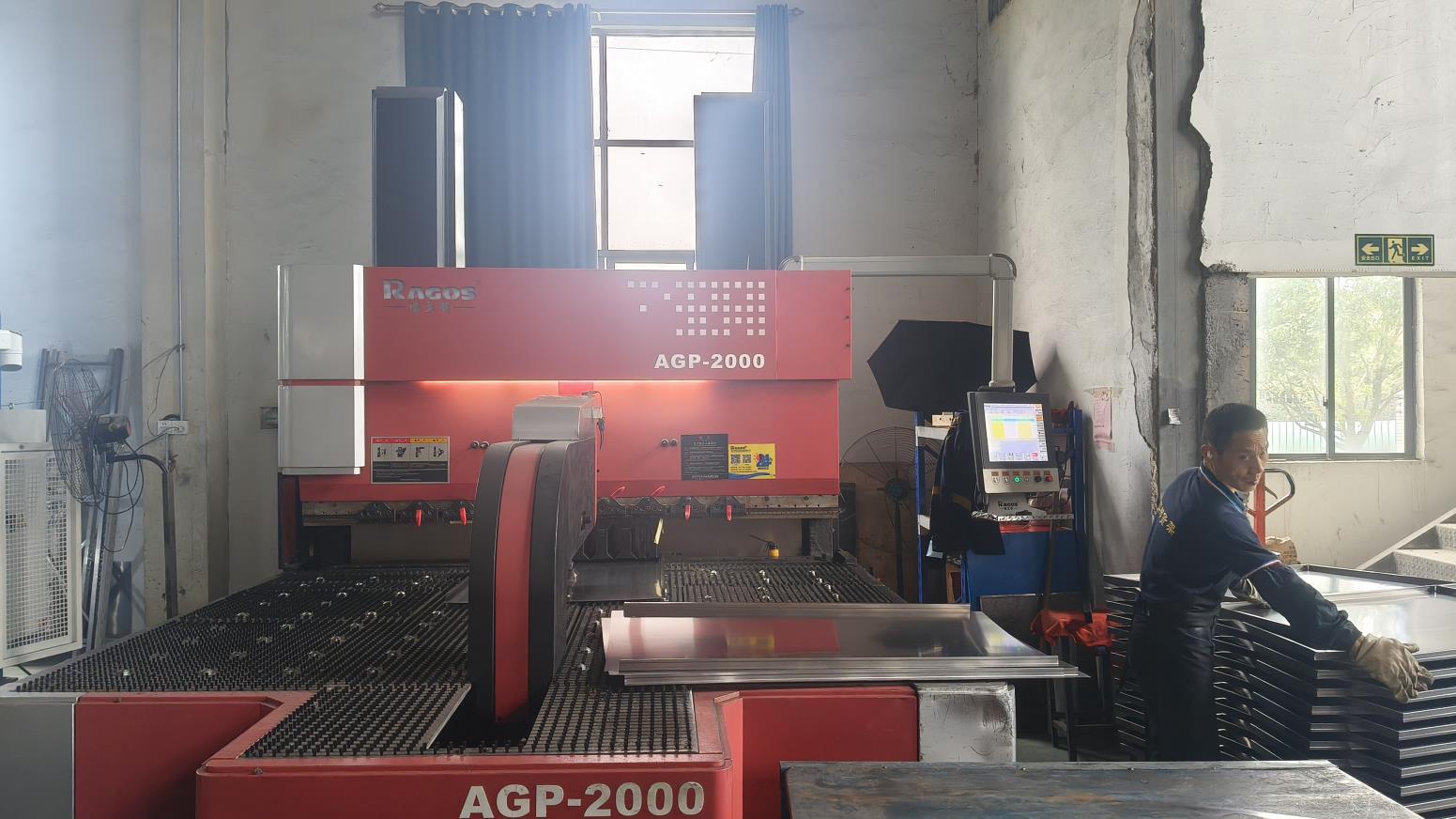
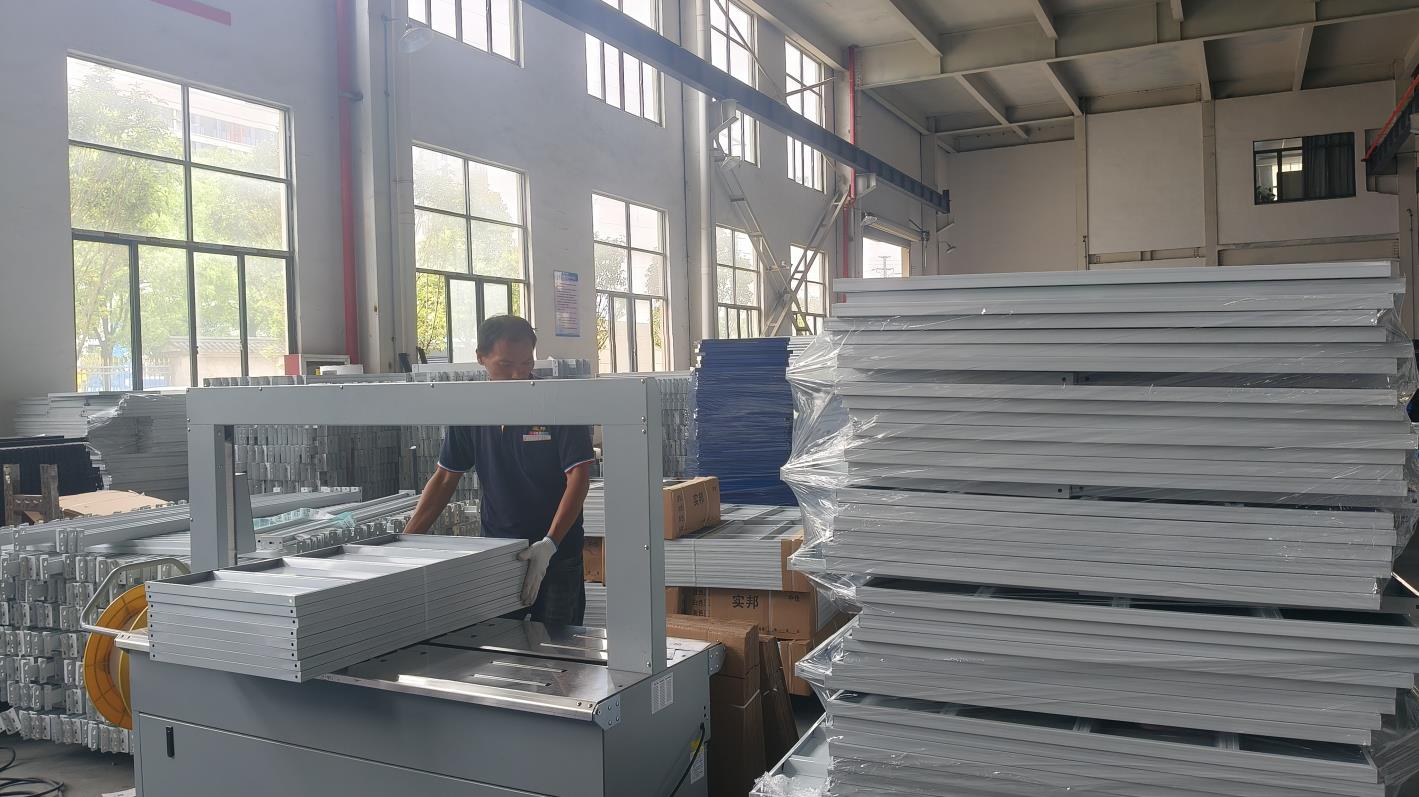
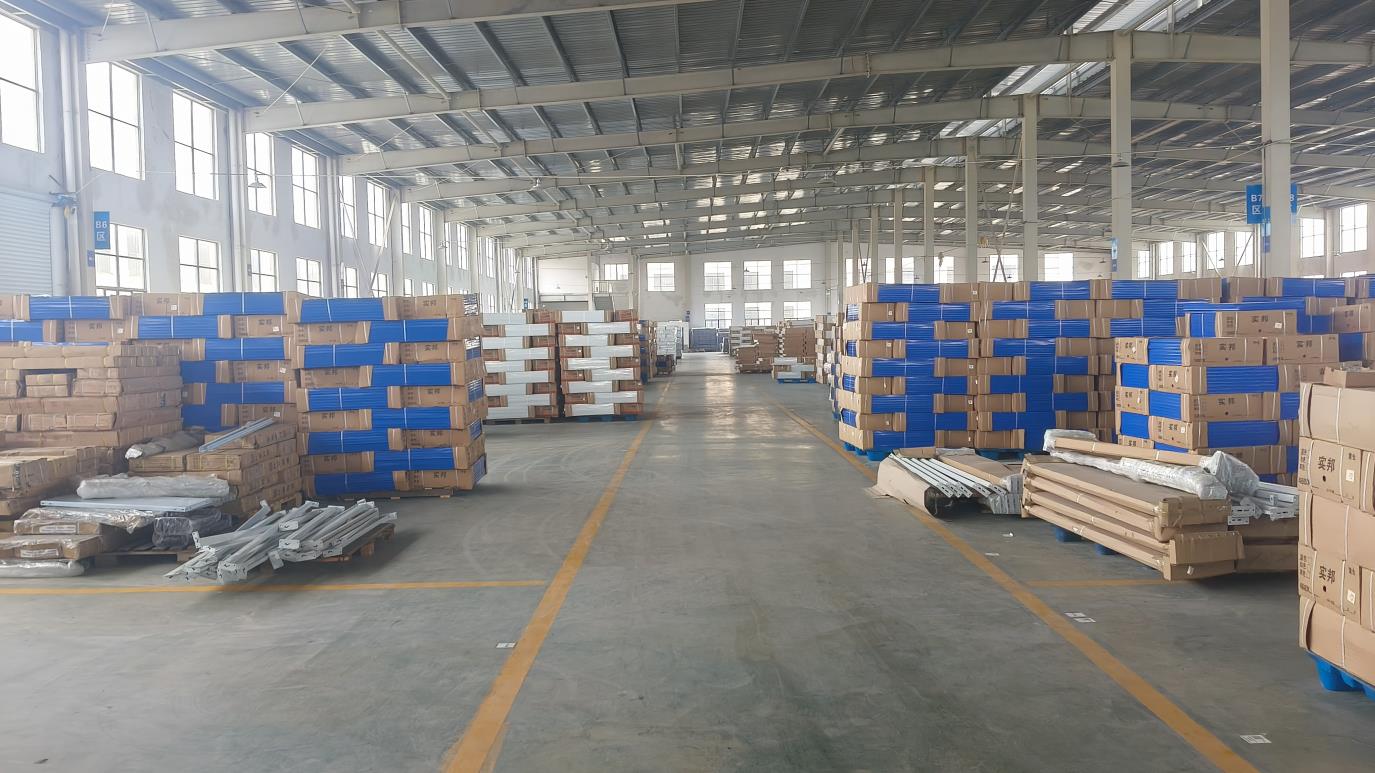
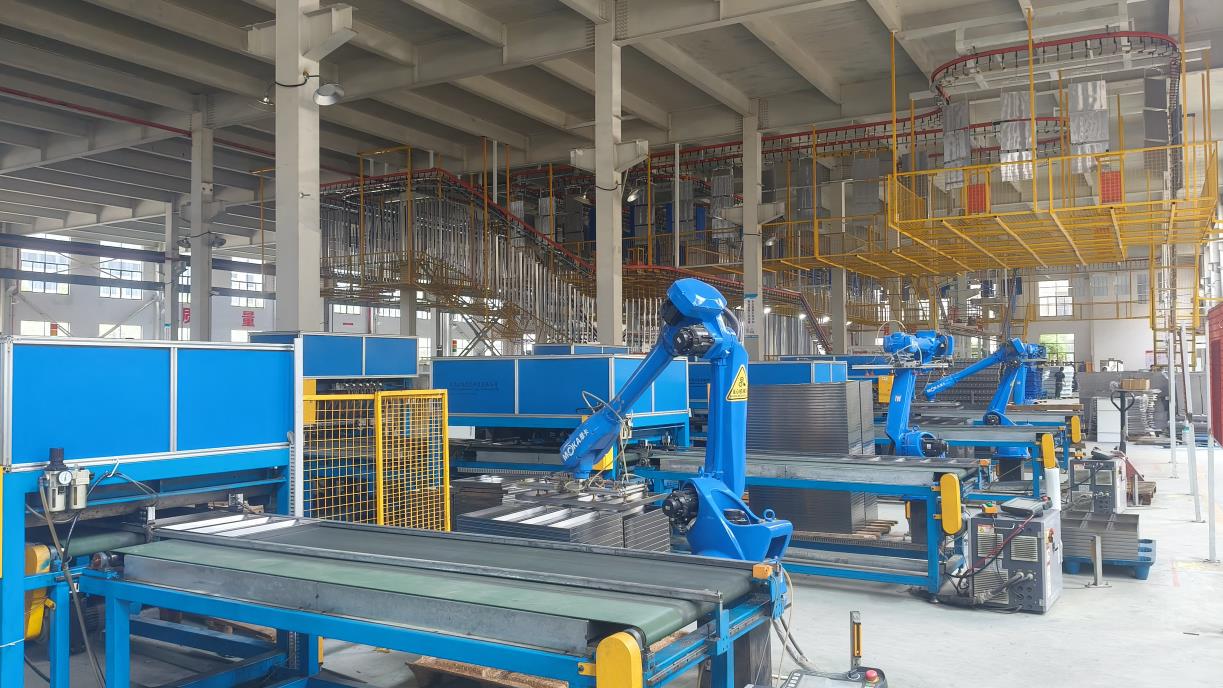
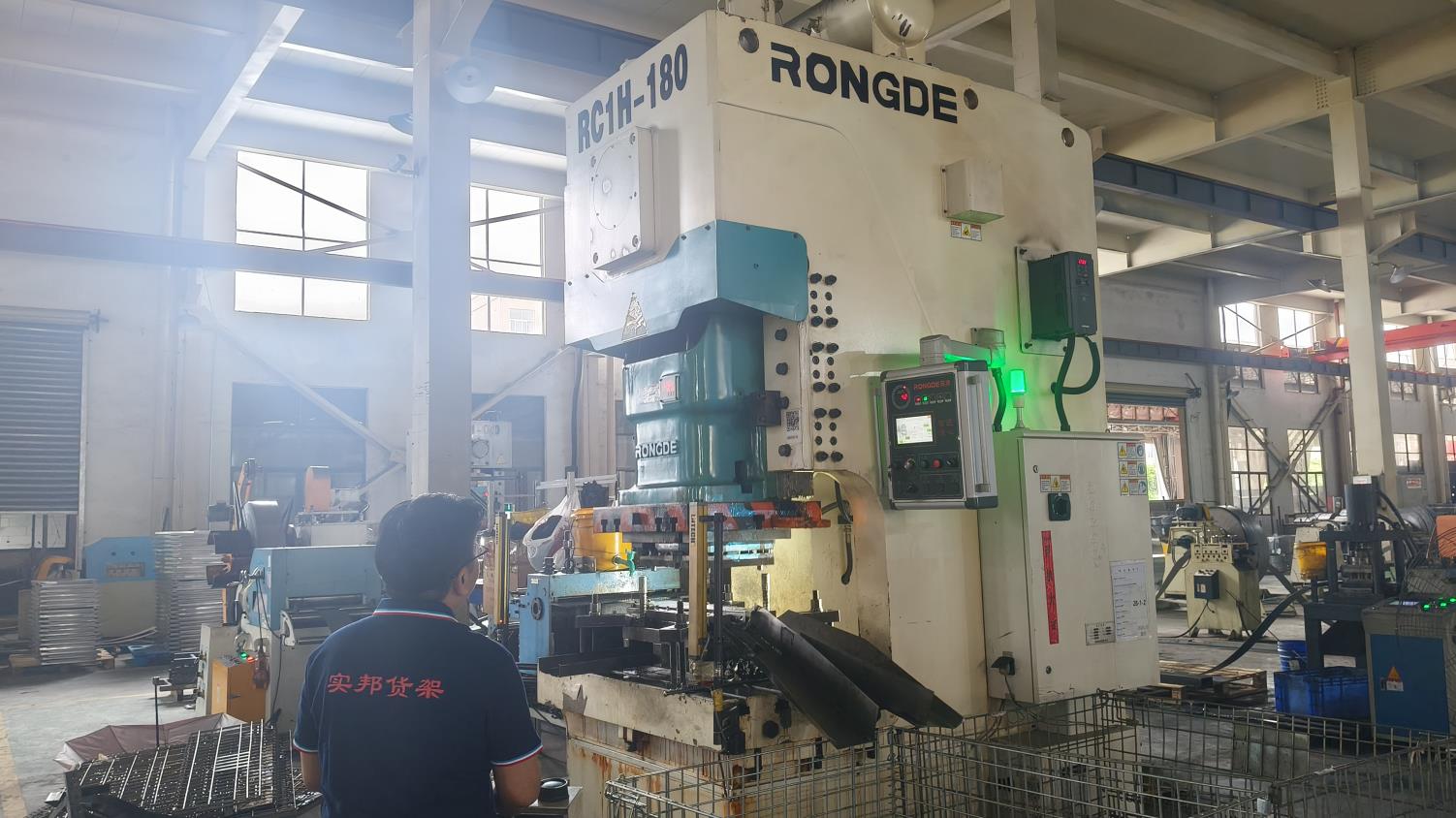
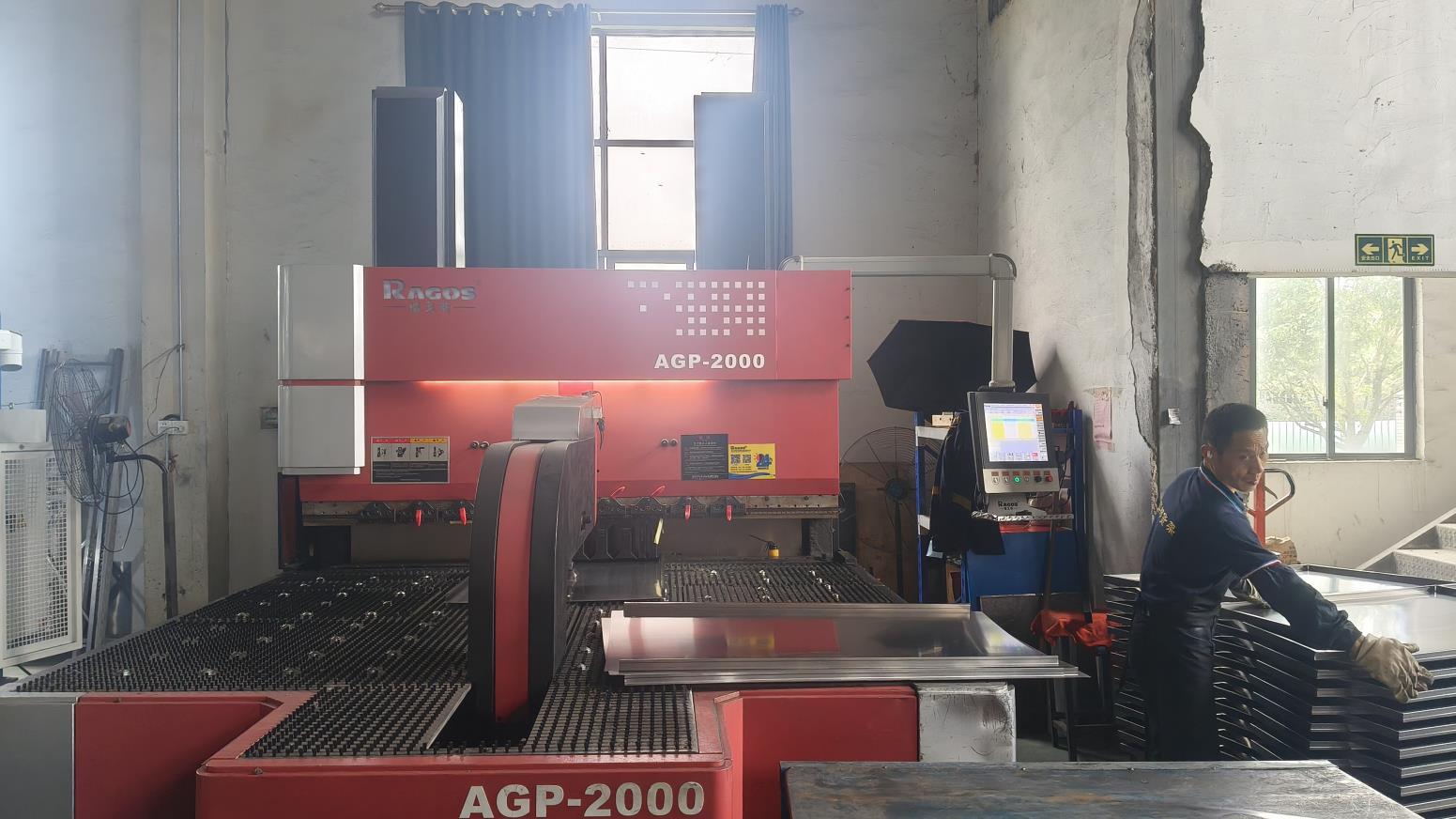
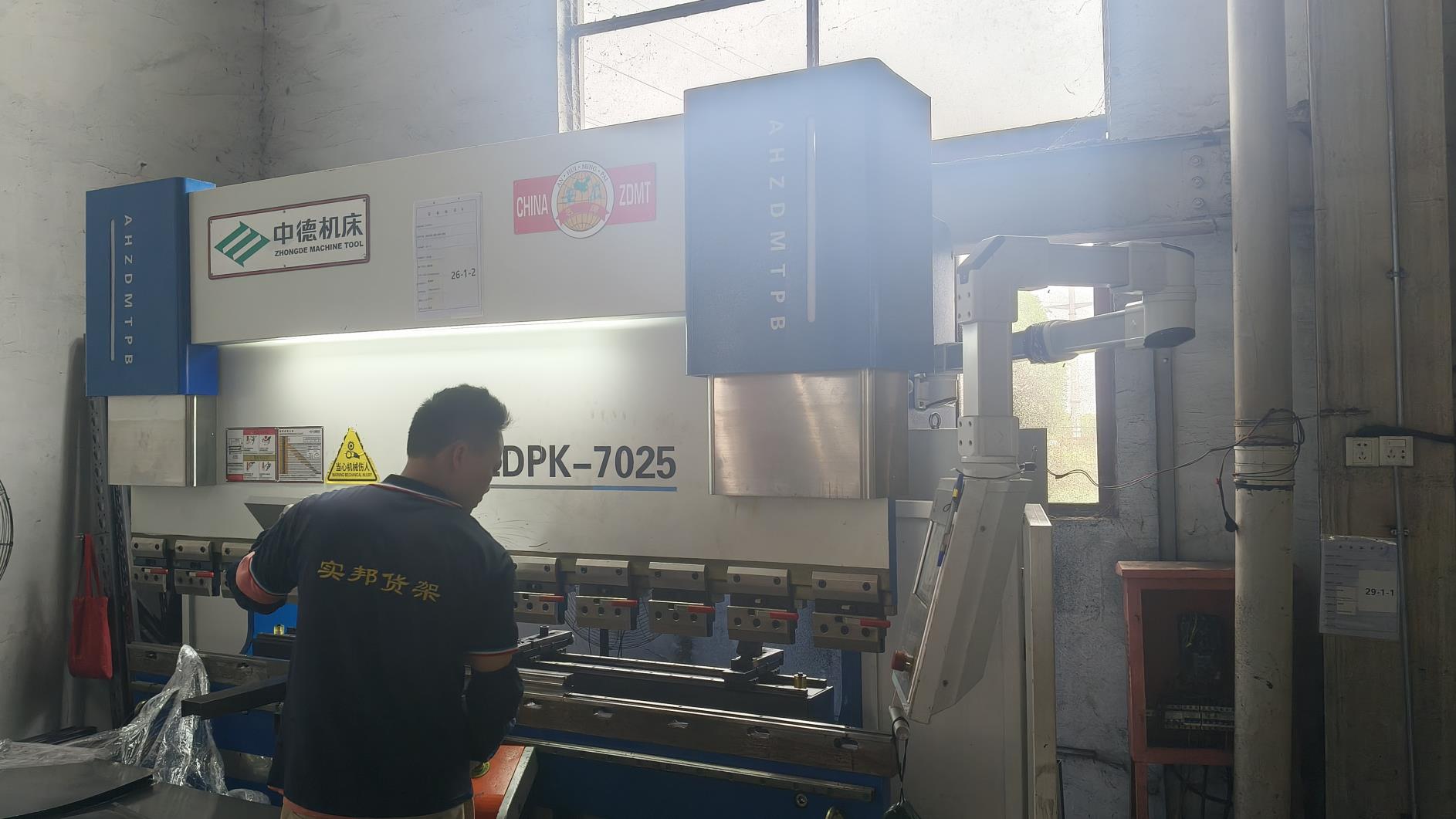
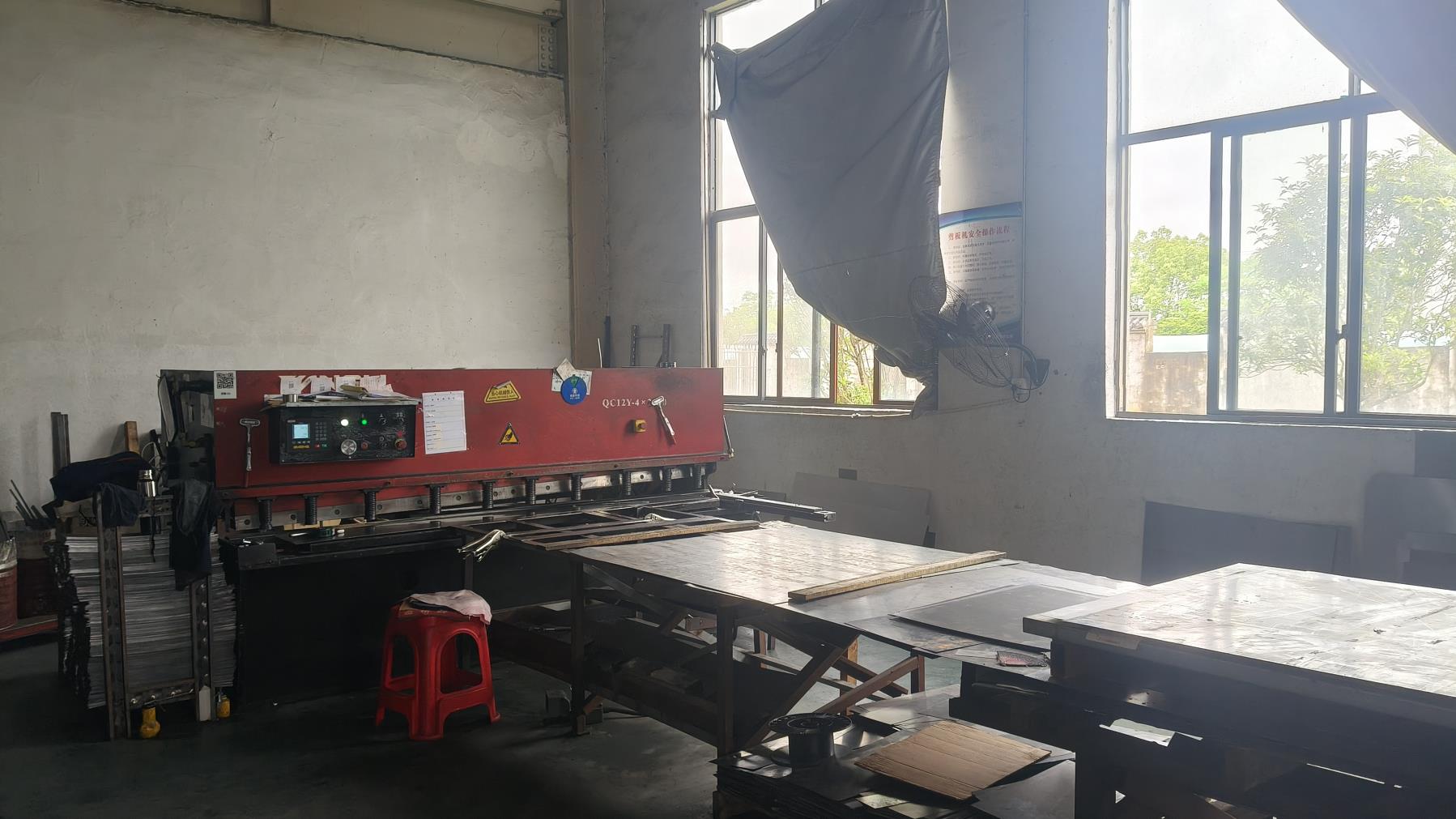
Our vertically integrated facility utilizes automated machinery and strict quality control loops to manufacture high-durability shelving and transport equipment.
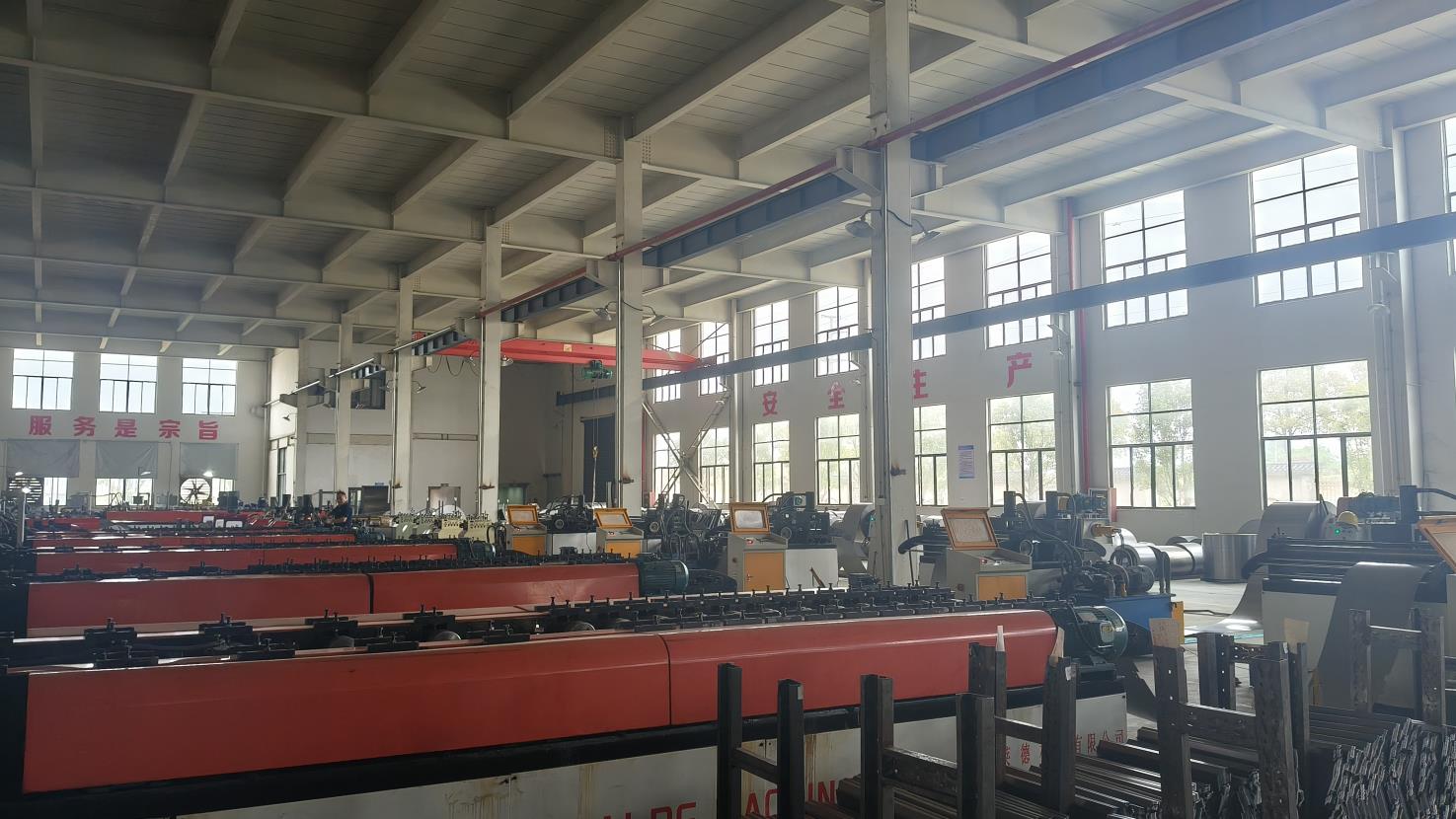
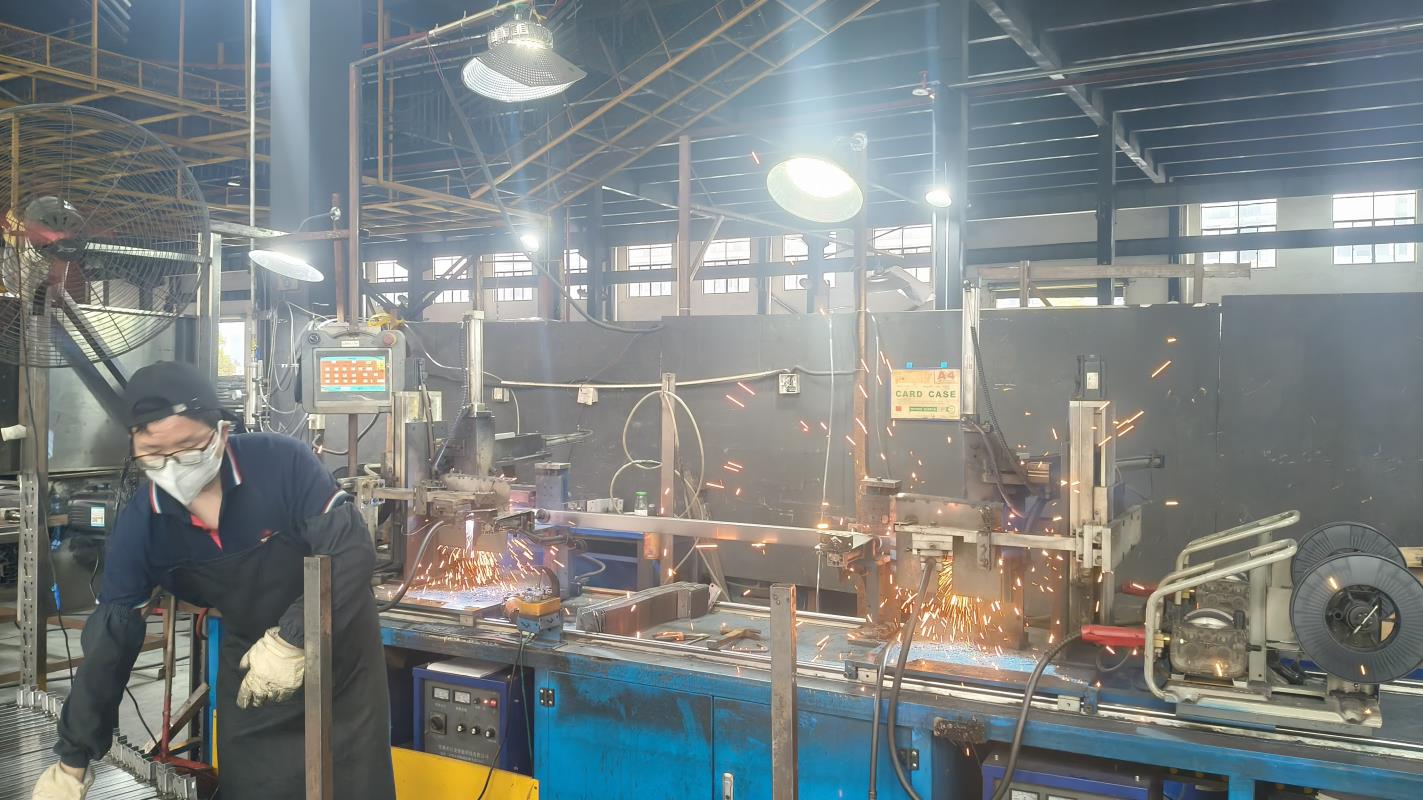
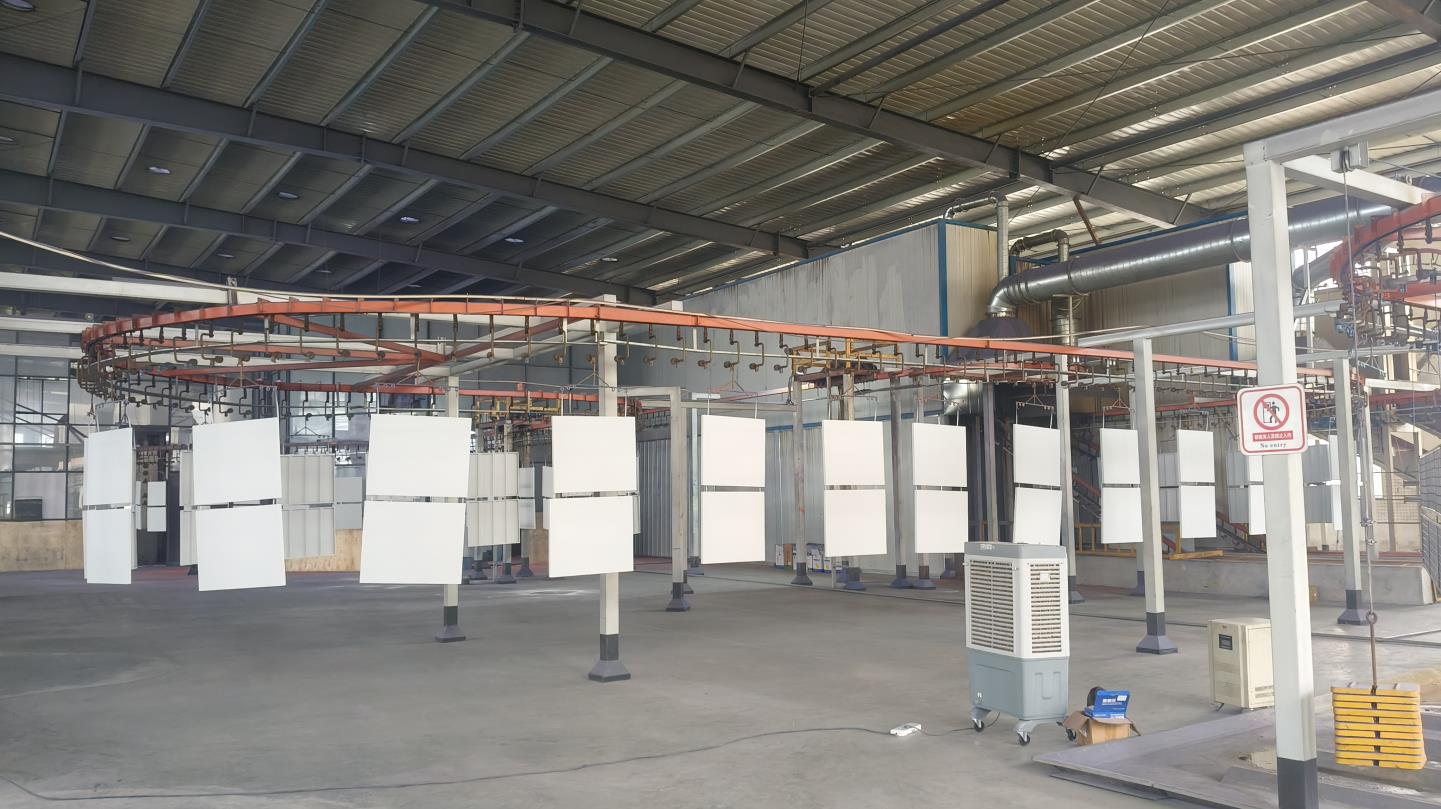
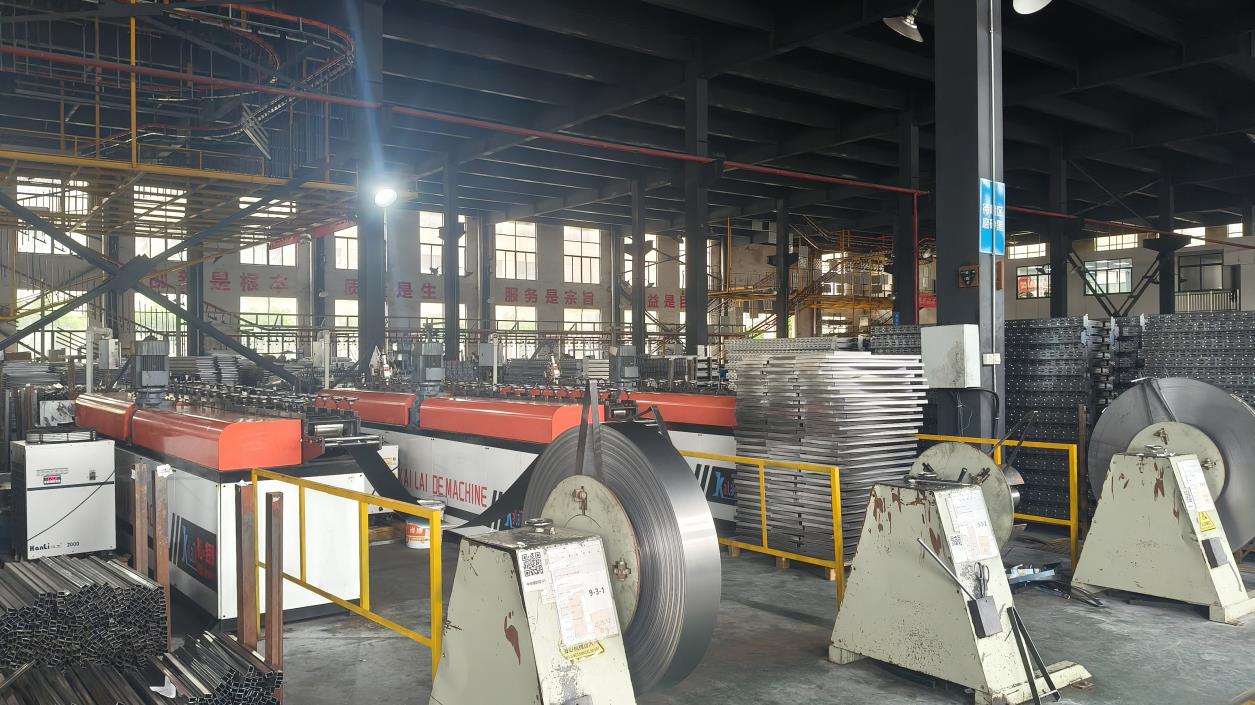
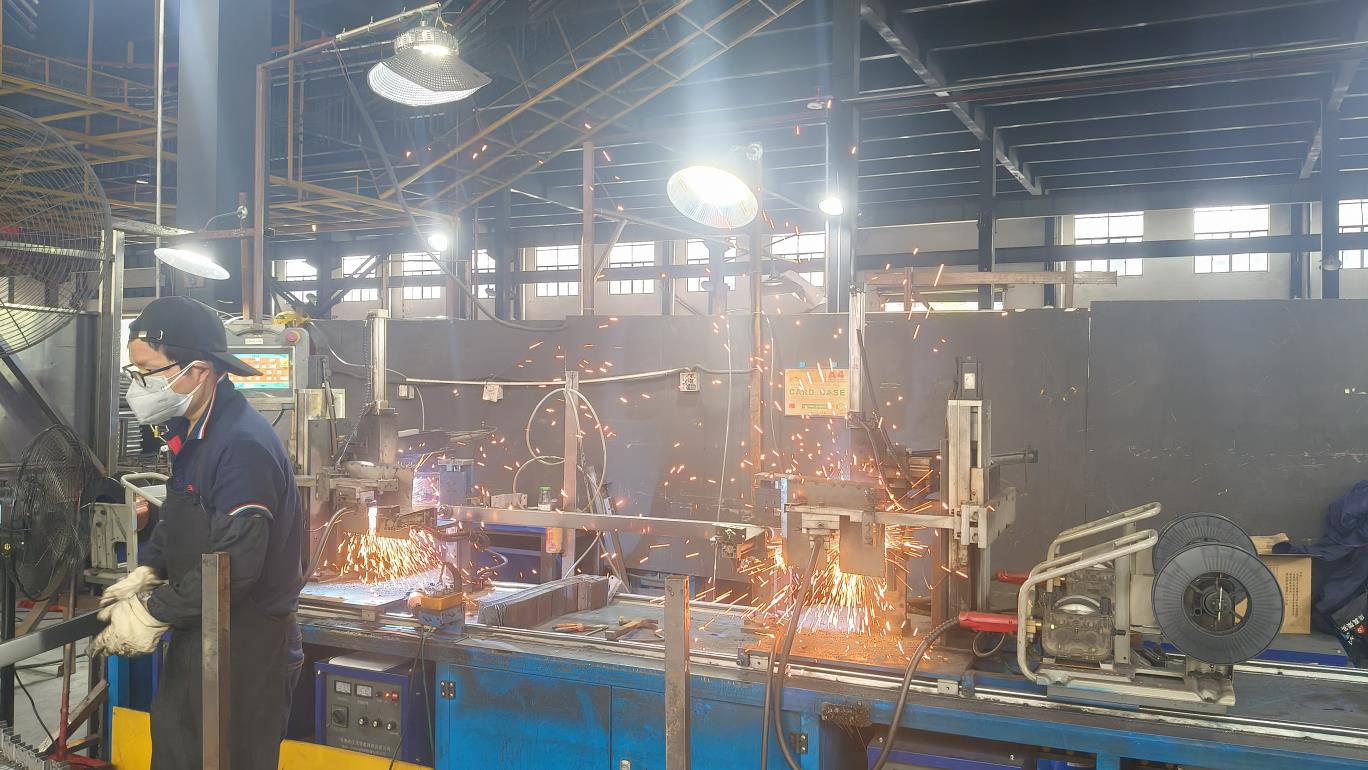
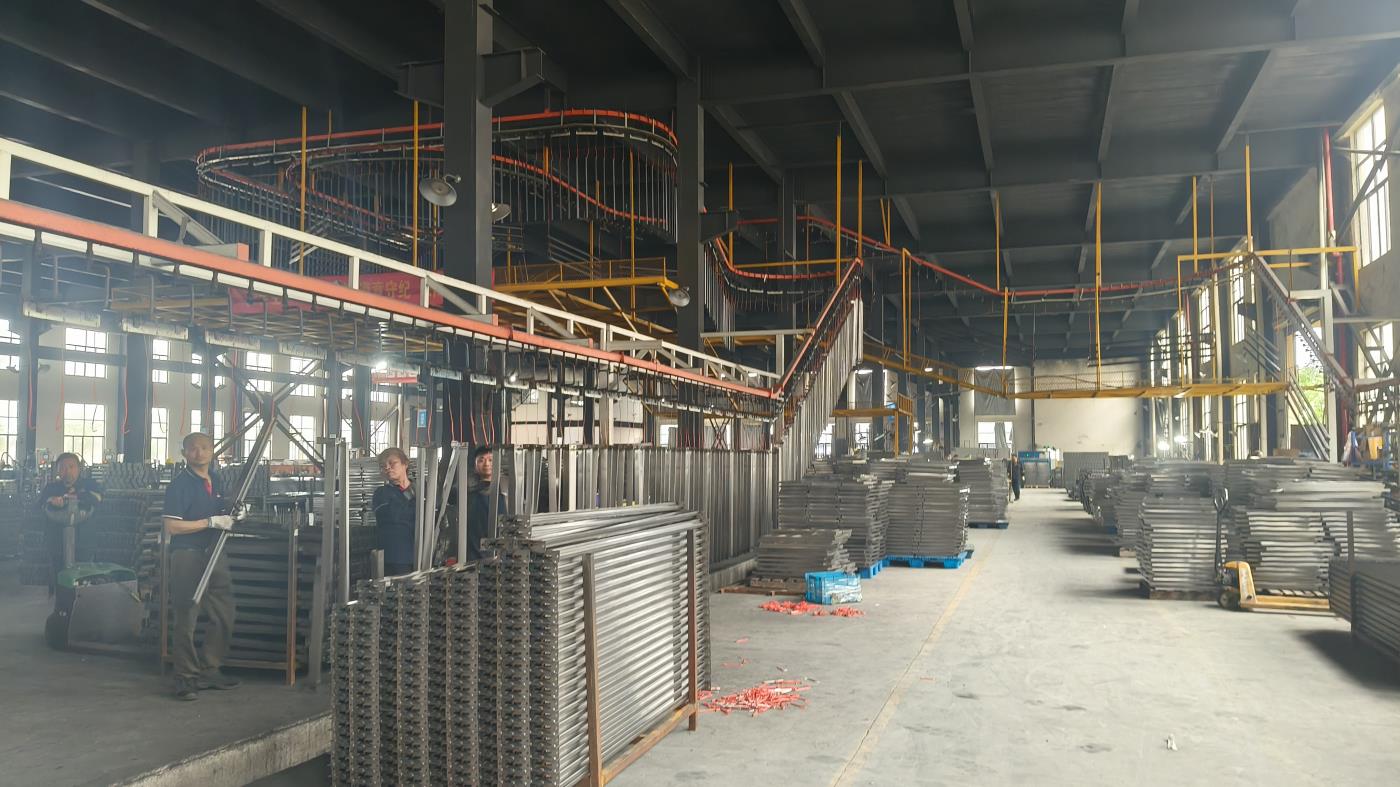
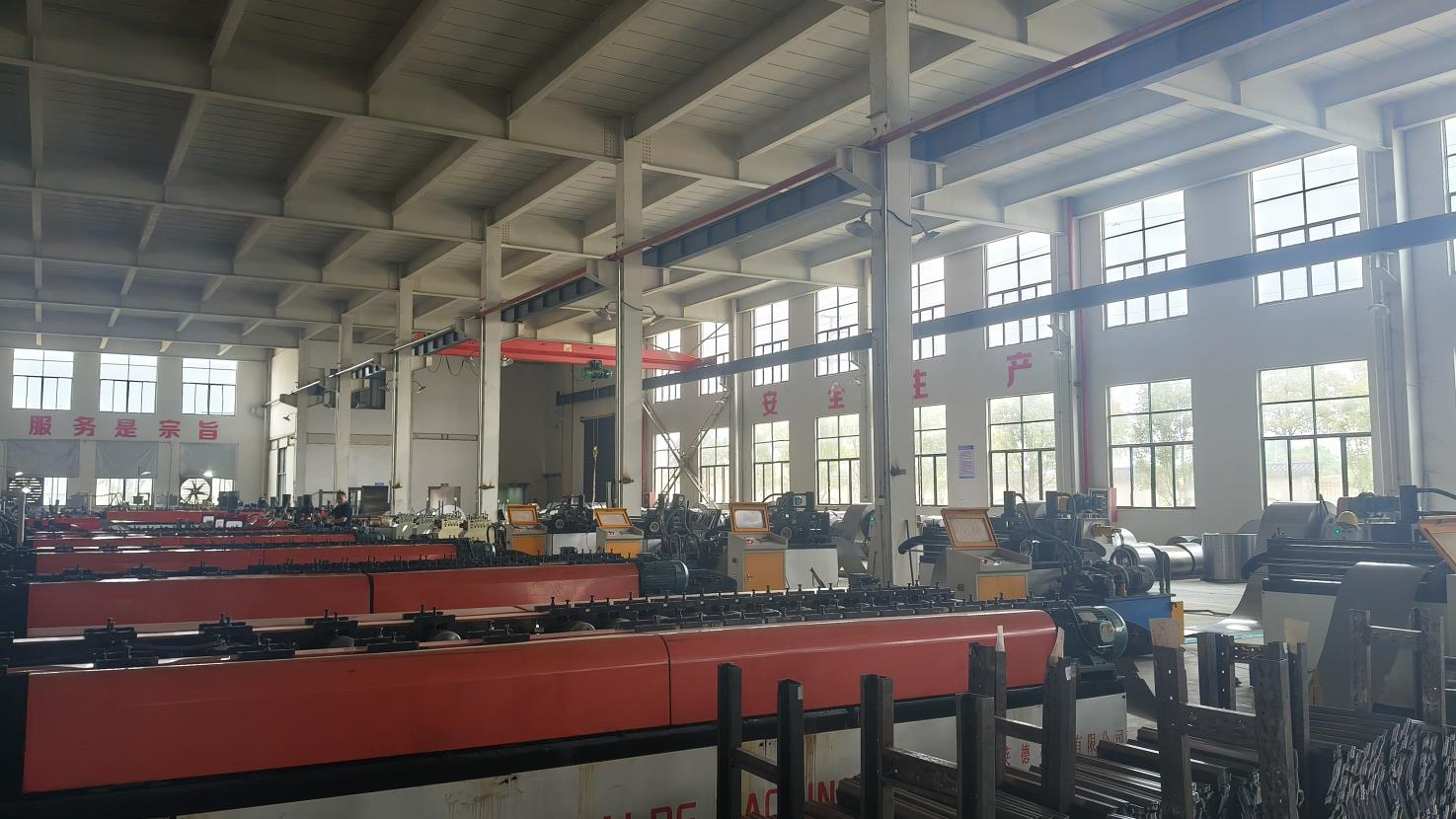
Optimizing vertical cubic space and ground-level mobility patterns across various industrial sectors.
High-velocity sorting centers require dynamic, multi-tier boltless racking and heavy-duty folding hand trucks to optimize order cycle times. Shibang's rapid reconfigurability allows hubs to handle seasonal SKU fluctuations without downtime.
Extreme temperatures weaken standard metals. We configure storage solutions using thick galvanized steel or corrosion-proof powder coatings, combined with low-viscosity grease-packed casters that won't lock up at -40°C.
Heavy parts require highly stable transport. Our high-load 650kg flatbeds and heavy-duty steel tool trolleys safely carry engines, molds, and tooling equipment through busy assembly lines.
Shibang's research division targets next-generation logistics challenges by focusing on:
Critical structural, mechanical, and logistical questions answered by Shibang's R&D engineering department.
Static load is the maximum weight a stationary unit can support safely, while dynamic load refers to the system's capacity during movement, acceleration, or braking. For example, a trolley rated for 650kg static load might require reinforcement to handle 650kg dynamic loads on a 5-degree ramp. Shibang validates both metrics using finite element analysis (FEA) to prevent structural failure during transit.
Starting resistance is determined by wheel durometer (hardness) and bearing friction. Hard nylon wheels offer low starting resistance but can wear down soft floors and generate noise. Polyurethane (PU) and Thermoplastic Rubber (TPR) wheels protect floors and operate quietly, though they have slightly higher starting resistance. Shibang uses double-shielded ball bearings to minimize roll resistance across all caster options.
Boltless structures utilize tapered eyelet slots and rivets. When weight is applied to the beam, the connection tightens, increasing rigidity. Boltless systems also reduce assembly times by up to 60% and allow fast shelf adjustment without specialized tools.
Our automated powder coating line uses a multi-stage pre-treatment wash (degreasing, phosphating, and rinsing) to remove oil and impurities. The powder is applied electrostatically for uniform coverage, then cured in a continuous tunnel oven at 180°C to 200°C. This process is monitored via cross-hatch adhesion and thickness testing.
Maximize your cubic warehouse storage footprint with high-durability, load-certified storage racks and utility tools.
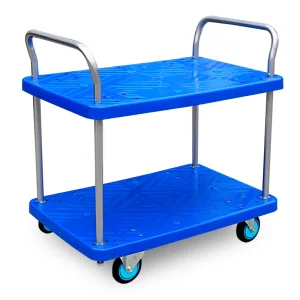
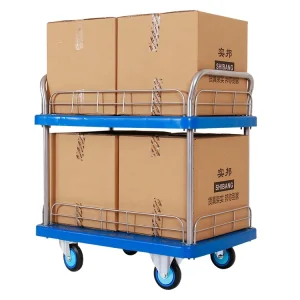
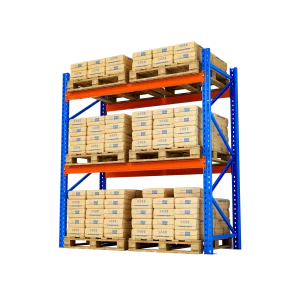
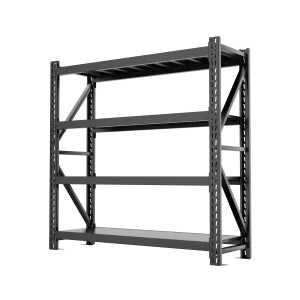
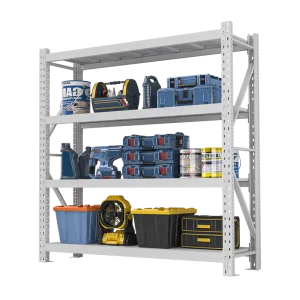
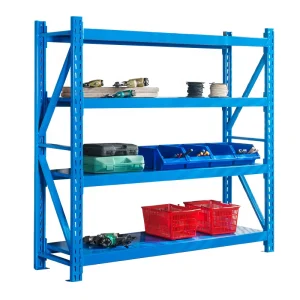
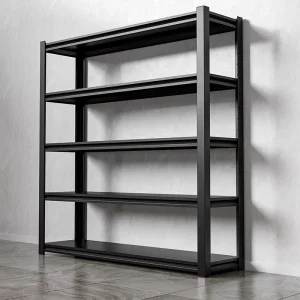
 Shibang Storage Rack