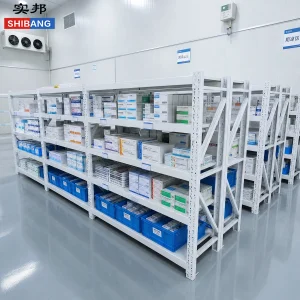
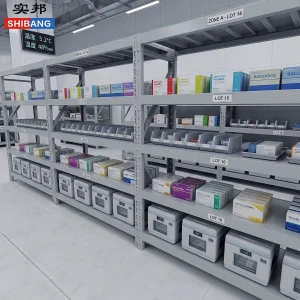
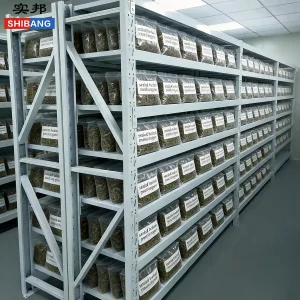
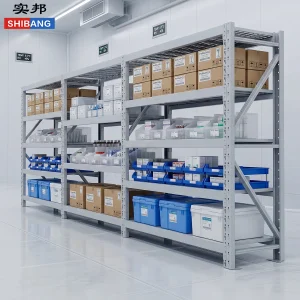
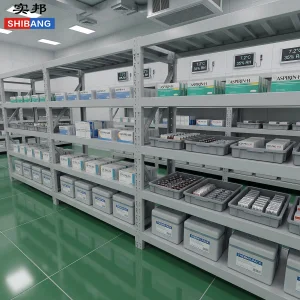
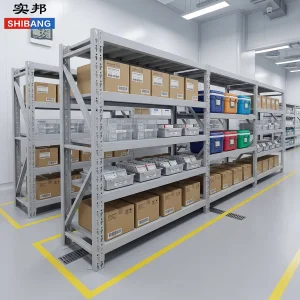
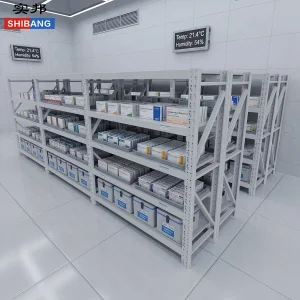
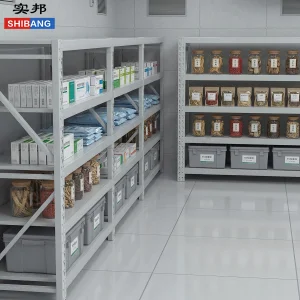
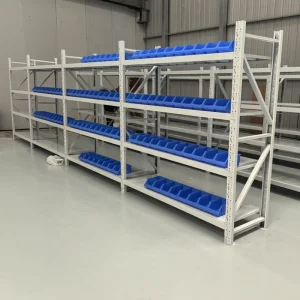
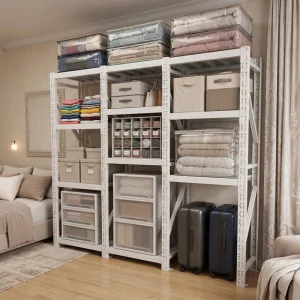
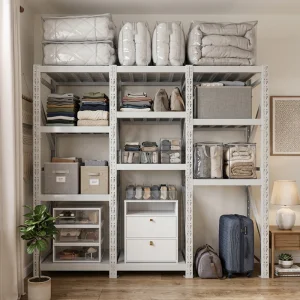
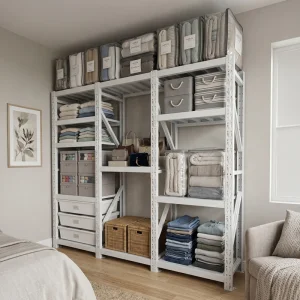
In modern logistics and manufacturing, 200kg load capacity storage systems act as the crucial link between lightweight shelving and heavy-duty industrial pallet racking. As supply chains globally adapt to rapid order fulfillment, omni-channel retail, and lean inventory strategies, warehouses require flexible storage systems that maximize vertical spatial density without sacrificing safety or ease of manual load handling.
The commercial demand for 200kg load capacity storage racks has surged significantly. Driven by the expansion of regional distribution centers, pharmaceutical storage facilities, and automotive component warehouses, enterprises are looking for structural systems that guarantee structural safety under Uniform Distributed Loads (UDL). In places like North America and Western Europe, where local warehouse space carries a premium, implementing multi-tier shelf units that can consistently bear 200kg per layer prevents structural collapse and maximizes safety metrics.
Historically, material handlers faced a compromise between cheap, brittle light-duty shelving or cost-prohibitive heavy racking that demanded specialized installation machinery. The 200kg medium-duty shelving class bridges this market gap. Featuring toolless assembly mechanisms like butterfly-hole or plug-in connections, these units provide the rapid adaptability necessary for agile, modern warehouse operations.
Achieving a certified 200kg load capacity per shelf layer is not merely a statement of load capacity; it is an engineering standard governed by material selection, profiles, and structural shape calculations. The integrity of our medium-duty racking systems relies on high-grade Q235 cold-rolled steel or equivalent structural grades, providing high tensile strength and yield performance under persistent stress.
Utilizes precision cold-formed steel plates. The fabrication process improves mechanical yield strength compared to standard hot-rolled structural steel, ensuring the panels resist bowing under load.
Butterfly or plug-in connector configurations allow load transfer directly through the upright column geometry, tightening structural locking mechanisms as payload increases.
Every shelf deck features cold-formed steel stiffener ribs spot-welded to the underside of the panel. These prevent local buckling and ensure uniform load distribution across the span.
Structural integrity is calculated according to the L/200 deflection limit standard. This specifies that when a shelf is loaded to its rated 200kg capacity, the structural deflection of the beam or panel does not exceed 1/200th of the span length. By maintaining safety factors above 1.5, we ensure these products provide reliable stability in high-density facilities.
| Technical Parameter | Standard Specification | Premium Engineering Option |
|---|---|---|
| Raw Material Grade | Q235 Carbon Steel (GB/T 700) | High-Strength Low-Alloy Q355 / SPCC |
| Material Thickness (Upright) | 1.2 mm - 1.5 mm | 1.8 mm - 2.0 mm for heavy-duty setups |
| Material Thickness (Beam) | 1.2 mm - 1.5 mm (P-shaped / Step profiles) | Reinforced box beams |
| Surface Coating Finish | Electrostatic Powder Coated (50-60 microns) | Thermoplastic Coating / Galvanized (>80 microns) |
| Corrosion Resistance | Salt spray testing ASTM B117 (240 Hours) | Enhanced protection option (500+ Hours) |
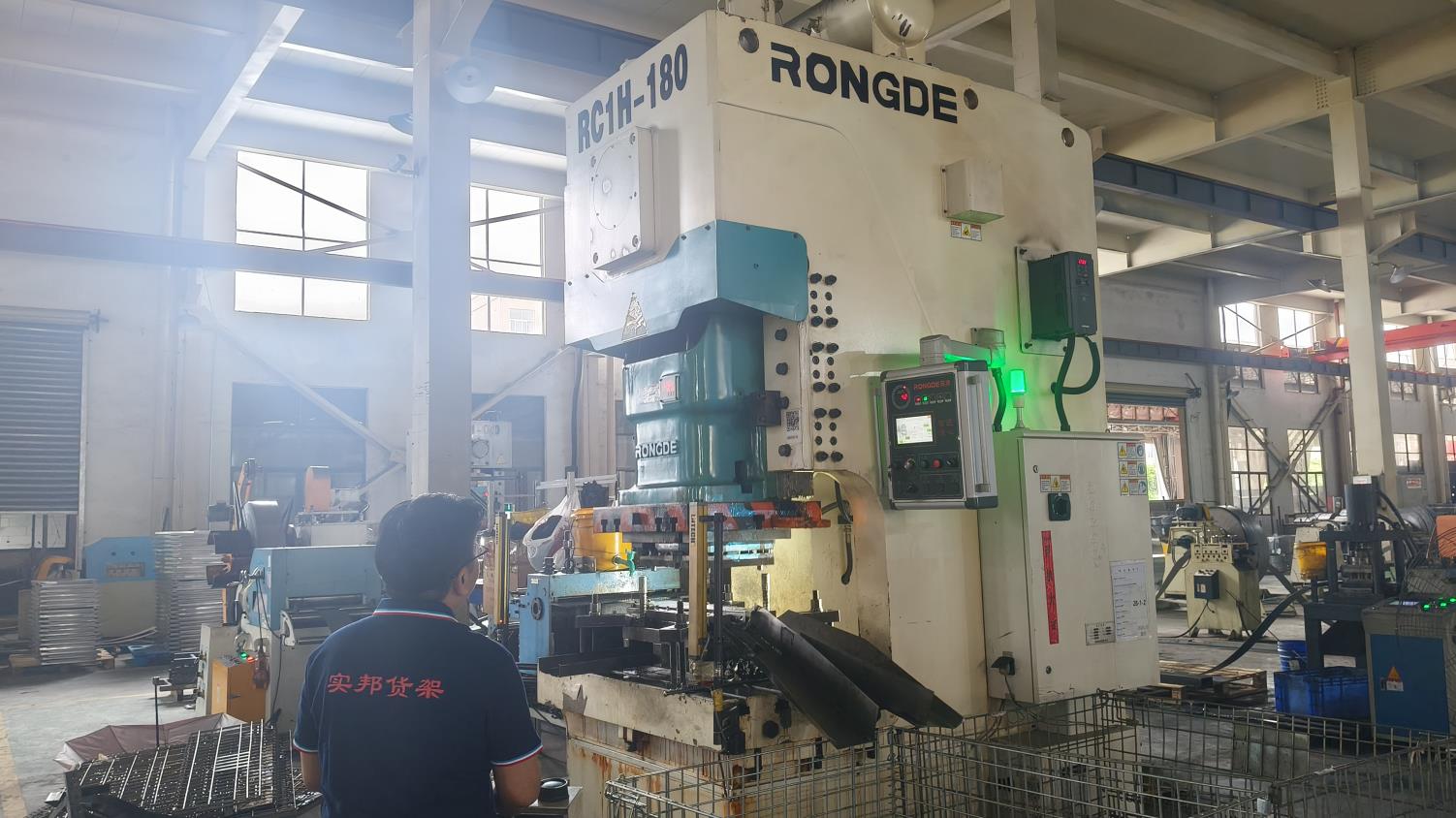
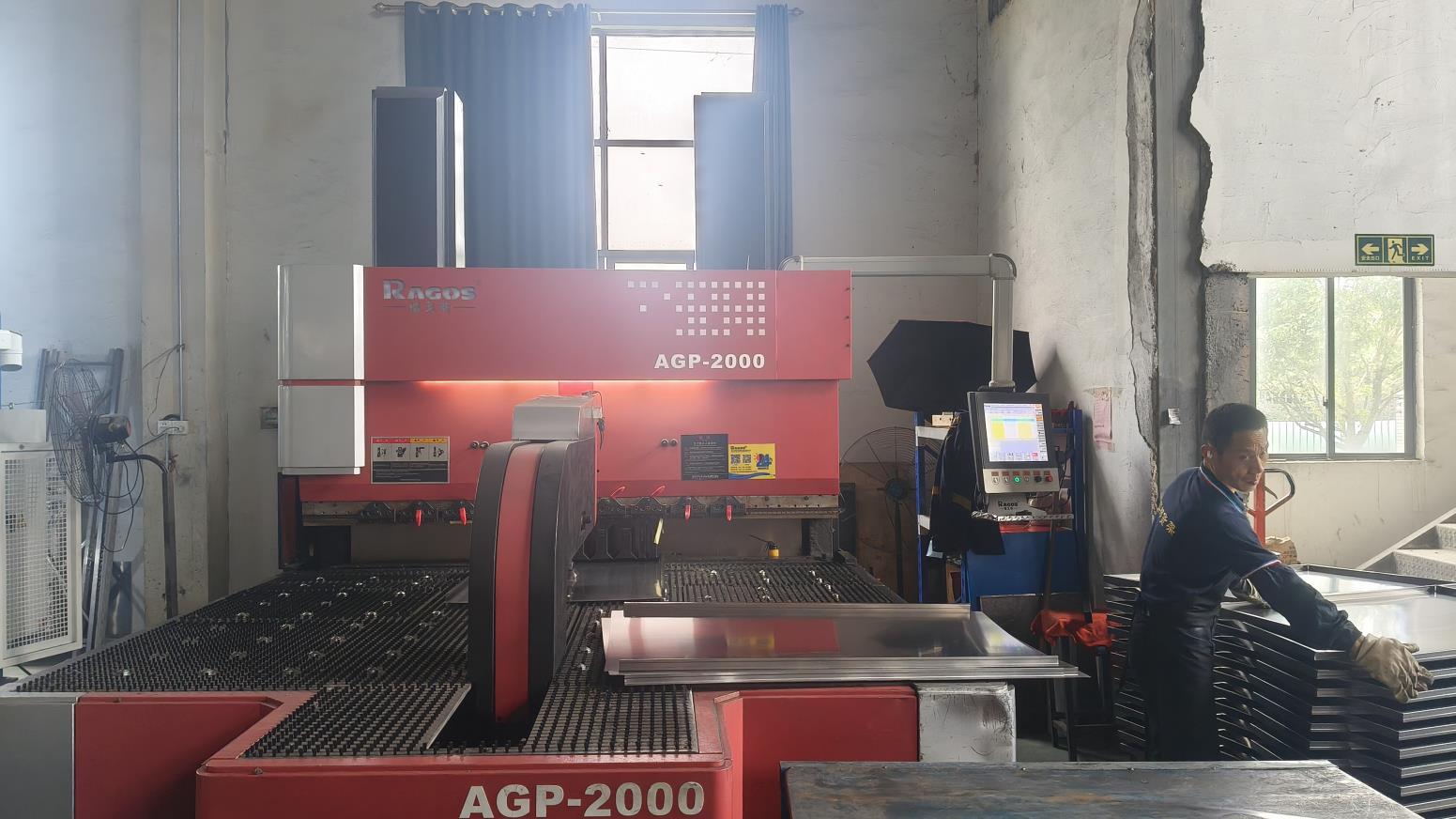
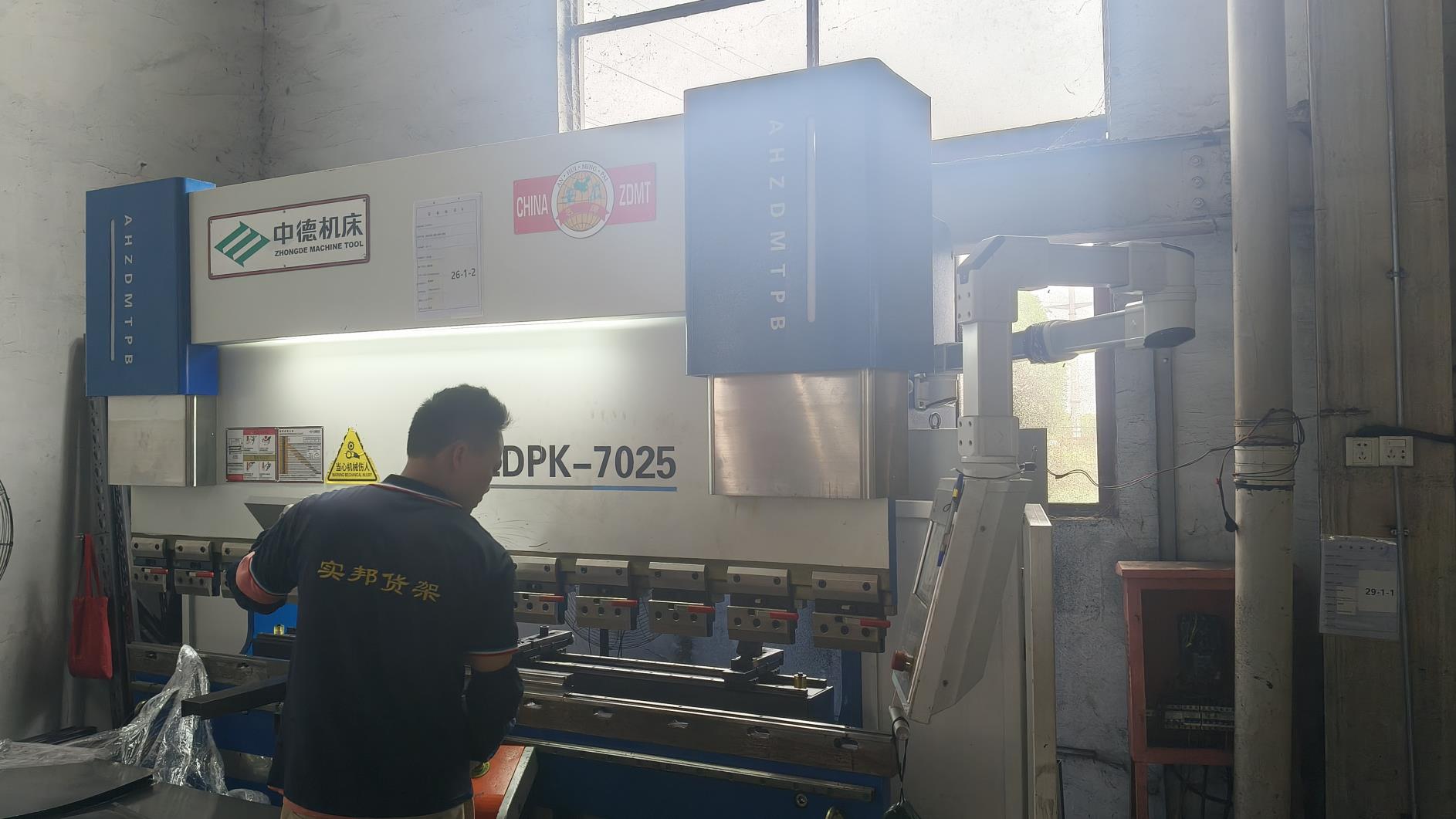
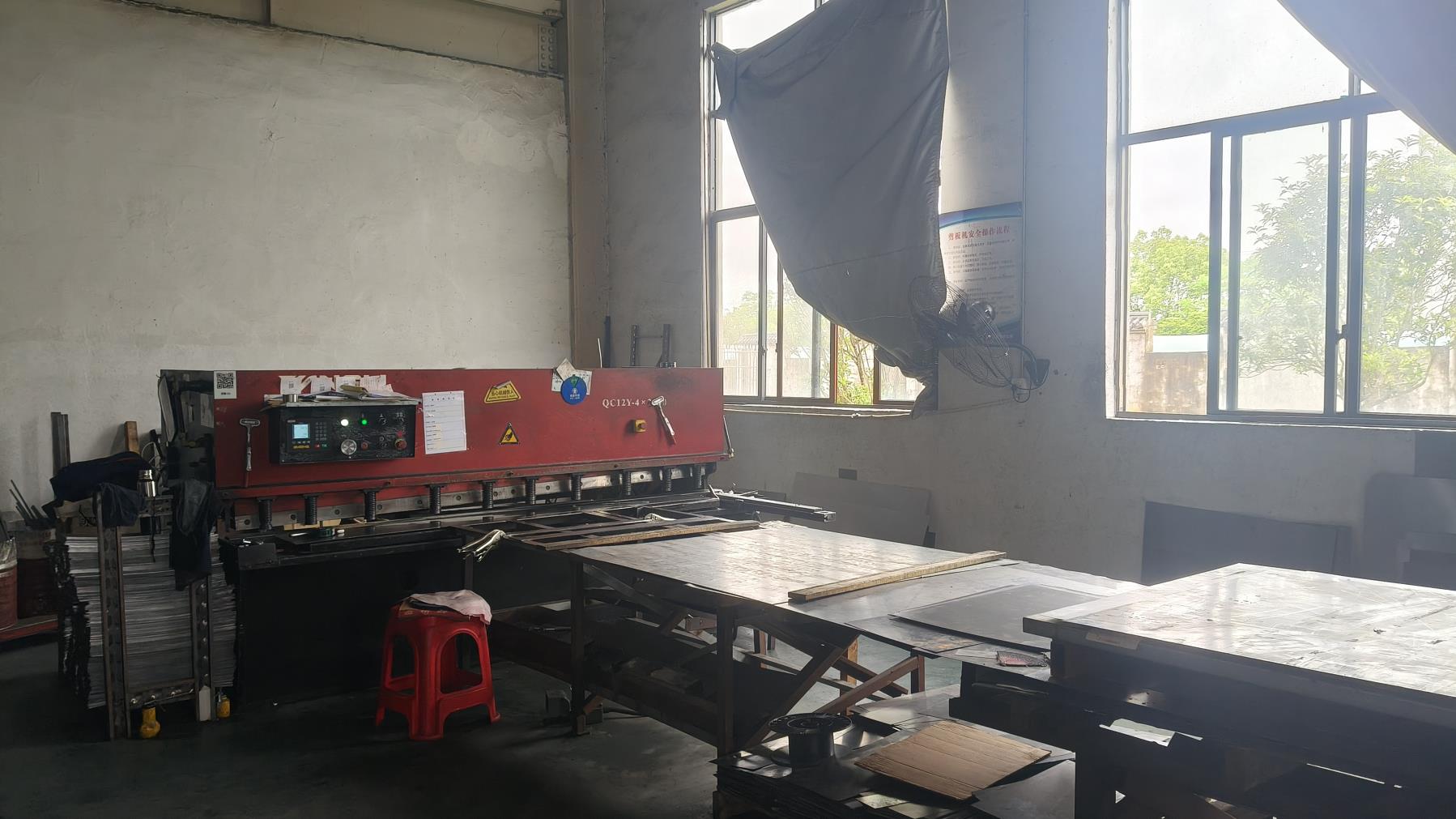
Established in 2016, Guangdong Shibang Storage Rack Co., Ltd. has grown into a leading manufacturer of medium-duty industrial storage racks. Operating a 35,000㎡ modern production facility, Shibang merges high-capacity production with strict quality management systems.
Chinese steel fabricators lead the global market by leveraging local industrial ecosystems, automated workflows, and concentrated material supplies. At our facility, the integration of automatic roll forming lines, CNC shearing equipment, and robotic laser welding systems minimizes raw material waste and reduces labor costs. Our strategic partnerships with over 1,200 reliable raw material suppliers ensure stable component sourcing and price predictability.
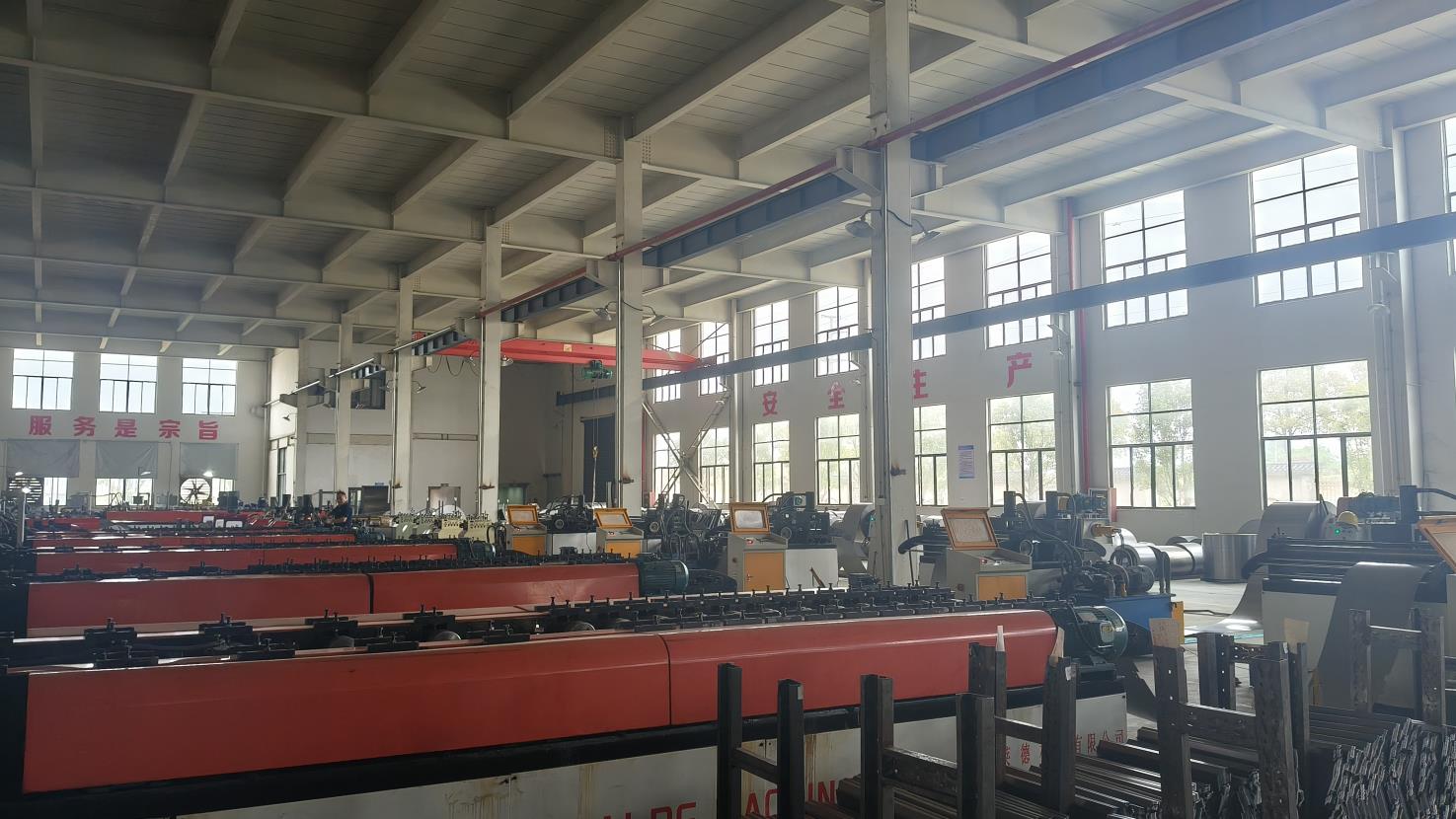
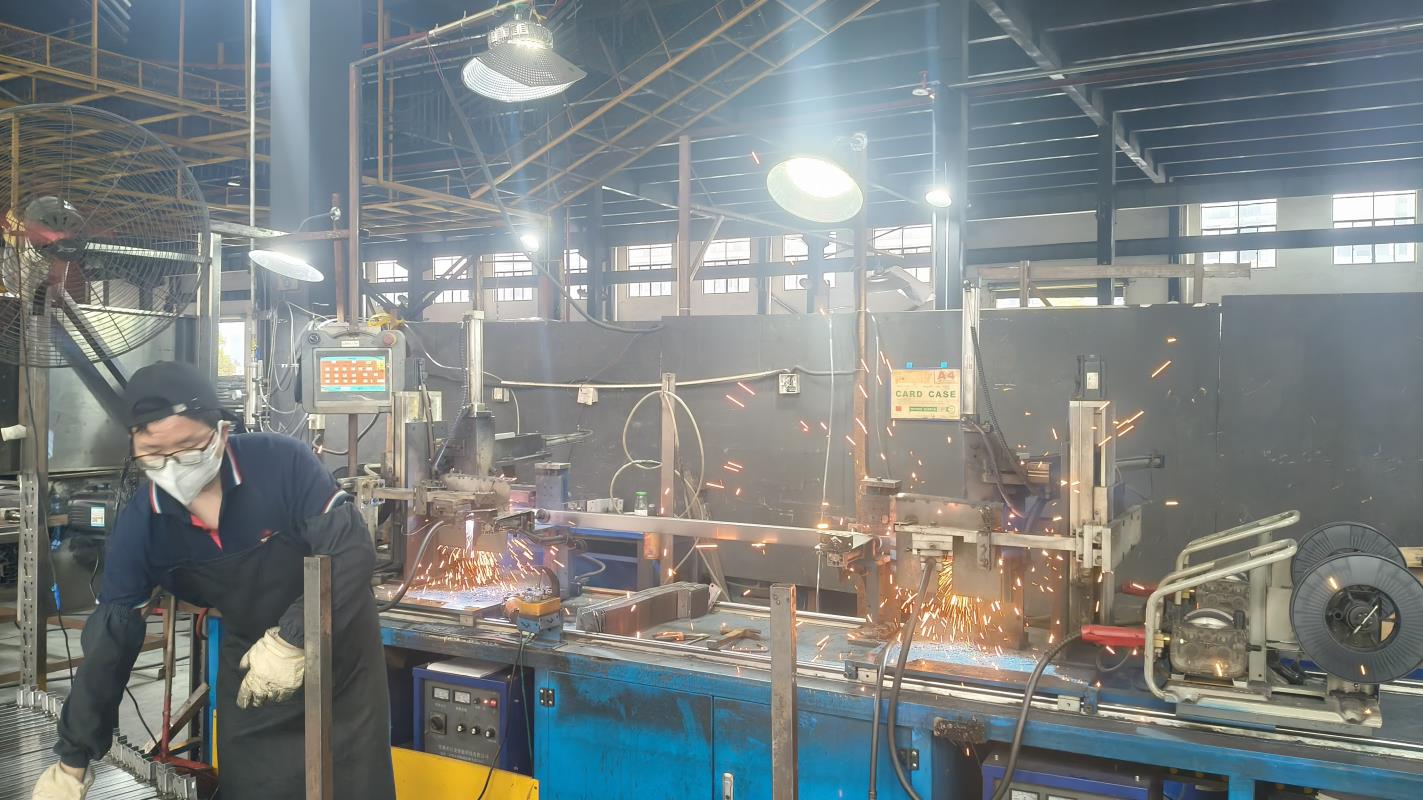
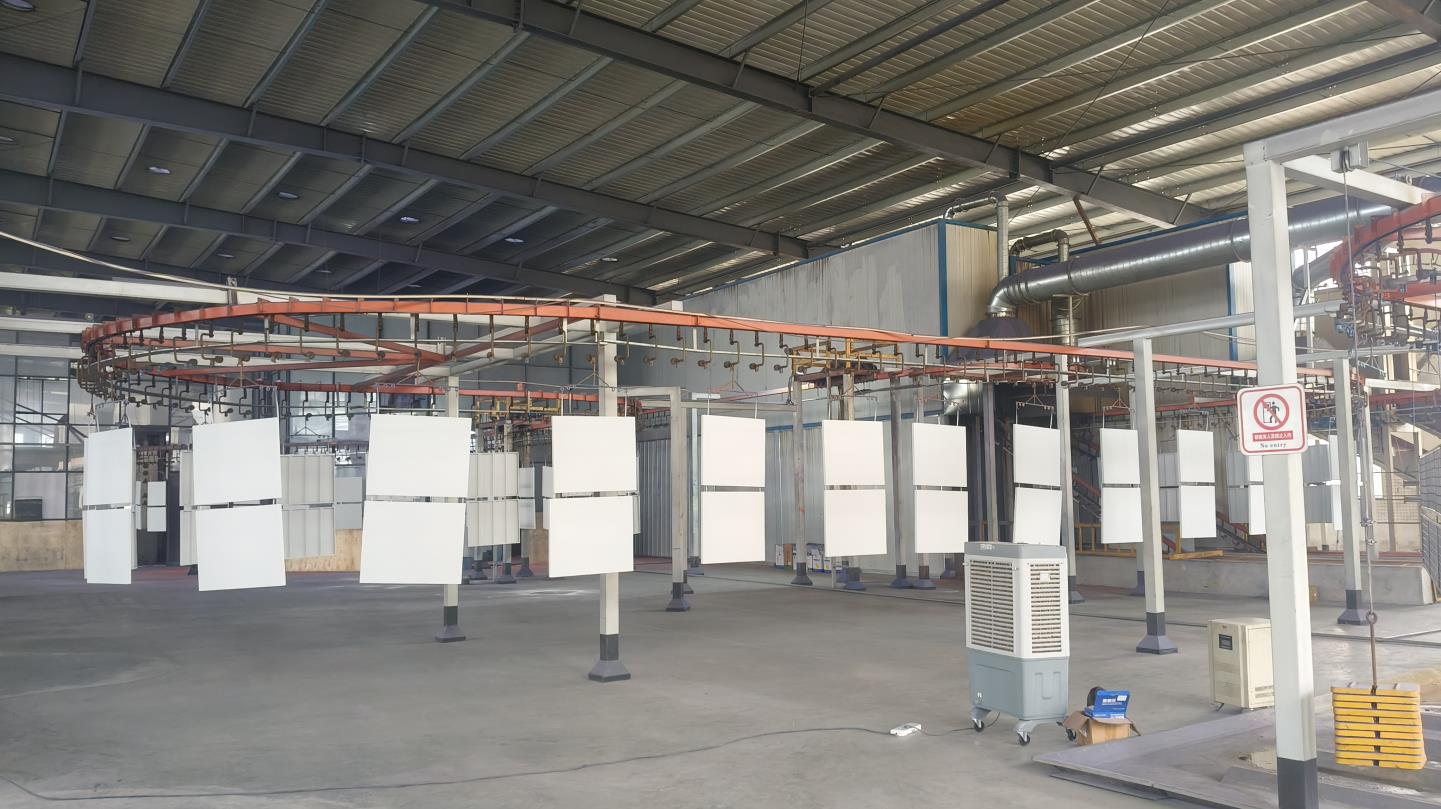
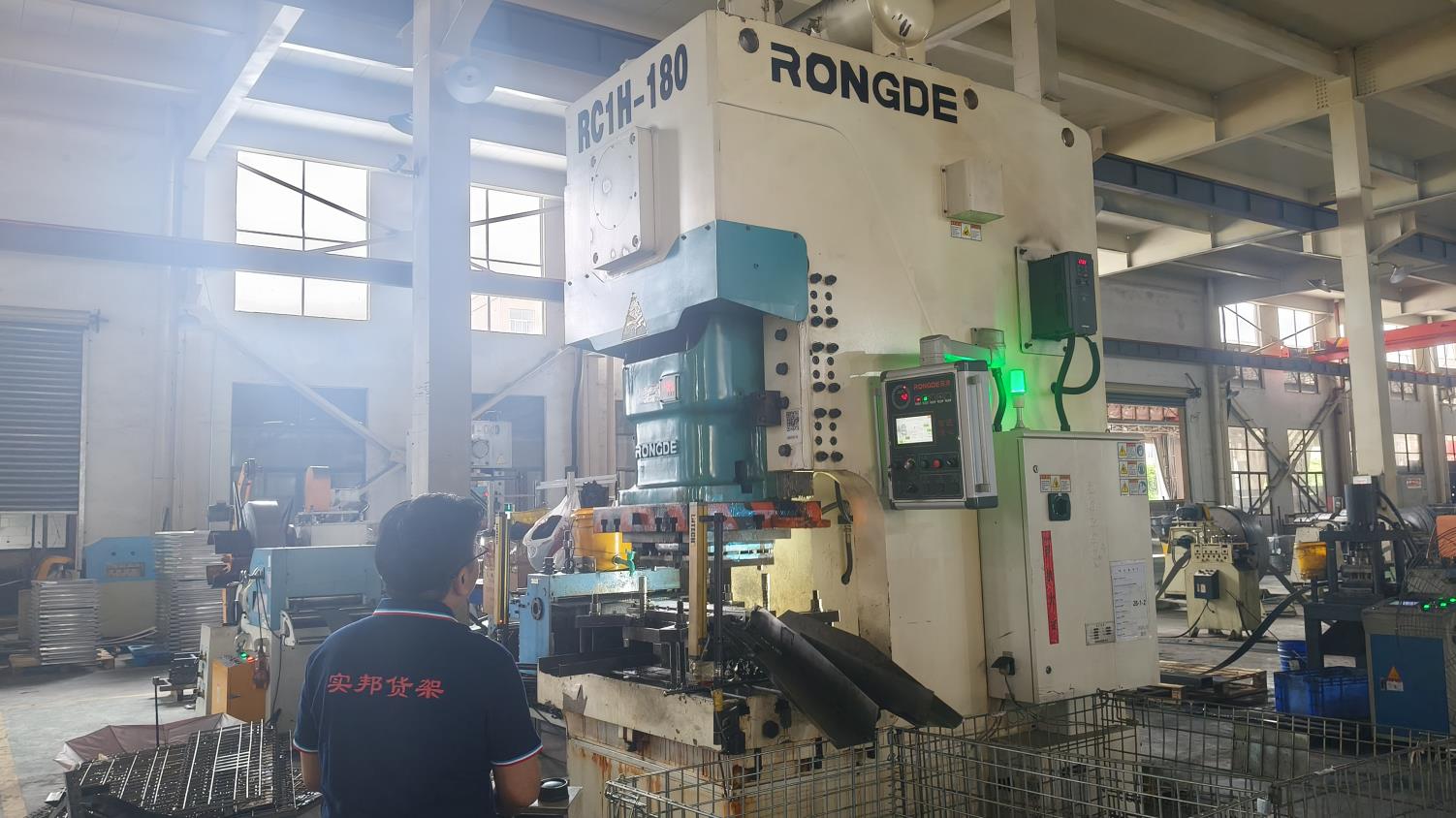
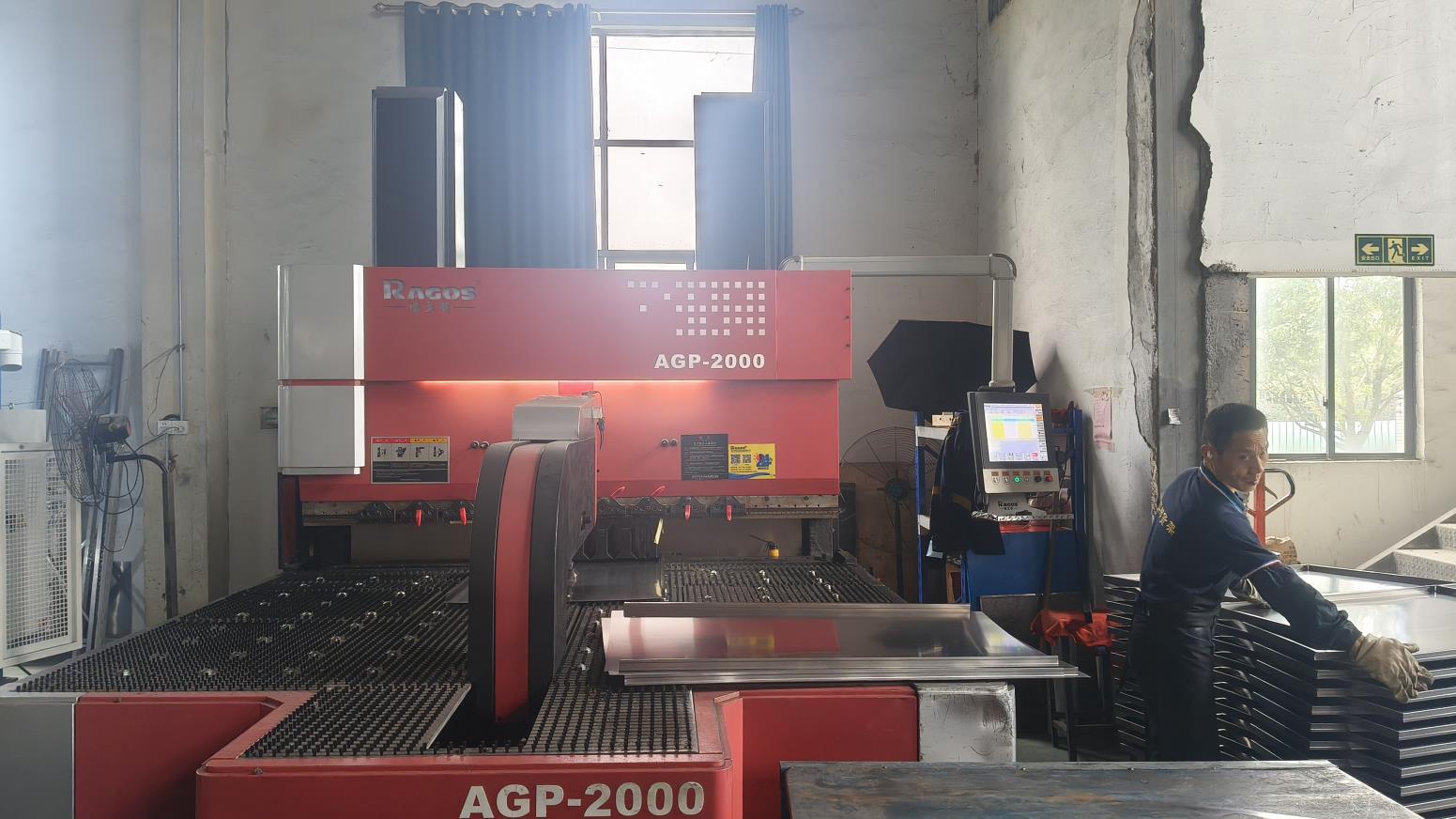
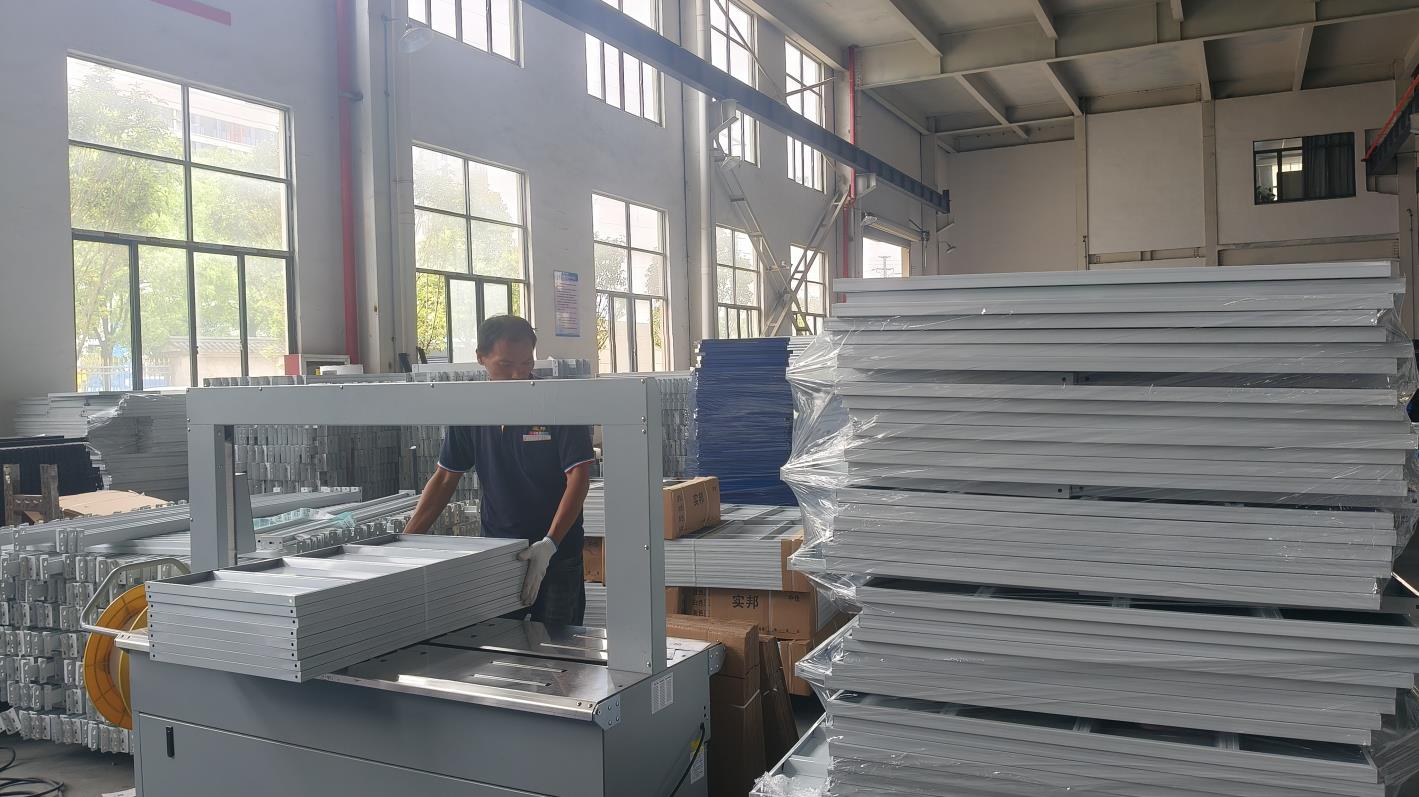
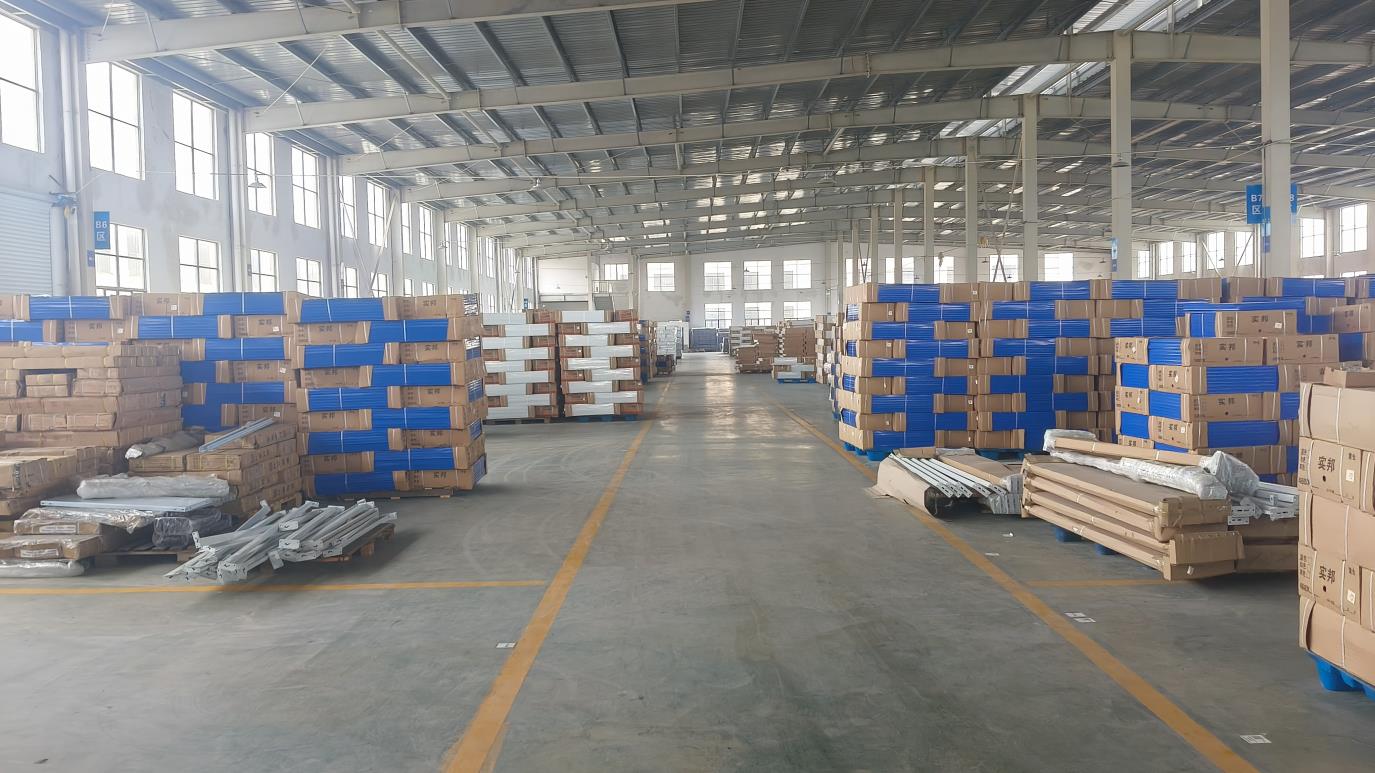
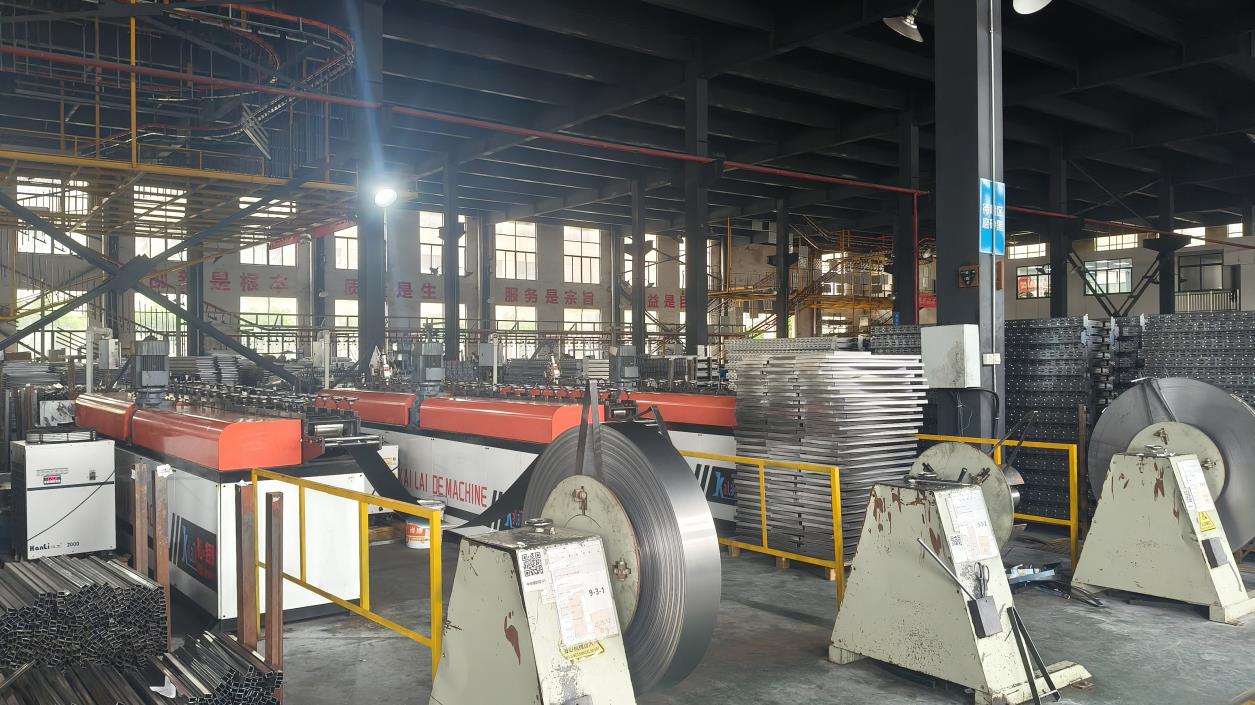
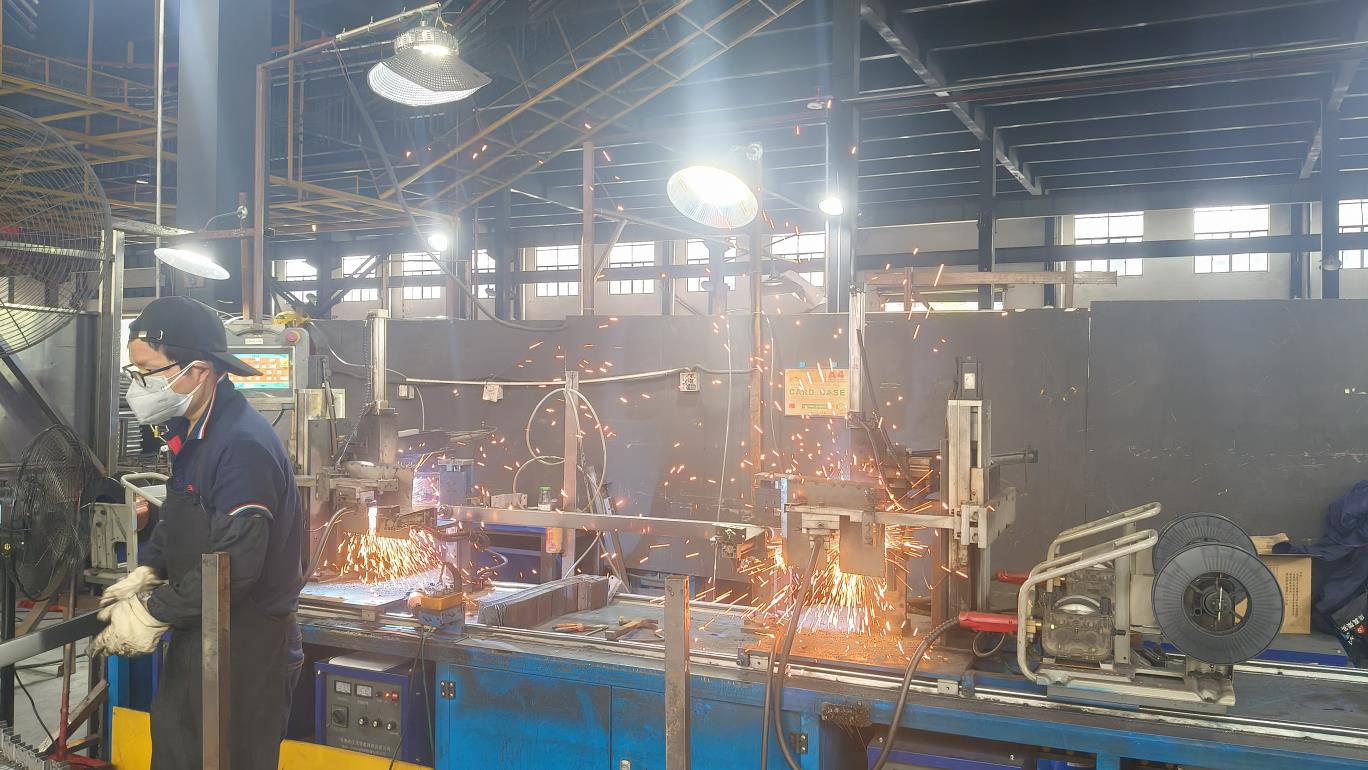
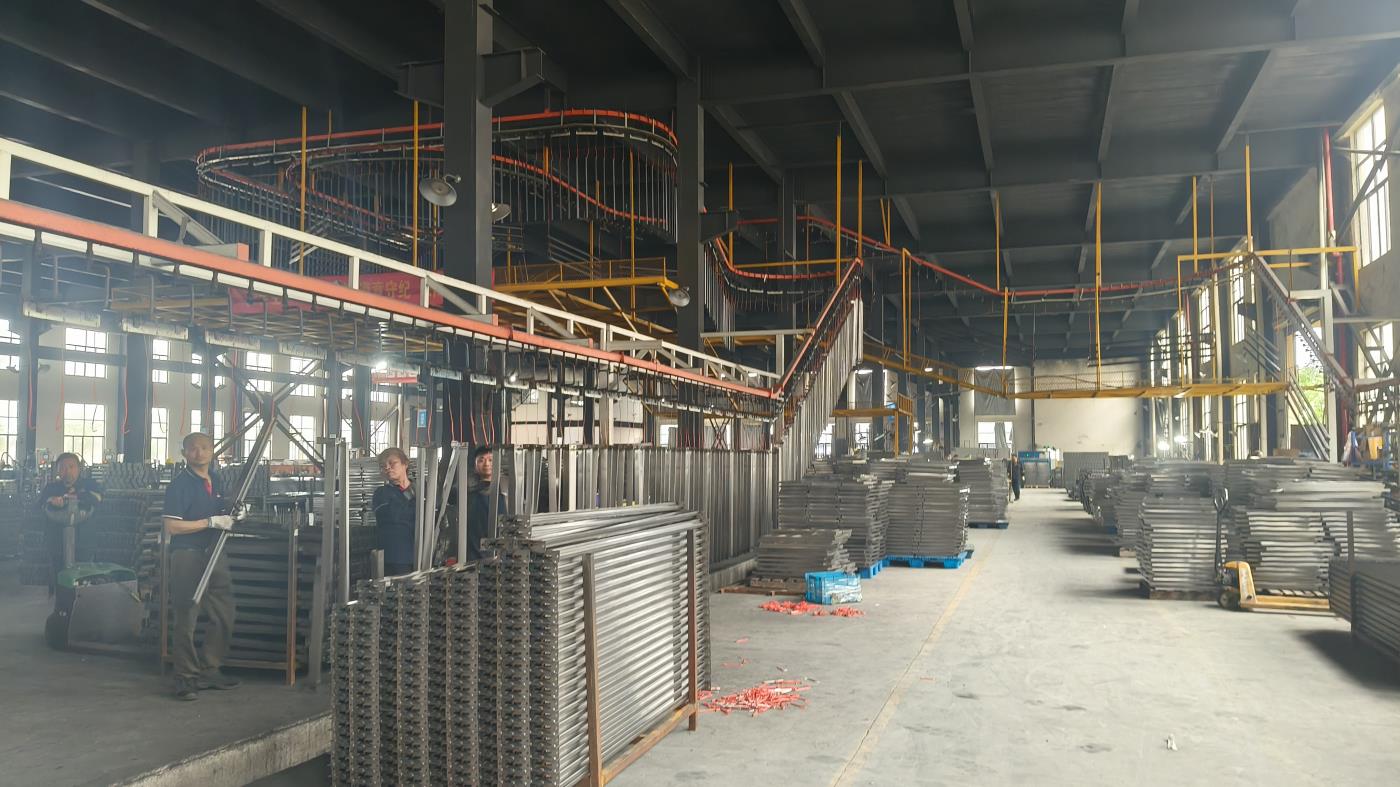
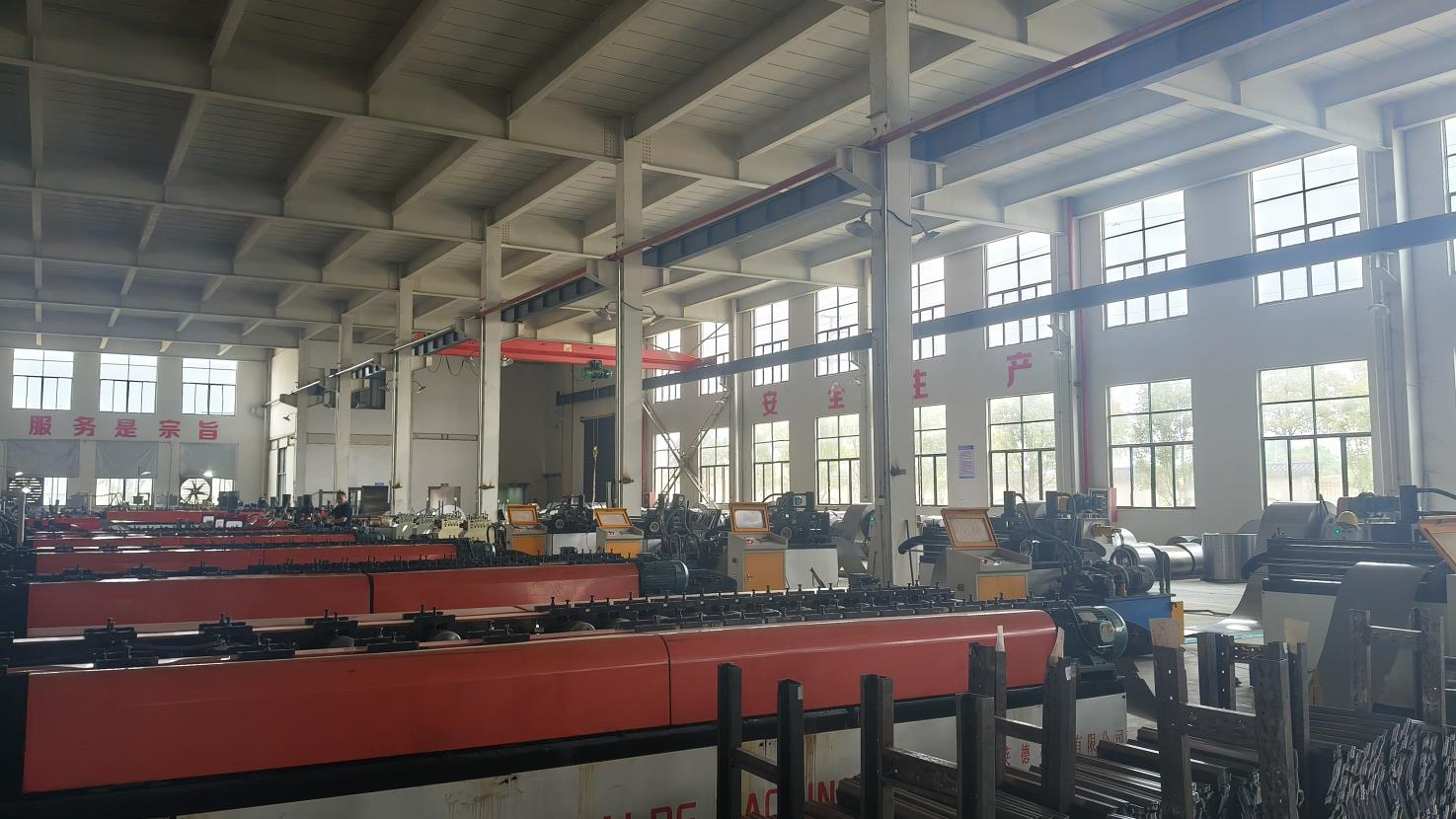
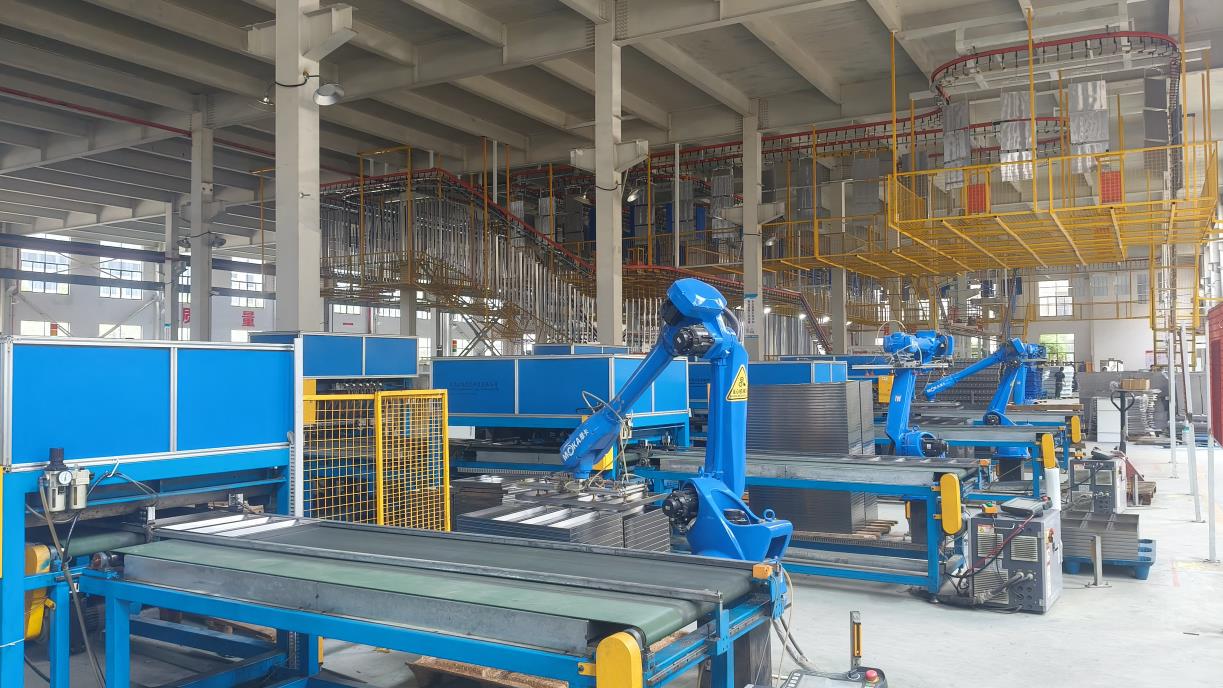
Our internal QC department utilizes 65 experienced QC specialists conducting inspections across five core areas: raw material dimensional tolerance testing, robotic weld depth verification, coating film thickness validation, ultimate loading point verification, and final product packaging durability. This ensures every shipment complies with global standards, supporting our USD 18 million annual export market across North America, Europe, Australia, and the Middle East.
Operating environments present unique engineering challenges. A storage rack operating in a temperature-controlled German pharmaceutical facility requires different design parameters than one located in a coastal logistics yard in Southeast Asia. Here is how our 200kg load capacity racking systems are optimized for different global markets:
Designed for fast-paced logistics fulfillment centers. Focuses on boltless butterfly-hole systems that allow floor staff to adjust levels in under 3 minutes, meeting OSHA workplace standards.
Configured with RoHS and REACH-compliant eco-friendly coatings. Features zero-VOC emissions, making these systems suitable for food retail backrooms and electronics warehouses.
Optimized for humid maritime regions like Southeast Asia and South America. High-durability zinc phosphating and powder coatings prevent oxidation and rust in non-A/C facilities.
Procuring storage racking systems at scale requires verifying structural performance criteria beyond nominal weight capacities. For facility managers and procurement agents, utilizing a standard verification checklist prevents supply chain delays and installation issues.
1. Steel Grade Verification: Ensure the manufacturer provides certified material test certificates (MTR) verifying the steel chemistry. Standard structural steel like Q235 must show a yield strength exceeding 235 MPa to guarantee long-term performance.
2. Deflection Testing Under Load: Ask for testing verification documenting structural behavior under load. The upright deflection must not exceed L/200, and permanent plastic deformation should not occur once the load is removed.
3. Coating Durability: Verify powder coating thickness. For indoor settings, a thickness of 50-60 microns is standard. Humid or high-traffic areas require 80+ microns to prevent rust and surface wear.
 Shibang Storage Rack