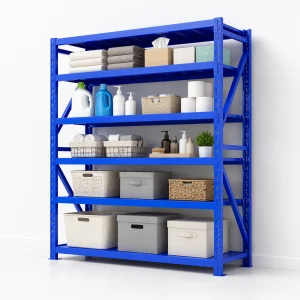
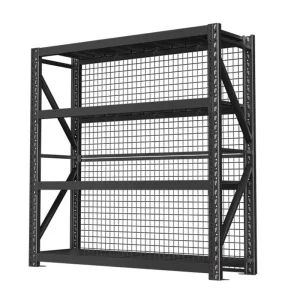
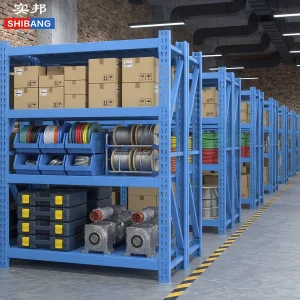
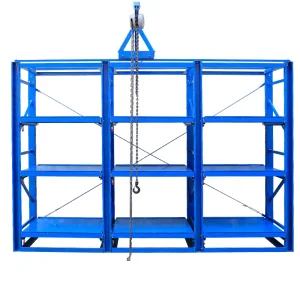
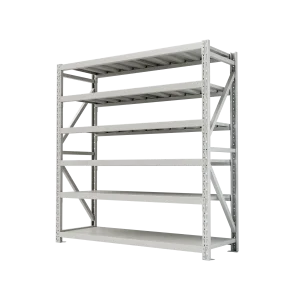
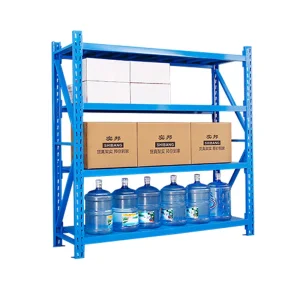
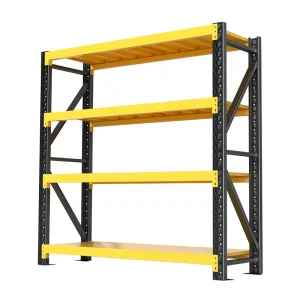
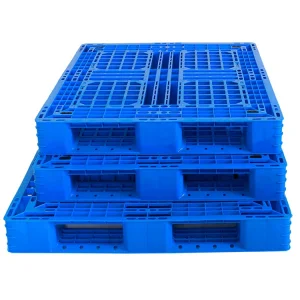
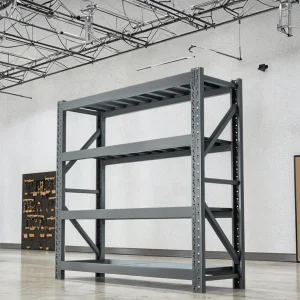
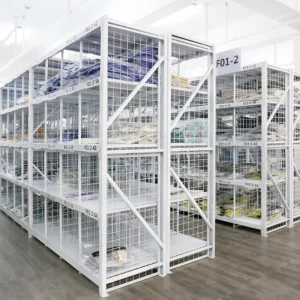
China Best Hot Selling Manufacturers & Exporters

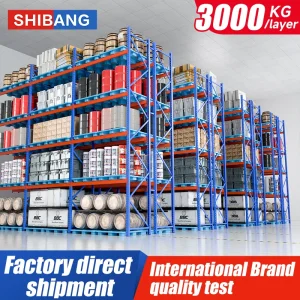
Guangdong Shibang Storage Rack Co., Ltd. — High-End Industrial Warehousing & Logistic Shelving Systems

35,000㎡
Modern Production Facility
15+ Yrs
Industrial Racking Experience
$18 Million
Annual Export Revenue
1,200+
Reliable Supply Chain Partners

Evolution of "Hot Selling" Storage Systems & Supply Chain Demands

How macroeconomic pressures, high land costs, and automated logistics are reshaping warehouse racking technology globally.

1. The Shift to High-Density Space Optimization

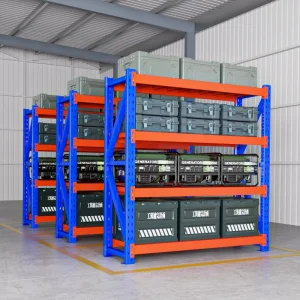
In the contemporary logistics environment, urban land acquisition costs have risen exponentially. Industrial warehouse operators are shifting their layouts from traditional horizontal storage to vertical high-density systems. Modern heavy-duty storage racks are no longer mere steel shelves; they are integrated structures capable of supporting static and dynamic loads up to several thousand kilograms per pallet position. The adoption of Adjustable Pallet Racking (APR) and multi-level shelving systems has allowed companies to reclaim up to 60% of lost vertical space.

“By optimizing structural frame dimensions and utilization of cold-rolled high-tensile steel, modern warehousing systems maximize cubic volume capacity, reducing the cost-per-pallet space.”

2. Cold Chain and E-Commerce Dynamics

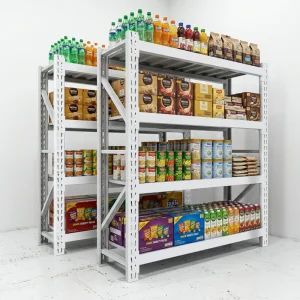
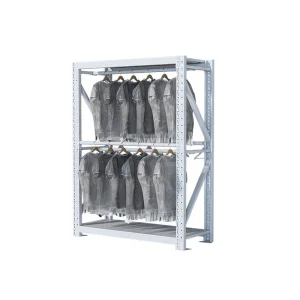
The rapid acceleration of e-commerce delivery timelines and global food cold-chain operations demands racking configurations that withstand harsh environmental changes. Racks must resist corrosion, maintain ductility at sub-zero temperatures, and enable swift accessibility for Automated Guided Vehicles (AGVs) and order pickers. Boltless assembly shelving systems, double-layered clothing warehouse stands, and ventilated corrosion-resistant steel racks are essential configurations in rapid-fulfillment hubs. High capacity, adjustable configurations, and anti-rust finishes are mandatory prerequisites in modern RFPs.

Strategic Sourcing Challenges Faced by Global Enterprises

Procuring industrial racking demands strict technical validation. Supply chain directors look for structural engineering qualifications, compliance, and material traceability.

Structural Safety & Load Capacity Compliance

Procurement teams require rack configurations engineered to specific static load limits (e.g., 500KG, 1000KG per layer) tested to pass international load-bearing calculations. A failure in structural integrity results in catastrophic inventory damage and workplace safety hazards.

Corrosion Control & Finish Longevity

Storage equipment operating in high-humidity or industrial chemical environments requires advanced protection. Multi-stage electrostatic powder coating and anti-rust pre-treatment ensure decades of active service without paint flaking or metal decay.

Logistics & Shipping Cost Optimization

Racking components are heavy and bulky. Designs optimizing shipping volume (e.g. flat packing, boltless knock-down systems, nested packaging) dramatically reduce international sea freight expenses, bringing down the Total Cost of Ownership (TCO).

Guangdong Shibang Storage Rack Co., Ltd.

A trusted manufacturing powerhouse specializing in advanced warehouse optimization, structural engineering, and global logistics equipment exports.

Guangdong Shibang Storage Rack Co., Ltd. was established in 2016 and is a professional manufacturer specializing in warehouse storage racks, industrial shelving systems, and customized storage solutions. With a 35,000㎡ modern production facility, we provide high-quality storage equipment for warehouses, factories, logistics centers, and commercial applications worldwide.

With an annual export revenue of approximately USD 18 million and 8 years of export experience, Shibang has accumulated 15 years of industry experience in storage rack manufacturing. Our company integrates product design, manufacturing, quality control, and global supply services to deliver reliable warehouse solutions for customers in different industries.

Supported by a strong supply chain network of more than 1,200 reliable partners, we are capable of providing stable raw materials, efficient production capacity, and competitive pricing for global buyers. Our customers include warehouse operators, logistics companies, manufacturing enterprises, e-commerce businesses, distributors, system integrators, and construction contractors.

Engineering Excellence

Shibang owns a professional R&D team with strong engineering capabilities, focusing on warehouse optimization, structural design, and customized storage solutions. We provide various customization options, including rack dimensions, loading capacity, colors, configurations, accessories, and complete warehouse planning solutions.

  • 120 New Products developed annually.
  • 28 Experienced R&D Engineers specializing in engineering design and smart innovation.
  • 65 QC Specialists executing ISO 9001 procedures.

Advanced Manufacturing Processes & Quality Control Systems

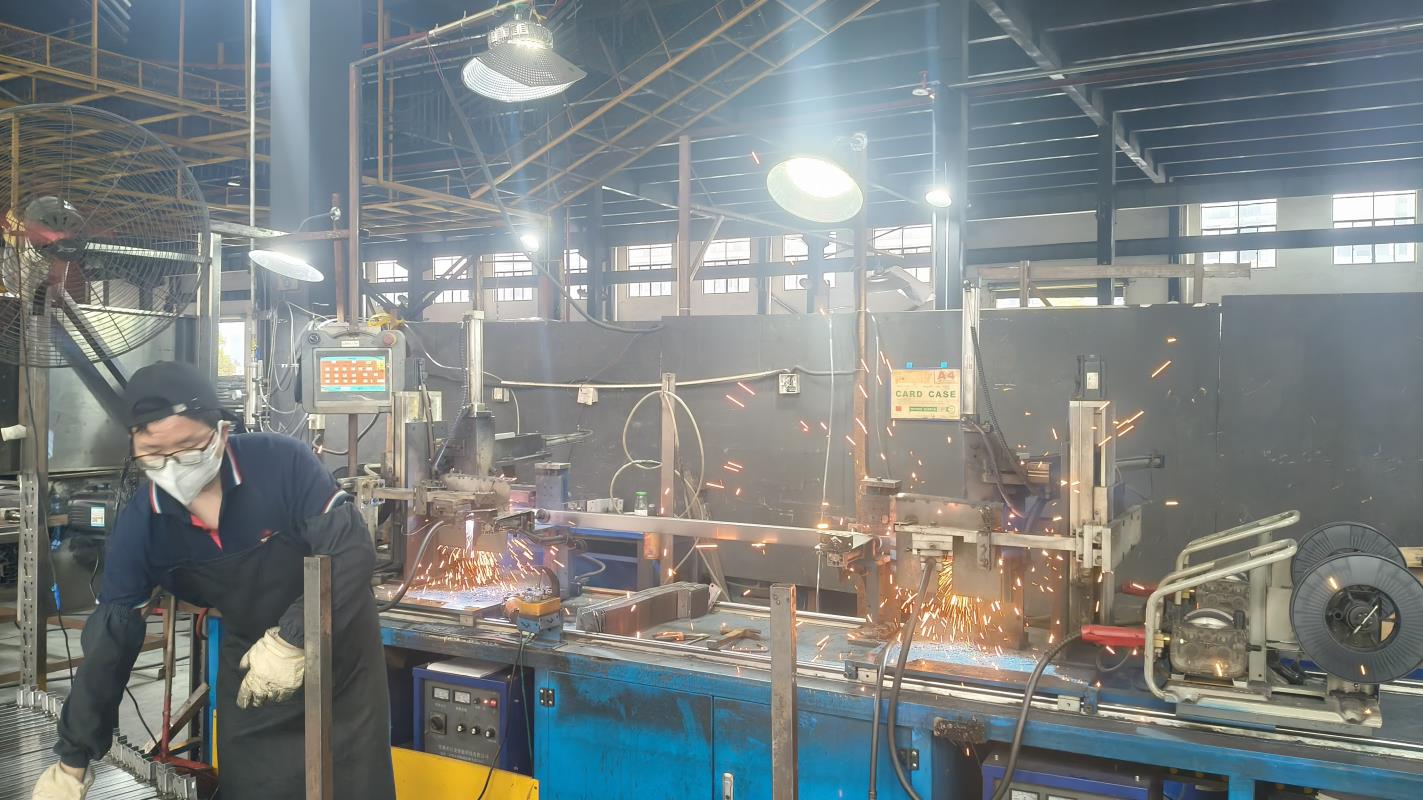
Explore our visual manufacturing roadmap. Every storage rack undergoes rigorous roll-forming, mechanical welding, and advanced paint curing steps.
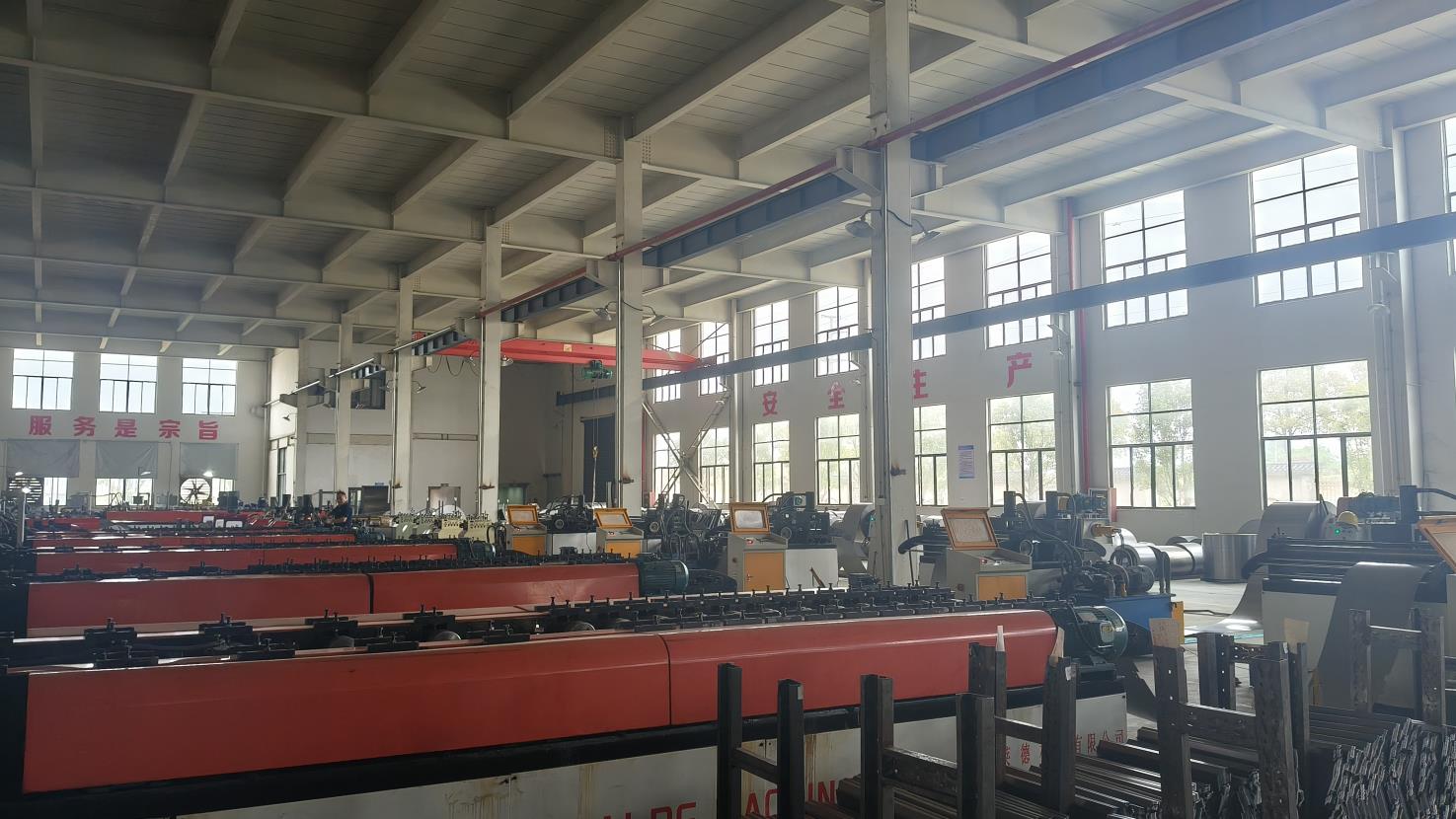
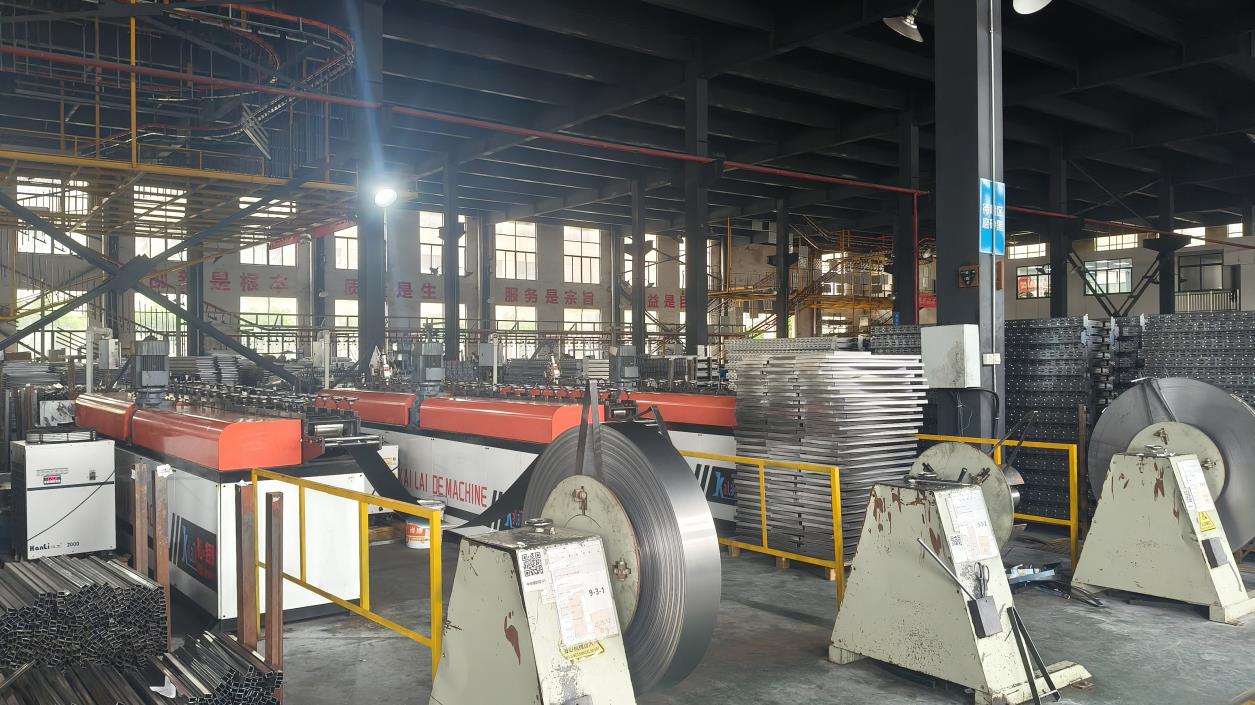
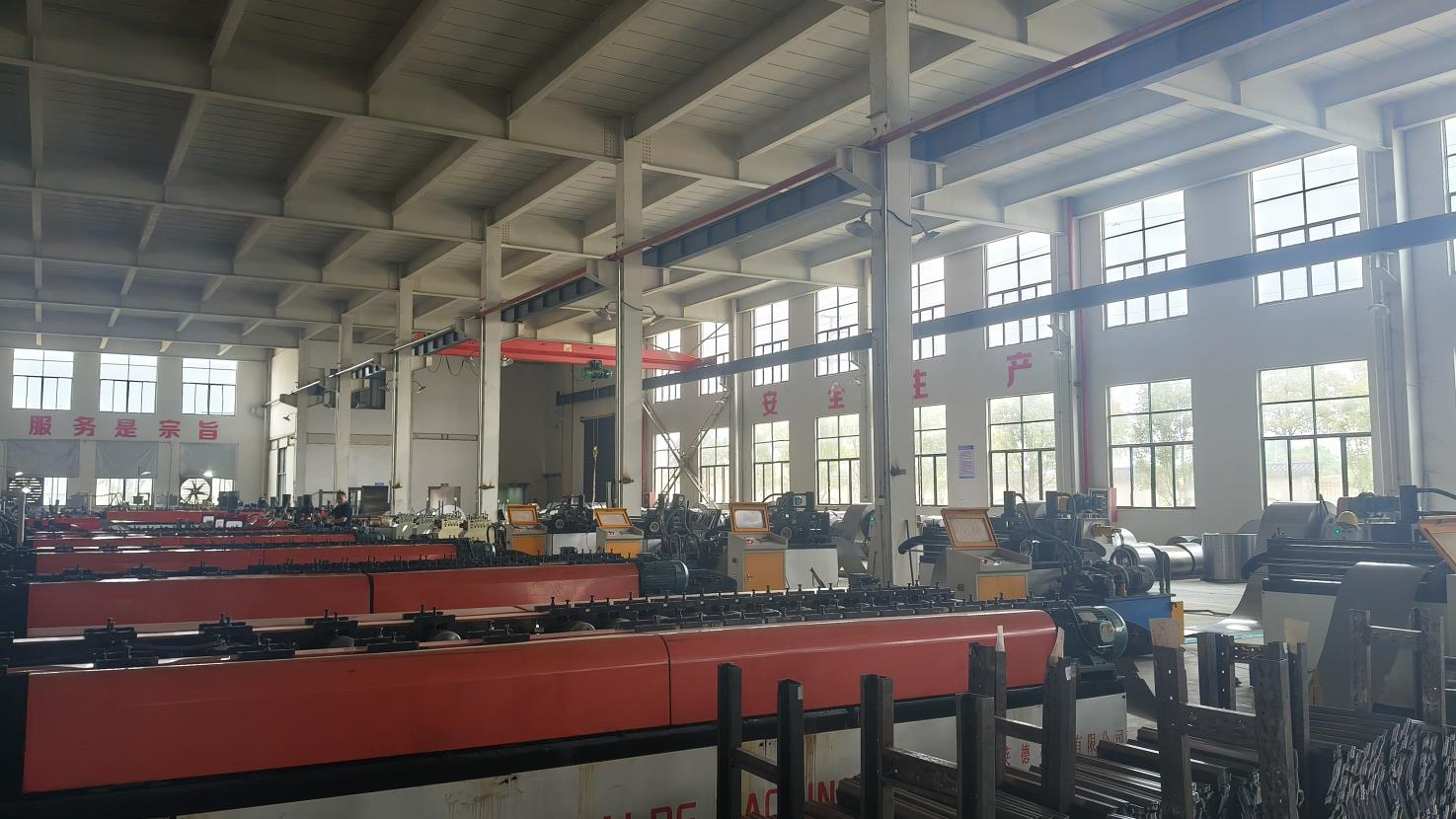
Forming Process
Forming
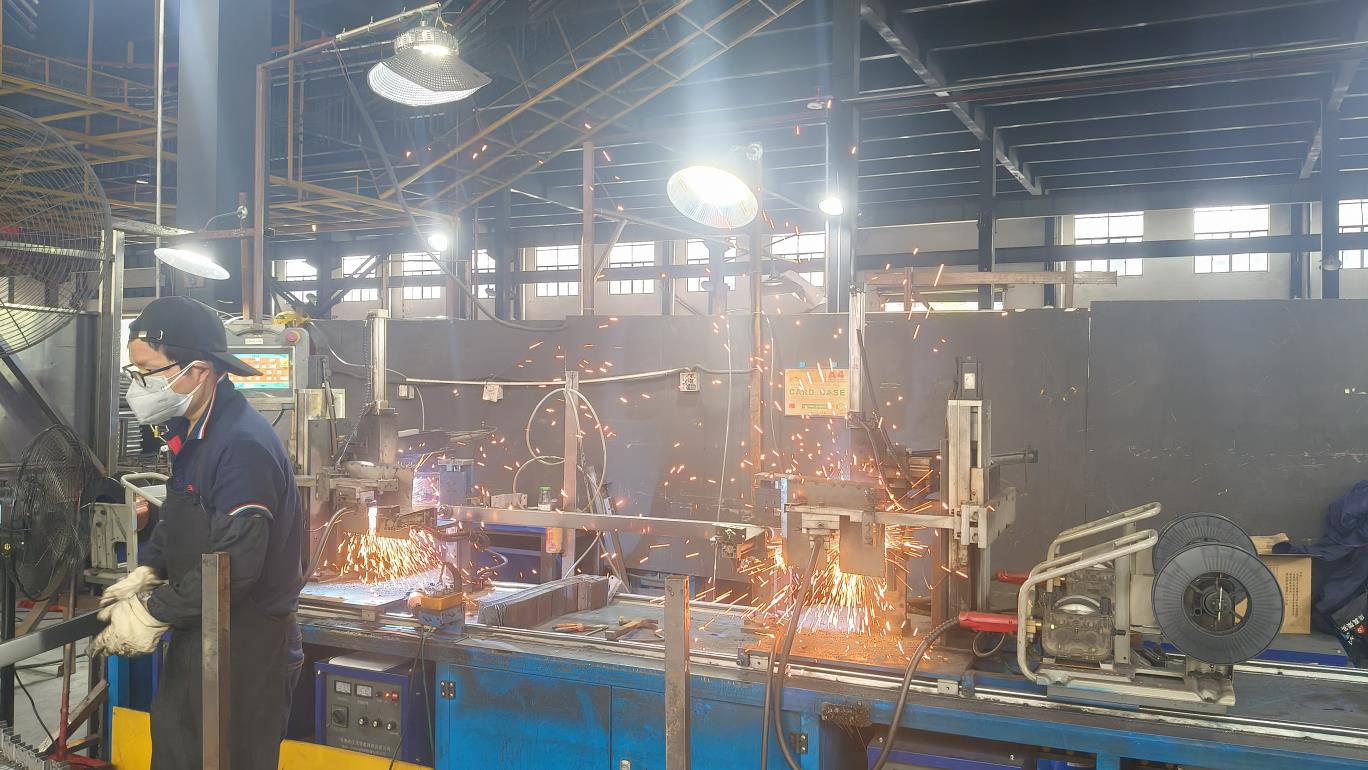
Bonding Process
Bonding
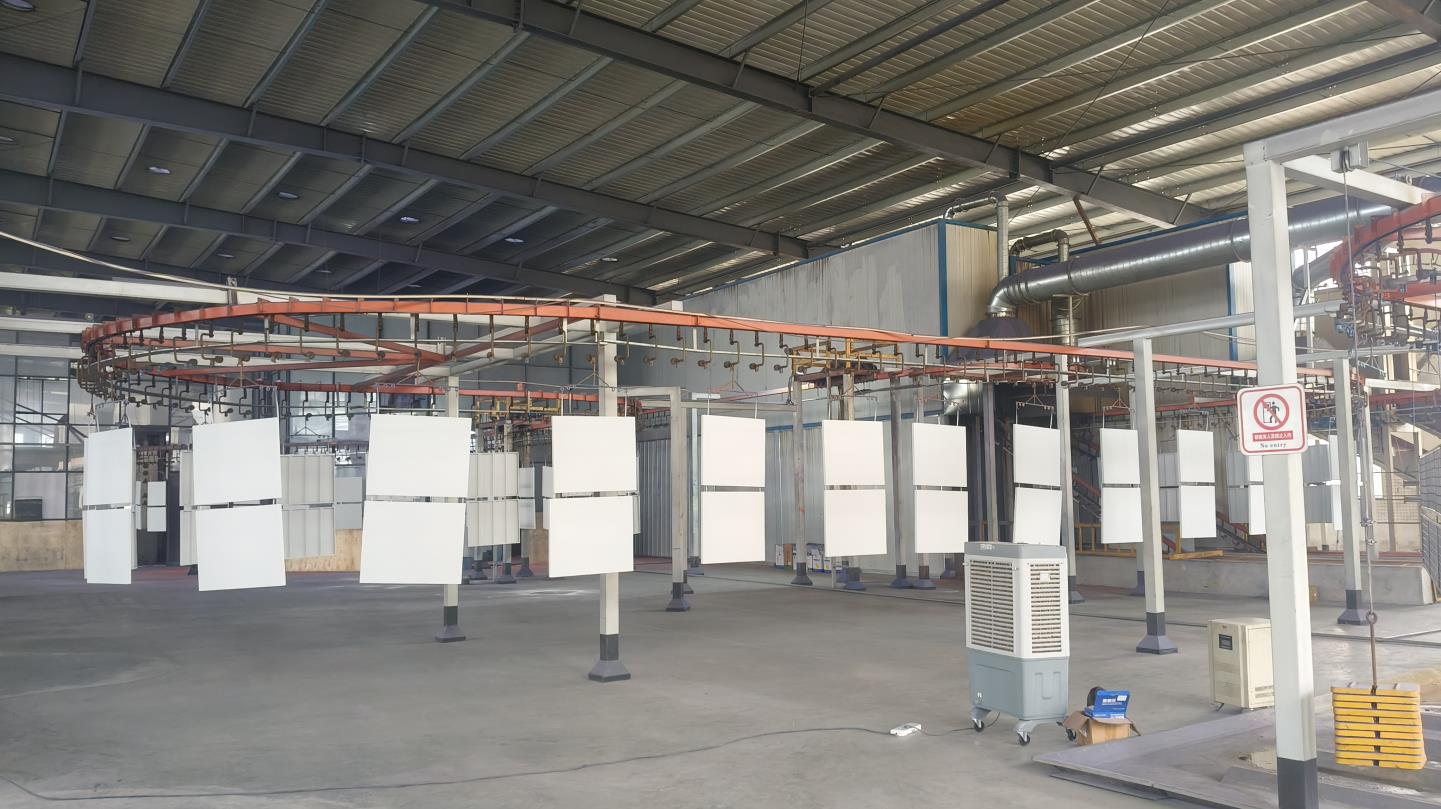
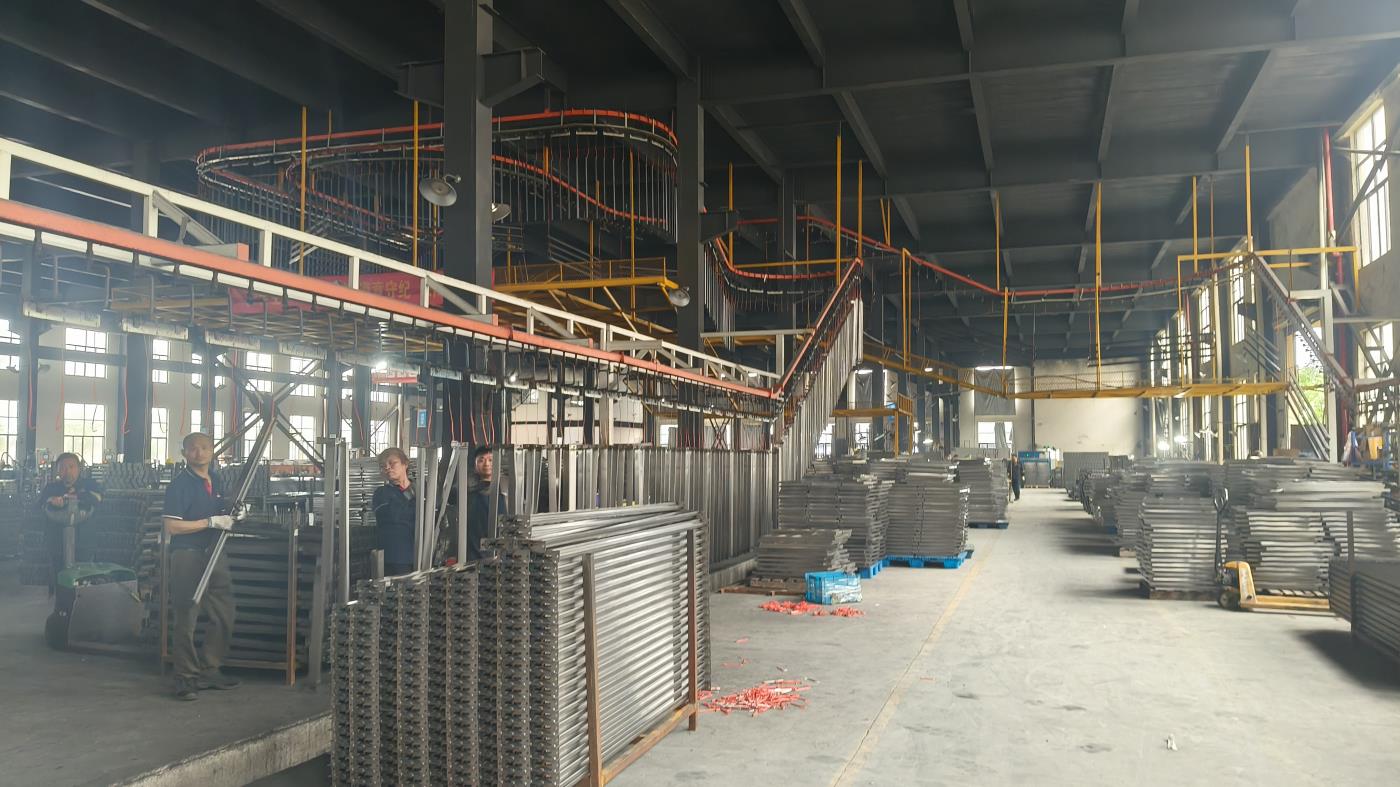
Spray Painting Process
Spray painting
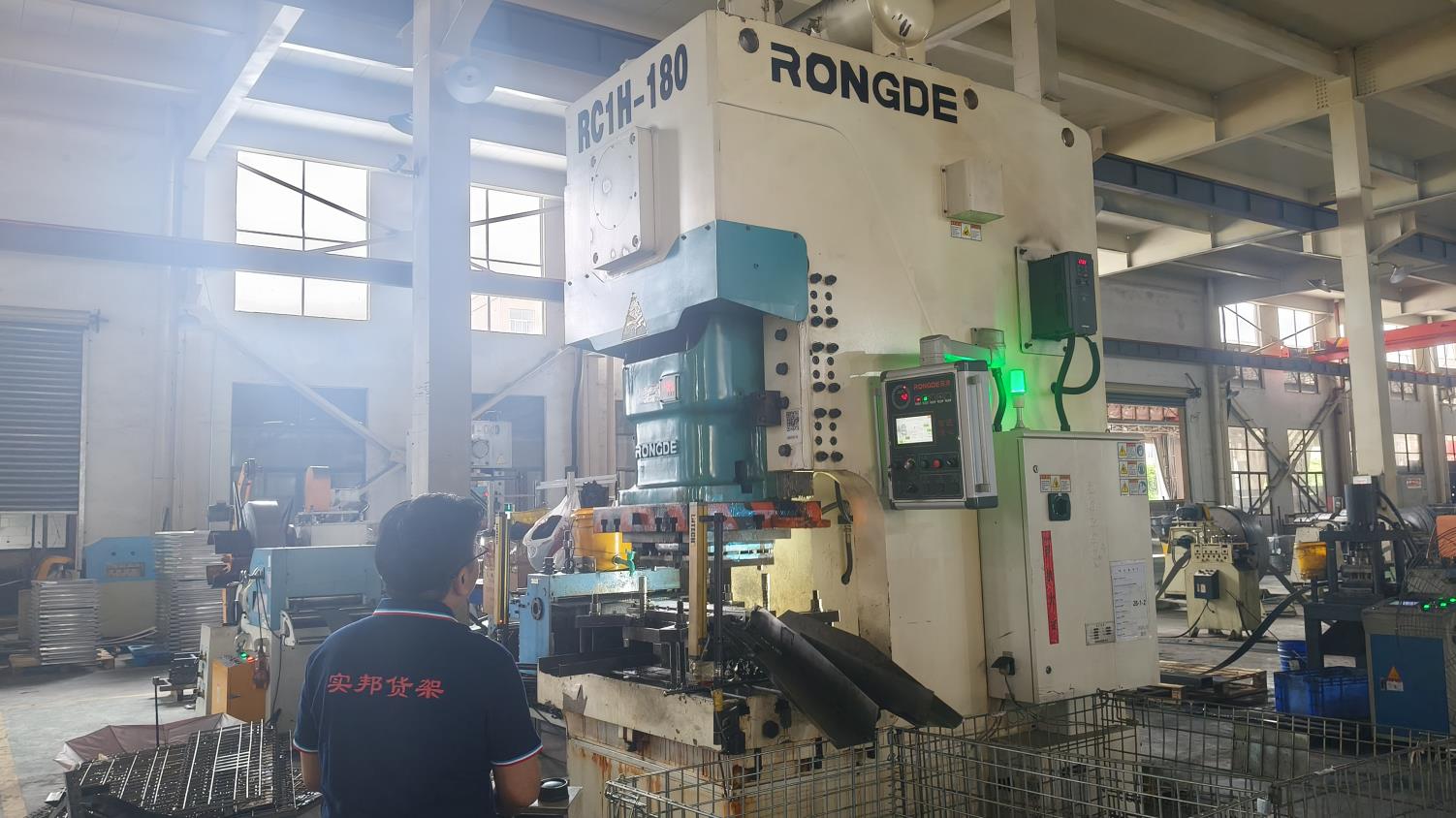
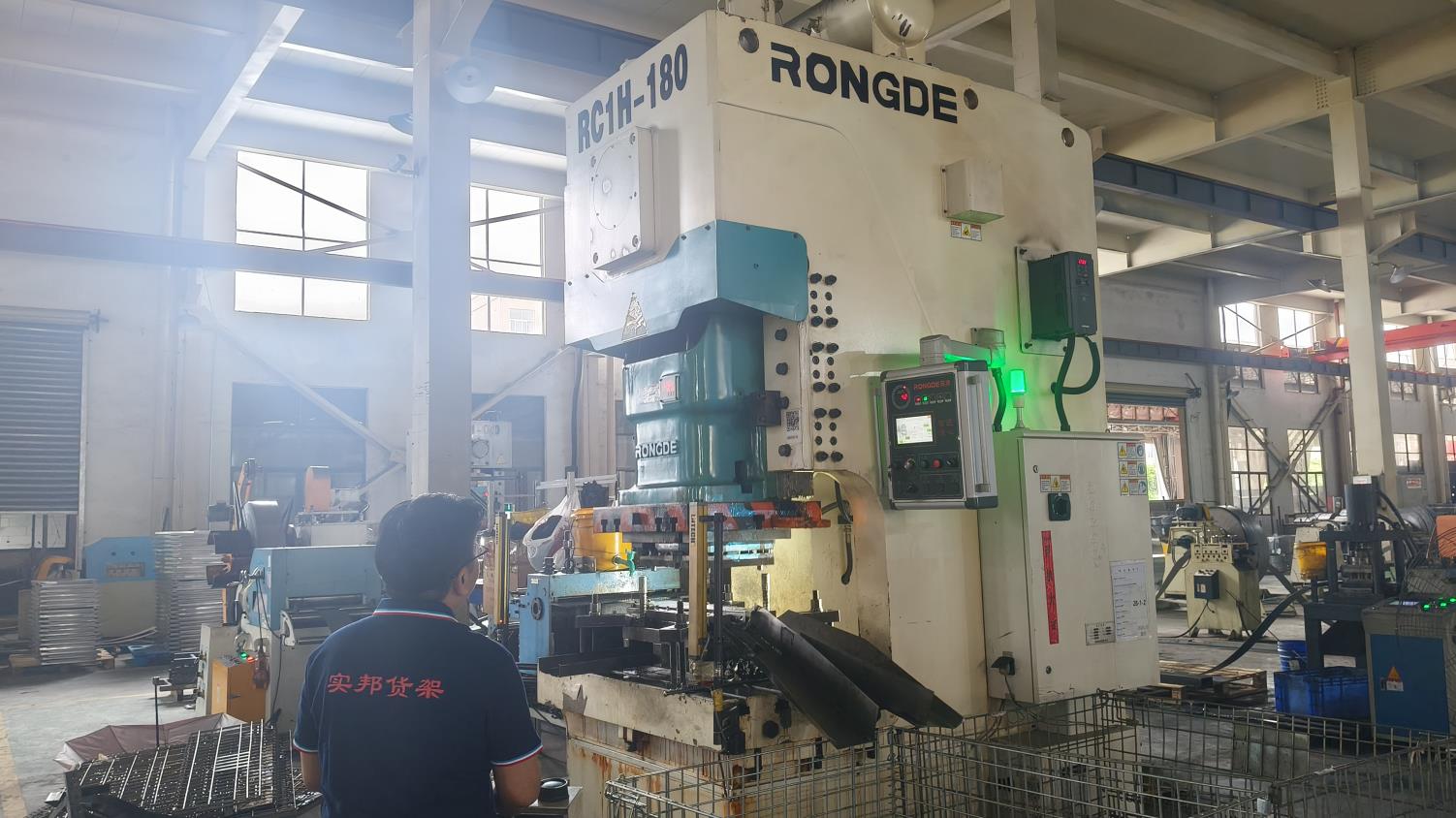
Punching Process
Punching
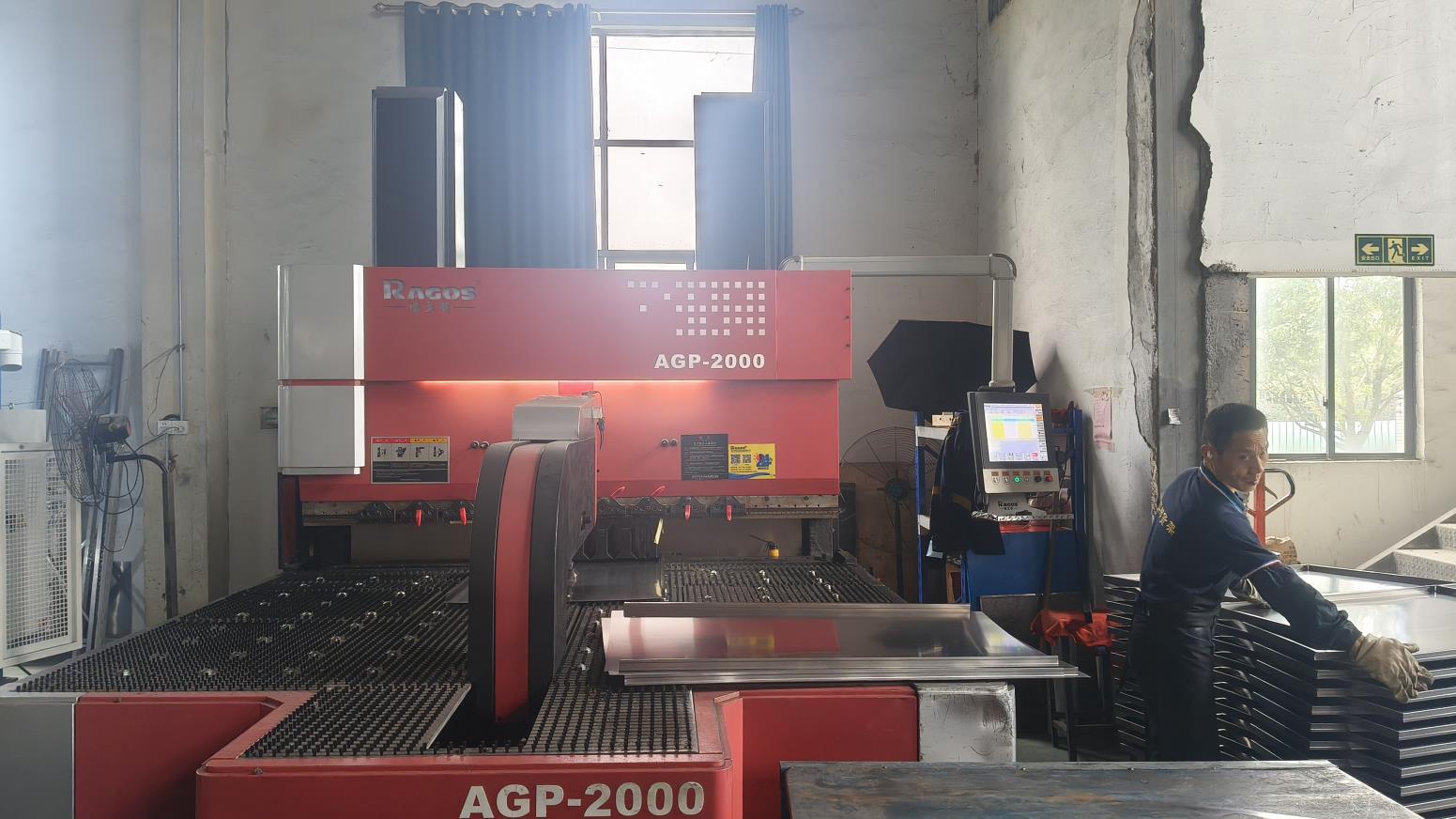
Bending Process
Bending
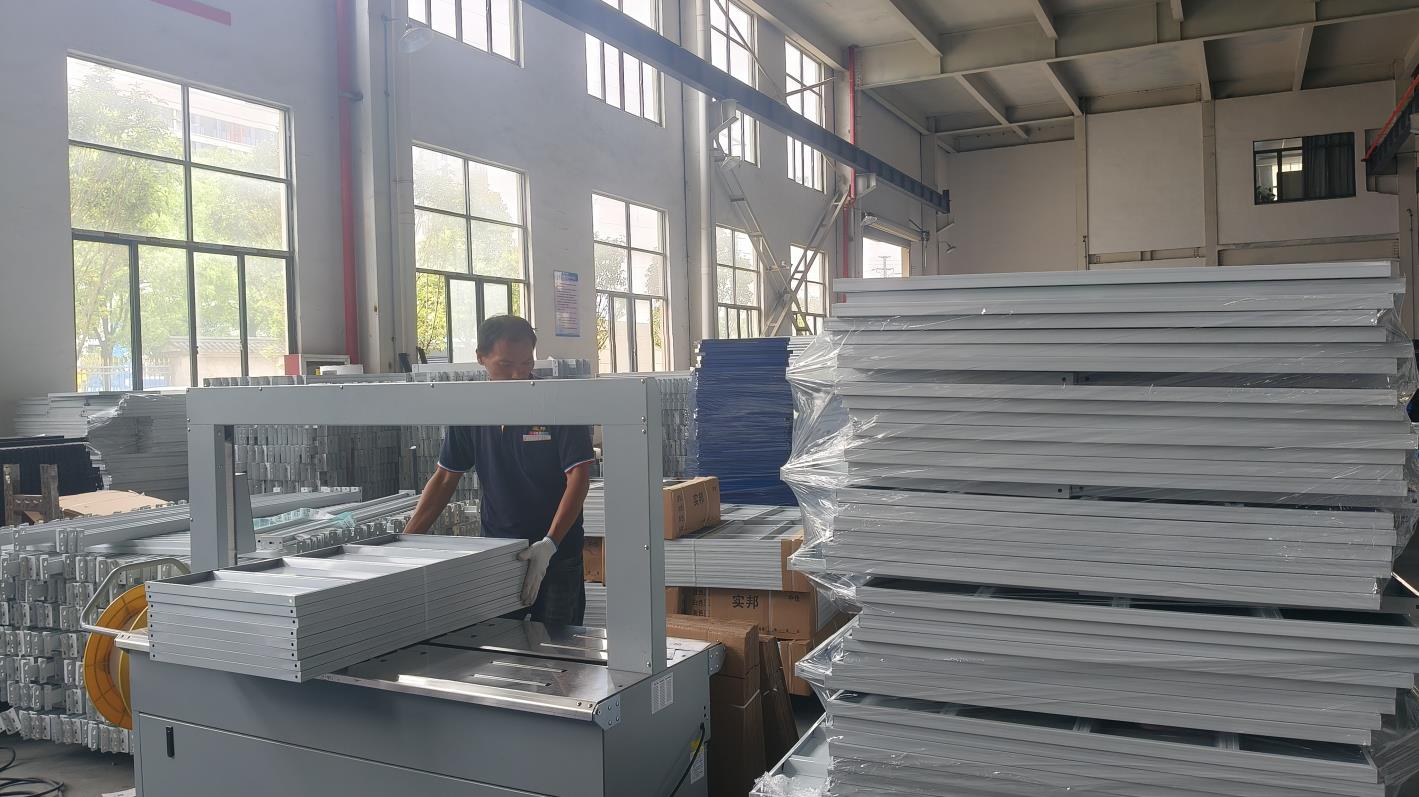
Packaging Process
Packaging
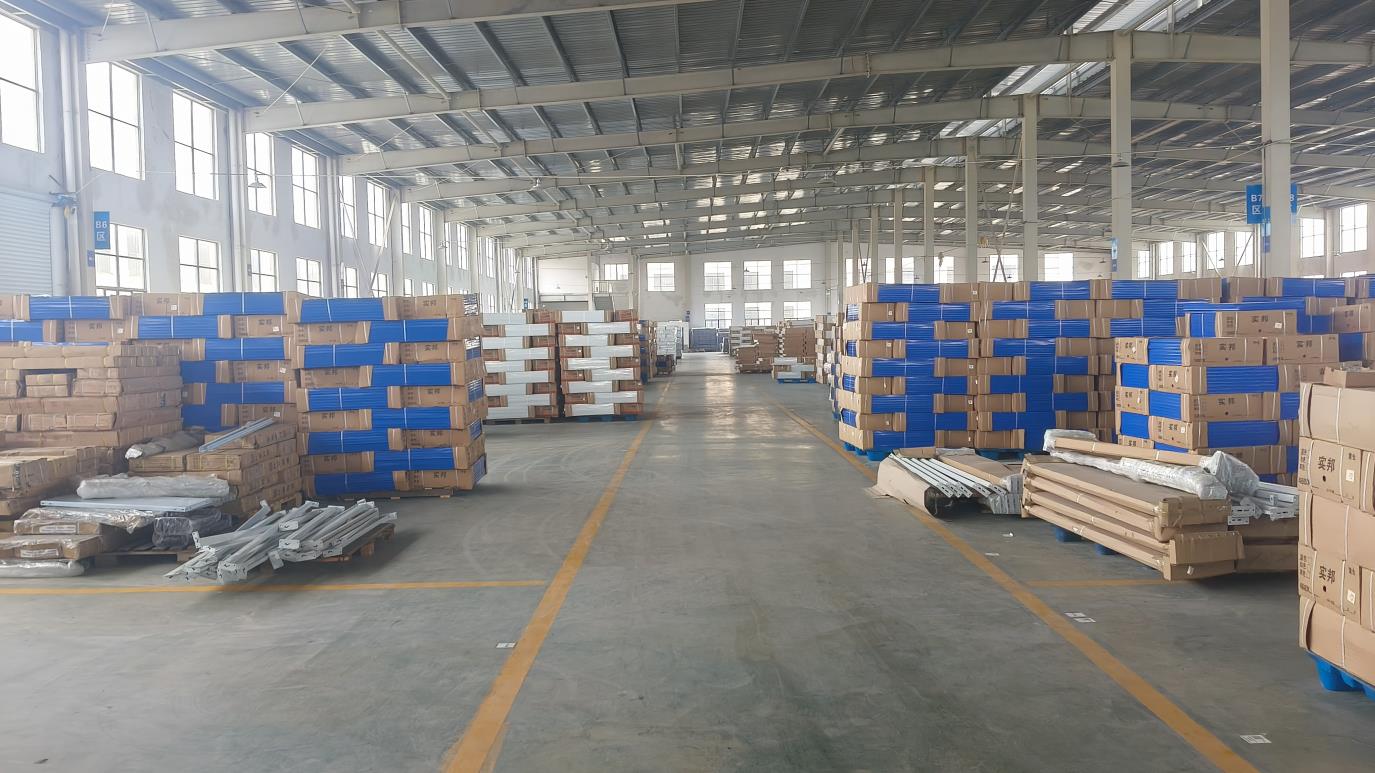
Finished Product Warehouse
Warehouse
Forming Machine
Forming machine
Bonding Machine
Bonding machine
Spray Painting Line
Spray painting line
Fully Automatic Forming Machine
Fully automatic forming machine
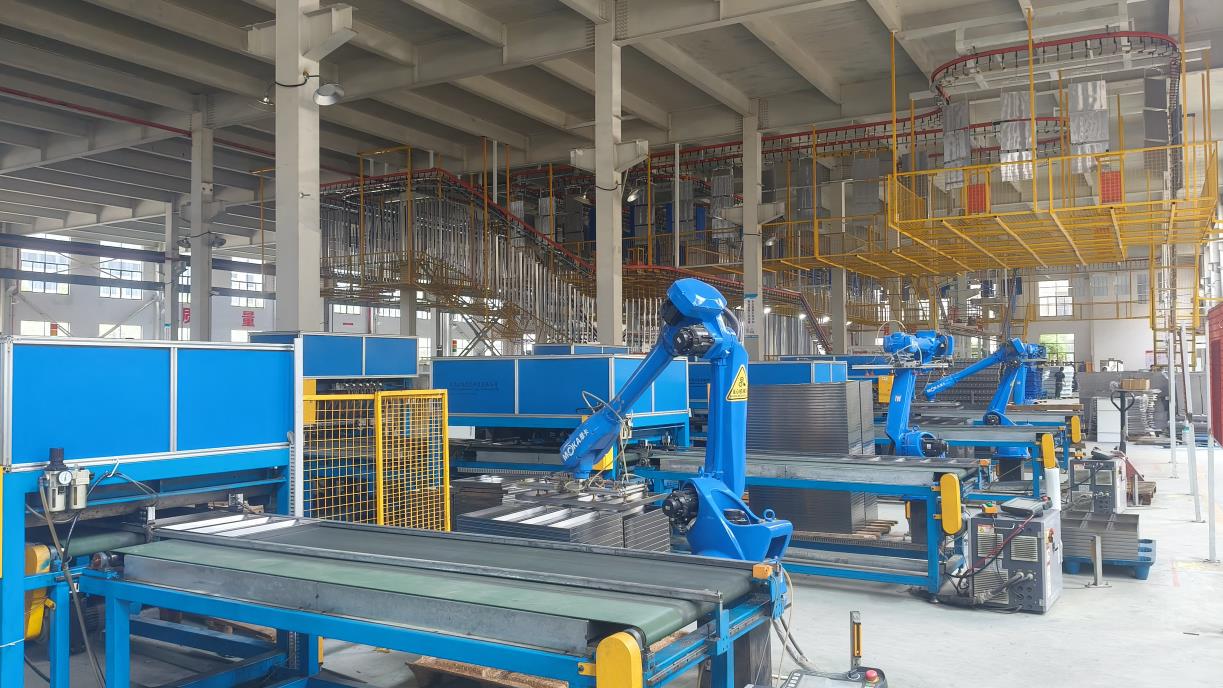
Mechanical Robotic Arm
Mechanical arm
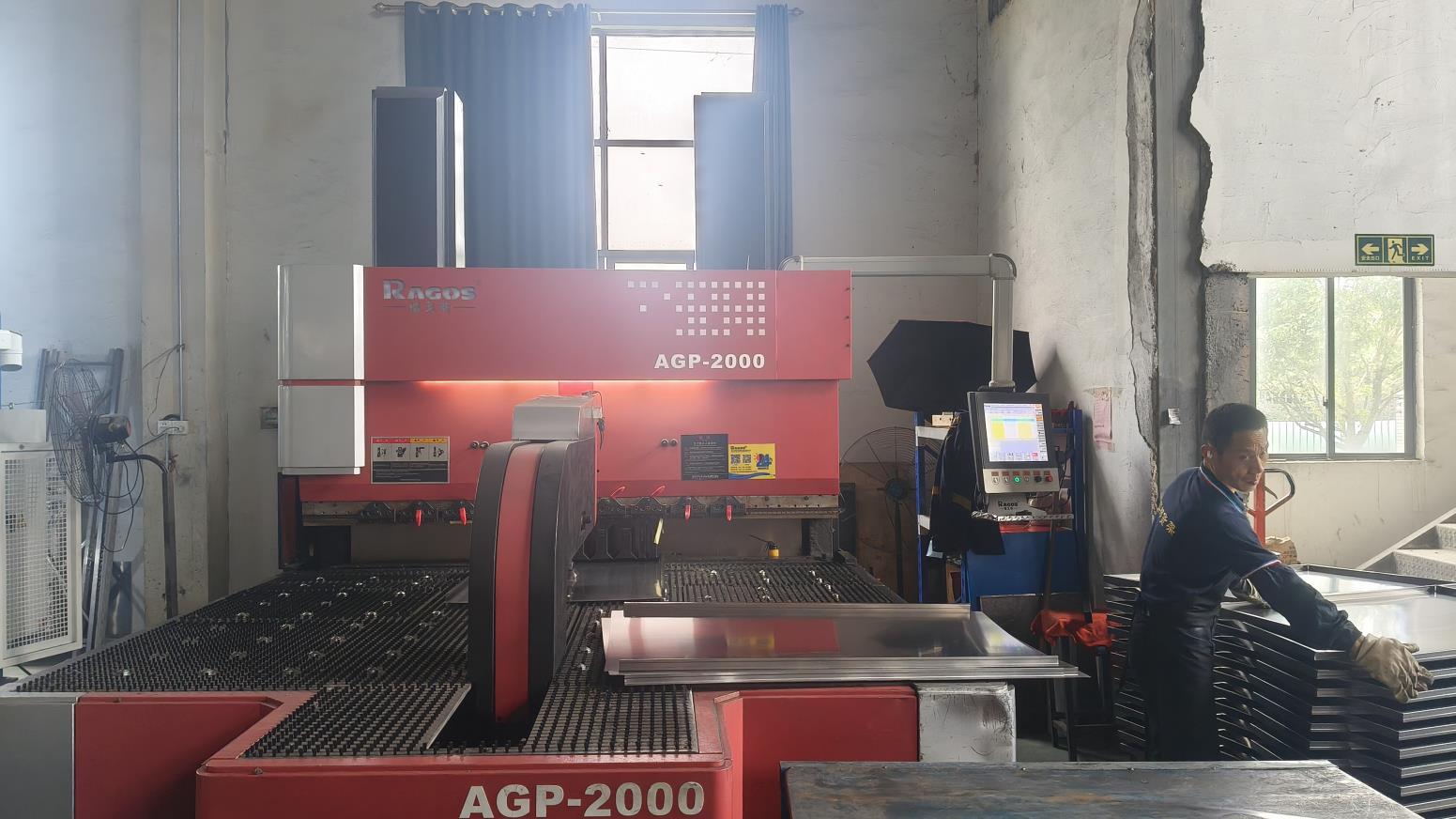
Punching Machine
Punching machine
Fully Automatic Bending Machine
Fully automatic bending machine
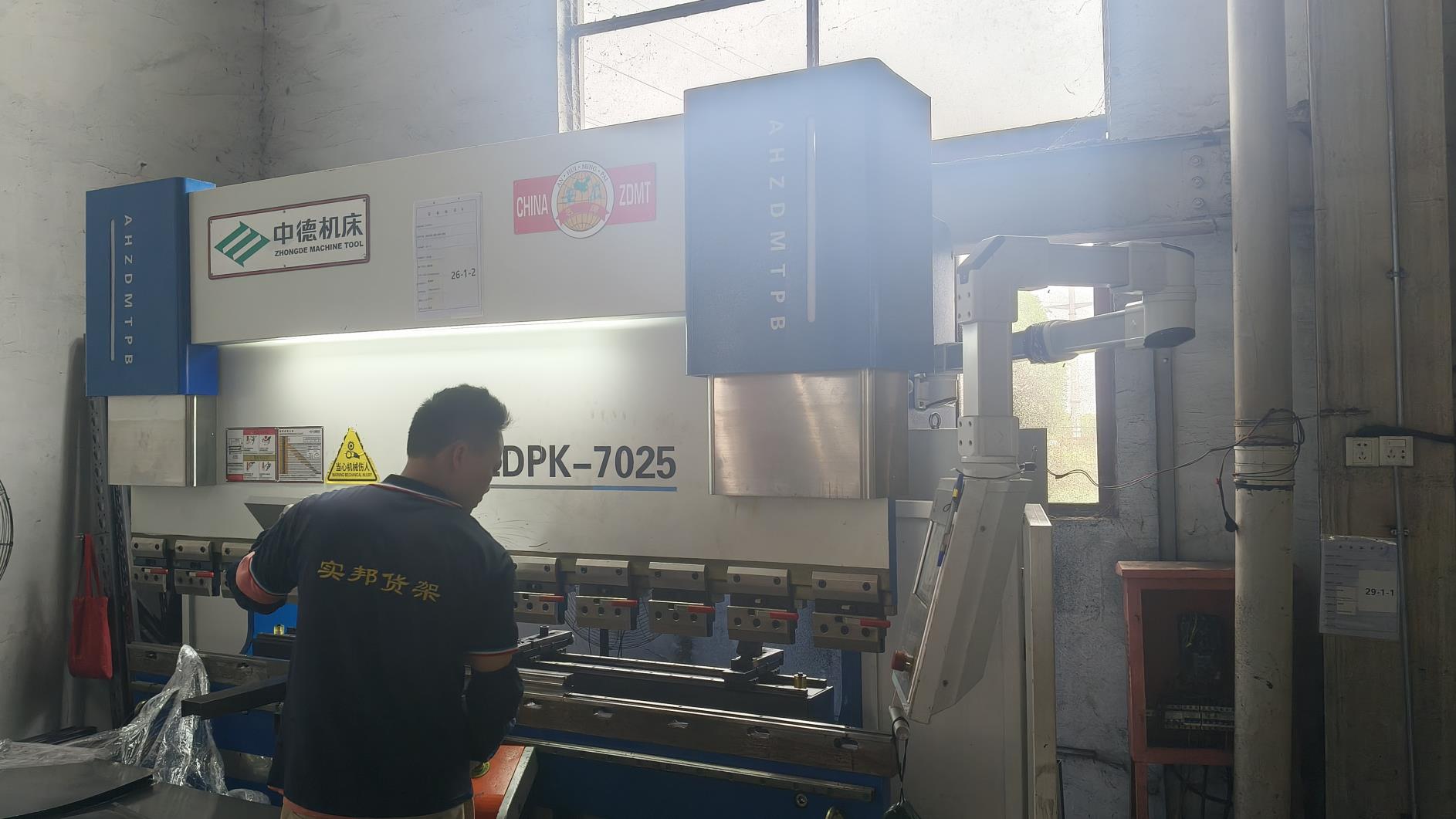
Automatic Semi-Automatic Bending Machine
Automatic semi-automatic bending machine
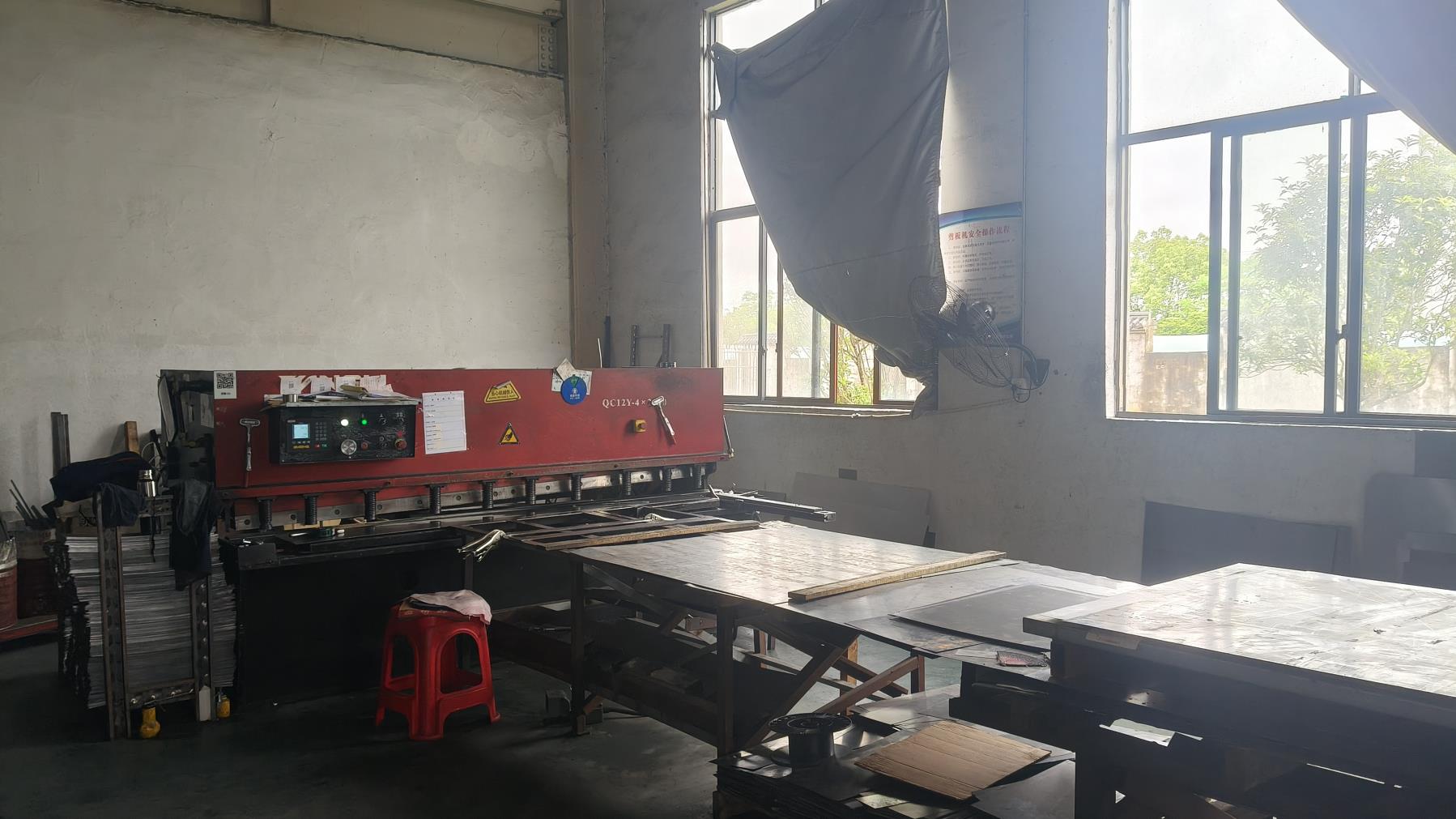
Plate Shearing Machine
Plate shearing machine

The Shibang Quality Inspection System

Our quality management system includes ISO 9001 quality control procedures, incoming material inspection, production process monitoring, and finished product testing. Every rack system is carefully inspected through raw material testing, welding inspection, surface coating inspection, load-bearing testing, and dimensional accuracy checks before shipment.

A specialized team of 65 QC specialists tests the structural properties of steel components, verifying chemical compositions, tensile strength, yield points, and powder coat thickness to guarantee longevity under mechanical stress.

Global Supply Compliance & Regional Integration

Exporting to over 50 countries requires rigorous compliance frameworks, international engineering calculations, and adaptive logistics operations.

With extensive international trade experience, Shibang has developed long-term cooperation with customers from North America, Europe, Southeast Asia, the Middle East, Africa, and South America. Our main markets include the United States, Germany, the United Kingdom, Australia, Saudi Arabia, Thailand, and Mexico.

To support global supply chains, our structural engineers evaluate designs against standard industry frameworks:

  • European Market: Conformity with FEM 10.2.02 codes for pallet racking and CE structural certification for steel safety.
  • North American Market: RMI (Rack Manufacturers Institute) standard designs for structural integrity and seismic resistance.
  • Australian Market: Conformance to AS4084 standards regulating structural steel storage safety.

Our dedicated shipping logistics department handles container optimization, custom clearance documentation, and multi-modal freight routes to guarantee timely factory-to-door delivery.

R&D Innovations & Smart Warehousing Technology Roadmap

How Shibang designs automated storage racking solutions to match future technological trends in AI logistics and smart warehousing.

Technological Integration Priorities

Modern warehouse logistics demands dynamic structural response and tracking capabilities. Shibang's technological initiatives focus on four areas:

1. Automated ASRS Integration Developing ultra-precision dimensional tolerances (within ±0.5mm deviation limits) required by automatic cranes and high-speed robotic shuttles.
2. Advanced Material Science Transitioning to high-strength Q355B low-alloy carbon steel, allowing reduced profile thicknesses and lower deadweight while maintaining high safety margins.
3. Green Initiatives Developing eco-friendly storage systems, utilizing solvent-free powder coatings, VOC elimination, and recycled steel pallets for zero-emission operations.
4. Modular Reconfigurations Designing configurable, boltless racking systems that can be rapidly disassembled and adapted to evolving fulfillment floor plans.

Frequently Asked Questions (FAQ)

Expert engineering insights on industrial racking selection, global standards, load capabilities, and shipping logistics.

1. What materials are used to construct Shibang storage racks, and how do they resist deformation?
Shibang storage racks utilize high-grade, cold-rolled carbon steel, primarily Q235B and Q355B. These steel grades have exceptional mechanical yield points and tensile strengths. Under rolling deformation processes, raw steel coils are pressed into specific geometric profiles (such as omega-shaped upright column frames and box beams) which distribute load forces evenly and prevent bending, twisting, or buckling under heavy stress.
2. How are the stated load capacities (e.g. 500KG, 1000KG) tested and verified?
Every load capacity rating is verified through structural design calculations and empirical physical load testing. We perform Finite Element Analysis (FEA) to simulate stress points and potential failure zones under uniform distributed load (UDL) configurations. Physical testing frames apply progressive pressure until deflection limits are reached. A safety factor (typically 1.5 to 1.8) is applied to ensure structural safety in operation.
3. What is the difference between boltless racking and heavy-duty selective pallet racking?
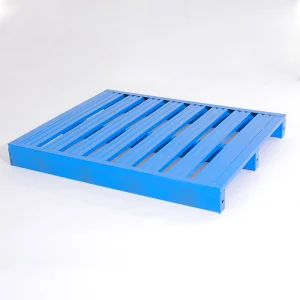
Boltless racking is designed for manual loading of light-to-medium inventory (100KG - 300KG per tier). Uprights and beams connect via a press-fit rivet or butterfly clip mechanism, requiring no specialty tools. Heavy-duty selective pallet racking is built for forklift operations and higher weight capacities (1000KG - 4000KG per level). These systems require heavy structural steel upright frames bolted to the concrete warehouse floor, safety locking pins, and seismic footplates.
4. How does Shibang protect its steel storage racks against rust and corrosion?
To prevent rust, components undergo a multi-stage pretreatment line: chemical cleaning, hot-water rinsing, acid pickling to remove surface scale, and phosphating. Then, a dry, thermosetting polyester-epoxy powder is applied electrostatically and cured in a heating tunnel at 180°C - 200°C. This forms a cross-linked layer that resists scratching, moisture, and chemical corrosion.
5. Can Shibang design custom racking configurations for irregular warehouse shapes?
Yes. Our R&D department features 28 experienced engineers specialized in architectural space utilization. We utilize CAD and SolidWorks to model customized dimensions, heights, and configurations to work around pillars, docks, overhead sprinklers, and other constraints. We provide comprehensive layout planning services to optimize picking pathways and storage density.
6. What international safety and compliance certificates do Shibang products hold?
Our manufacturing facility operates under the ISO 9001 quality management system. Our heavy-duty racking lines are CE-certified, indicating conformity with European Union safety, health, and environmental standards. We design systems to comply with international codes, including FEM 10.2.02 (Europe), AS 4084 (Australia), and RMI specifications (USA).
7. How does Shibang package and load products to minimize sea freight costs?
Racking components are flat-packed to maximize shipping volume. Knock-down frame components are bundled securely, and upright columns and cross-beams are nested to reduce empty air space. Cardboard protectors, heavy-duty strapping, and stretch wrap shield components from shipping damage. We design packaging to match standard 20GP and 40HQ container interior dimensions, maximizing loading efficiency.
8. What is the typical lead time for custom manufacturing and shipping?
For standard racking components, production ranges between 15 to 20 days. Custom configurations requiring dynamic design adjustments, custom colors, or specific steel grades typically require 25 to 35 days. Shipments leave from nearby major southern China ports (Shenzhen or Guangzhou), providing direct ocean freight routes to key global distribution hubs.