Shibang Storage Rack
The Austrian Storage Cage Market: Logistics & Technical Demands
Strategic insights into Austria’s central location within the Trans-European Transport Network (TEN-T).
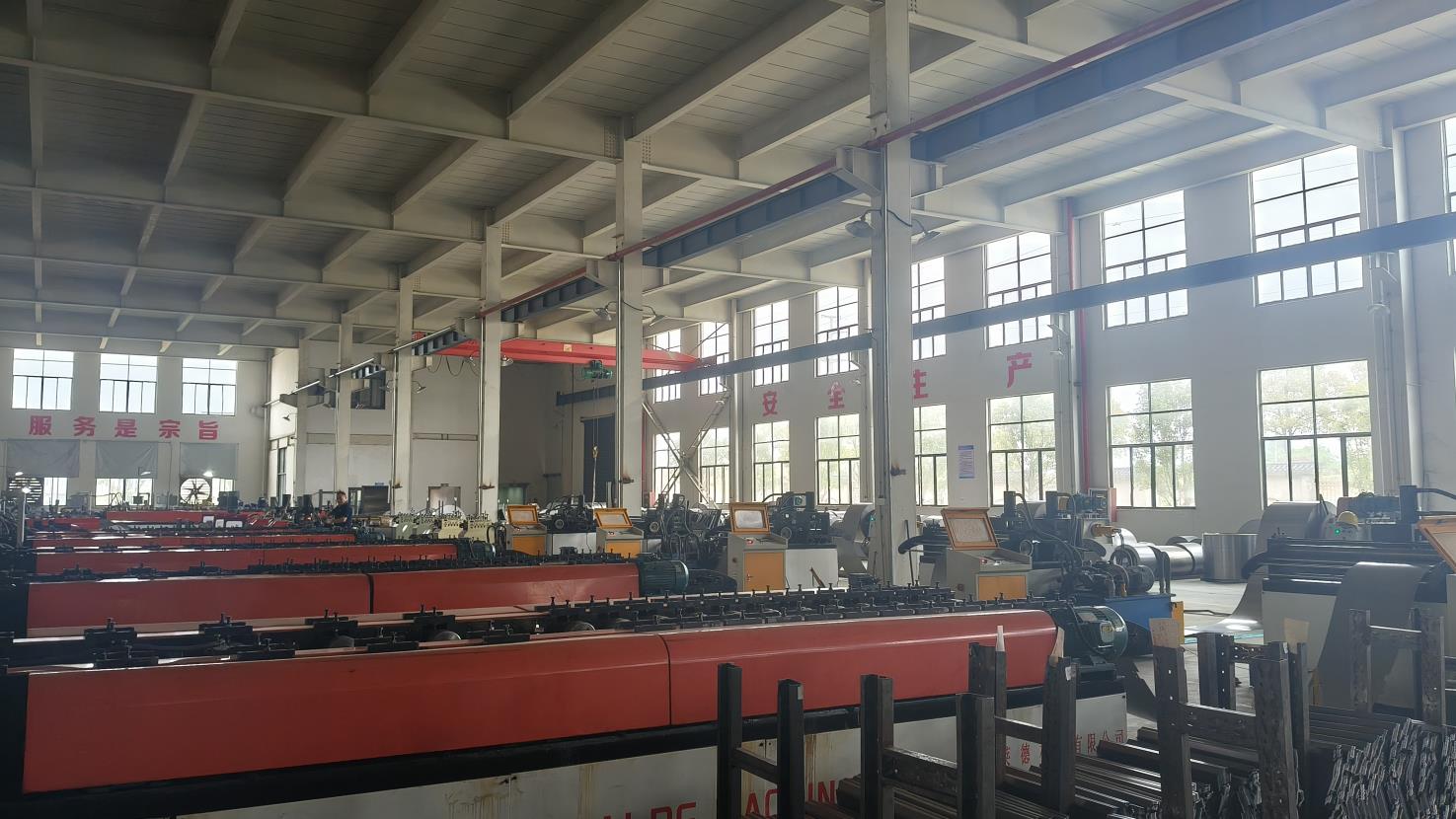
Austria occupies a critical, high-volume geopolitical and logistics corridor in Central Europe. Strategically positioned between the manufacturing powerhouses of Germany, Italy, and the expanding industrial zones of Eastern Europe, Austria's logistics infrastructure acts as a primary conduit for consumer goods, heavy machinery, automotive components, and chemical shipments. High-density storage solutions, particularly robust wire mesh containers (often referred locally to as "Gitterboxen"), are fundamental components in optimizing these supply chains. Key Austrian hubs like Vienna, Linz, Graz, and Wels rely on efficient unit-load handling. High-precision manufacturing and automotive sub-assembly plants, such as those situated in Styria and Upper Austria, demand material handling equipment that strictly conforms to both localized regulations and general European Union quality baselines.
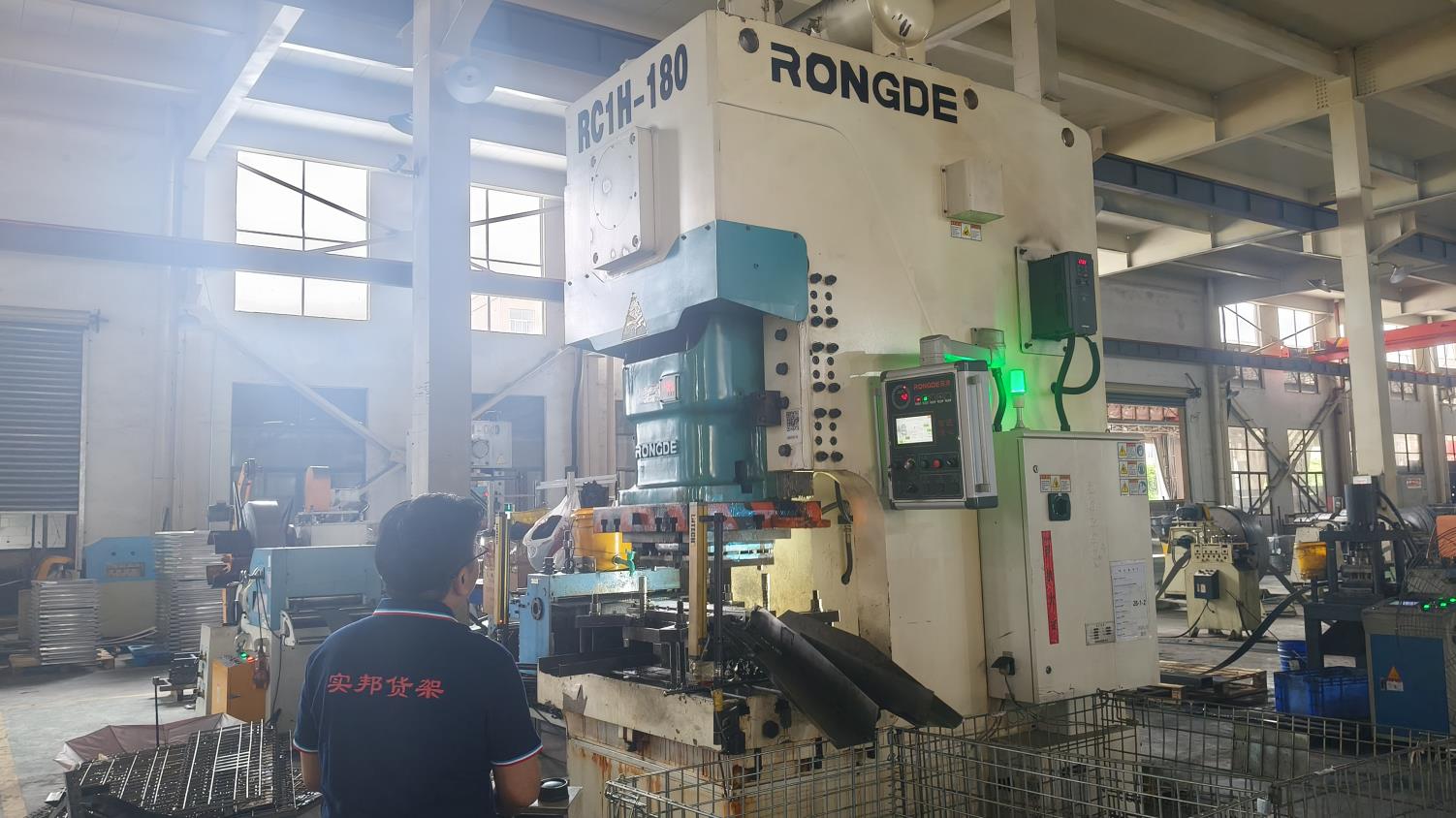
Due to the mountainous geography and cold alpine climates characteristic of regions like Tyrol and Vorarlberg, warehouse storage facilities are often engineered for tight footprint consolidation and high-altitude temperature resistance. Materials utilized in these structural systems must show resistance to thermal embrittlement, galvanic corrosion, and mechanical stress under varying loads. Industrial storage cages must serve a dual purpose: they must protect highly sensitive component arrays inside the facility, and they must withstand rough, open-air yard storage and cross-border transport loops. Consequently, Austrian procurement managers evaluate prospective suppliers based on structural material composition, certified load testing ratings, and long-term durability metrics.
Industrial Focus: Graz Automotive Cluster & Linz Heavy Manufacturing
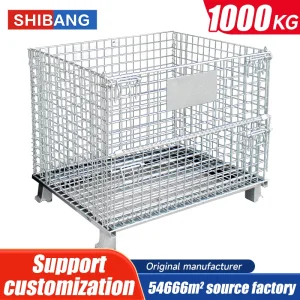
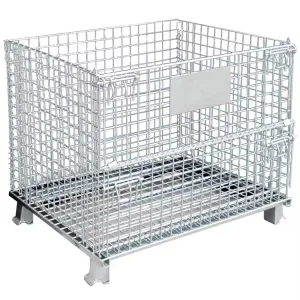
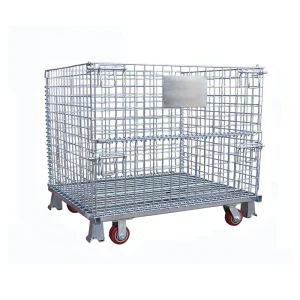
In Graz, the thriving automotive assembly cluster relies heavily on just-in-time (JIT) and just-in-sequence (JIS) supply chain systems. Metal wire mesh storage cages provide the exact structural resilience required to transfer heavy forged components, engine parts, and body elements from Tier-1 suppliers directly to assembly lines. These cages must support vertical stacking dynamics up to 1+5 units, saving critical square meters in manufacturing zones.
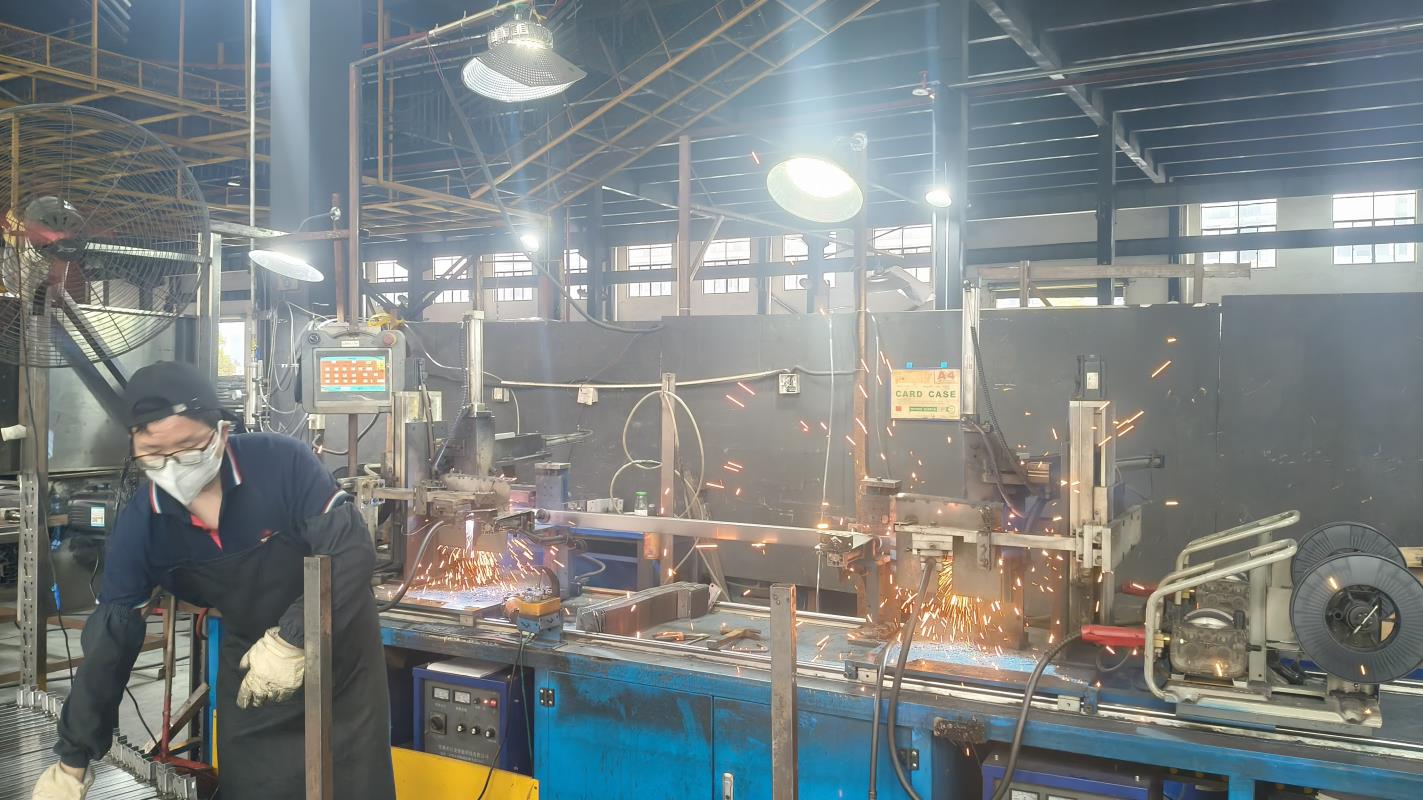
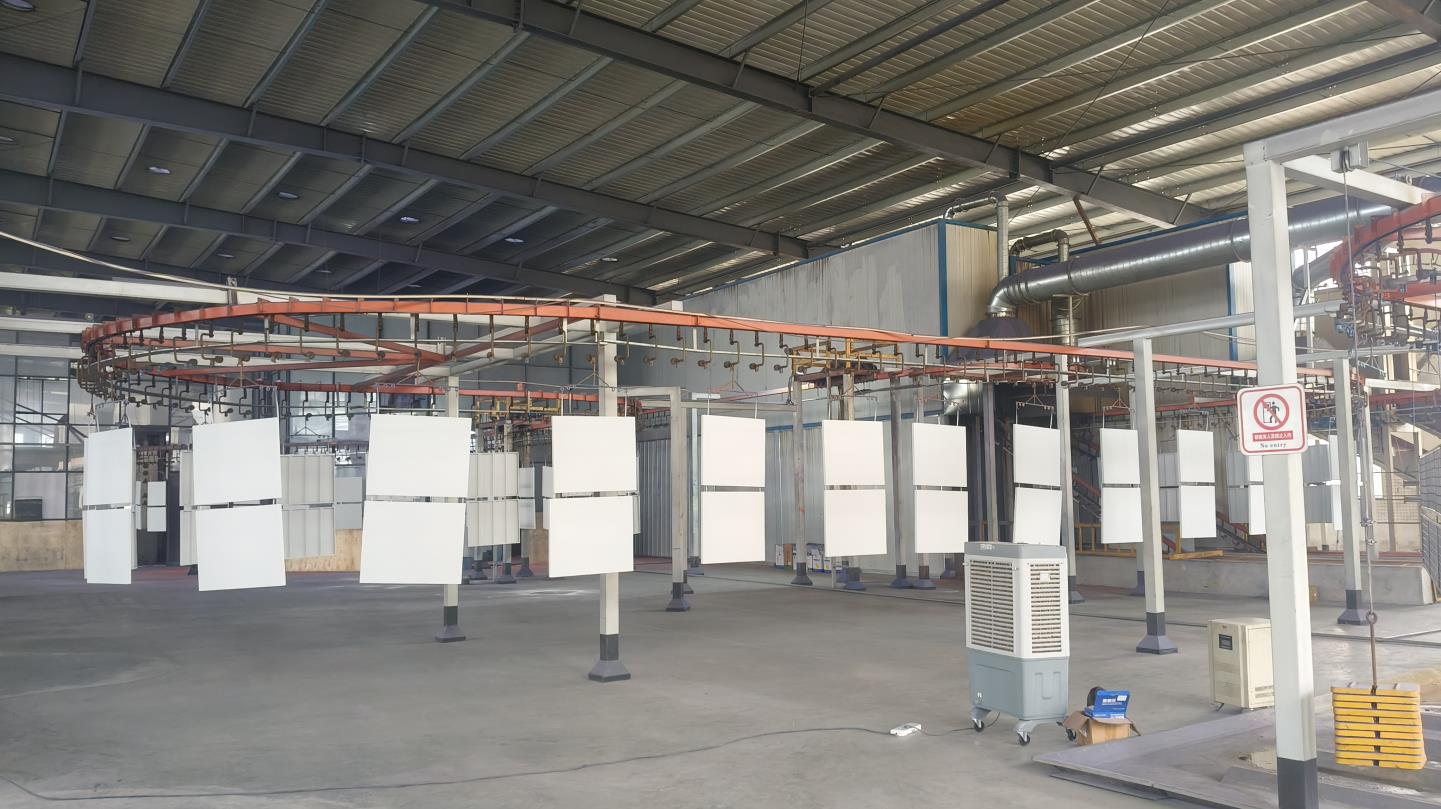
Meanwhile, in Linz's heavy machinery and steelworks sectors, storage solutions are subjected to abrasive chemical environments and mechanical impacts. Traditional plastic boxes quickly fail under these conditions. Structural storage cages built from Q235 and Q355 high-grade carbon steel, reinforced with hot-dip galvanized coating (meeting EN ISO 1461 standards), present the only viable, long-term asset lifecycle option for regional facility managers.