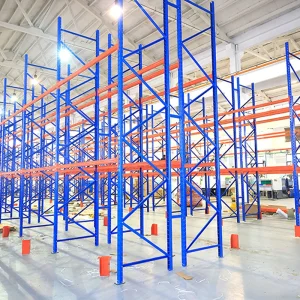
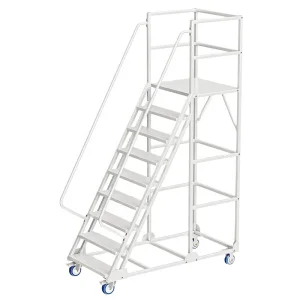
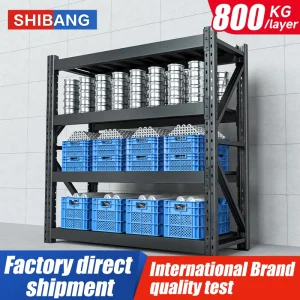
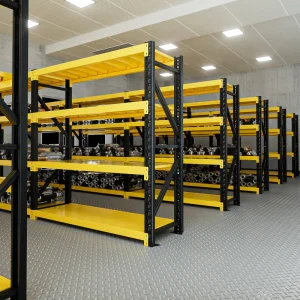
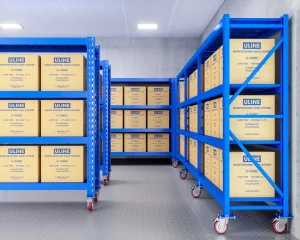
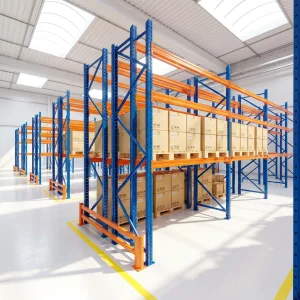
Engineered to optimize high-bay warehouse operations and industrial storage density in dynamic Kansai logistics nodes.
Looking for custom sizes, seismic certification, or volume pricing for the Kansai region?
Send Inquiry NowAs the economic engine of Western Japan, the Kansai region—with Osaka at its core—demands highly efficient, safe, and space-optimizing storage infrastructures. The region's dense urban centers and robust manufacturing hubs, including the Sakai-Senboku coastal industrial zone and the Yodogawa industrial area, face critical challenges in space utilization and seismic stability. Sourcing premium shelf systems and structural warehouse equipment directly from reliable global exporters has become a key competitive advantage for Japanese operators.
Osaka sits in a high-seismic activity region. Racking systems deployed here must go beyond standard gravity load calculations. Implementing structural modifications aligned with the Japanese Building Standards Act, including finite element analysis (FEA) under dynamic horizontal forces, is mandatory. Using high-grade Q235B or Q355 structural steel with custom-thickened base plates and heavy-duty expansion anchor bolts ensures operations withstand seismic shocks.
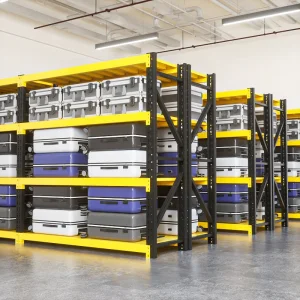
Real estate value in the Keihanshin metropolitan region dictates space optimization. Global buyers look for high-density storage systems such as Very Narrow Aisle (VNA) racking, double-deep configurations, and automated storage systems. Maximizing vertical clearance safely while utilizing boltless, adjustable, cold-rolled steel components allows businesses to expand cubic storage capacity without expanding floor area.
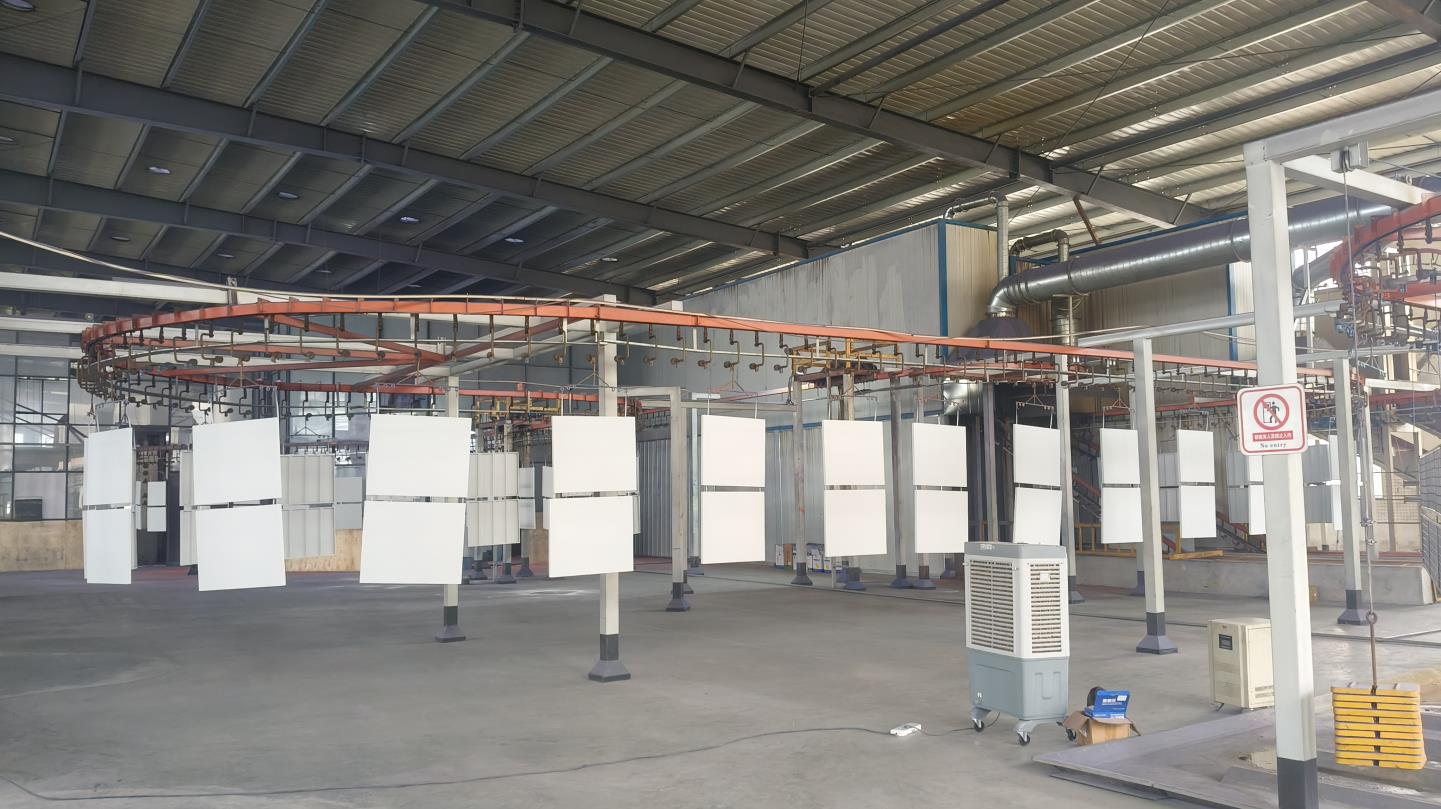
Being close to major maritime gateways, warehouse operations in Osaka require robust corrosion-resistant materials. The humid sea air requires professional-grade powder coating techniques (60-80μm thickness) or hot-dip galvanized finishes. These surface treatments prevent degradation and rust over decades of continuous operation in maritime environments.
For custom installations in the Kansai area, structural designs undergo dynamic loading simulations mimicking the Great Hanshin earthquake parameters. This engineering step prevents systemic rack failure and ensures human safety during logistics operations. Standard designs are customized with heavy-duty bracing and specific steel frame profiles tailored to site conditions.
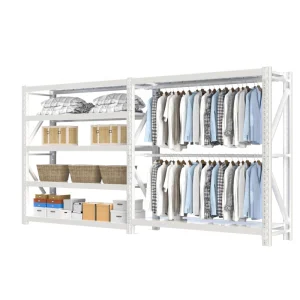
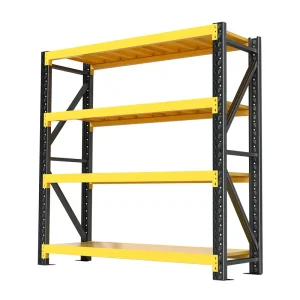
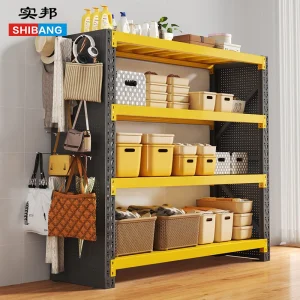
Highly flexible, aesthetic, and durable shelving structures designed for modern commercial operations, workshops, and high-traffic retail spaces.
15 Years of Industrial Excellence, Certified Manufacturing, and Global Distribution Infrastructure
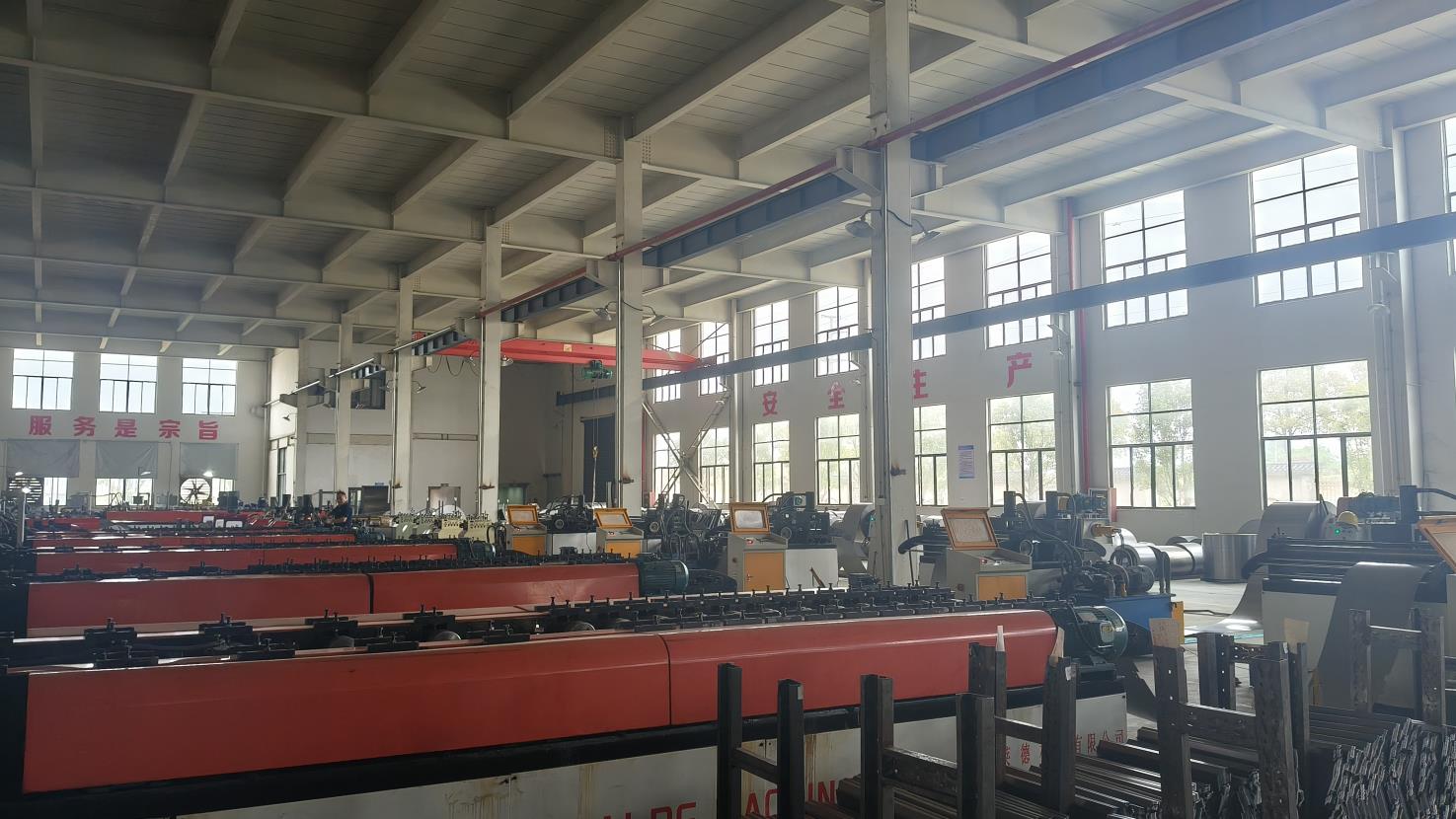
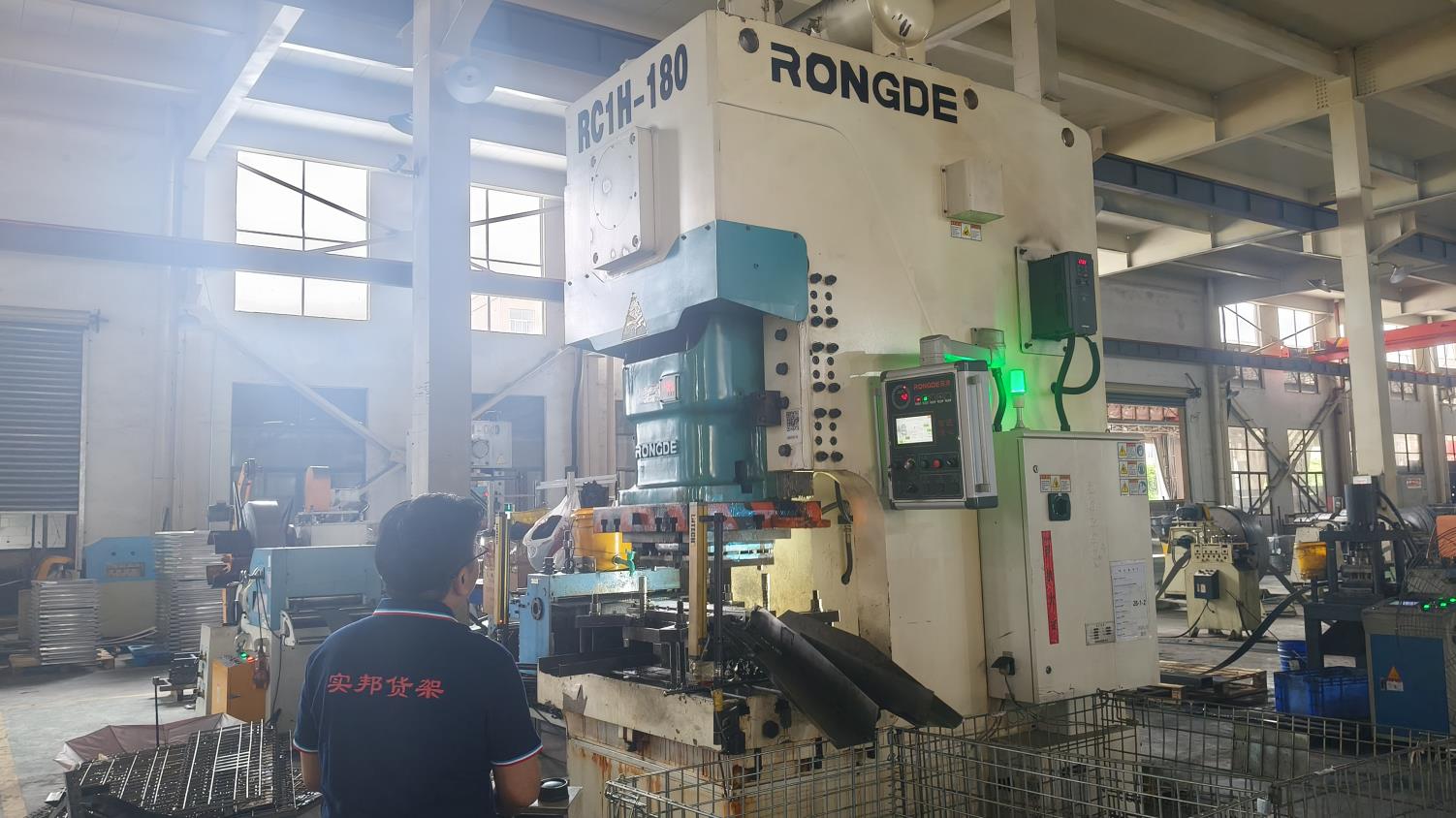
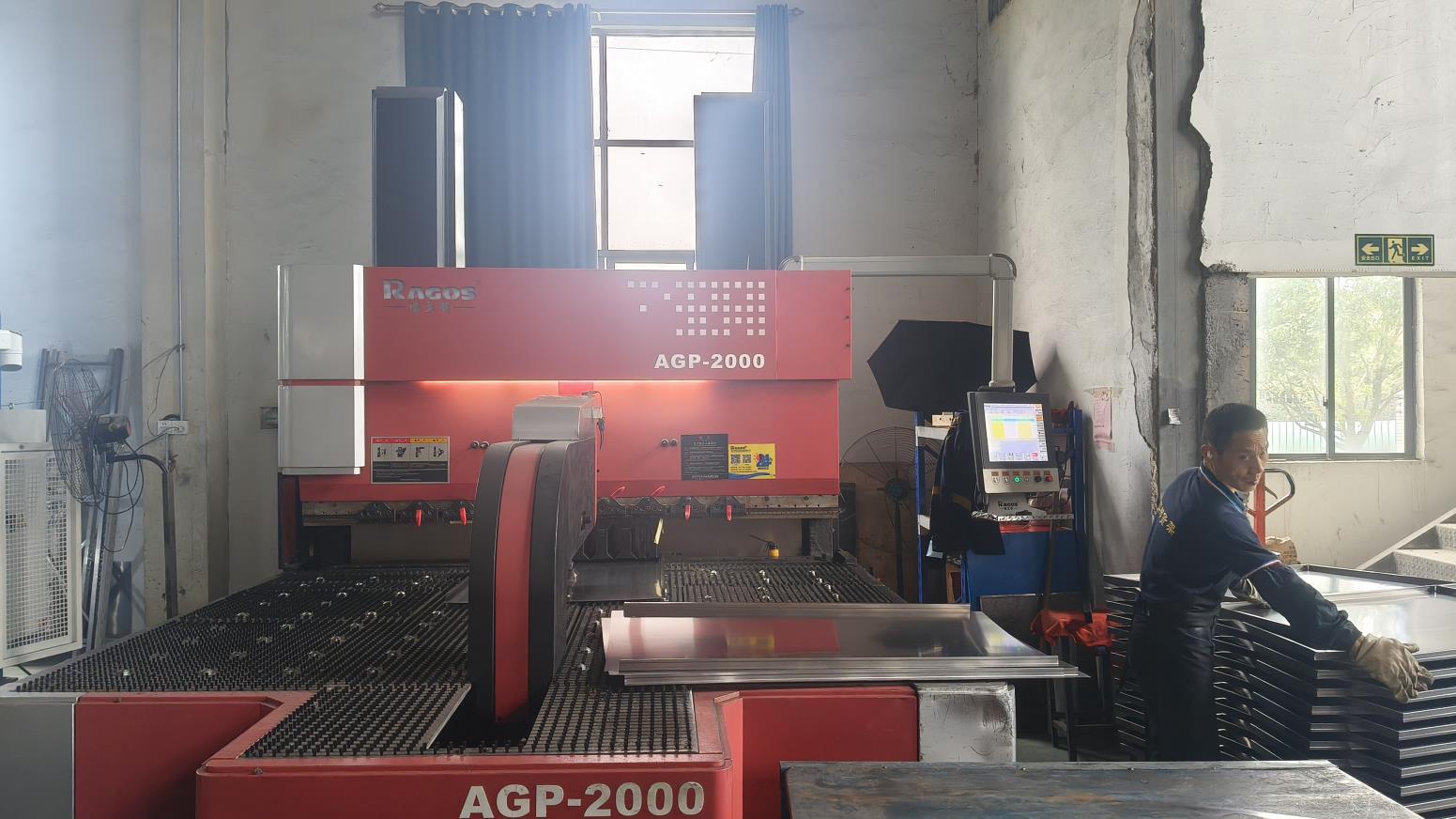
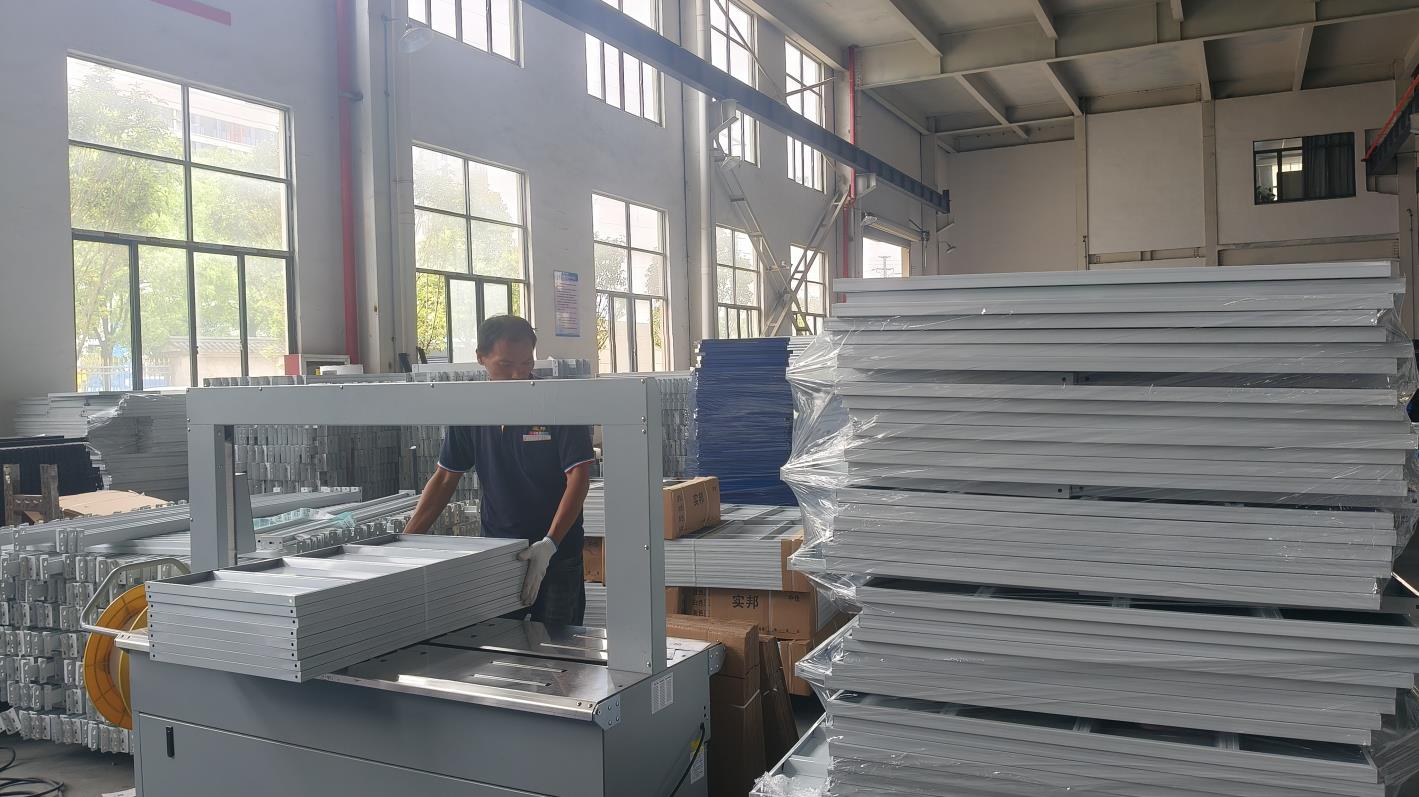
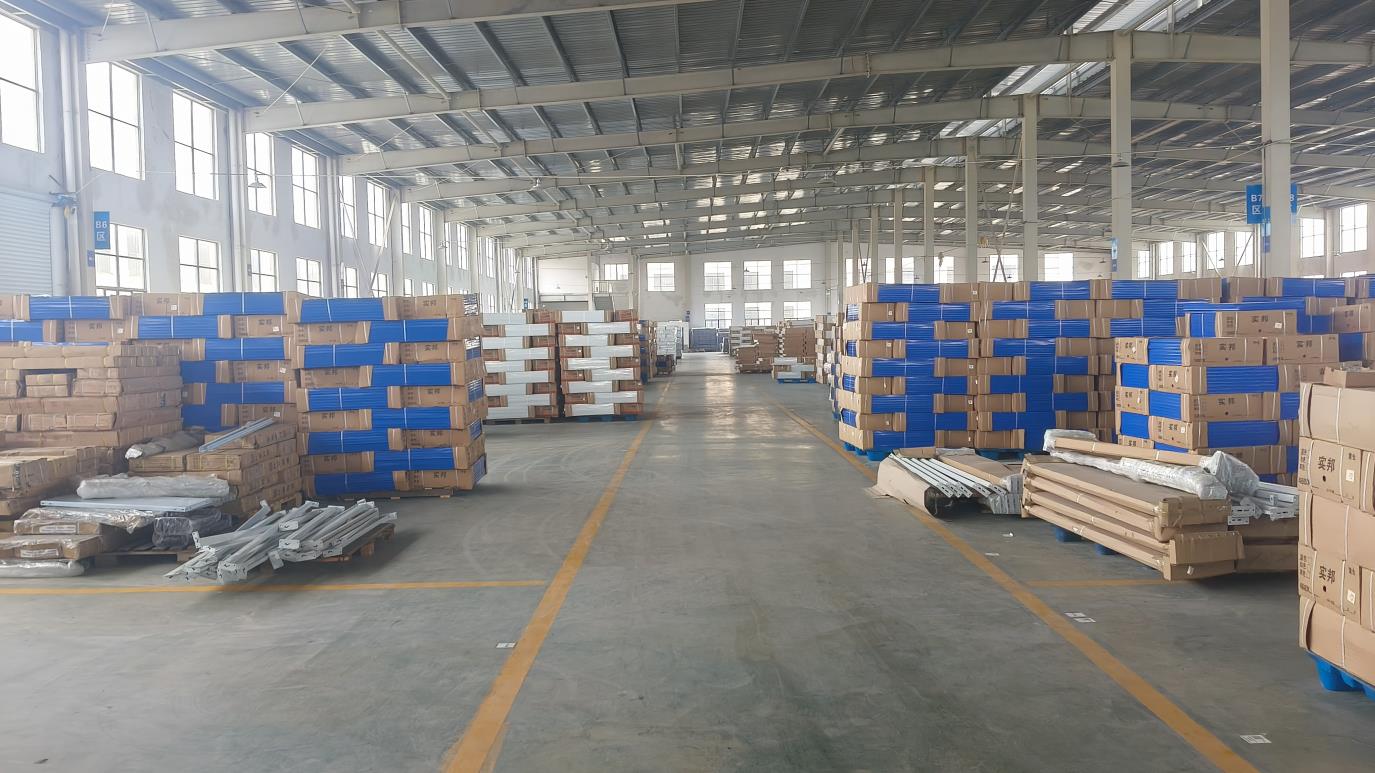
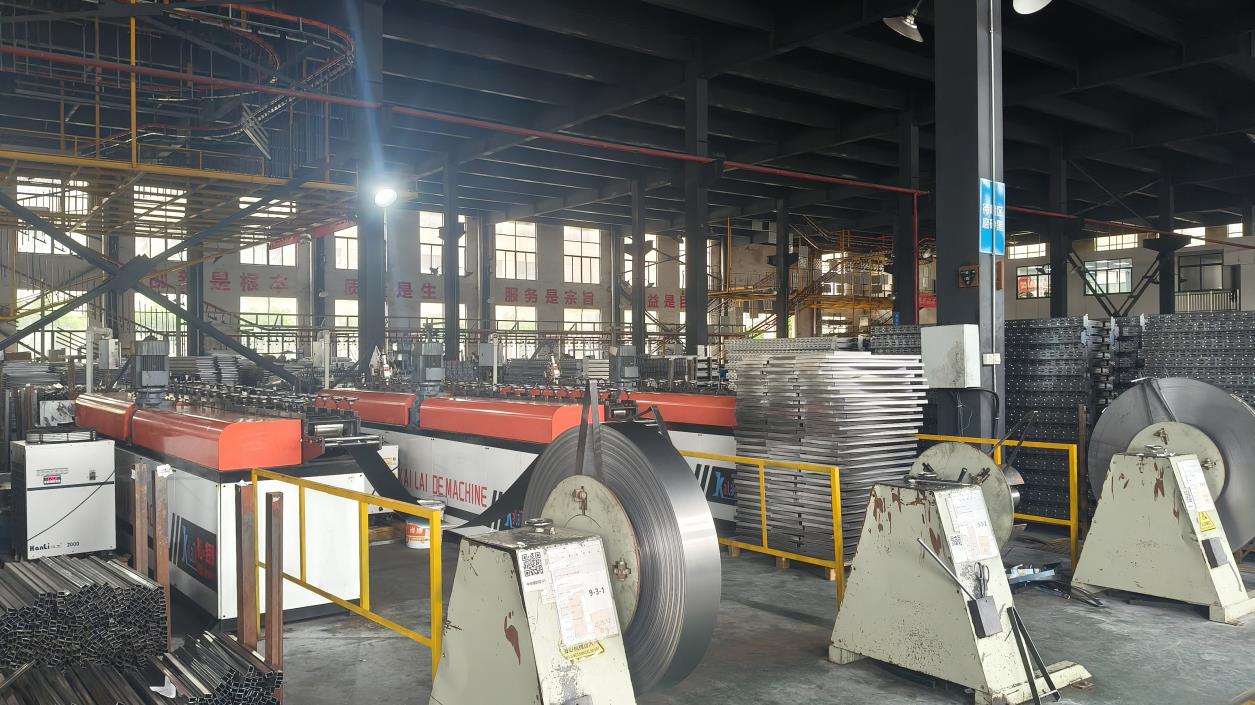
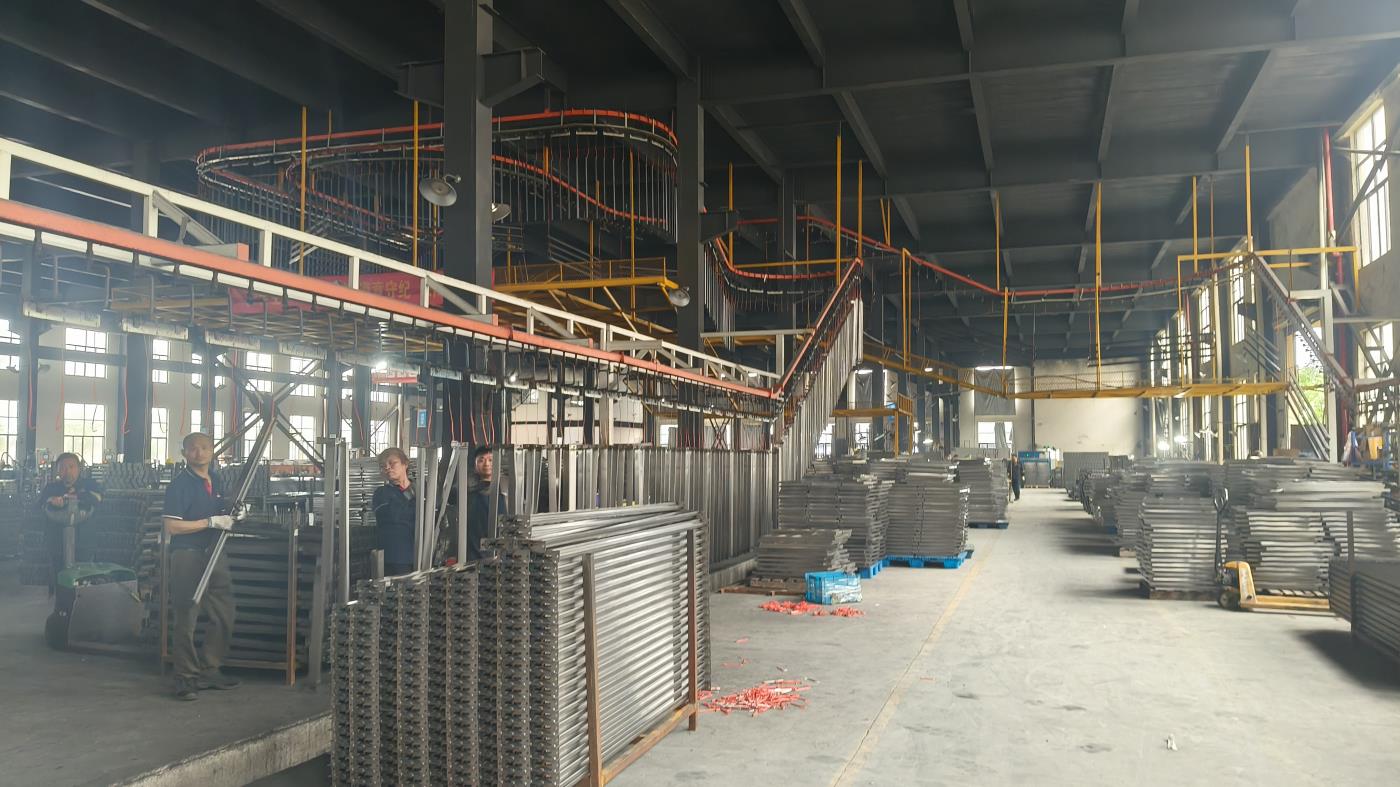
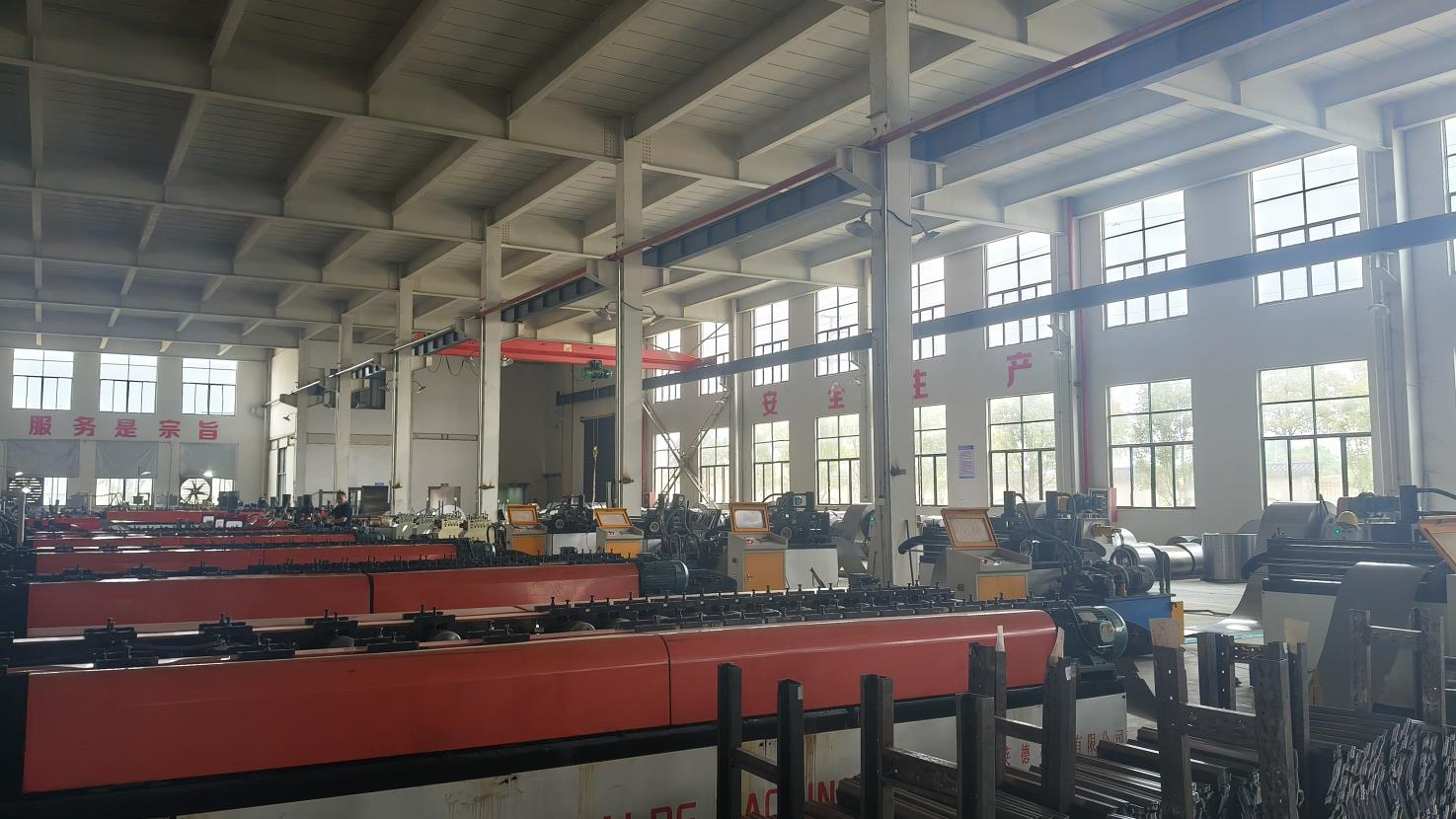
Established in 2016, Guangdong Shibang Storage Rack Co., Ltd. is a professional manufacturer specializing in warehouse storage racks, industrial shelving systems, and customized storage solutions. Operating a 35,000㎡ modern production facility, we deliver robust racking systems for logistics centers, factories, and commercial enterprises worldwide.
With an annual export revenue of approximately USD 18 million and 8 years of export experience, Shibang has accumulated 15 years of industry experience in high-precision rack manufacturing. We offer full lifecycle support: from custom site layout planning to structural engineering, quality assurance, and seamless global logistics.
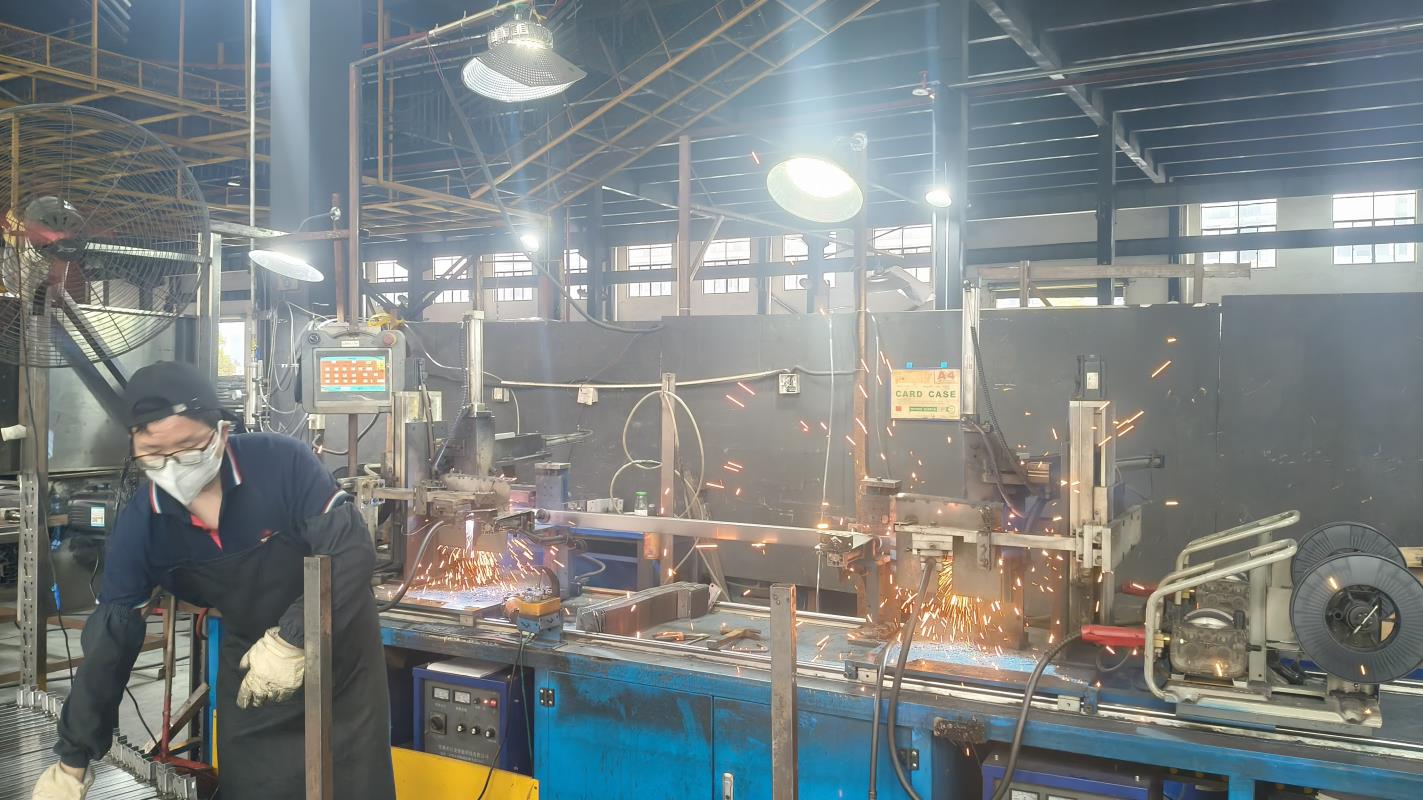
Our quality management system is anchored in strict ISO 9001 compliance procedures, raw material inspections, production process monitoring, and finished product load-testing. Every system undergoes extensive mechanical testing, welding integrity inspections, powder coating thickness mapping, and dimensional tolerance confirmation prior to export.
Backed by a reliable network of more than 1,200 supply chain partners, we ensure structural steel procurement stays consistent, maintaining stable pricing and reliable delivery times even during volatile market cycles.
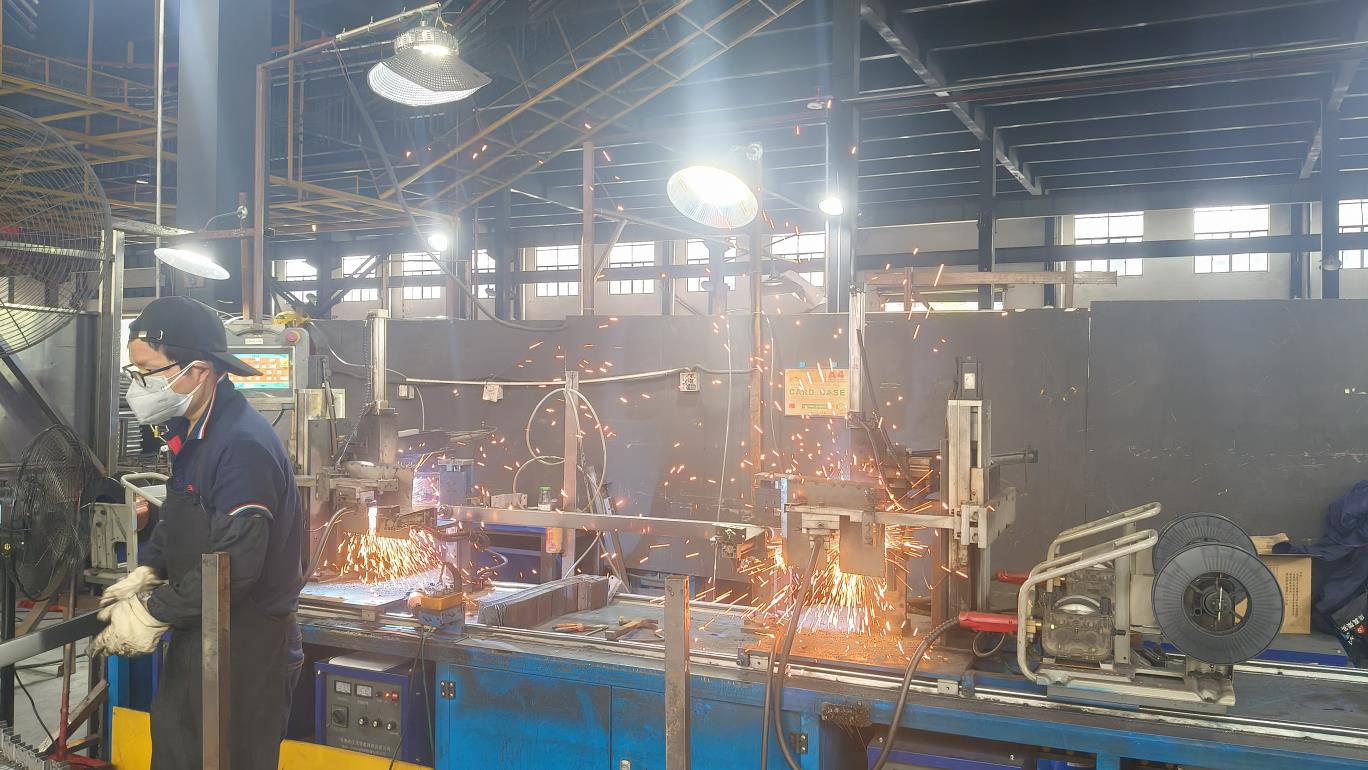
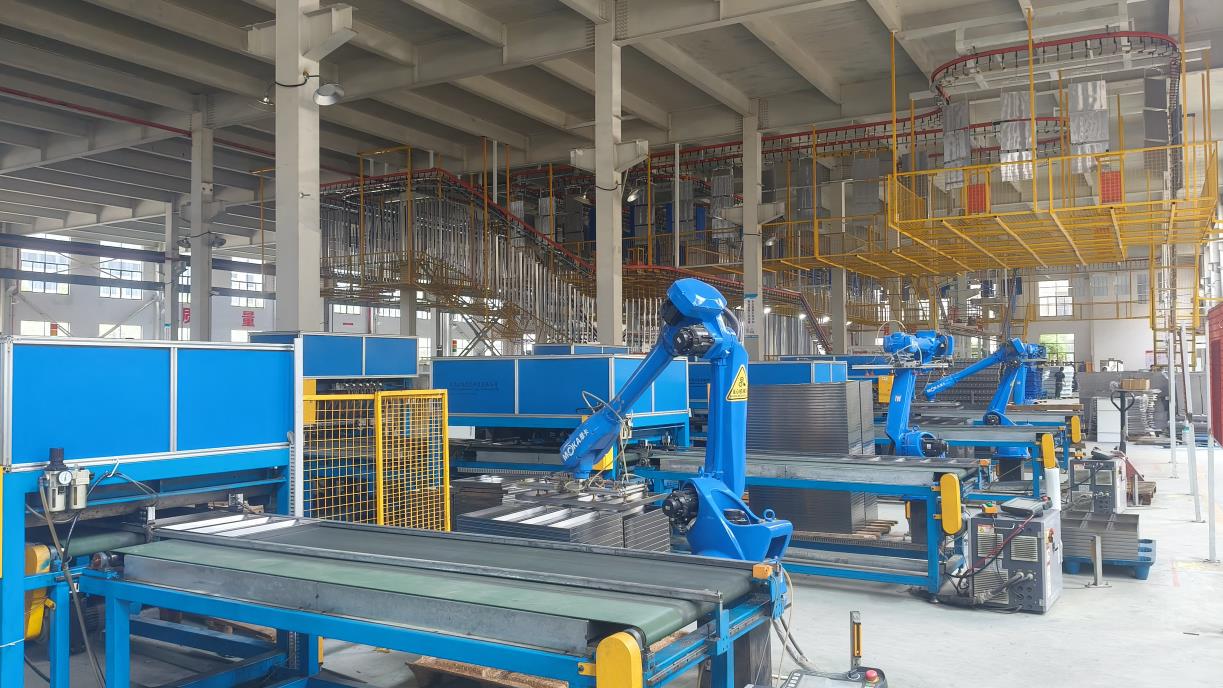
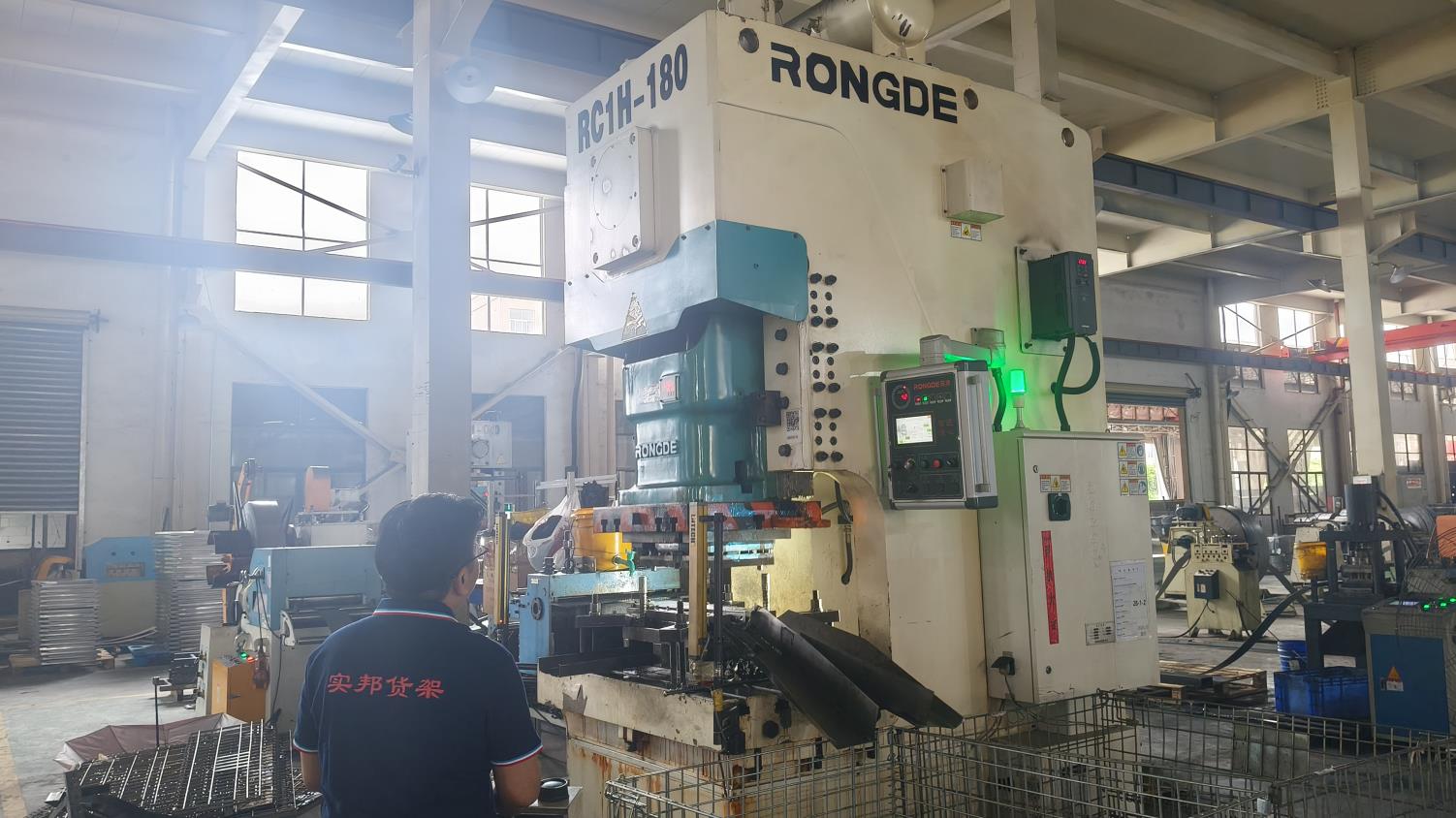
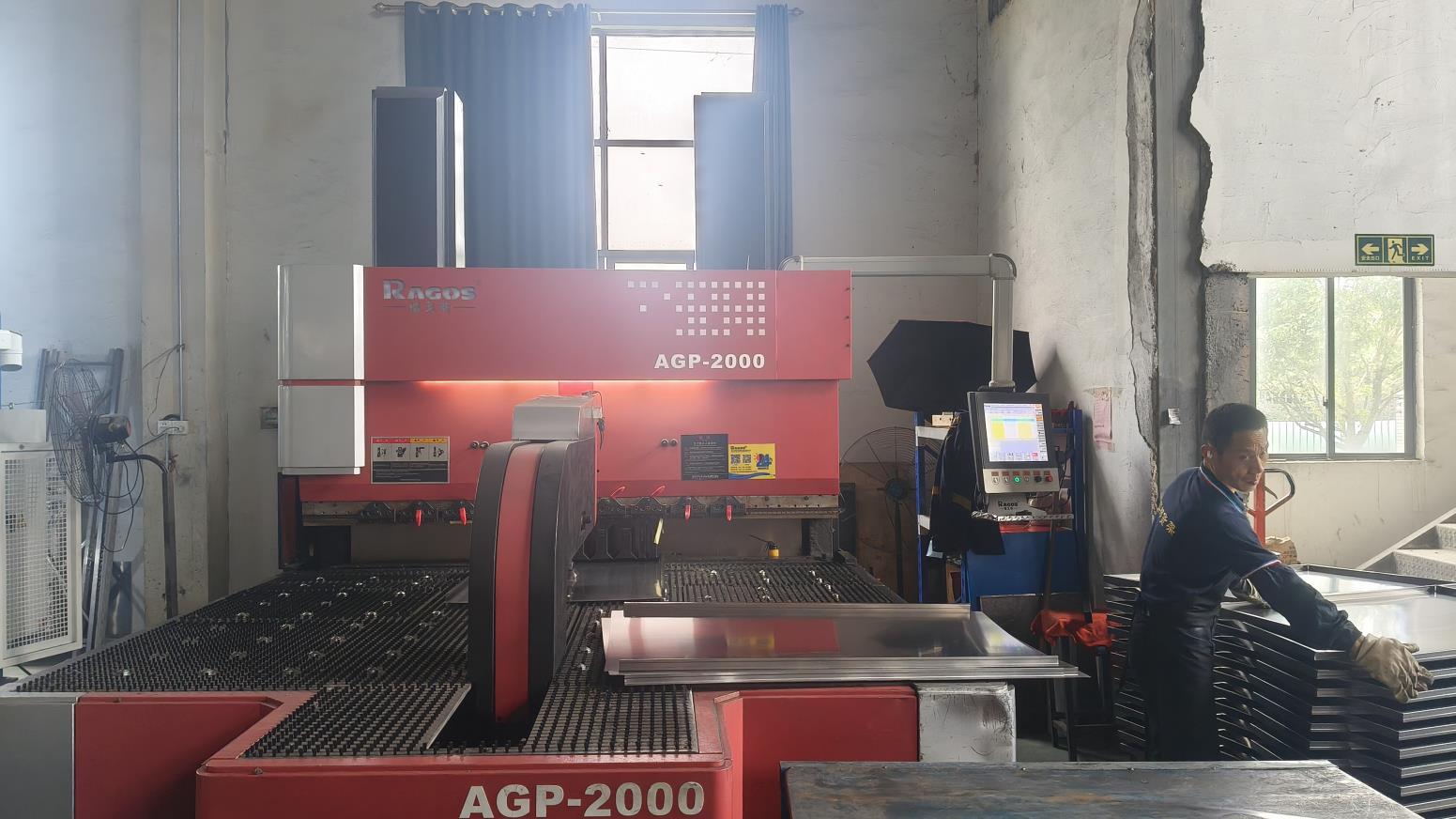
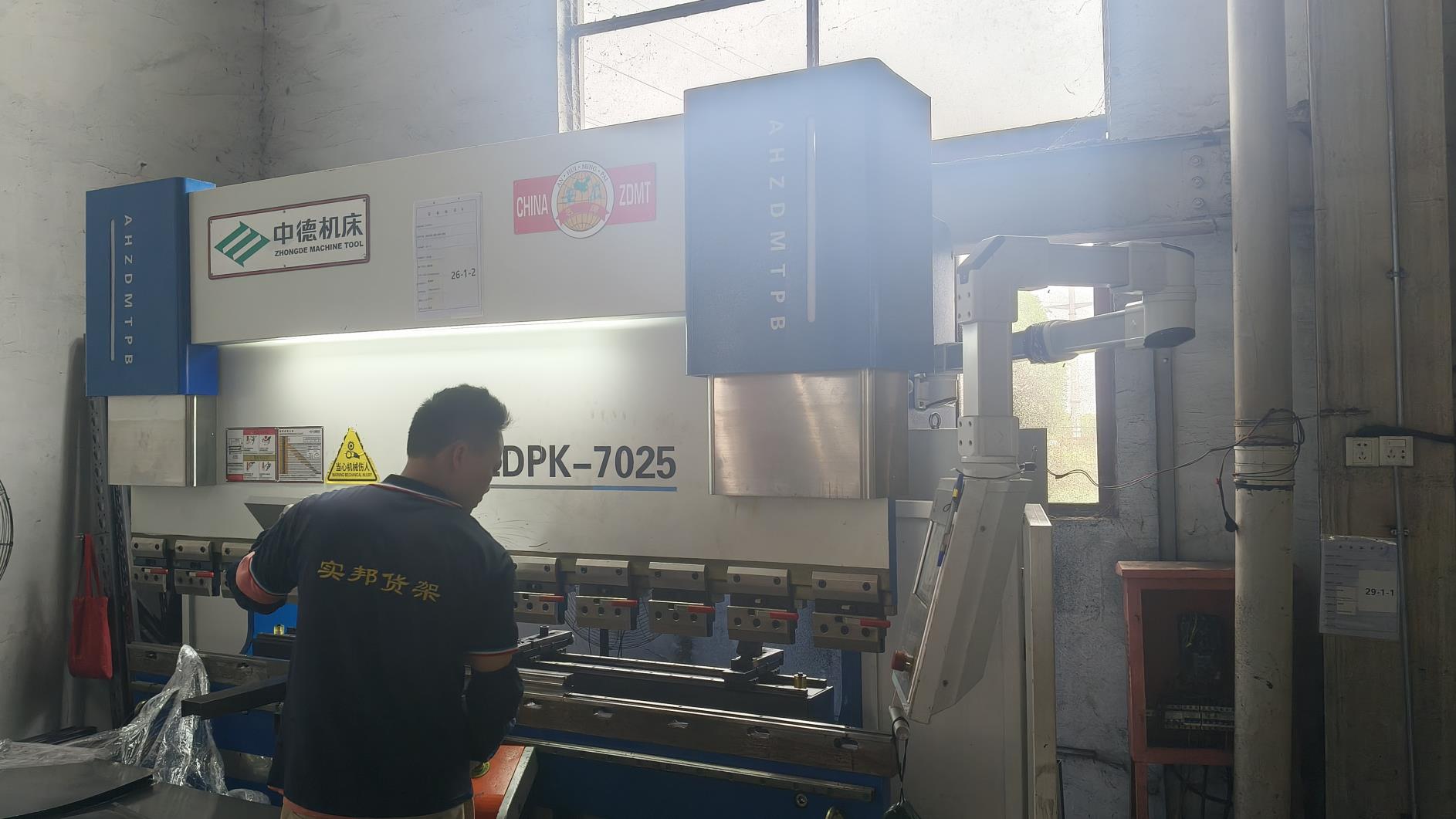
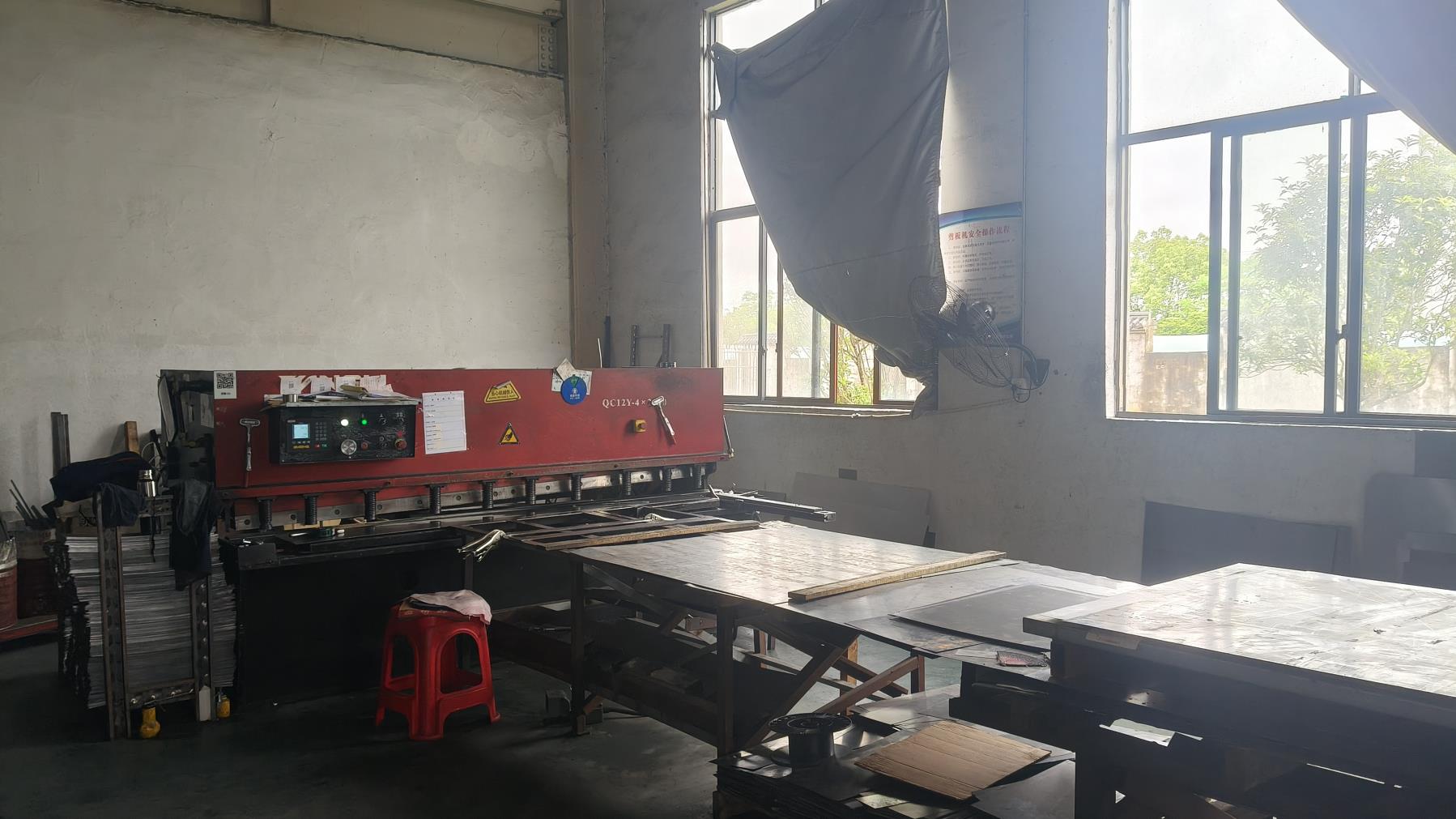
We combine advanced automation, heavy machinery, and robotic welding with rigorous hand-inspections to ensure industrial safety and compliance across all product lines.
Future-proofing supply chains in Japan through material sciences, digital twins, and automation-ready structures.
Global logistics demands are evolving from simple static warehousing to highly dynamic, automated environments. For the Osaka market, this transition requires racking systems that act as structural backbones for automation interfaces, including Automated Storage and Retrieval Systems (AS/RS), Autonomous Mobile Robots (AMRs), and automatic shuttle operations.
Modern warehouses in Japan integrate AS/RS to offset high labor costs. This integration requires tight structural tolerances. Racks must maintain deflection limits tighter than 1/1000 of the span under full load. Precision-formed uprights and high-stability connectors prevent sensor faults and support continuous crane operation.
Osaka Bay's food logistics hubs require specialized cold-storage materials. Standard carbon steel can suffer from low-temperature embrittlement. We construct cold-chain racking from alloyed steel optimized for temperatures as low as -30°C, and coat it with moisture-resistant epoxy powders to prevent peeling and structural degradation.
Japanese corporations prioritize environmental sustainability (SDGs). Our manufacturing process reduces waste and uses volatile organic compound (VOC)-free powder coatings. These methods lower the carbon footprint of structural projects and help customers meet green building standards like LEED or CASBEE.
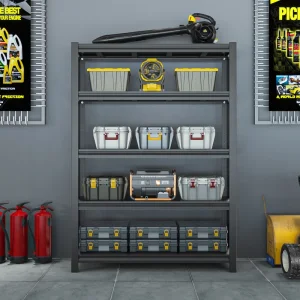
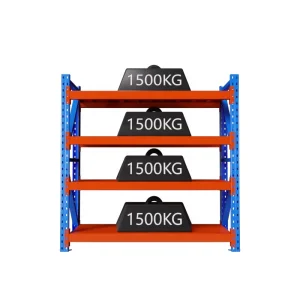
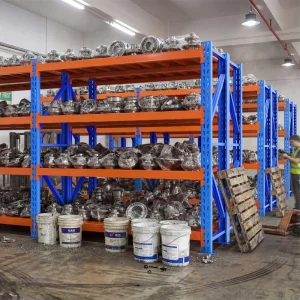
Engineered structures built for high weight-bearing operations, industrial workshops, and bulk inventory control.
Get in touch with our engineering team for dynamic structural layouts, static calculations, and competitive factory-direct pricing.
Send Inquiry NowNavigating Japanese import regulations and safety requirements when buying industrial racking systems from global exporters.
Procuring warehouse racking systems for the Japanese market requires compliance with local structural standards. Sourcing directly from Shibang helps clients manage this regulatory landscape. We ensure raw materials and structural joints meet Japanese construction codes and logistics guidelines.
We source carbon steel plates and profiles from ISO-certified mills with full chemical analysis and mechanical traceability. Material test reports verify that the steel's yield strength and elongation properties meet standard parameters, providing a solid foundation for structural load capacity.
We manage necessary trade documentation, including detailed commercial invoices, detailed packing lists, certificates of origin, and custom HS codes for storage racking. This preparation helps ensure clear classification at the Port of Osaka or Kobe, reducing customs delays.
Our structures use standardized metric hardware (ISO grade 8.8 or higher bolts and locking nuts). We provide detailed assembly layouts and mechanical drawings to help local installation teams complete safe, efficient onsite construction.
Technical and logistics answers for sourcing industrial shelving systems for the Japanese market.
Our structural designs undergo Finite Element Analysis (FEA) simulating peak ground accelerations typical for Osaka and the Kansai region. We use thick steel base plates (typically 6mm to 10mm), specialized seismic dynamic bracing, and heavy-duty mechanical anchors to secure the upright columns to the concrete slab, ensuring compliance with local structural safety standards.
We primarily use Q235B and Q355 structural carbon steel. Our surfaces are treated with a multi-stage cleaning and phosphate process before applying high-durability, lead-free epoxy-polyester powder coatings. The coatings are cured at 200°C to achieve a thickness of 60-80μm, ensuring corrosion resistance in humid coastal environments like Osaka Bay.
Yes. Our in-house engineering team designs custom heights, depths, beam lengths, and loading capacities tailored to your specifications. We offer customized color matching based on RAL standards to align with your corporate branding or warehouse safety guidelines.
Standard production takes 20 to 30 days from layout approval, depending on the order volume. Shipping from our Guangdong plant to the Port of Osaka or Kobe takes about 5 to 7 days by sea. We provide full container loading (FCL) service and arrange the necessary customs export paperwork to help streamline port clearance.
 Shibang Storage Rack