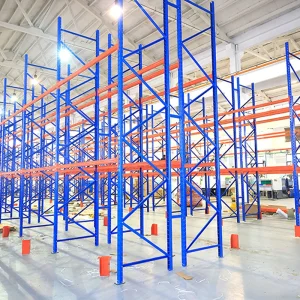
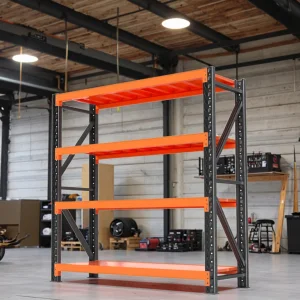
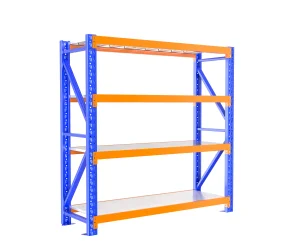
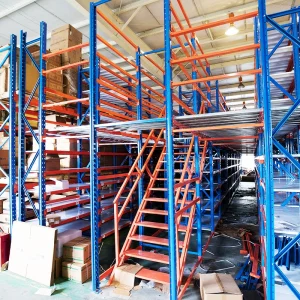
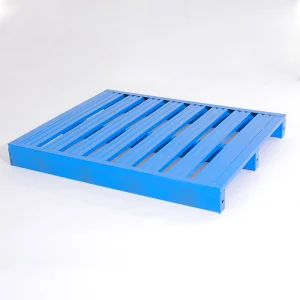
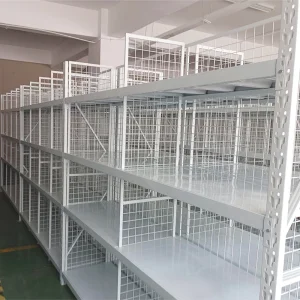
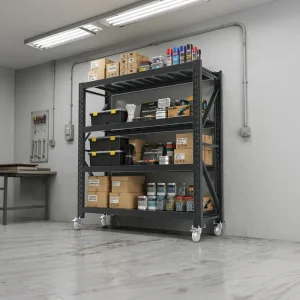
High-performance warehouse racks constructed from structural grade steel, manufactured to sustain extreme loads and deliver spatial efficiency.
An analytical exploration into spatial efficiency, static calculations, and procurement criteria for global supply chains.
In the era of hyper-optimized supply chains, global intralogistics infrastructure demands highly flexible, secure, and load-resilient storage systems. Warehouse space has evolved from simple static volume storage into a dynamic tool for high-frequency inventory turnover. Within this evolution, adjustable racking systems have emerged as the foundational infrastructure of modern distribution centers. By enabling vertical expansion, flexible beam adjustments, and seamless integration with Automated Storage and Retrieval Systems (AS/RS), adjustable racking provides the modularity required to handle diverse SKU profiles, changing pallet sizes, and varying density requirements.
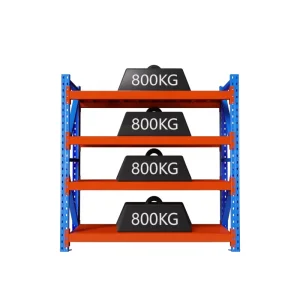
From an engineering perspective, the structural integrity of adjustable racking rests on high-yield carbon steel formulations (such as Q235B and Q355). These materials are cold-rolled into optimized upright profiles, providing the precise load-bearing capacity required to handle multi-ton loads. For structural engineers, calculating deflection ratios, dynamic impact tolerances, and seismic vulnerabilities is critical to ensuring warehouse safety. Advanced adjustable racking is designed to distribute loads evenly across upright frames and horizontal beams. This configuration utilizes boltless locking mechanisms and safety pins to prevent accidental beam displacement during forklift operations, ensuring safe high-elevation storage.
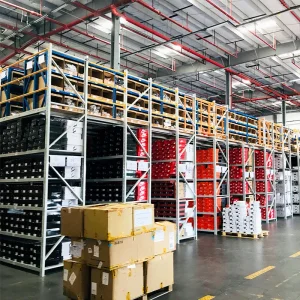
By leveraging overhead space up to 15 meters or higher, modern racking systems increase volumetric storage efficiency by up to 60% compared to traditional floor-bound stacking layouts.
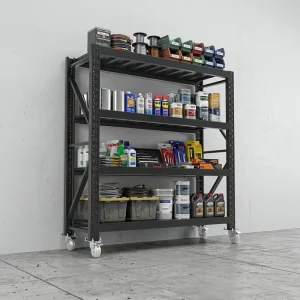
Boltless, adjustable connector plates allow warehouse operators to adjust storage level heights in increments of 50mm to 75mm, quickly adapting to dynamic product dimensions.
Engineered structural frames are optimized using Finite Element Analysis (FEA) to ensure complete stability in active seismic zones and high-impact industrial loading docks.
A premier manufacturing hub for industrial shelving, warehouse racking, and logistics support systems.
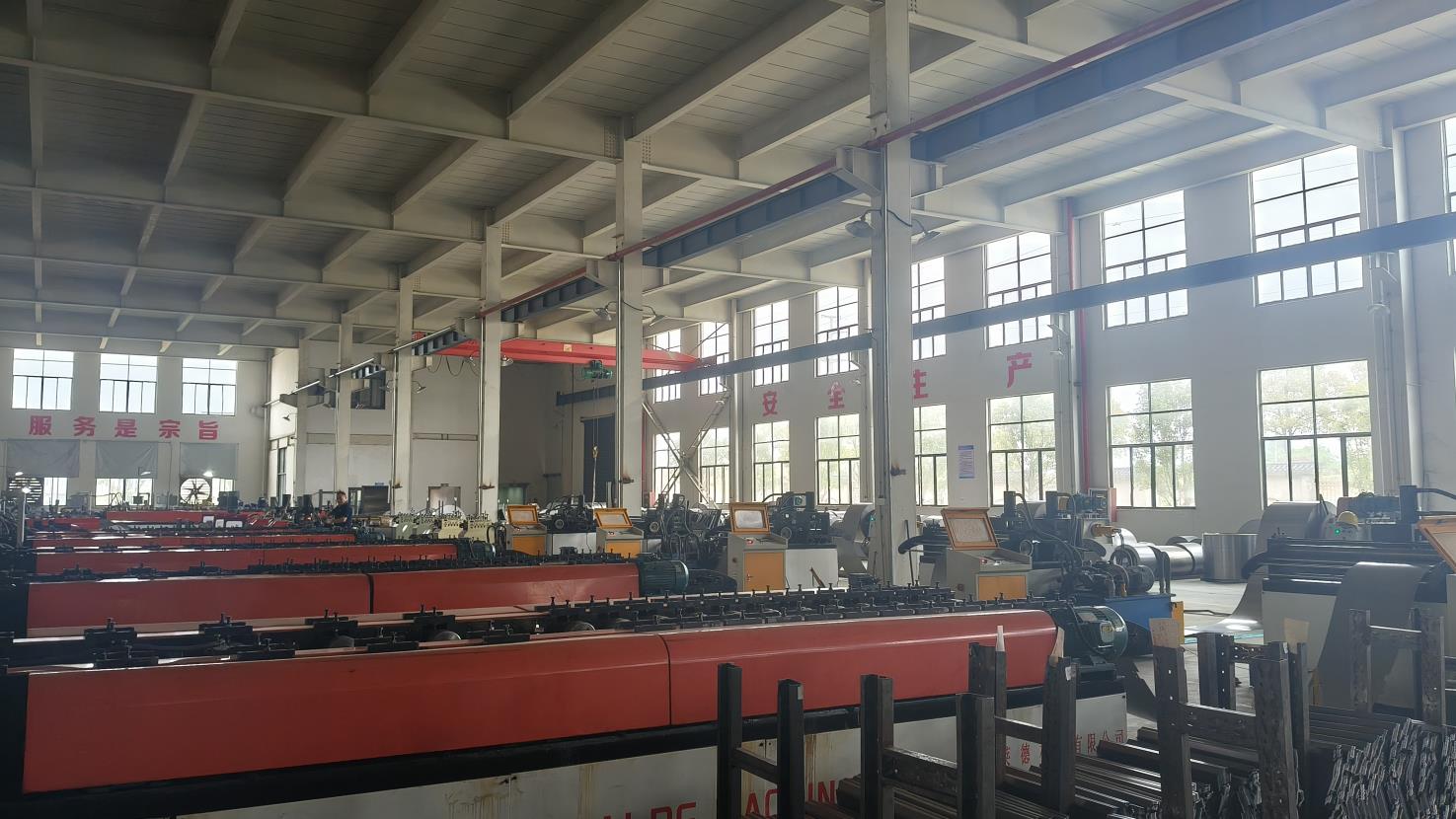
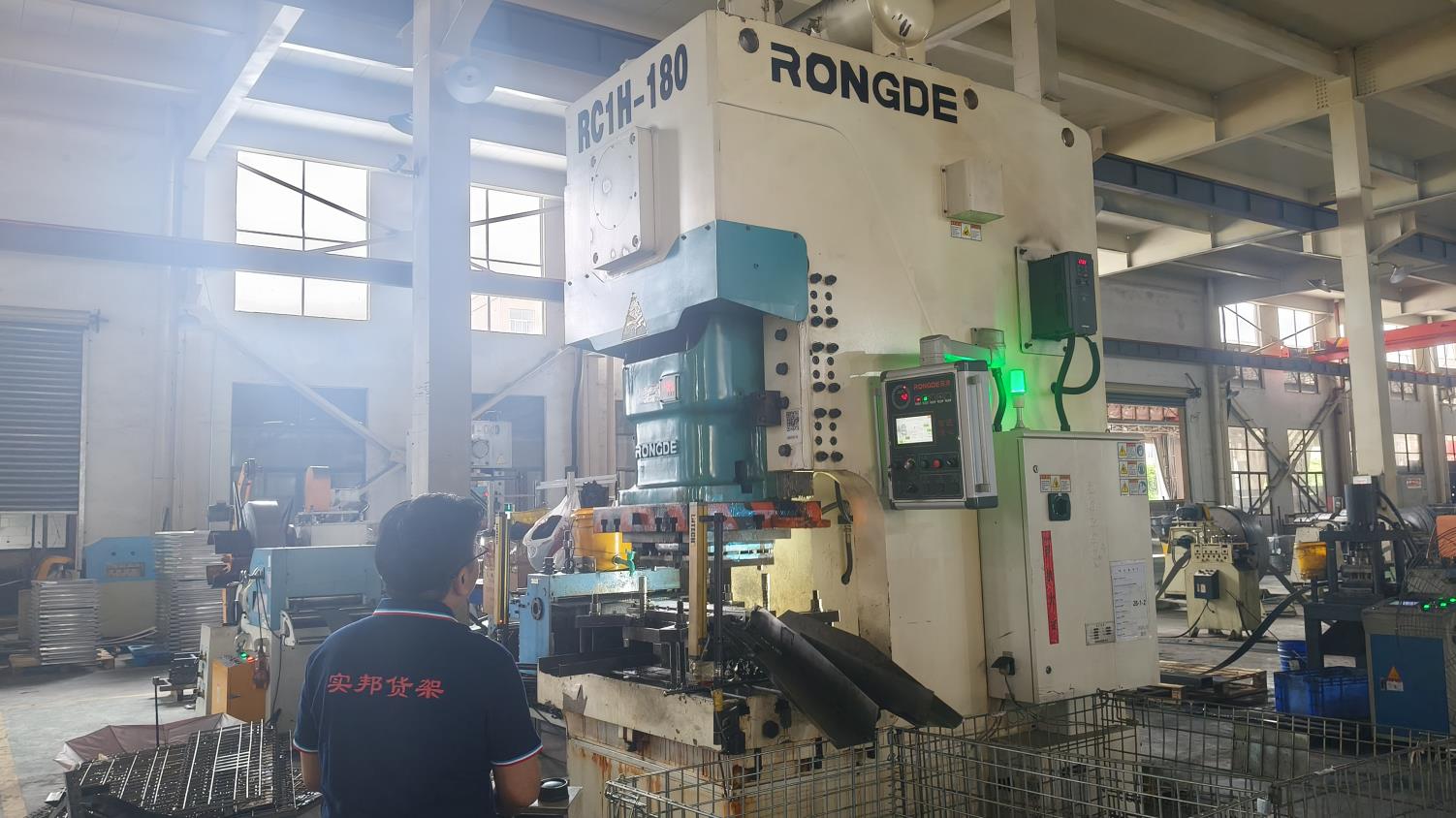
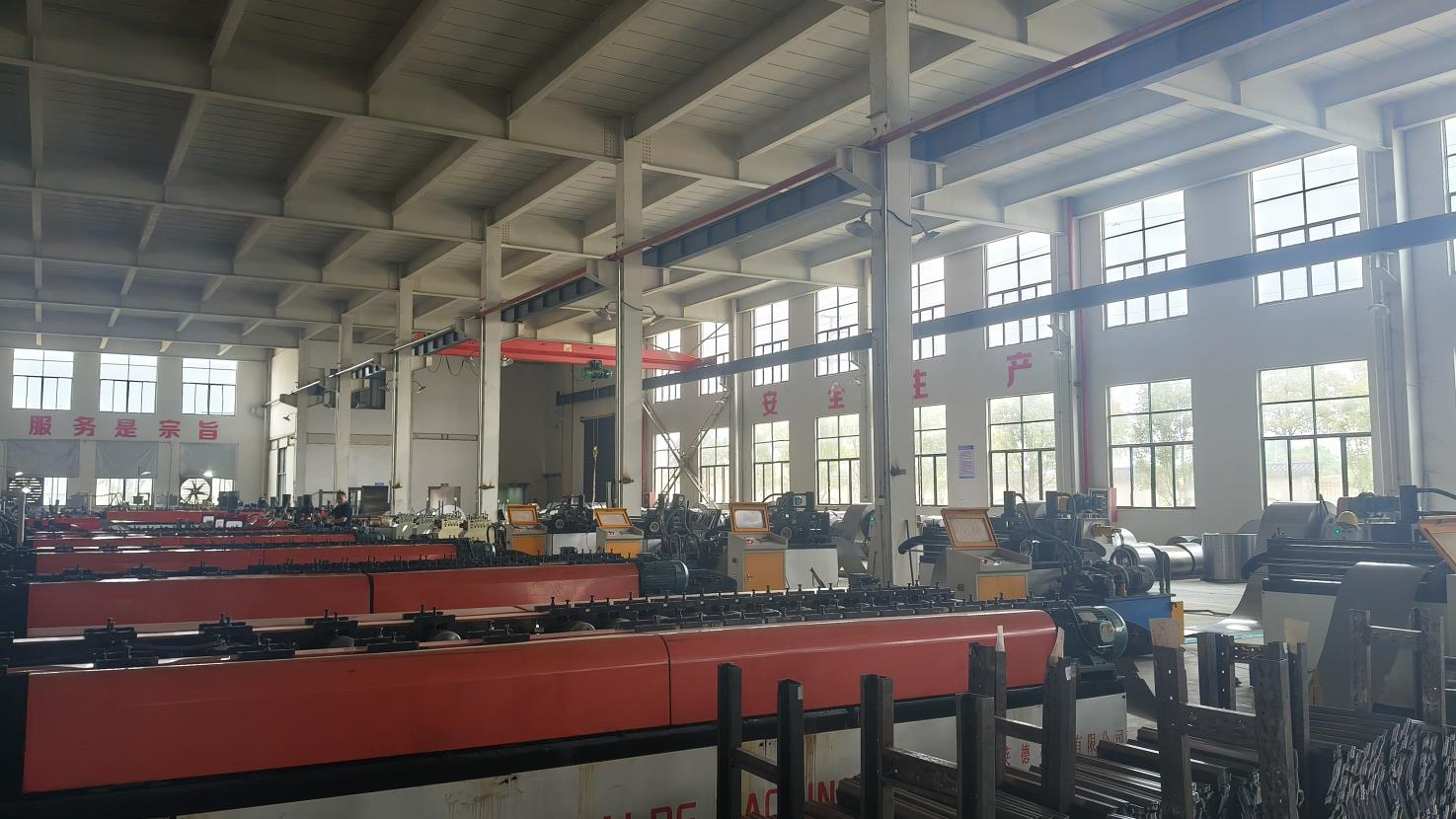
Established in 2016, Guangdong Shibang Storage Rack Co., Ltd. has developed into a leading manufacturer specializing in warehouse storage racks, industrial shelving systems, and customized storage solutions. Our 35,000㎡ modern production facility in Guangdong, China, is equipped with advanced automated roll-forming and powder-coating machinery, enabling the precise fabrication of high-capacity storage racks. We serve major global markets, delivering high-quality equipment to logistics hubs, fulfillment centers, and commercial operations across North America, Europe, Southeast Asia, Australia, and the Middle East.
With an annual export revenue of approximately USD 18 million and 8 years of export experience, Shibang leverages 15 years of industry experience in storage rack manufacturing. Our operations integrate design, engineering, quality control, and global supply logistics, ensuring every system aligns with international quality standards. We support a diverse global client base, including third-party logistics (3PL) operators, e-commerce distributors, industrial manufacturers, and systems integrators.
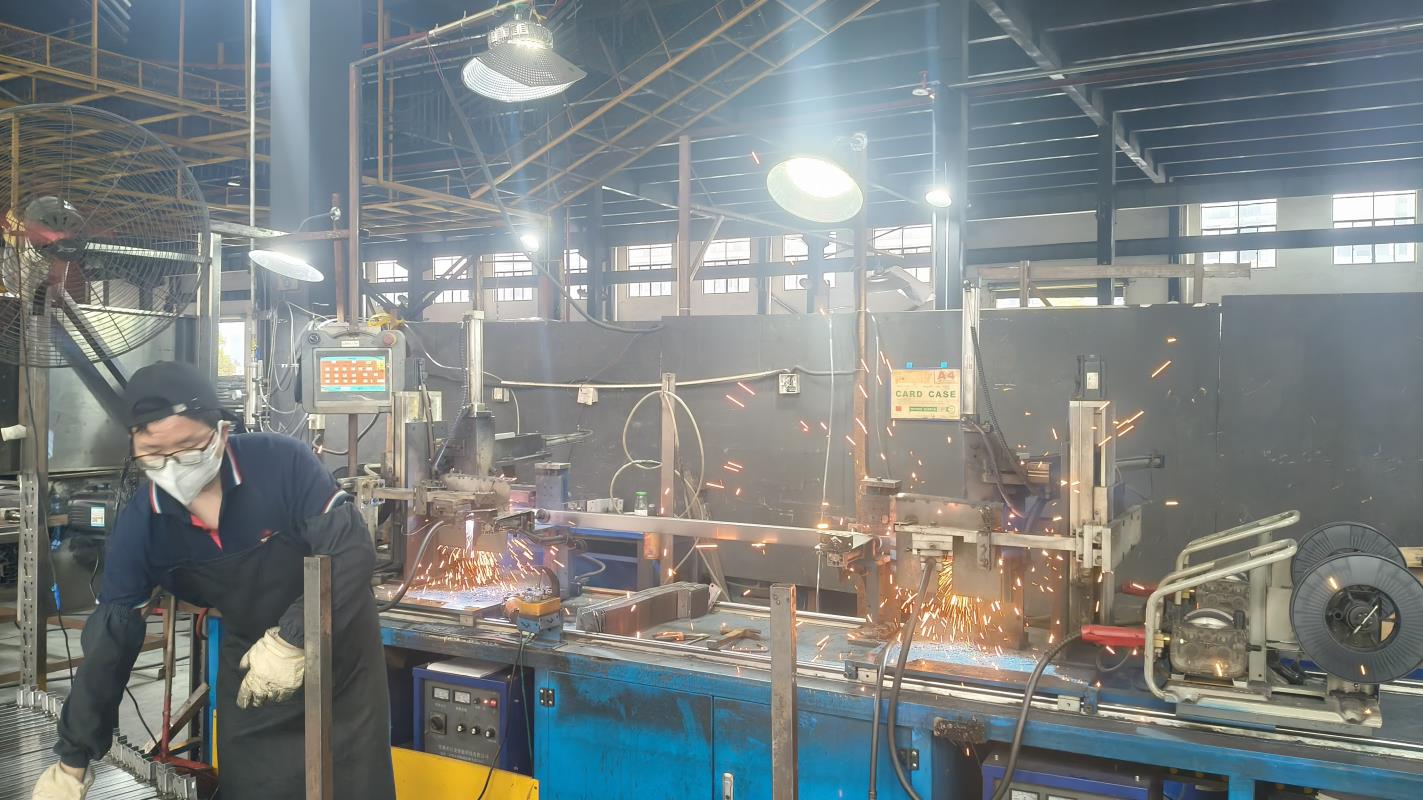
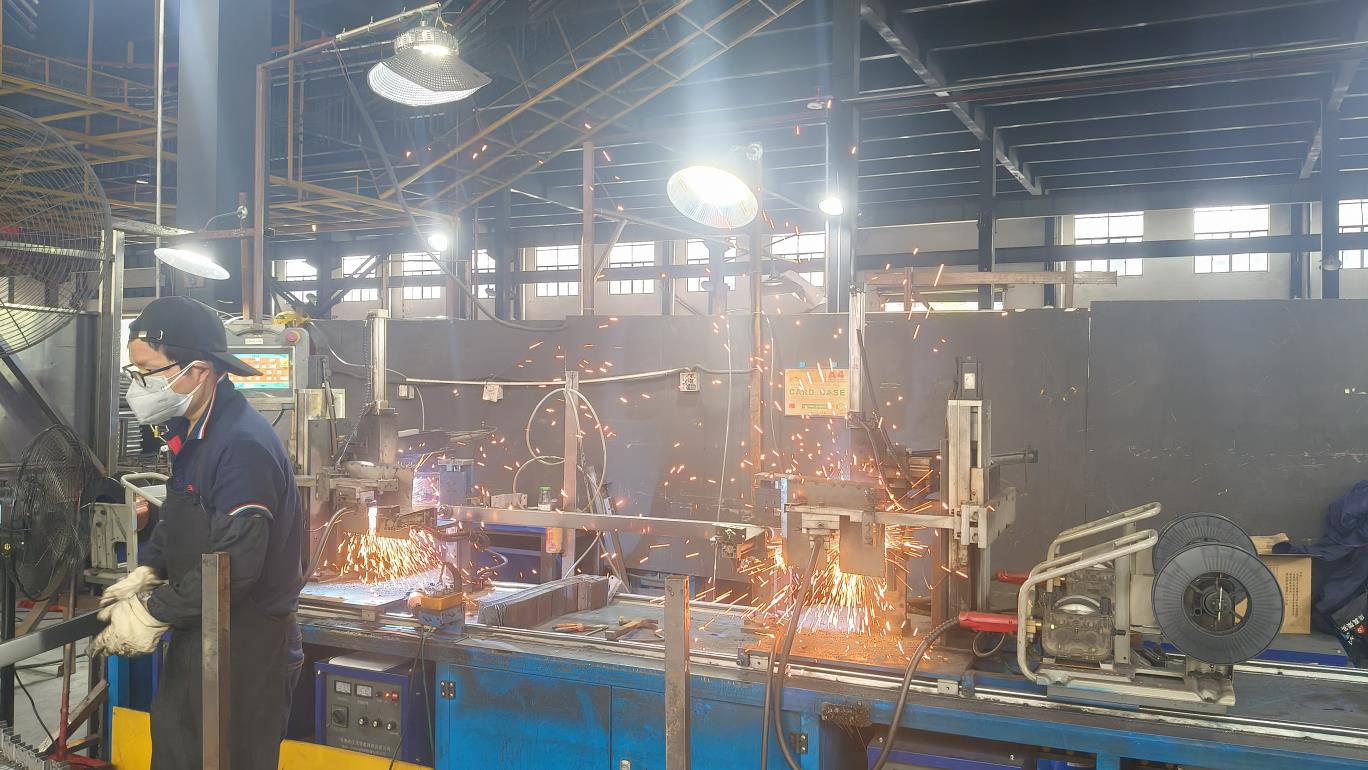
Our manufacturing workflow follows strict ISO 9001 quality controls, which encompass incoming steel inspection, weld structural testing, and dimensional verification.
Every structural batch undergoes load-bearing verification to ensure safety factors remain within target design guidelines before shipping.
A dedicated team of 65 QC inspectors monitors raw materials and coating processes, maintaining tight tolerances and robust finish quality.
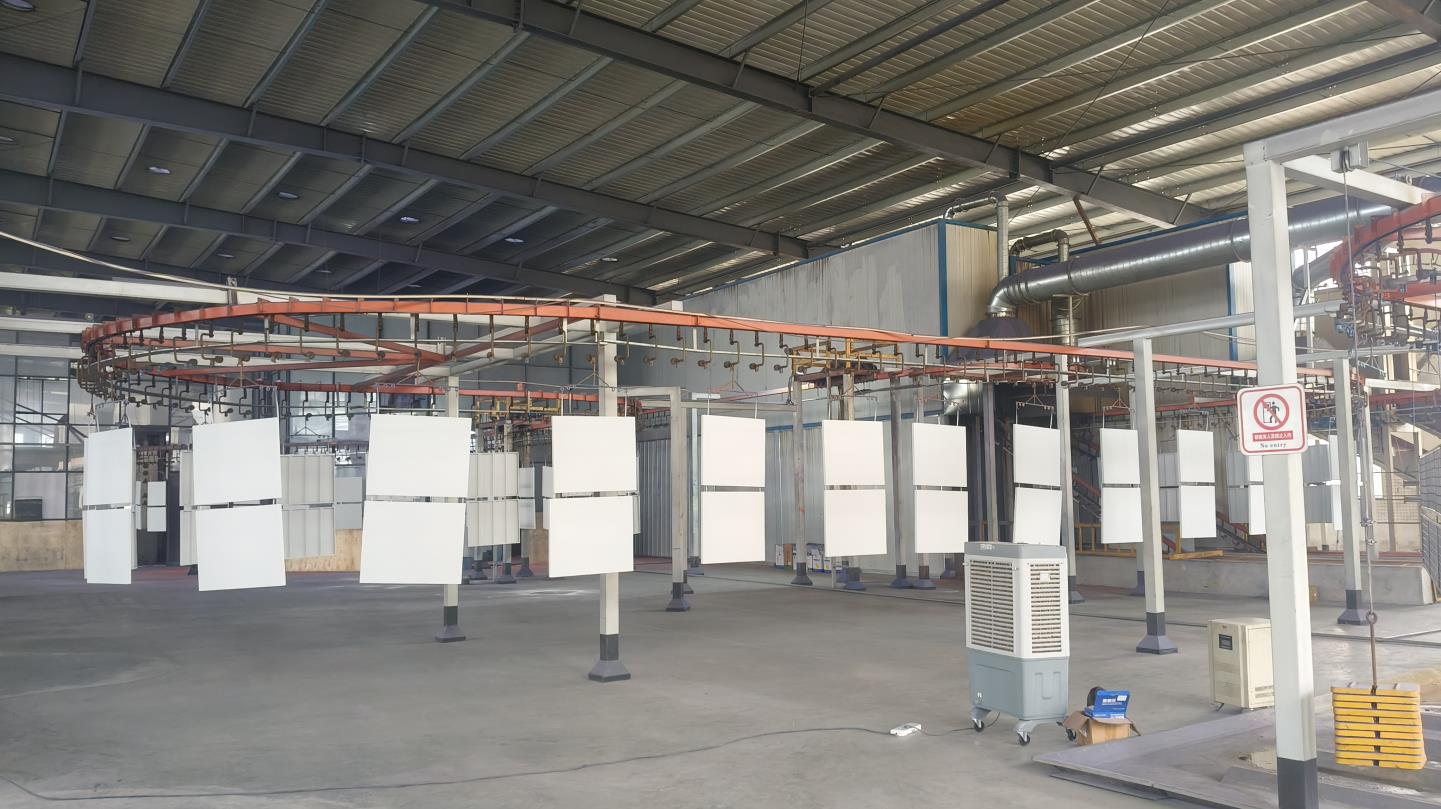
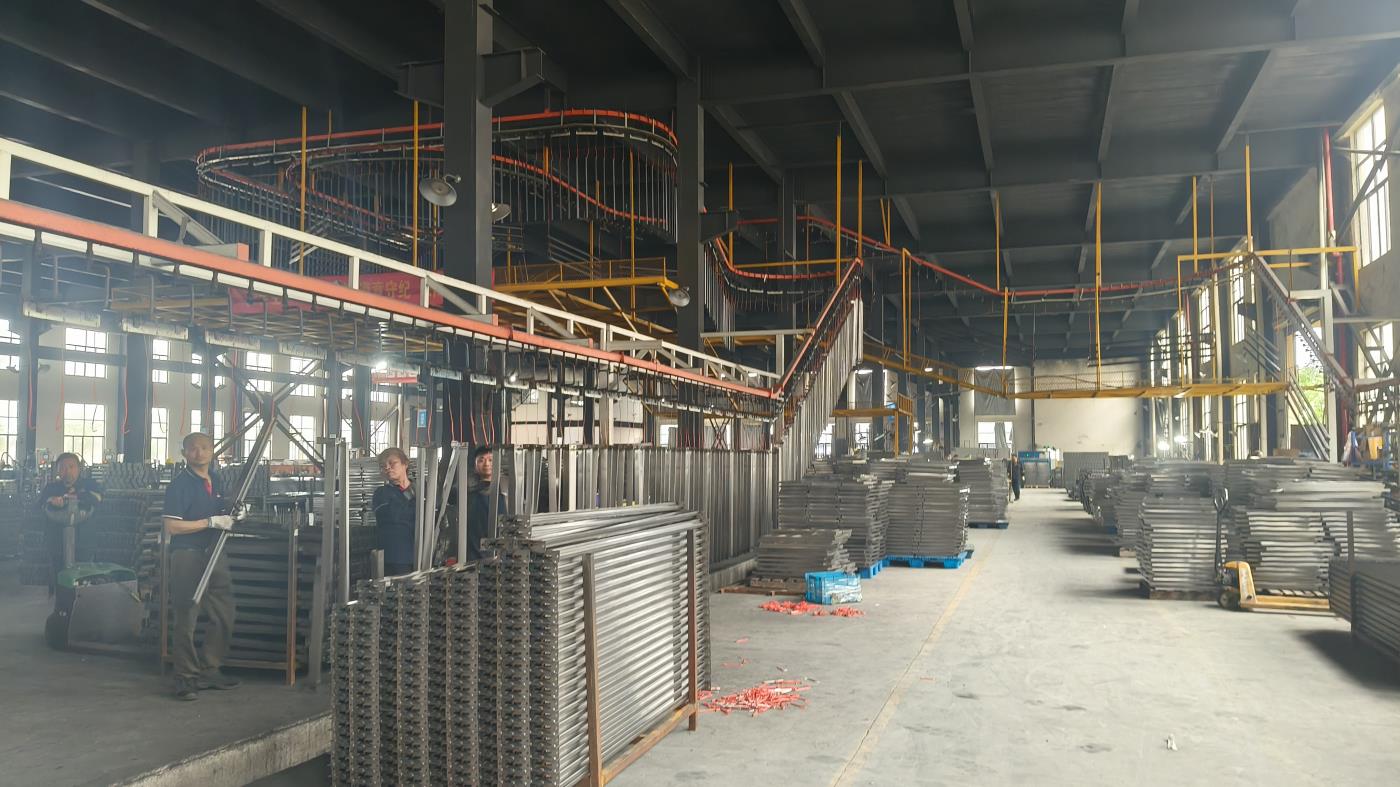
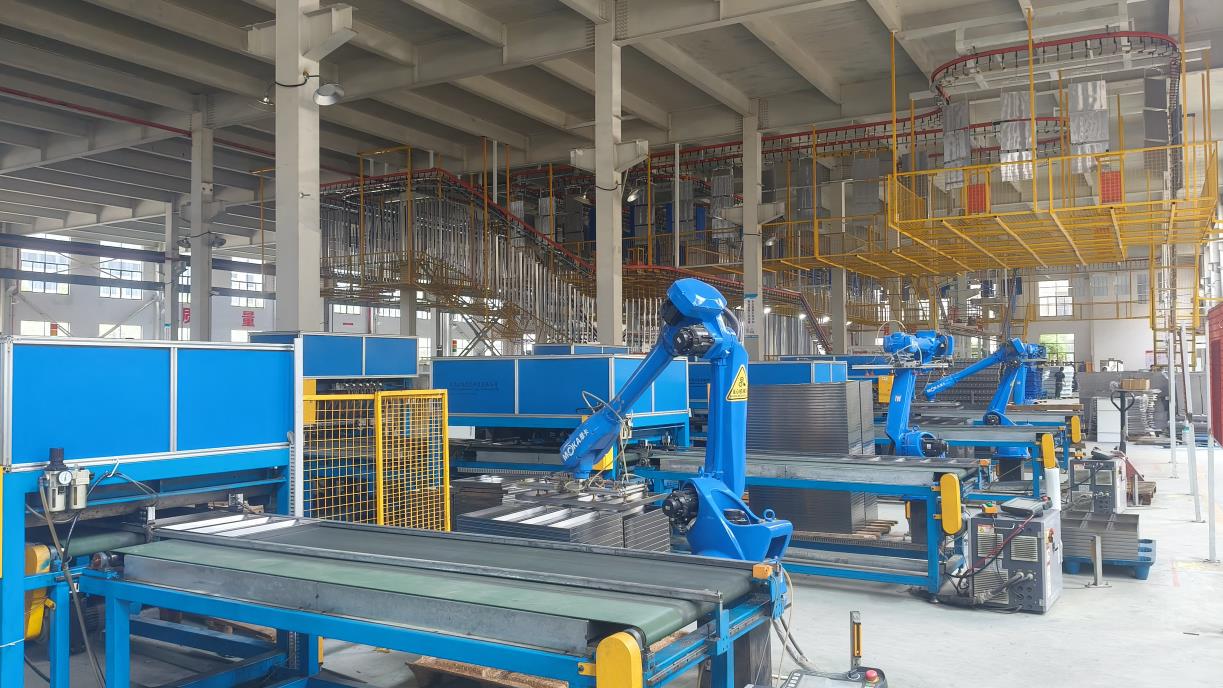
A visual overview of our industrial manufacturing line, high-precision metal forming, and automated powder coating processes.
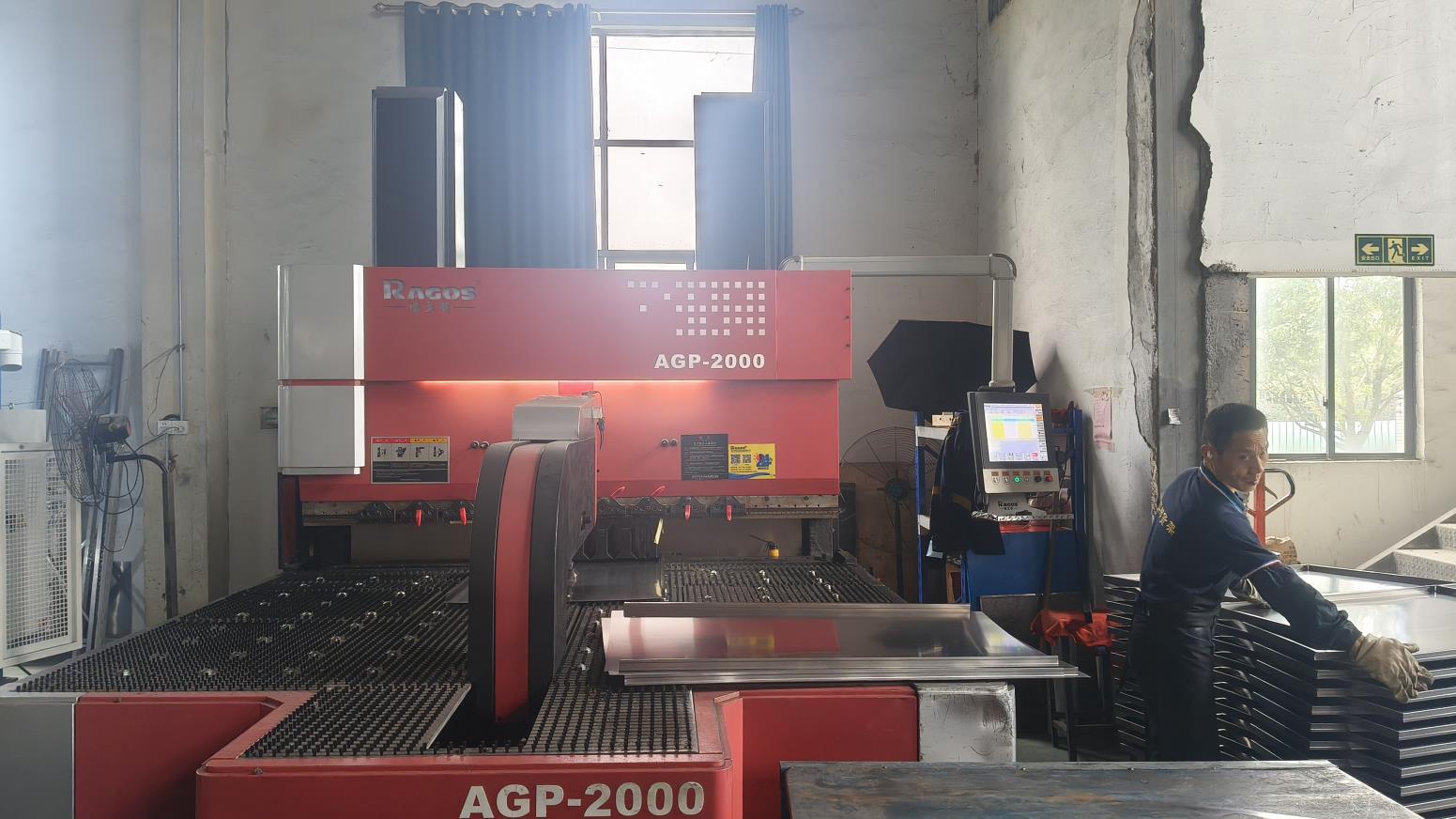
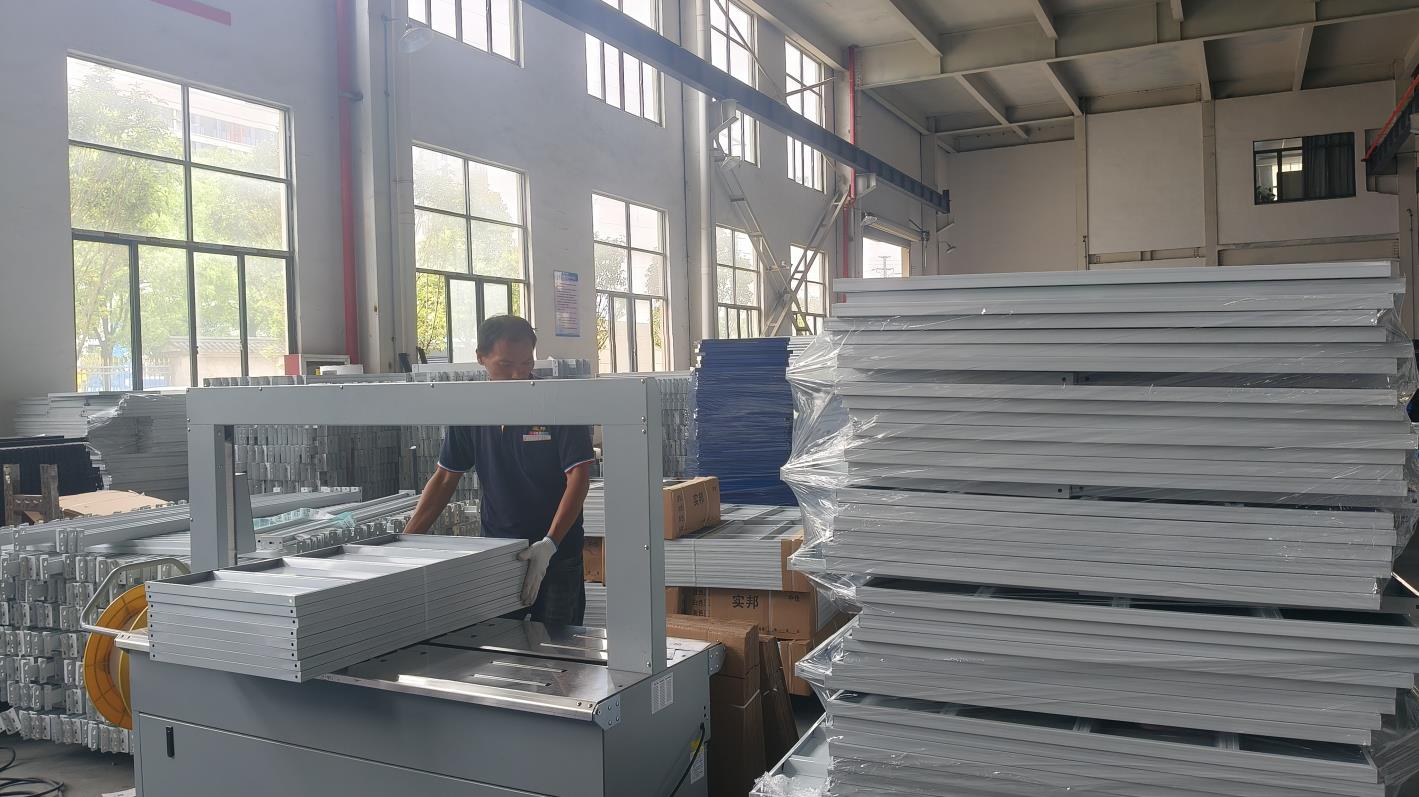
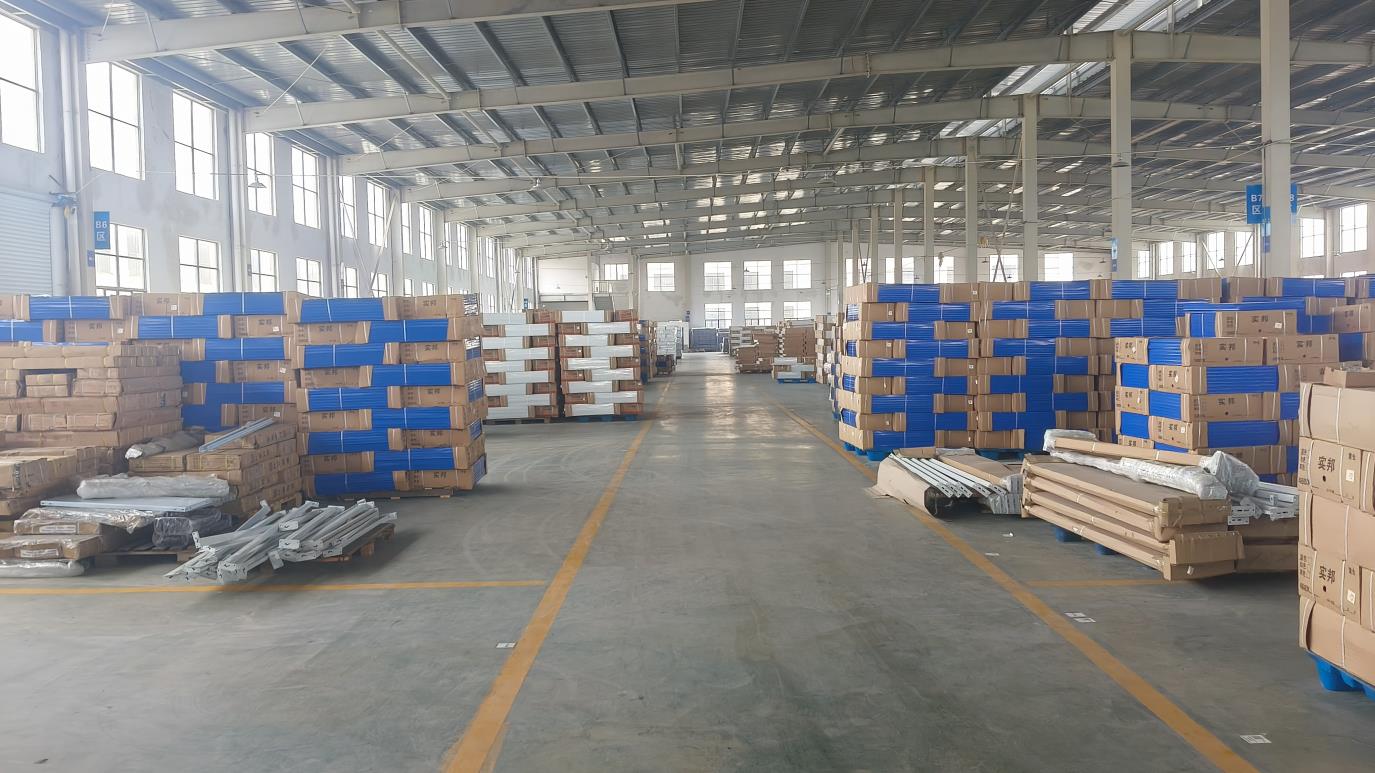
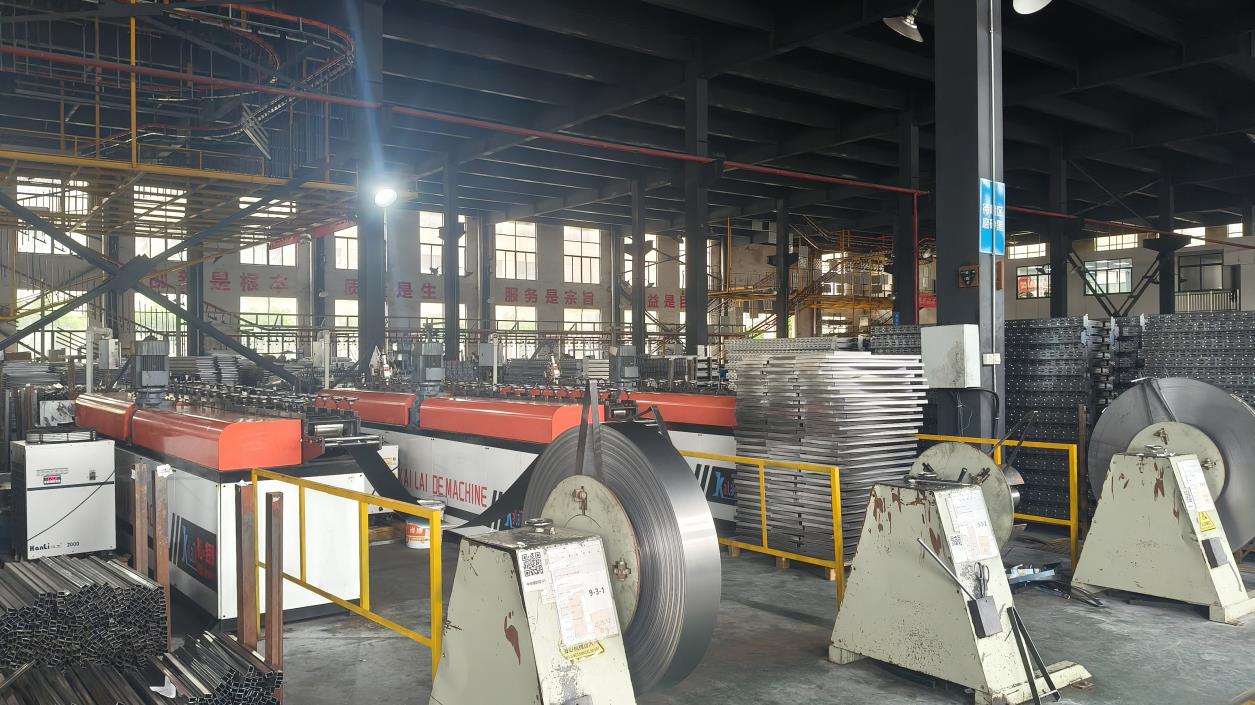
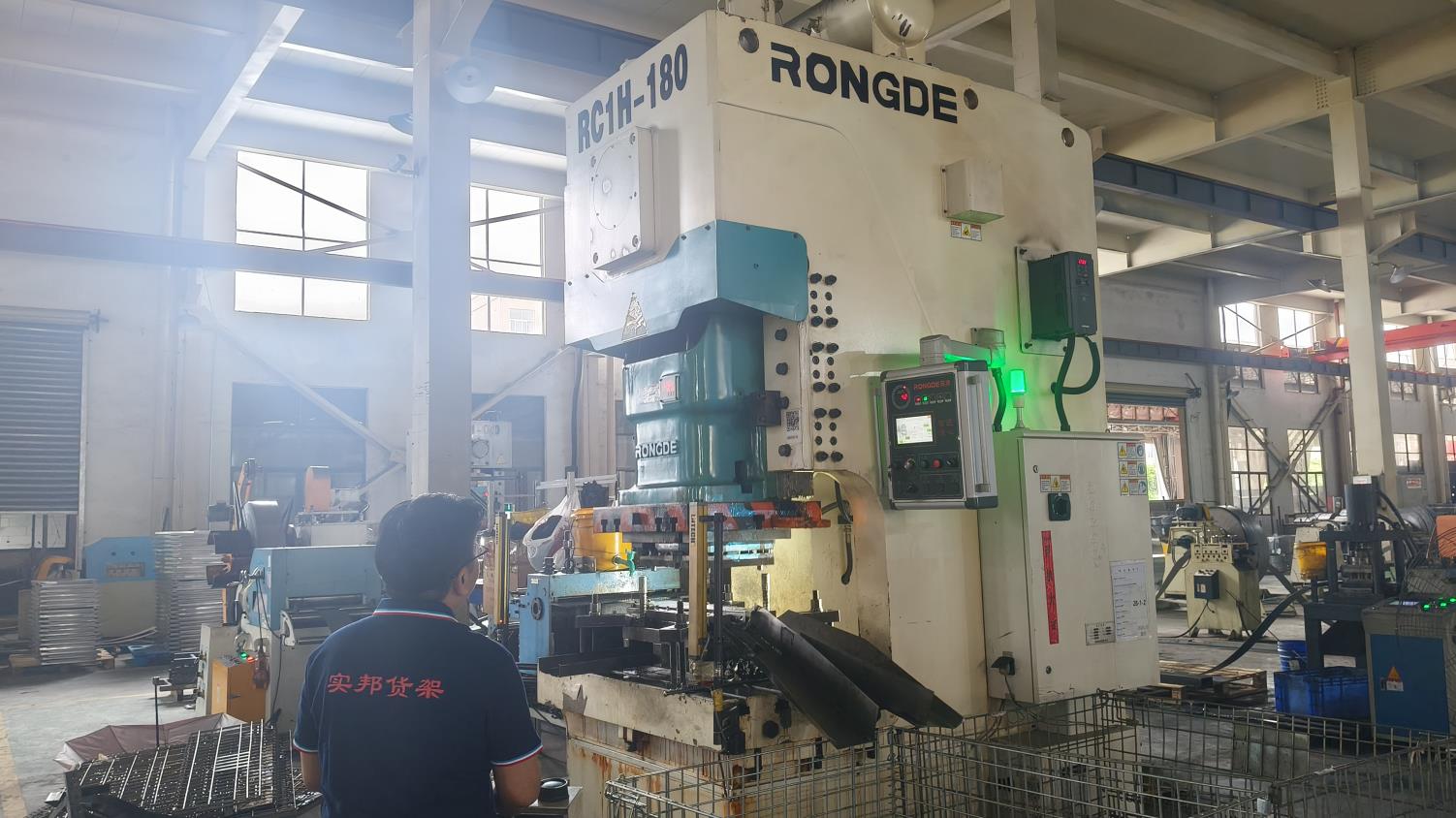
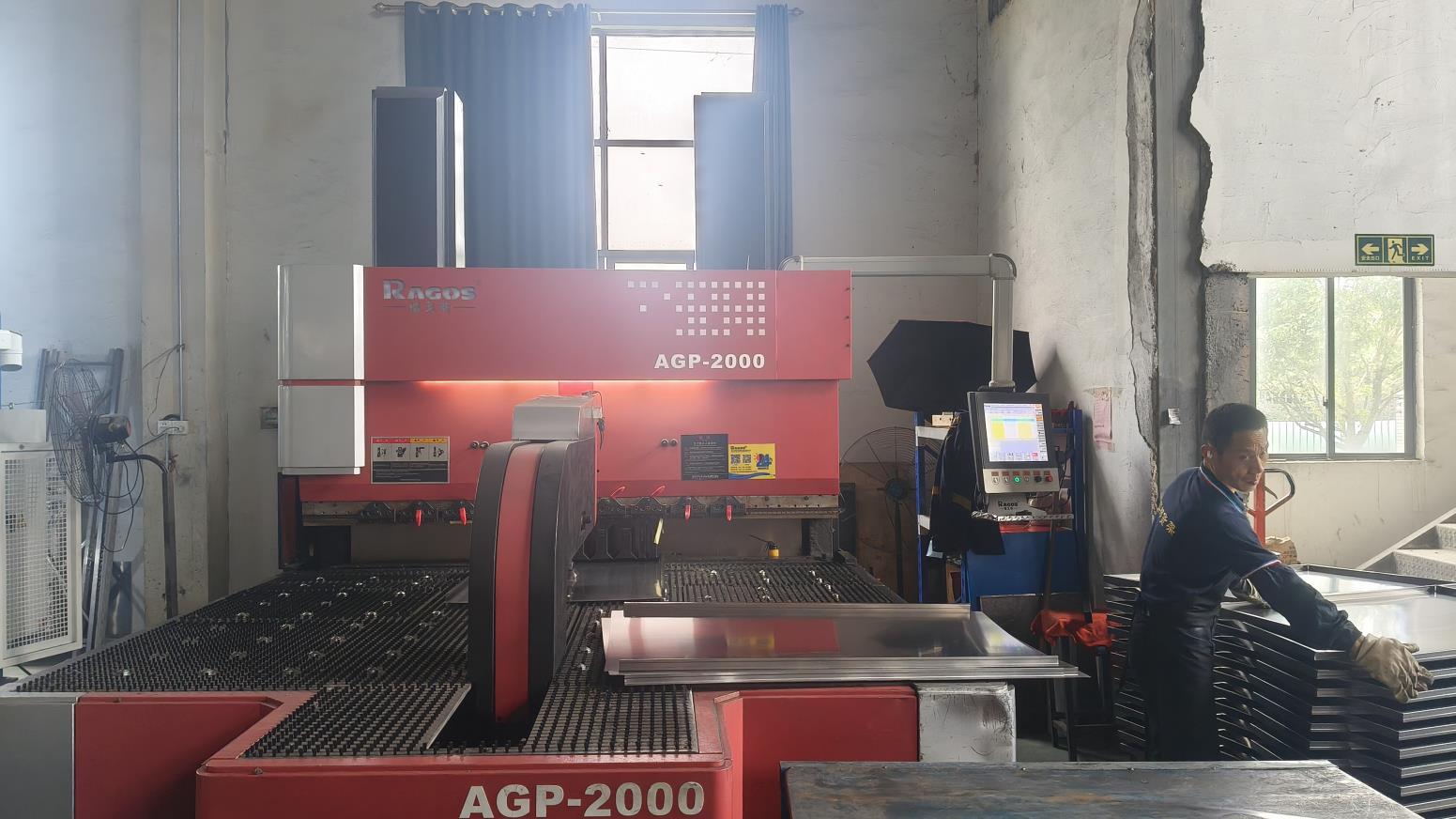
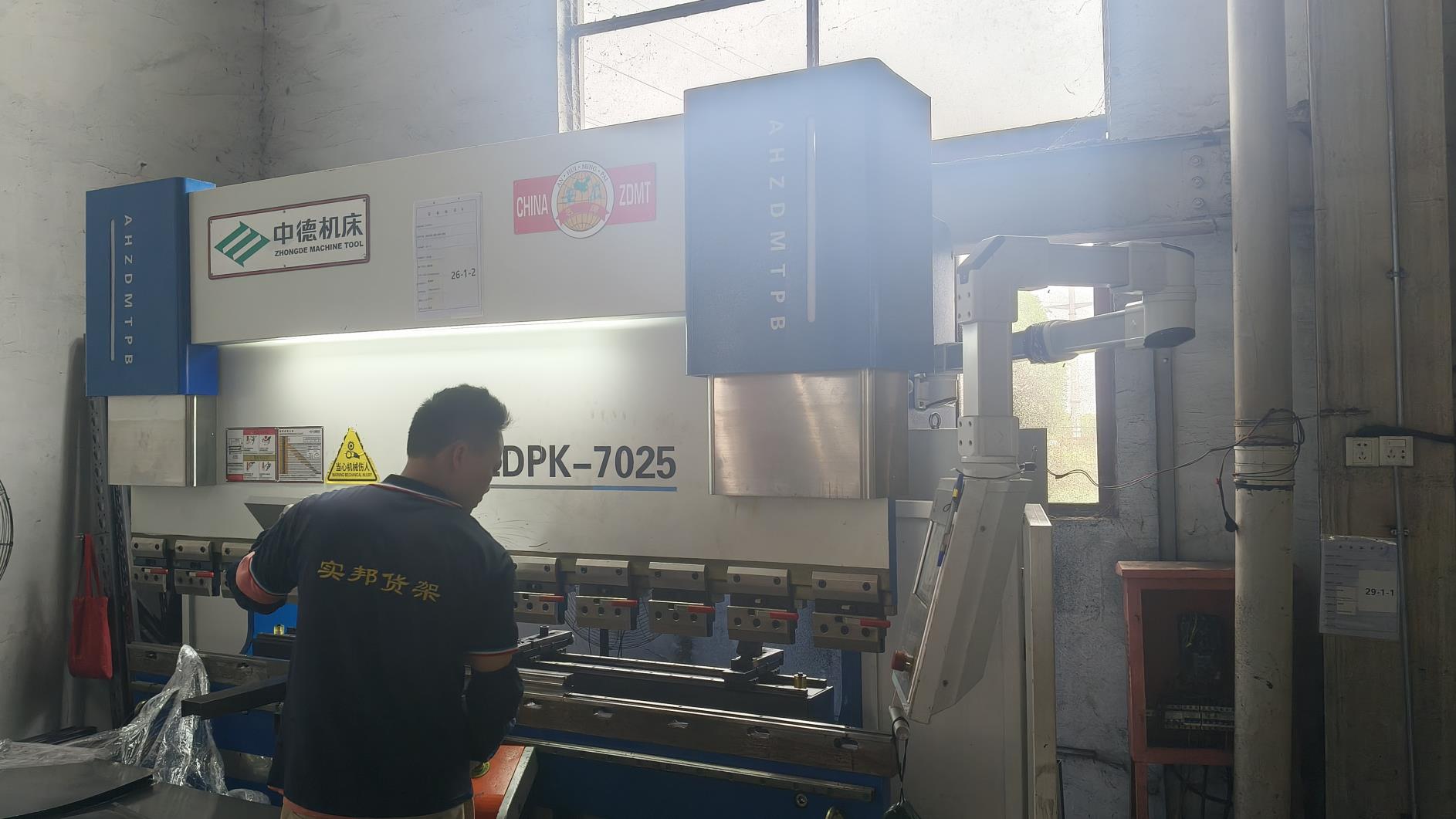
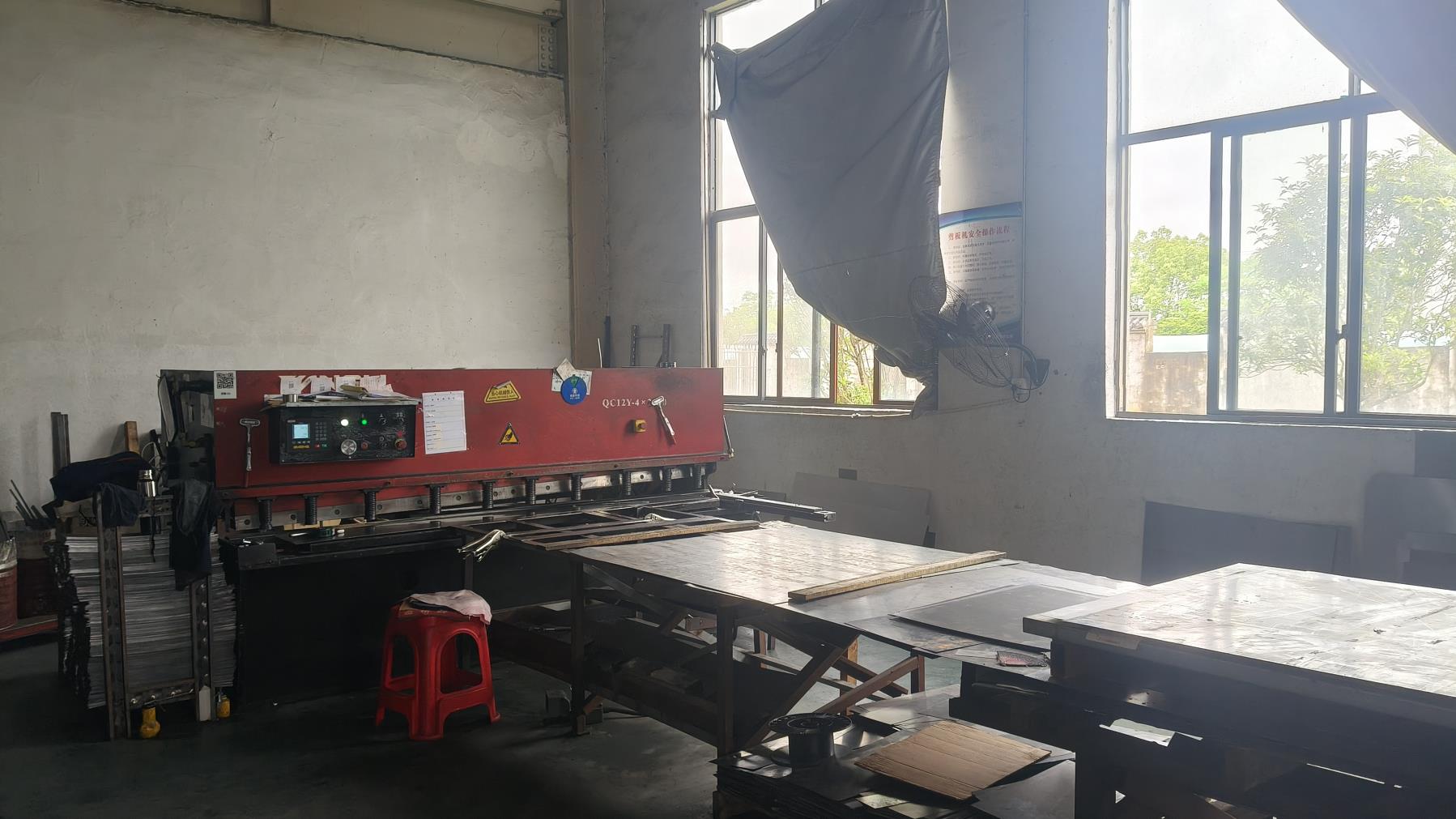
Why global procurement departments leverage South China's specialized industrial clusters for storage rack manufacturing.
Procuring industrial racking from Guangdong offers significant supply chain advantages. The region features a mature industrial cluster that integrates raw material suppliers, specialized tooling workshops, high-capacity roll-forming plants, and deep-water shipping ports like Shenzhen and Guangzhou. This concentration minimizes domestic shipping costs, secures raw steel pricing, and enables rapid scaling to meet tight project deadlines.
Furthermore, Shibang collaborates with a network of over 1,200 reliable partners across the industrial supply chain. This network secures consistent access to premium grade structural steel, certified powder coatings, and specialized fastening hardware. As a result, we maintain stable production cycles and offer competitive pricing. By managing production from custom design through final fabrication, we help logistics clients optimize upfront capital expenditures while securing high-performance equipment.
Our team of 28 design engineers develops approximately 120 new warehouse products annually. This R&D capacity ensures we can customize dimensions, surface finishes, and load ratings to match local warehouse designs and seismic requirements.
Proximity to Pearl River Delta container terminals ensures streamlined customs clearances and daily ocean freight departures, reducing transit times to North America, Europe, and Australia.
Our automated electrostatic powder spray systems apply dynamic protective coatings that resist scratches and rust, extending rack service life in both standard and cold storage warehouses.
Essential considerations for industrial buyers designing next-generation logistics hubs.
Global supply chain procurement is transitioning toward standardizing modular racking systems to support automation. To help companies evaluate potential manufacturers, we have detailed key sourcing considerations:
A notable industry trend is the convergence of traditional pallet racks with automation, including shuttle cart systems, AGVs, and AS/RS cranes. These technologies require precision manufacturing tolerances (often within 1mm to 2mm limits) to ensure automated vehicles run smoothly along the rack structures. By investing in automated forming and robotic welding lines, Shibang delivers the structural consistency required to support modern automated warehouse setups.
Technical answers to frequent questions from supply chain engineers, logistics directors, and procurement specialists.
Browse our selection of boltless shelves, medium-duty stacking racks, and industrial logistics platforms.
 Shibang Storage Rack