Explore our high-performance functionality racks engineered for load integrity, storage density, and efficient material handling.
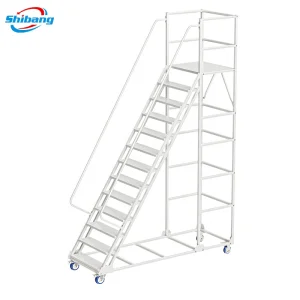
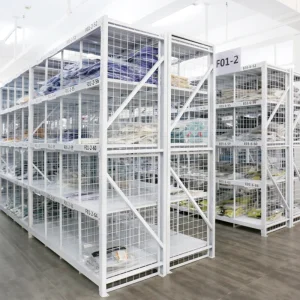
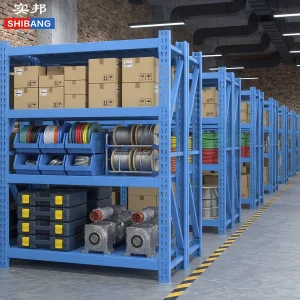
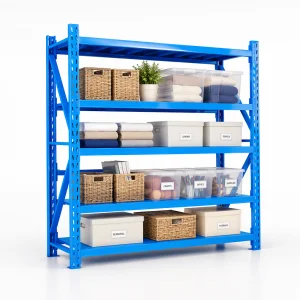
How Modern Intralogistics Ecosystems Leverage Advanced Racking Technologies to Maximize Volumetric Efficiency and Operational Throughput
In the contemporary global economy, warehouse storage is no longer viewed as a static holding area but as a dynamic engine of intralogistics efficiency. The global market for functionality racks has expanded exponentially, driven by the explosive growth of global e-commerce, third-party logistics (3PL) expansion, and lean manufacturing practices. Modern industrial racks serve as structural foundations that interface directly with Automated Guided Vehicles (AGVs), Autonomous Mobile Robots (AMRs), and sophisticated Warehouse Management Systems (WMS).
Across North America, Western Europe, and Asia-Pacific, industrial space commands high premiums. This has created a critical demand for high-density storage solutions, such as dynamic gravity flow systems, selective pallet configurations, and heavy-duty cantilever racks. Warehouses are pushing upward, using vertical height to optimize cubic spatial utilization without expanding physical real estate footprints. This structural verticality demands strict compliance with mechanical safety norms and international engineering codes, positioning high-quality manufacturing at the core of industrial competitiveness.
“Strategic space optimization via advanced functionality racks can increase storage capacity by up to 65% while reducing forklift transit times by over 30%, directly impacting bottom-line logistics operations.”
Furthermore, global supply chain volatility has forced corporations to shift from "Just-in-Time" to "Just-in-Case" inventory strategies. Maintaining larger safety stocks requires durable, modular, and customizable racking configurations that can adapt to changing product dimensions and load parameters. As a result, the procurement of heavy-duty racking has transitioned from commodity purchasing to strategic engineering collaborations, where factors such as steel grades, seismic design, and powder coating longevity are heavily prioritized.
Seamless compatibility with AMR, AGV, and automated stacker cranes for fully integrated smart warehousing environments.
Transforming low-efficiency warehouse footprints into high-density structural vertical space, maximizing cubic storage capacities.
Boltless connections and adjustable beam configurations that evolve alongside shifting product dimensions and SKUs.
A Deep Dive into Structural Mechanics, Metallurgical Excellence, and Dynamic Load Calculations
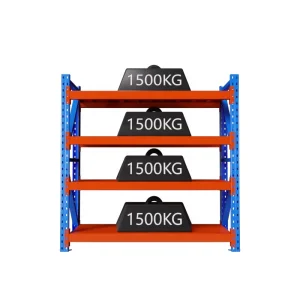
The integrity of a warehouse racking system depends on robust metallurgical engineering and structural design. Industrial functionality racks must support static and dynamic loads ranging from several hundred kilograms to multiple metric tons. To achieve this, quality-centric manufacturers rely on premium cold-rolled steel coils, primarily grades Q235B and Q355B (standard steel grades matching ASTM A36 and ASTM A572 respectively). These materials offer optimal yield and tensile strength, ensuring structural stability under high loading conditions.
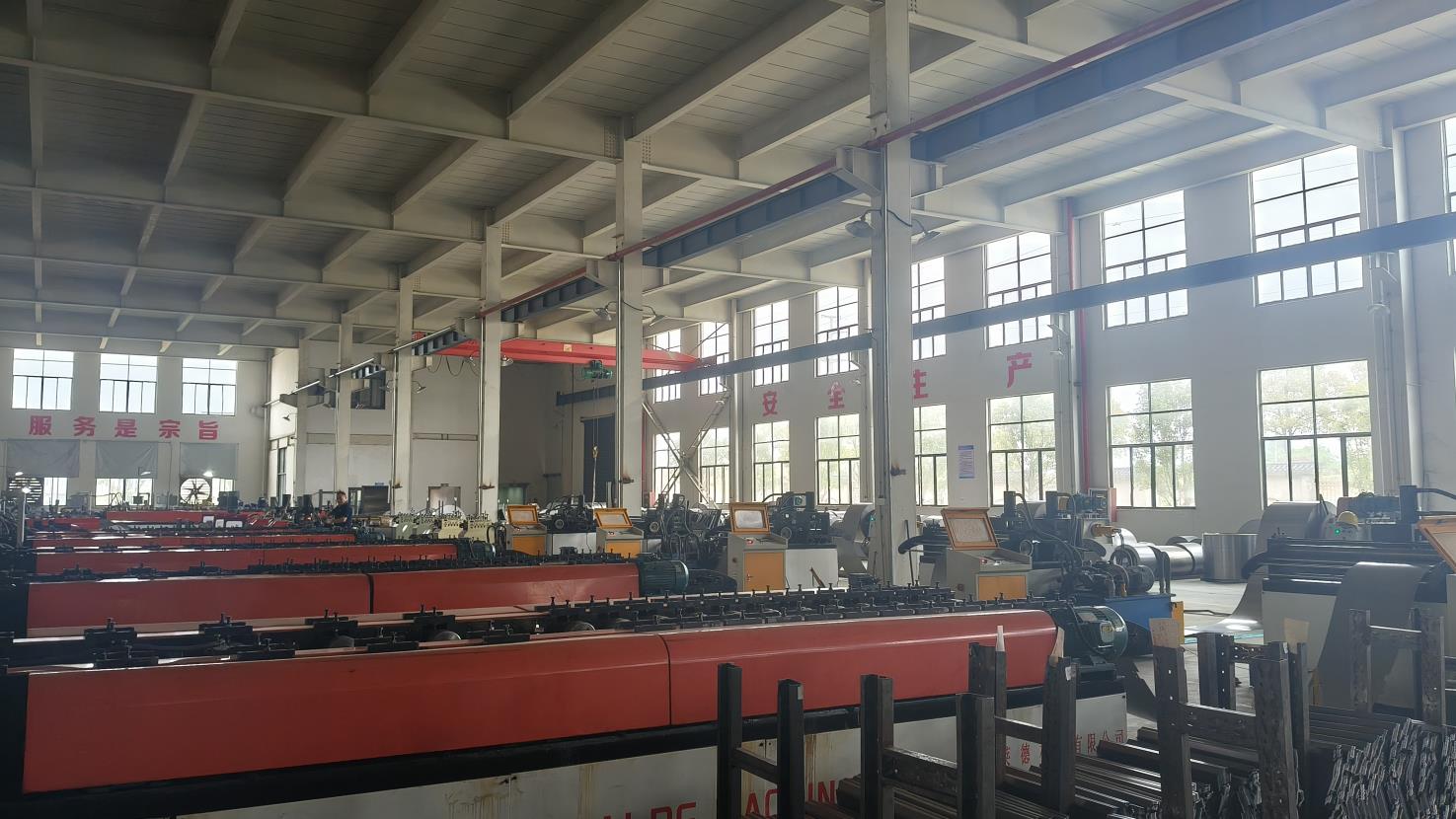
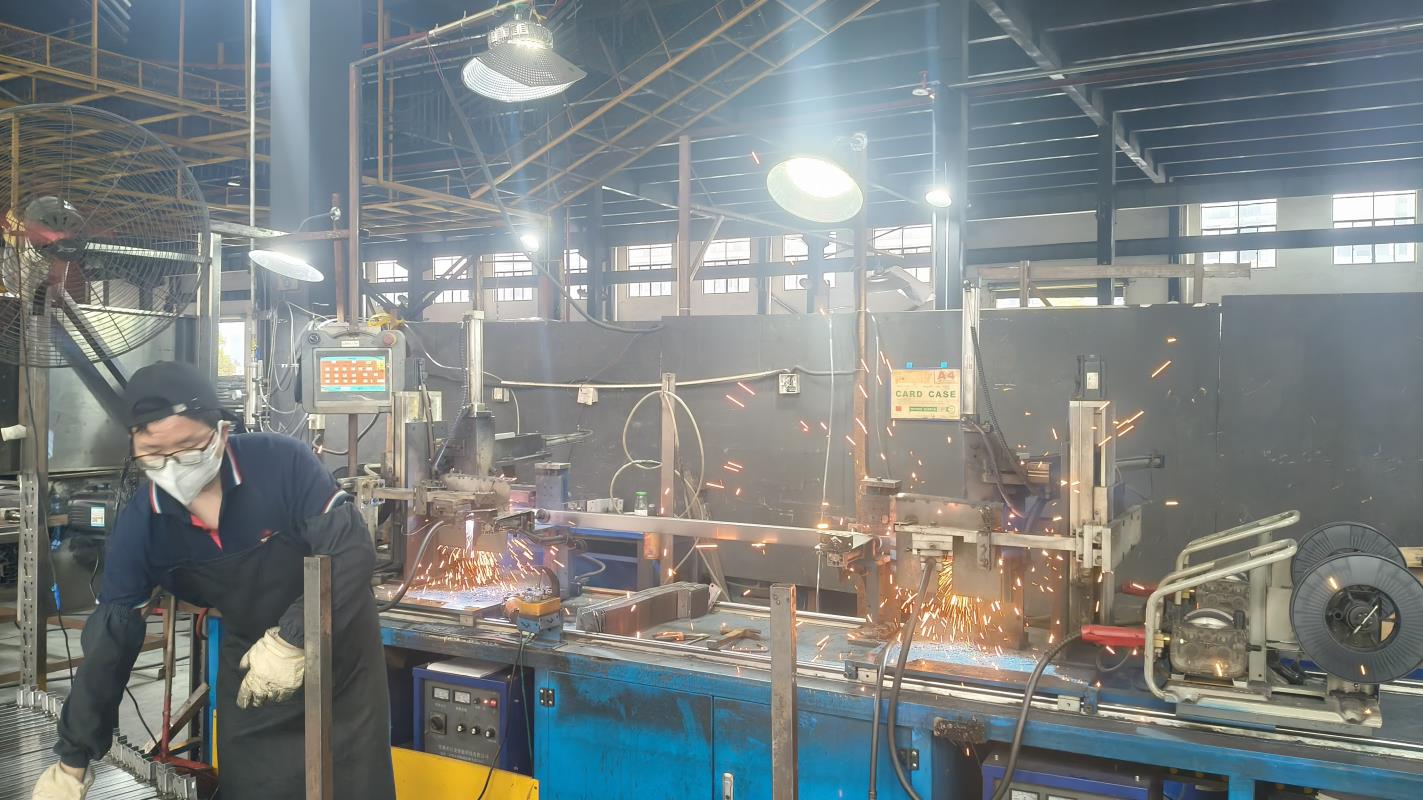
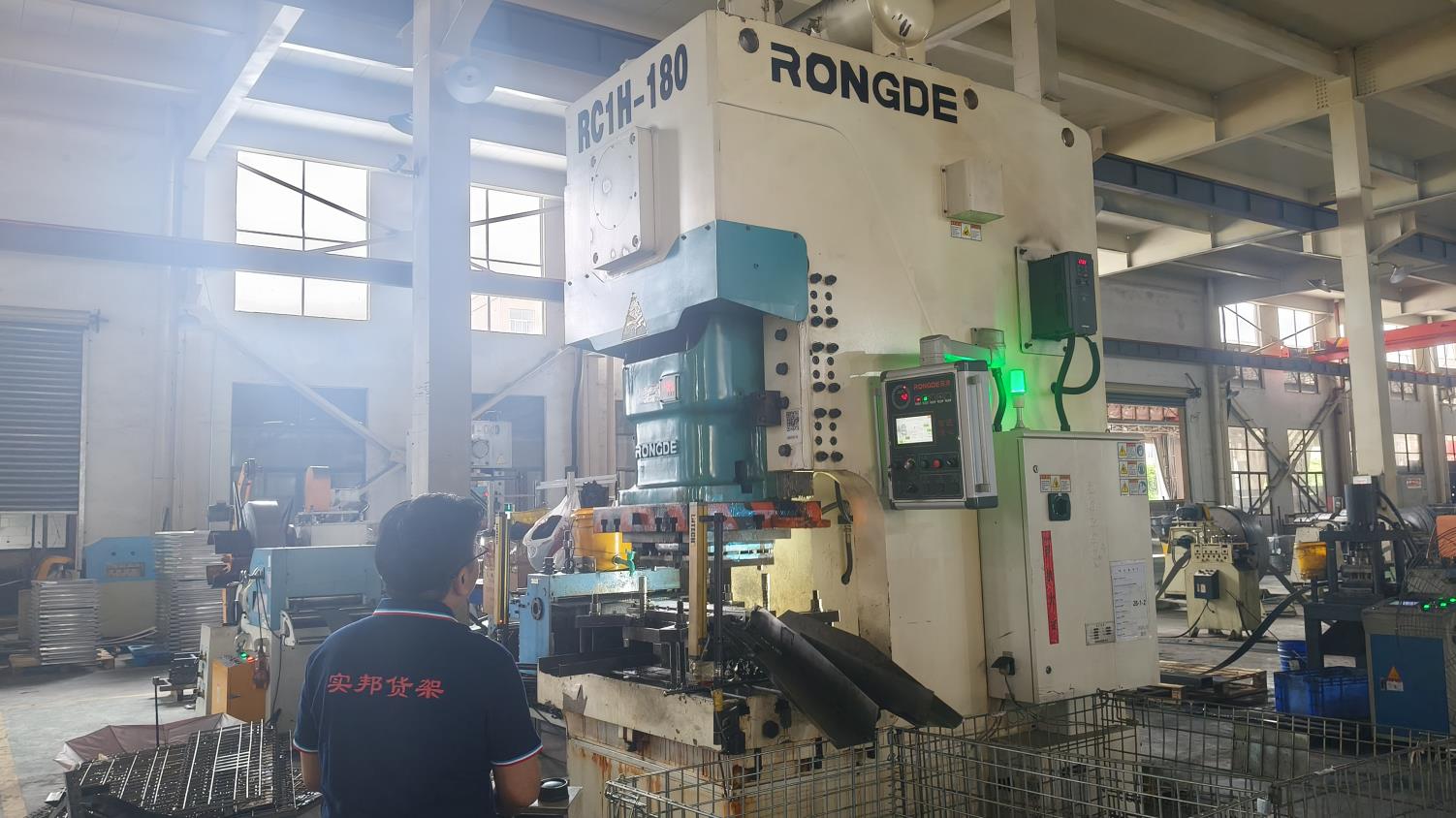
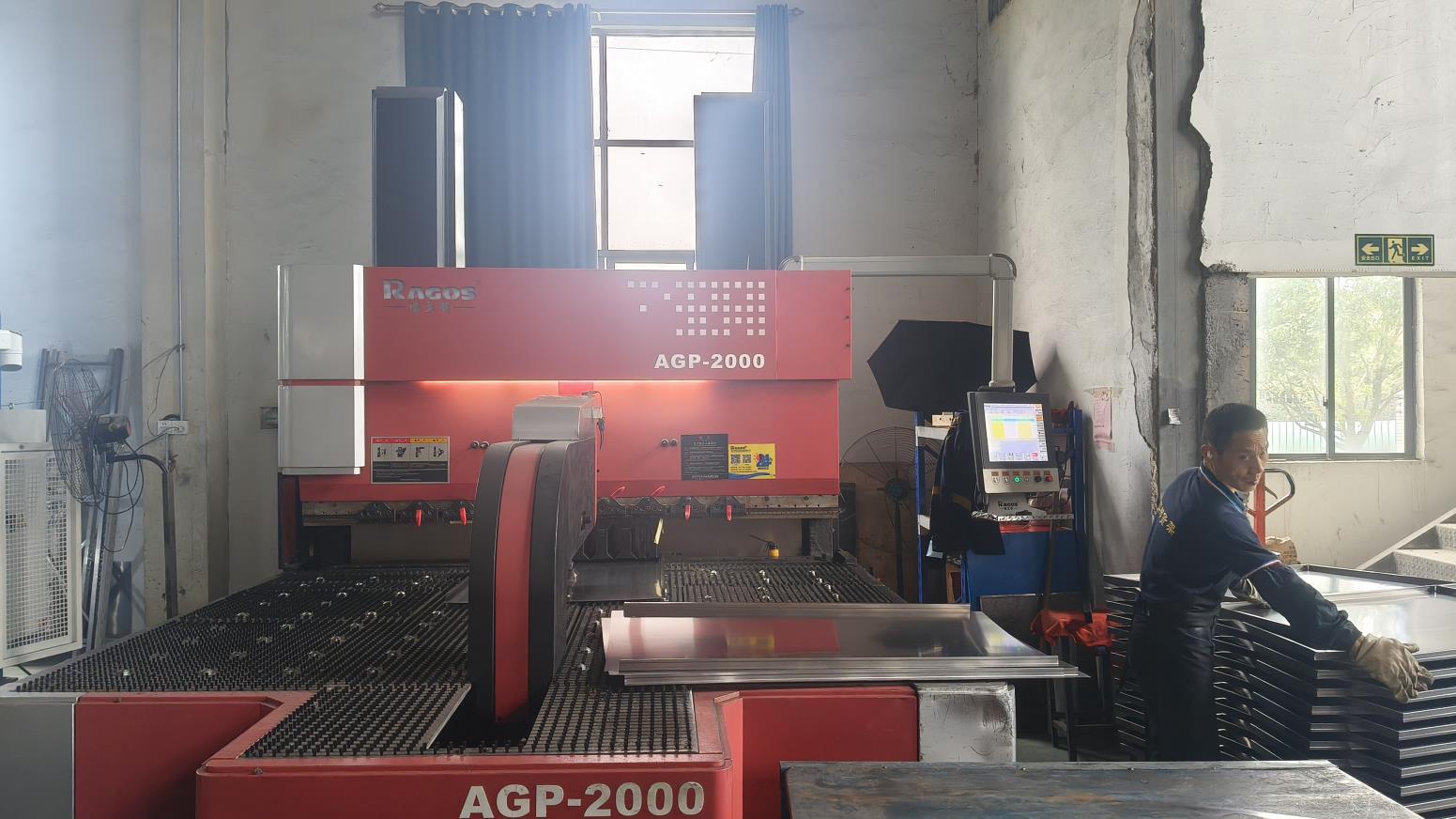
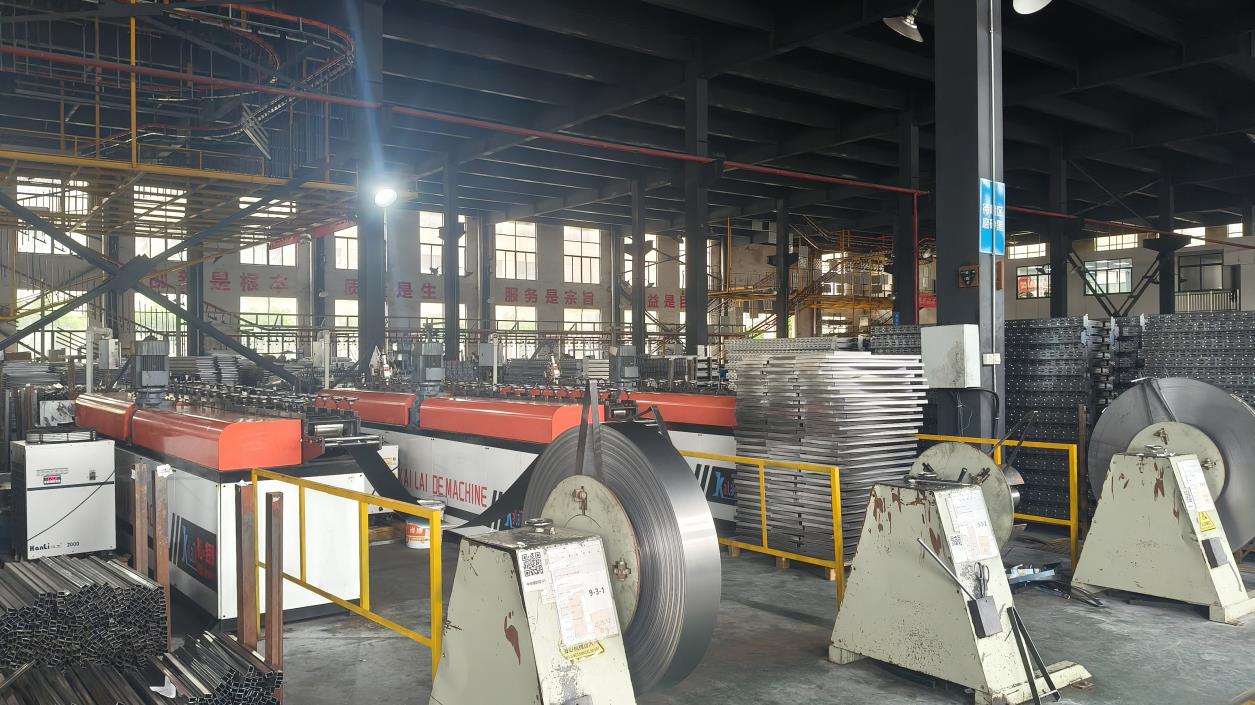
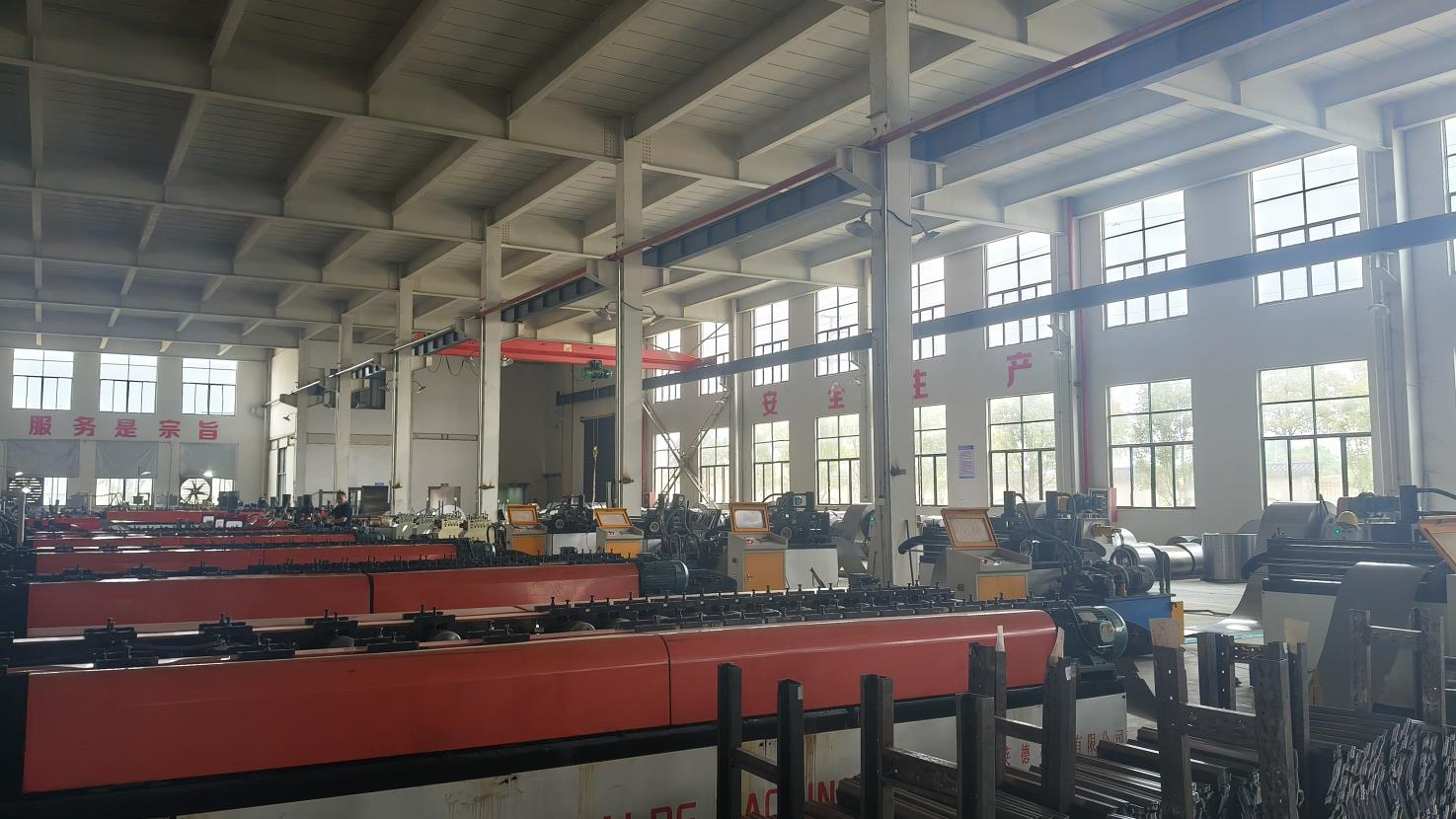
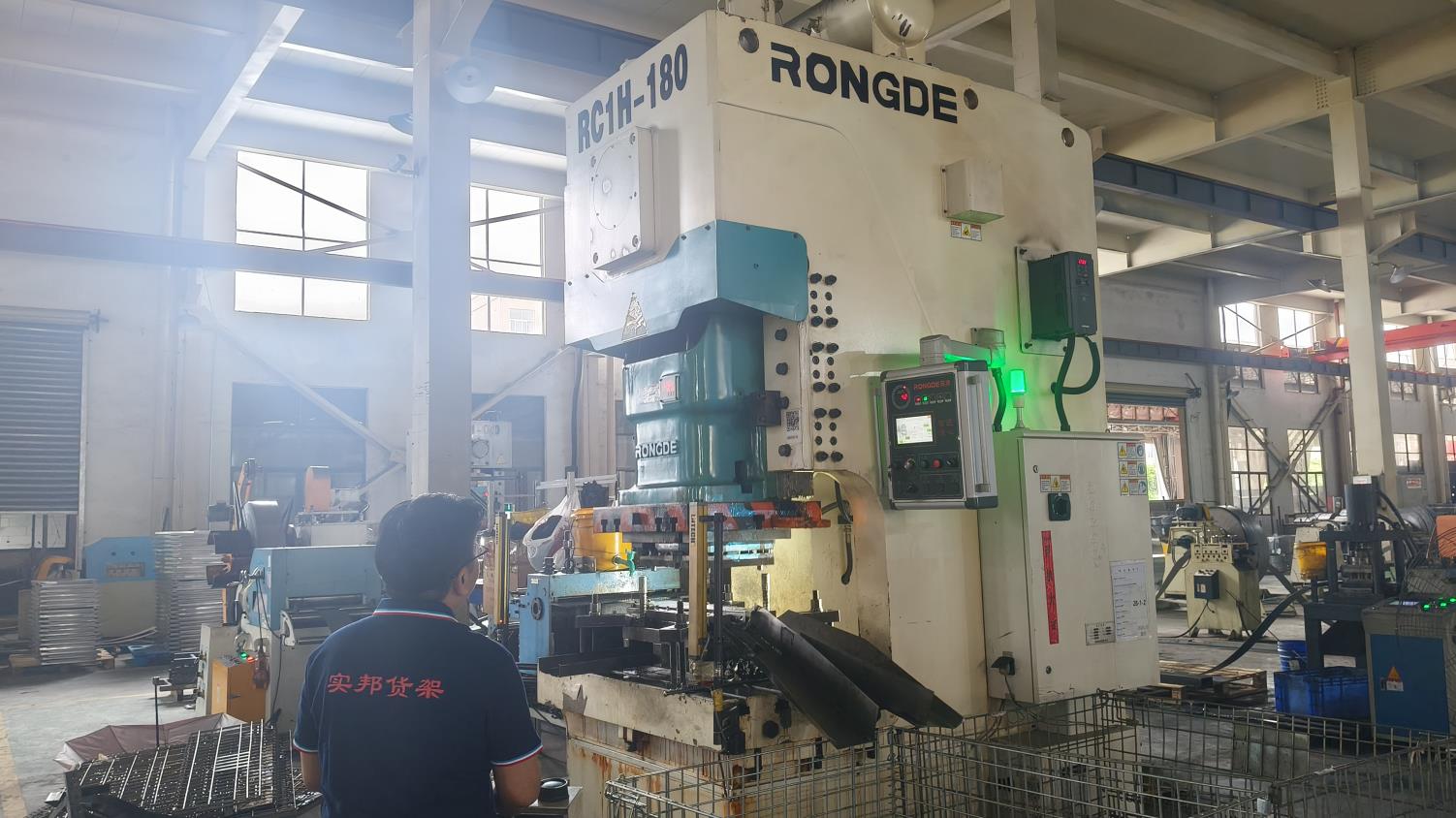
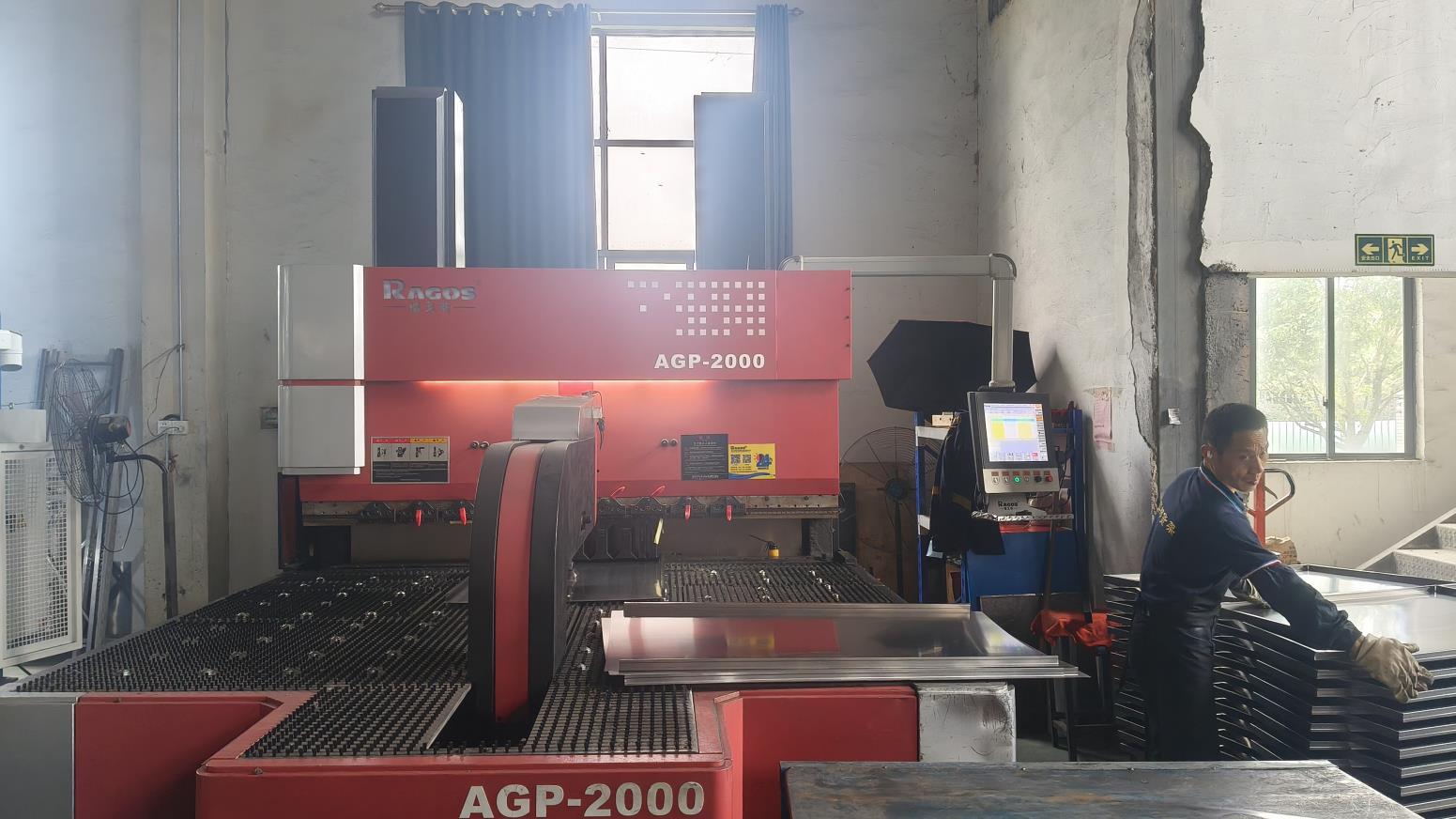
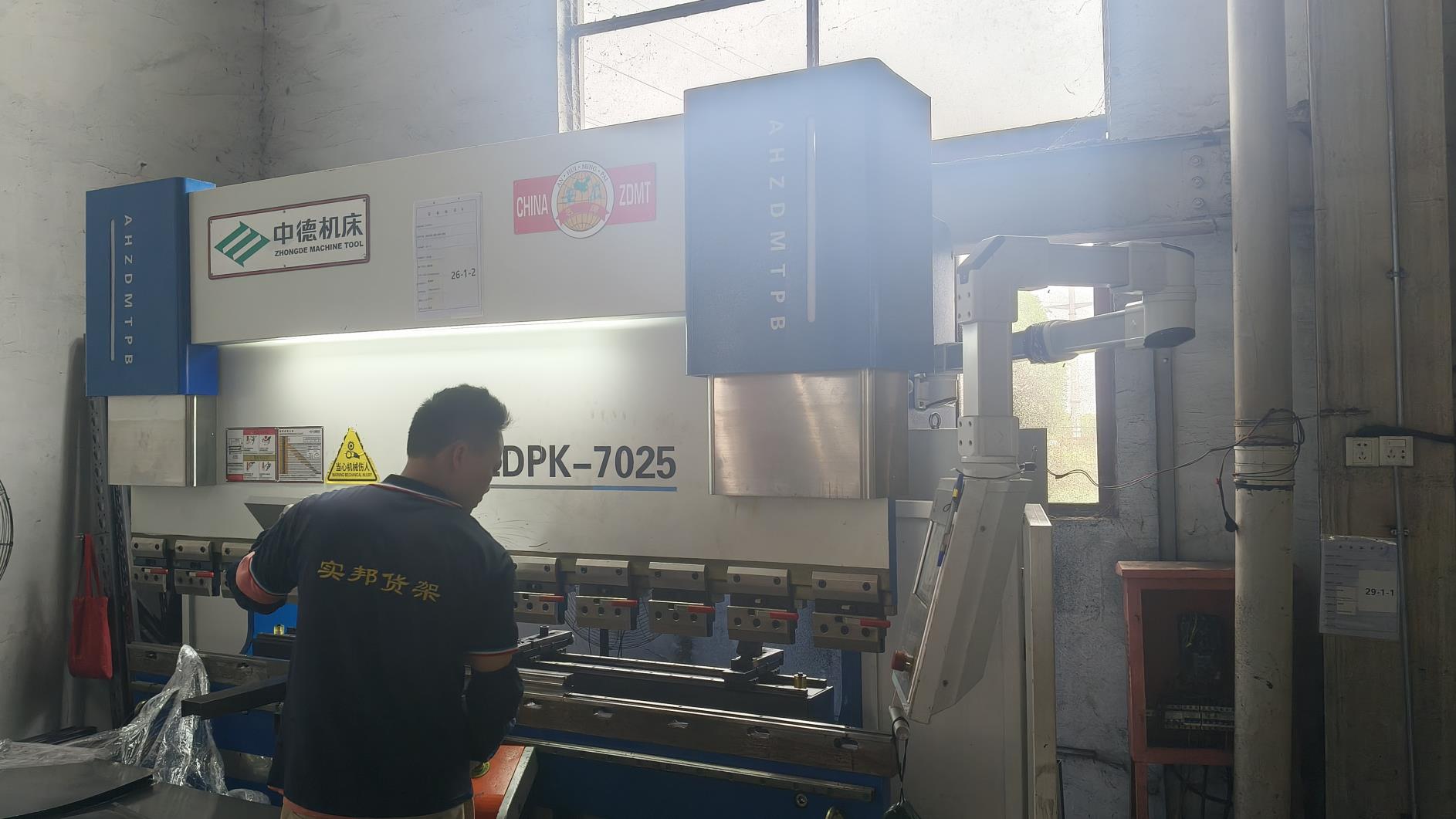
During manufacturing, steel strips are processed through automated roll-forming lines to create precise profile geometries for upright frames and box beams. The shape of the upright profile, featuring multi-bend returns, increases structural resistance to torsional buckling. Beams are designed with dual-thickness structural steel welded to heavy-duty connectors, featuring multi-prong lock systems that engage with upright columns to secure the structure against displacement.
Finite Element Method (FEM) simulation is utilized to model load stresses, identify strain concentrations, and evaluate seismic resilience. This digital validation phase guarantees that the physical steel structures perform reliably within calculated safety parameters.
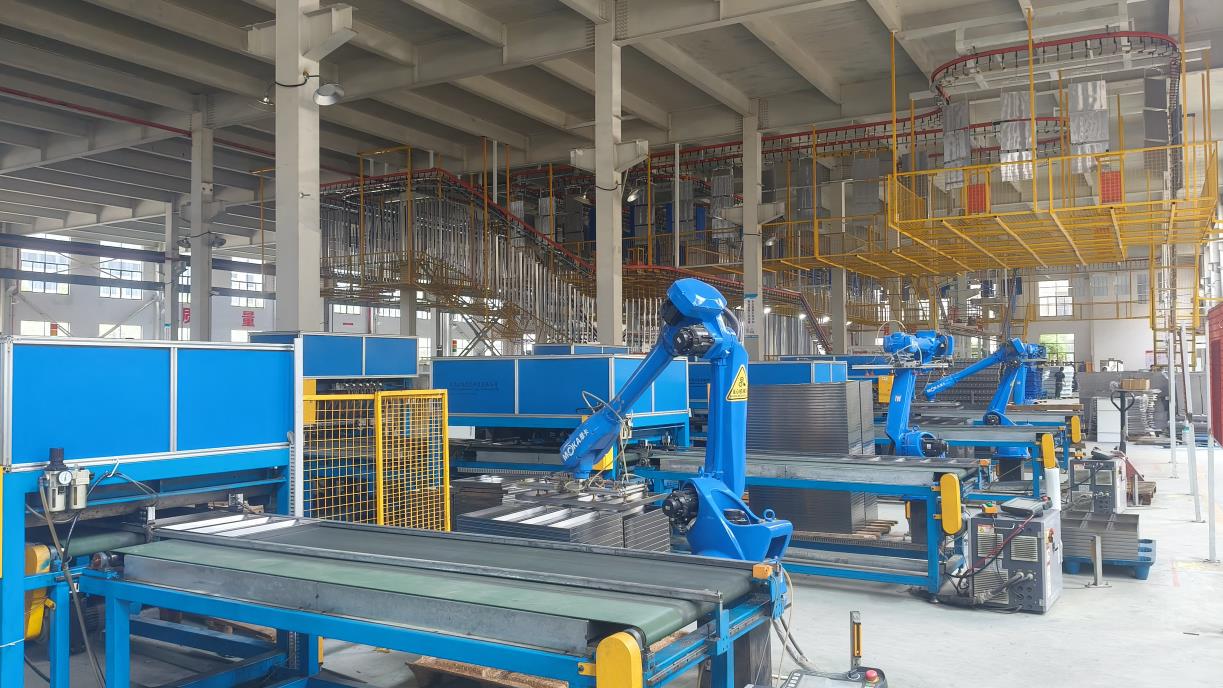
Automated CNC roll-forming machinery produces consistent profiles with tight dimensional tolerances. This precision facilitates uniform load distribution and seamless alignment during field installation.
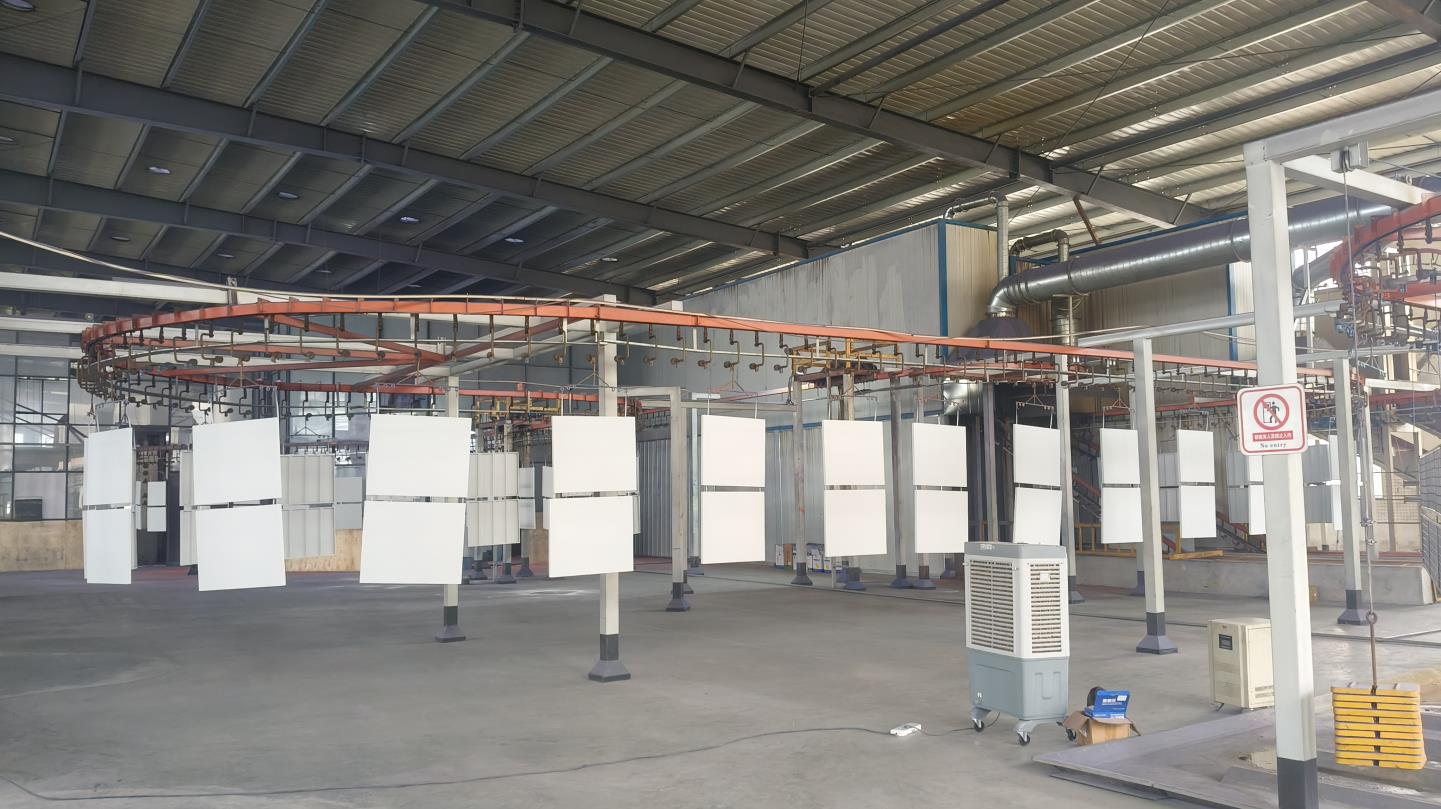
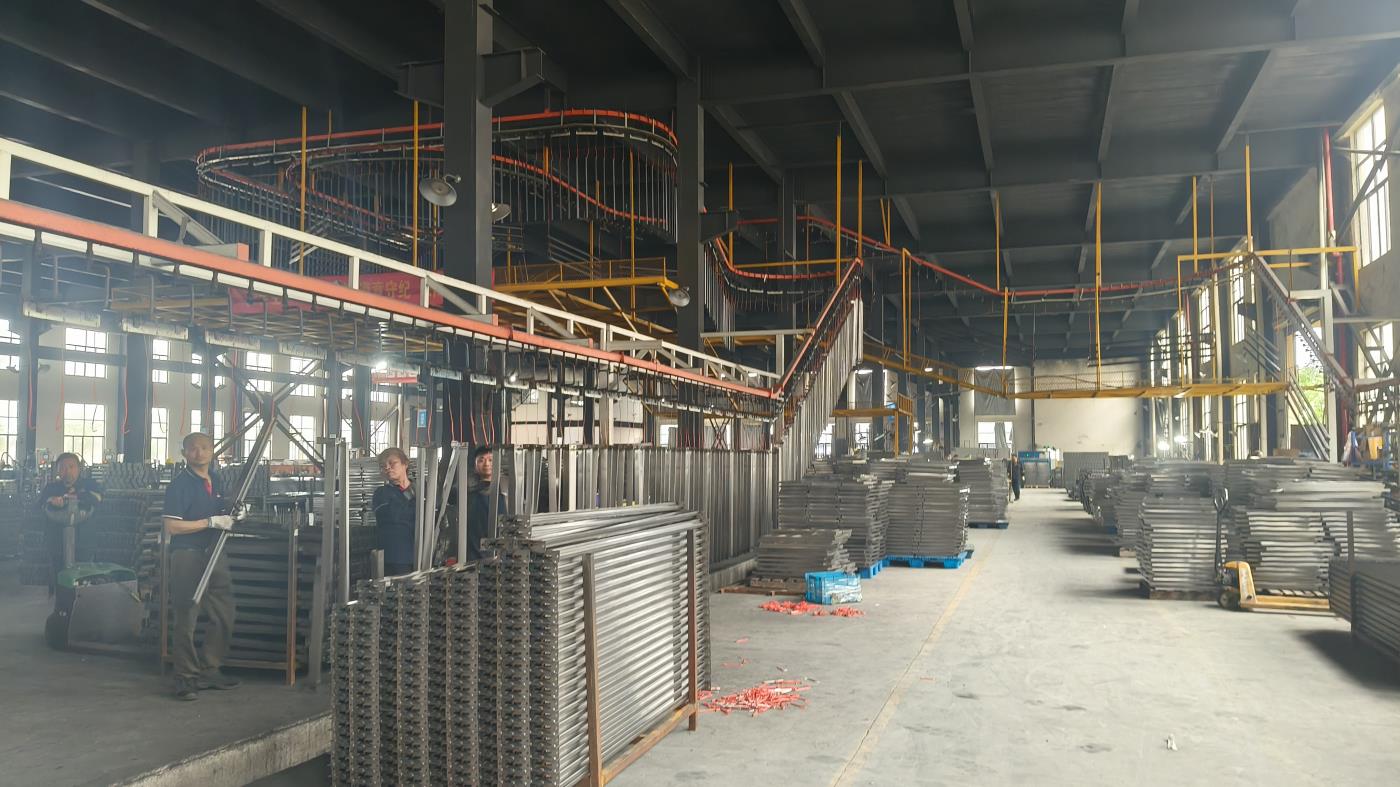
A multi-stage chemical pretreatment line removes surface scale and oils, followed by electrostatic powder coating. The resulting thermosetting epoxy-polyester barrier protects the underlying steel from mechanical wear, abrasion, and oxidation.
Safety is the primary metric for industrial storage structures. Structural designs conform to established industry standards, such as the Rack Manufacturers Institute (RMI) specification in North America and EN 15512 standards in Europe. Incorporating robust baseplates, safety locking pins, and anchors secures the assemblies against operational impacts, preserving safety in high-activity industrial environments.
A Top China Manufacturer Redefining Industrial Racking Systems and Customized Logistics Infrastructure Globally
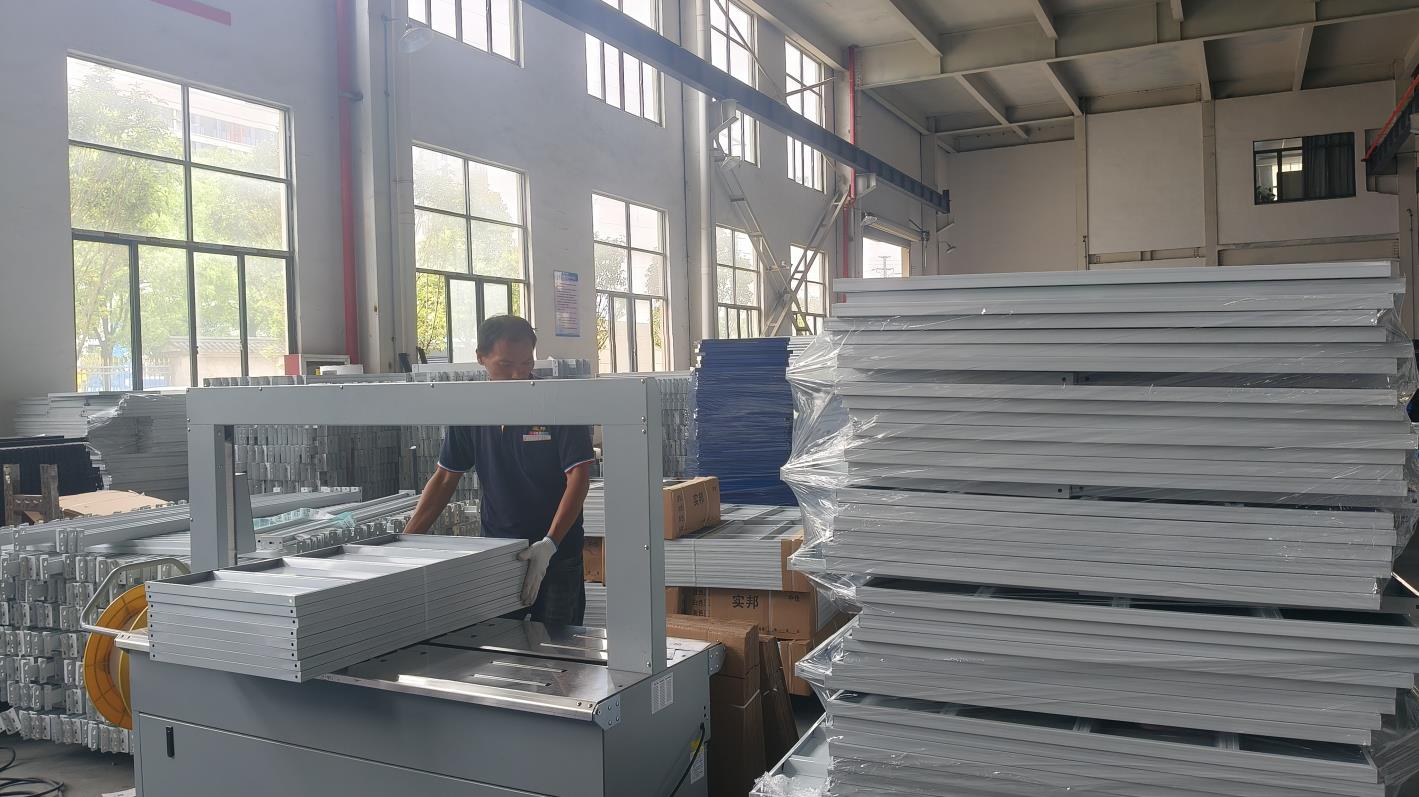
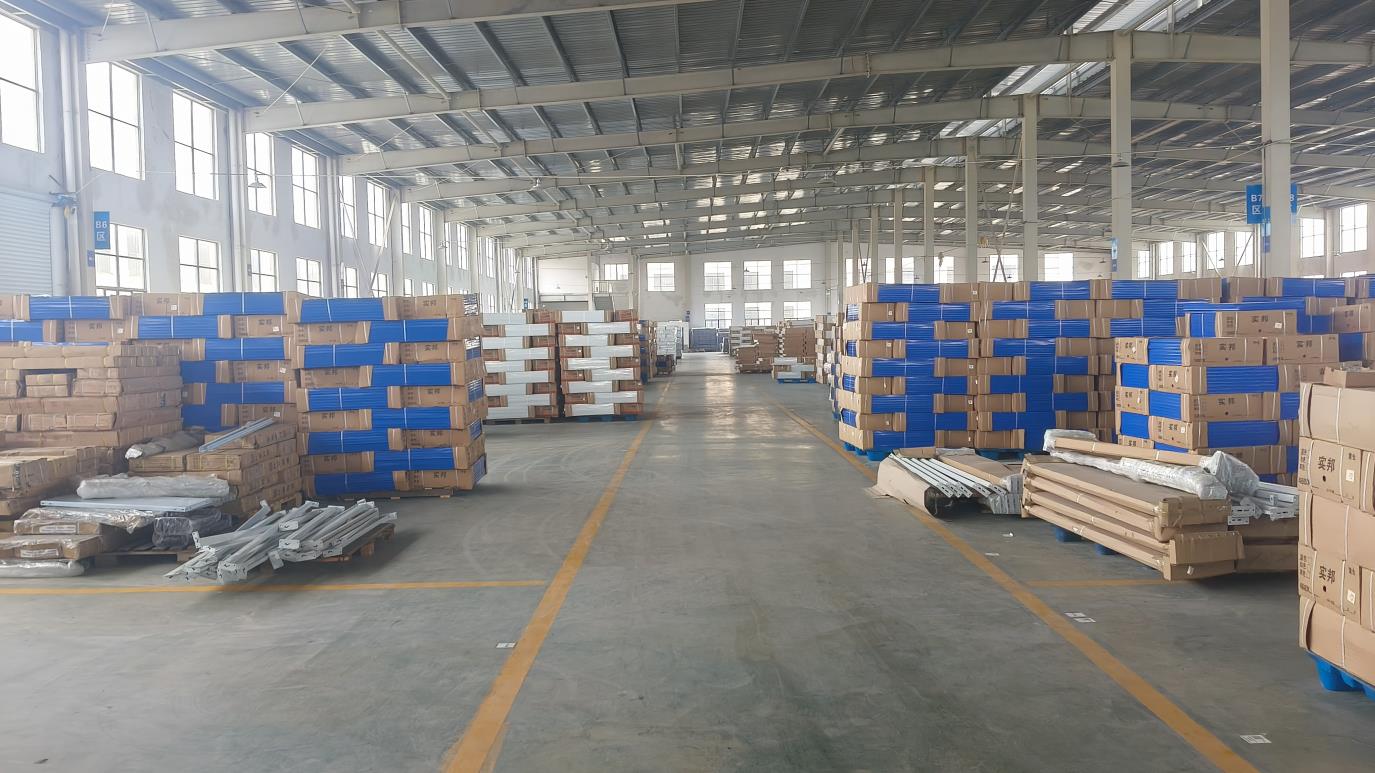
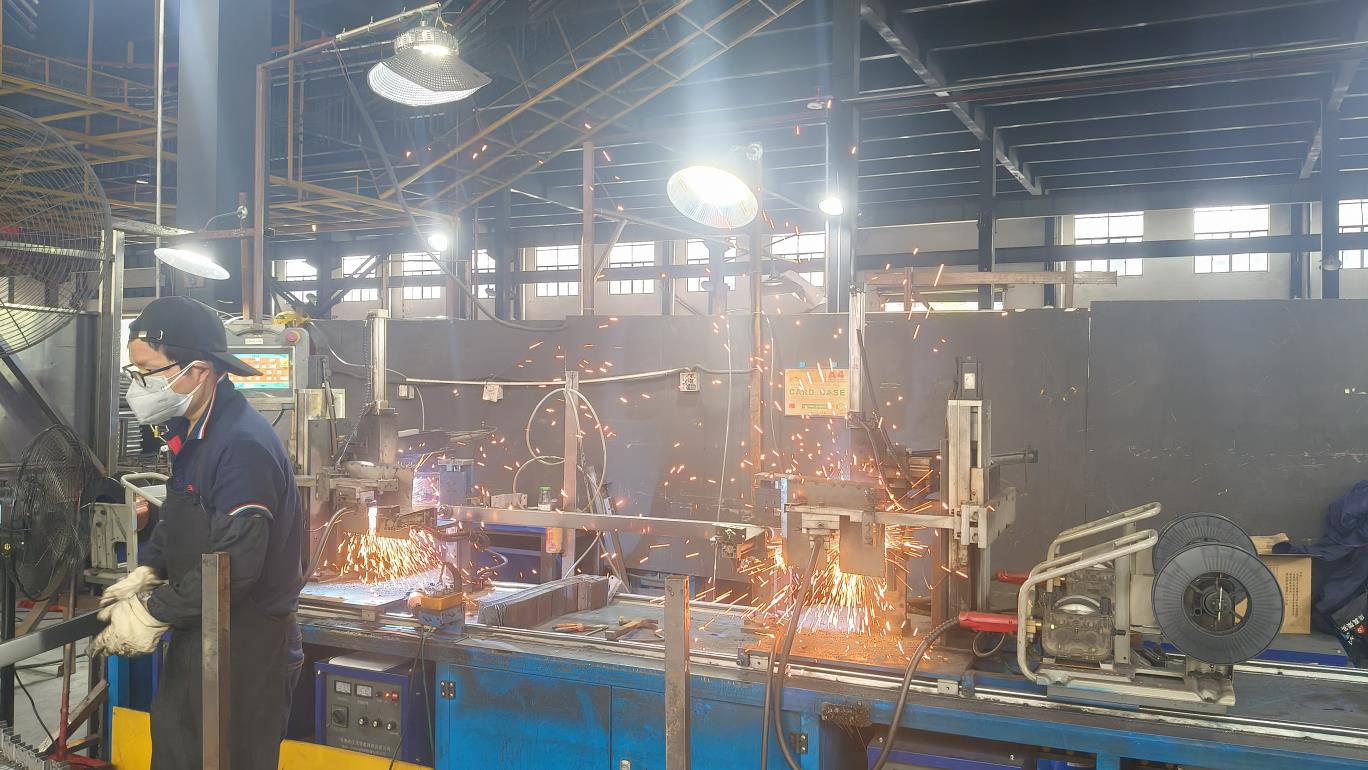
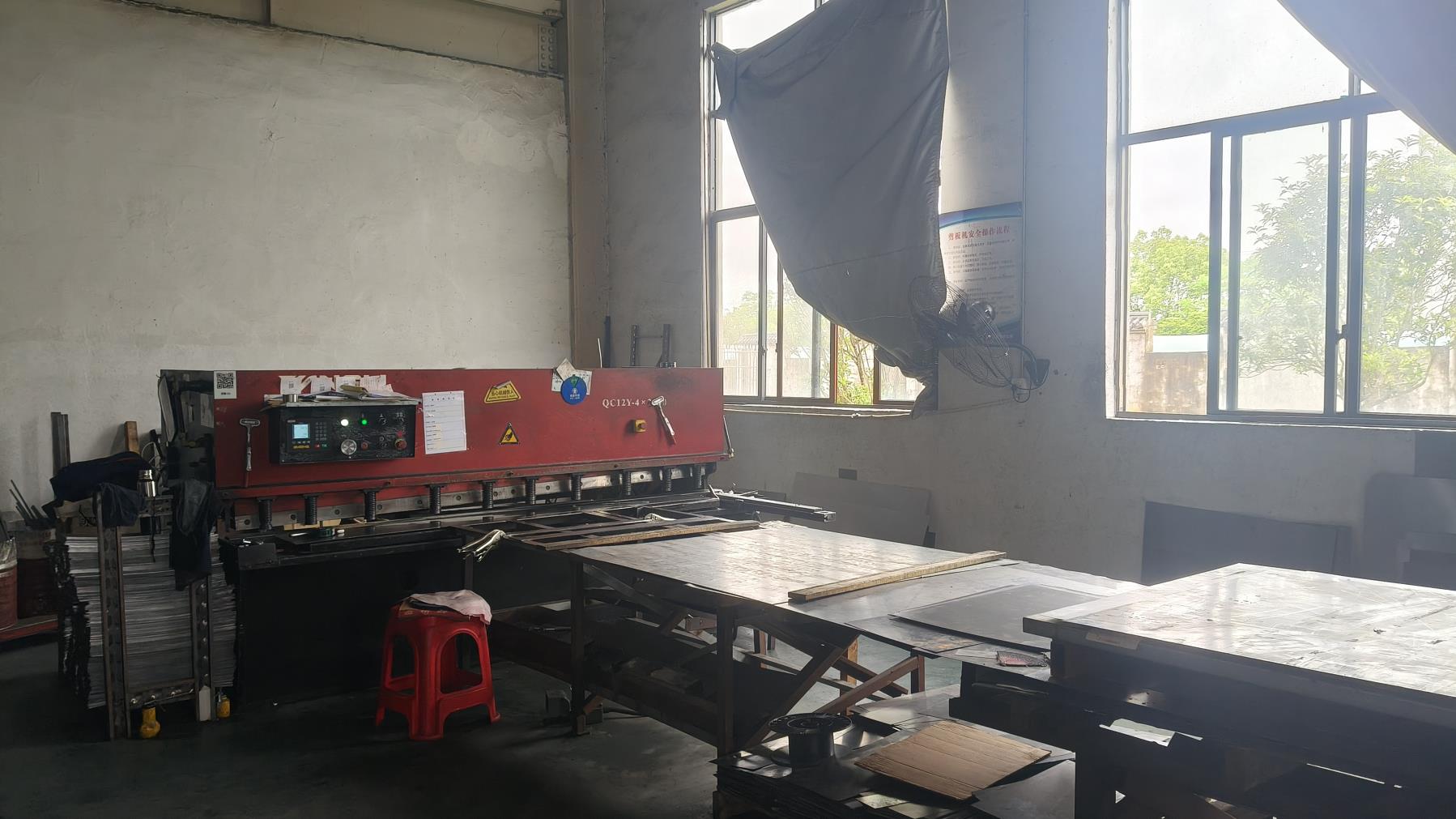
Established in 2016, Guangdong Shibang Storage Rack Co., Ltd. has developed into a professional manufacturer specializing in warehouse storage racks, industrial shelving systems, and customized storage solutions. Operating from our 35,000㎡ modern production facility, we manufacture high-capacity storage solutions for distribution centers, manufacturing facilities, e-commerce hubs, and commercial applications worldwide.
With an annual export revenue of approximately USD 18 million, backed by 8 years of export experience and 15 years of industry experience in storage rack manufacturing, Shibang manages the complete project lifecycle from design and material selection to automated fabrication and global delivery. Our client portfolio includes warehouse operators, third-party logistics (3PL) companies, manufacturing enterprises, and commercial distributors.
Our quality management system is structured around ISO 9001 quality control procedures, incoming material inspection, production process monitoring, and finished product testing. Every production run undergoes structural verification, including raw material testing, welding inspection, surface coating thickness checks, load-bearing testing, and dimensional accuracy checks prior to dispatch.
A professional inspection team of 65 experienced QC specialists monitors every stage of production to ensure compliance with structural and international safety standards. With a global distribution network, Shibang supplies clients across North America, Europe, Southeast Asia, the Middle East, Africa, and South America, with key regional markets in the United States, Germany, the United Kingdom, Australia, Saudi Arabia, Thailand, and Mexico.
Supported by a supply chain network of more than 1,200 reliable partners, we secure stable raw material supplies to maintain consistent production capacity and competitive pricing for volume buyers. Our dedicated R&D division focuses on structural optimization and custom product development, generating approximately 120 new products annually. This team of 28 experienced R&D engineers collaborates with buyers to design customized racking dimensions, load ratings, and configurations for complex layouts.
Bespoke Implementations Designed to Address Complex Logistics Challenges Across Key Industrial Verticals
Modern industrial operations require storage solutions tailored to specific vertical sectors. Standard, off-the-shelf shelving configurations often fail to meet the load limits or spatial requirements of specialized distribution environments. Below are some primary industrial application scenarios for functional racking systems:
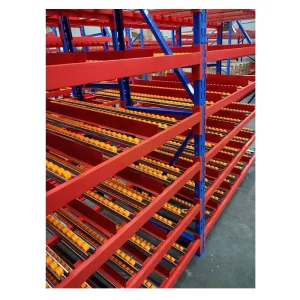
E-commerce centers operate under constant pick-and-pack pressures. Dynamic carton flow systems use inclined roller beds to transport boxes via gravity from loading to retrieval aisles. This separation of replenishment and order-picking functions reduces operational delays and optimizes order fulfillment pipelines.
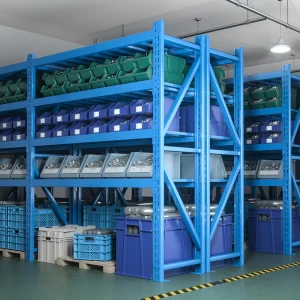
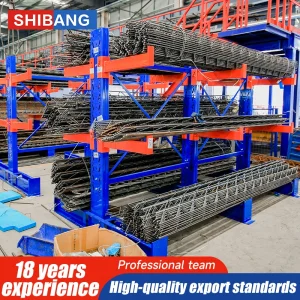
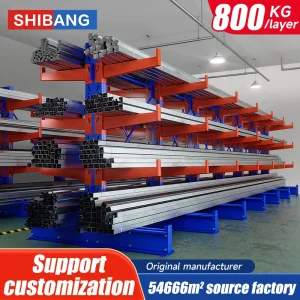
Heavy manufacturing plants require storage systems capable of holding tooling, raw metal components, and fabricated sub-assemblies. Heavy-duty selective pallet racks and cantilever systems allow forklifts direct access to structural components. Adjustability is essential here to accommodate variable item lengths and weights safely.
Cold chain facilities involve high refrigeration utility costs, making spatial density critical. Mobile racking systems and drive-in configurations minimize redundant forklift aisles, increasing the storage density per cubic meter and reducing refrigeration energy consumption.
By conducting structural assessments and site surveys prior to installation, Shibang develops spatial plans that optimize floor plans, balance traffic flow, and specify appropriate structural load capacities. This engineering-led approach helps buyers minimize spatial bottlenecks and support safe, long-term warehouse operations.
Integrating Sustainable Metallurgy, Smart Sensors, and Modular Design for Next-Generation Logistics Hubs
The warehousing sector is shifting toward digital, automated, and sustainable operations. As supply chain infrastructure evolves, functional racking systems are integrating smart capabilities and environmentally conscious designs. Shibang's long-term product roadmap focuses on three main developments:
1. Environmentally Conscious Powders and Sustainable Sourcing: The global steel sector is adopting greener processes. Shibang utilizes low-VOC, heavy-metal-free thermosetting powder coatings. Surface preparation uses closed-loop water treatment systems that minimize chemical runoff, reducing environmental impact while maintaining corrosion protection.
2. Structural Integrity via Embedded Sensor Systems: As warehouses scale vertically, monitoring structural safety becomes more complex. Future high-bay racking systems can be fitted with displacement and load sensors on key upright structures. These sensors alert logistics managers to structural stress or overloading before failure risks occur, helping prevent damage to facilities and personnel.
3. Modular Configurations for Circular Supply Chains: Standardized, modular connectors permit warehouse operators to disassemble, expand, or adjust their racking layouts without discarding structural components. This adaptability supports sustainable operations, allowing systems to be reconfigured as logistics requirements change.
Expert Engineering Clarifications Regarding Structural Standards, Materials, Customization, and Import Operations
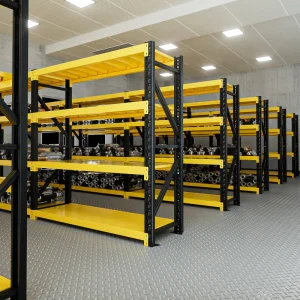
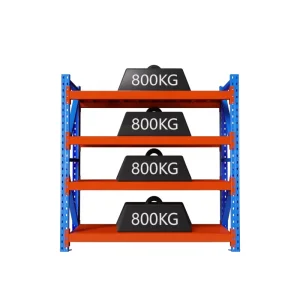
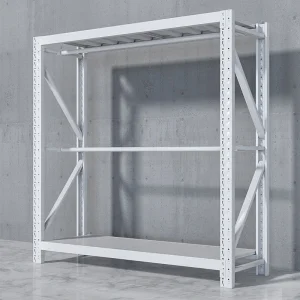
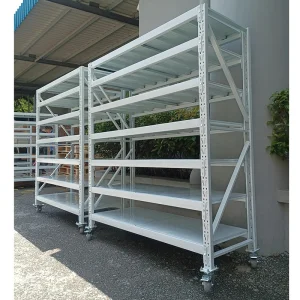
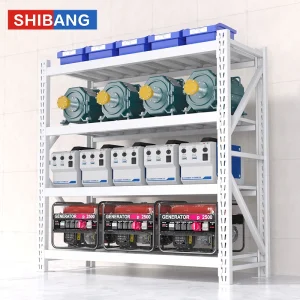
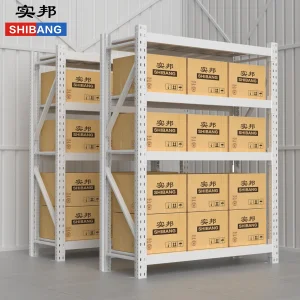
Select from our comprehensive line of heavy-duty, light-duty, and cantilever warehouse racking units built to withstand rigorous industrial workloads.
 Shibang Storage Rack