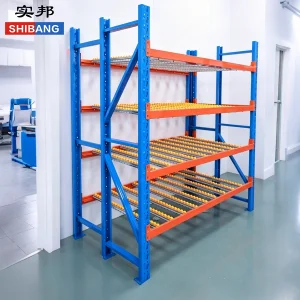
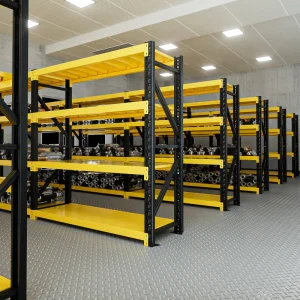
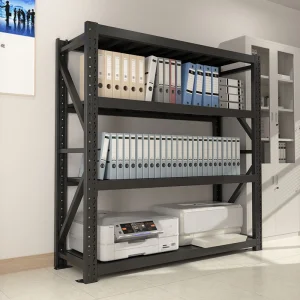
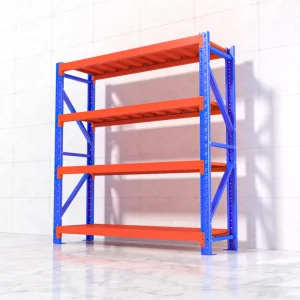
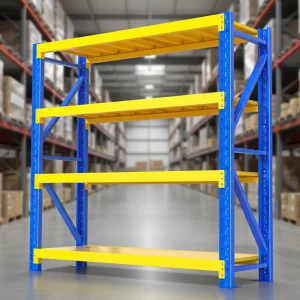
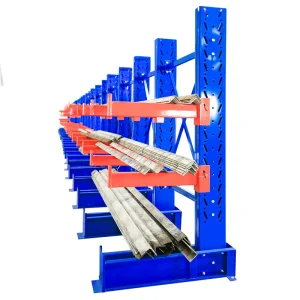
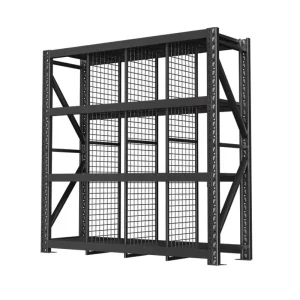
Industrial grade structural storage units built for optimal material handling, precision warehouse layouts, and dynamic loading performance.
An in-depth analysis of warehousing economies, structural demands, supply chain integration, and regional compliance standards.
The global industrial racking and commercial display systems market is undergoing a structural paradigm shift. Driven by the explosive growth of e-commerce, the rapid consolidation of third-party logistics (3PL) providers, and the demand for maximum volumetric efficiency, warehouse operators are transitioning from simple product holding spaces to high-velocity distribution centers. This transition dictates a critical need for structural integrity, modularity, and high-performance material design.
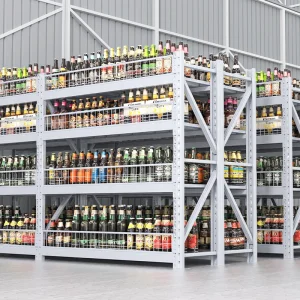
Modern warehouses no longer measure storage capacity merely in square footage; volumetric utilization—or cubic footprint optimization—is the primary metric of operational efficiency. High-density racking systems, such as dynamic carton flow shelves, cantilever configurations, and selective pallet racks, allow supply chains to scale vertically. This reduction in footprint requirements decreases overhead and land acquisition costs across crucial distribution hubs in North America, Western Europe, and Asia-Pacific.
Fulfilling RMI (Rack Manufacturers Institute) guidelines in the United States and EN 15512 standards in Europe ensures systemic workplace safety under extreme weight distributions.
Leveraging high-yield Q235B and Q355B structural steel enables components to maintain integrity with minimal structural thickness, reducing raw material deadweight.
Electrostatic epoxy powder coatings provide scratch resistance and moisture barriers, which are essential for cold storage facilities and high-humidity marine logistics ports.
Globally, the procurement strategy of tier-1 logistics operators has pivoted toward customized OEM/ODM engineering. Standard off-the-shelf storage solutions frequently fail to accommodate automated storage and retrieval systems (AS/RS), custom carton sizes, or specialized material handling equipment. By collaborating with an integrated manufacturer capable of executing full-cycle engineering—from raw material coil processing to finite element analysis (FEA)—buyers ensure their storage systems perform under demanding conditions.
Guangdong Shibang Storage Rack Co., Ltd.: Seamlessly integrating R&D, structural engineering, and automated fabrication.
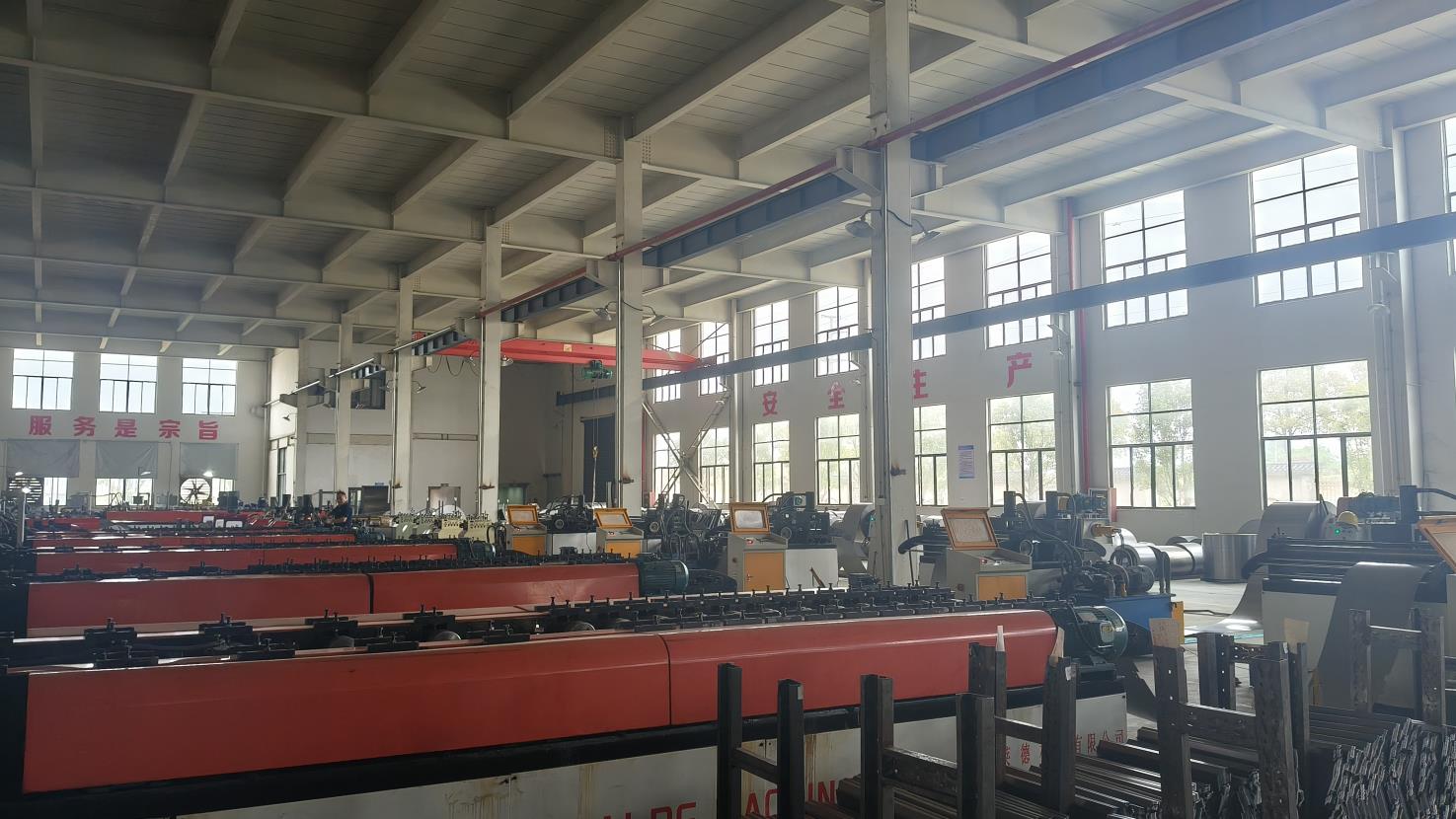
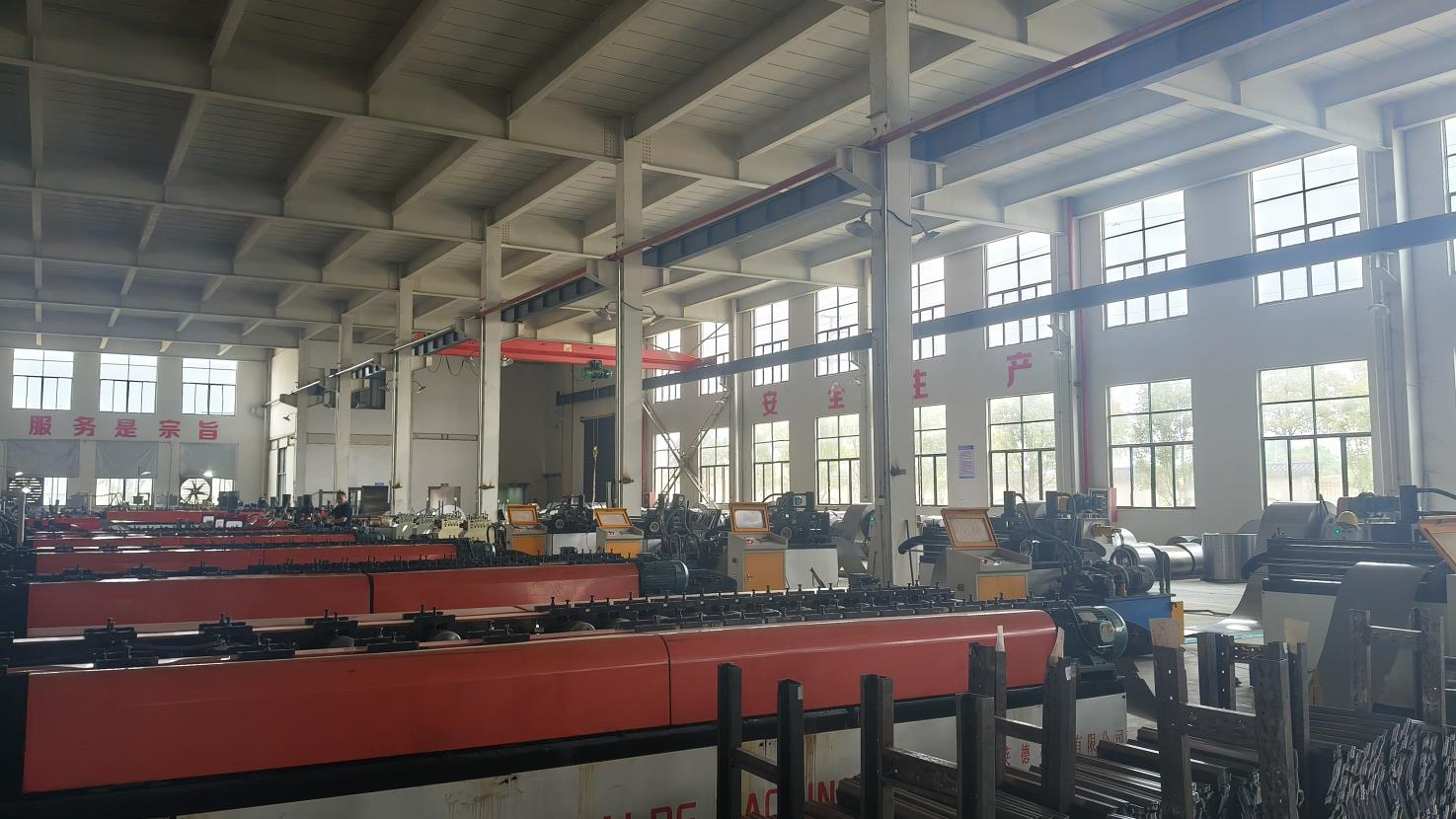
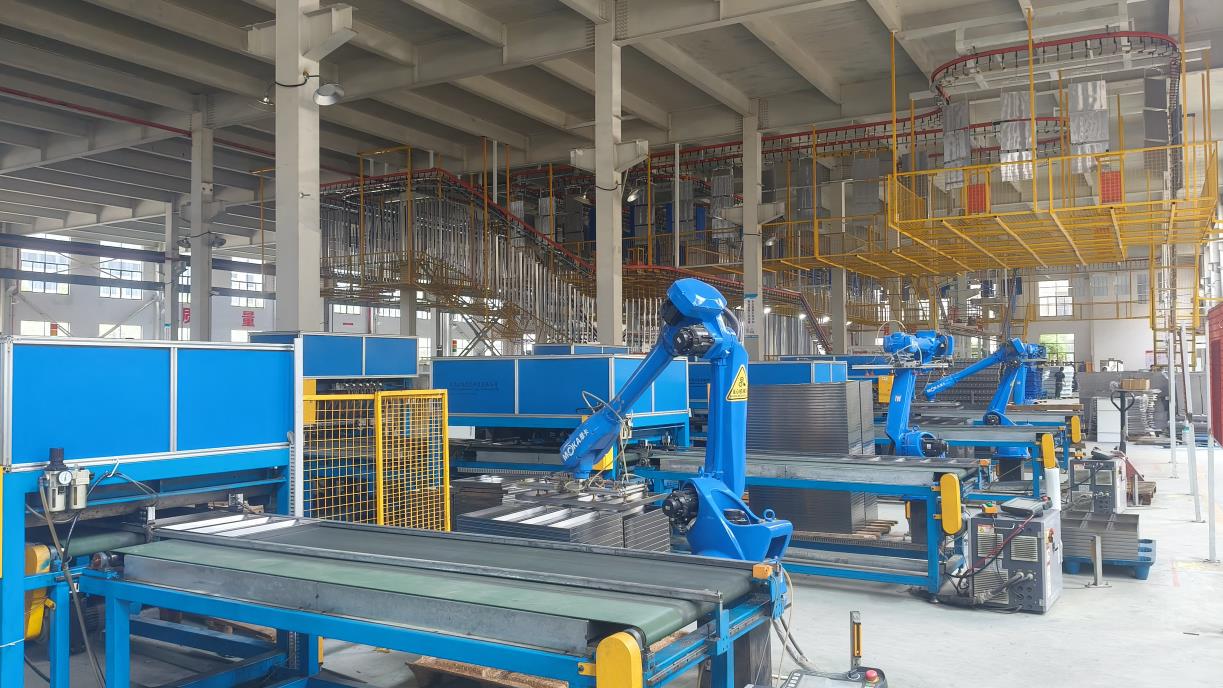
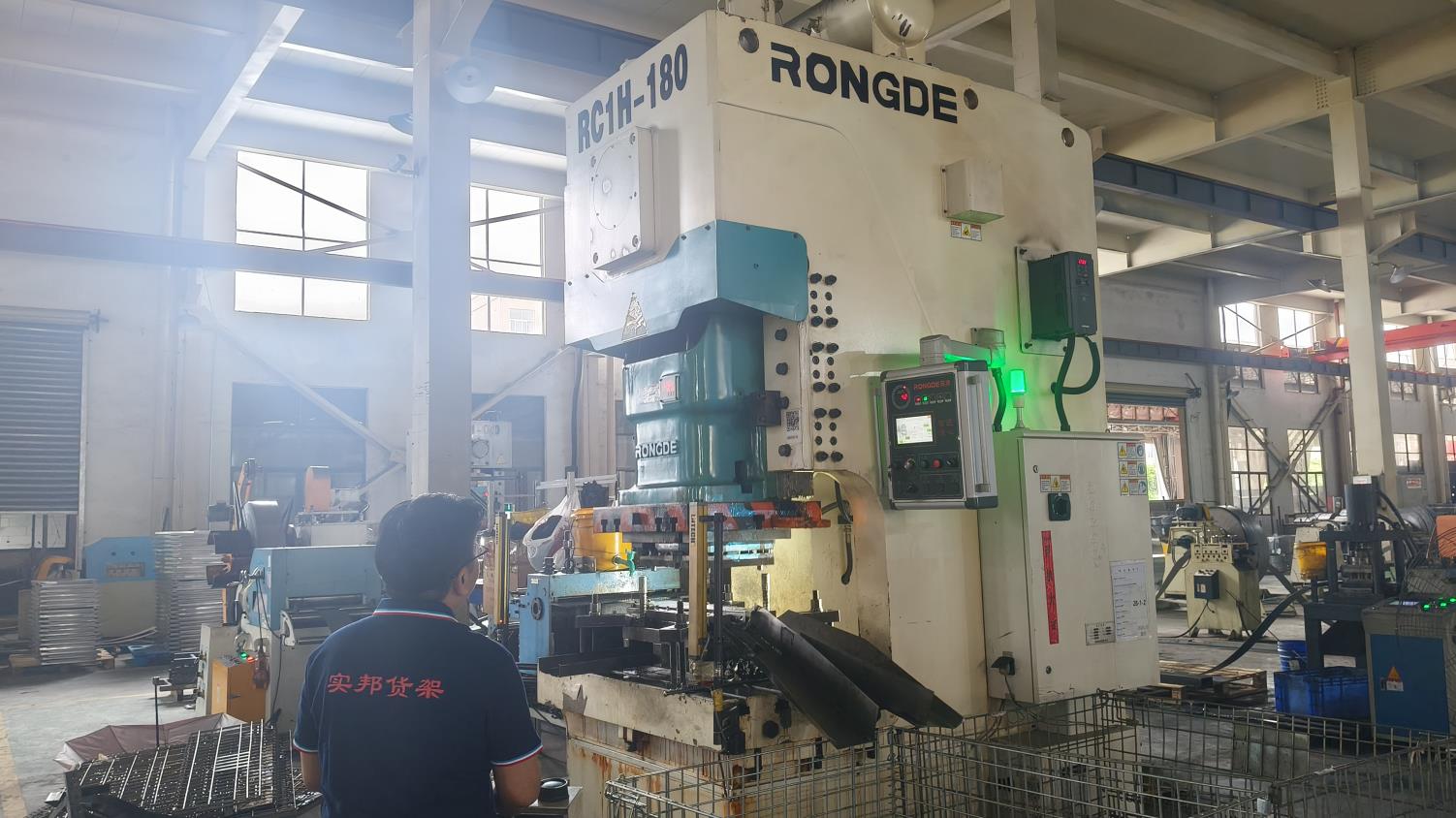
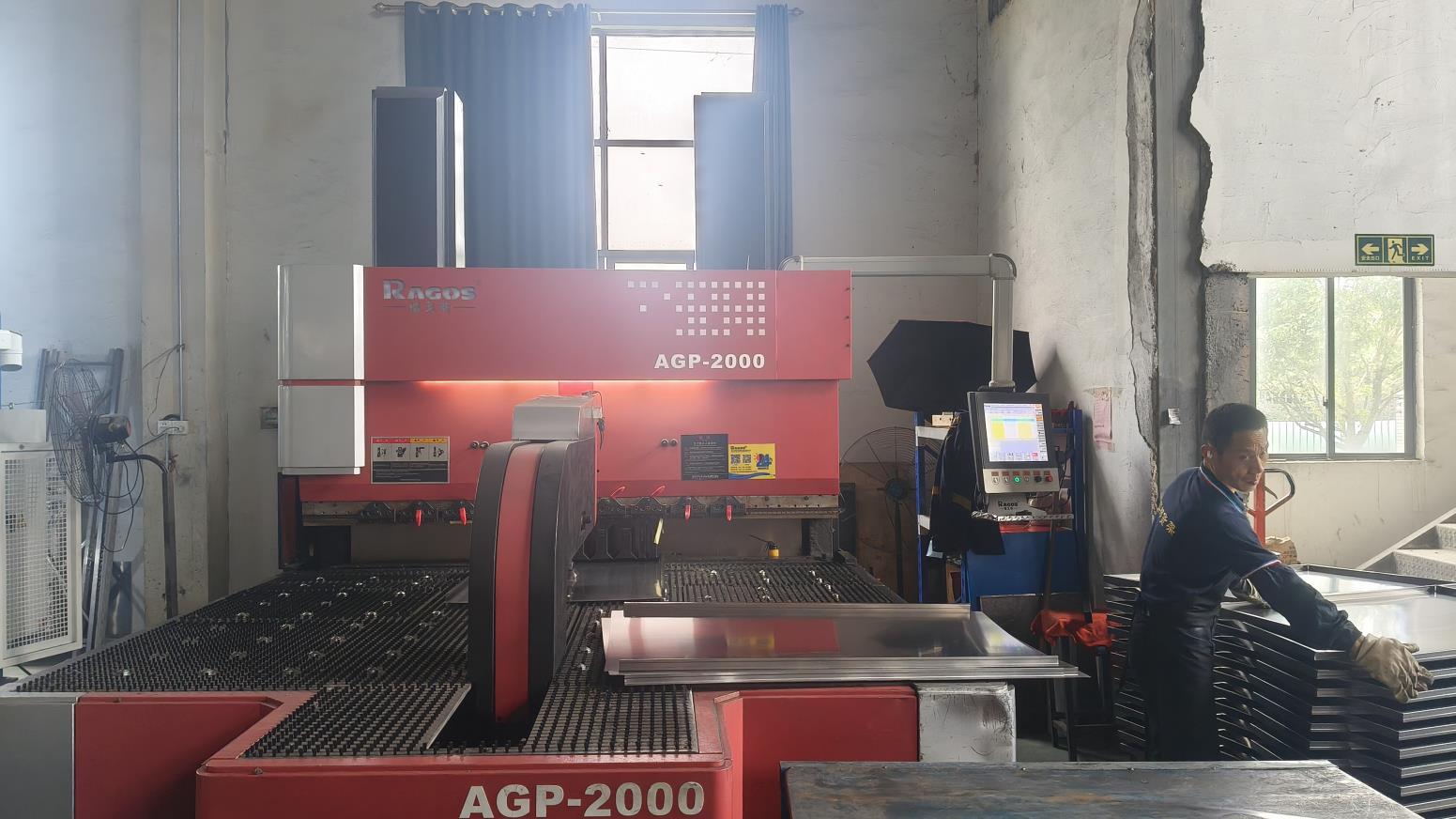
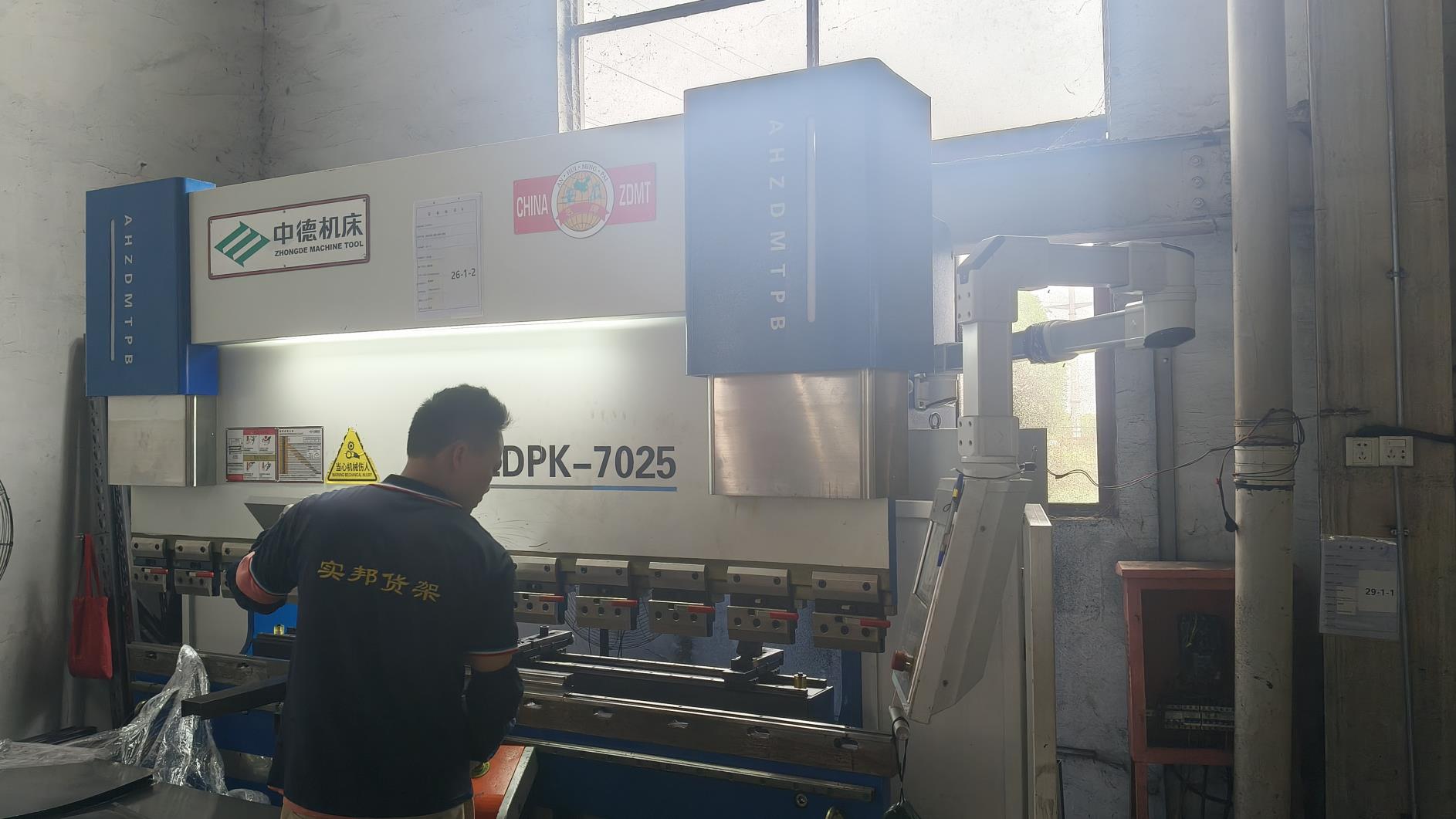
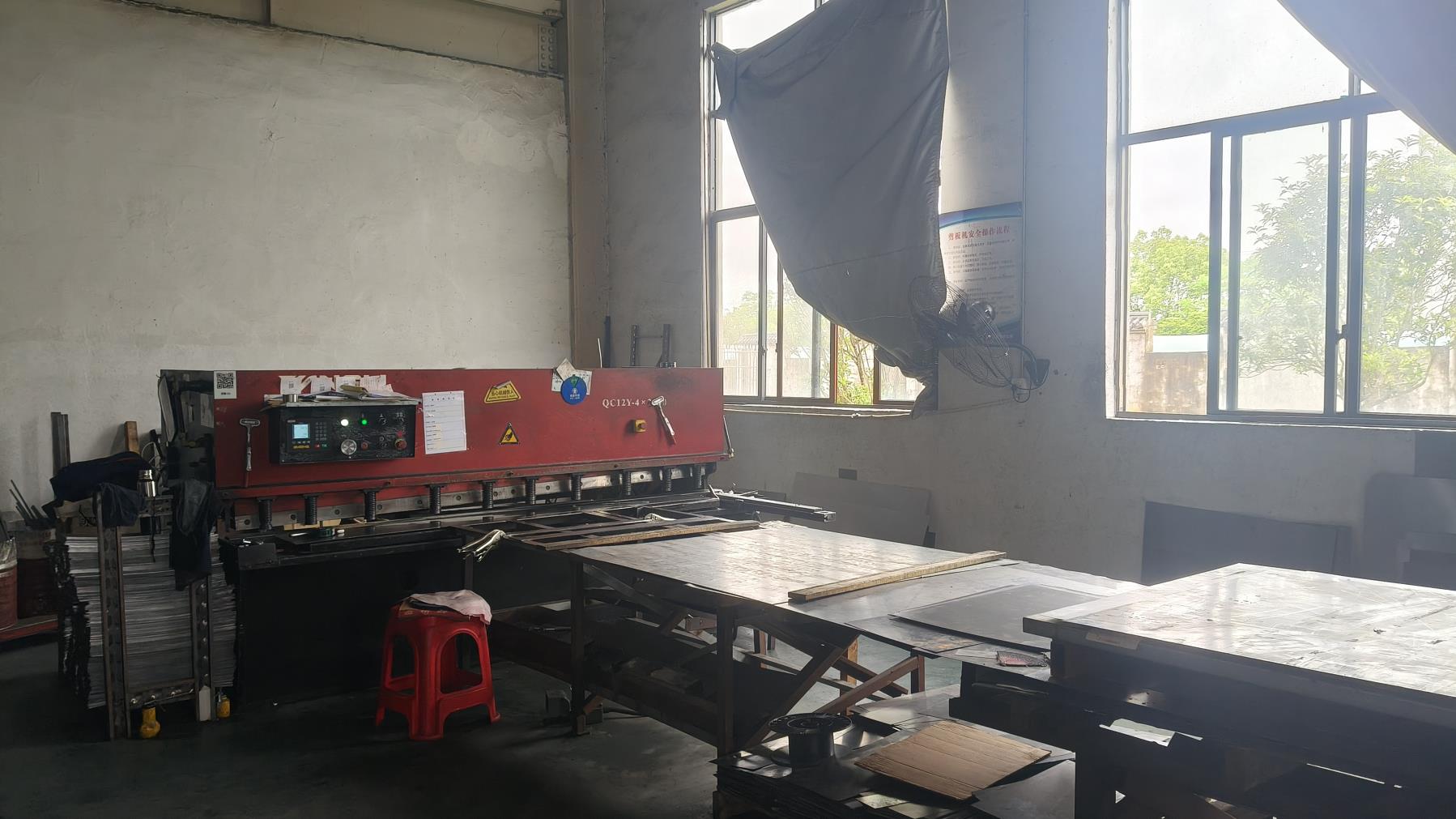
Established in 2016, Guangdong Shibang Storage Rack Co., Ltd. has grown into a leading developer of industrial warehouse storage racks, heavy-duty shelving configurations, and custom OEM/ODM racking solutions. Operating a 35,000㎡ modern production facility, our infrastructure supports high-volume manufacturing for logistics providers, factories, distribution hubs, and commercial operations worldwide.
With an annual export revenue of approximately USD 18 million and 8 years of dedicated export experience, Shibang leverages 15 years of industry experience in storage rack manufacturing. We provide complete manufacturing services, integrating product conceptualization, structural load calculations, precision steel forming, ISO-compliant quality control, and international logistics execution.
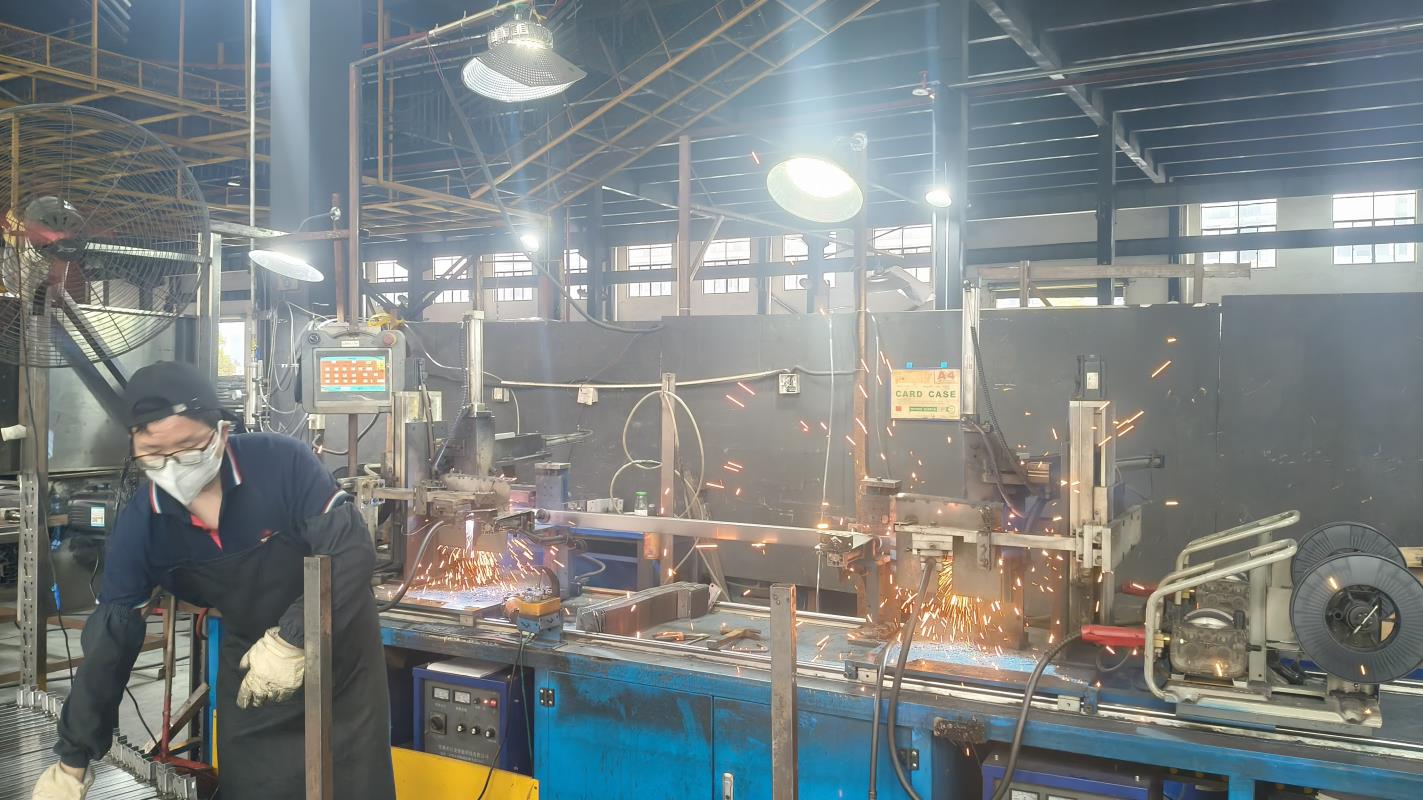
Our quality management infrastructure relies on structured, multi-tier inspection protocols. We implement ISO 9001 quality control procedures, incoming material chemical and physical testing, inline production monitoring, and final load-bearing tests. Every production run undergoes structural verification, including weld ultrasonic testing, coating thickness checking, deflection measurement under maximum capacity, and dimensional tolerance checks before dispatch.
To maintain these standards, Shibang operates a dedicated quality assurance division comprising 65 experienced QC specialists. This team ensures that all component shipments comply with the precise specifications required by international engineering standards.
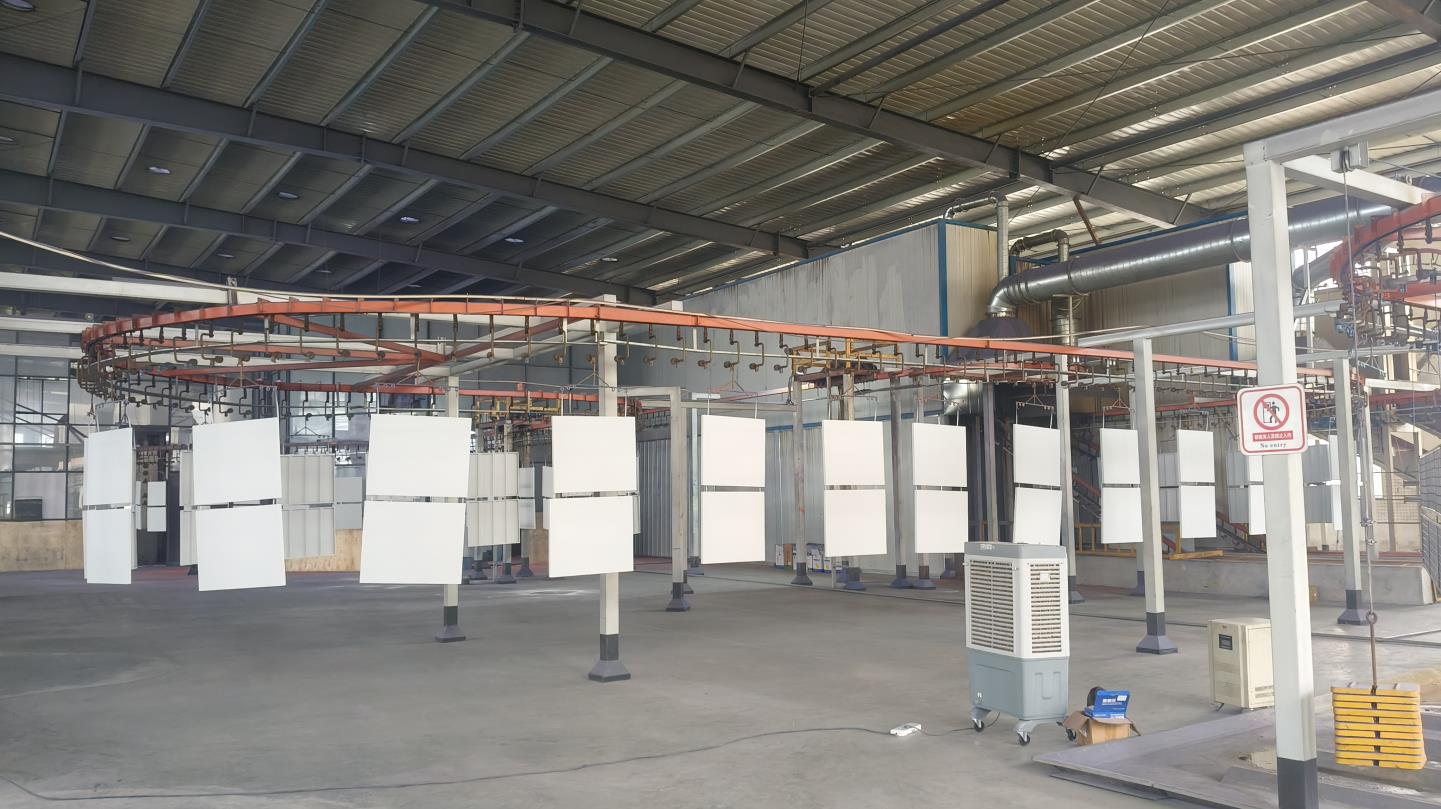
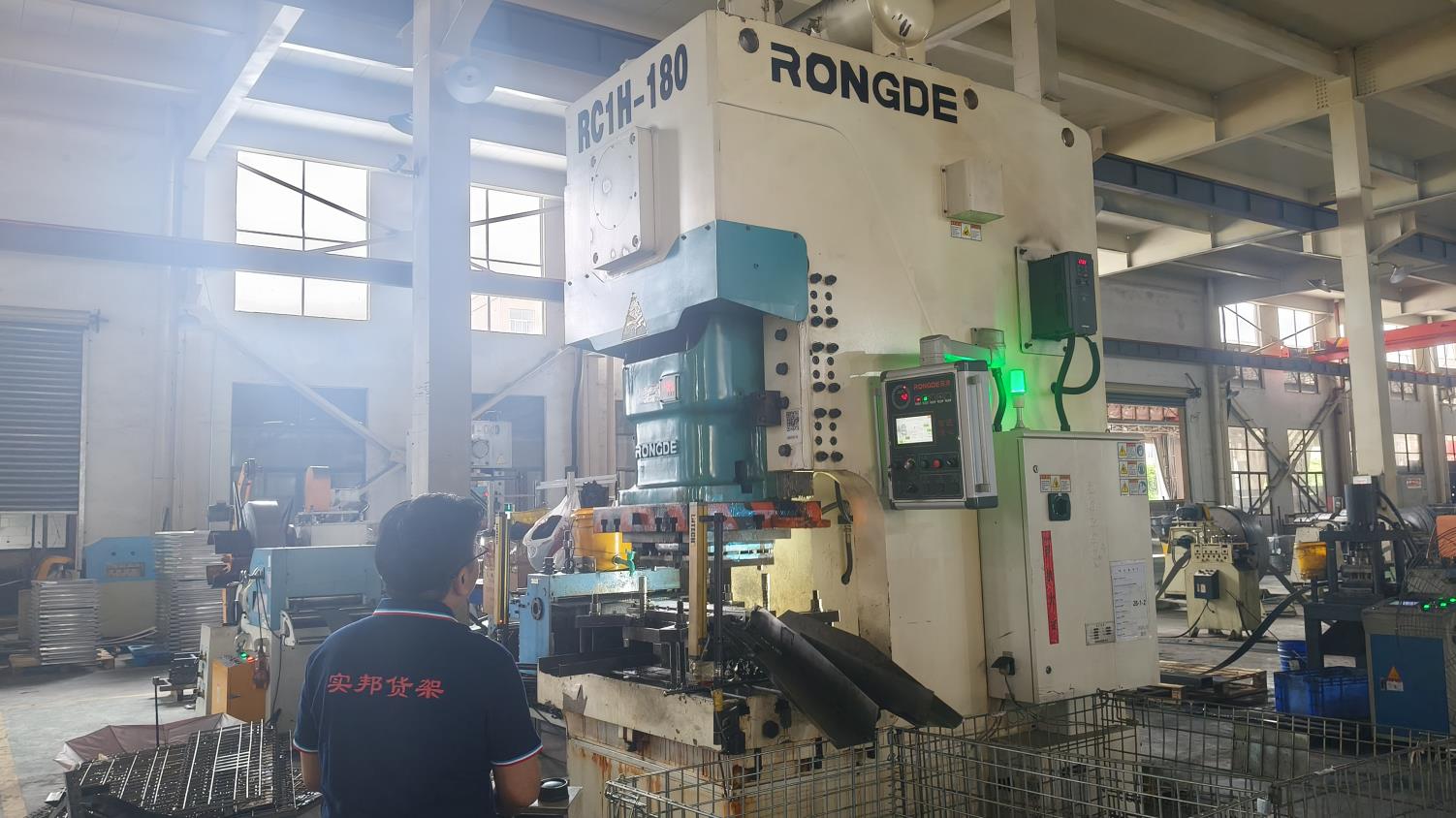
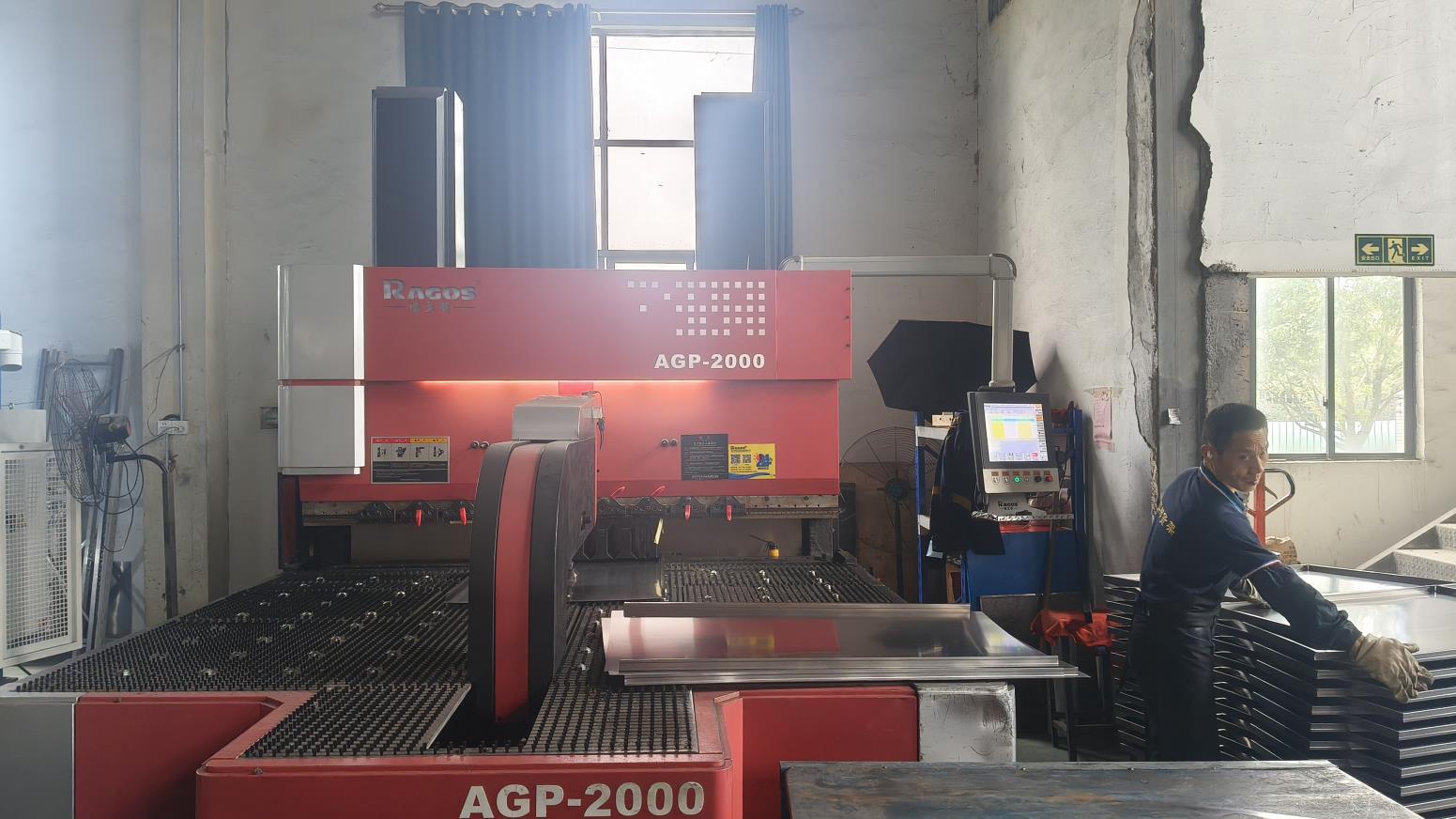
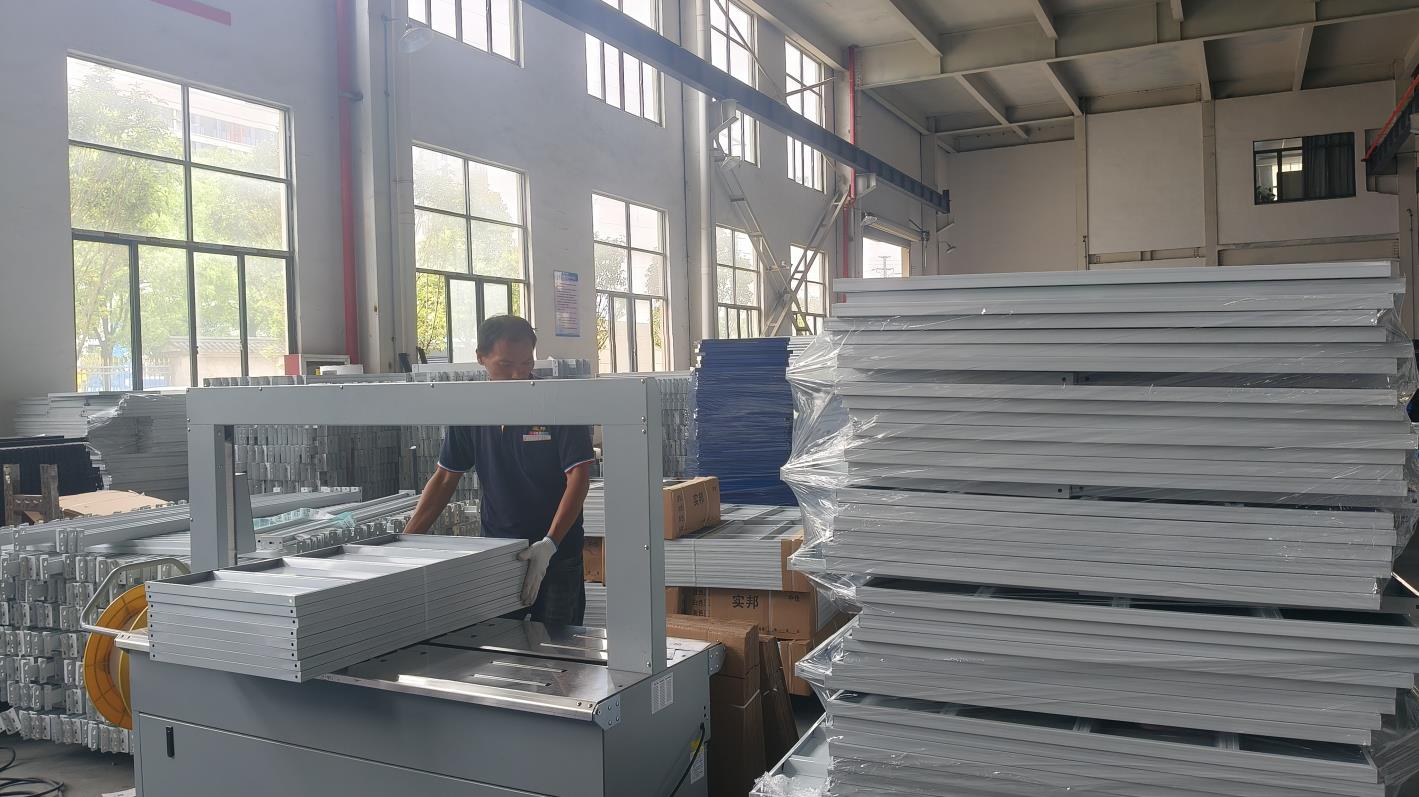
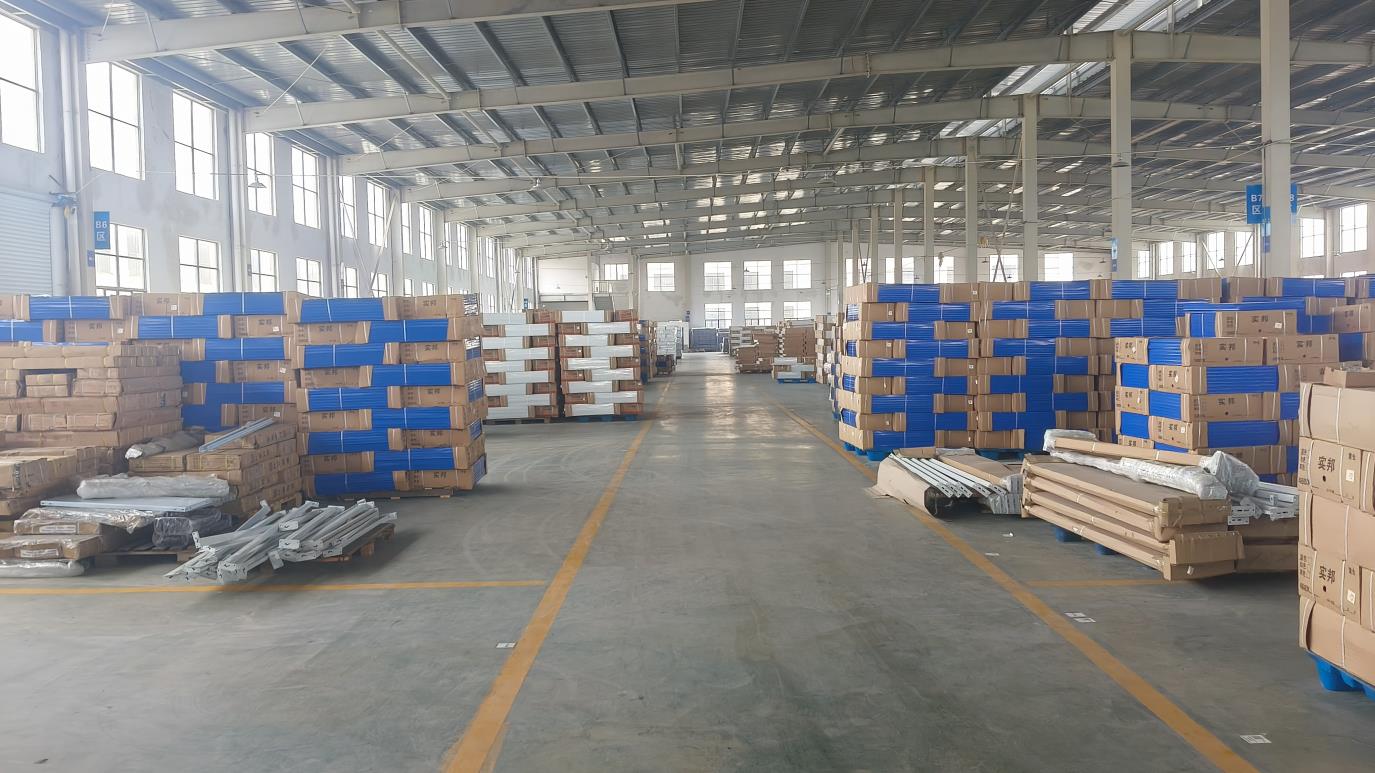
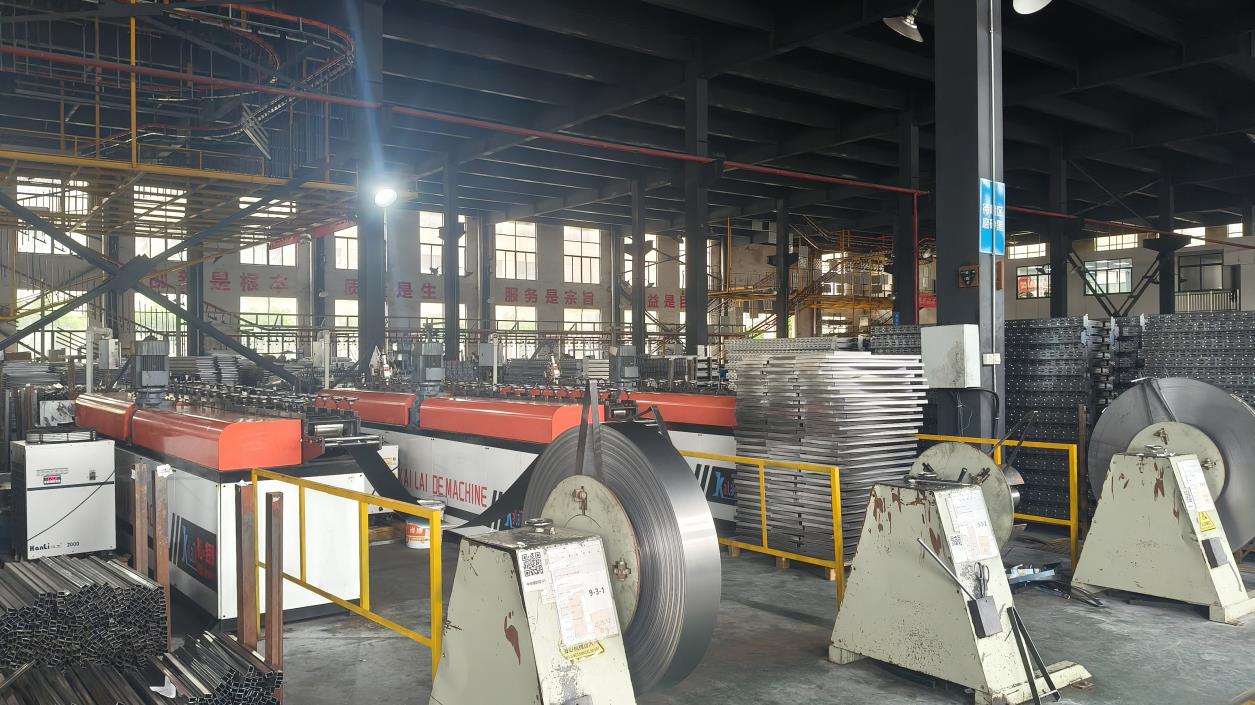
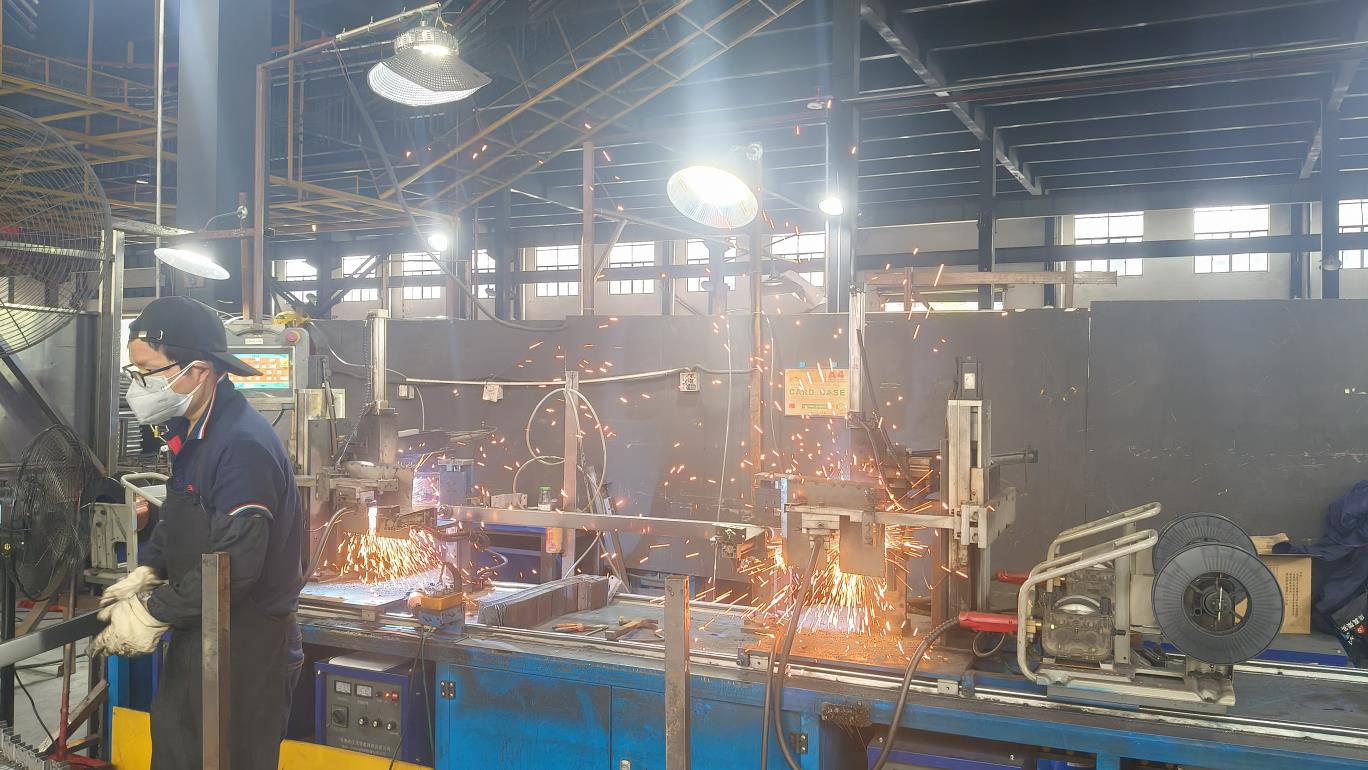
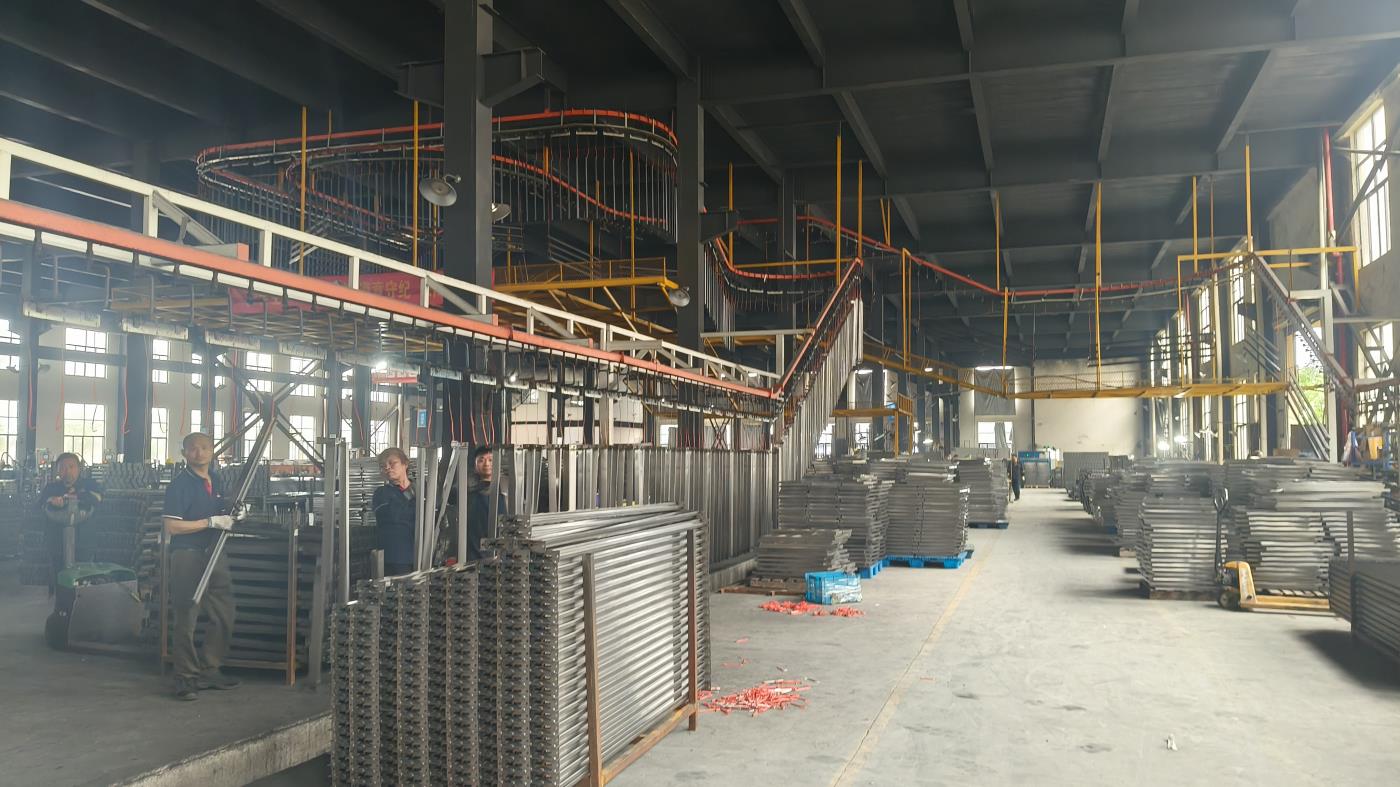
Our global supply chain footprint spans key regions including North America, Europe, Southeast Asia, the Middle East, Africa, and South America. We supply customers in primary markets such as the United States, Germany, the United Kingdom, Australia, Saudi Arabia, Thailand, and Mexico.
Supported by a network of over 1,200 reliable supply chain partners, we secure stable raw material allocations, maintain production capacity, and control costs for global buyers. Our customer base includes warehouse operators, logistics companies, manufacturing enterprises, e-commerce businesses, distributors, system integrators, and construction contractors.
Our in-house R&D team focuses on warehouse optimization, structural engineering, and customized storage solutions. We offer customization across rack dimensions, load capacities, colors, structural configurations, accessories, and complete layout design.
Each year, our R&D department develops approximately 120 new products to meet changing market needs and improve warehouse efficiency. Our department consists of 28 experienced R&D engineers specializing in product design, structural engineering, and custom B2B project development.
Strategic movements driving the next generation of logistics shelving systems and industrial storage architectures.
The industrial storage industry is adapting to new material sciences, carbon-neutral manufacturing mandates, and changes in material handling equipment. To assist B2B procurement managers and structural planners, we have outlined the key factors influencing the next decade of racking installations:
Environmental standards restrict VOCs and chemical wastes. High-durability, lead-free epoxy coatings provide corrosion protection without environmental impact, qualifying installations for LEED and green warehouse certifications.
Modern AS/RS (Automated Storage & Retrieval Systems) demand tight dimensional tolerances. Even minor deviations can disrupt robotic shuttles. Precision CNC punch routing and cold-forming lines ensure tolerances within +/-0.5mm.
B2B facilities require flexible layouts. Boltless interlocking connection designs enable rapid configuration changes, reducing site assembly costs and minimizing operational downtime during warehouse upgrades.
Additionally, high-yield steel cold-formed shapes are replacing heavy structural steel components. By using profile designs with multiple bends, we can reduce overall steel volume while keeping load-bearing capacities high. This reduction in dead load lowers freight costs and structural building calculations, presenting a cost-effective choice for modern logistics operations.
Tailored engineering configurations designed for diverse global operational environments.
Industrial storage solutions must align with localized application requirements and varying international climates. A standard racking design suited for a temperate, dry region will not suffice for coastal ports, seismic zones, or sub-zero food logistics facilities. Below, we detail how we design and deploy specific solutions for varied operating conditions:
2. High-Seismic Zone Engineering (e.g., US West Coast, Southeast Asia, Japan)
For installations in seismic areas, engineers must incorporate lateral load distribution calculations. We design heavy-duty baseplates, cross-bracing frameworks, and robust row spacers. These components are verified through finite element analysis (FEA) to withstand shear forces and protect inventory and personnel during seismic events.
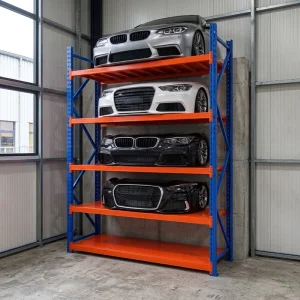
3. High-Density Auto-Parts & Mold Storage (Heavy Industrial Racking)
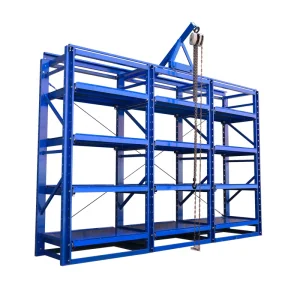
Automotive dies, stamping presses, and heavy components require concentrated load support. Our custom mold racking structures feature reinforced support beams and heavy-duty steel decking, allowing single shelf loading capacities to exceed 2,000 kg. This design supports forklift loading and unloading without structural deflection.
Pioneering intelligent, sensor-driven, and circular economy steel racking systems.
The next generation of industrial racking systems will incorporate structural sensors, digital twin planning tools, and circular material sourcing. As an OEM/ODM provider, Shibang is developing technologies to integrate with IoT-enabled smart logistics centers:
Answers to technical questions from engineers, logistics managers, and supply chain operators.
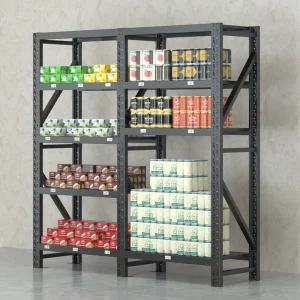
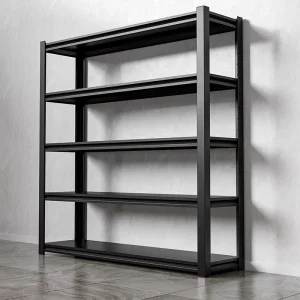
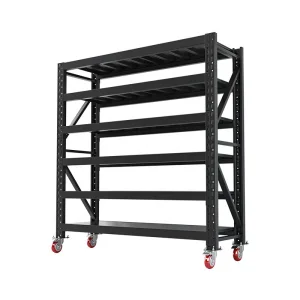
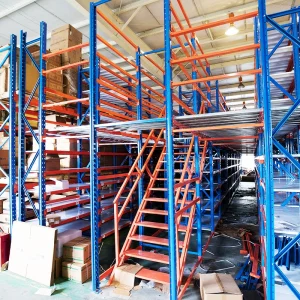
Explore our heavy-duty industrial configurations, cantilever racks, and adjustable storage systems for global logistics operations.
 Shibang Storage Rack