In the era of smart logistics, global industrial facilities face unprecedented land acquisition challenges and rising rental overheads. Modern supply chains require high density, micro-fulfillment options, and rapid cycles. Vertical Lift Storage Systems, specifically Vertical Lift Modules (VLMs) and advanced automated racking systems, have emerged as the cornerstone of warehousing transformations. These automated, enclosed storage systems optimize standard vertical ceiling heights, reclaiming up to 85% of conventional footprint area and replacing standard wide aisles with compact elevator shafts.
As warehouse designers and B2B procurement partners seek reliable Chinese manufacturers, the evaluation parameters extend beyond price. Reliability, payload stability, integration with ERP/WMS systems, and strict safety compliances (such as CE certifications) determine the total cost of ownership (TCO). This comprehensive industrial report details structural design mechanisms, technological integration roadmaps, and the manufacturing capabilities of China’s leading fabrication lines.
Guangdong Shibang Storage Rack Co., Ltd. was established in 2016 and has grown into a premier manufacturer specializing in warehouse storage racks, heavy-duty industrial shelving systems, and automated storage architectures. Equipped with a 35,000㎡ state-of-the-art production facility in Guangdong, China, Shibang produces premium systems tailored for heavy industrial warehouses, international logistics hubs, precision tooling storage, and retail distribution networks.
Backed by 15 years of deep industry experience in warehouse storage rack fabrication and 8 years of international export experience, Shibang generates an annual export turnover of approximately USD 18 million. The company operates a fully integrated supply framework spanning professional structural design, computerized manufacturing, rigorous quality inspection, and globally integrated logistics support.
Shibang maintains a highly specialized R&D team consisting of 28 structural and mechanical engineers. They develop custom site configurations, load calculations, and structural layouts. This R&D division introduces roughly 120 new products yearly to keep pace with logistics changes.
The company operates under a strict ISO 9001 quality management framework. Supported by 65 QC inspectors, the inspection cycle monitors raw material chemistry, welding tolerances, powder coat paint thicknesses, load deflection, and seismic structural checks.
Our logistics footprint serves clients in North America, Europe, Australia, the Middle East, and Asia. Main distribution channels support operators in the United States, Germany, the United Kingdom, Australia, Saudi Arabia, Thailand, and Mexico.
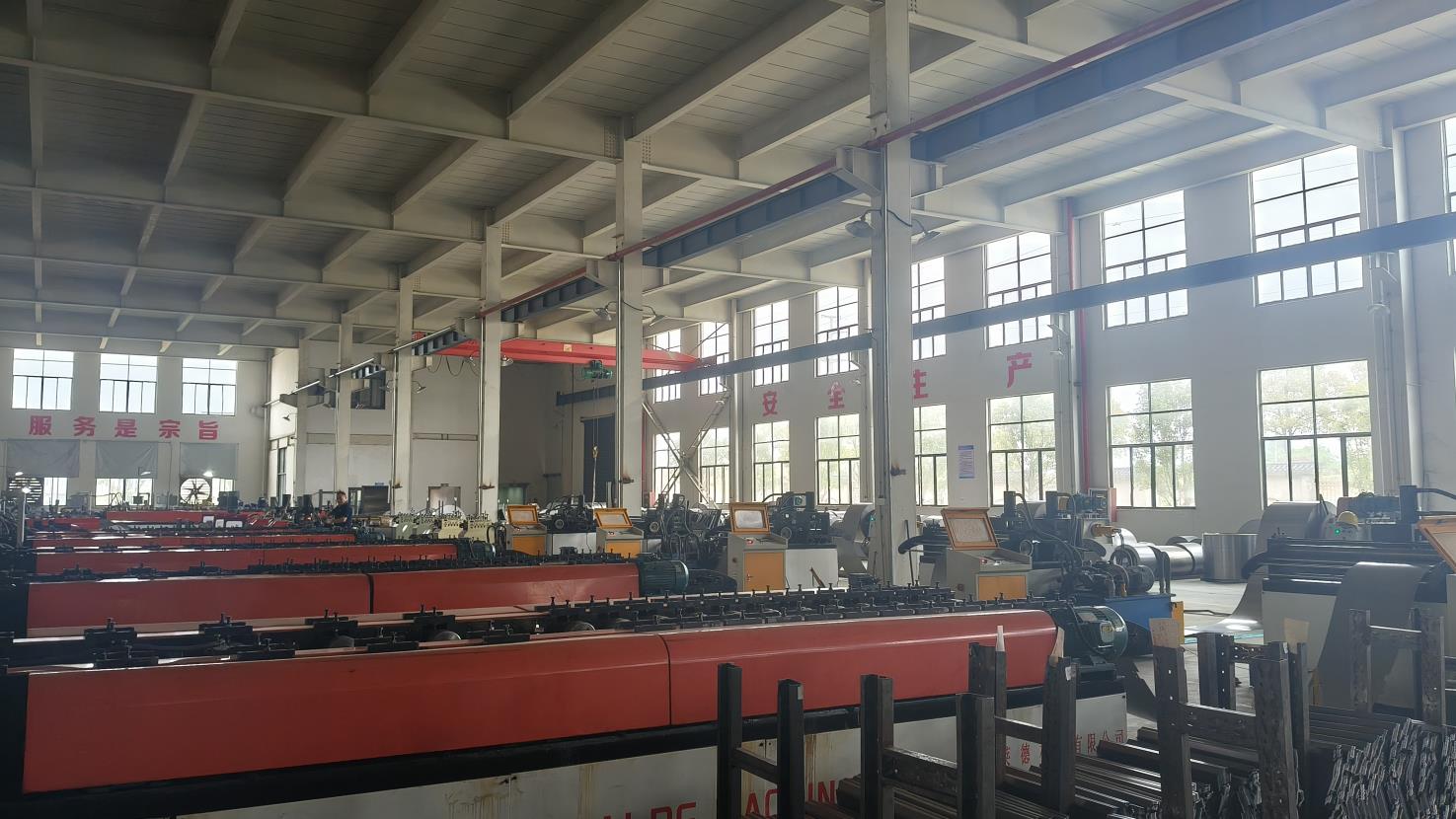
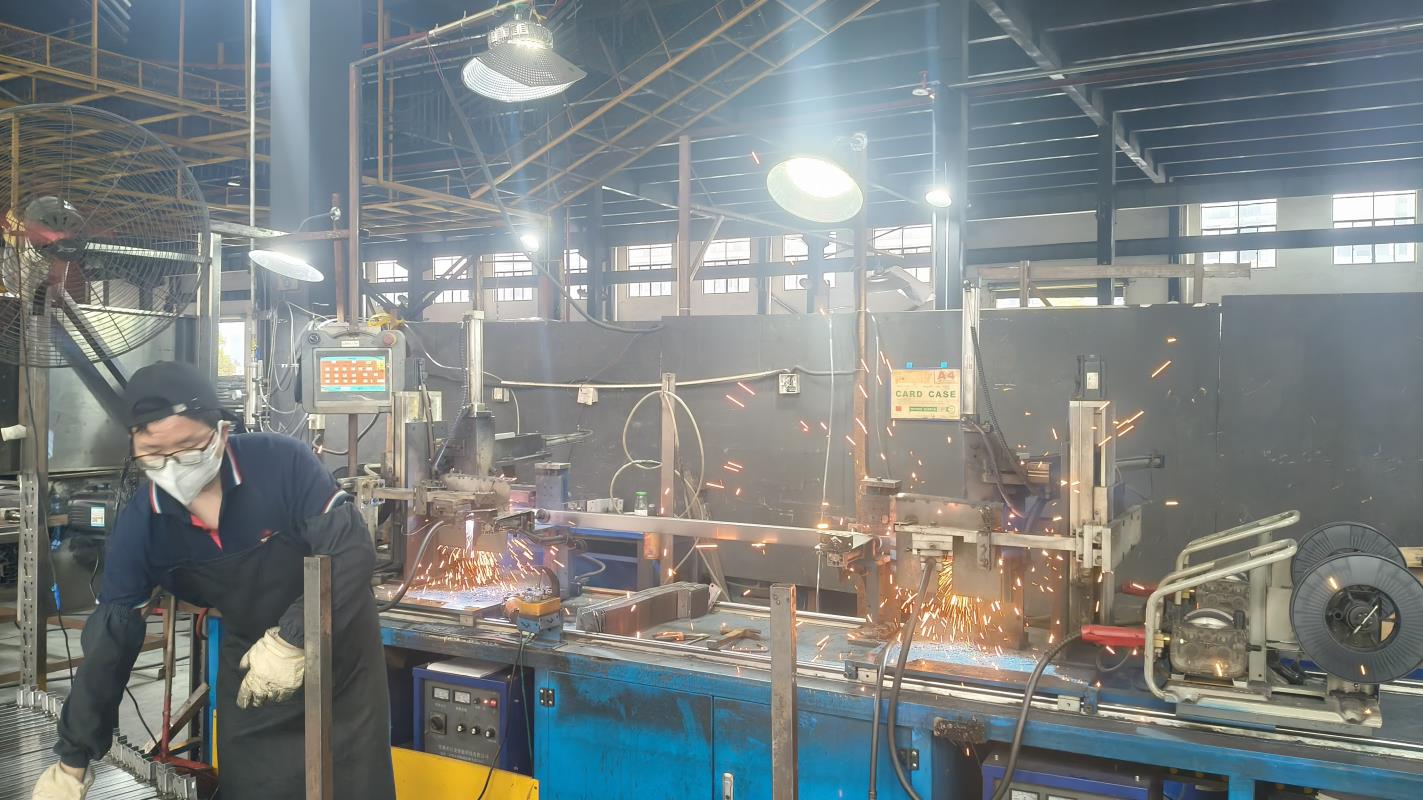
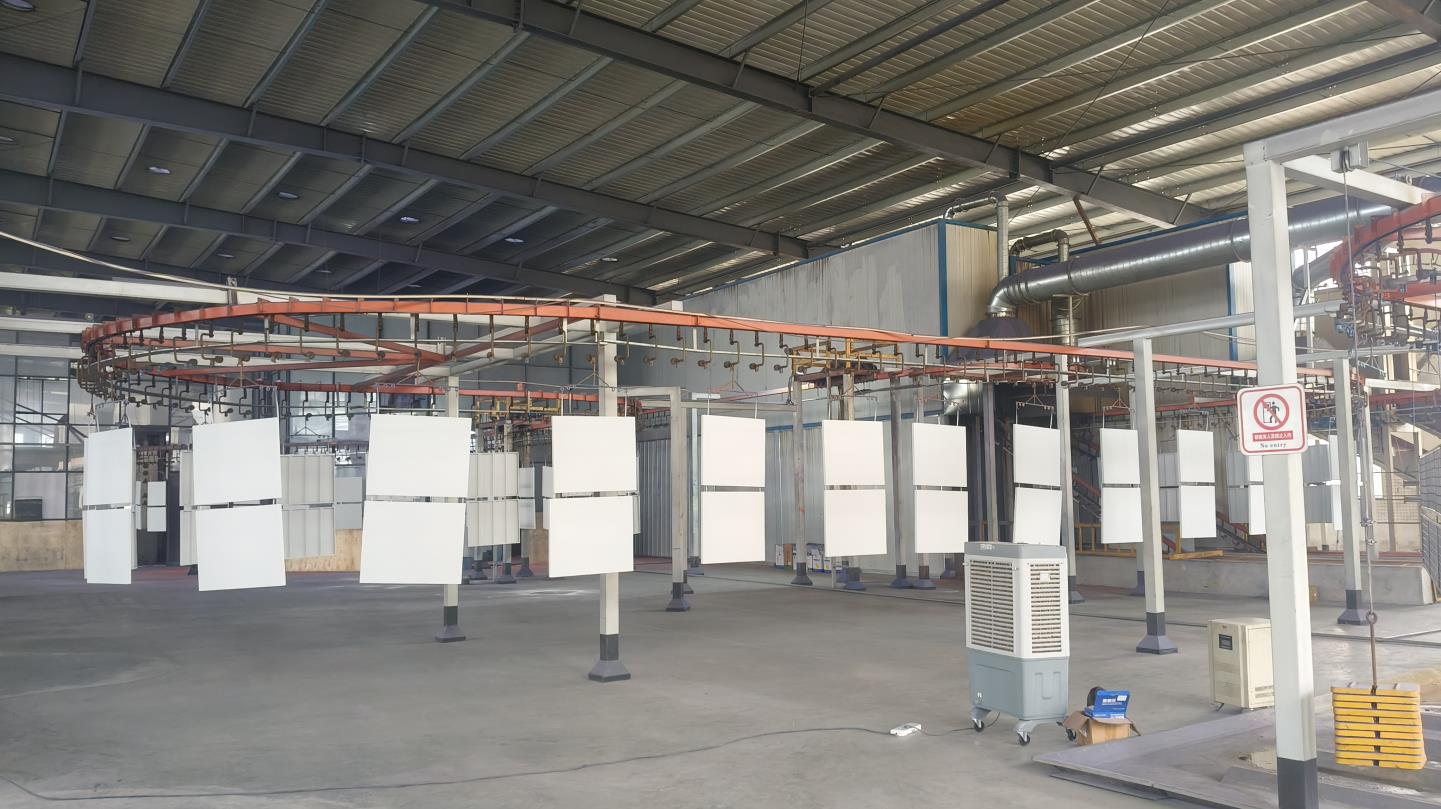
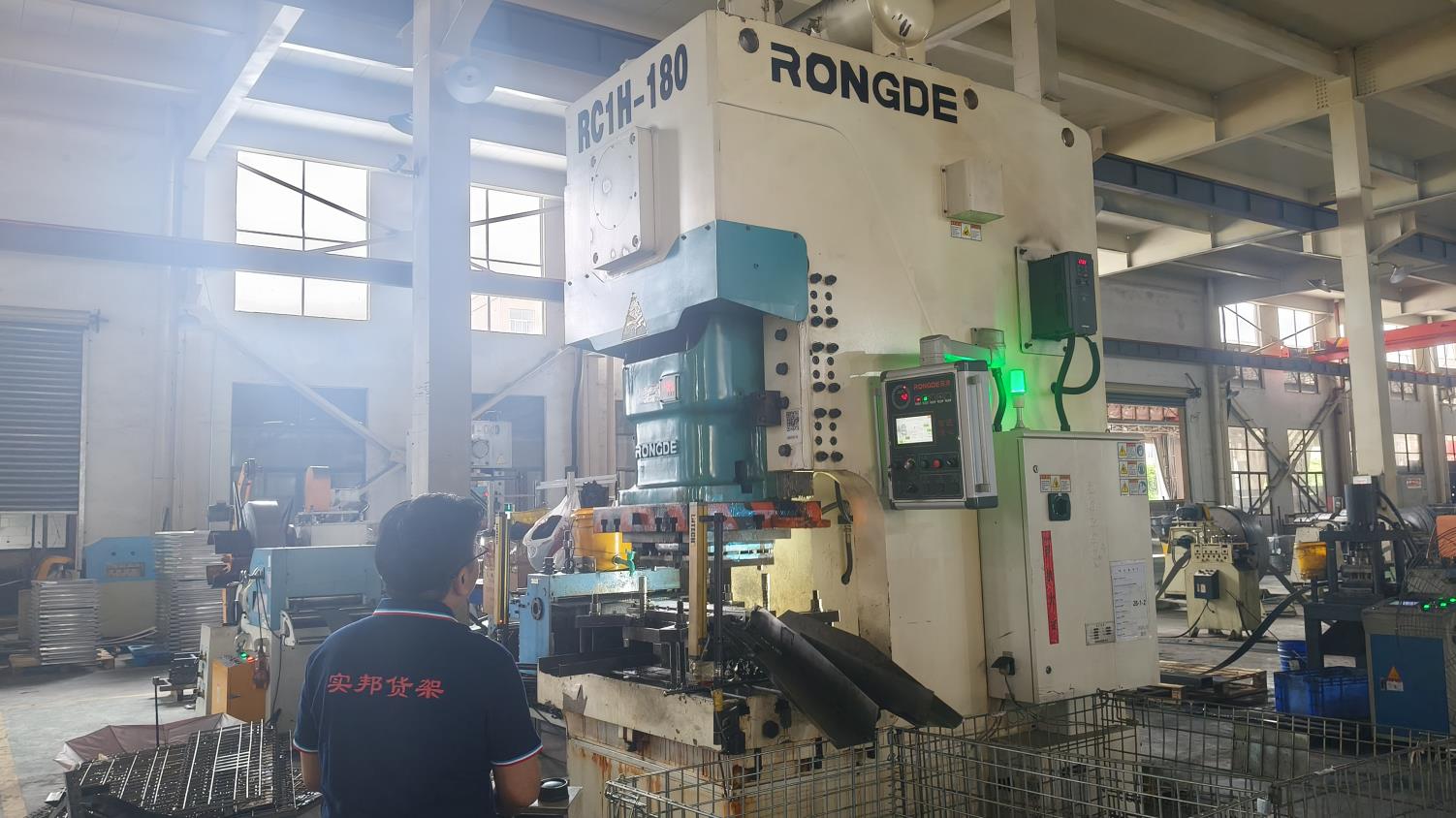
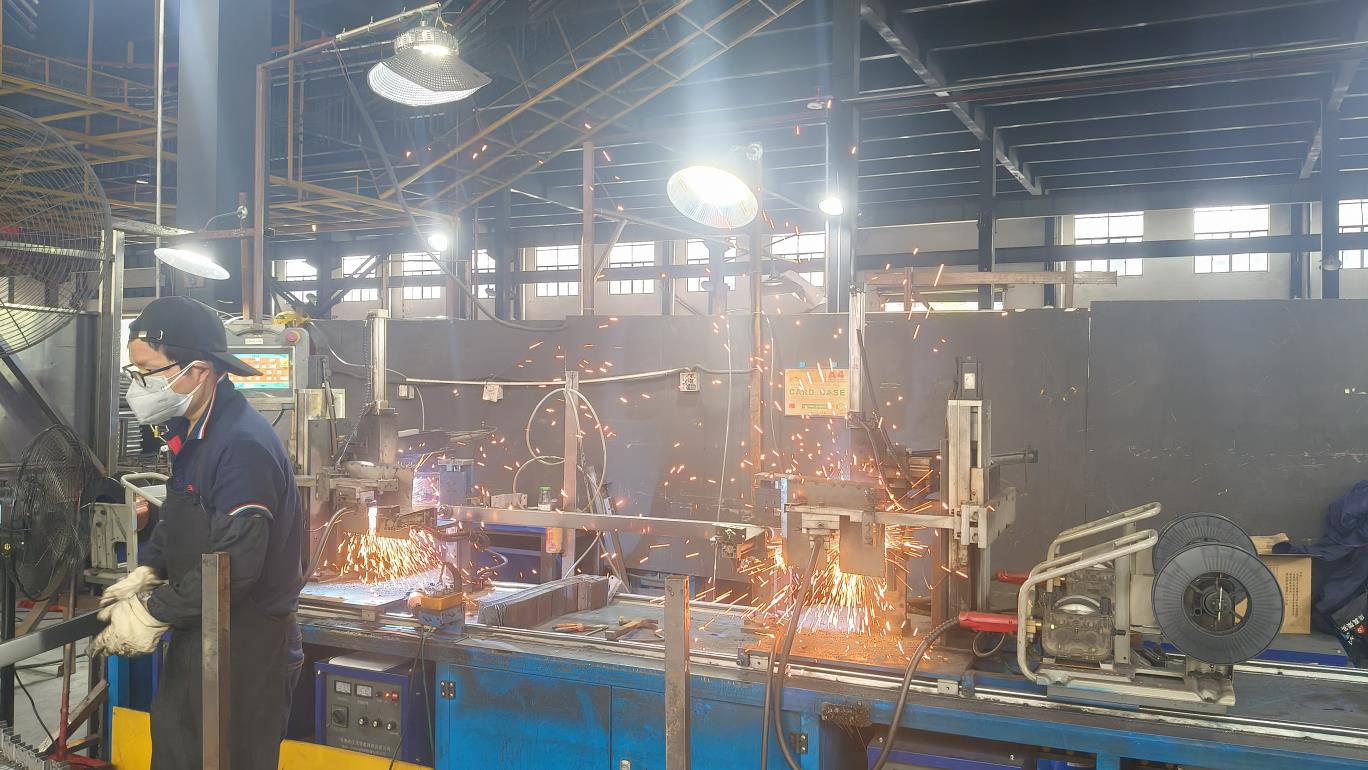
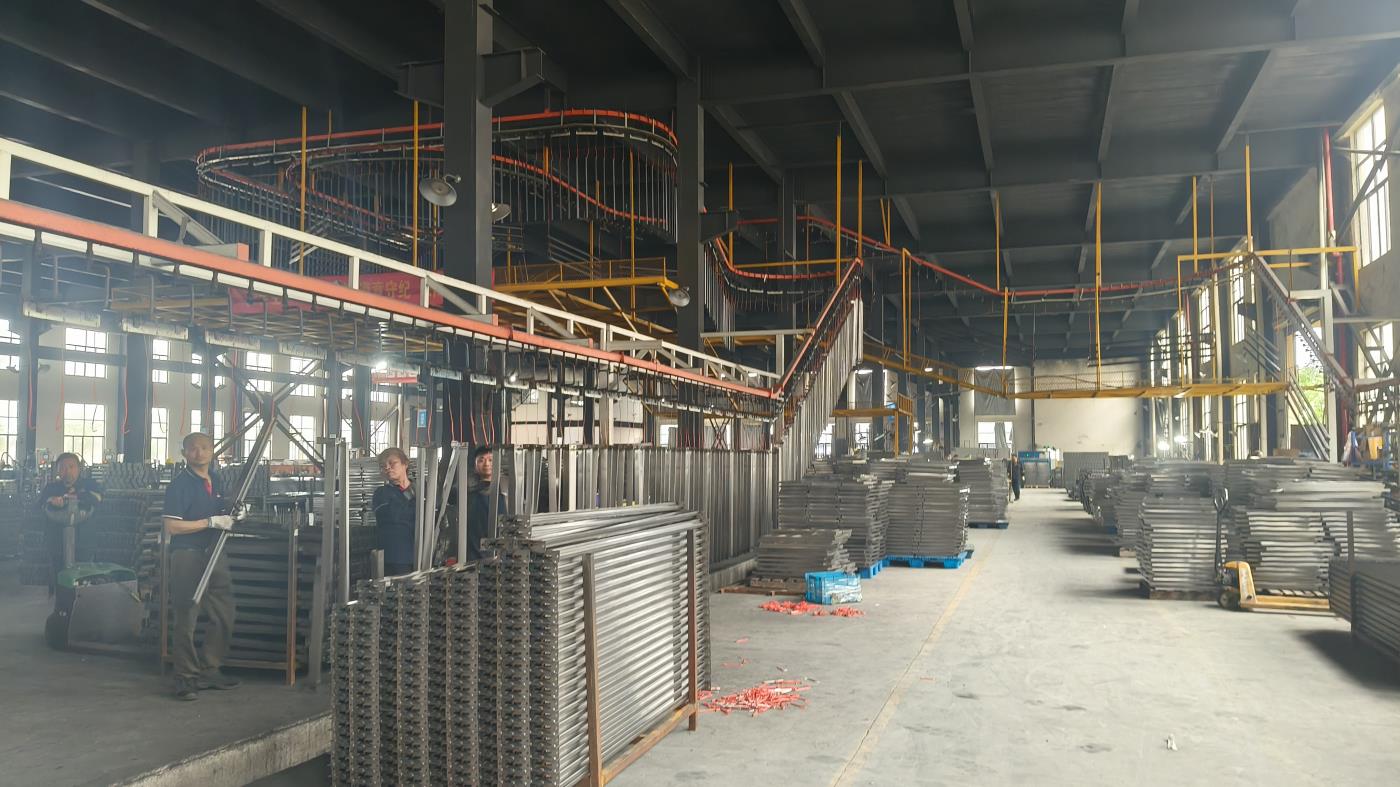
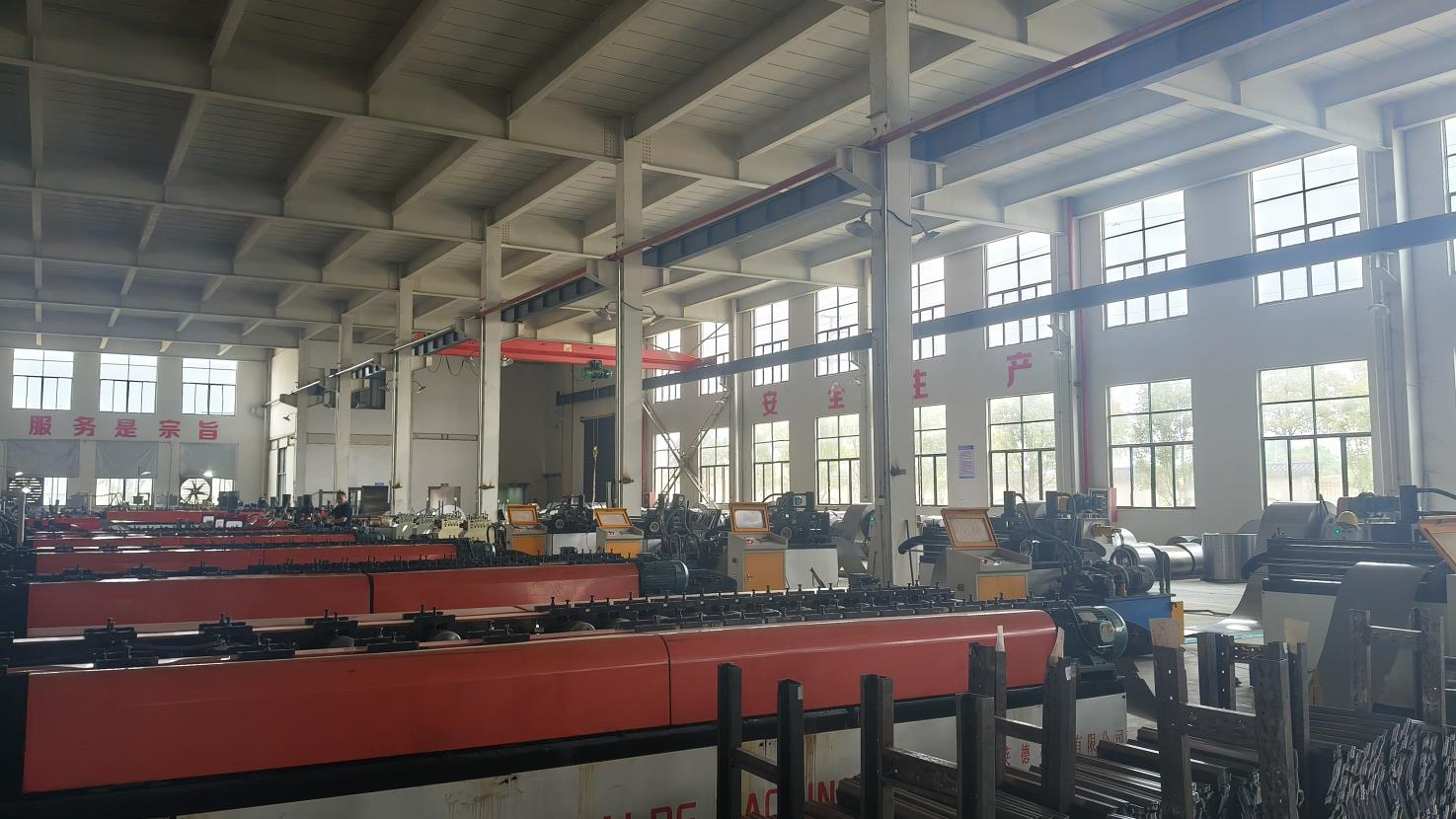
Our production facilities implement high-precision machinery to ensure components conform to strict tolerances. Below is a detailed look at the fabrication steps, machines, and processes used across the Shibang factory line.
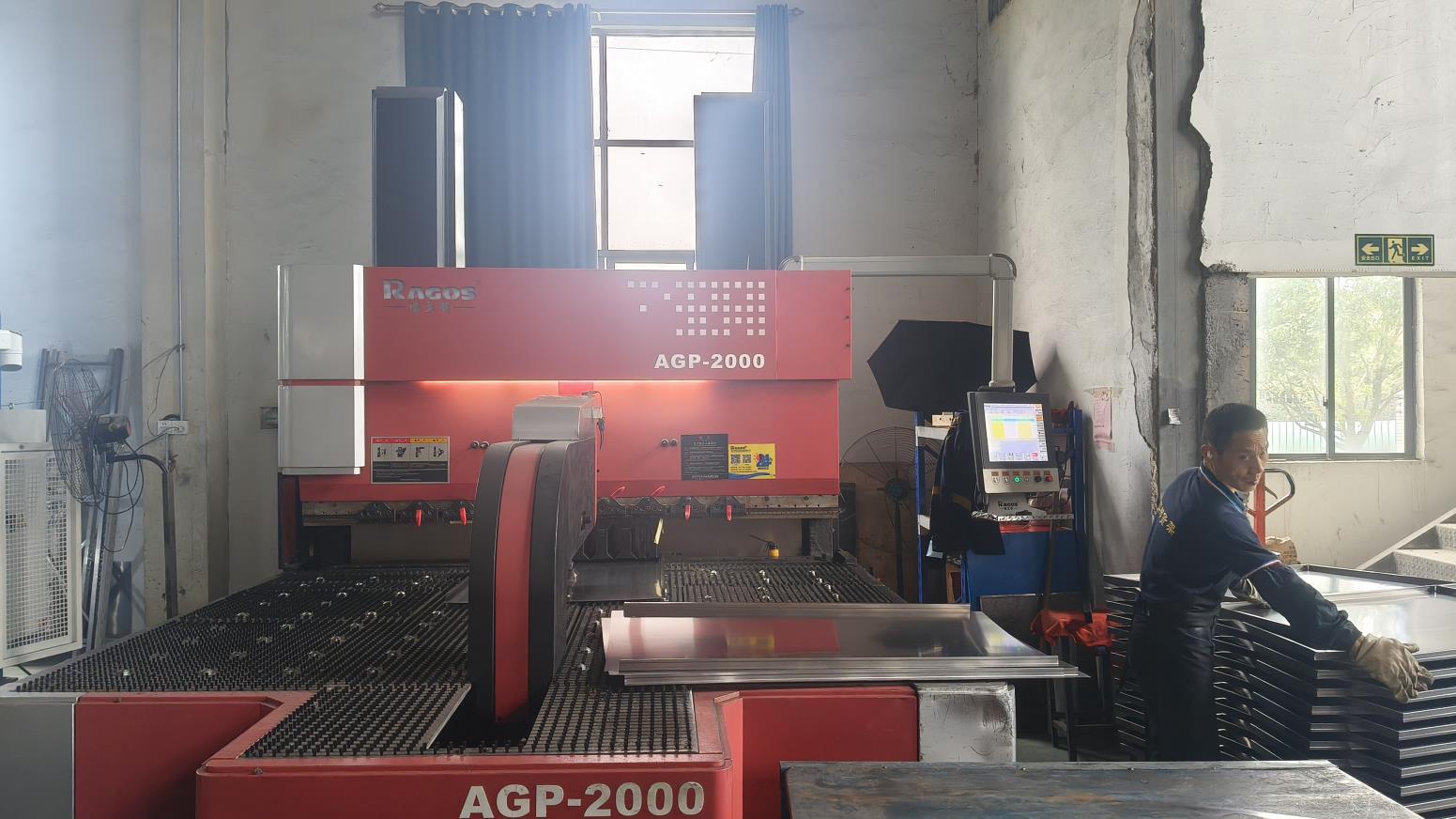
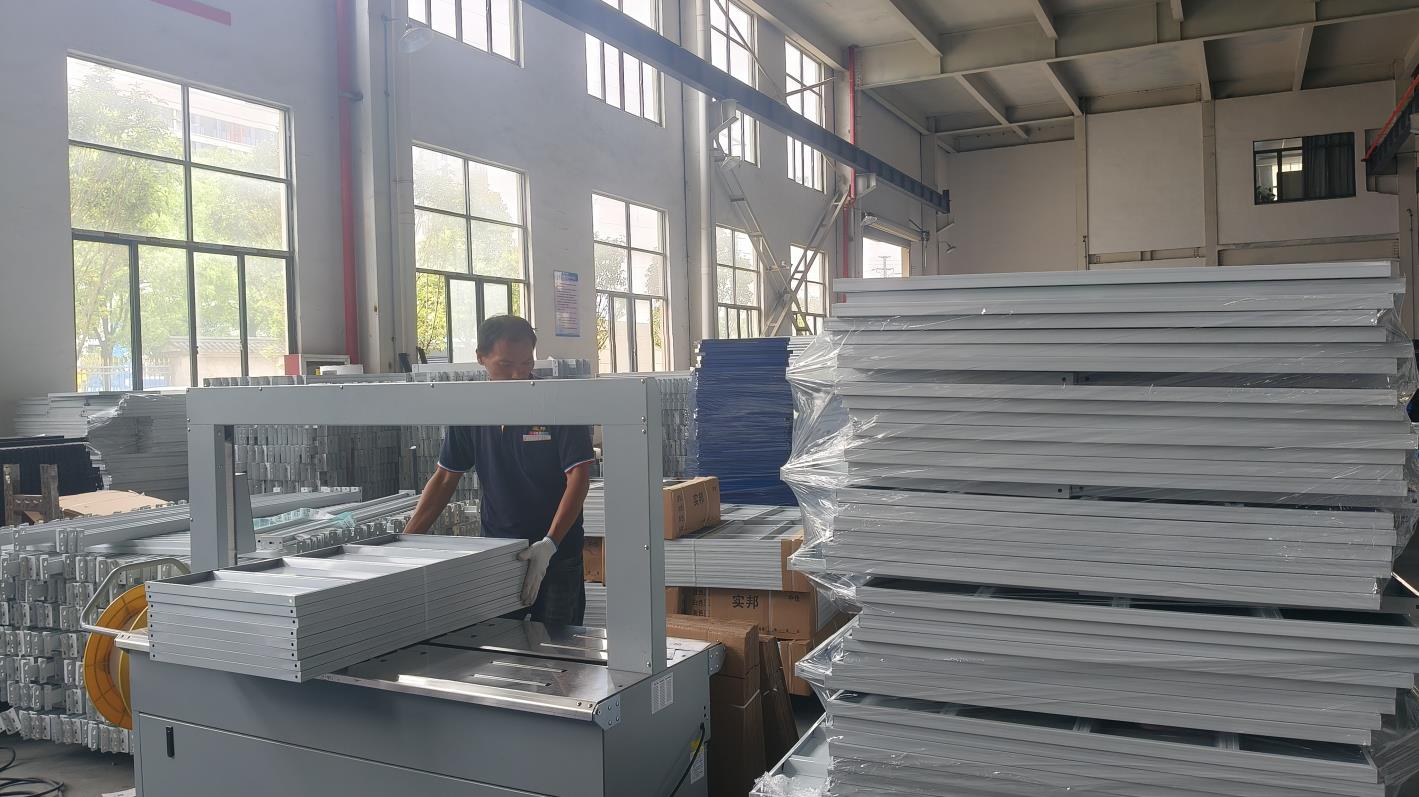
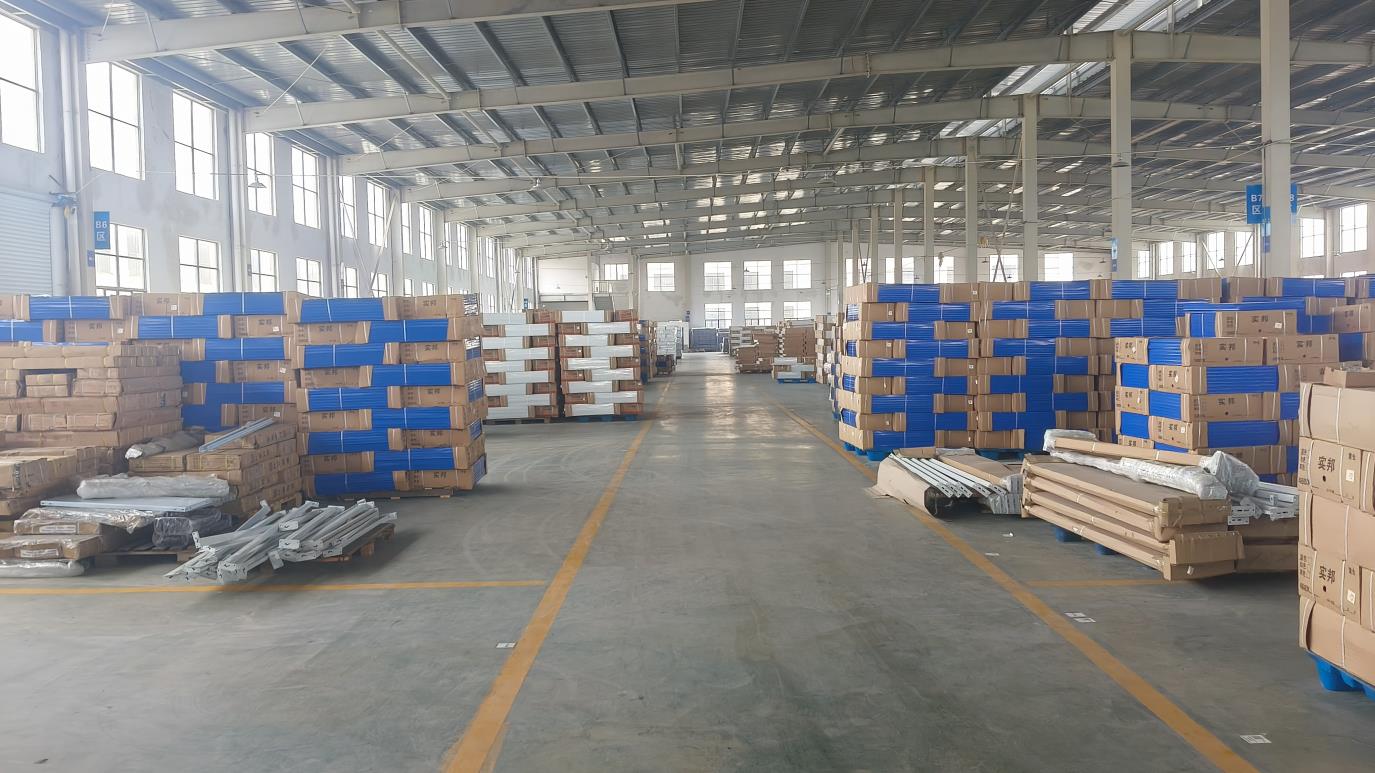
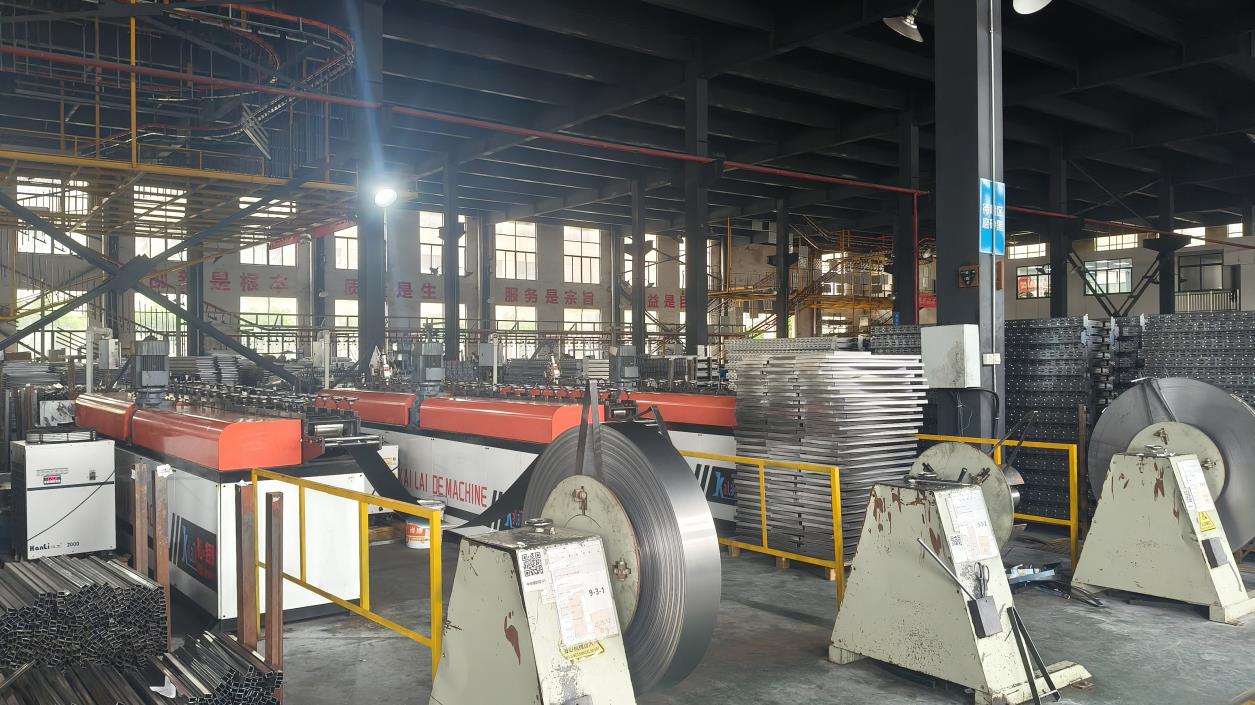
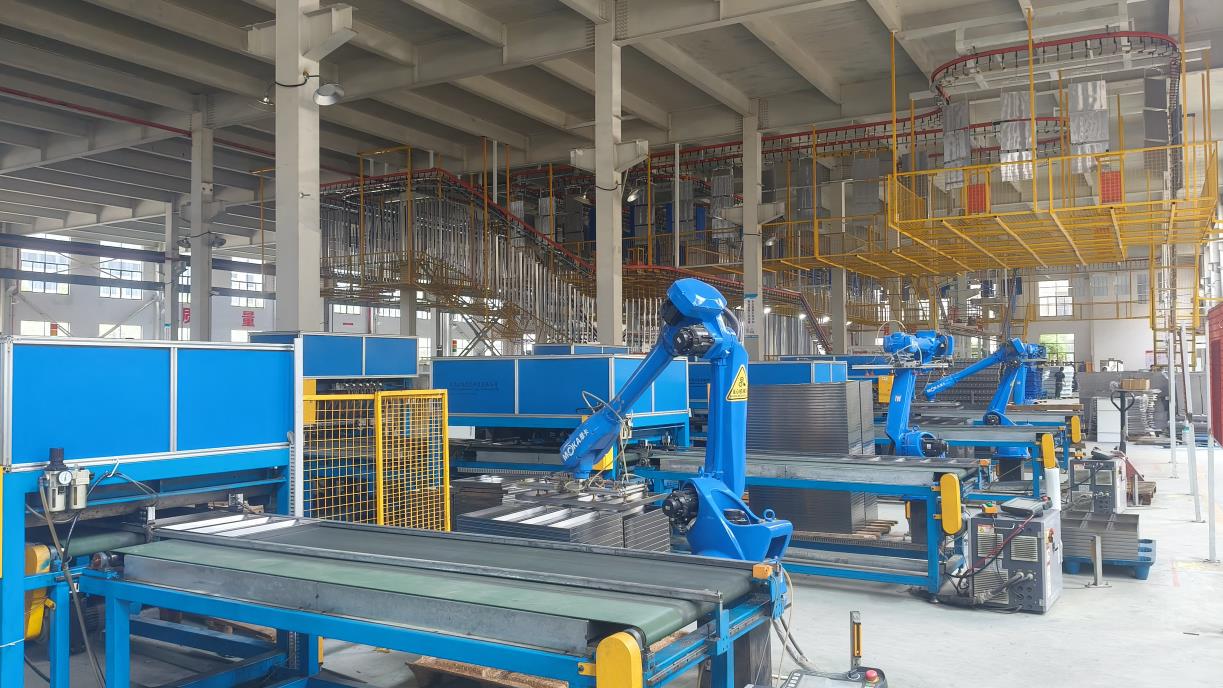
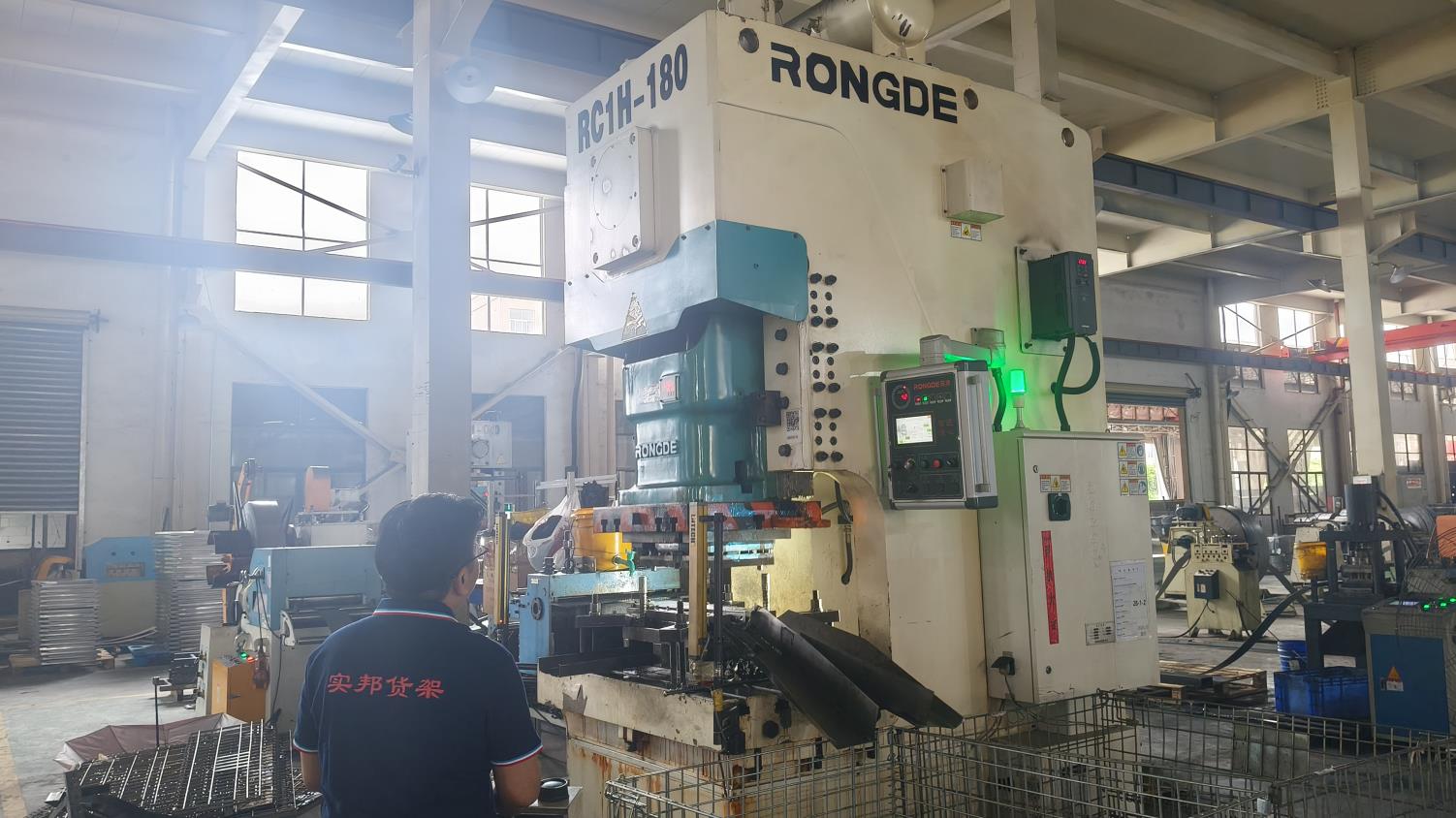
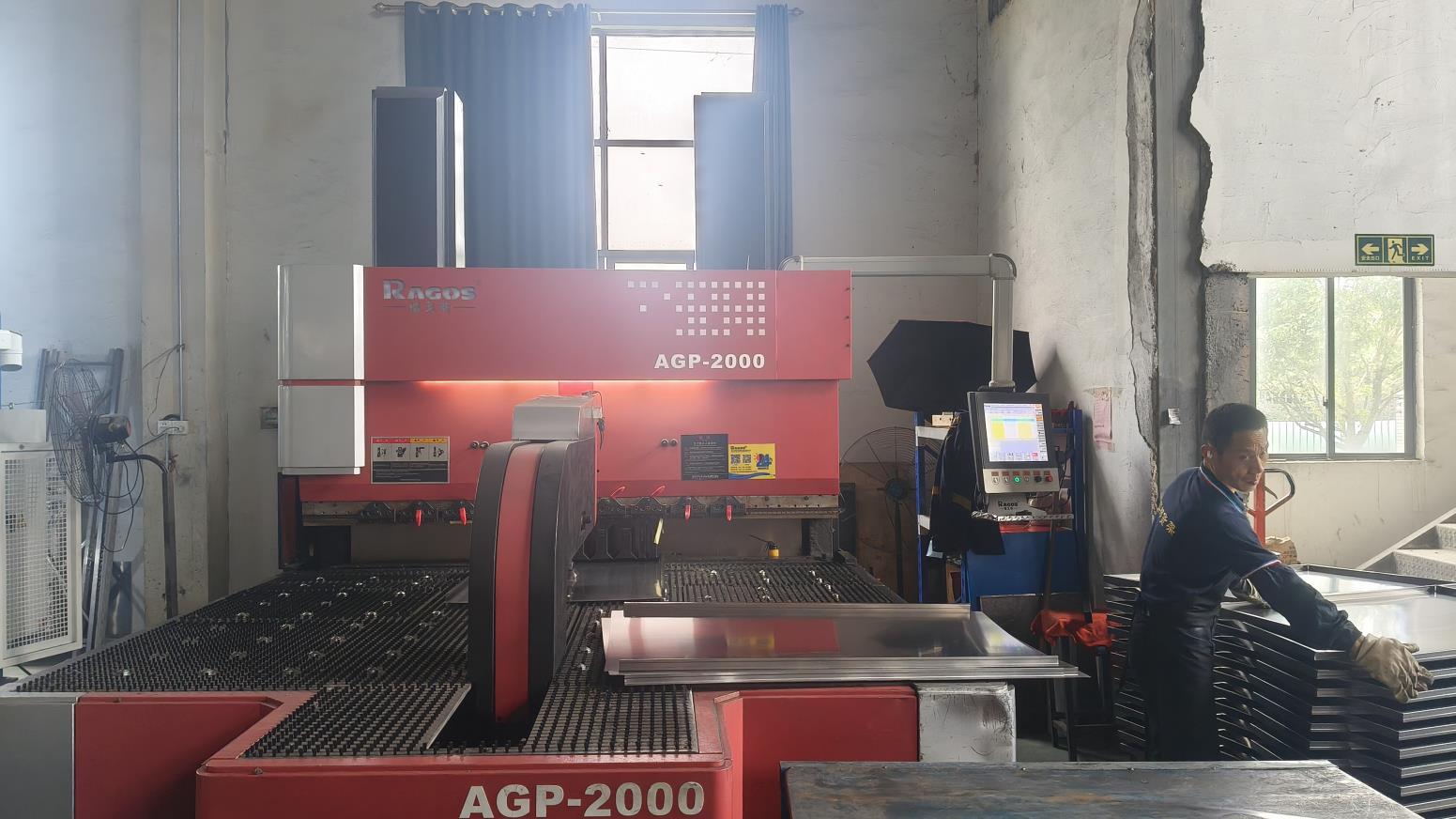
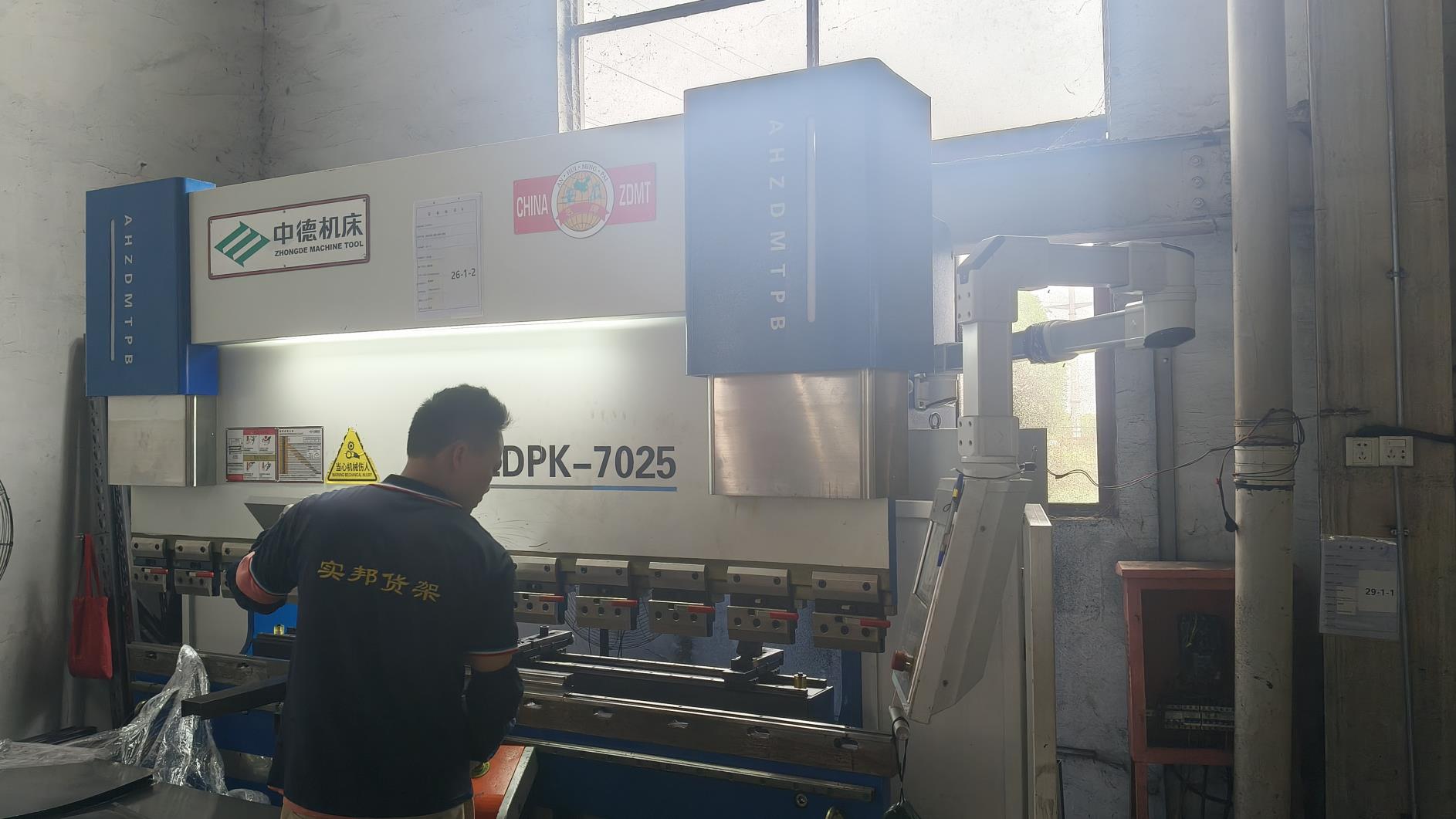
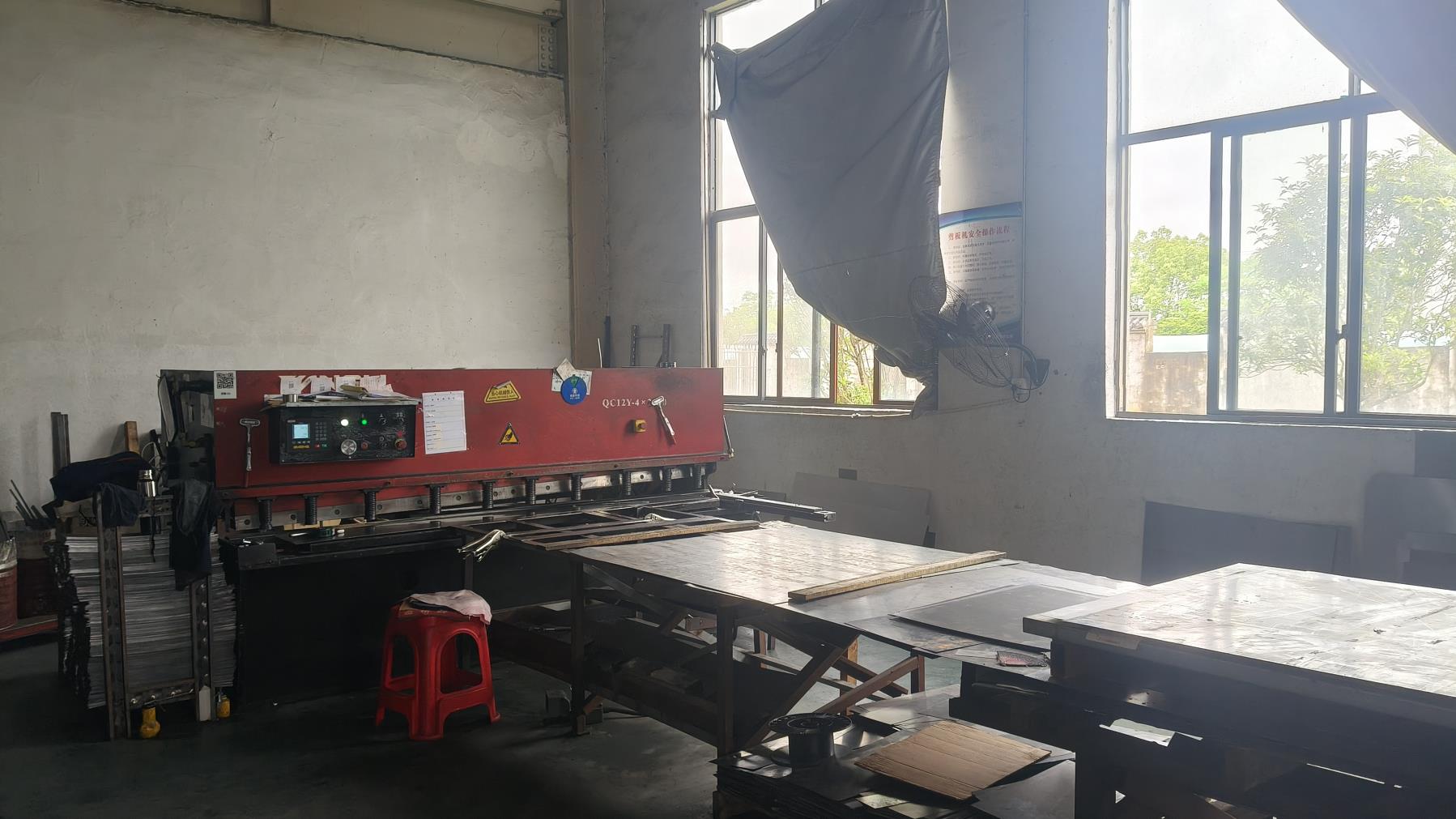
Our technical framework focuses on load capacity, safety, and integration with other systems. Rather than treating storage components as isolated equipment, our designs align with Industry 4.0 paradigms.
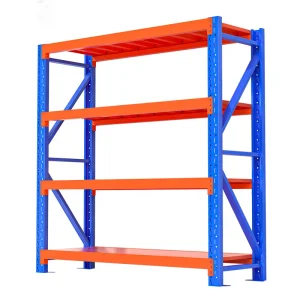
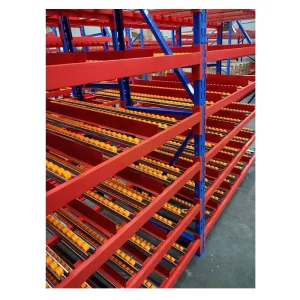
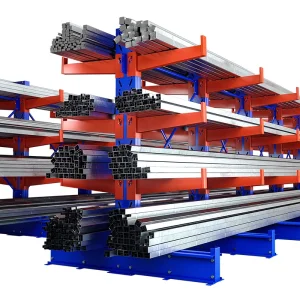
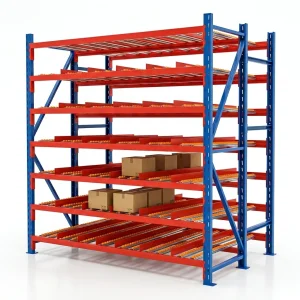
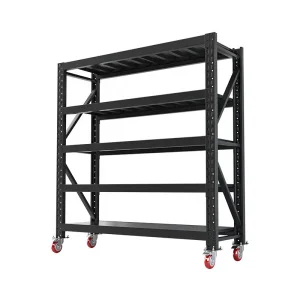
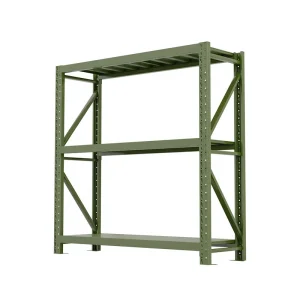
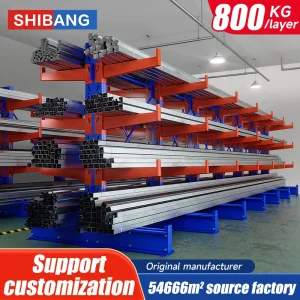
Different logistics scenarios require specialized racking configurations. For retail e-commerce facilities with high turnover rates, gravity flow and carton flow setups ensure fast FIFO (First-In, First-Out) picking. For manufacturing assemblies, cantilever racks handle long components, while heavy-duty pallet racks support industrial raw materials.
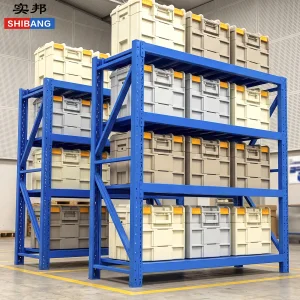
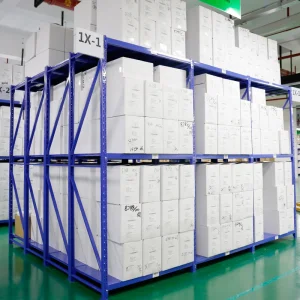
We design structures using finite element analysis (FEA). This confirms that uprights, beams, and connections can support targeted loads (up to 6000KG per bay) under seismic stress, temperature fluctuations, and continuous crane loading.
Corrosion resistance is essential for long-term industrial applications. Our electrostatic powder-coating line applies cross-linked polymers to cleaned steel substrates. This helps prevent mechanical abrasions, chemical exposure, and rust in humid or refrigerated warehouses.
Our steel complies with international material standards (such as Q235B and Q355). This ensures consistent load limits and mechanical properties for all manufactured components.
Our storage systems are tailored to meet the regulatory codes and operational workflows of diverse regional markets.
Engineered to meet RMI (Rack Manufacturers Institute) guidelines and ANSI standards. Includes seismic calculations for Western US zones and structural profiles designed for standard US forklifts.
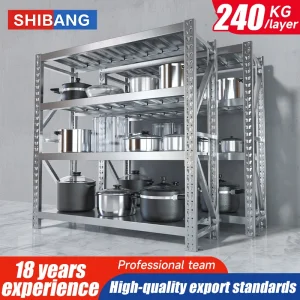
Fully compliant with EN 15512 specifications and CE marking protocols. Features standard European sizes, light-duty modular boltless units, and multi-layer stainless steel options.
Tailored for high-temperature distribution facilities. Includes heavy-duty dynamic flow systems and thick powder coats to resist sand and humidity.
Typical production cycles range from 20 to 30 days following engineering sign-off. This timeline allows for steel preparation, punching, roll forming, welding, powder coating, and load compliance testing.
Our quality control division runs raw material tests, dimensional verification checks, and load-bearing stress tests. This confirms that all upright frames and beams meet their rated load capacities under standard operating conditions.
Yes. Our R&D department customized storage racks based on drawings, weight requirements, and material handling systems provided by clients.
We offer hot-dip galvanization for cold-storage and outdoor layouts, as well as epoxy powder coating to resist chemicals, moisture, and wear.
 Shibang Storage Rack