Explore our top engineered industrial shelving systems, heavy-duty racking systems, and custom logistical handling equipment.
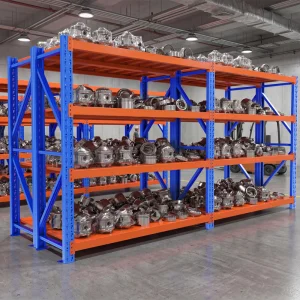
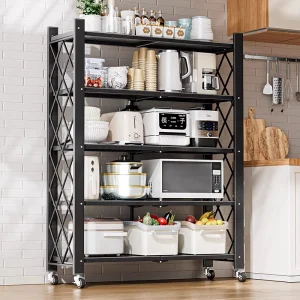
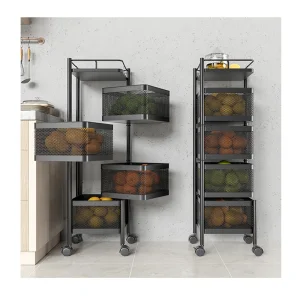
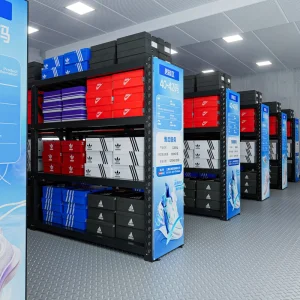
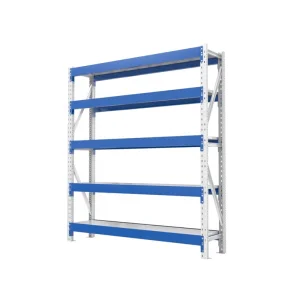
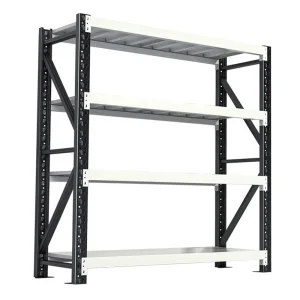
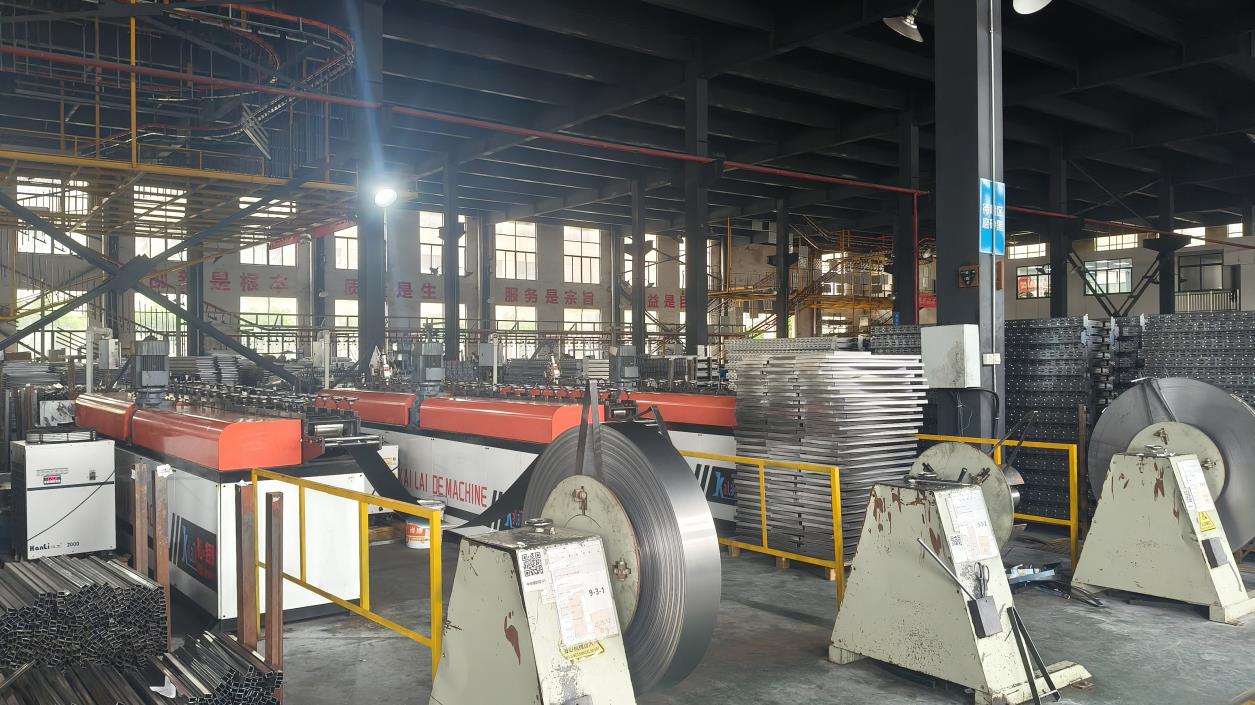
Established in 2016, Guangdong Shibang Storage Rack Co., Ltd. has stood at the forefront of warehouse storage rack design, cold-rolled steel processing, and customized material handling equipment. With our expansive 35,000㎡ modern production facility, we engineer high-capacity load structures deployed across global logistic hubs, cold chain centers, industrial manufacturing floors, and e-commerce distribution warehouses.
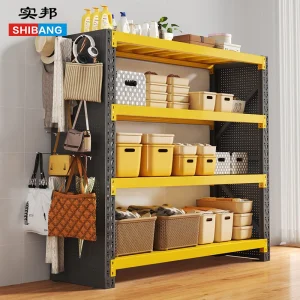
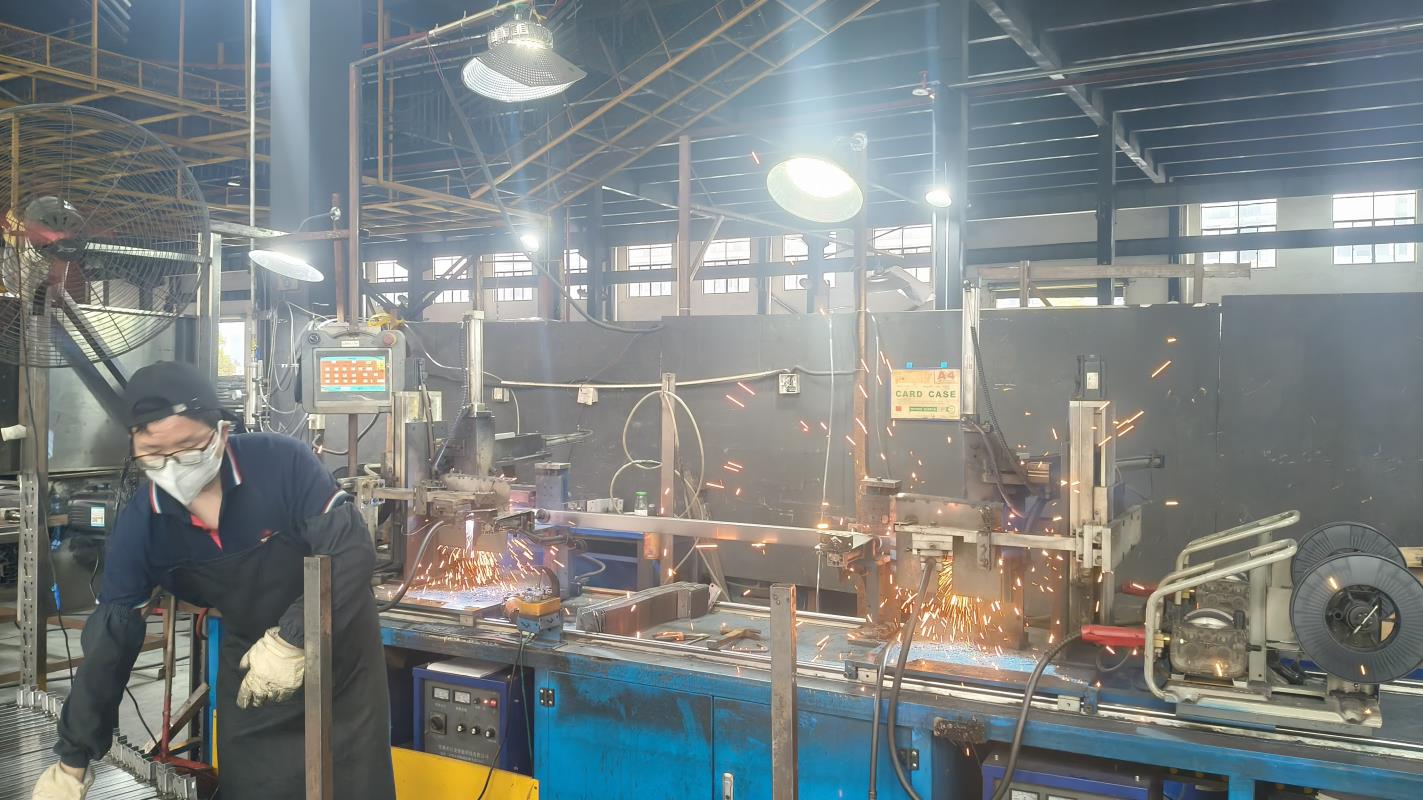
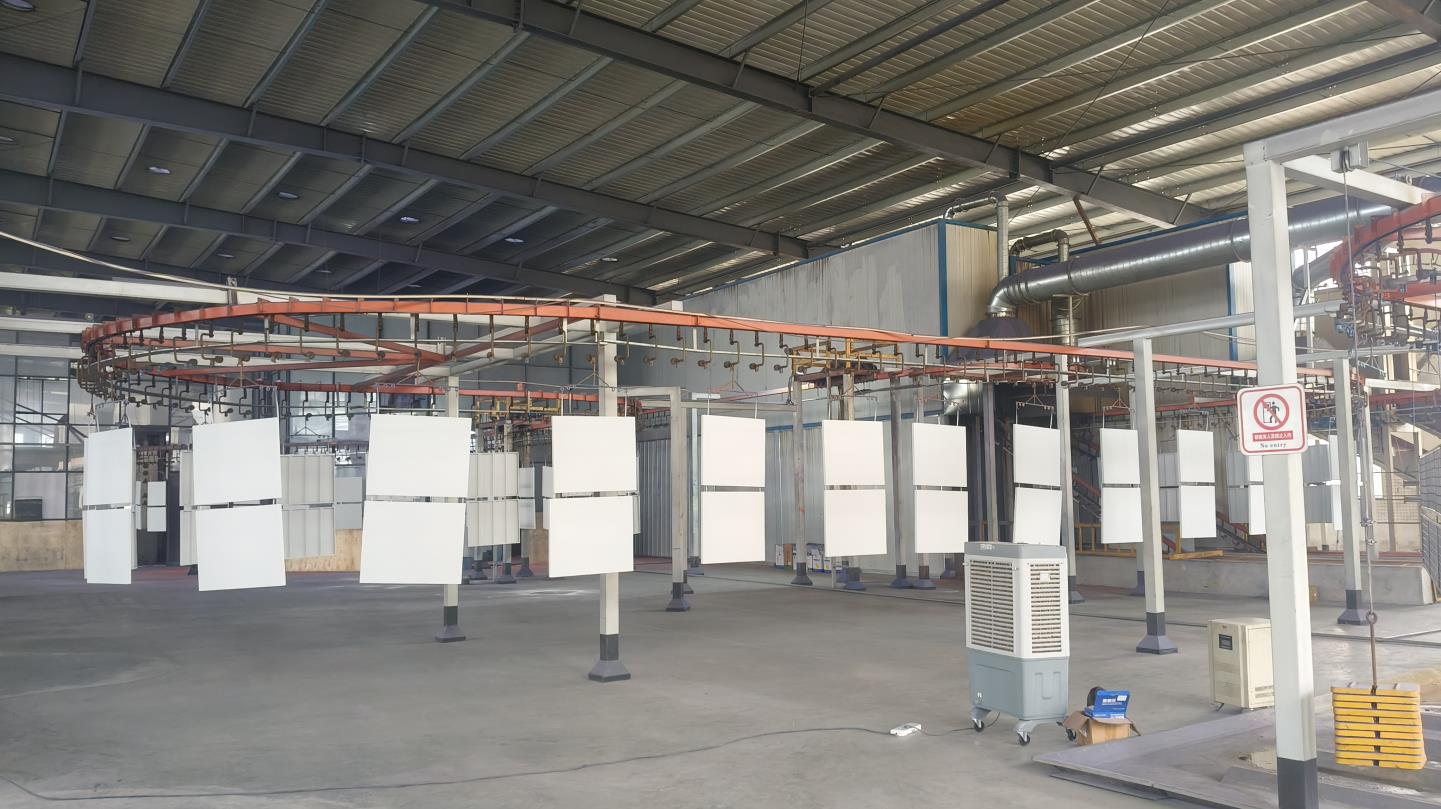
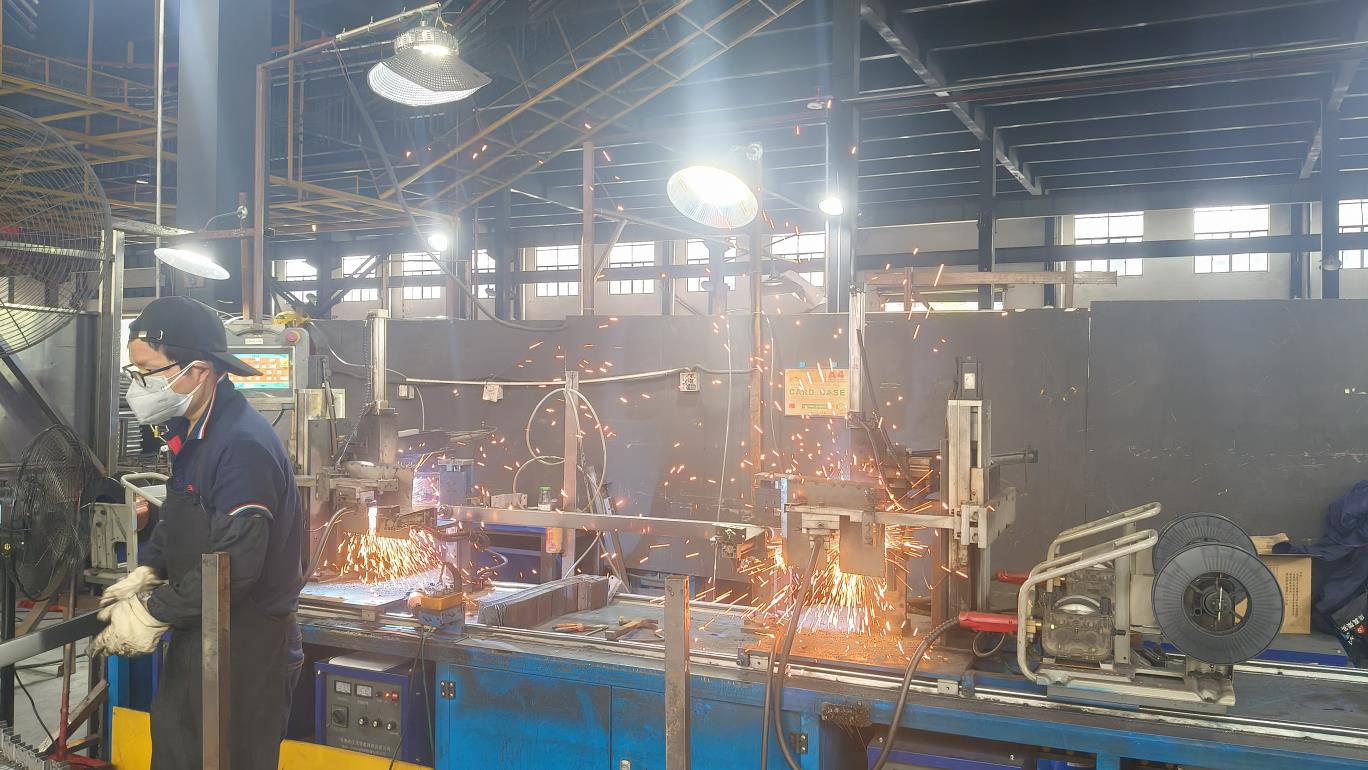
Our commitment to rigorous engineering standards translates to robust load capacities ranging from light-duty boltless systems (100kg-180kg/tier) to high-integrity heavy-duty industrial pallet racking systems capable of bearing up to 1000kg/tier. Our processes integrate raw material verification, precision profiling, robotic welding, and automated electrostatic powder coating to secure long-term durability and structural safety.
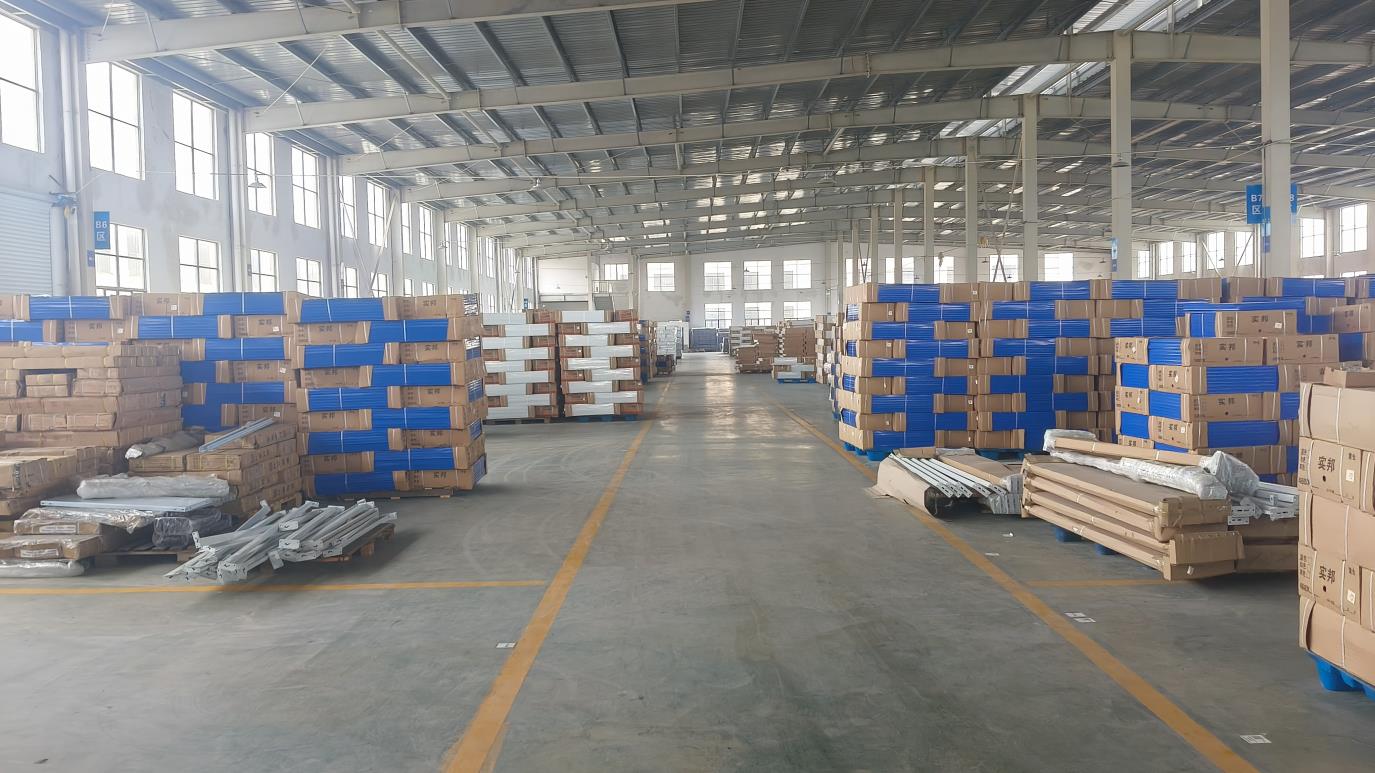
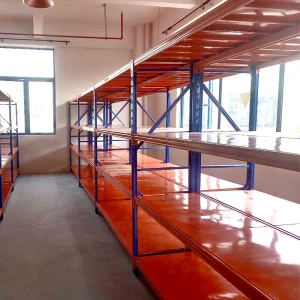
Modern logistics and warehouse operations demand precision engineering to maximize vertical space utilization while ensuring structural integrity and workplace safety. Racking systems are not mere shelving; they are load-bearing steel structures subject to static, dynamic, and seismic forces. Industrial loading racks must account for variables such as beam deflection limit ratios (typically L/200 or L/240), upright frame buckling capacities, and floor slab load-bearing capacities.
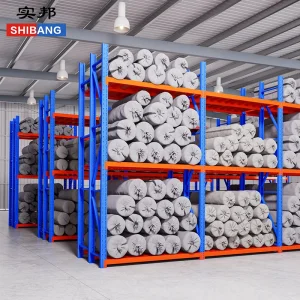
Using premium steel alloys such as Q235B and Q355B cold-rolled steel, Guangdong Shibang engineers load configurations tailored to the precise structural needs of international buyers. Our heavy-duty racking systems, including cantilever and selective pallet racking, utilize optimized profiling to ensure that columns and beams provide a safety factor of 1.5 to 1.8. This design overhead mitigates hazards associated with accidental fork-truck impacts or dynamic load shifts.
High-yield cold-rolled structural steel provides optimized elasticity and ultimate tensile strength, guaranteeing safe operations under load limits exceeding 1000kg.
Advanced roll-forming techniques introduce structural ribs and customized geometry to prevent localized twisting and buckling of columns.
Integrated column guards and aisle protectors redirect kinetic impact forces from fork-lift machinery away from structural load pillars.
As global supply chains navigate volatility, sourcing from vertically integrated Chinese manufacturing hubs remains a major competitive advantage. The Pearl River Delta, where Guangdong Shibang operates, provides immediate access to high-grade steel mills, specialized coating suppliers, and advanced logistics ports. This industrial clustering enables us to secure raw materials at stable pricing and maintain short lead times, even for custom high-volume orders.
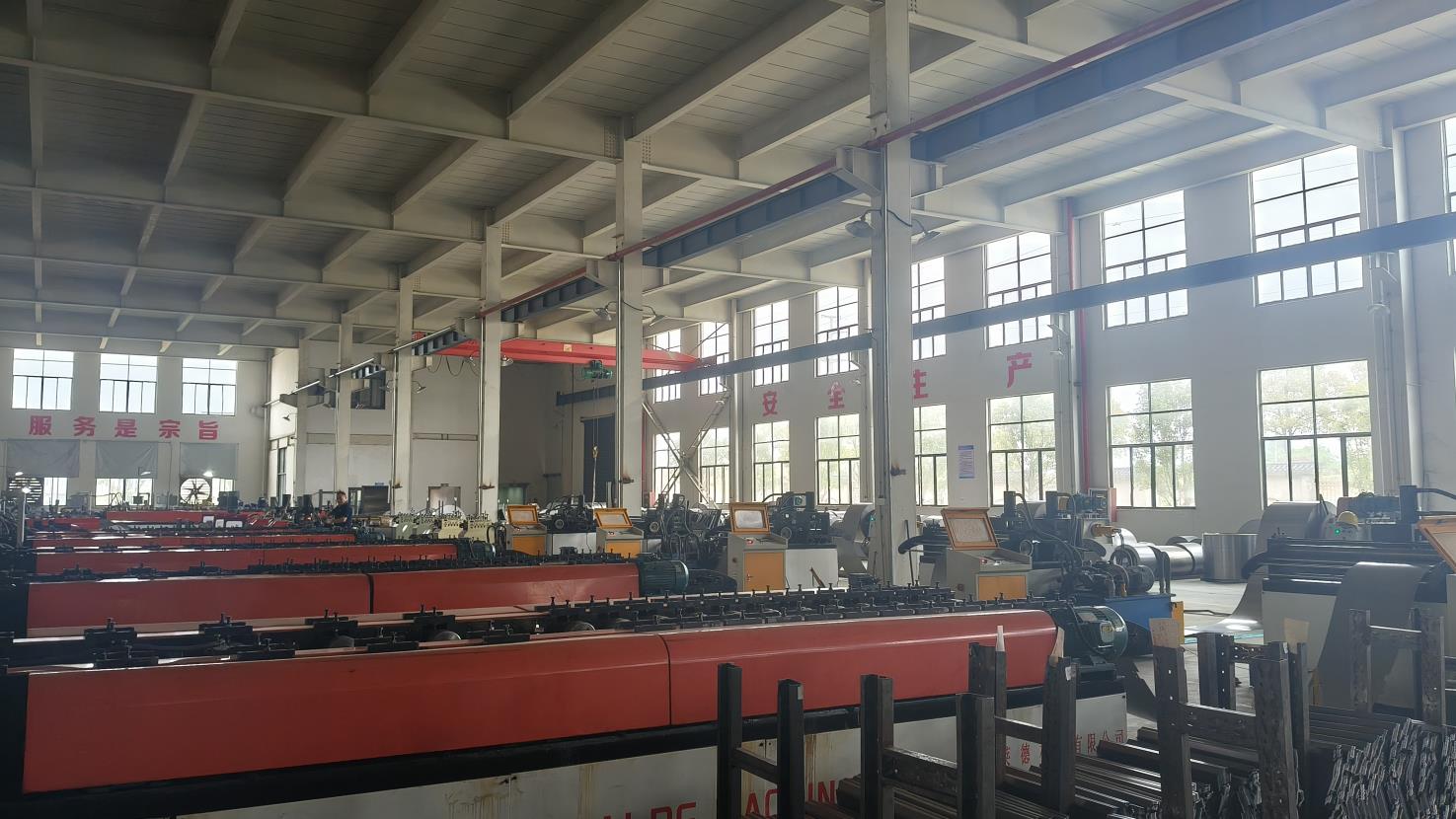
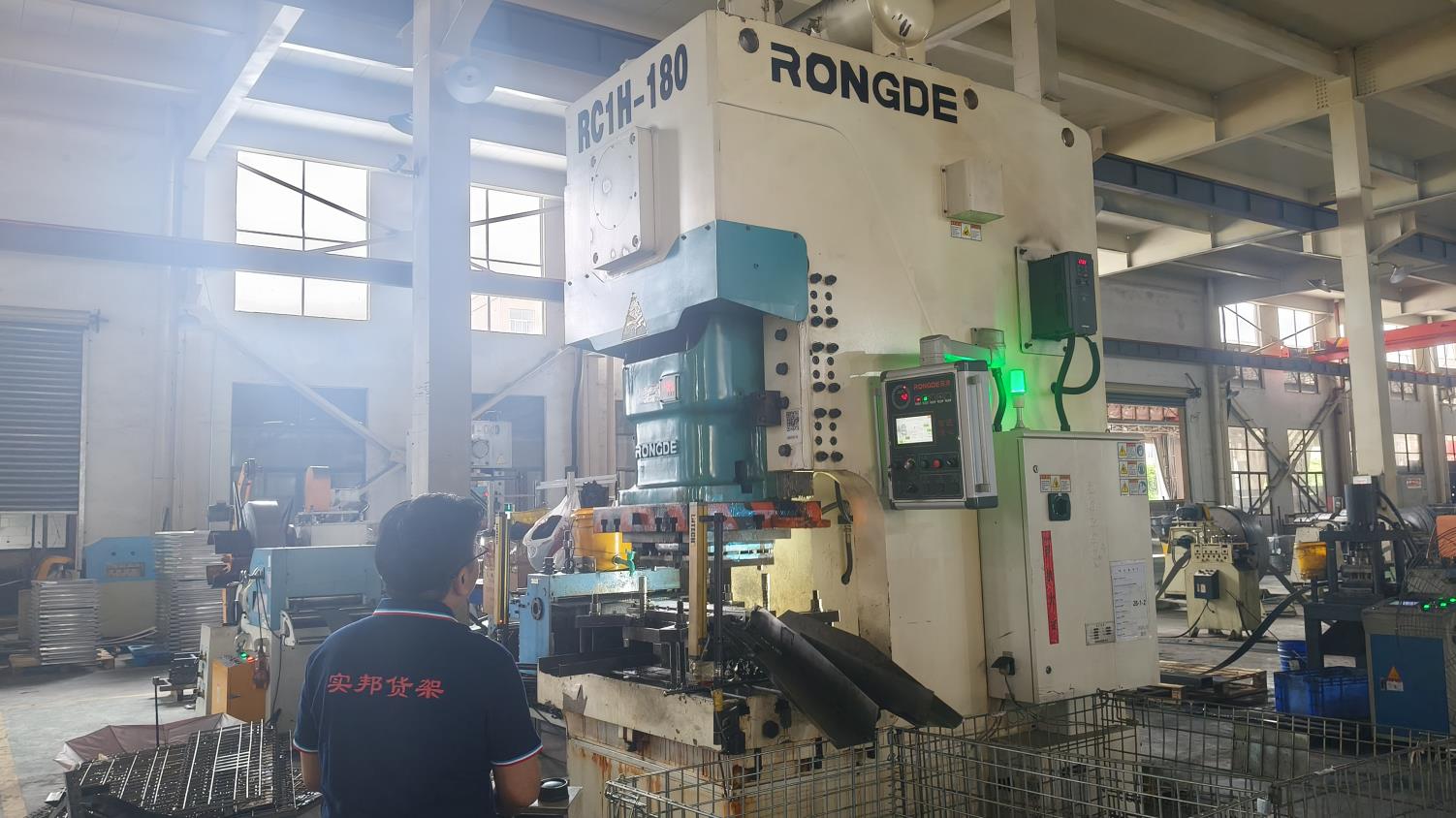
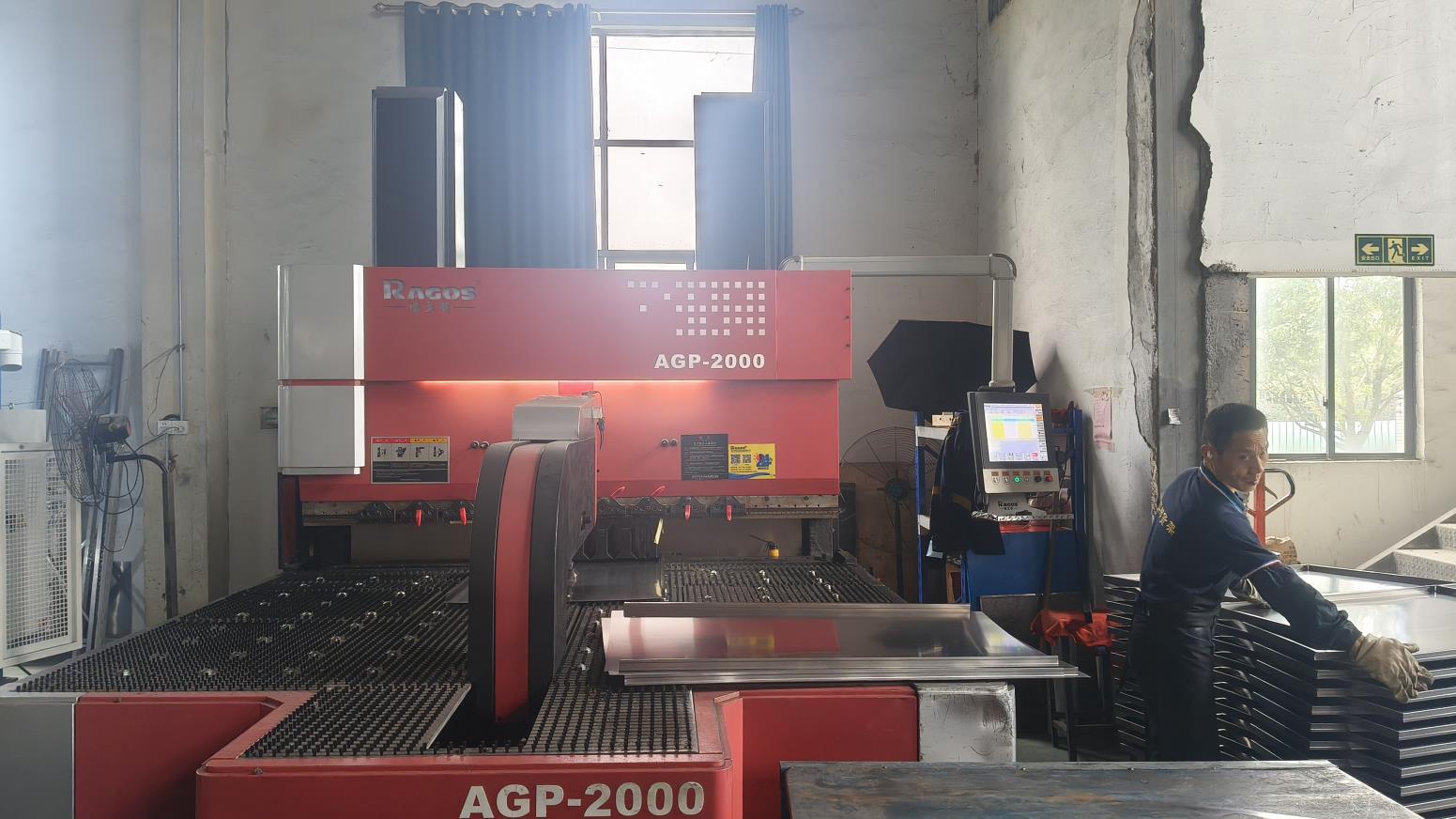
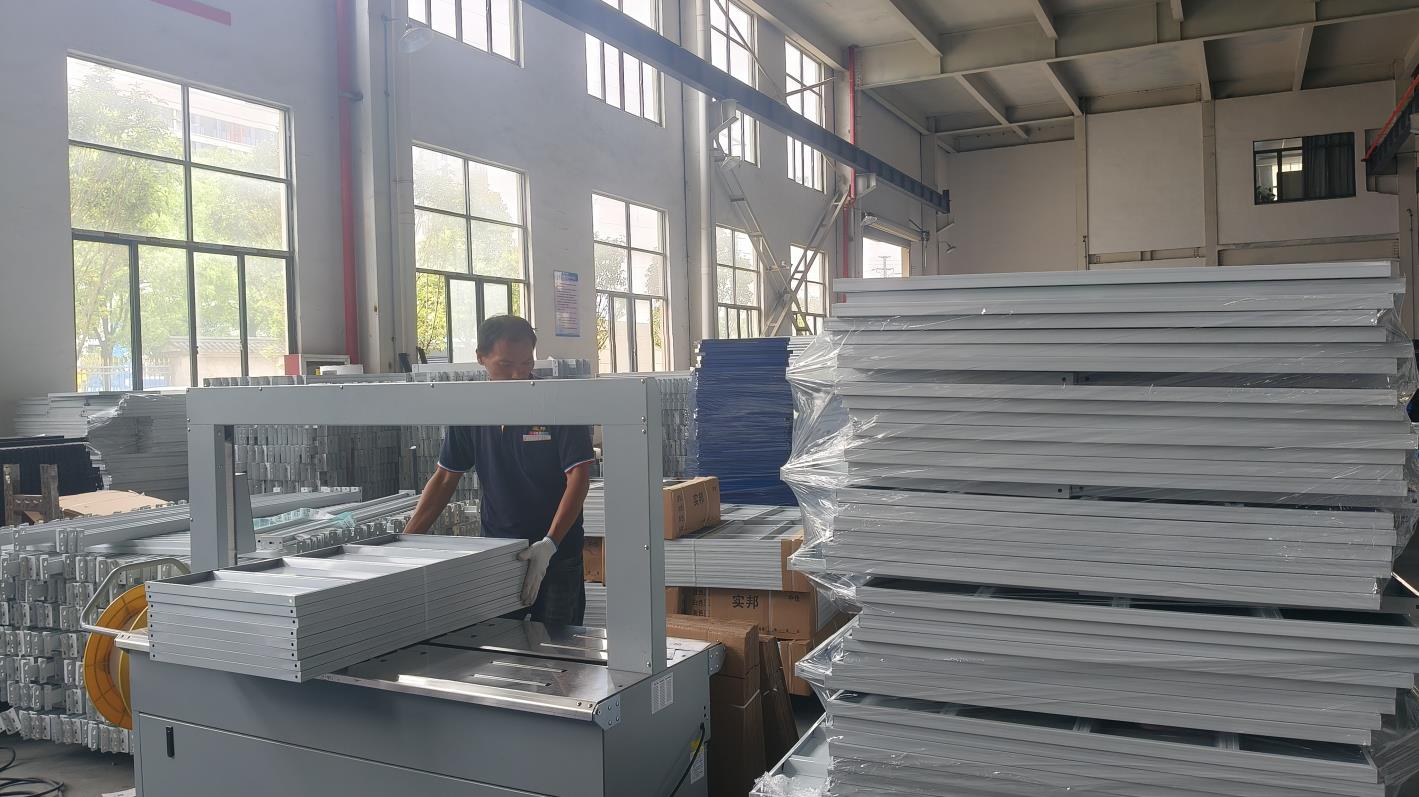
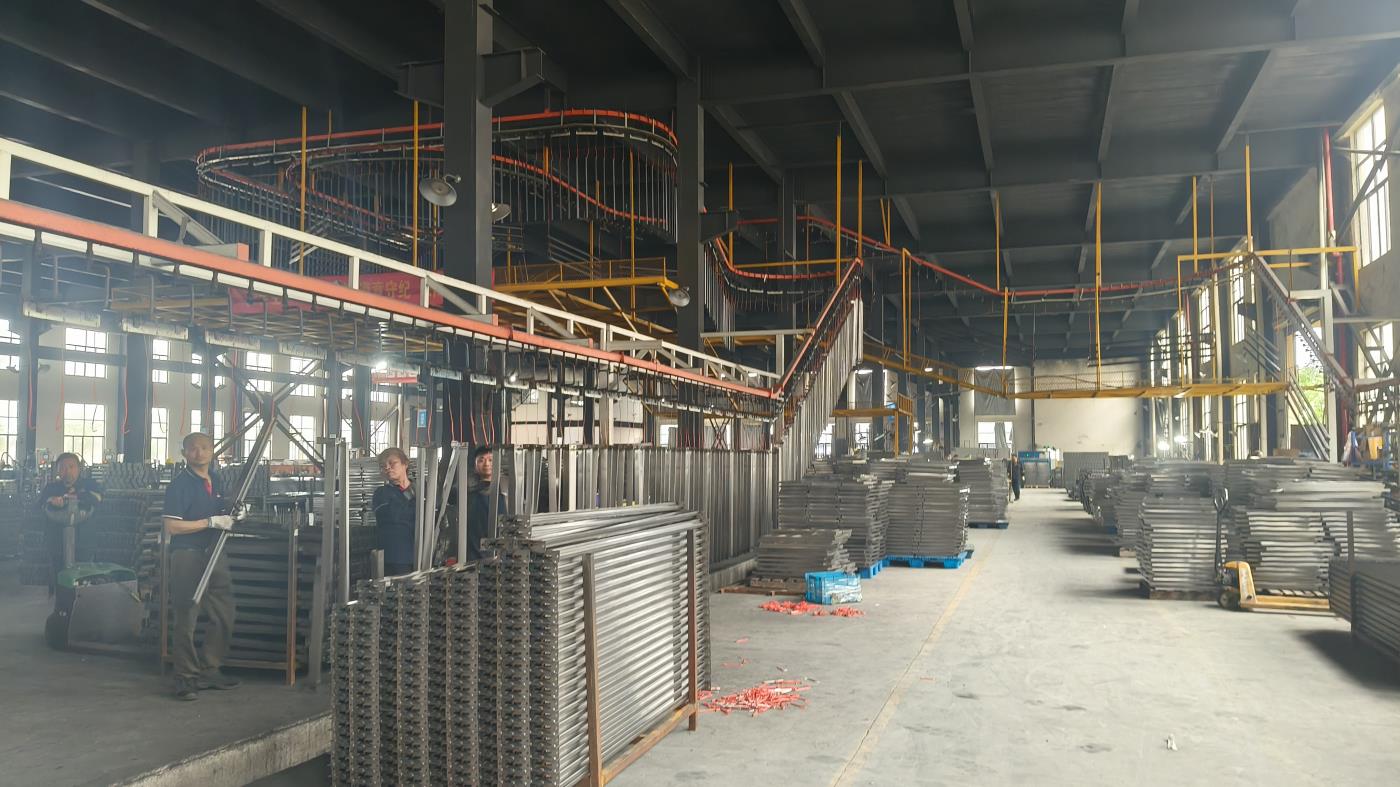
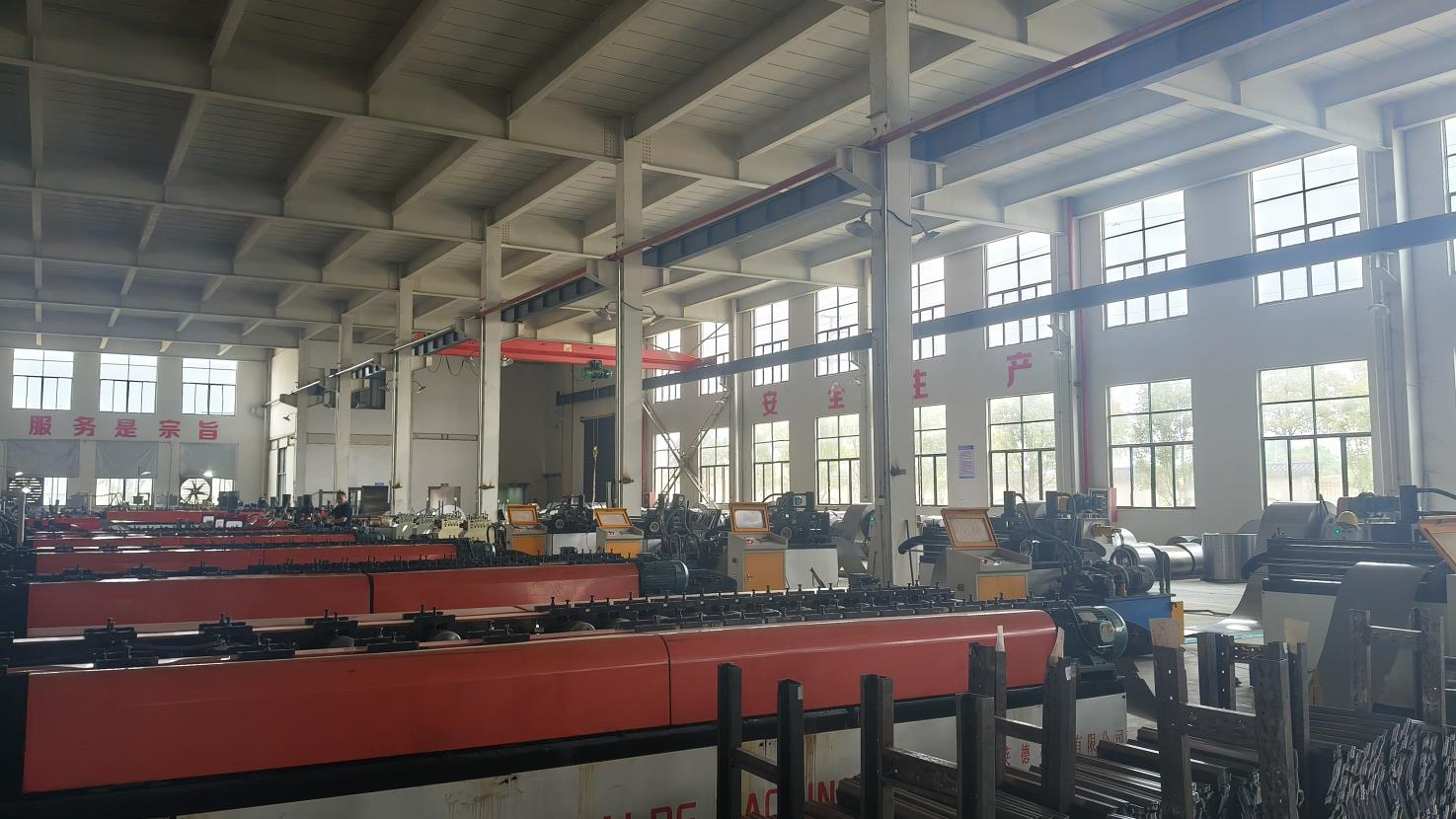
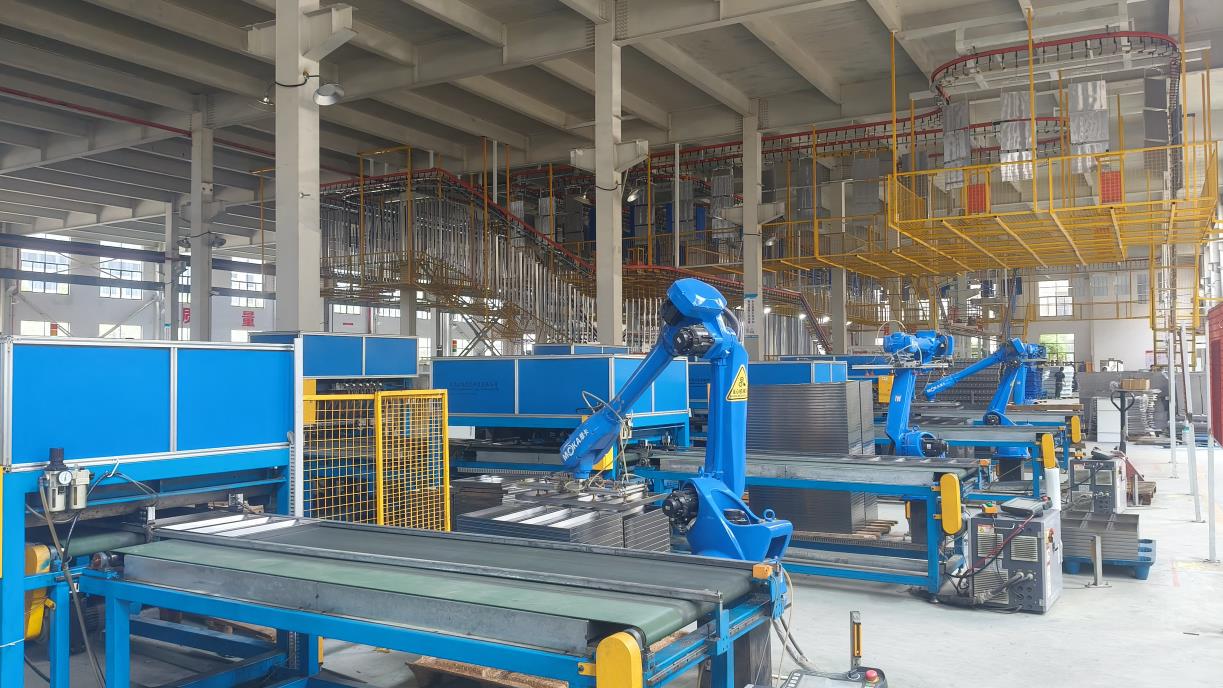
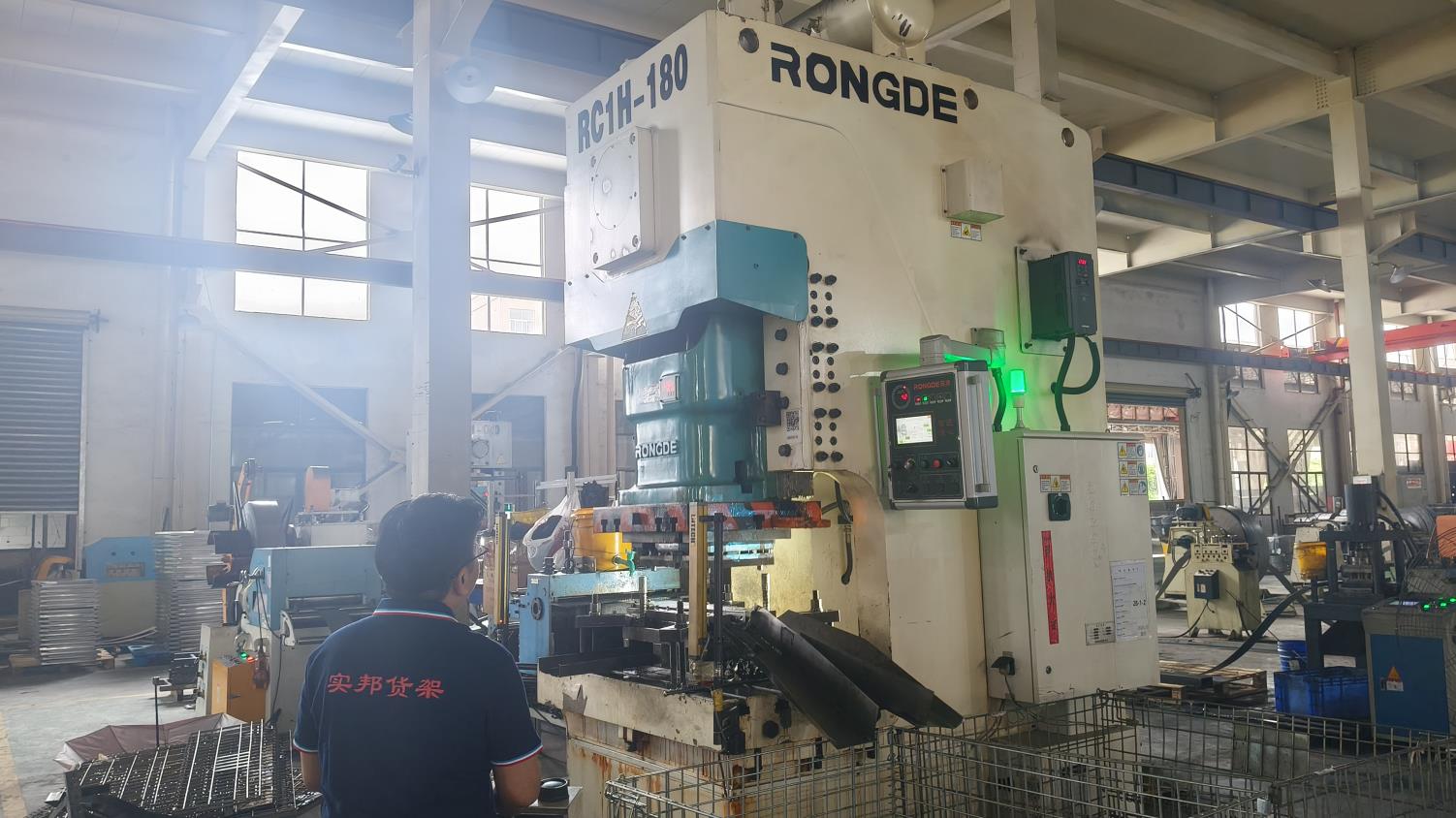
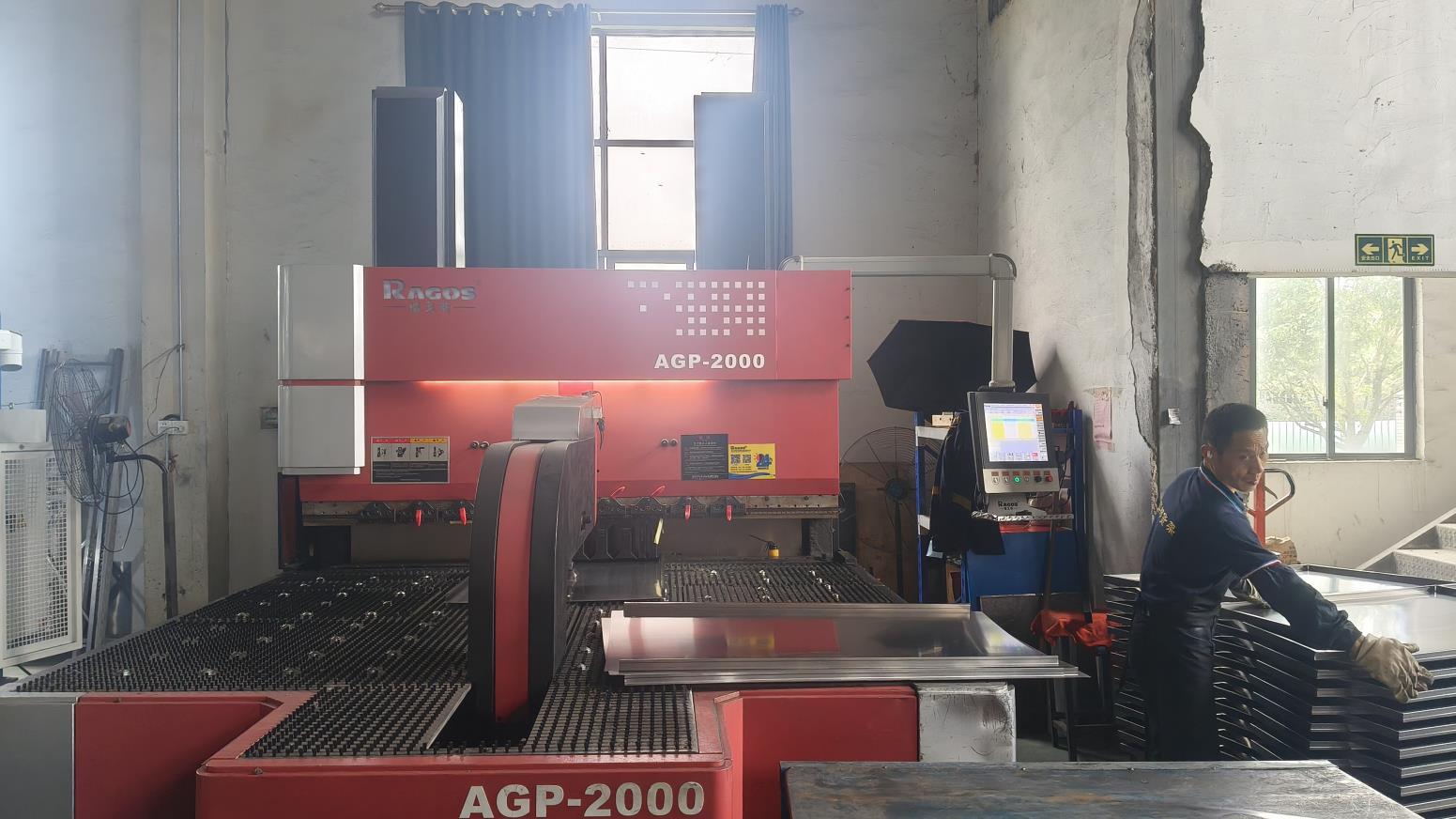
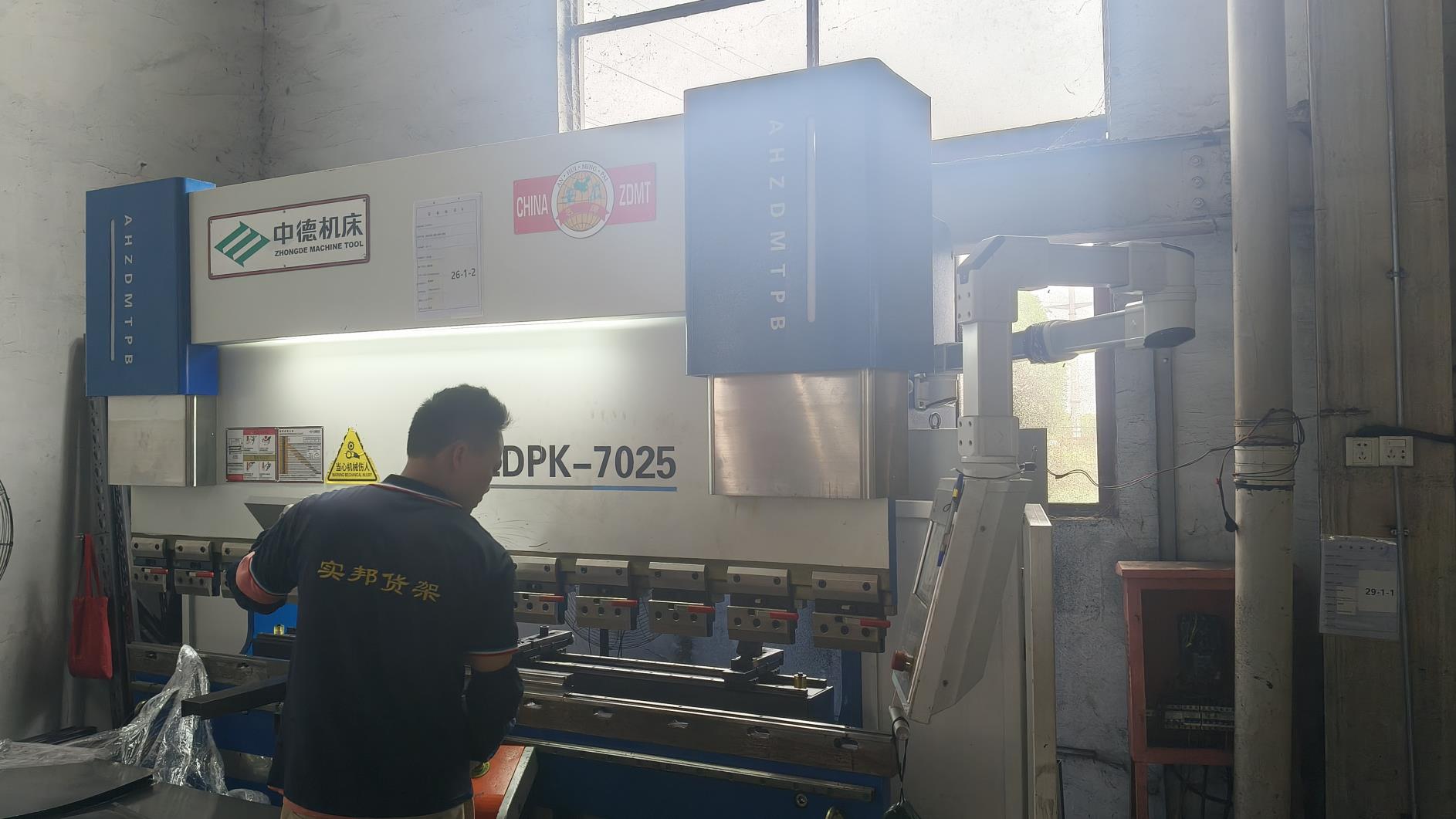
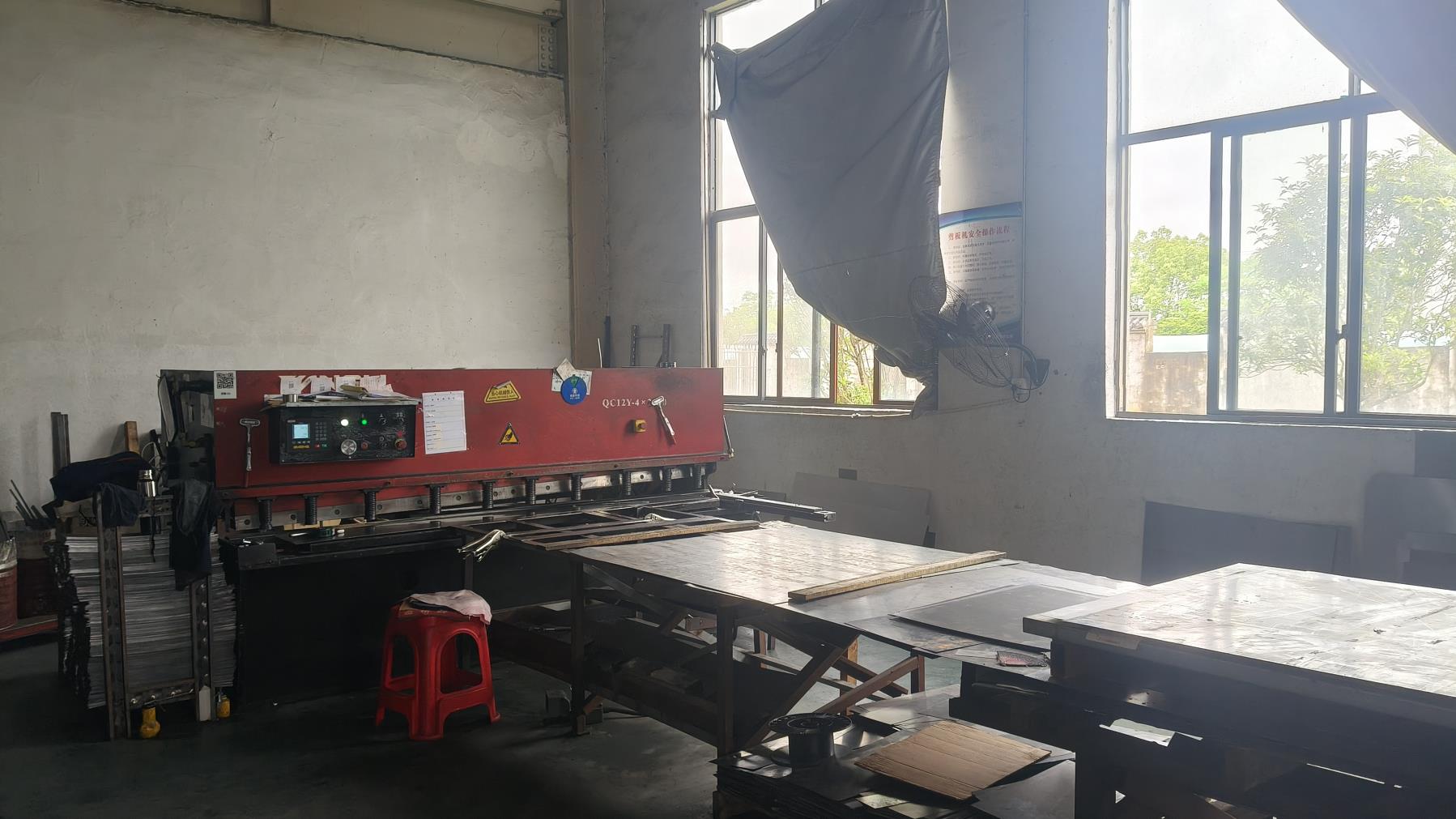
Our manufacturing workflow is equipped with advanced automated roll-forming machines, heavy-duty punch presses, and robotic welding arms. These tools eliminate human assembly errors and guarantee that every connector pin, upright perforation, and base plate conforms to millimeter-level dimensional accuracy. By implementing automated powder-coating lines with multi-stage pretreatment washers, we ensure uniform finish thickness, preventing corrosion in humid distribution centers or cold-chain storage facilities.
Logistical and warehouse needs vary heavily between industries. An optimization strategy requires custom racking solutions tailored to product configurations, access frequencies, and environment conditions.
Utilizing low-temperature powder coatings and corrosion-resistant hot-dip galvanized steel components. These systems prevent structural embrittlement at operating temperatures down to -30°C.
High-bay storage racking designed with structural configurations to support automated storage and retrieval systems (AS/RS), shuttle carts, and autonomous mobile robots (AMR).
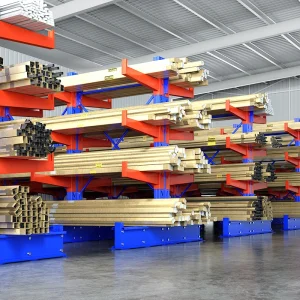
Custom heavy-duty selective pallet racks and cantilever systems. These are engineered for raw materials, long steel coils, structural pipes, and industrial components.
To operate safely in active logistic terminals, racking systems must comply with local building regulations and global material handling standards. At Guangdong Shibang, our quality control architecture integrates a dedicated division of 65 experienced QC specialists overseeing every production batch. From raw material intake inspection to final packaging, we ensure zero defects leave the factory floor.
Our validation protocols include checking steel grade chemical compositions, testing weld penetration depth, verifying powder coating thickness, and performing structural deflection tests under stress. Every racking design undergoes finite element analysis (FEA) modeling to simulate environmental stresses, such as seismic events or thermal contraction. By maintaining compliance with standards like EN 15512, AS4084-2012, and the Rack Manufacturers Institute (RMI) standards, we provide structural designs that facilitate local building permit approvals for our clients.
The industrial material handling sector is transitioning from static shelving to dynamic, smart infrastructure. Driven by rising labor costs and the demand for high-density space usage, racking systems are evolving to integrate seamlessly with digital logistics frameworks. This technological shift is defined by several key areas:
1. Direct Integration with Autonomous Systems: Future-proof racking must feature tight structural tolerances to support autonomous mobile robots (AMR) and automatic shuttle systems. Minimal beam deflection and precise vertical alignment are critical to preventing crane-shuttle jams.
2. Smart Racking: Embedded IoT load sensors and strain gauges are transitioning from R&D concepts to industrial deployment. These sensors monitor load changes and beam fatigue in real time, alerting operations managers to overloaded tiers before safety compromises occur.
3. Carbon Footprint Reduction: Moving to green chemistry in powder coatings, utilizing recycled steel content, and shifting to energy-efficient manufacturing processes help logistics organizations achieve net-zero building credentials.
Industrial procurement managers evaluating manufacturers in China must look beyond the initial price per bay. A comprehensive evaluation must account for sea freight costs, container load factors, local customs clearance, installation efficiency, and structural maintenance cycles. Optimizing container space is crucial; high-density packing of upright frames and cross beams directly reduces shipping costs per cubic meter.
Guangdong Shibang utilizes custom shipping cradles and protective packaging to maximize container load factors and eliminate transit damages. Furthermore, our focus on boltless structures and hook-in beam connections reduces installation times by up to 40% compared to traditional structural bolted racks. This ease of assembly translates to lower labor costs during warehouse commissioning phases.
Always request mill test certificates (MTC) to verify structural steel carbon equivalents and yield strengths.
Ensure a minimum powder coating thickness of 60-80 microns to prevent early corrosion under heavy use.
Verify that frame dimensions and baseplates are engineered to meet the seismic zone classifications of your region.
Ensure that all structural components have batch-control marking numbers to enable quick quality tracing.
Explore the remainder of our engineered product range, designed to meet heavy manufacturing and retail storage needs.
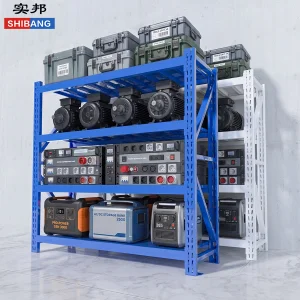
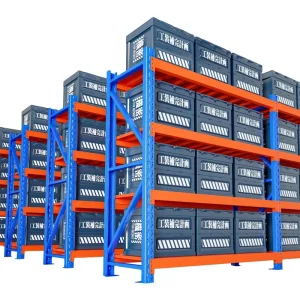
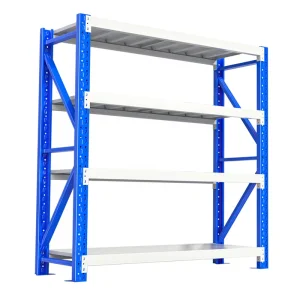
 Shibang Storage Rack