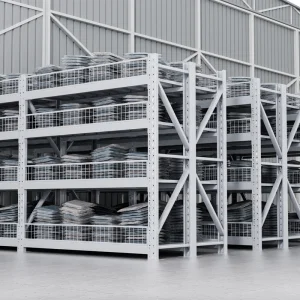
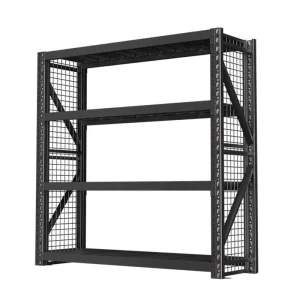
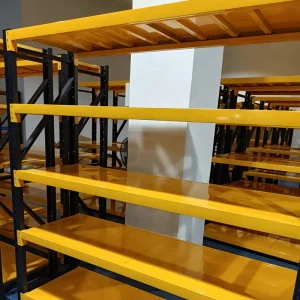
In the contemporary landscape of global logistics, material handling efficiency is directly correlated with industrial competitiveness. Stacking systems represent the structural backbone of high-capacity storage, allowing logistics centers, heavy manufacturers, and e-commerce distribution platforms to maximize volumetric space. The shift from traditional static storage structures to intelligent, highly customizable, and high-load stacking systems represents a fundamental paradigm shift in spatial management.
As modern distribution hubs increasingly demand narrow-aisle optimization, high load capabilities, and extreme durability against seismic and environmental hazards, the specifications for industrial racking systems have evolved. China, powered by highly integrated raw material supply chains and advanced structural engineering systems, stands at the absolute center of this transformation. Guangdong Shibang Storage Rack Co., Ltd., since its establishment in 2016, has engineered state-of-the-art stacking and structural racks designed to withstand demanding load criteria while offering unparalleled layout flexibility for diverse industries worldwide.
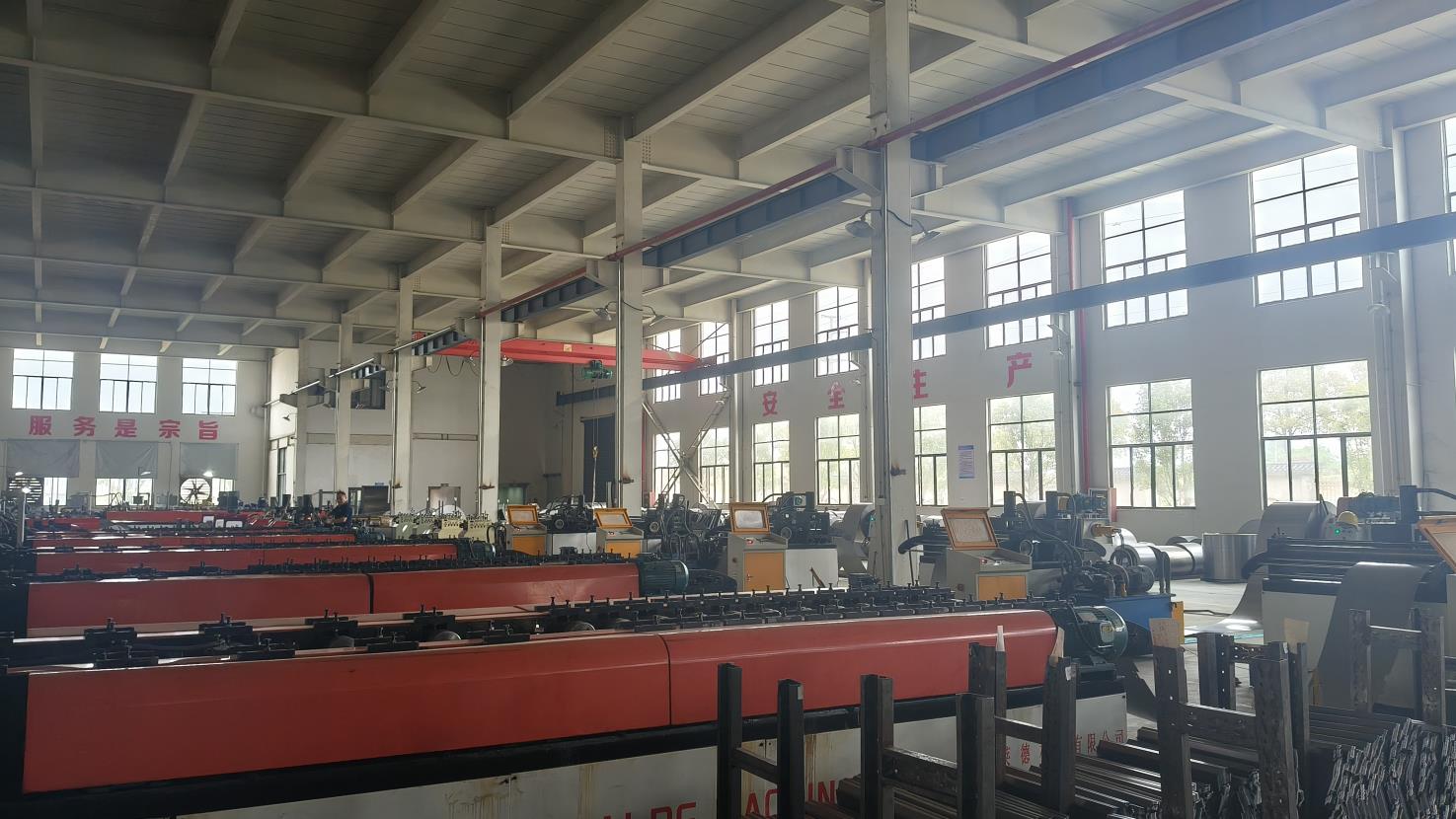
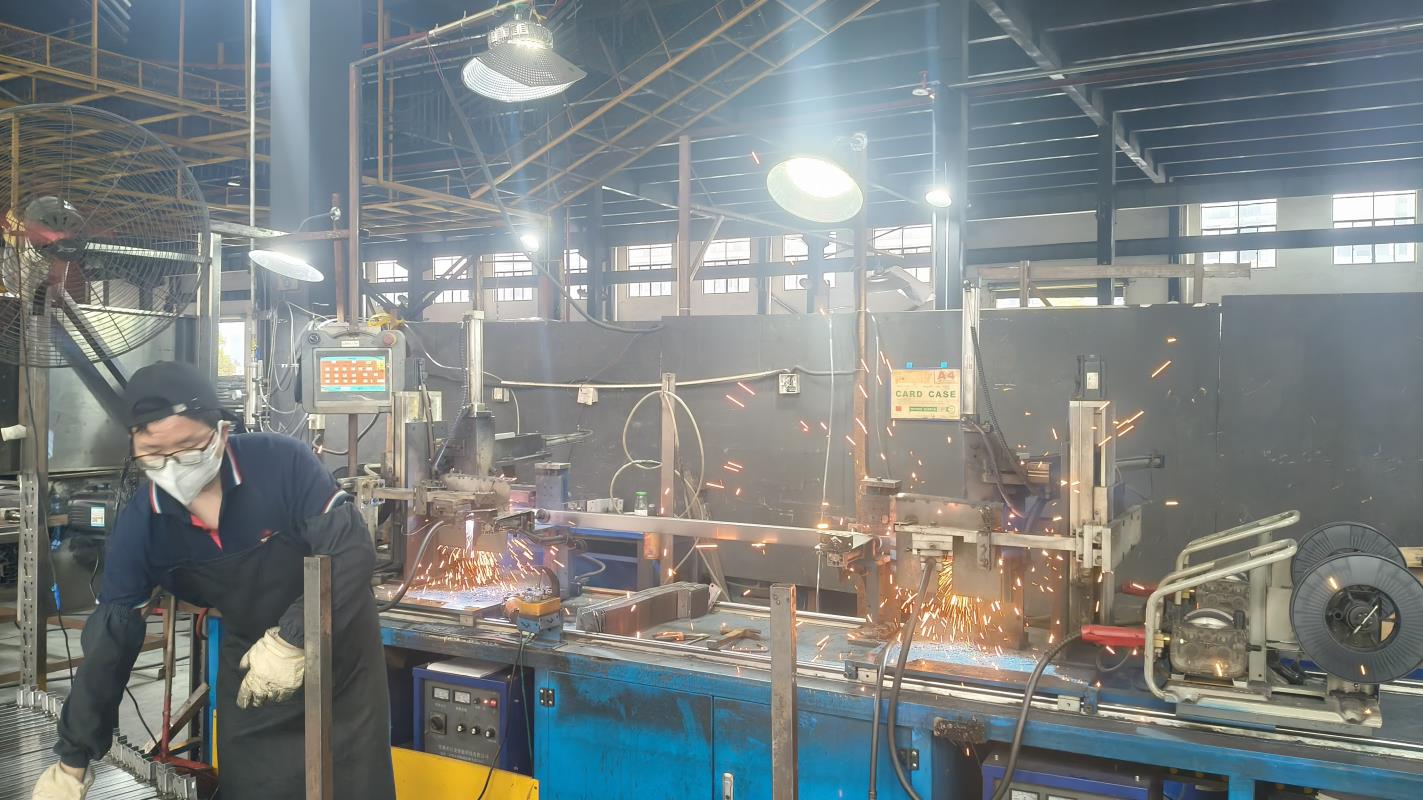
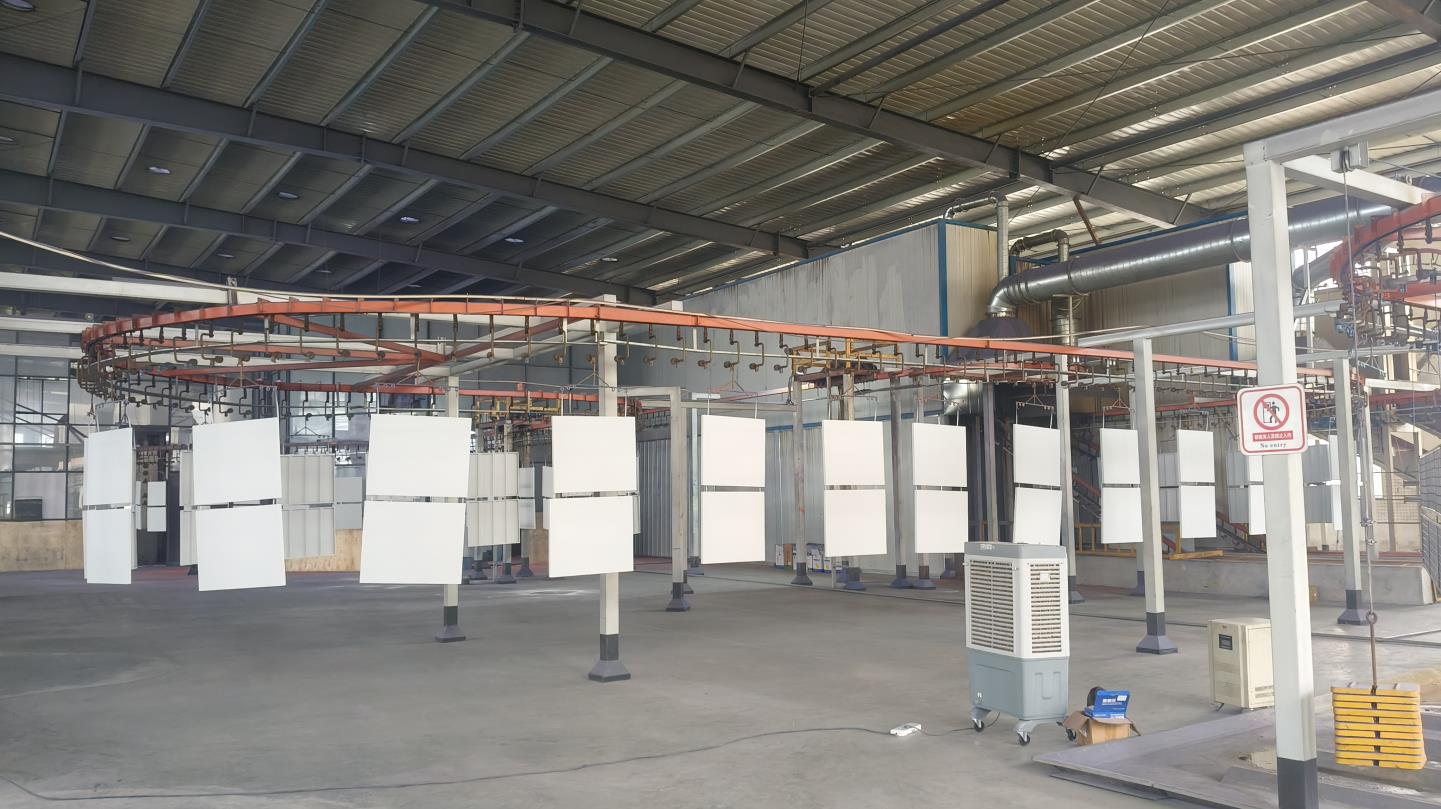
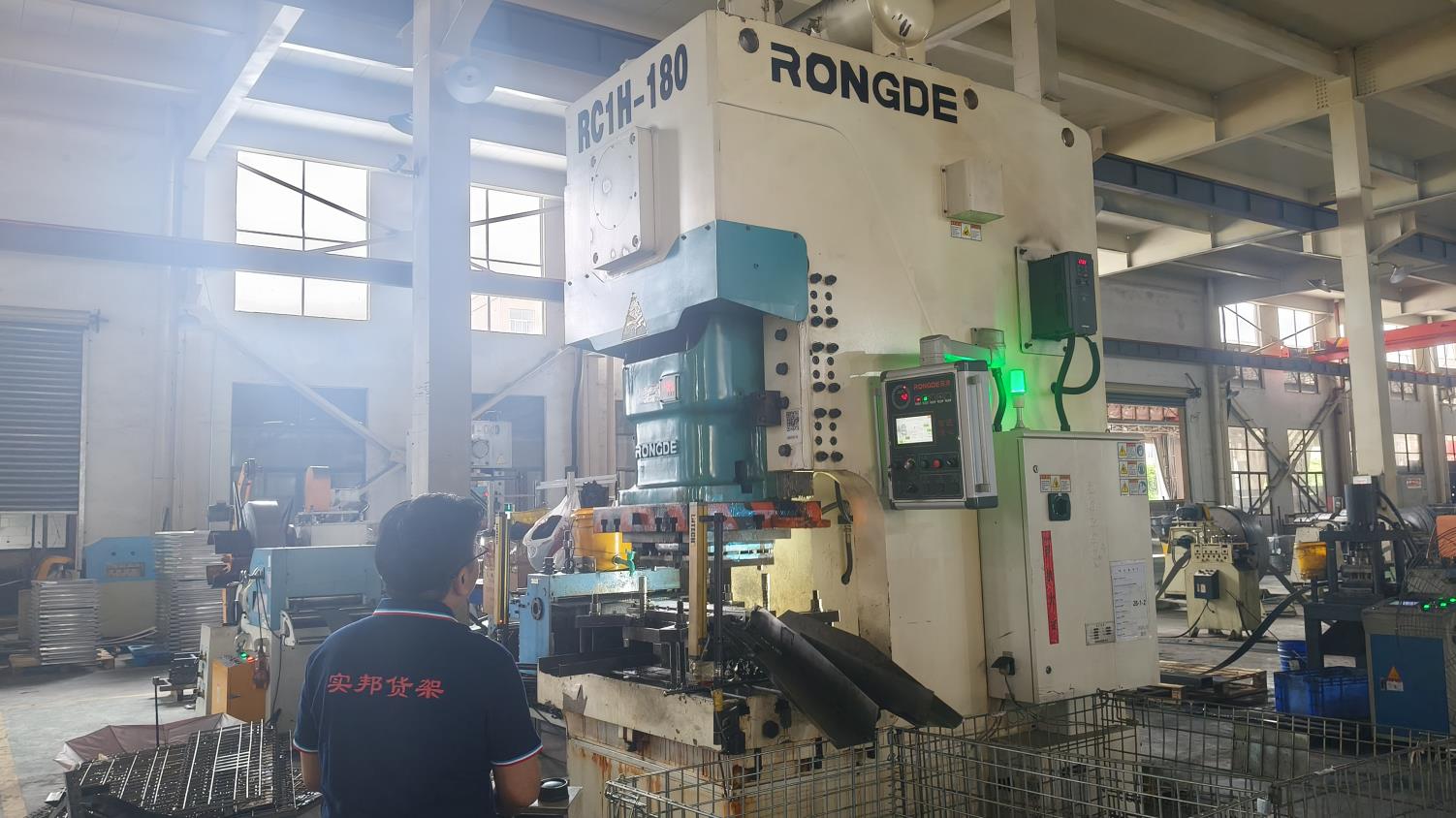
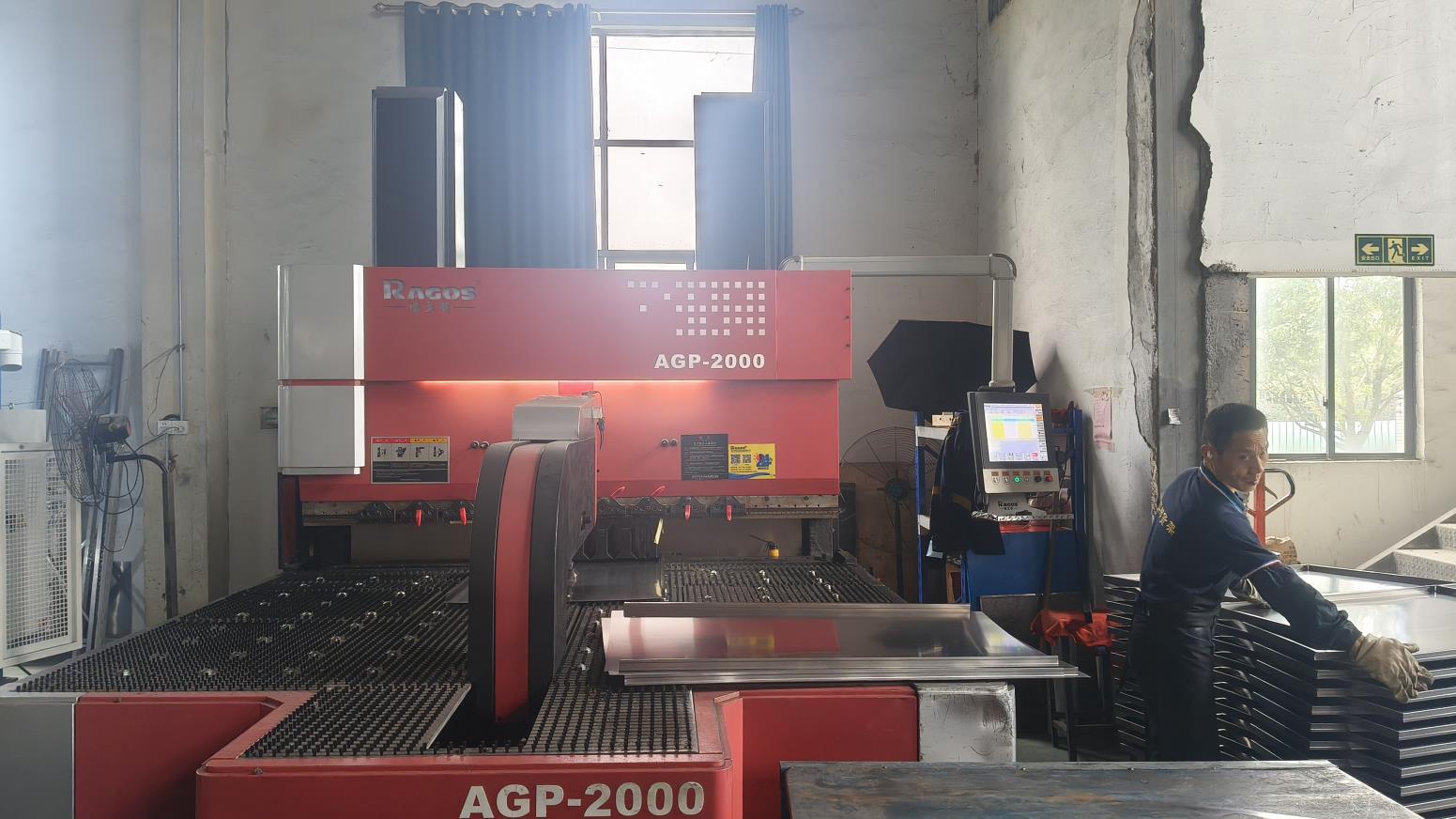
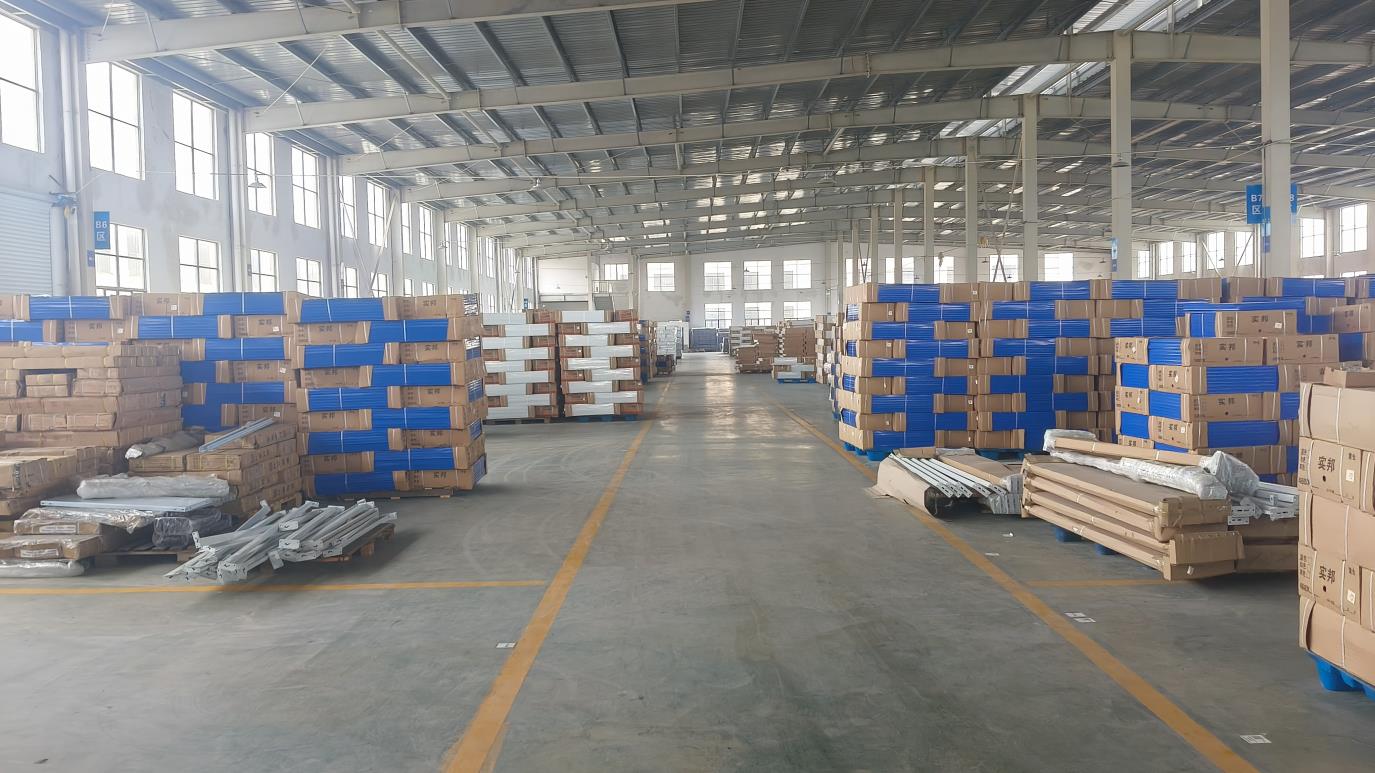
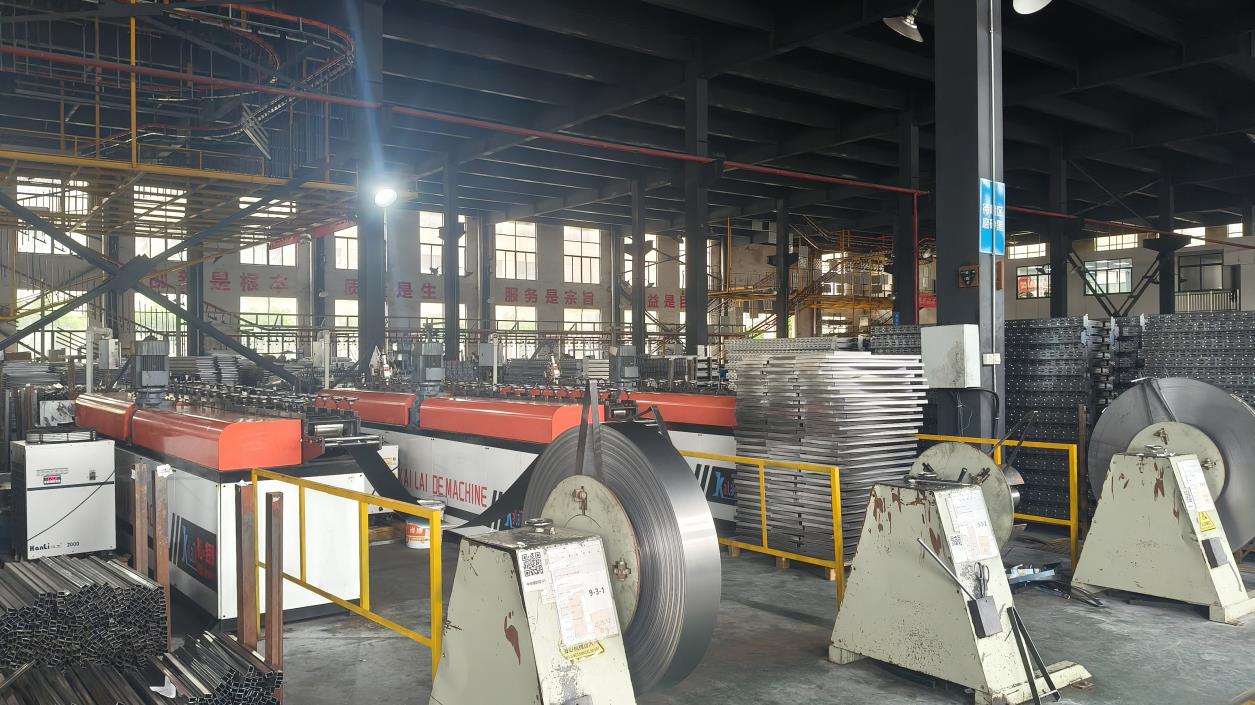
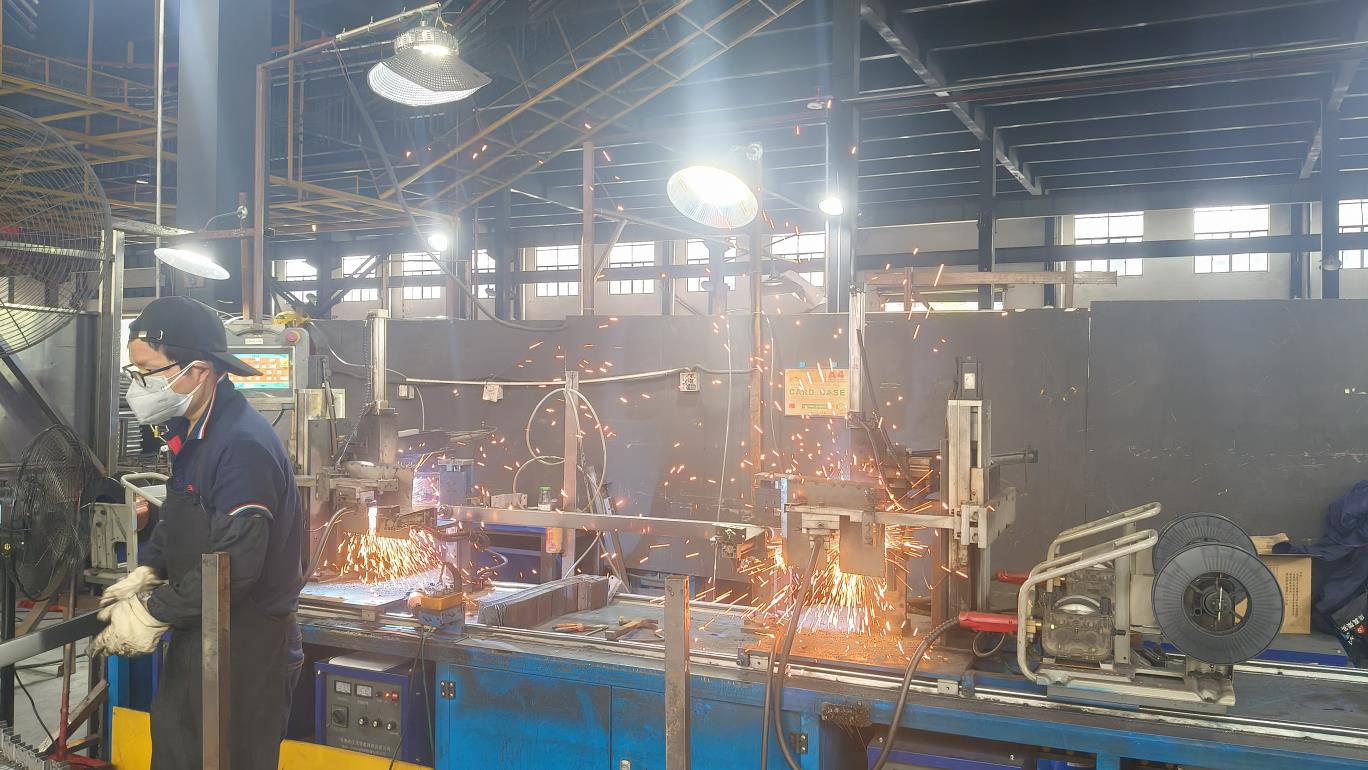
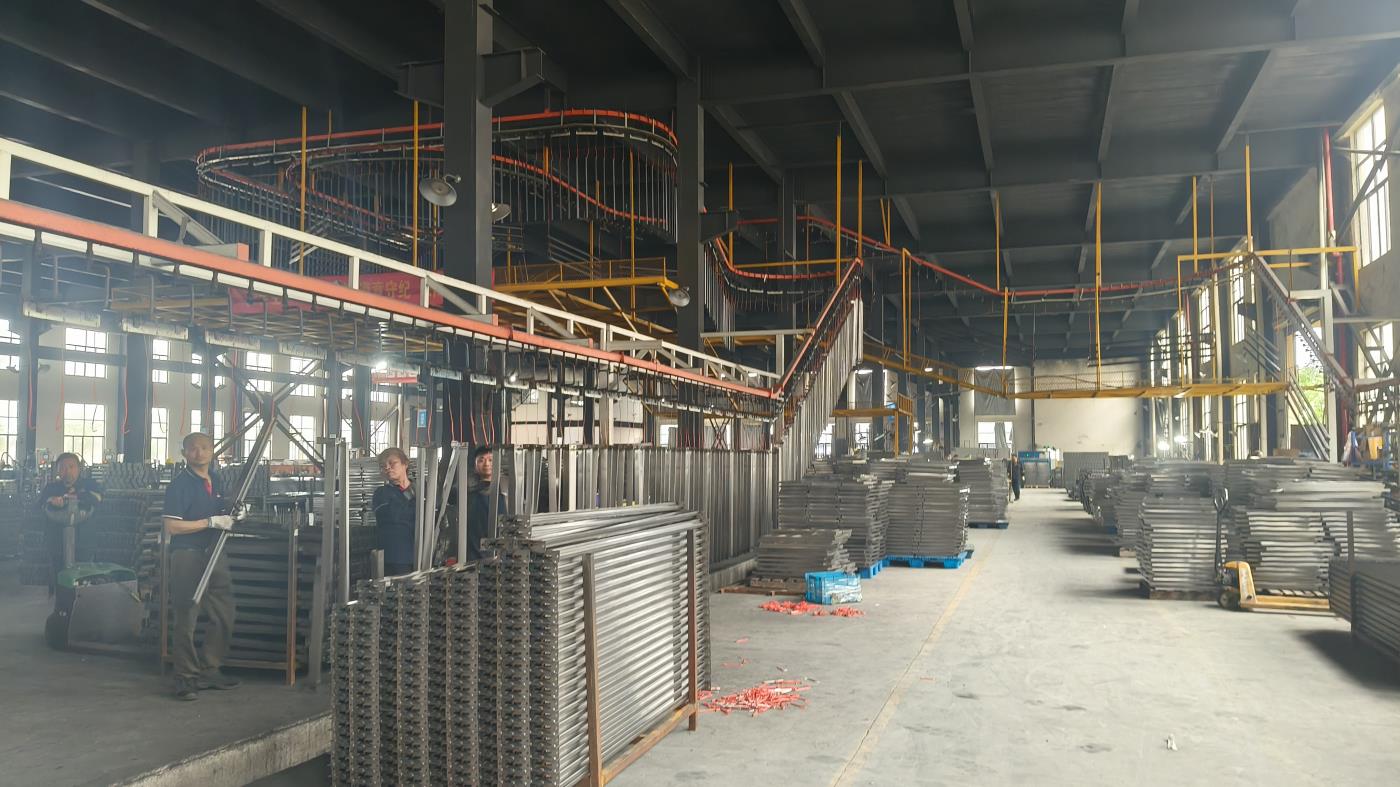
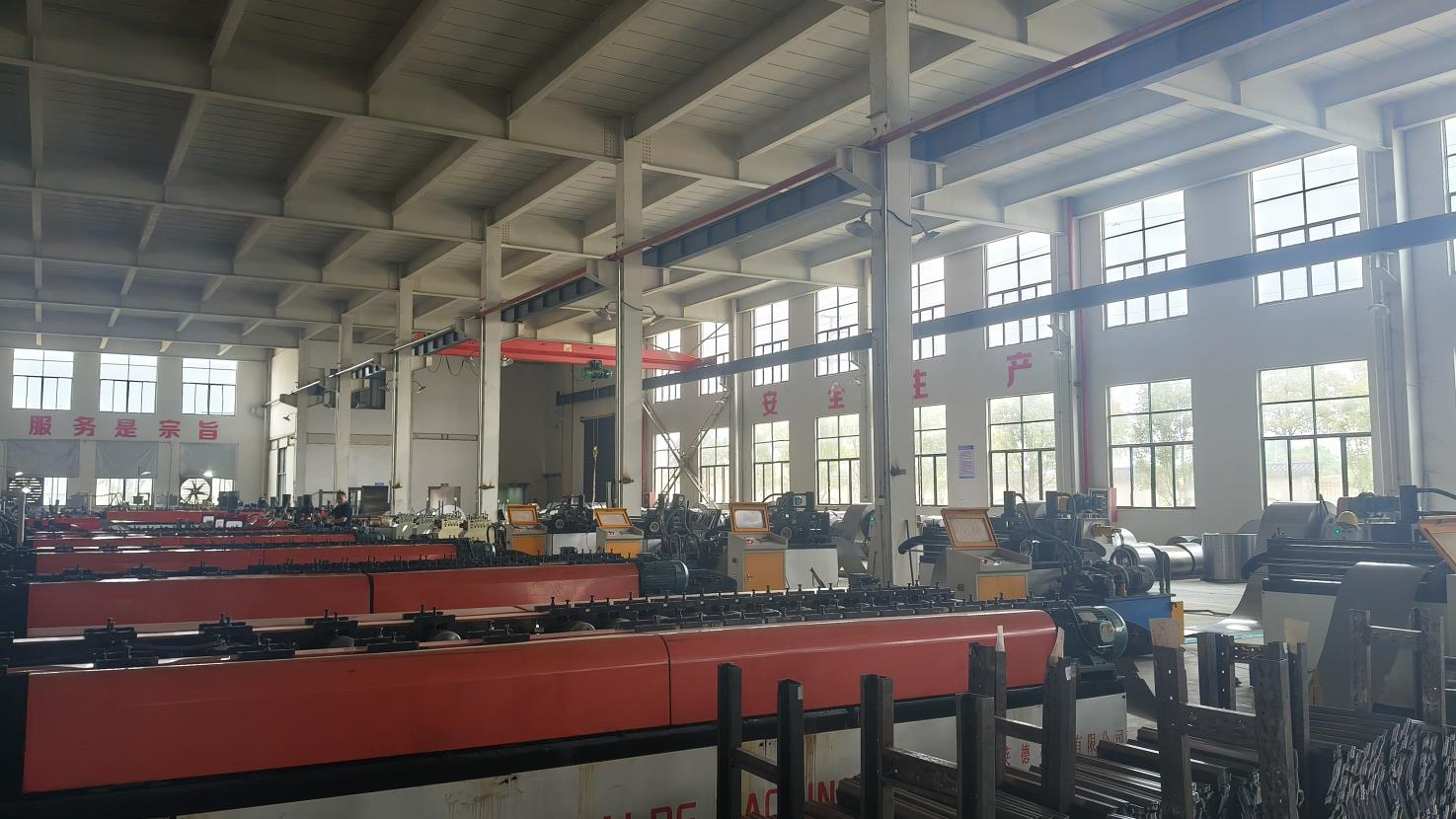
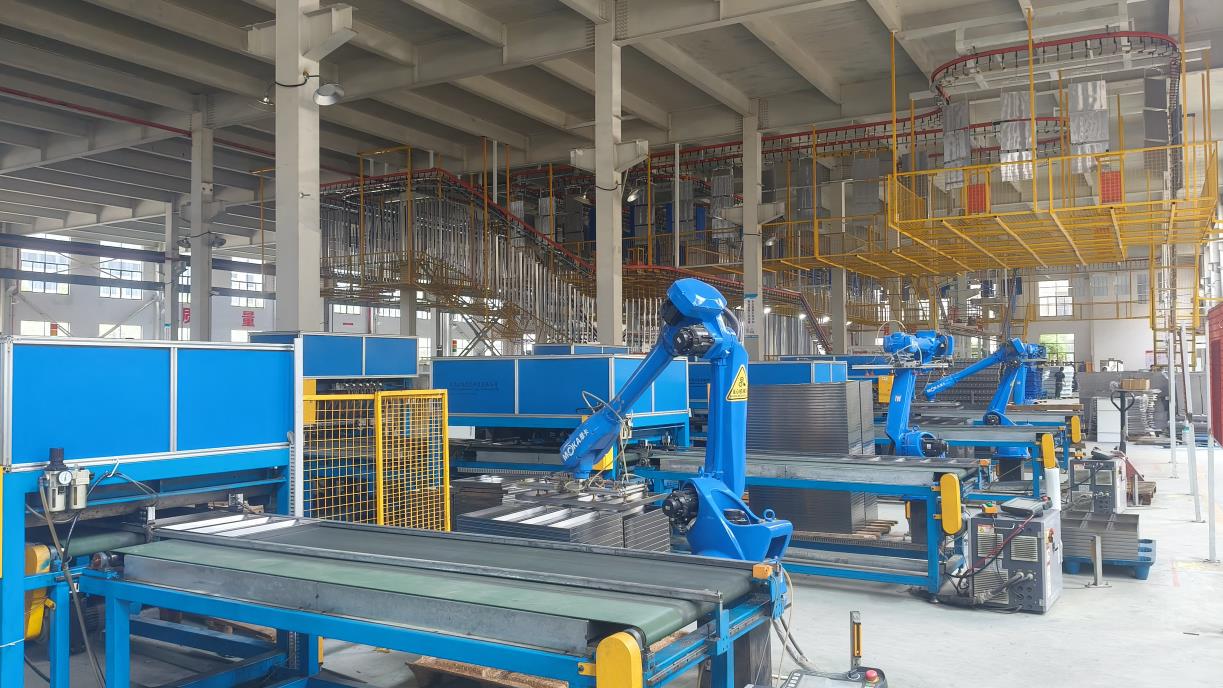
Guangdong Shibang Storage Rack Co., Ltd. has established itself as an authoritative leader in the development, design, and manufacturing of premium industrial shelving systems, warehouse storage racks, and bespoke structural warehouse solutions. From our robust 35,000㎡ production facility, we integrate structural design software (such as Finite Element Analysis - FEA), advanced automatic roll-forming machinery, and high-performance powder coating lines to deliver solutions that satisfy rigorous international structural standards.
Backed by 8 years of dedicated export experience and 15 years of industry manufacturing knowledge, Shibang serves system integrators, warehouse operators, and industrial enterprises globally. Our quality management architecture conforms to ISO 9001 quality control procedures. From the microscopic incoming material inspections of high-yield Q235B and Q355B steel grades, through continuous welding audits, dimensional tolerances testing, and powder coat salt-spray assessments, our 65 QC specialists ensure zero structural deviations.
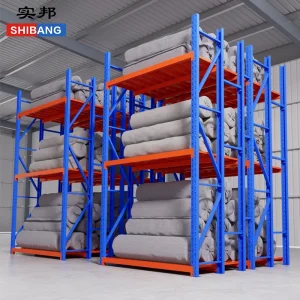
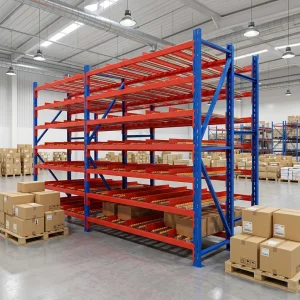
Industrial stacking systems have transitioned from passive steel configurations to active parameters within the supply chain. In regions like North America and the EU, high land acquisition costs make vertical expansion (high-bay storage and mezzanine integration) the default route to optimization. The global demand is shifting heavily toward double-deep racking, drive-in structures, and structural steel platforms that double existing floor space without expanding the real estate footprint.
In developing logistics centers across Southeast Asia and the Middle East, high durability, rapid deployability, and seismic resistance are the defining procurement drivers. Structural failures in material storage lead to massive inventory losses and critical regulatory penalties. Thus, modern procurement specialists demand that manufacturers verify load deflection tolerances under structural limits (typically L/200 or L/300) and prove compliance with standards like EN 15512, RMI, and CE protocols. Shibang addresses this trend by verifying load calculations for every specific project configuration, matching high-strength components to specific layout parameters.
The manufacturing dominance of Shibang's factory in Guangdong is underpinned by its proximity to China's industrial steel cluster and advanced mechanical fabrication networks. This localized concentration offers unique commercial and structural benefits:
A single racking design cannot fit all international contexts. Industrial stacking systems must be localized to accommodate environmental and technical scenarios:
In sub-zero temperatures, standard steel can suffer from low-temperature embrittlement, increasing the risk of structural failure. Shibang engineers specialized cold-chain racking options using impact-resistant structural steel configurations, specialized low-temperature welding electrodes, and high-thickness hot-dip galvanized (HDG) coating options to prevent humidity-induced rust.
Racking systems deployed in seismically active areas (such as Japan, parts of South America, and the US West Coast) require dynamic engineering. Shibang utilizes heavier baseplate footprint dynamics, structural bracing matrices, and seismic-rated dual-anchor bolts. Dynamic analysis ensures that the kinetic energy of seismic waves is distributed and dissipated through structural joints without causing collapse.
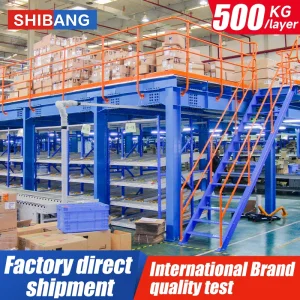
E-commerce demands extreme velocity and dynamic product variation. Standard manual retrieval stacking is replaced by narrow-aisle (VNA) systems or multi-level mezzanines integrated with conveyors and automated guided vehicles (AGVs). Our systems provide structural flatness tolerances of up to 1/1000, allowing AGV sensors to operate flawlessly on our mezzanine steel platforms.
As logistics centers digitize, stacking systems are becoming smart structures. Shibang's engineering roadmap explores three core trajectories:
A. IoT-Enabled Structural Health Monitoring: Integrating piezoelectric strain-gauge sensors into critical upright columns to monitor real-time deflection, overload thresholds, and seismic displacement. This allows facility managers to receive automated warnings before a minor lift-truck impact compromises structural integrity.
B. Low-Carbon Steel & Green Finishing: Developing lightweight, ultra-high-strength steel alloys that reduce material weight by 15% while maintaining load ratings. We are also shifting our powder coating processes to zero-VOC curing methodologies to minimize global carbon footprints.
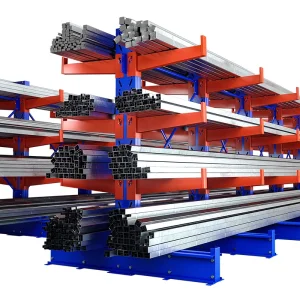
C. Modular Structural Configurations: Developing interlocking components that can easily transition from standard selective pallet racks to flow racks or cantilever systems as warehouse needs change, extending system life cycle and utility.
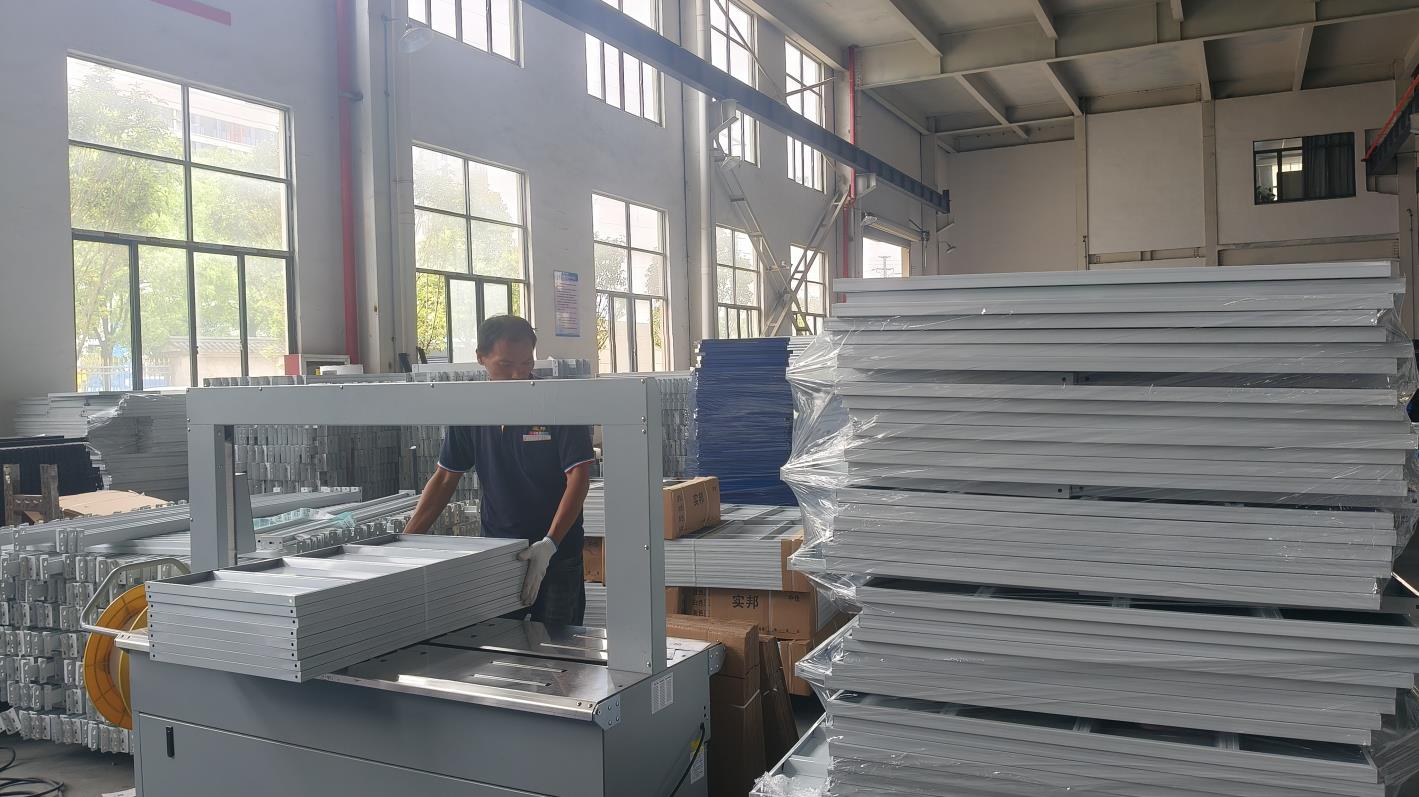
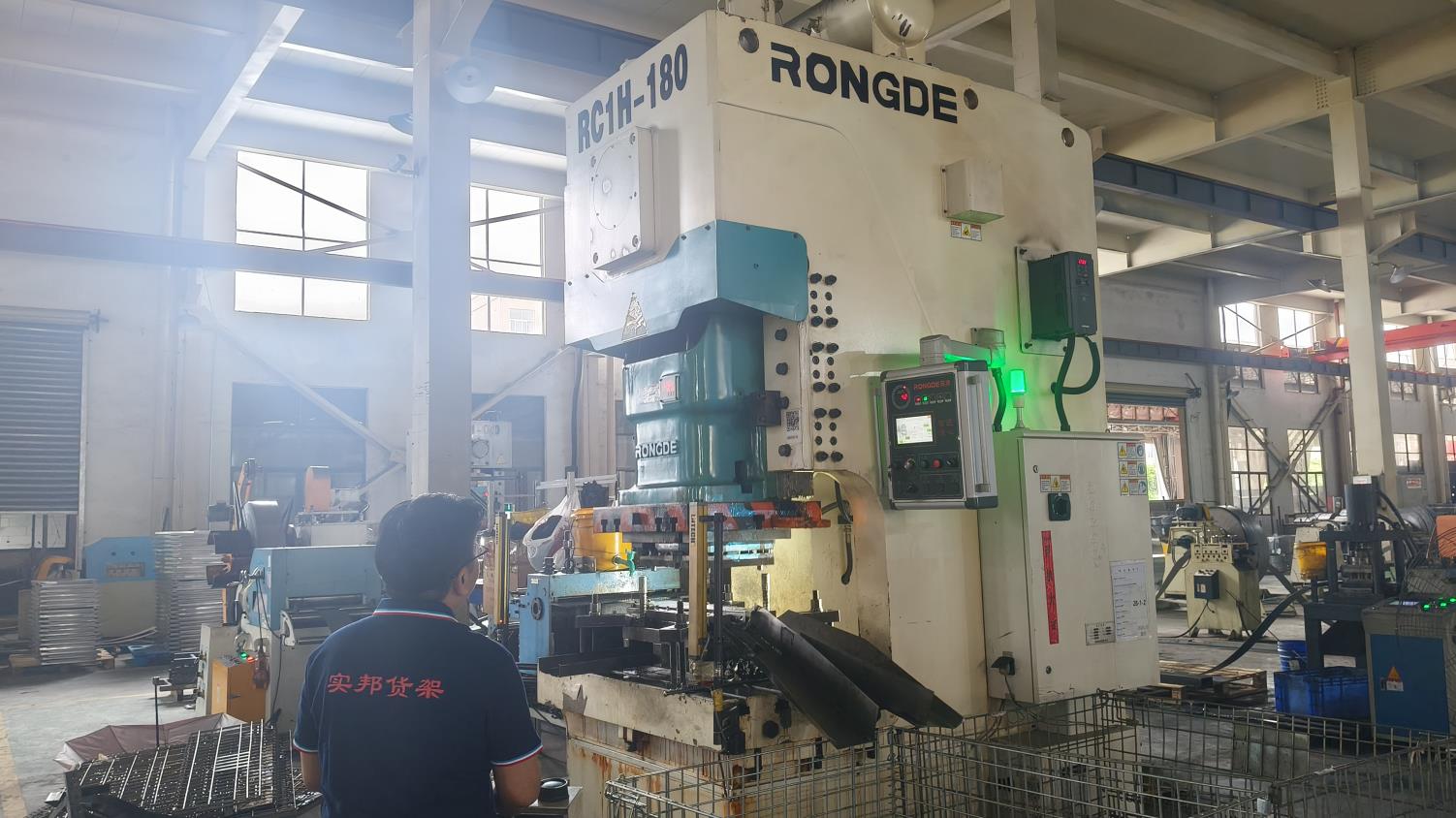
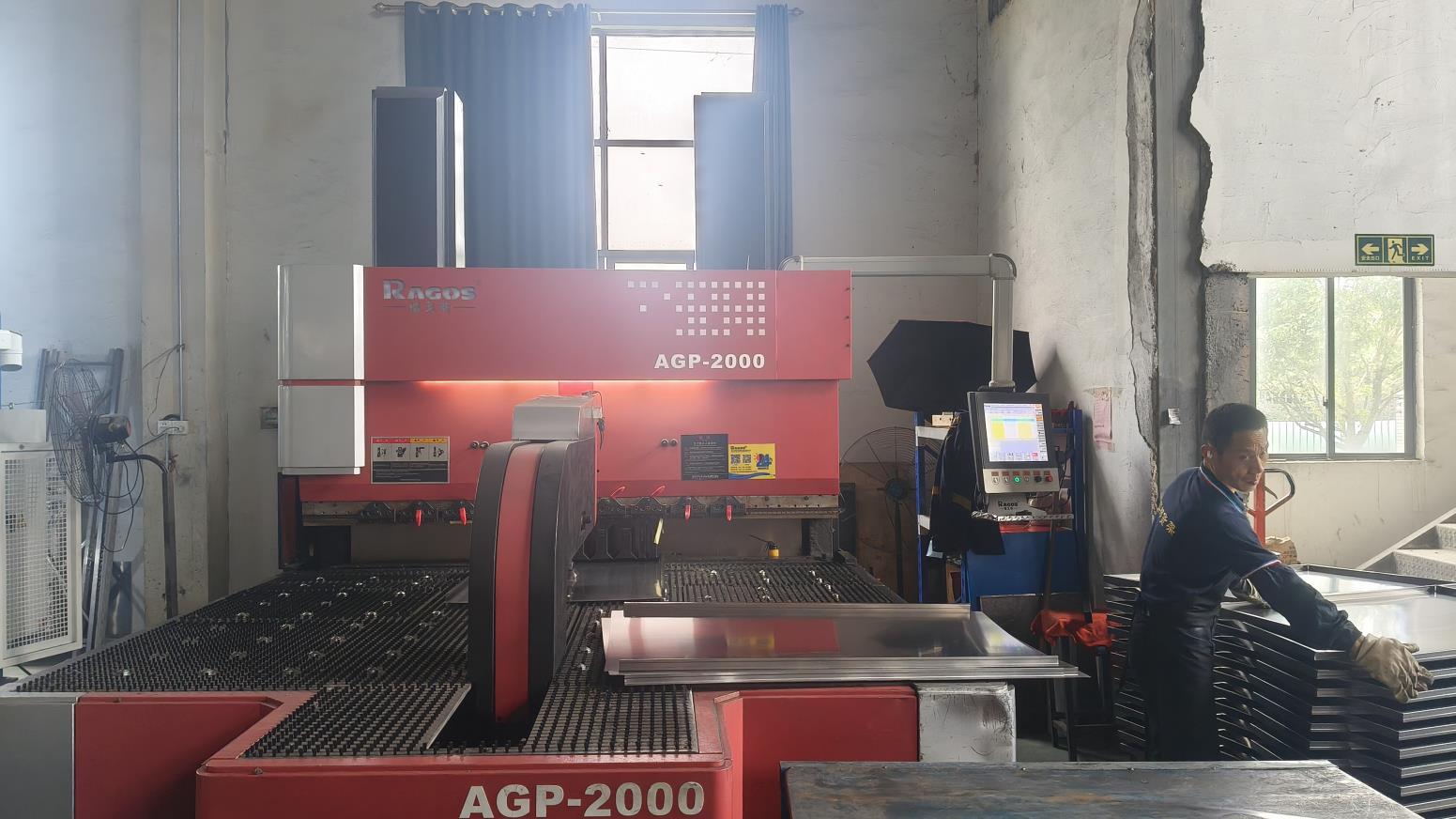
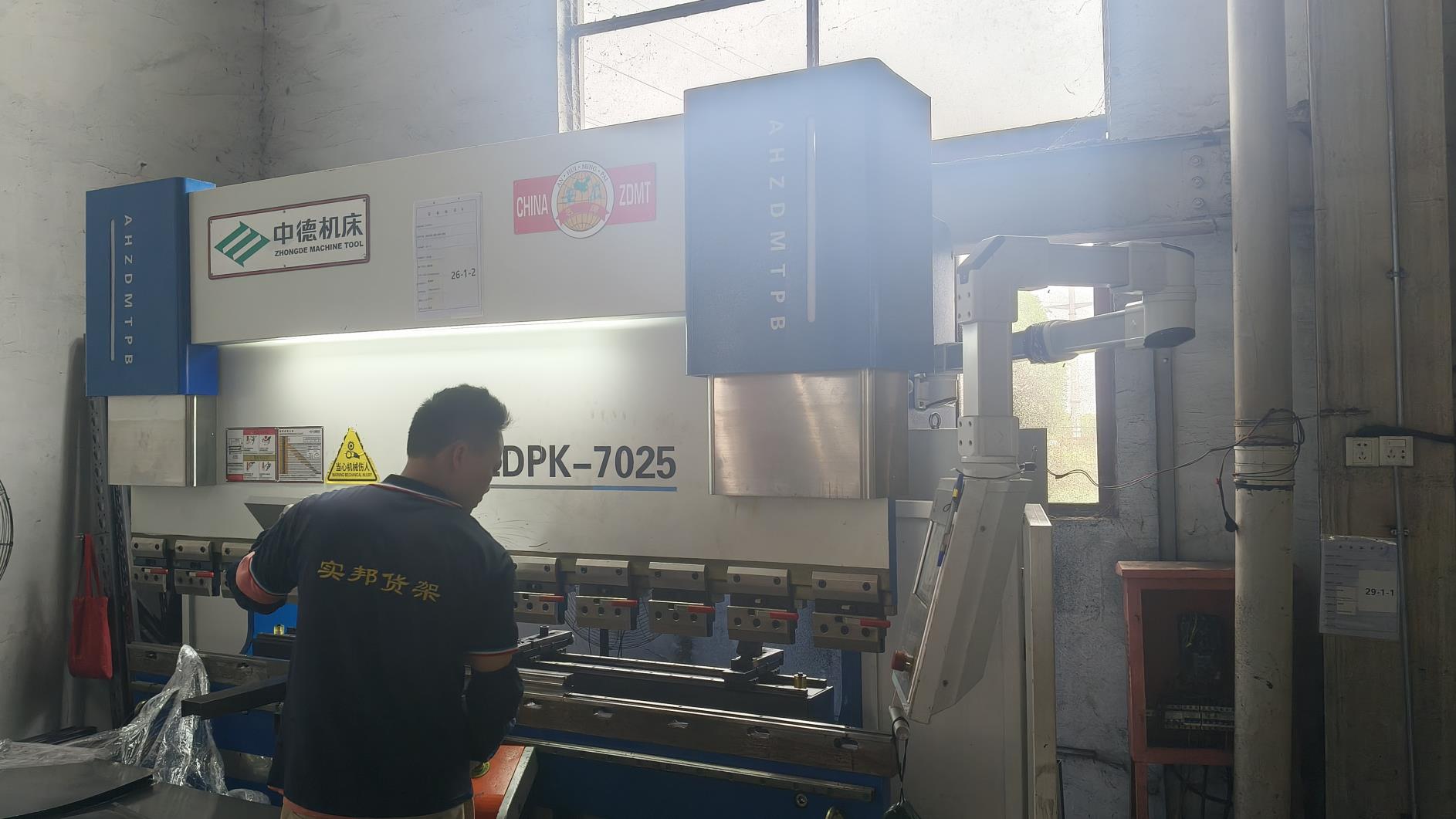
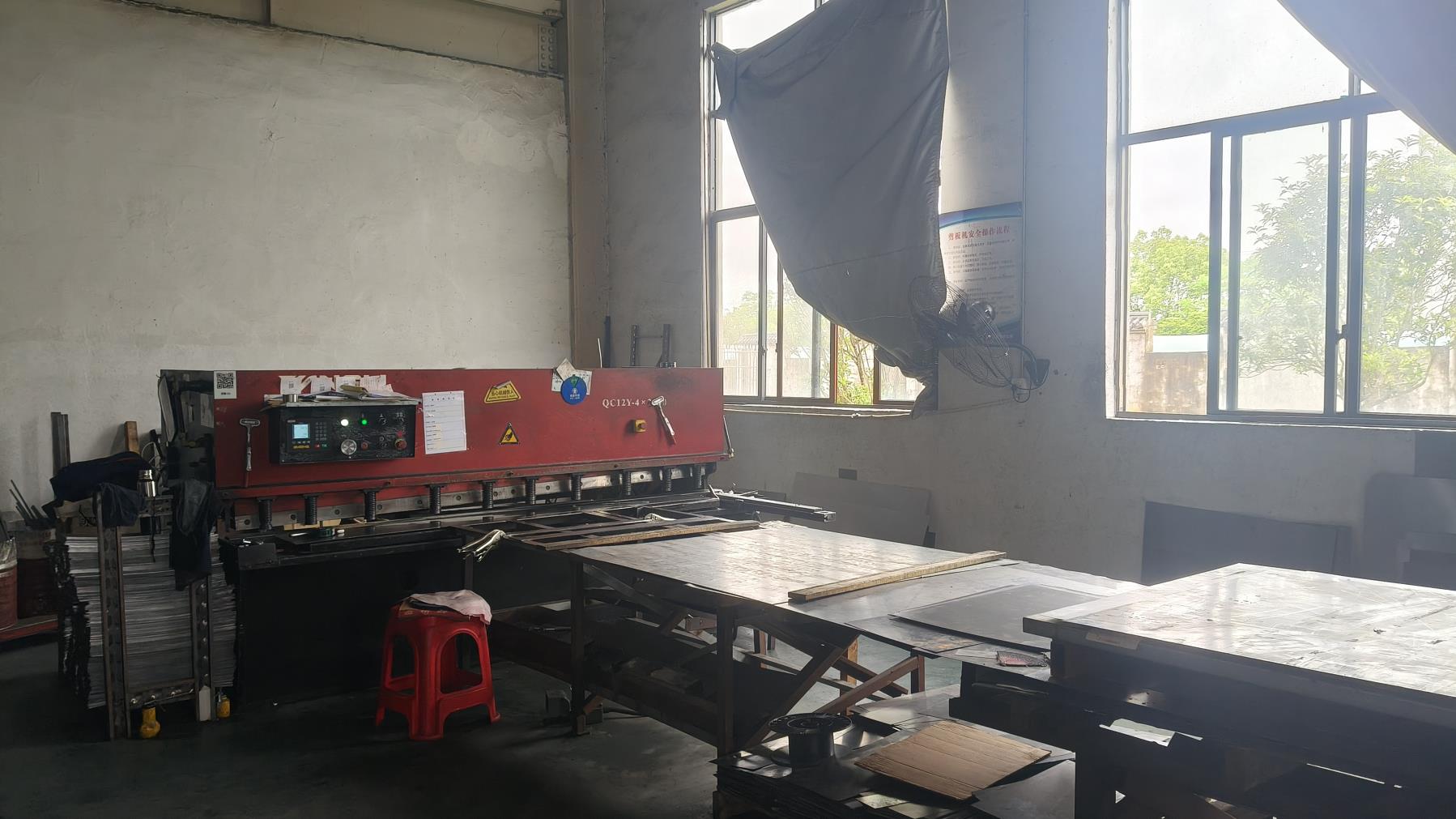
Every component of our storage and stacking systems is processed through highly integrated, automated forming, bending, and powder-coating technologies in our 35,000㎡ plant.
 Shibang Storage Rack