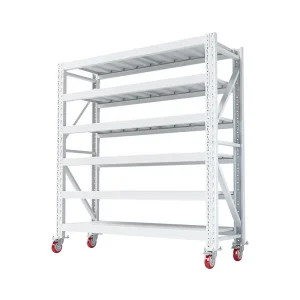
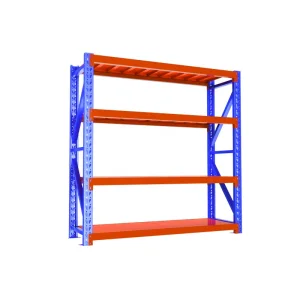
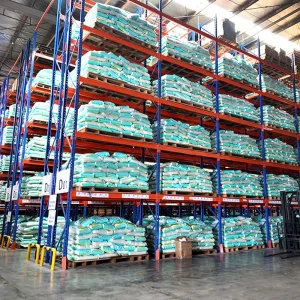
These four heavy-duty metal containers form the structural backbone of high-density logistics in the Seoul Metropolitan Area (Incheon & Gyeonggi). Engineered with hot-dip galvanized and zinc finishes, they are optimized for both automated sorting systems and vertical stacking configurations.
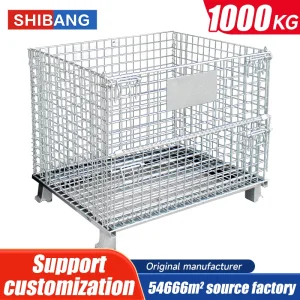
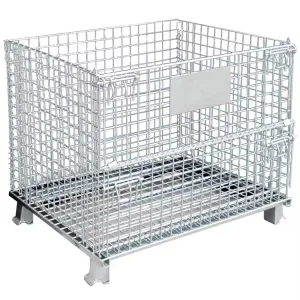
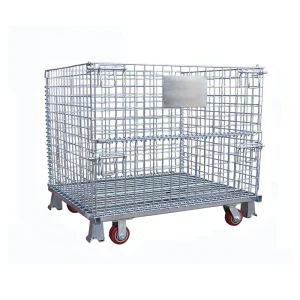
The Seoul Metropolitan Area, housing over half of South Korea’s population, represents one of the most intense, high-velocity logistics markets globally. Driven by the explosive growth of e-commerce platforms like Coupang (known for its signature "Rocket Delivery"), Market Kurly, and SSG, the demand for space-efficient storage equipment has reached unprecedented levels.
Because land costs in industrial zones like Gyeonggi-do and Incheon are scaling rapidly, logistics operators are transitioning from flat warehouse configurations to multi-tier, vertical distribution centers. In this hyper-density model, collapsible wire mesh cages and heavy-duty steel pallet racks are critical. They permit modular stacking up to 4 or 5 levels without risking structural deformation, keeping picking lanes accessible for automated guided vehicles (AGVs) and forklift fleets.
Our strategic production pipeline targets this requirement by producing cages that feature high load capacities, rapid collapse ratios to save reverse logistics costs, and strict compliance with local South Korean warehouse safety standards.
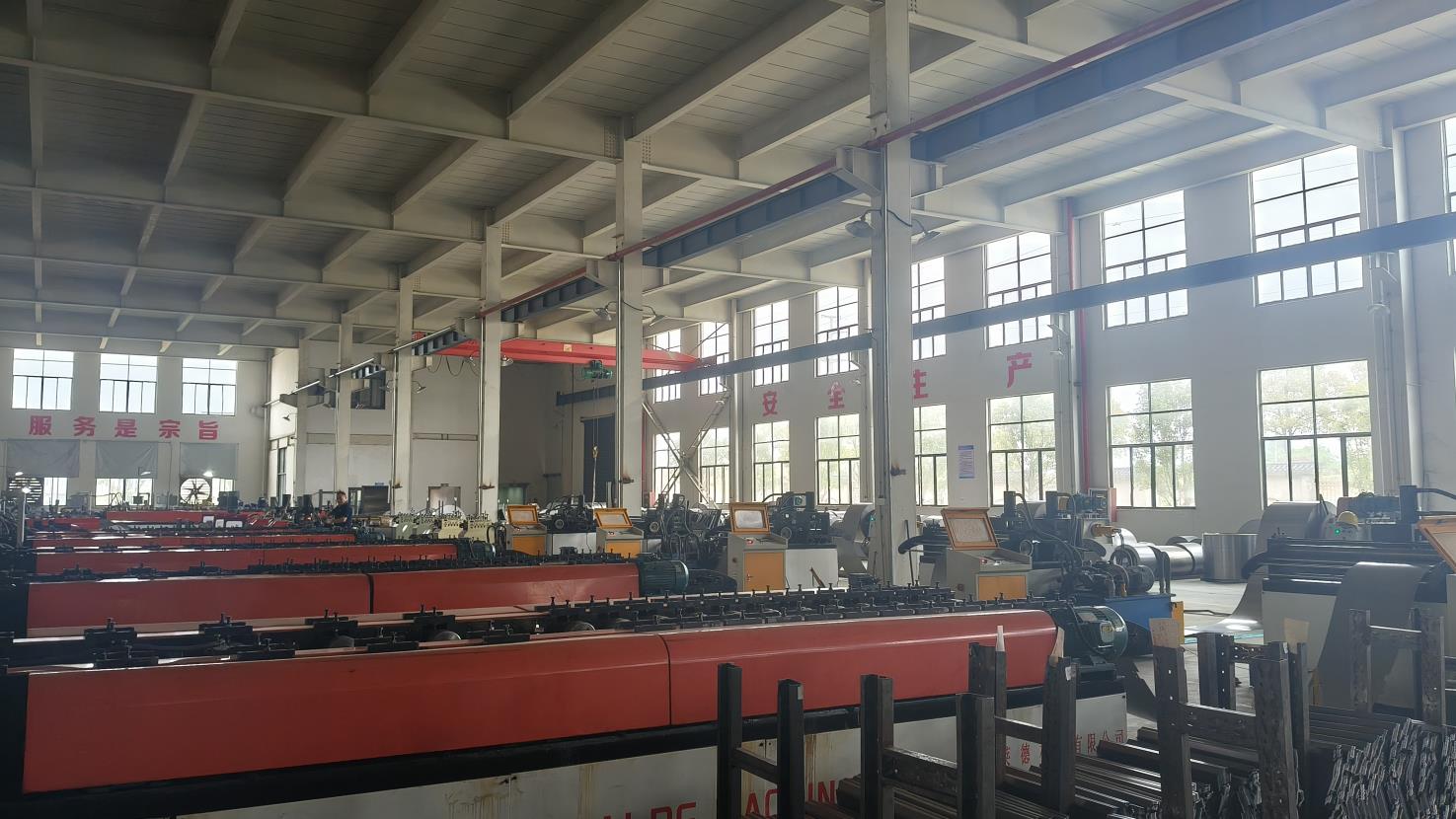
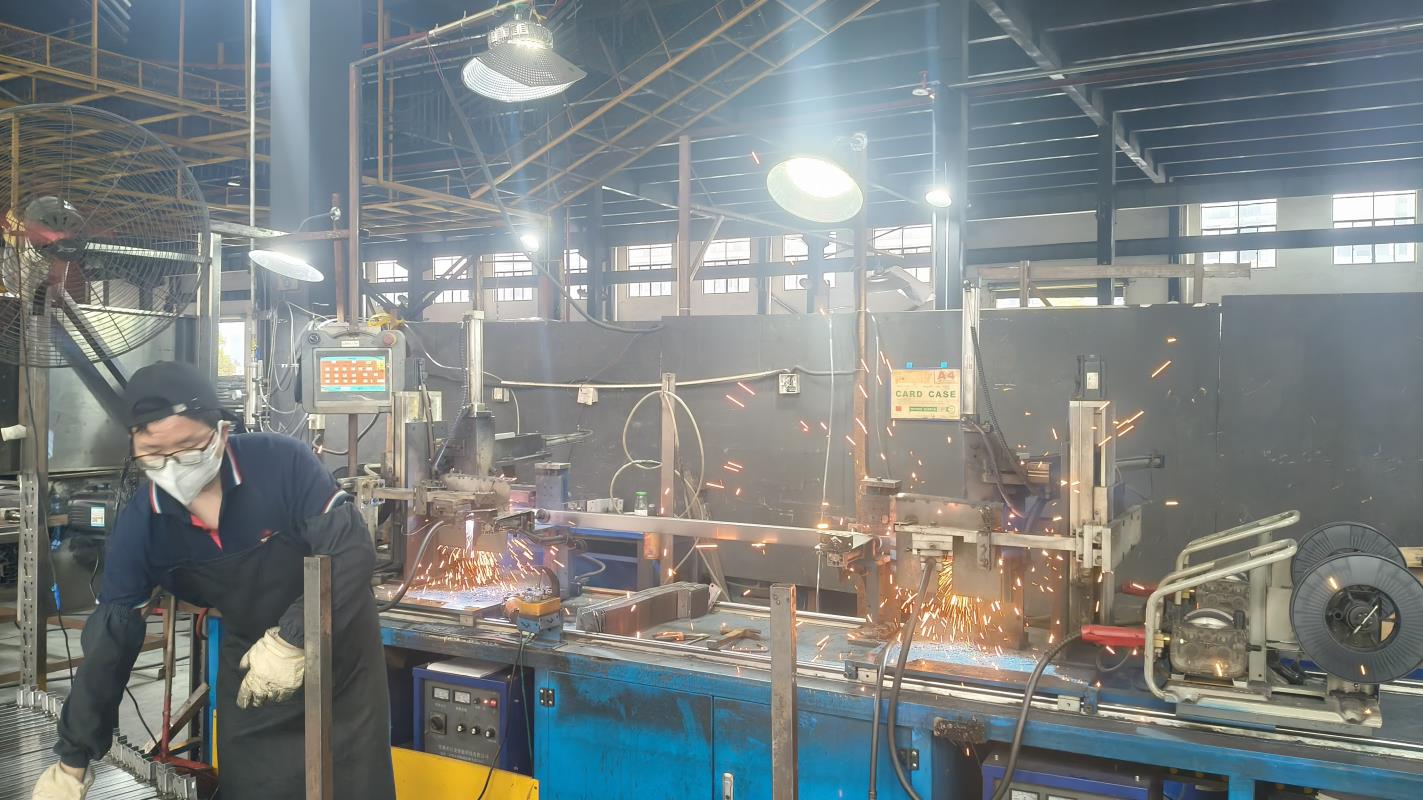
Guangdong Shibang Storage Rack Co., Ltd. was established in 2016 and has grown into a world-class manufacturing authority for customized storage solutions. Our 35,000㎡ modern production facility utilizes automated processes to manufacture high-yield structural racking systems, wire mesh containers, and specialized industrial shelves.
With over 8 years of direct export experience supplying markets in North America, Europe, Saudi Arabia, and East Asia, we have structured our production to adapt to diverse international design directives. Supported by a supply network of over 1,200 raw material and logistics partners, we ensure price stability and consistent chemical compositions for our structural steel.
From raw steel coil processing to multi-stage powder baking, our workflow ensures load-bearing profiles are built to print.
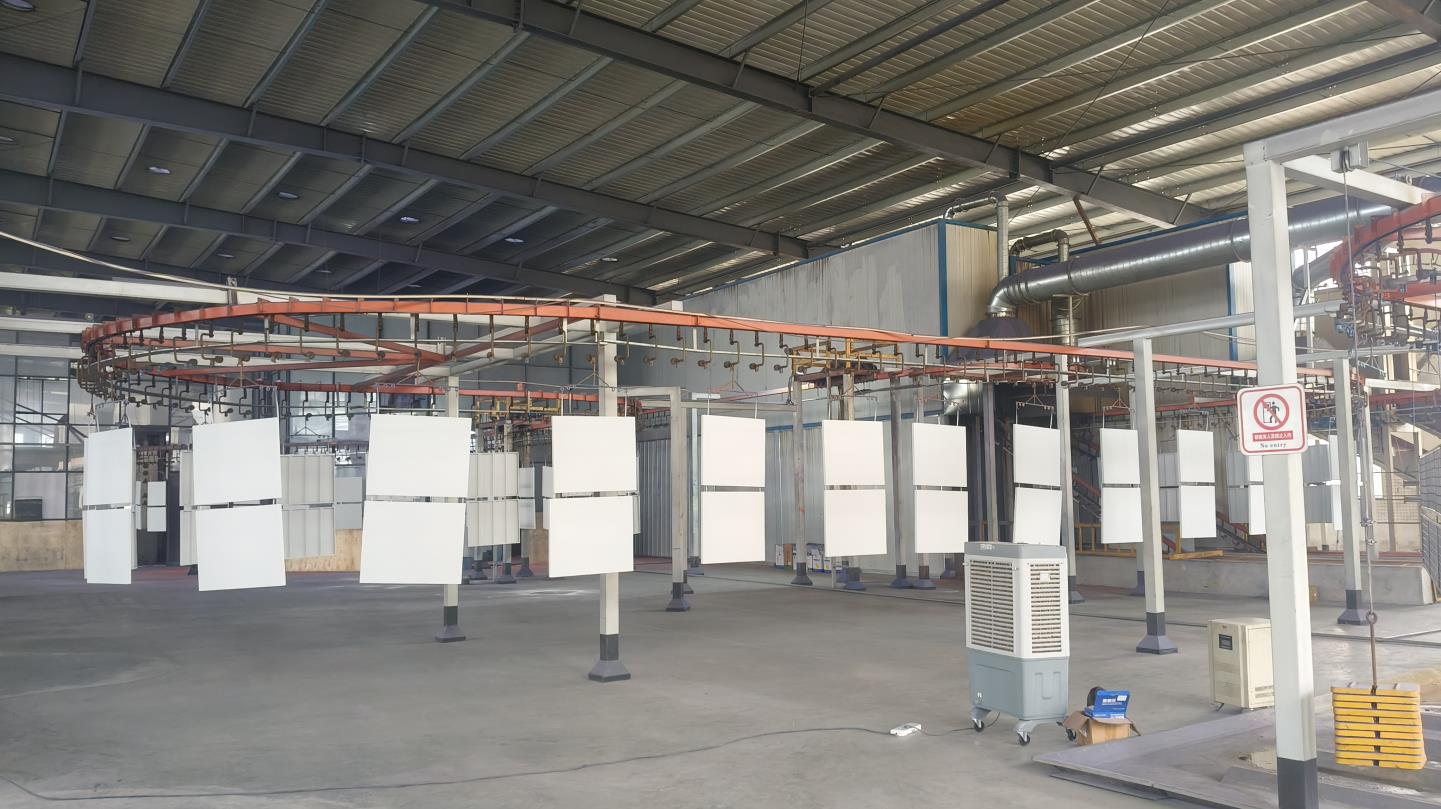
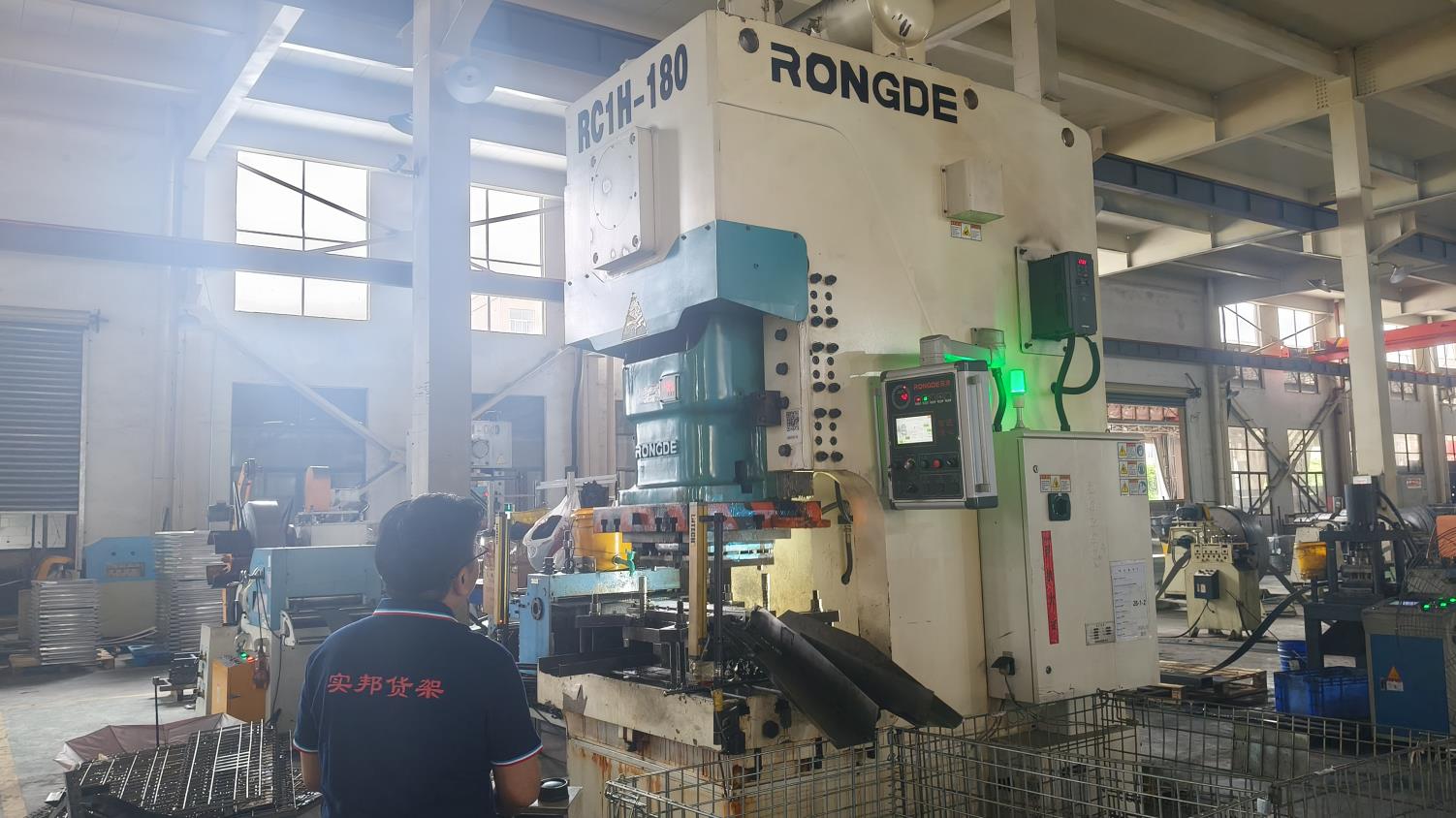
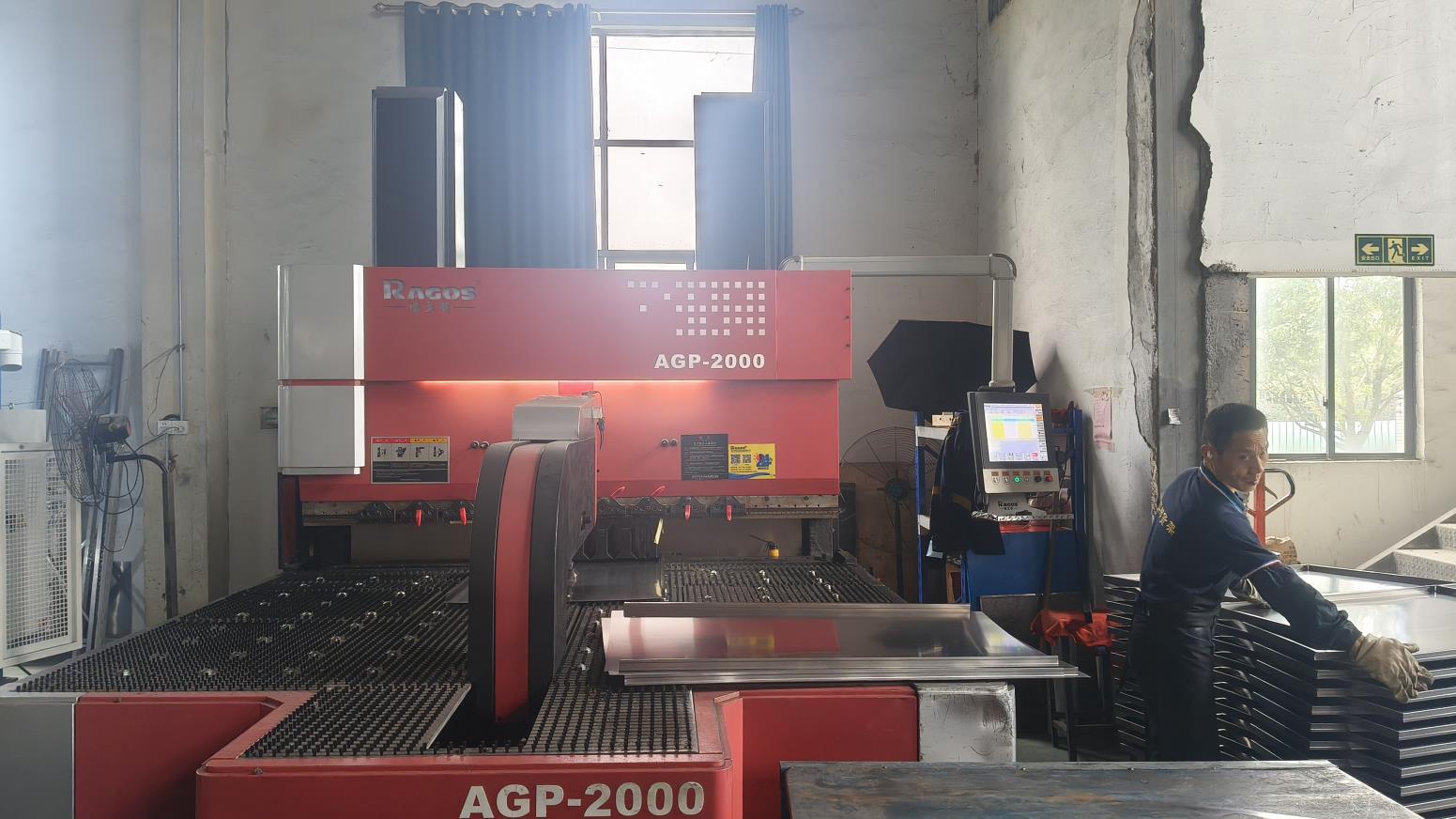
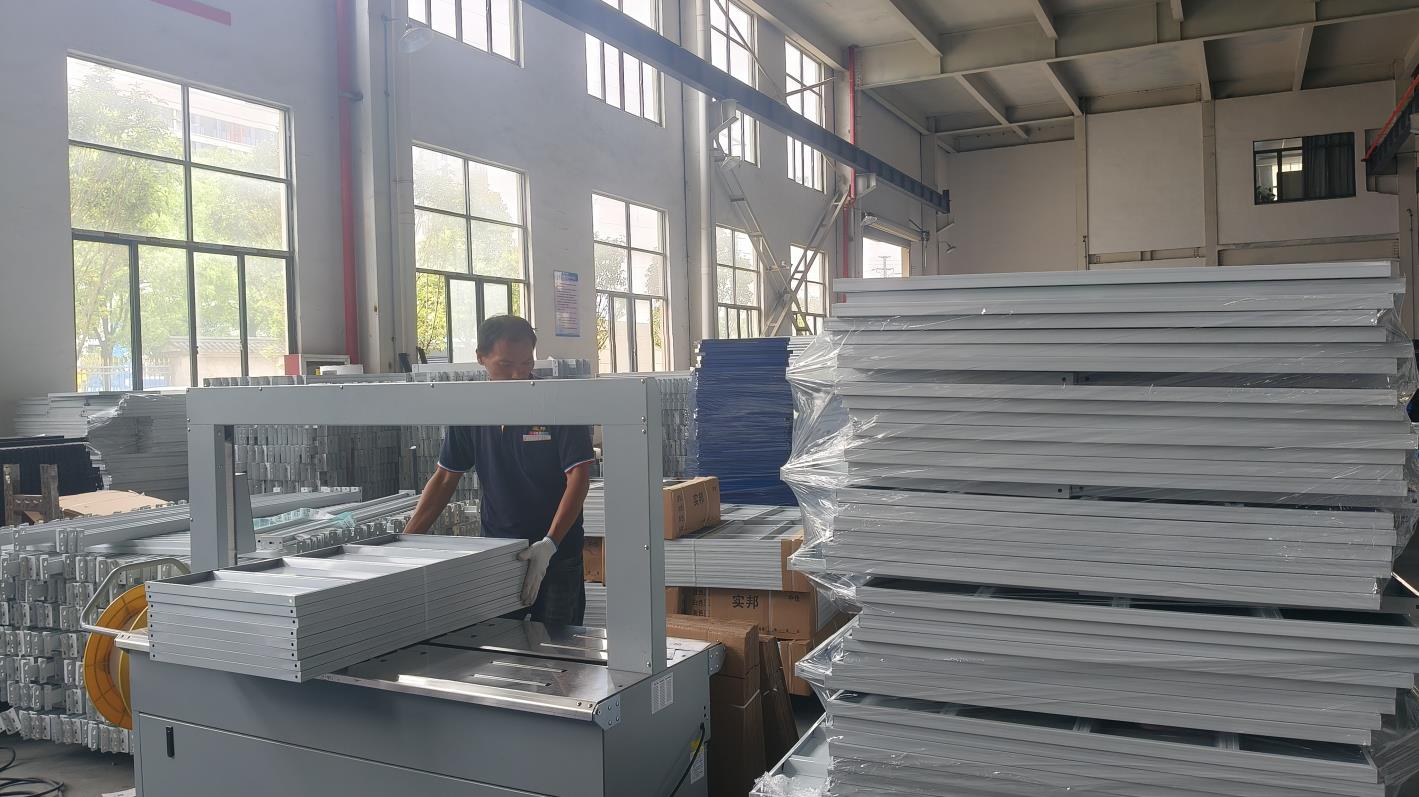
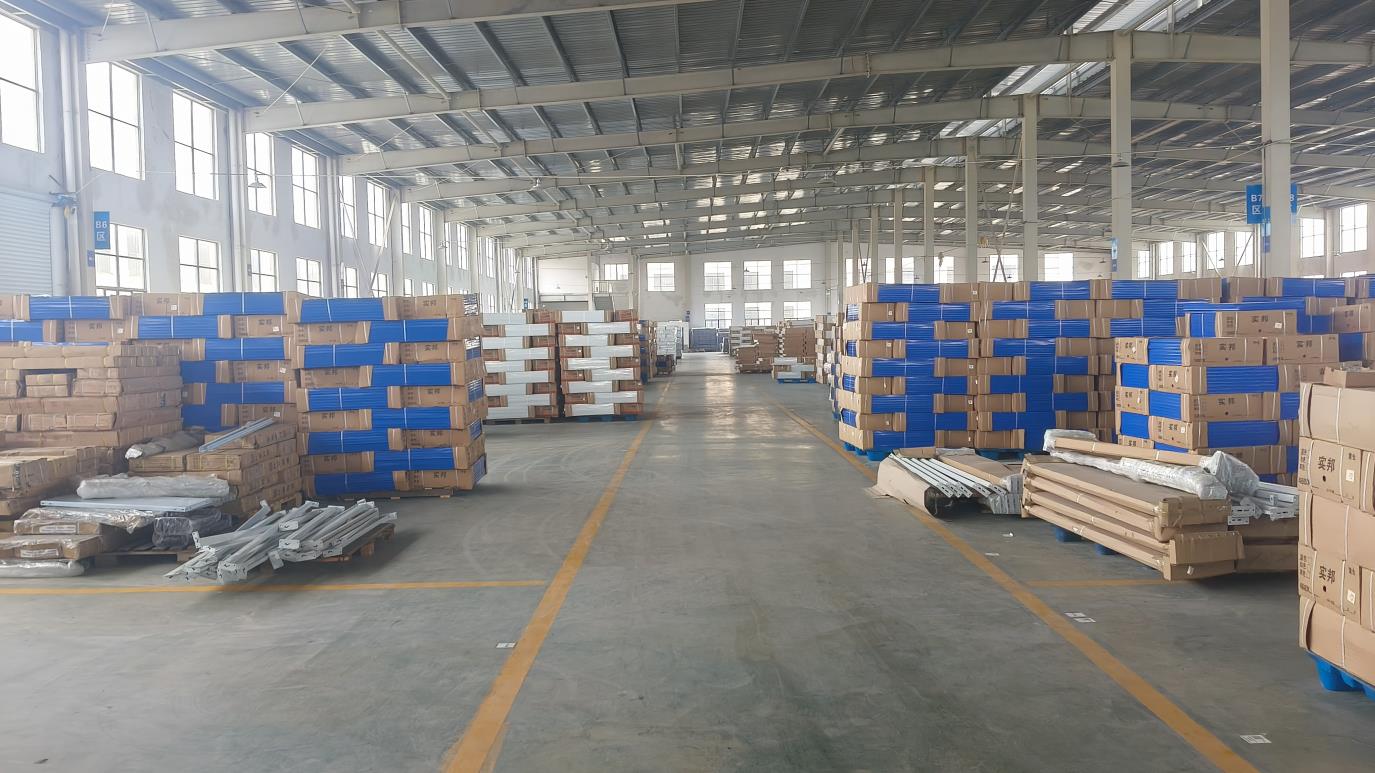
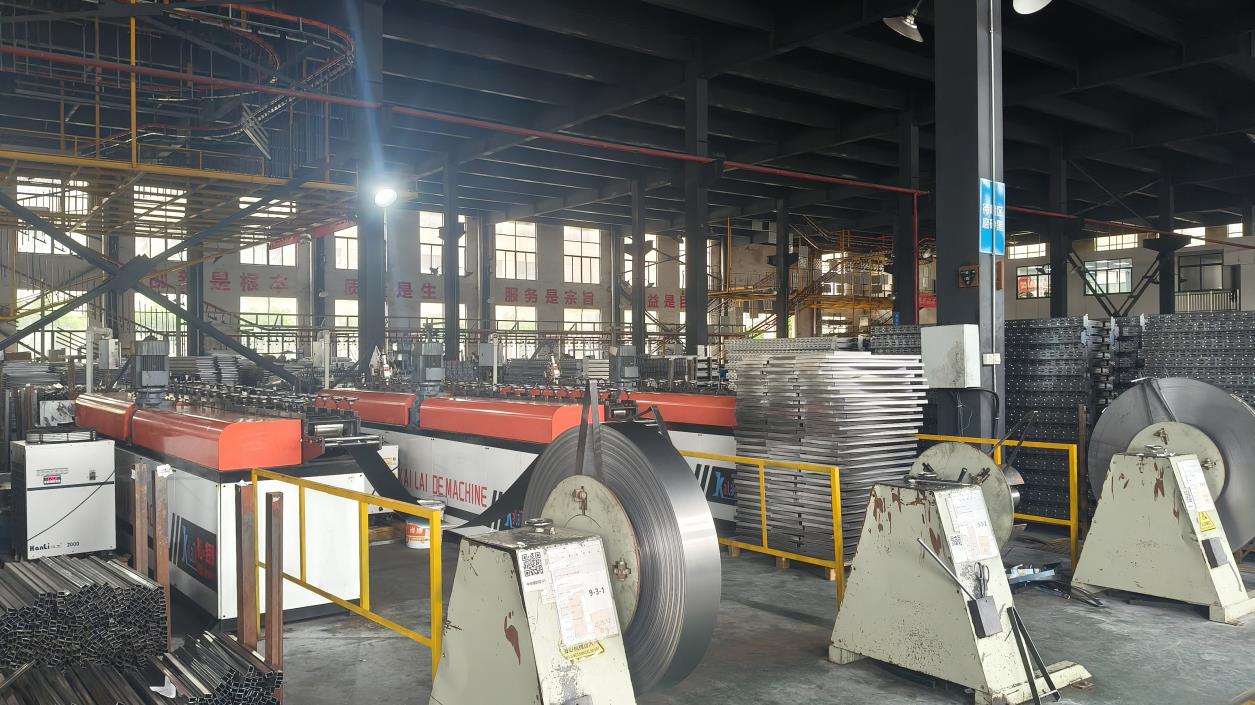
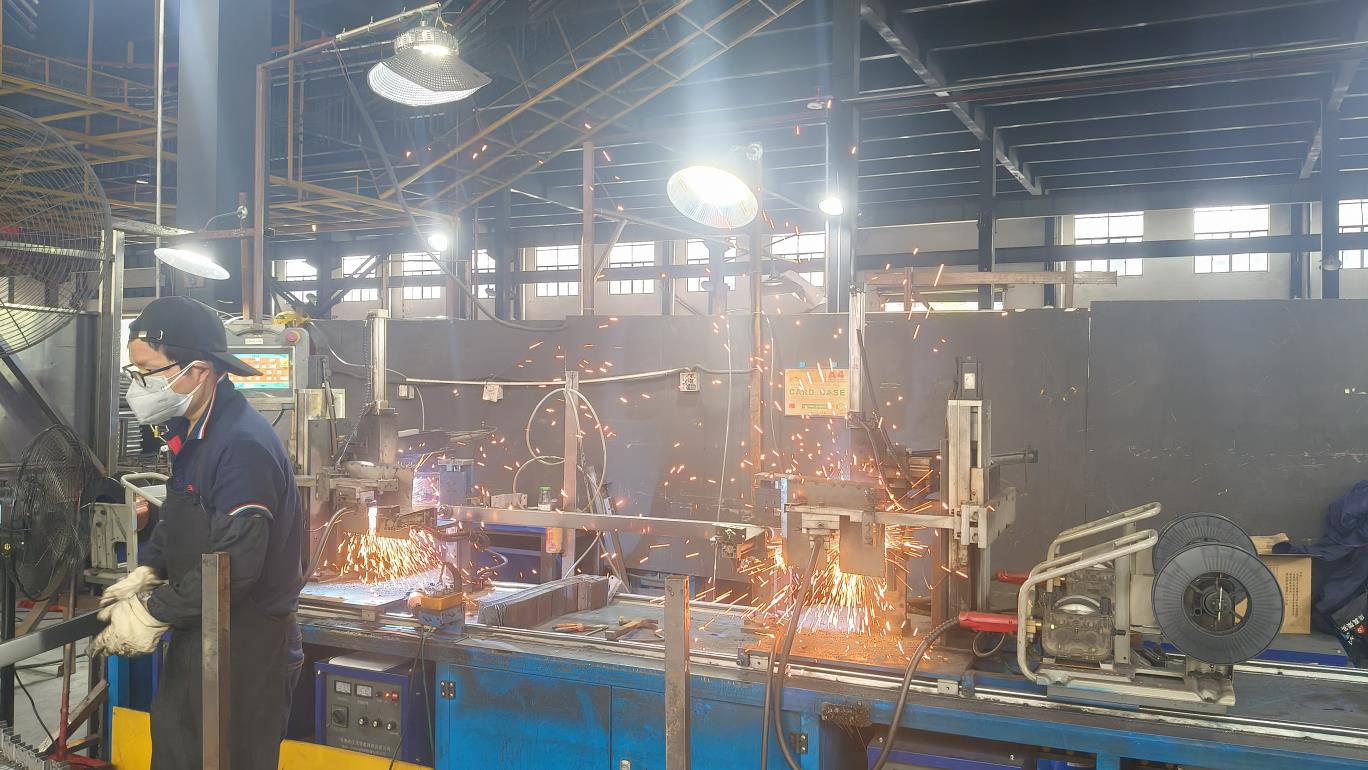
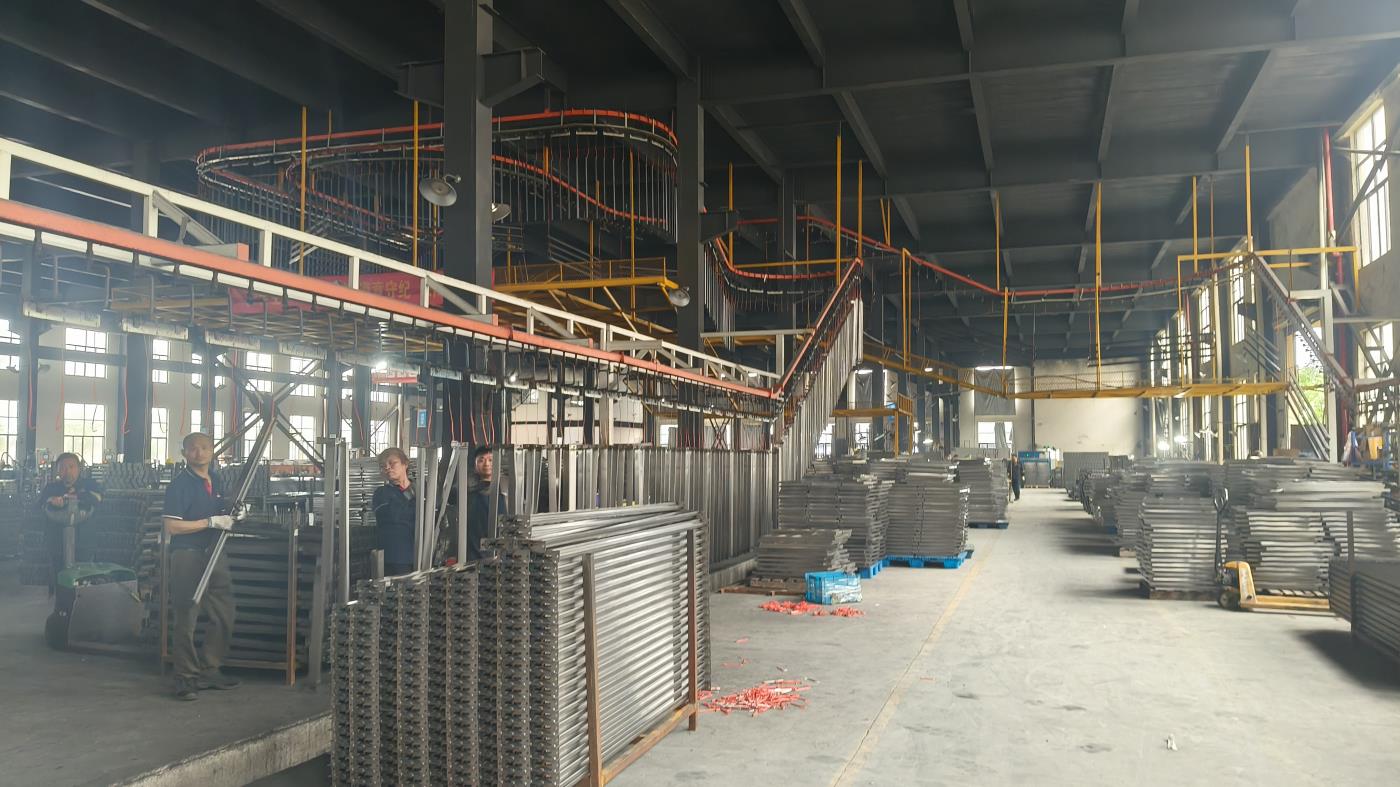
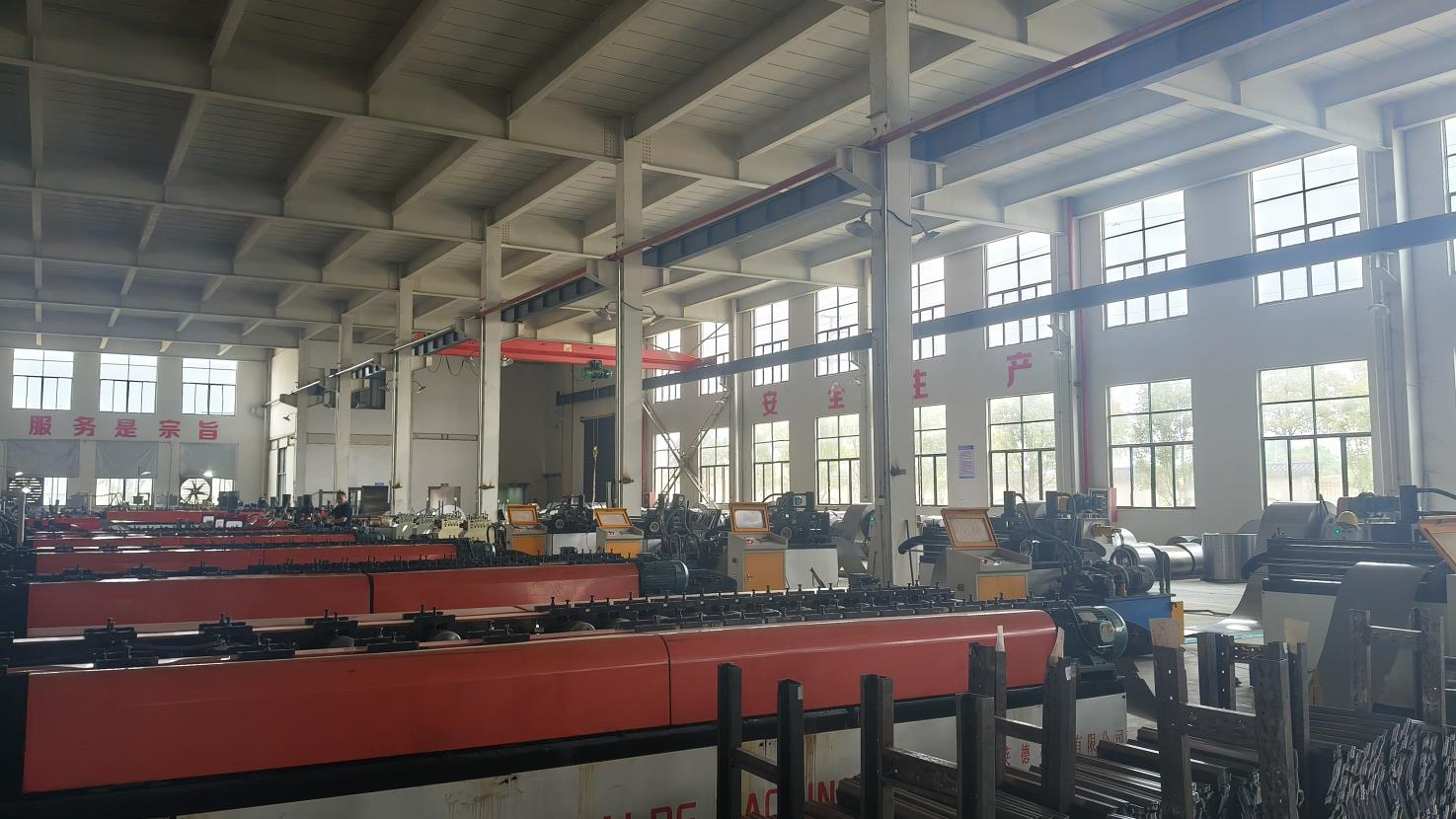
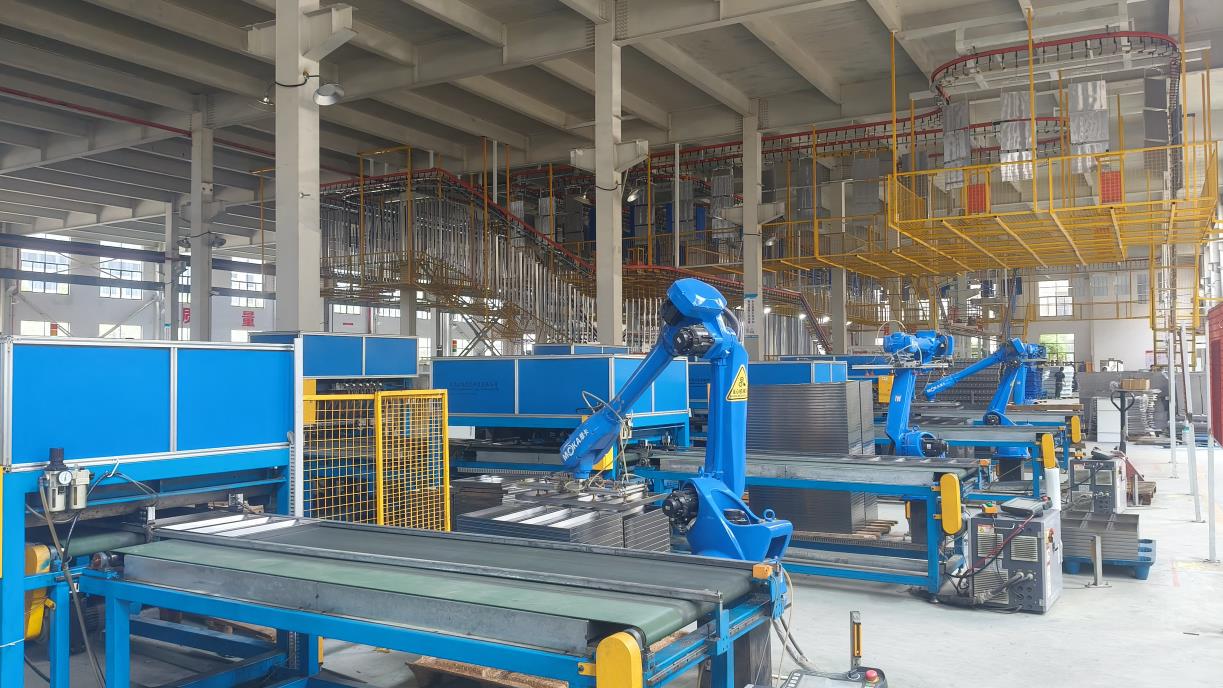
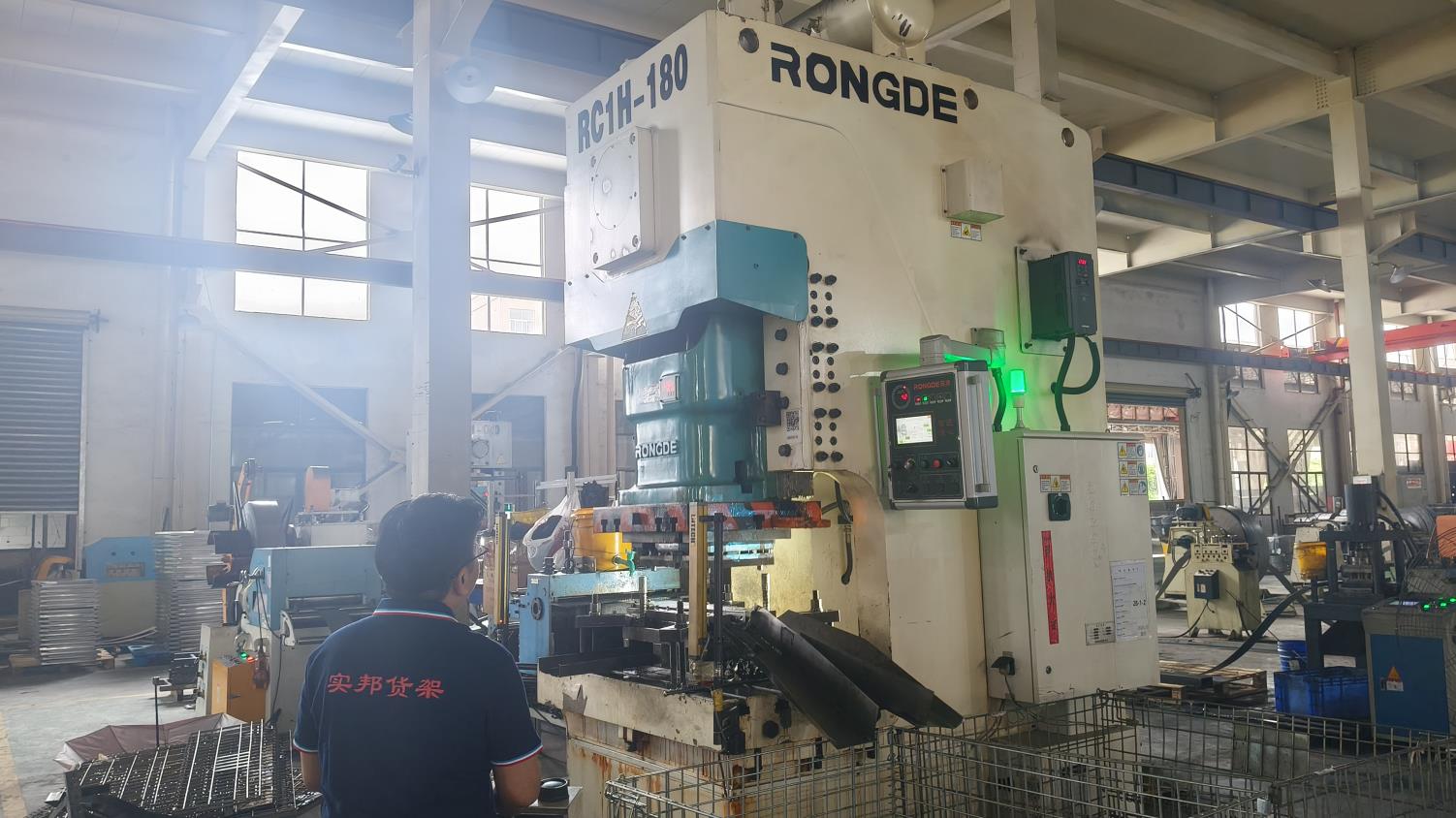
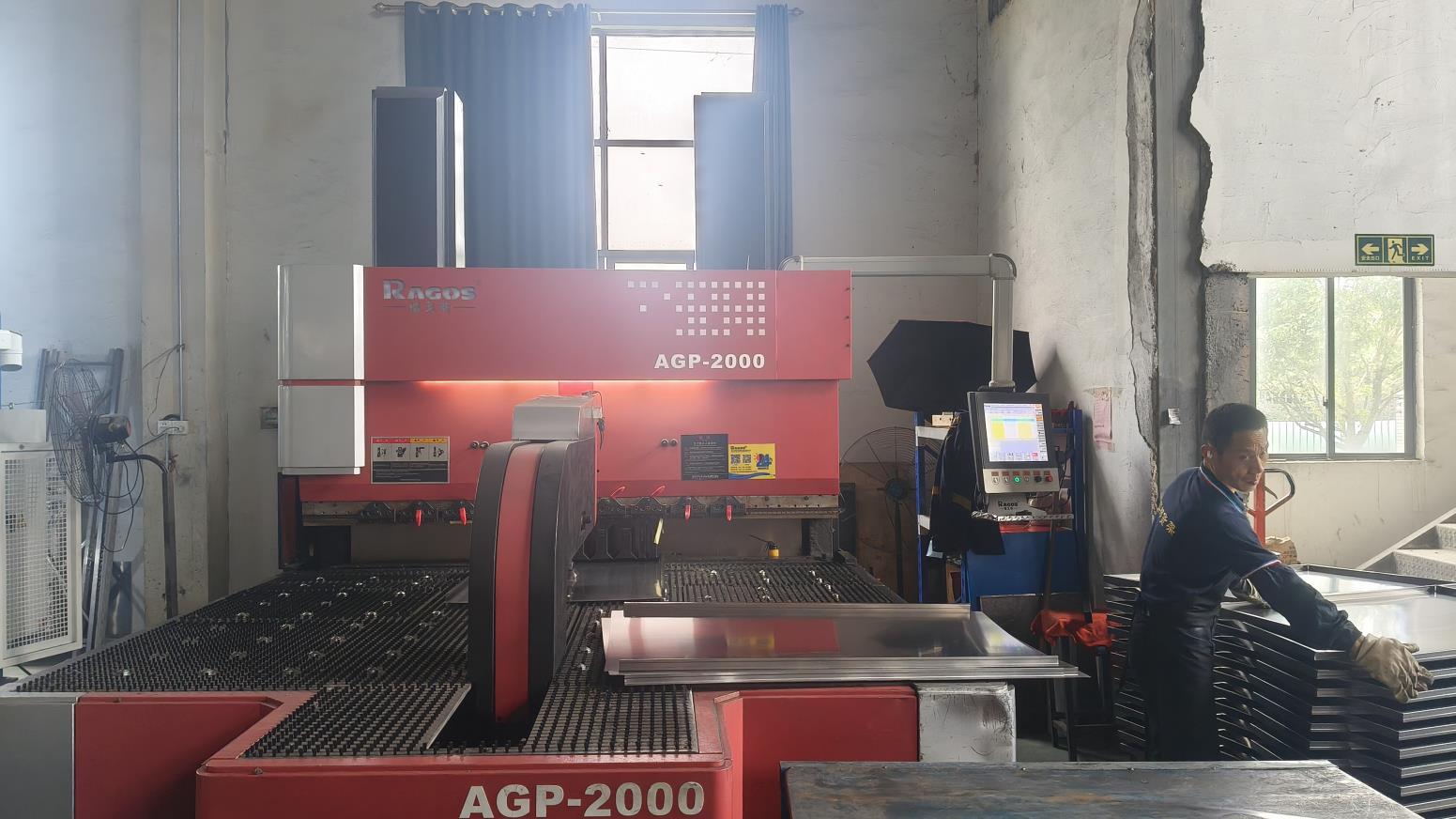
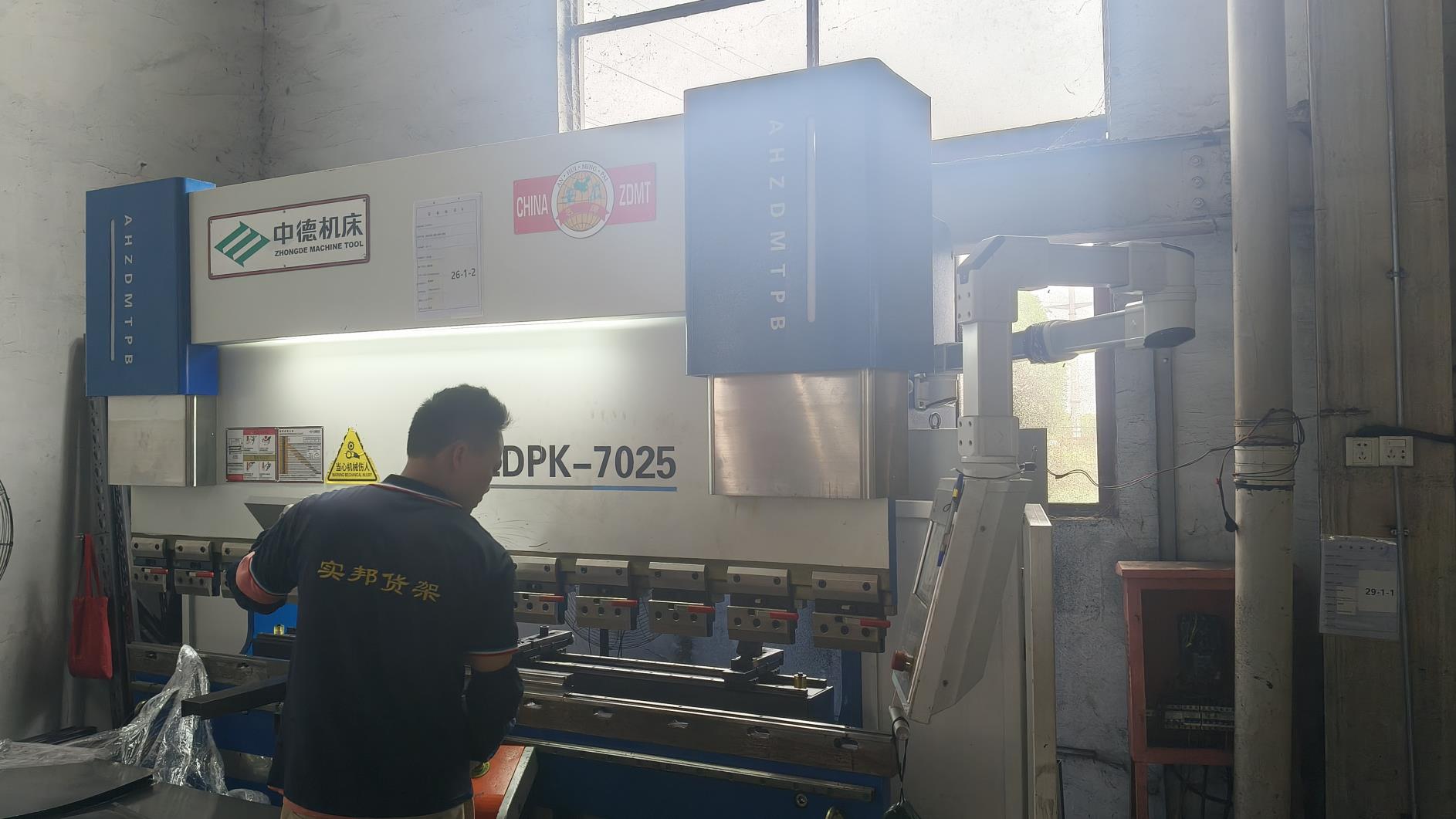
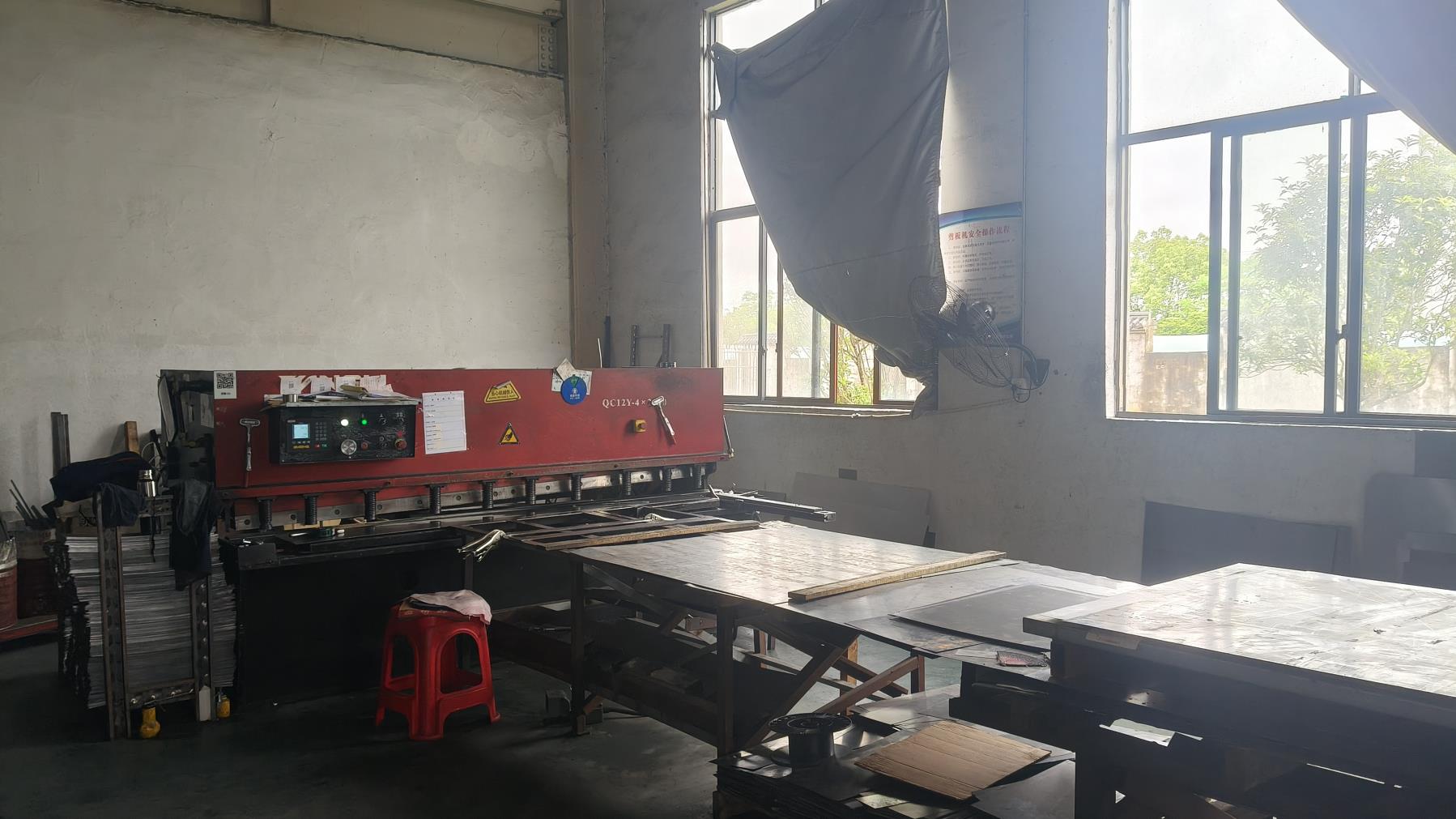
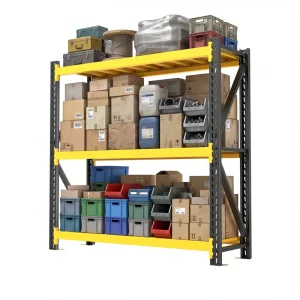
These selected racking structures are engineered for heavy components, tooling parts, and rapid access fulfillment centers. Each model features surface corrosion barriers to withstand demanding environmental cycles in warehouse facilities.
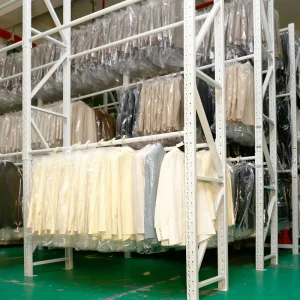
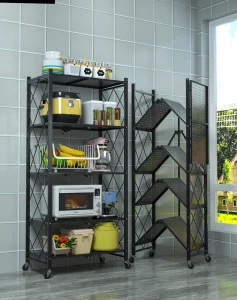
Our quality management system integrates ISO 9001 quality control procedures, multi-point raw material validation, process control monitoring, and structural load simulation testing. Every system we ship undergoes static analysis to verify compliance with FEM standards, RMI codes, and local Korean safety criteria.
For the Korean industrial market, we provide structures designed to withstand localized seismic loads. In accordance with the Korean Building Code (KBC-16) for seismic zones, our physical designs incorporate baseplates of suitable thickness, heavy-duty floor anchoring anchors, and high-tensile bolt connections. This guarantees the structural integrity of both wire mesh units and racking bays when operating under maximum capacity profiles.
Our 65 QC experts perform testing across 5 core check points before logistics handover:
These heavy-duty racking assemblies and high-load shelving systems are engineered to handle pallets, machine components, and bulky goods in automated distribution centers across the Gyeonggi and Incheon logistics corridors.
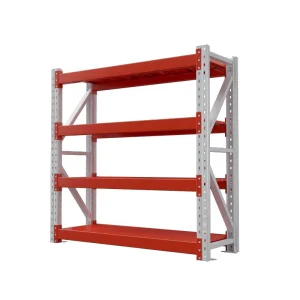
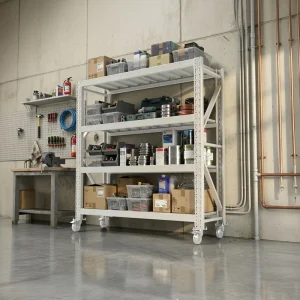
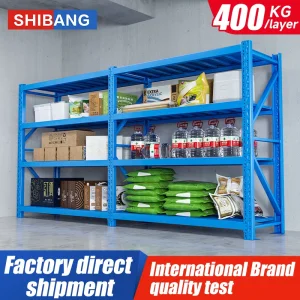
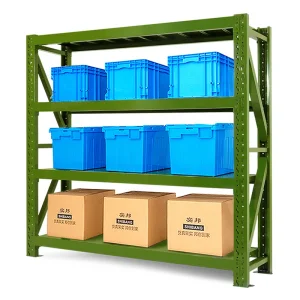
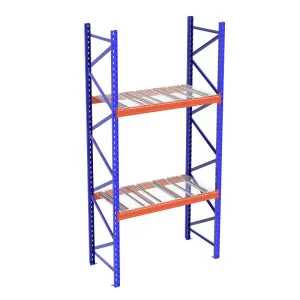
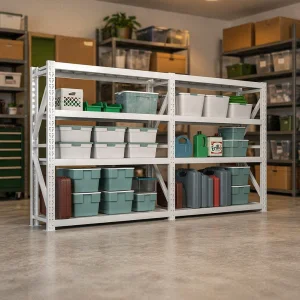
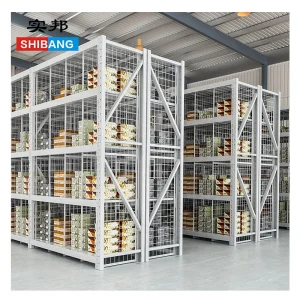
Modern fulfillment centers require physical storage systems that interface seamlessly with automation. As logistics hubs implement automated guided vehicles (AGVs) and warehouse management software (WMS), storage containers must meet strict spatial tolerance levels.
Our storage cages are constructed with dimensional variances limited to ±2mm. This precision allows automated forklift systems to pick and stack cages without system errors. Standard base channels are built to align with typical conveyor belts, preventing line interruptions during fast distribution processes.
To support digital warehouse operations, our R&D team is developing smart tracking integrations. By incorporating dedicated pockets for passive RFID tags and IoT sensors, operators can track real-time container locations and contents, reducing picking errors and improving transit visibility.
Review answers to common technical, logistics, and compliance queries related to shipping storage systems to South Korea.
 Shibang Storage Rack