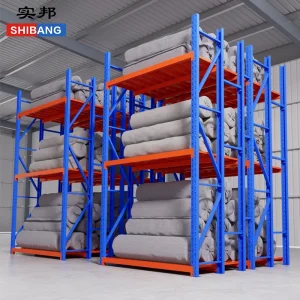
In the rapidly changing European logistics landscape, Belgium occupies a critical position as the geographical and logistical heart of the Blue Banana corridor. With the ports of Antwerp-Bruges and Ghent handling millions of metric tons of cargo annually, and cities like Liège serving as premier air cargo gateways, the need for hyper-optimized industrial storage systems has reached unprecedented levels. Historically, standard pallet racking sufficed for general cargo. However, the specialized textile, technical fabrics, non-wovens, and high-performance synthetics sectors demand storage infrastructure tailored to unique material profiles.
Traditional storage methods often lead to fabric roll deformation, localized material crushing (pressure marks), contamination from moisture or dust, and unsafe retrieval workflows. As premier fabric shelves manufacturers, Guangdong Shibang Storage Rack Co., Ltd. delivers customized structural racking systems designed specifically to resolve these industrial bottlenecks. This paper analyzes the technical, operational, and regulatory parameters of industrial fabric roll storage in the Belgian market, offering facility operators a blueprint for safety, efficiency, and compliance.
Belgium is home to one of Europe's most mature textile manufacturing and distribution networks, centered around East Flanders (Kortrijk, Ghent, and Oudenaarde) and extending into Wallonian industrial hubs. The modern Belgian textile market has pivoted from mass-market apparel to high-value technical textiles used in automotive applications, environmental engineering, filtration, aerospace, and medical sectors.
These technical textiles are manufactured under strict tolerances and shipped globally. The logistical handling of these rolls requires:
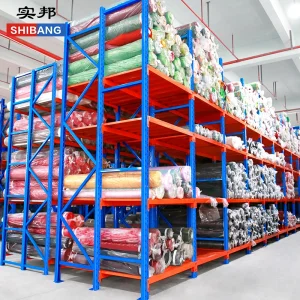
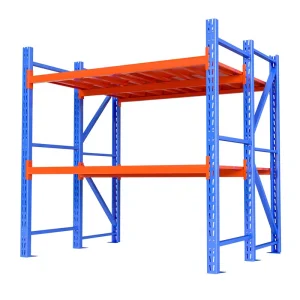
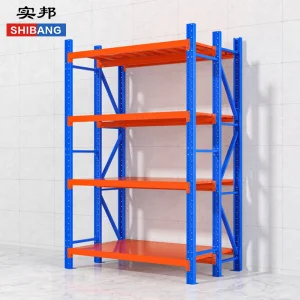
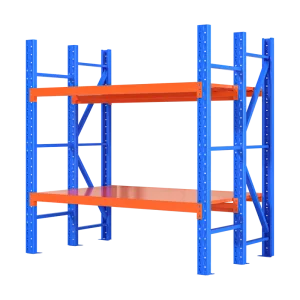
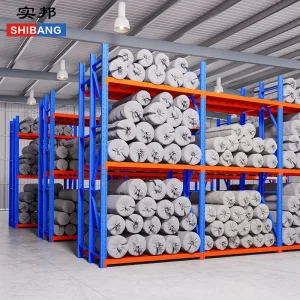
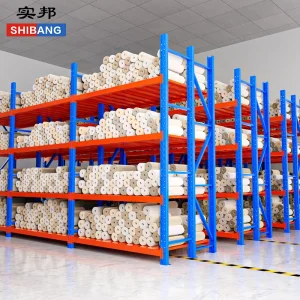
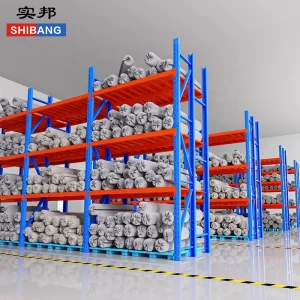
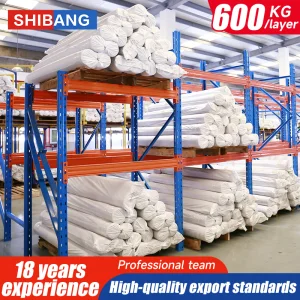
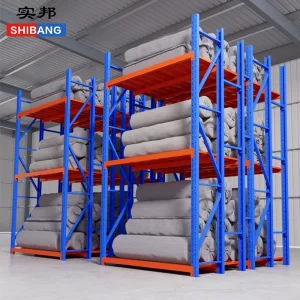
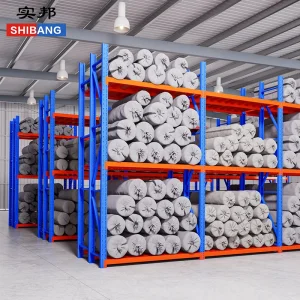
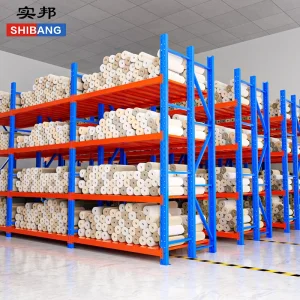
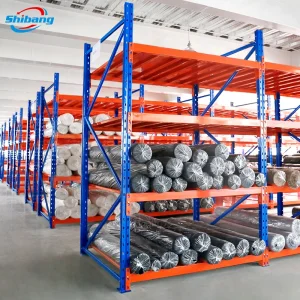
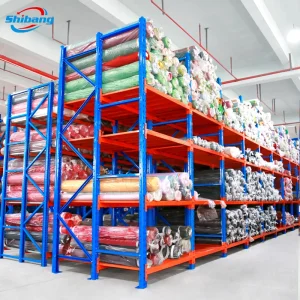
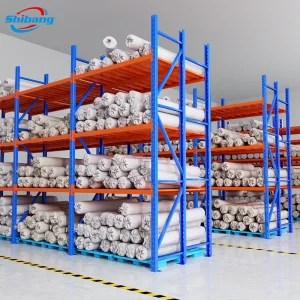
Fabric rolls behave differently than rigid palletized unit loads. When stacked horizontally, a fabric roll exerts lateral forces and undergoes deformation if unsupported. Our engineering team at Shibang designs specialized storage systems that incorporate several advanced structural variations:
By utilizing custom-designed steel cradles or dynamic curved supports mounted to heavy-duty box beams, the concentrated load of the roll is distributed across a broader surface area. This eliminates the "flat spot" phenomenon that ruins technical non-wovens and high-pile carpets.
For continuous roll storage without structural obstructions, heavy-duty cantilever arms are employed. Each arm can be equipped with polyurethane or HDPE sleeves to prevent direct steel-on-fabric friction, eliminating snags, tears, and oil/grease contamination during loading and retrieval cycles.
Commonly deployed in regional Belgian distribution centers, these stackable steel frames allow forklift operators to pick up the frame containing the fabric roll via the center spindle or directly by the frame base. Being demountable, they save valuable floor space when empty, accommodating seasonal shifts in textile manufacturing output.
Belgium enforces strict workplace safety and equipment standards, governed closely by regional labor inspectorates and European standards (CEN). When installing fabric storage rack systems, compliance with the following is non-negotiable:
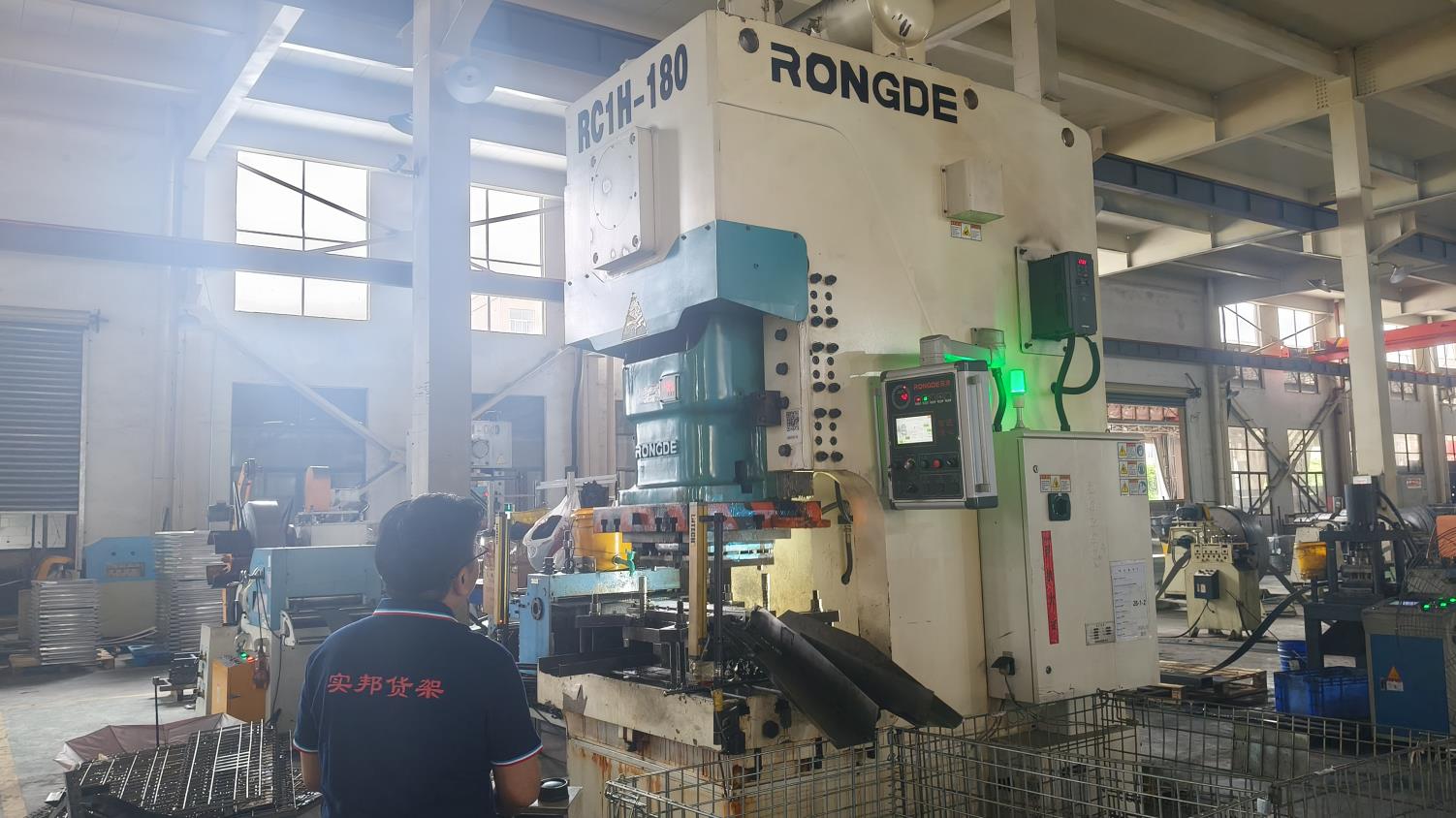
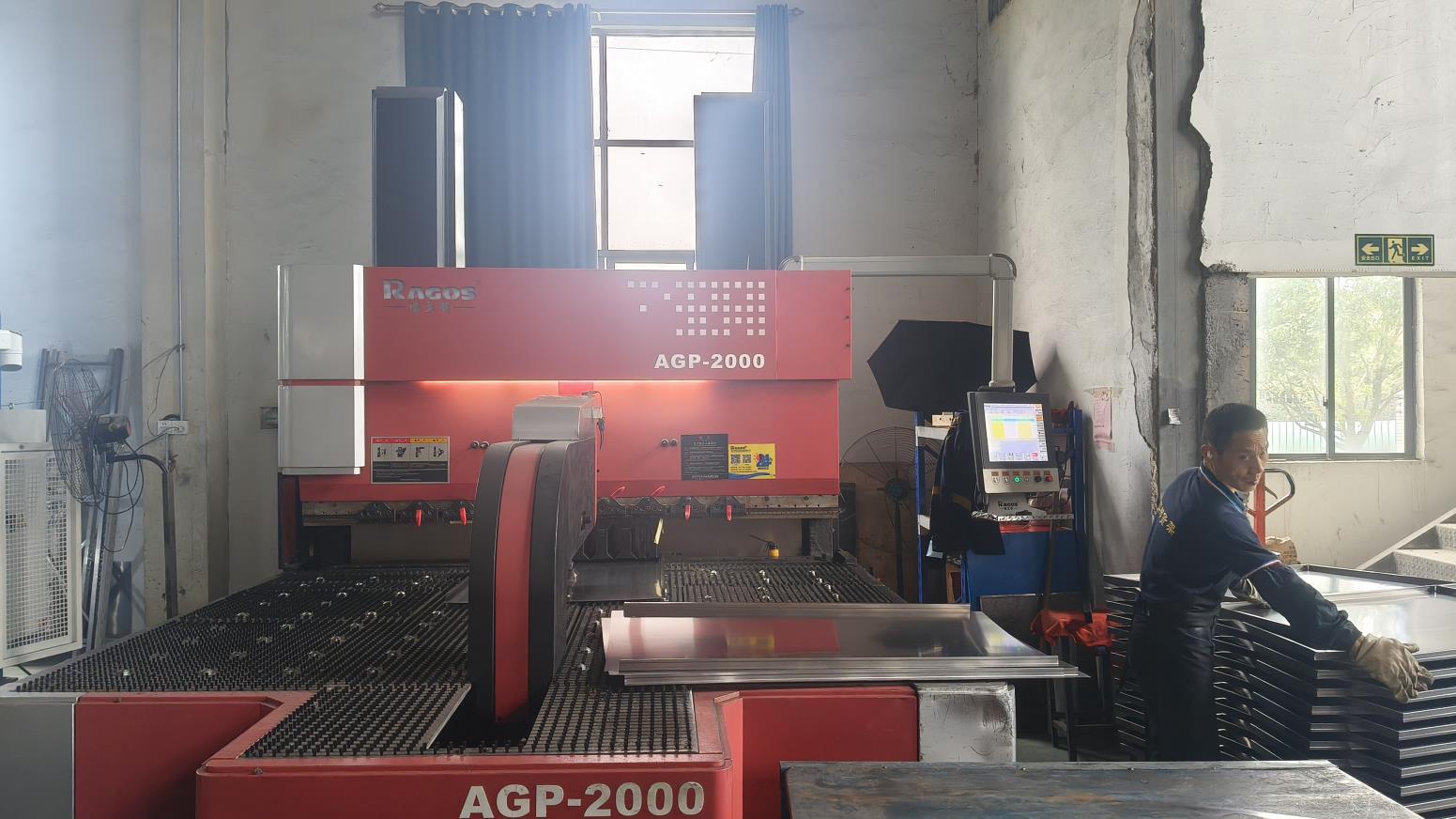
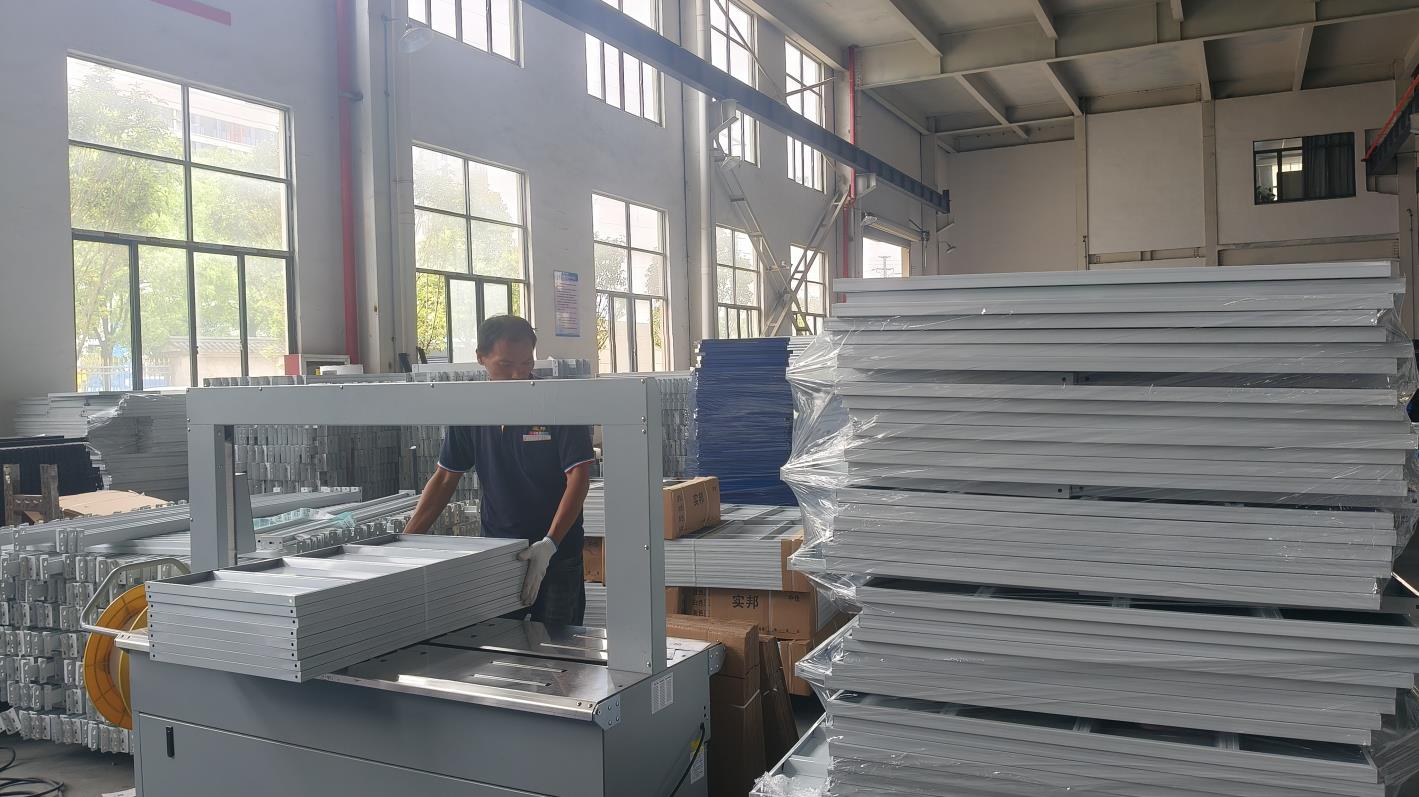
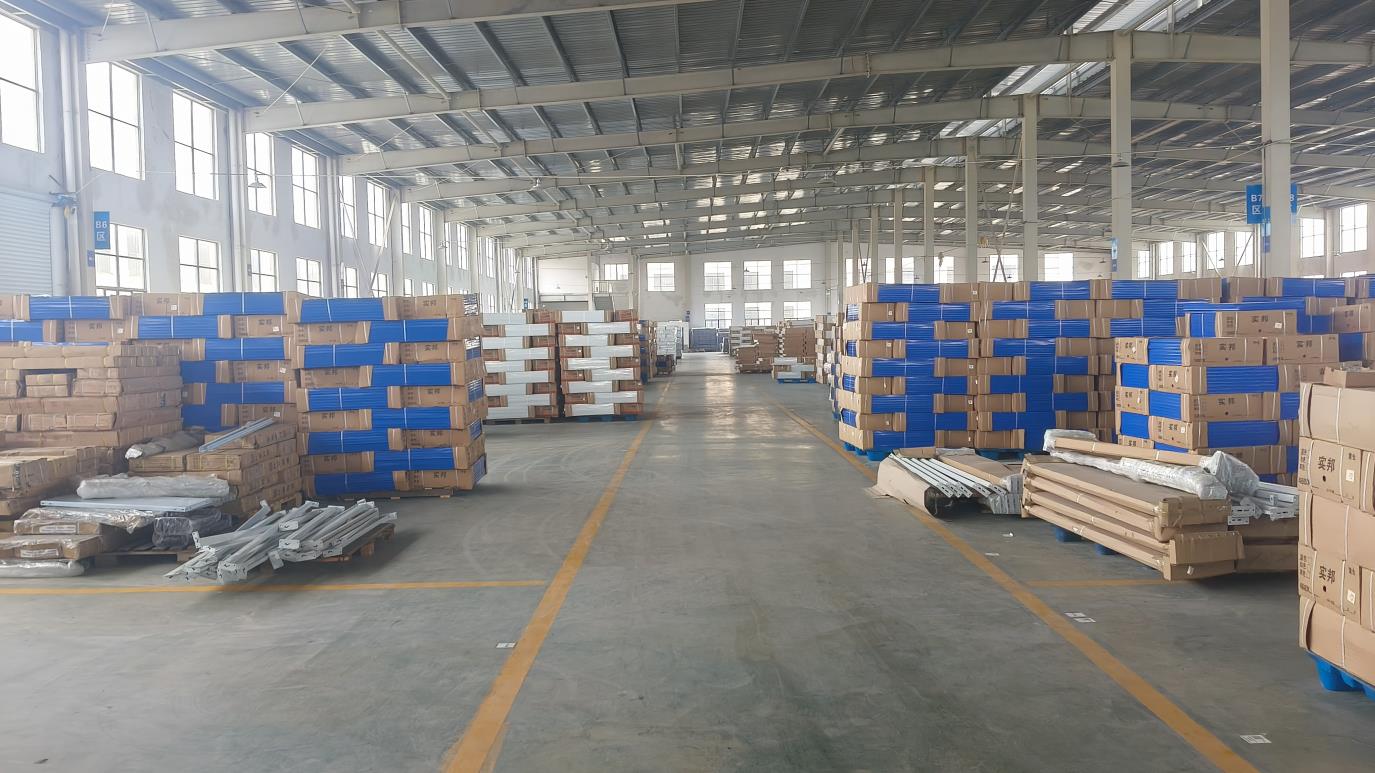
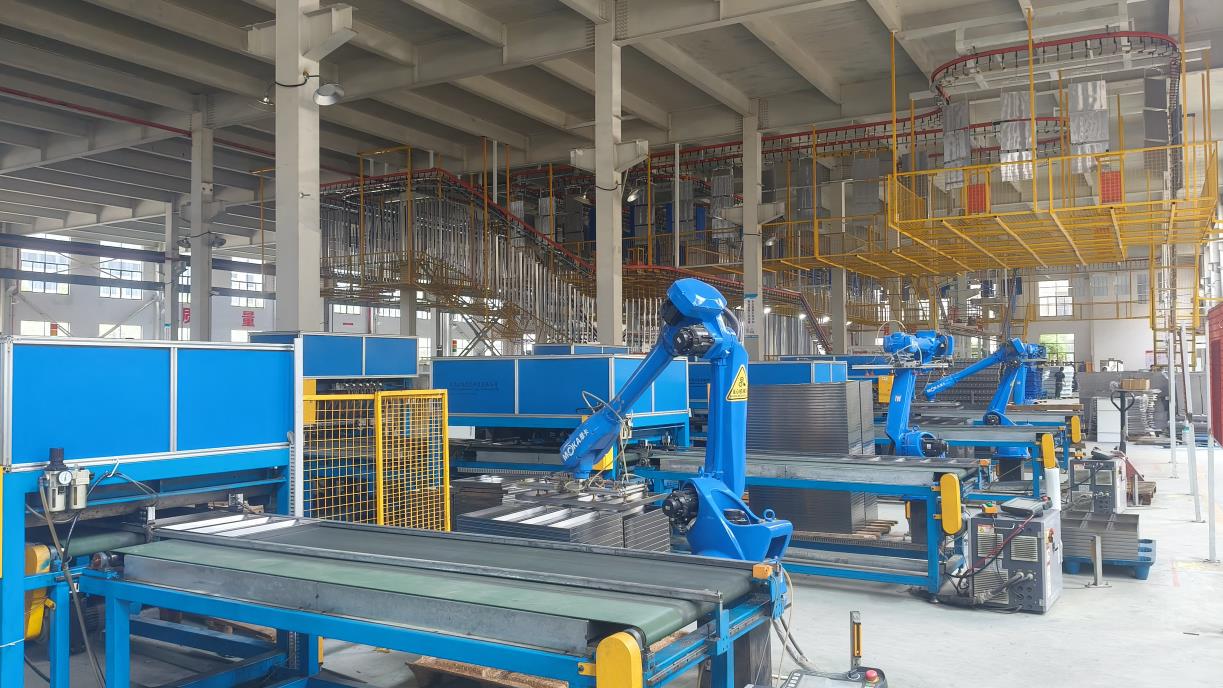
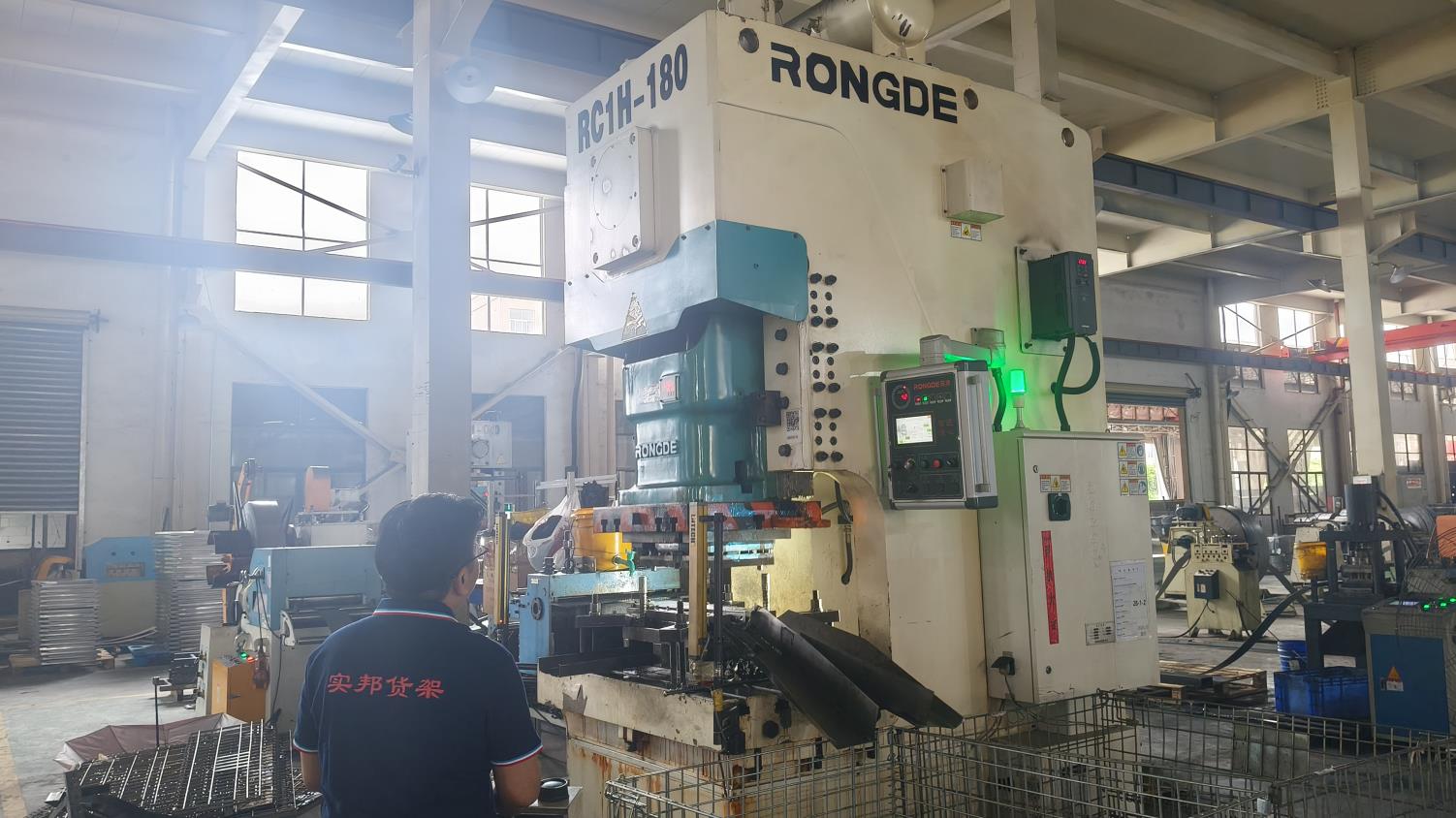
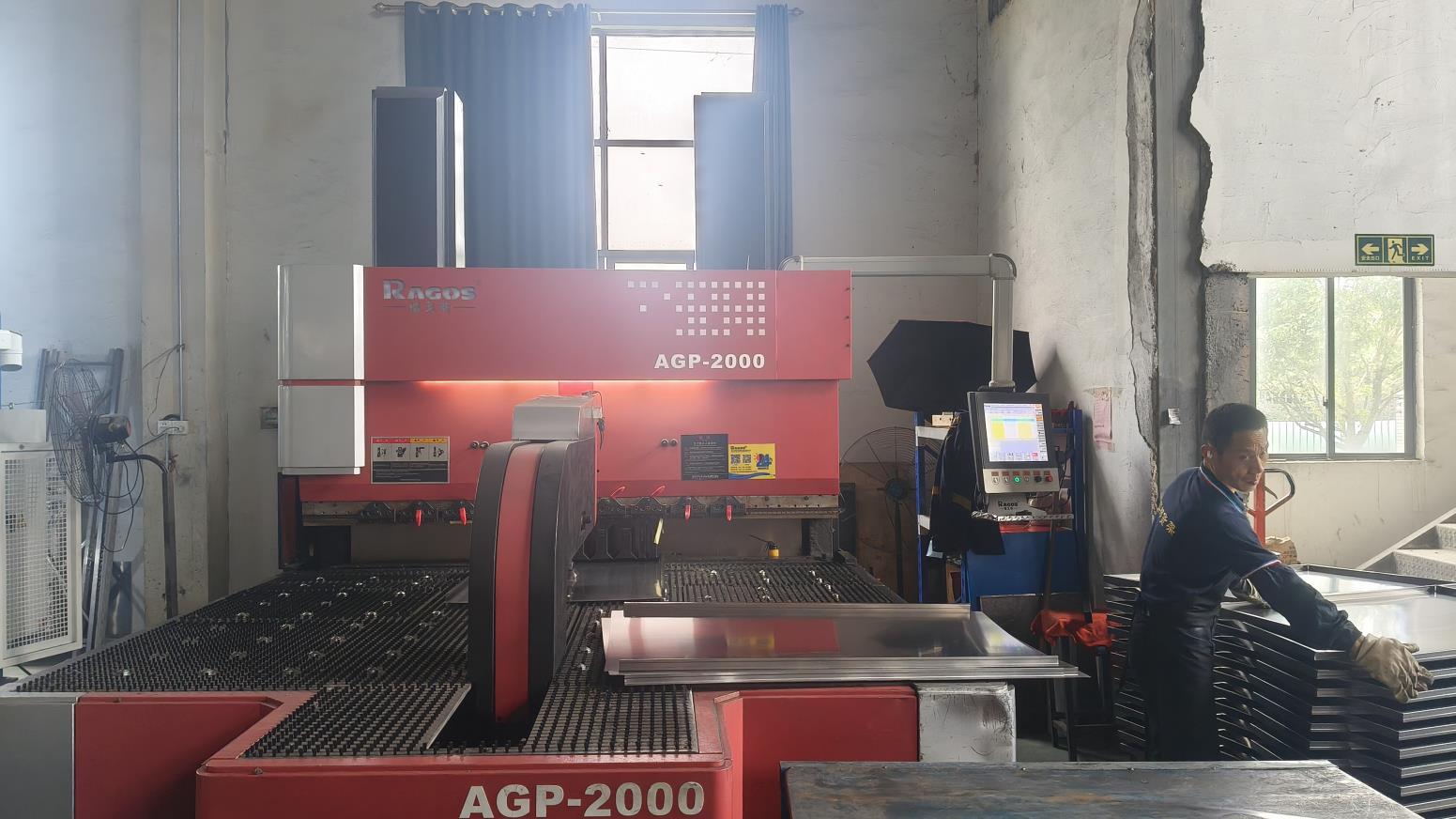
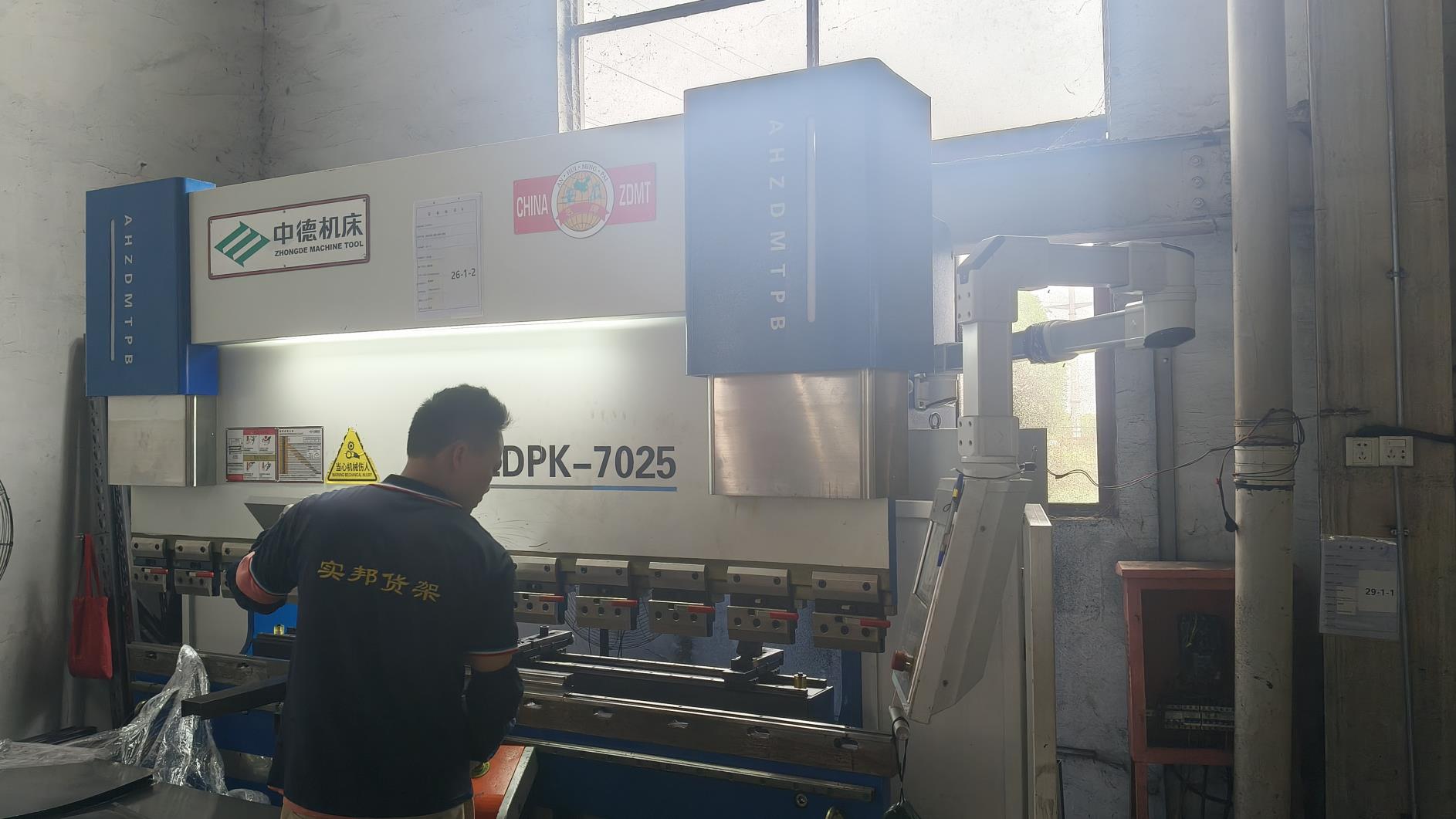
Spanning a modern 35,000 square meter factory, Shibang maintains complete end-to-end control of the racking production line. Leveraging automated precision machinery, we produce heavy-duty systems capable of supporting sustained warehouse operations under extreme industrial loads. Below is an overview of the key processing phases inside our manufacturing plant:
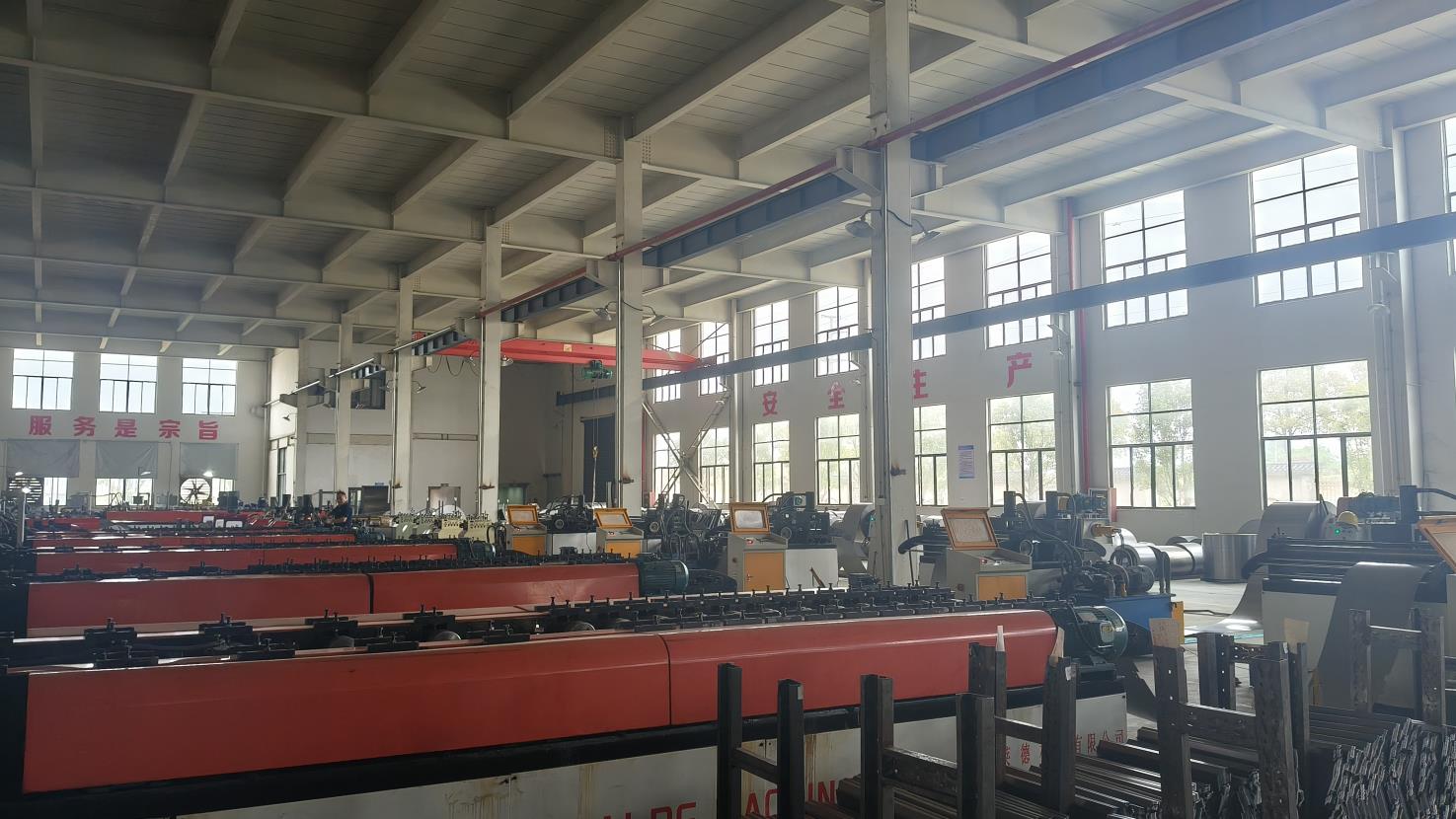
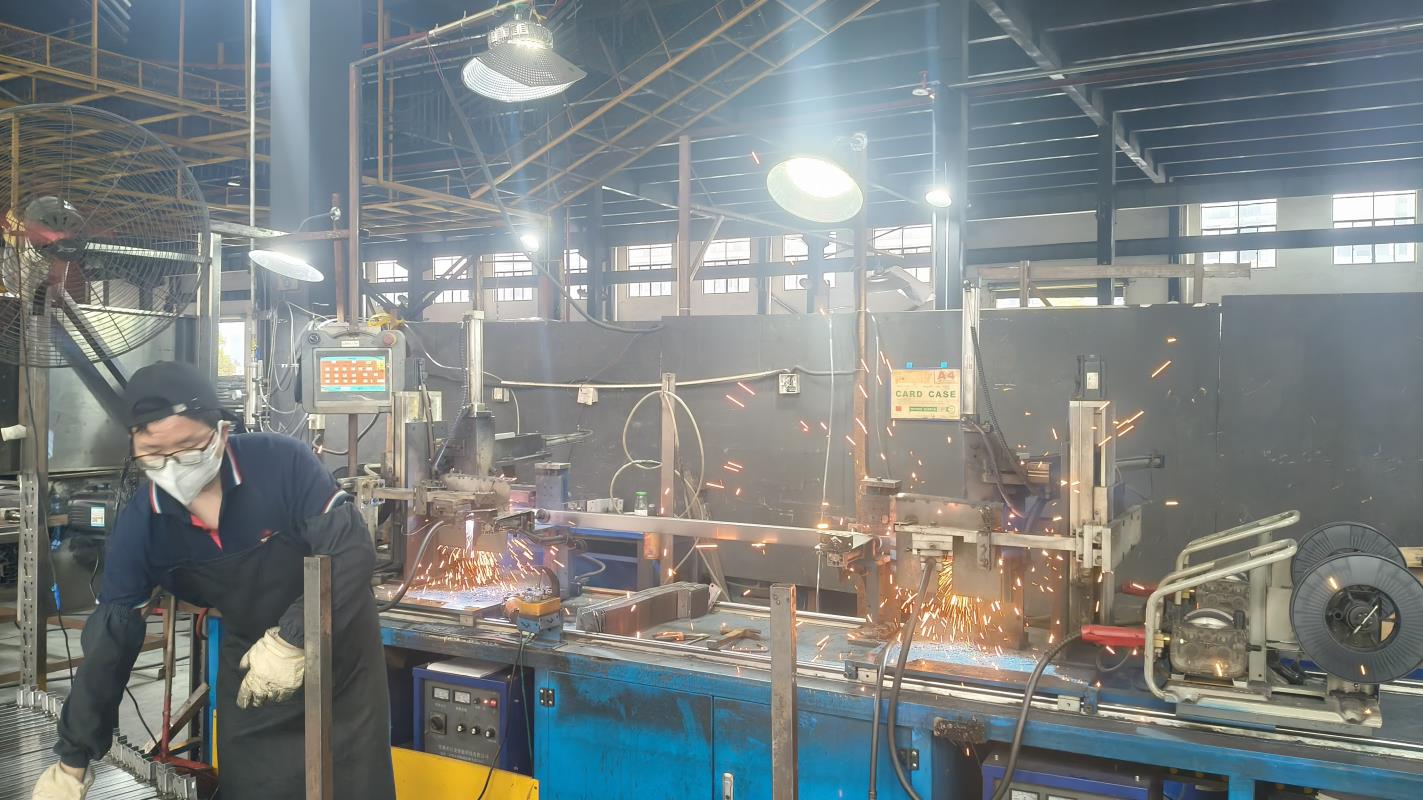
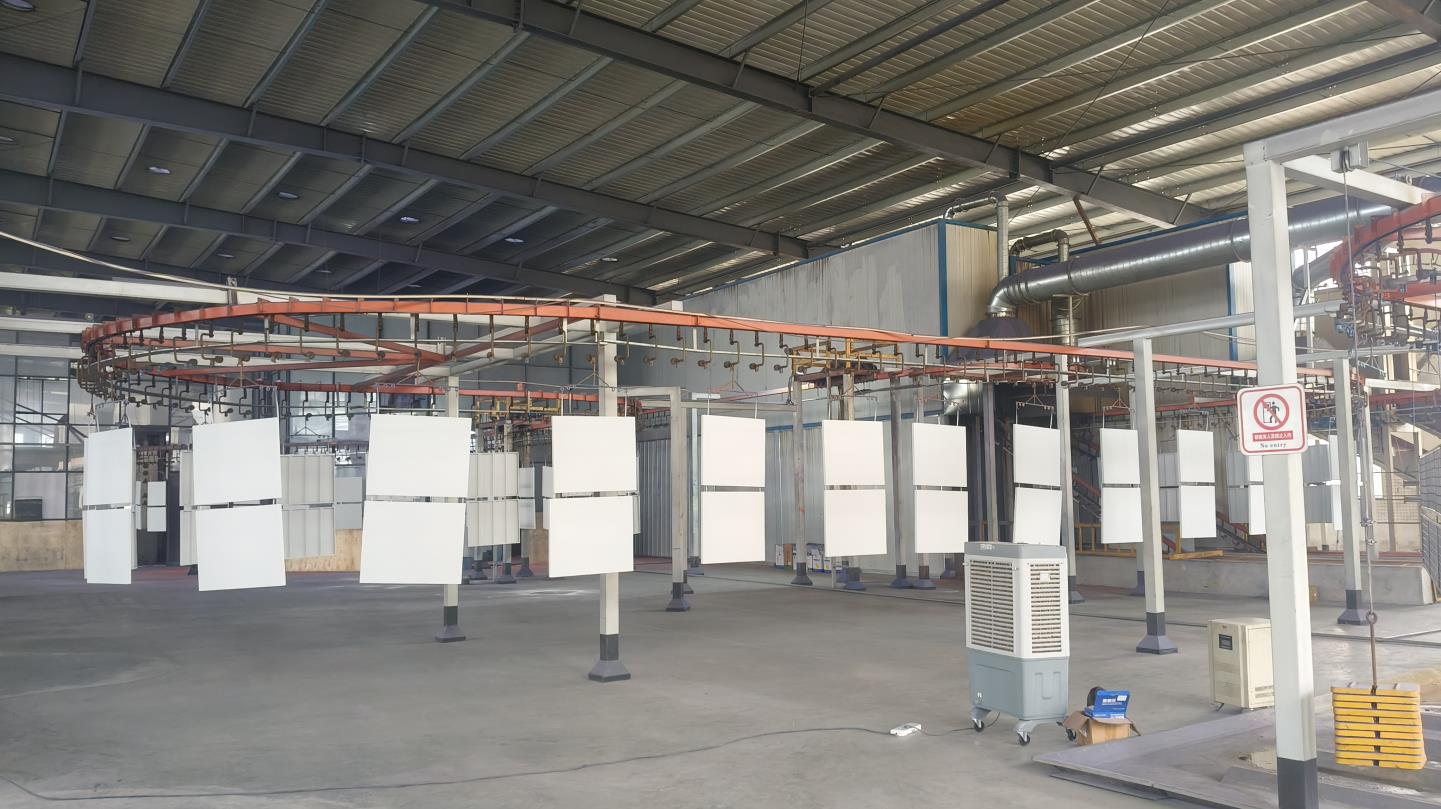
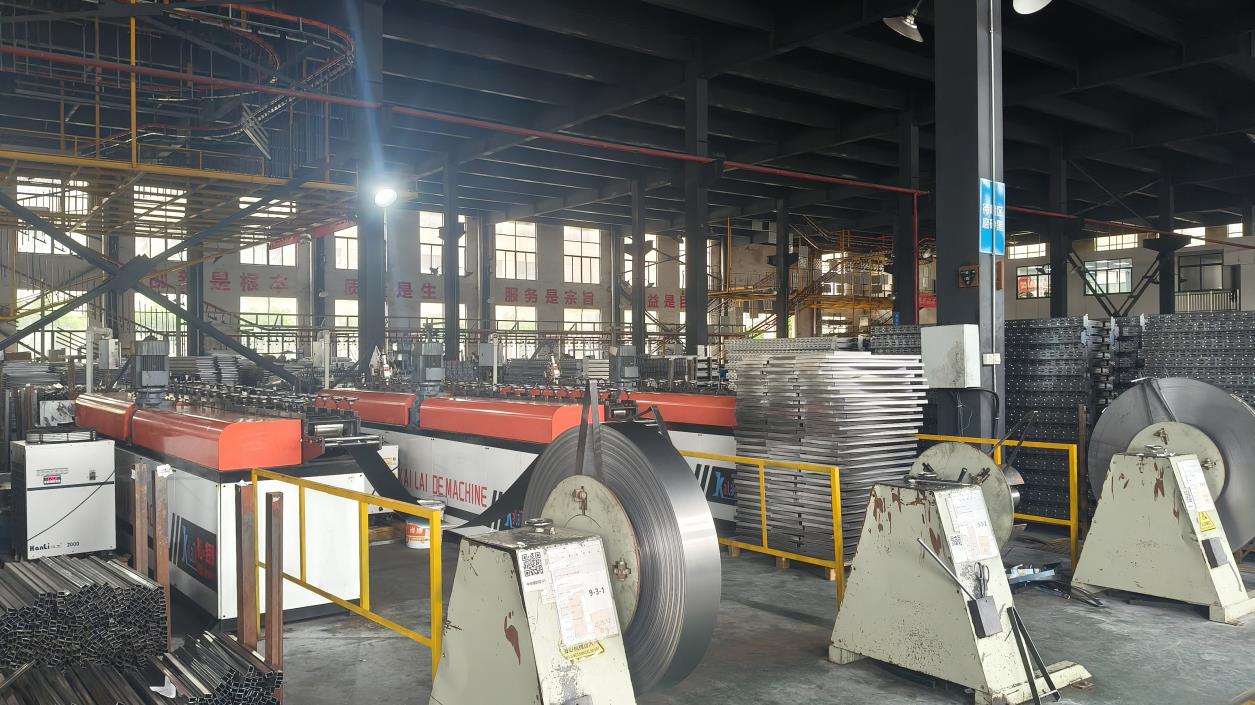
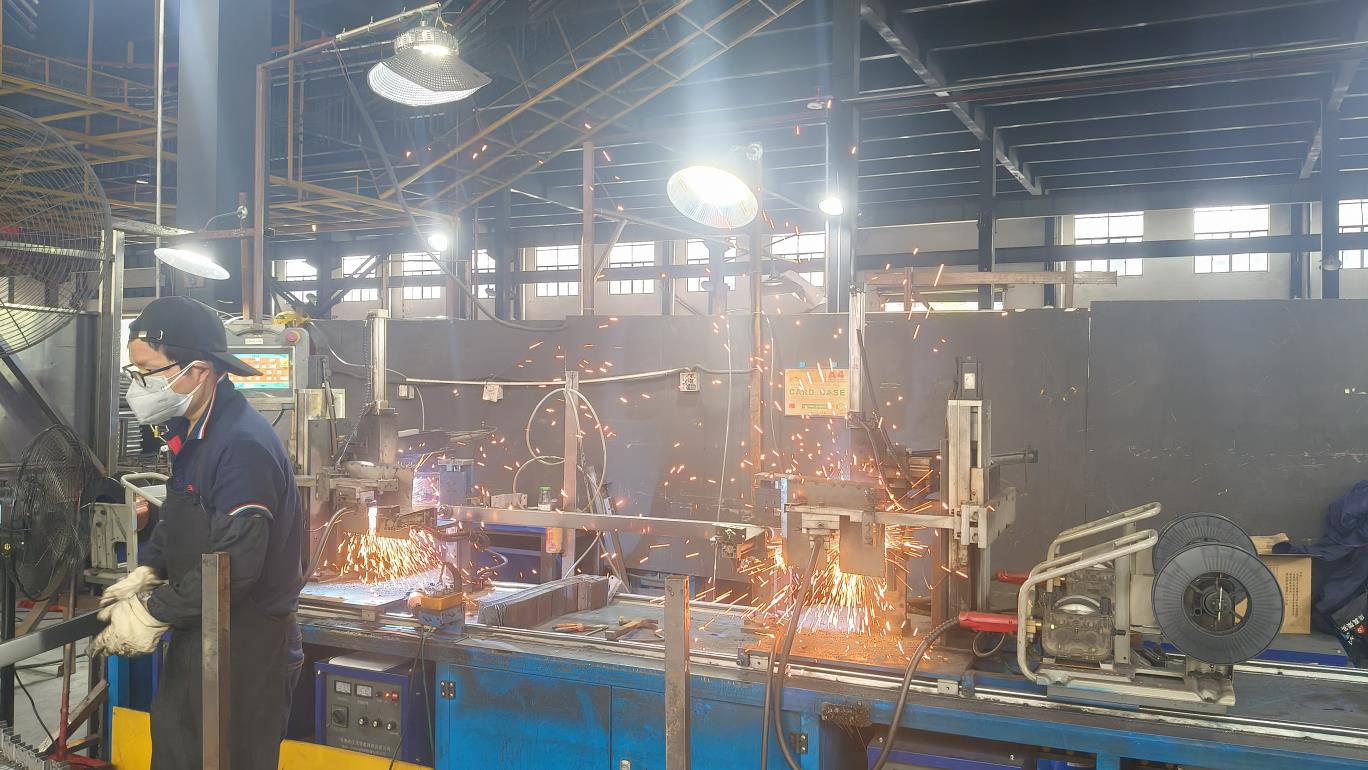
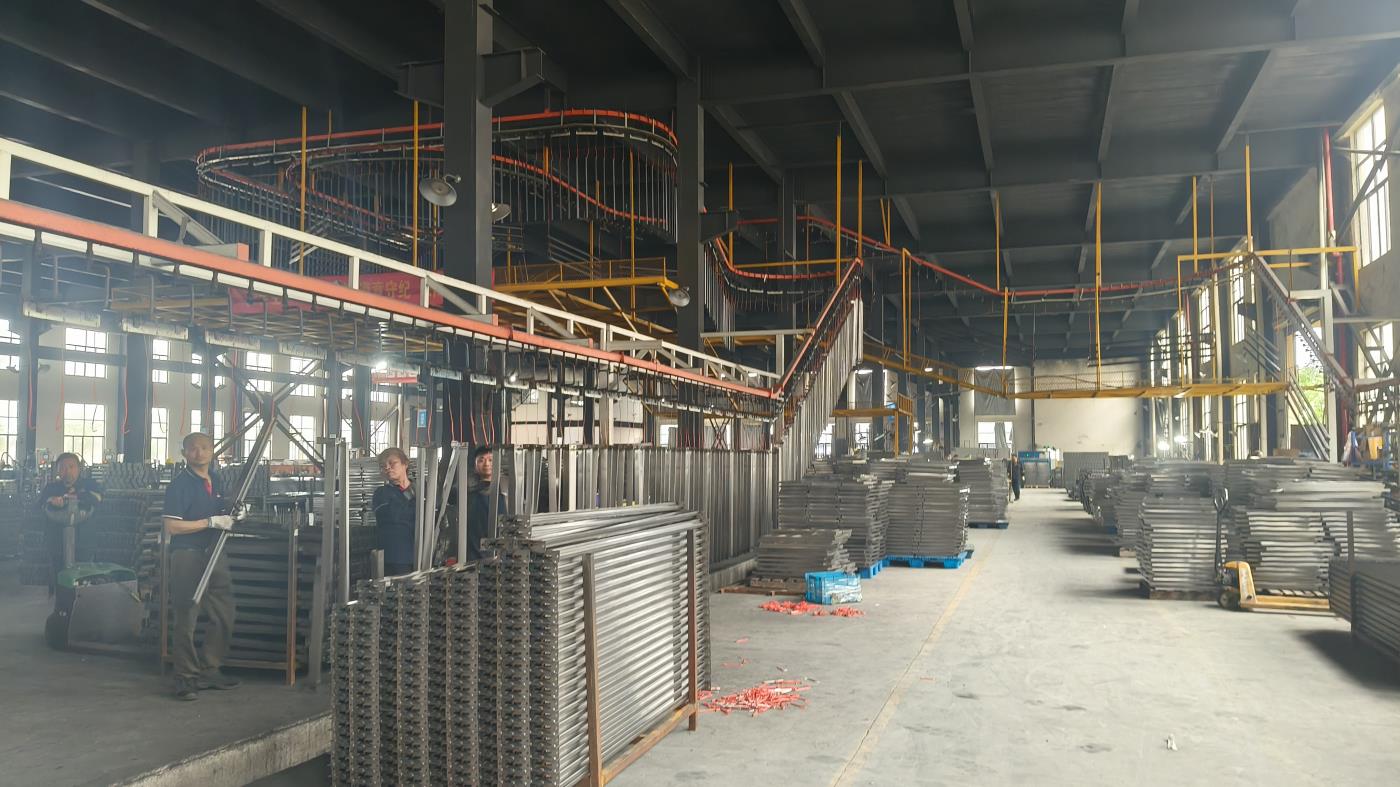
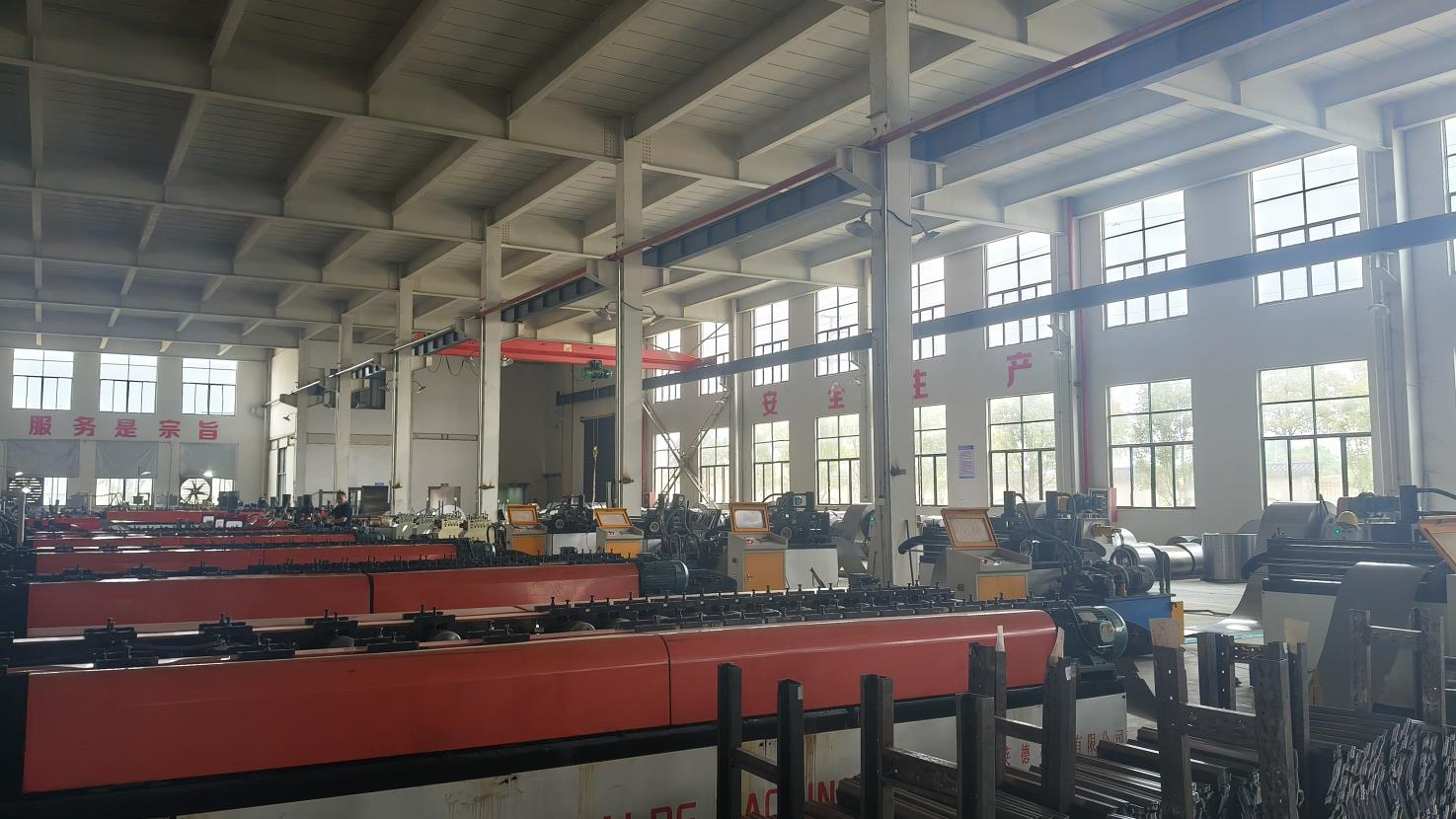
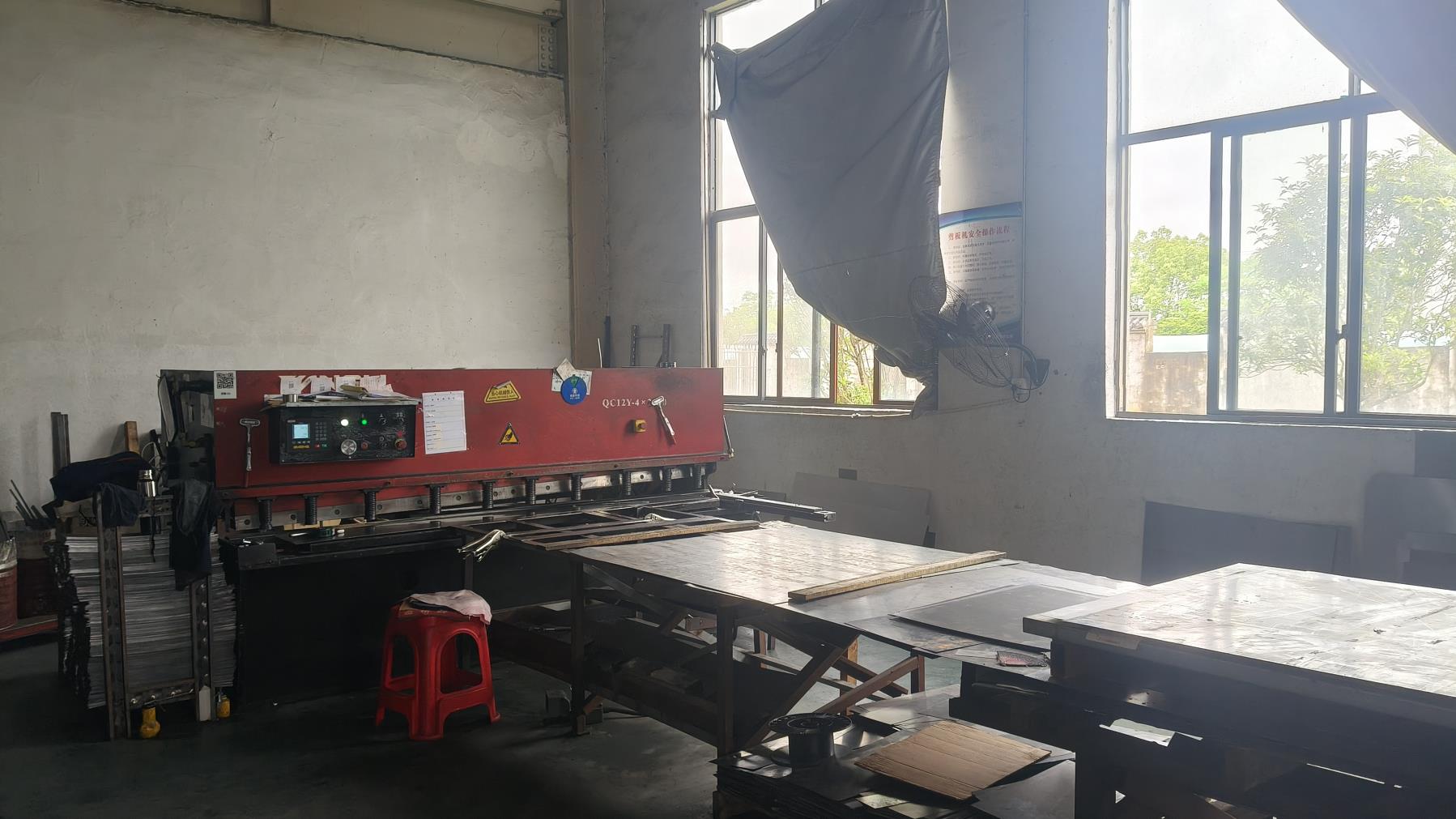
With an annual export value of approximately USD 18 million, Shibang has established a seamless supply chain delivering to primary industrial zones worldwide, with dedicated focus on EU corridors. For our Belgian partners, we offer a specialized service suite:
The Belgian transition to circular logistics is pushing manufacturers to adapt. We are actively refining our technology roadmap to match these developments:
 Shibang Storage Rack