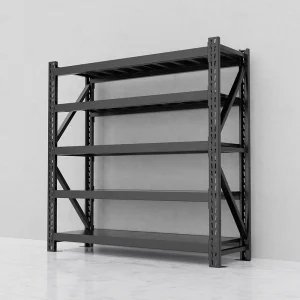
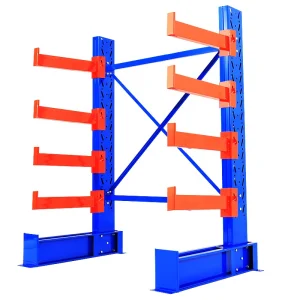
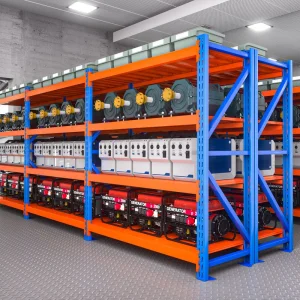
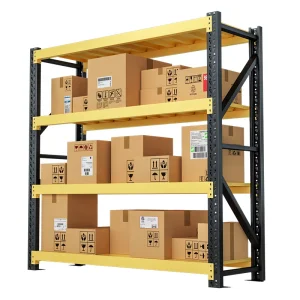
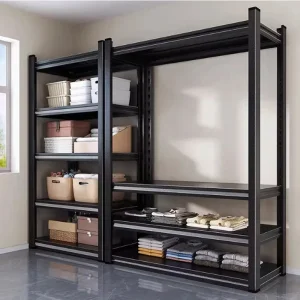
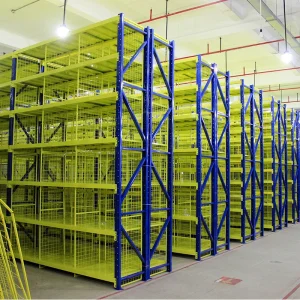
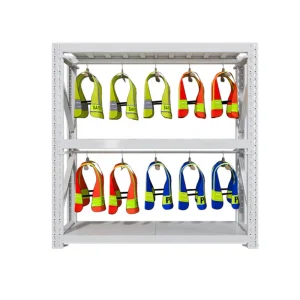
Explore our CE-certified, high-load-bearing structural steel racking and customizable modular stackable container lines built for rigorous warehouse environments.
An authoritative analysis of high-density warehouse topology, space-optimization math, and engineering safety protocols in modern supply chains.
In the modern era of logistics, warehousing real estate costs have escalated exponentially. Organizations can no longer afford to design storage footprints purely on a horizontal plane. The modern storage architecture must maximize the vertical envelope safely and modularly. Stackable containers and customizable stacking racks provide a highly flexible, structural solution that outperforms traditional static storage frames in adaptability, capacity optimization, and operational efficiency.
As an industry-leading manufacturer, Guangdong Shibang Storage Rack Co., Ltd. (founded in 2016) utilizes 15 years of industry experience to engineer structural steel systems that transition dynamically from localized storage bins into high-capacity warehousing grids. Our structural engineers optimize stacking rack configurations to withstand dynamic loads, seismic activity, and intensive material handling operations, providing a reliable backbone for complex supply chains.
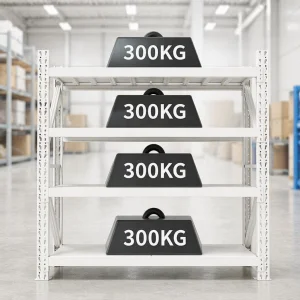
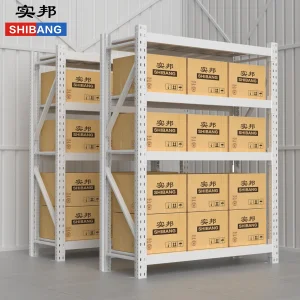
Standard warehouse floorspace utilizes roughly 40-50% of its volume when relying on floor storage. By implementing structural stackable container racks, system integrators can scale vertical layers up to five or six tiers high, elevating volume utilization to over 85%. The primary engineering constraint is structural deflection under load, defined by the formula:
By maintaining strict structural limits, Shibang guarantees that every racking shelf or stackable container remains structurally square, eliminating the risk of system buckle or slide during high-lift forklift retrieval.
Analyzing macro-industrial demands and the strategic deployment of stackable containers across key industries.
Industrial space prices globally have grown at an average of 8% annually. Businesses are forced to transition from horizontal warehouse configurations to dense vertical stacks. Our modular stacking systems allow high-density containment without requiring permanent, costly fixed-racking installation.
Fixed racking locks a facility into a rigid grid. With stackable container racks, supply chain operators can easily relocate entire storage zones as logistics needs change. Stacked racks can be folded or nested when empty, reclaiming up to 70% of floor space.
In high-throughput distribution centers, speed is critical. Heavy-duty stackable containers act as both transport packaging and warehouse racking, minimizing double-handling of materials during receipt and dispatch cycles.
Guangdong Shibang utilizes fully integrated raw-material processing lines, high-precision forming machinery, and automated robotic systems to ensure micro-millimeter tolerance control.
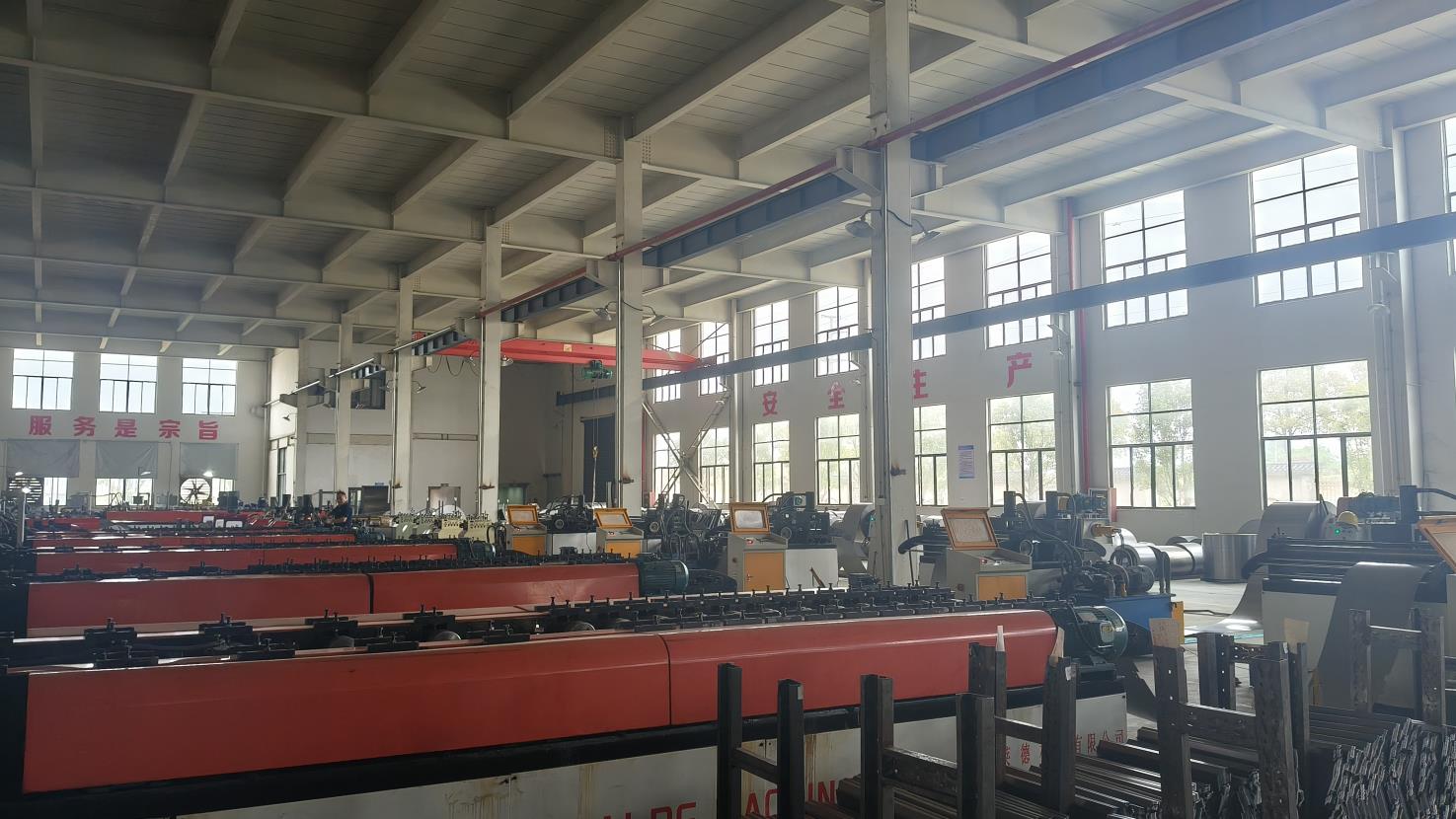
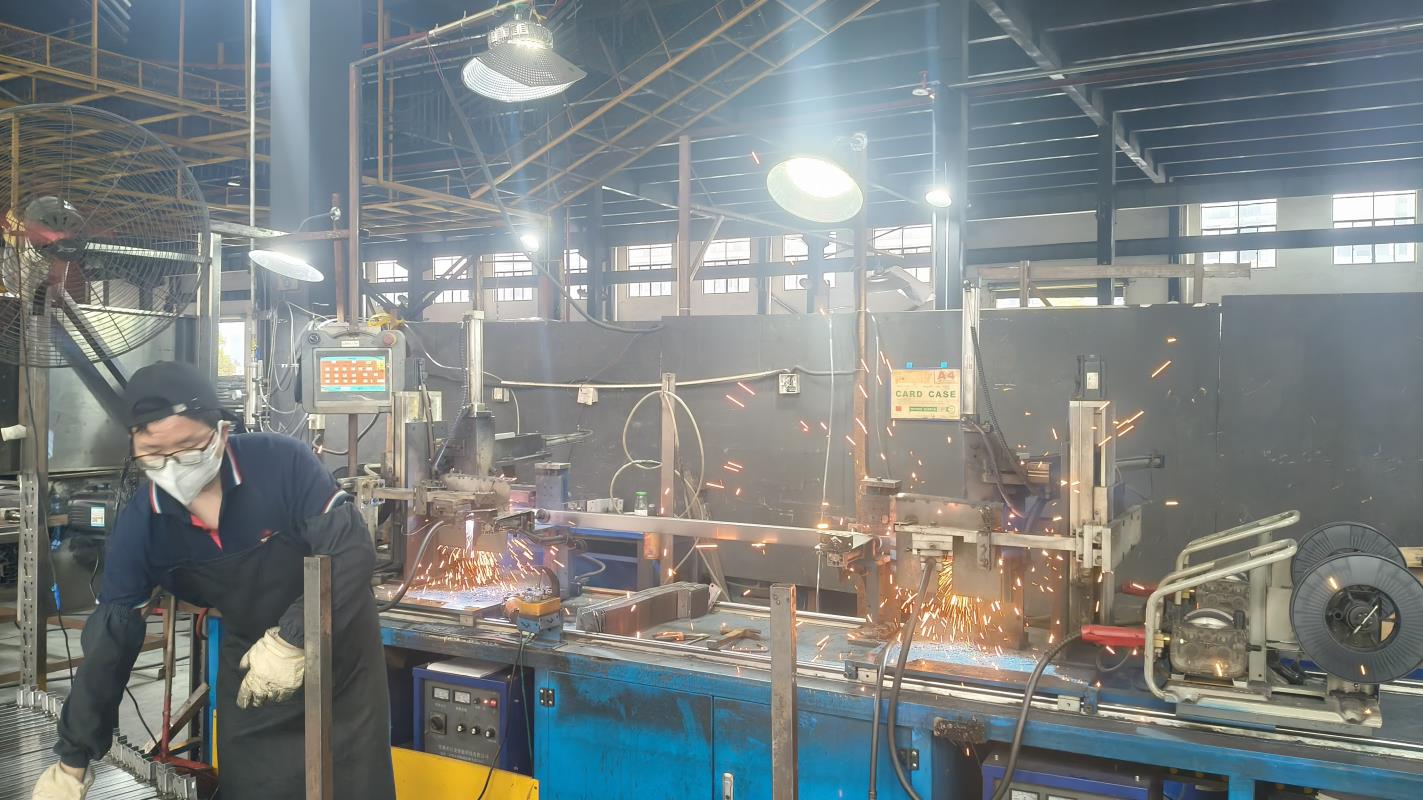
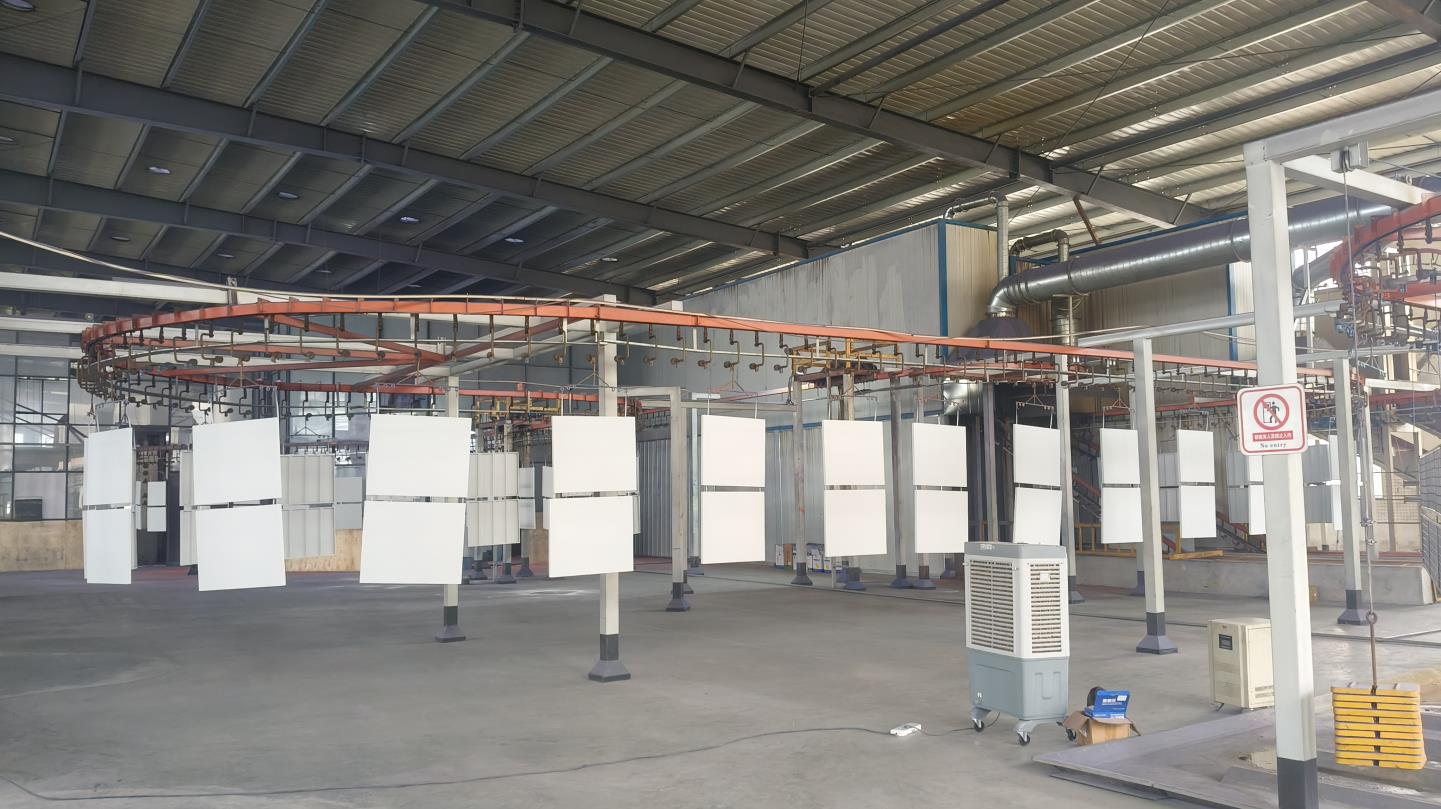
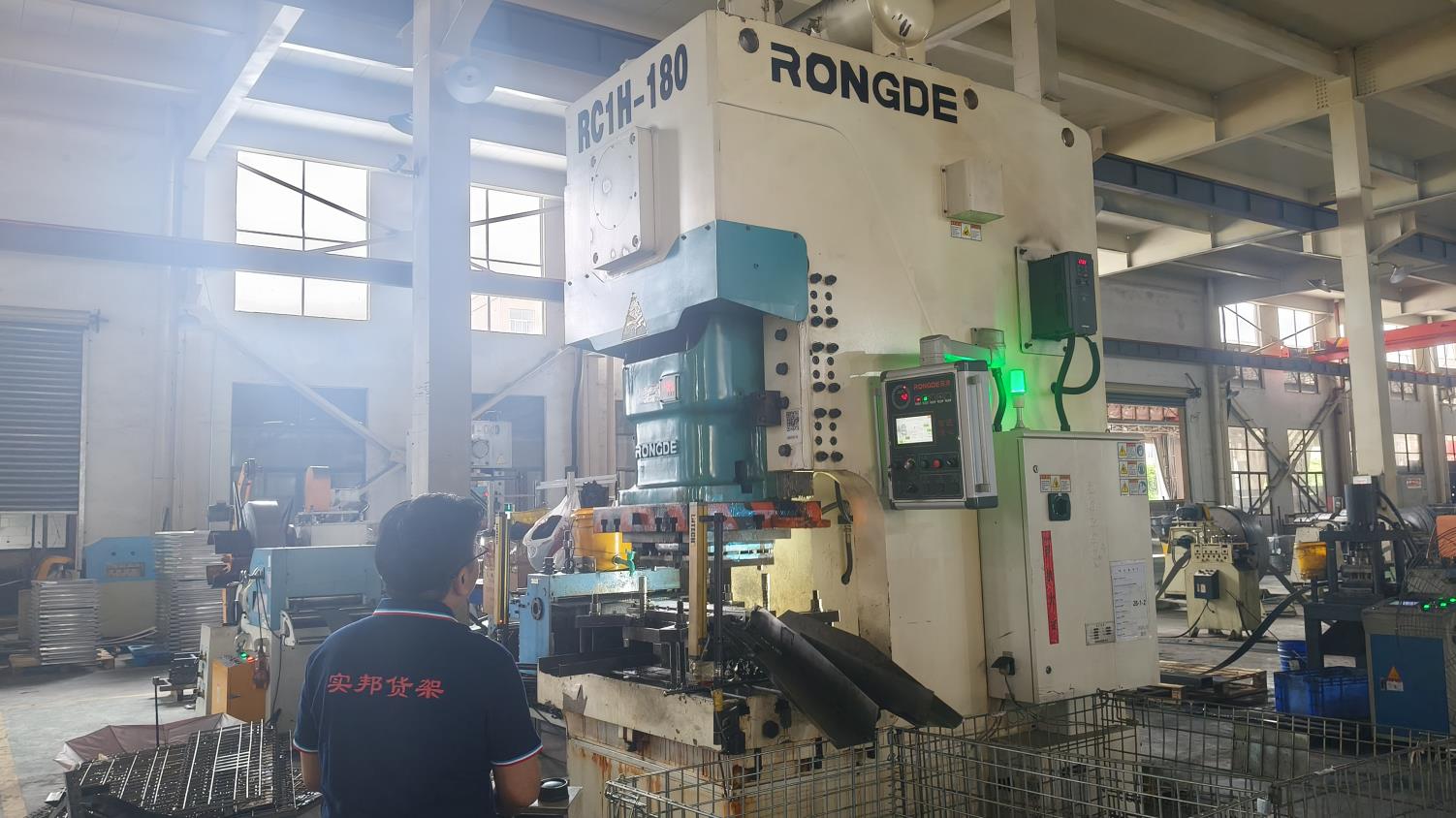
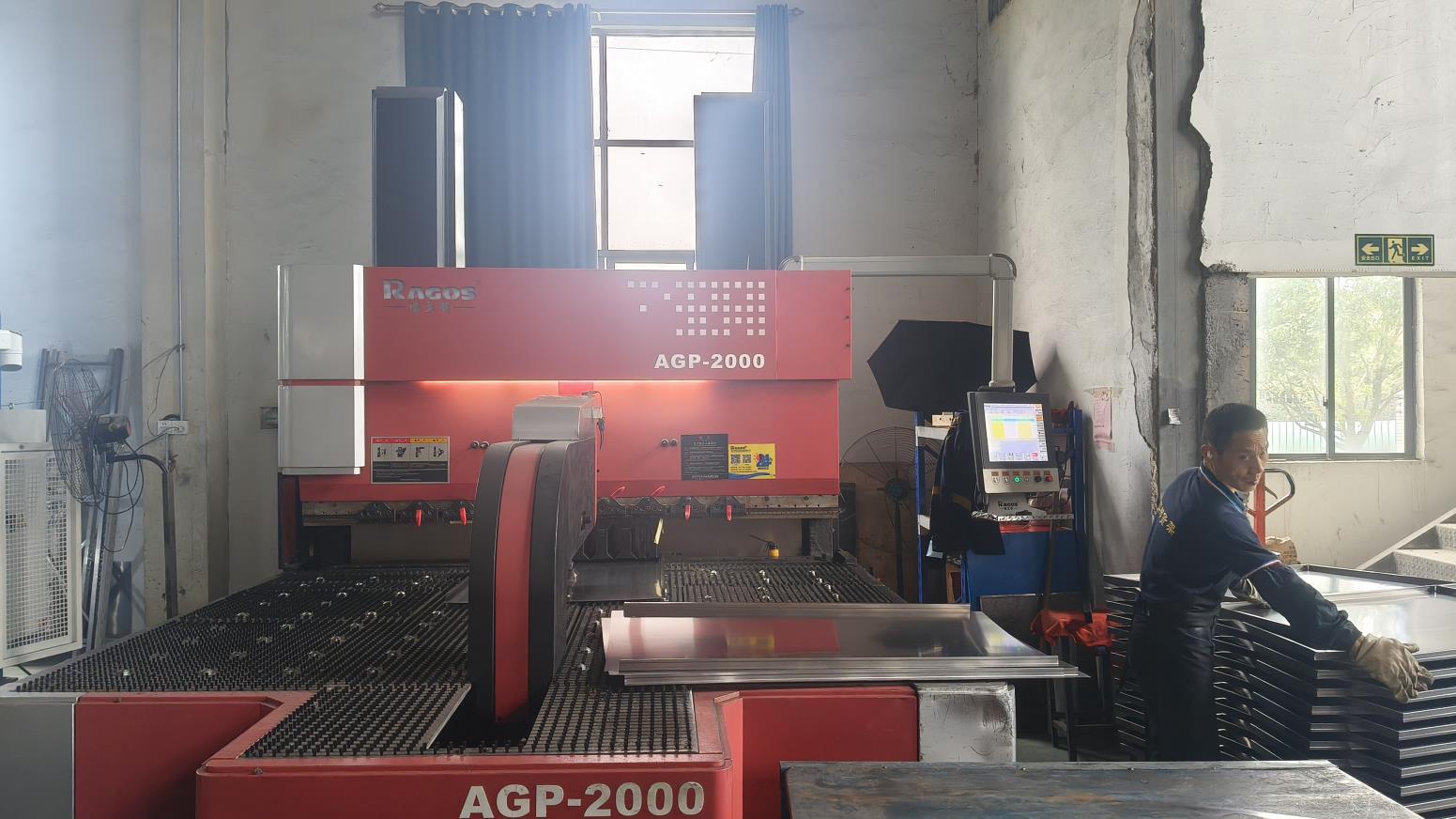
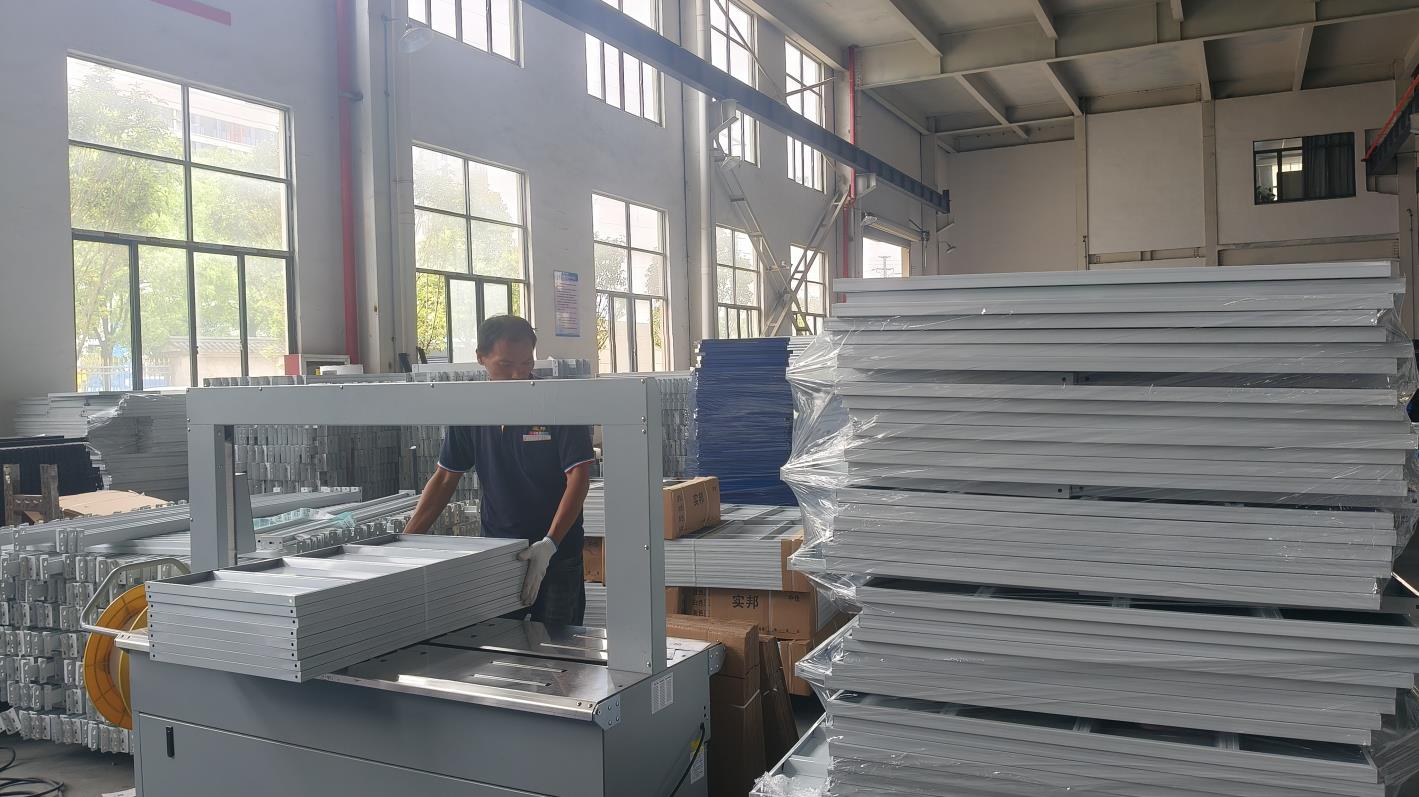
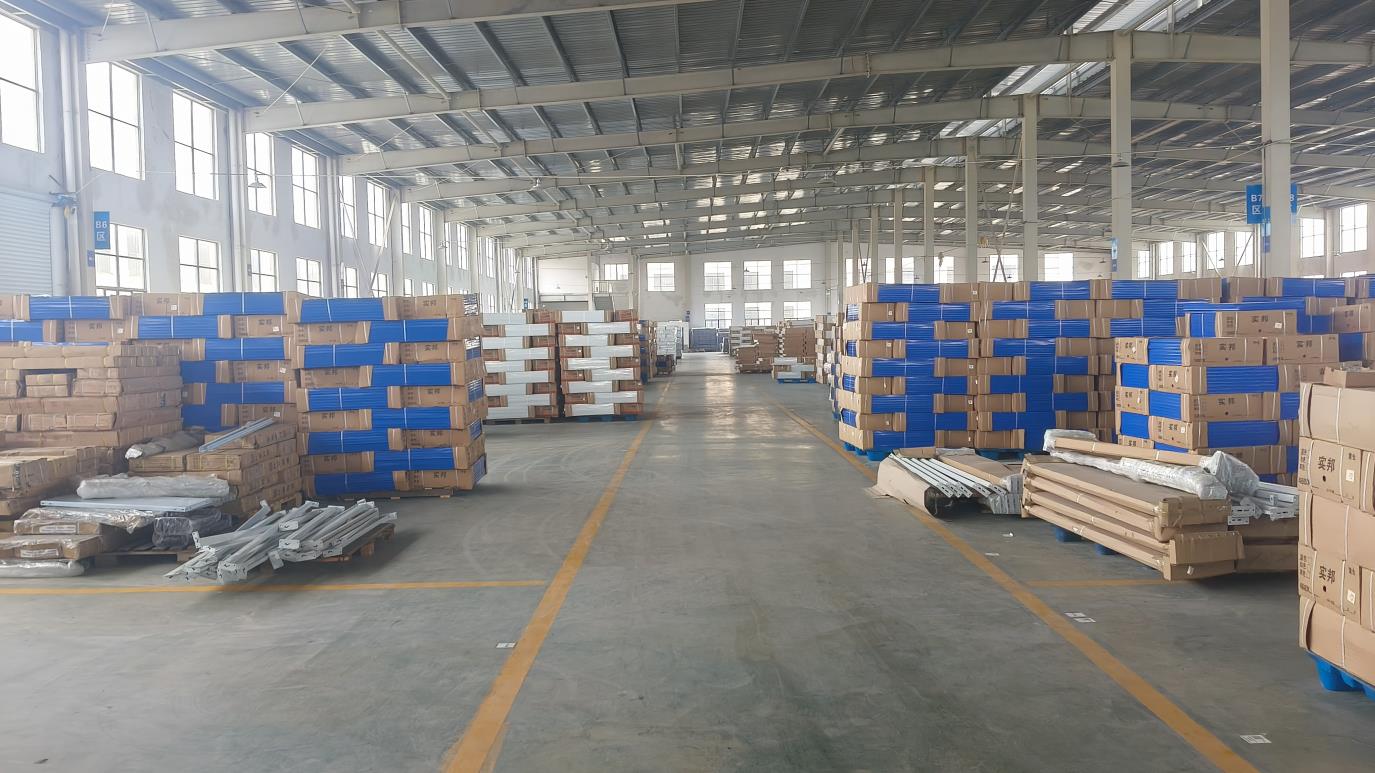
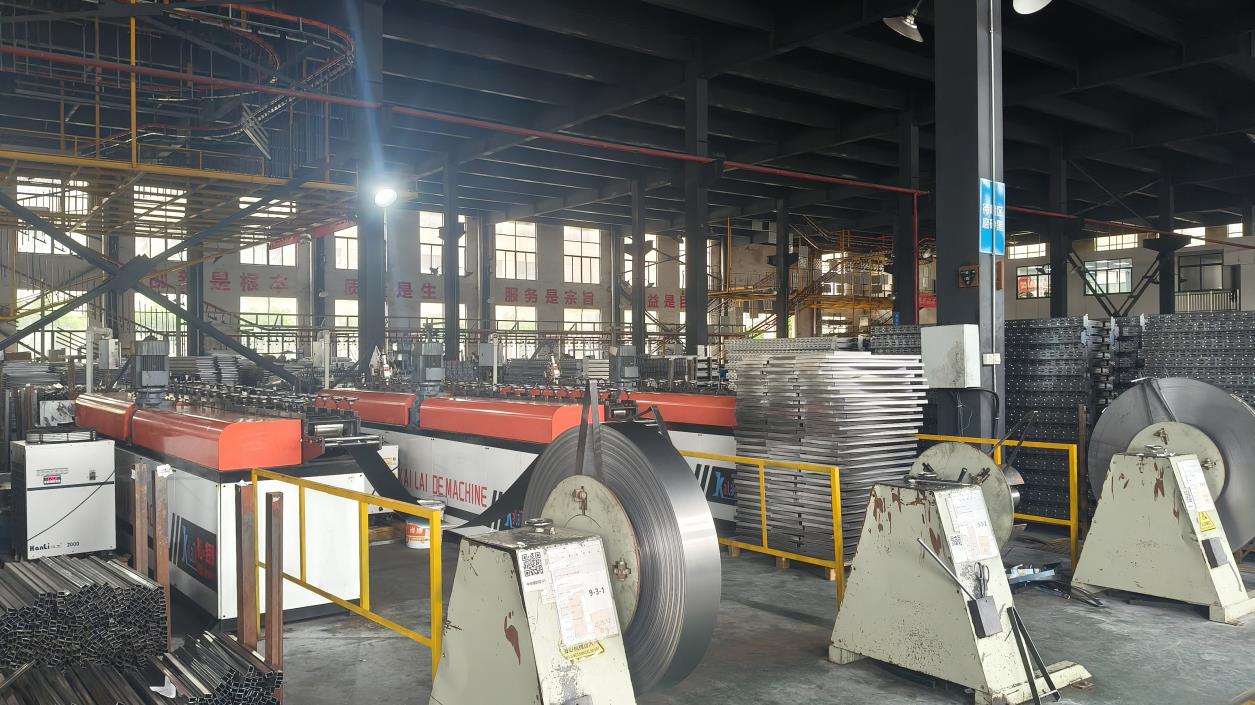
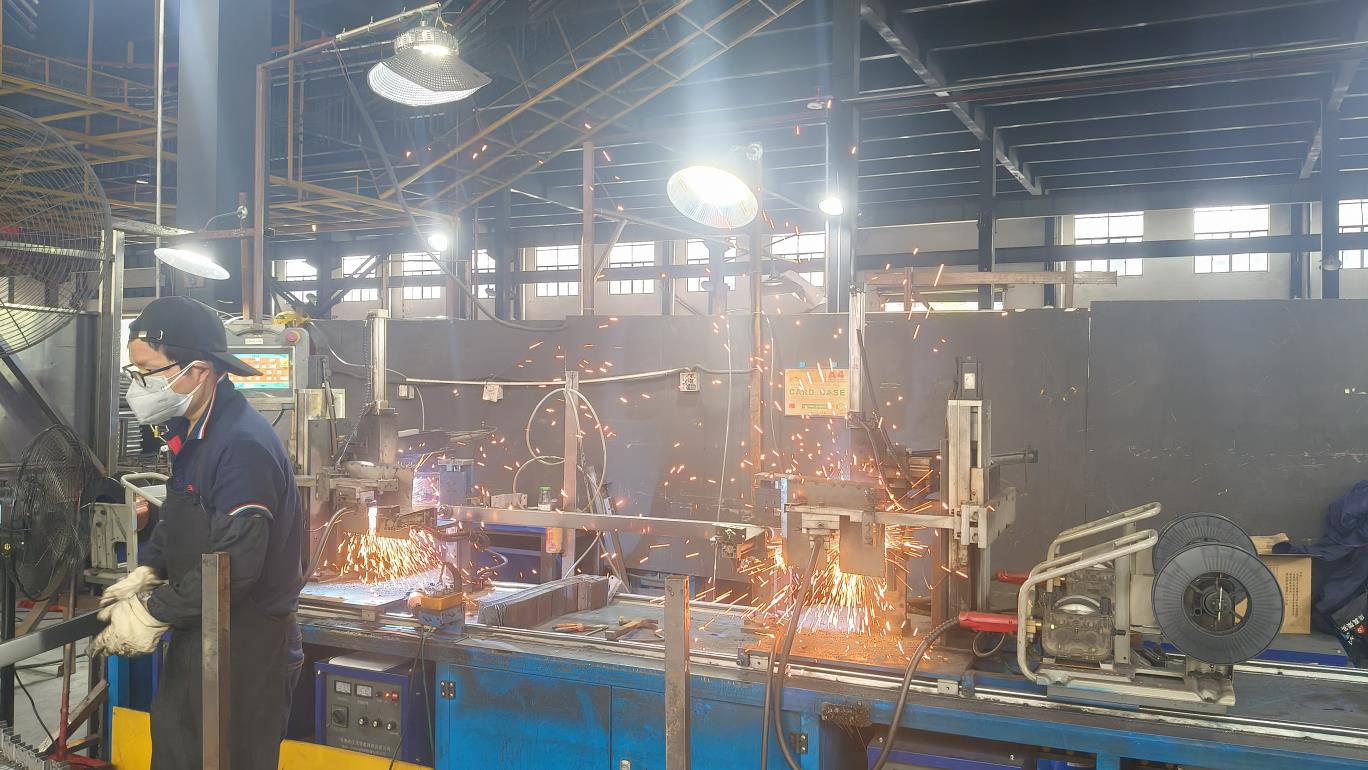
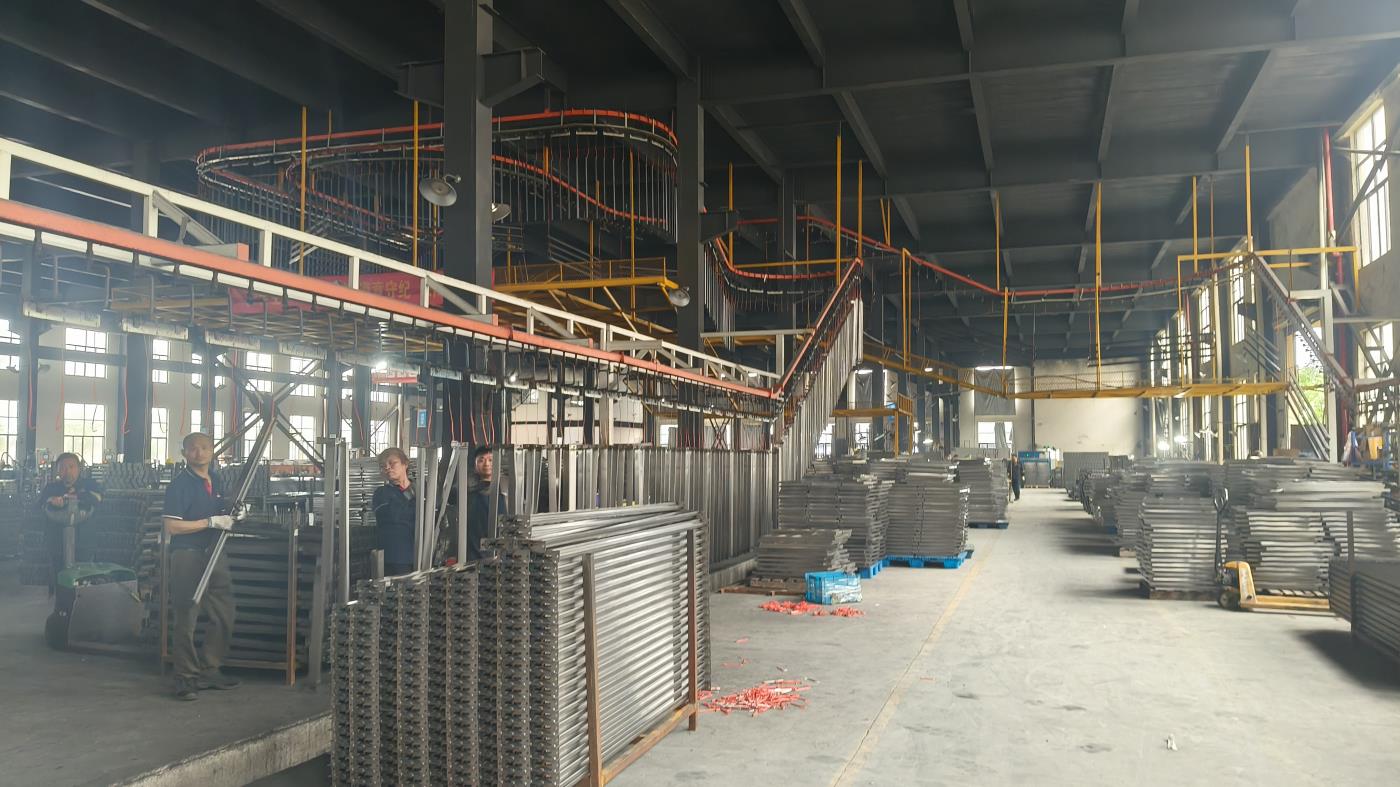
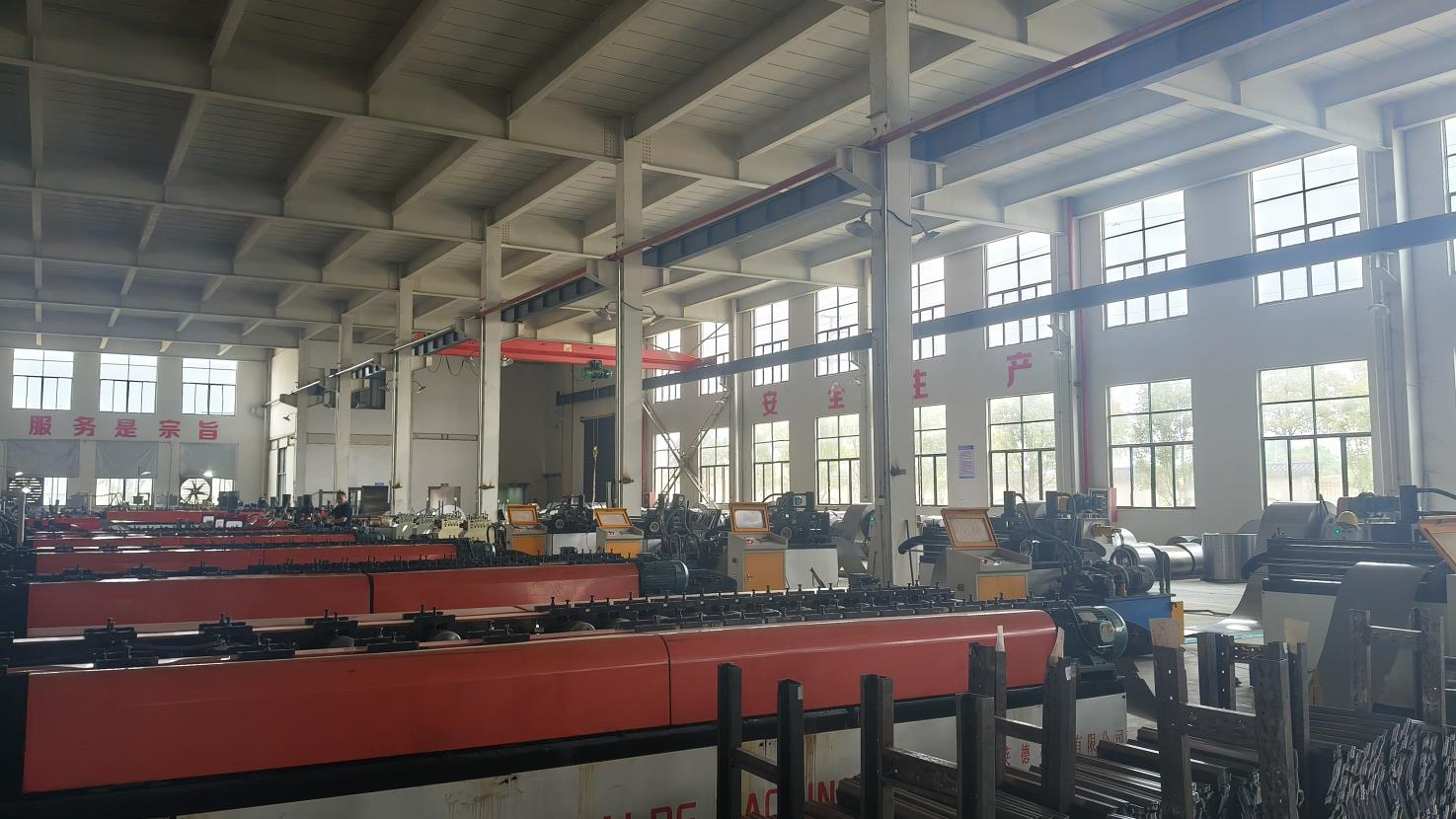
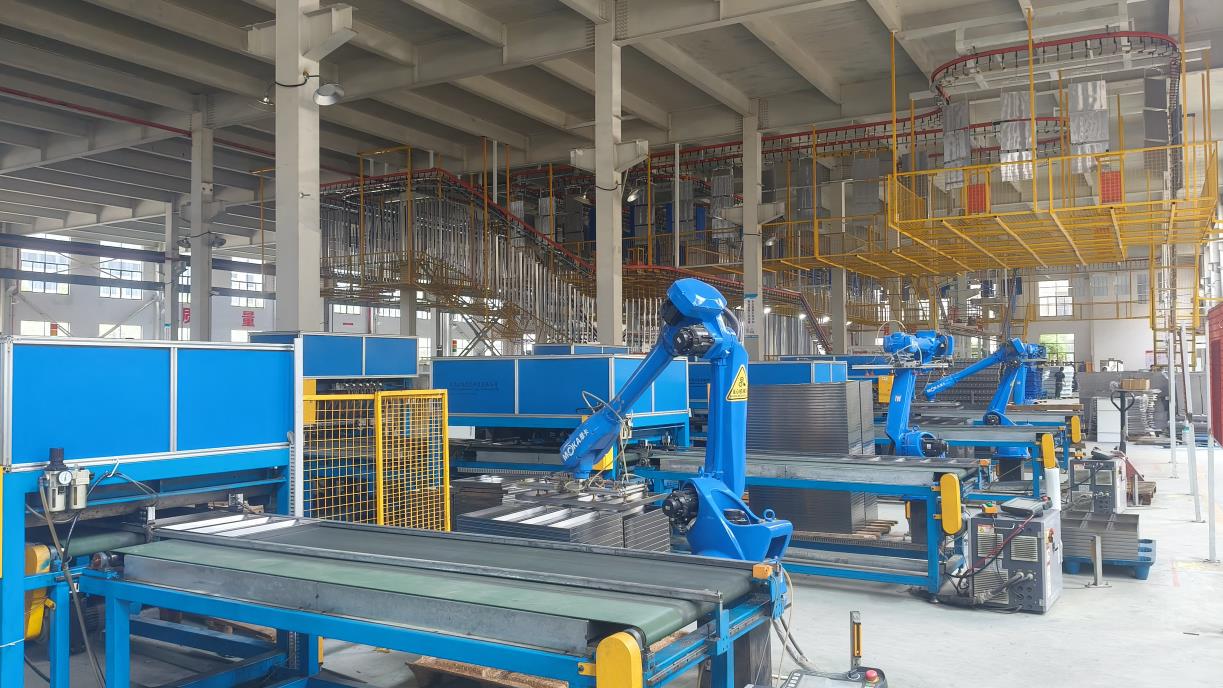
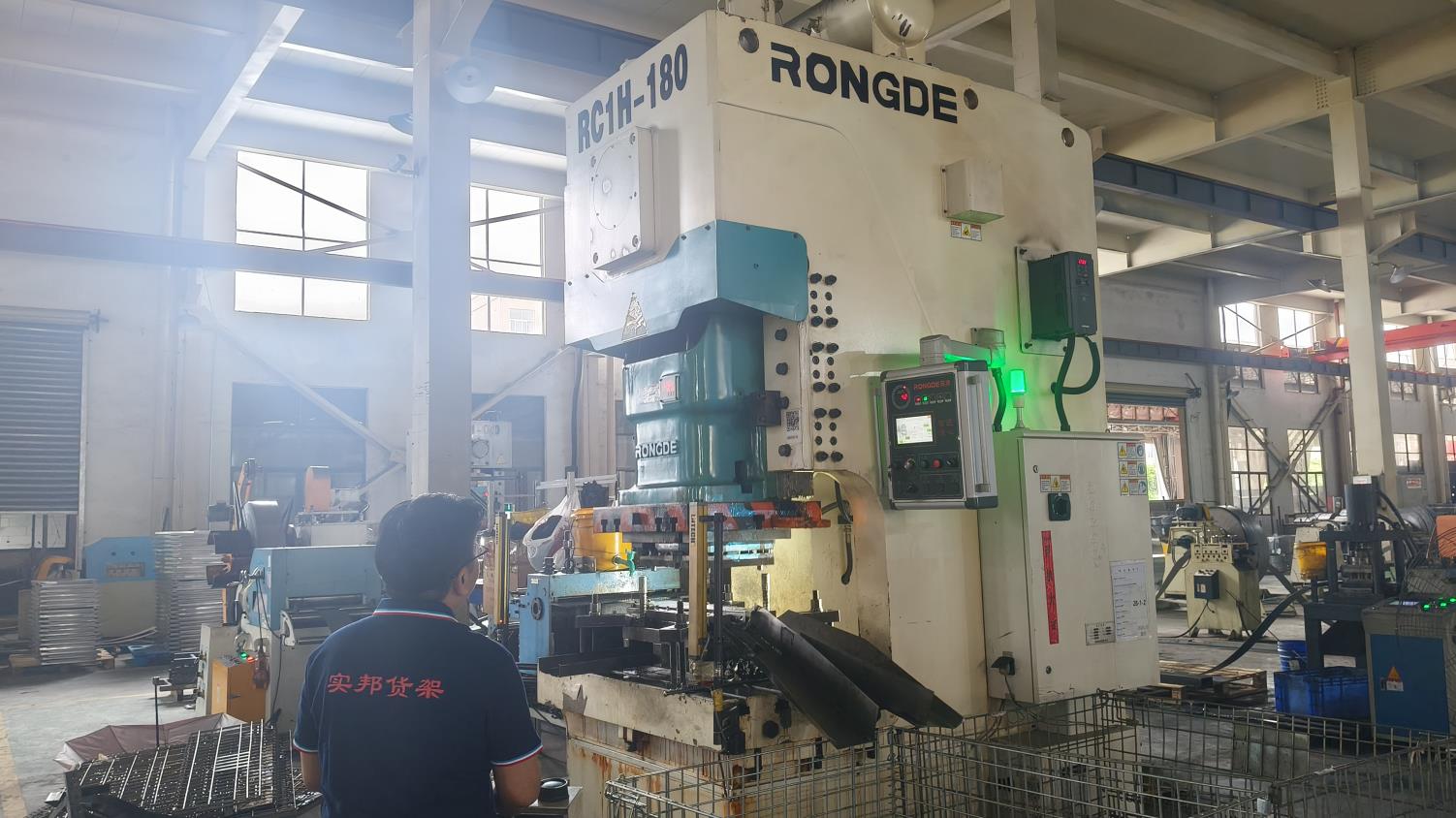
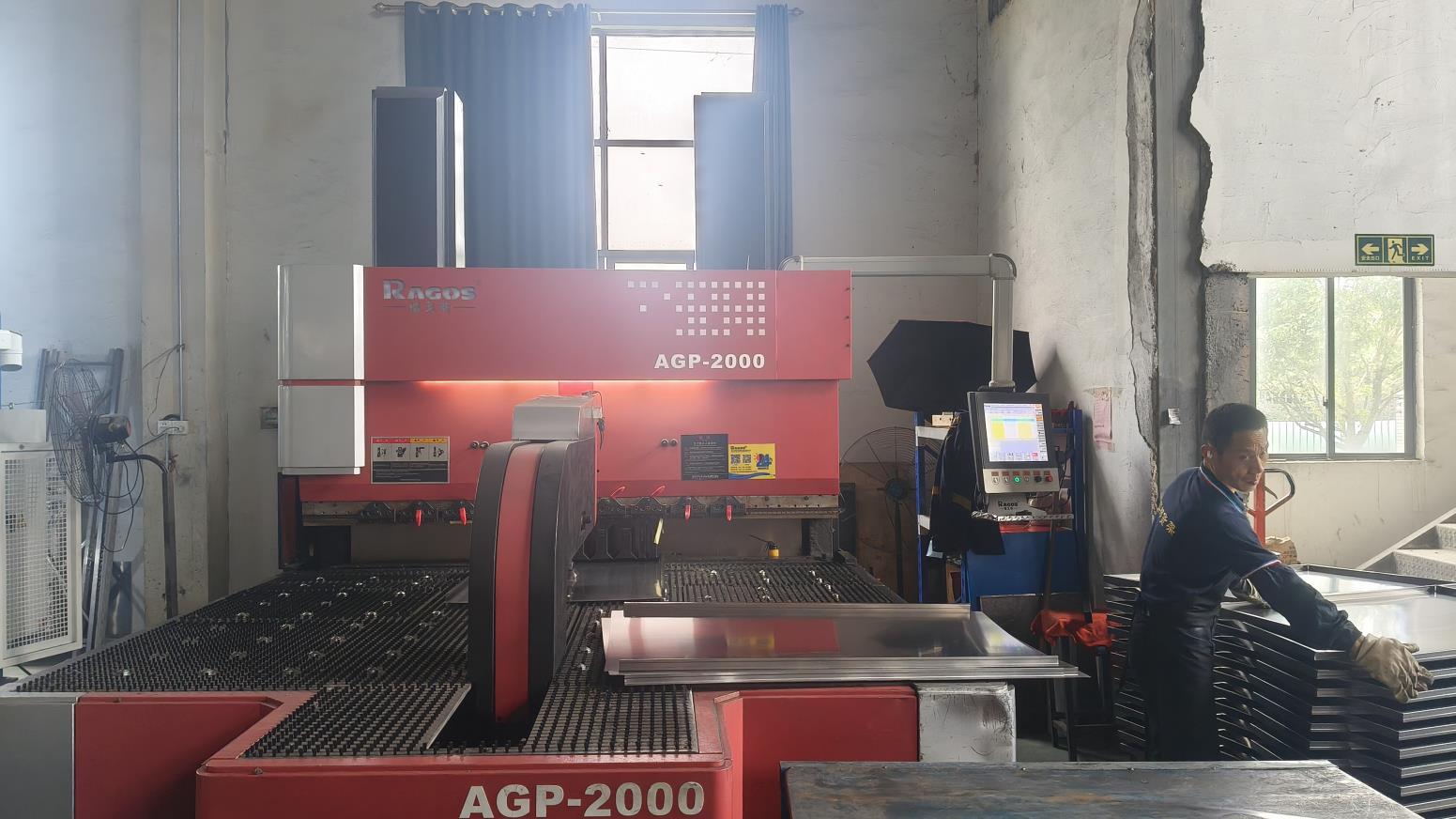
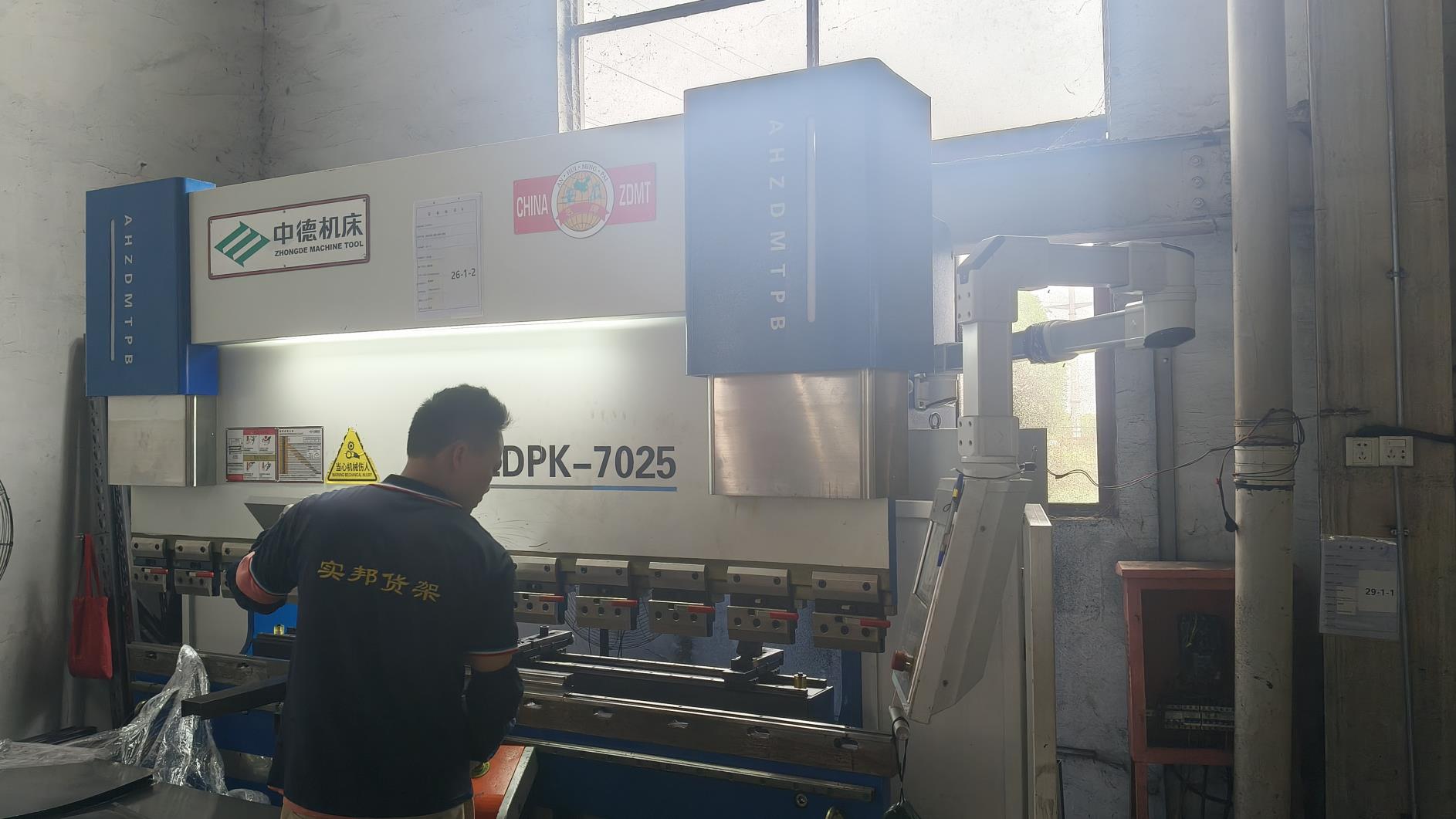
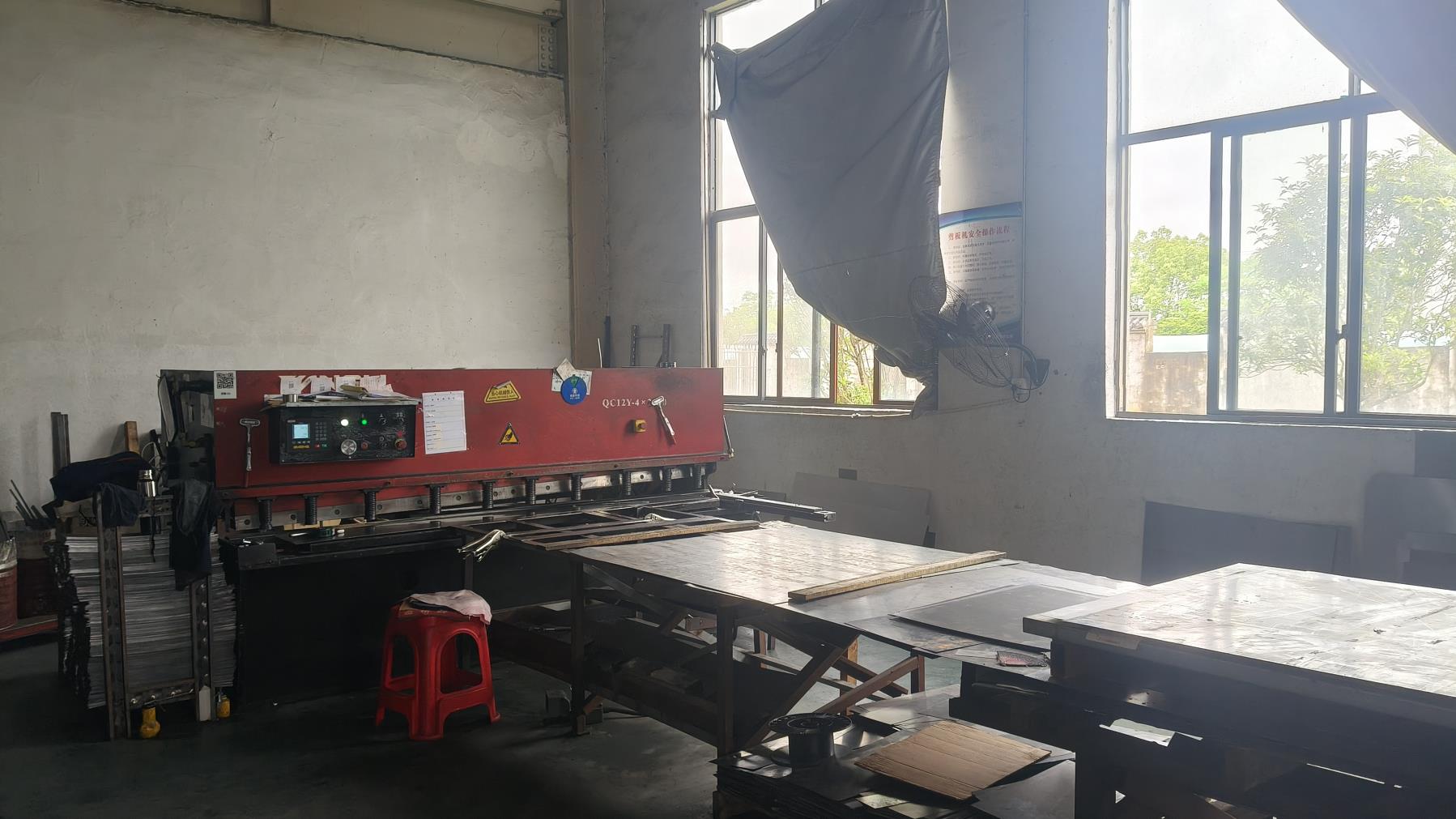
Every system undergoes testing to meet international warehouse requirements, ensuring structural stability under continuous load conditions.
At Guangdong Shibang, our quality management system is built around ISO 9001 quality control procedures. From the receipt of raw steel to final surface coating and packaging, every stage is monitored. Our professional quality inspection team of 65 experienced QC specialists maintains raw-material testing, welding inspections, powder coating assessments, load-bearing tests, and dimensional accuracy checks prior to global shipment.
Every steel profile is evaluated for tensile strength using high-grade carbon steel. Welded joints are analyzed via non-destructive methods to ensure uniform load distribution. For corrosion protection, we apply architectural-grade powder coatings that are cured at precise temperatures, protecting against rust, scratching, and chemical contact in high-humidity or cold-storage facilities.
| Test Parameter | Testing Protocol / Instrument | Acceptable Standards | Operational Impact |
|---|---|---|---|
| Raw Material Tensile Strength | Hydraulic Universal Testing Machine | ≥ 235 - 345 MPa (Q235B / Q345B Steel) | Prevents premature yield or deformation under capacity limit loads. |
| Welding Quality Control | Ultrasonic Flaw Detection / Visual Inspection | Zero structural cracks or continuous voids | Ensures stable joints under dynamic transport and seismic movement. |
| Surface Coating Thickness | Magnetic Induction Coating Thickness Gauge | 60 - 90 Microns (Powder Coated) | Provides scratch-resistance and rust-proofing for over 10 years of use. |
| Load Deflection Testing | Hydraulic Loading Test Rigs | Deflection < Span / 325 at max capacity | Maintains structural alignment and prevents forklift collision hazards. |
We deliver customized warehousing structures configured for international safety standards across diverse market conditions.
Our galvanized and powder-coated storage structures are engineered to perform in temperatures down to -40°C. Standard systems suffer from brittle failure at low temperatures, but our selected steel grades preserve impact toughness, preventing rust from ice condensation.
Automotive components like engines, tires, and body panels require specialized storage. Custom side supports, security walls, and drop-gates allow parts to be stacked up to four tiers high, protecting components from crushing damage.
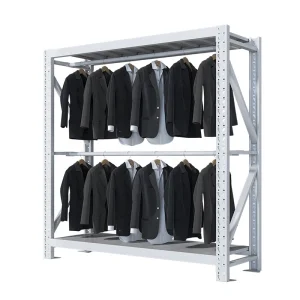
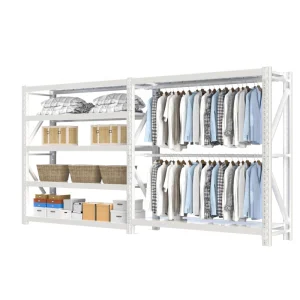
E-commerce warehouses process high order volumes. Our boltless shelving systems, garments racks, and light-duty stacking containers can be organized into dynamic pick faces, enabling efficient sorting and quick access.
Guangdong Shibang supports a global supply network of more than 1,200 reliable partners. This strong chain allows us to maintain stable raw materials, high production capacity, and competitive pricing. Our international experience spans key markets including North America, Europe, Southeast Asia, the Middle East, Africa, and South America, with primary distribution in the United States, Germany, the United Kingdom, Australia, Saudi Arabia, Thailand, and Mexico.
Each design is tailored to local regional compliance, whether adhering to the Rack Manufacturers Institute (RMI) standards in the USA, the EN standard 15512 in Europe, or AS4084 in Australia. This ensures quick local engineering approvals and compliance with workplace safety inspections.
Innovating high-density warehousing with R&D engineering and automation integration.
Automation requires precise positioning. Our engineering team (comprising 28 experienced R&D engineers) designs racking profiles with tight dimensional tolerances, allowing automated guided vehicles (AGVs) and autonomous mobile robots (AMRs) to retrieve and store containers smoothly.
Environmental requirements are tightening globally. We use eco-friendly powder-coating formulations that emit zero volatile organic compounds (VOCs). These coatings provide corrosion protection while meeting strict environmental standards in the EU and North America.
Our R&D department develops approximately 120 new products annually. This active development ensures we can provide customized solutions, including tailored loading capacities, specific footprints, and warehouse storage optimization configurations.
Heavy-duty racking configurations and specialized handling systems engineered for high efficiency.
Detailed structural engineering answers to support procurement planning and safety evaluations.
 Shibang Storage Rack