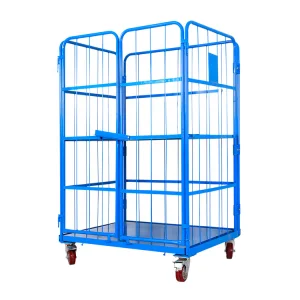
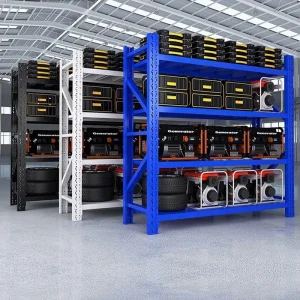
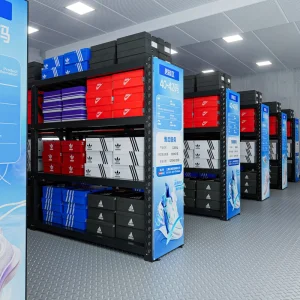
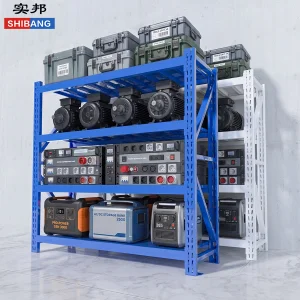
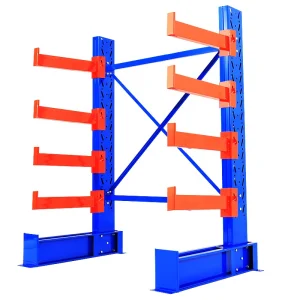
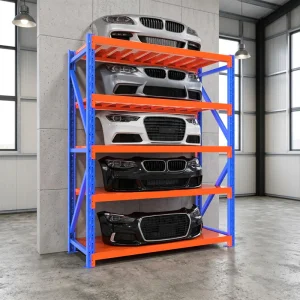
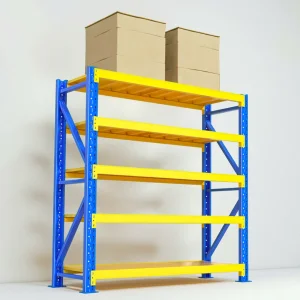
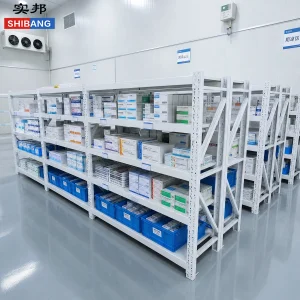
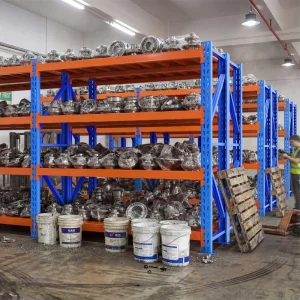
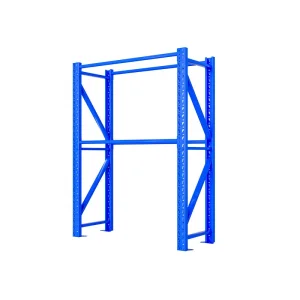
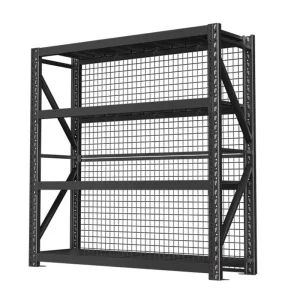
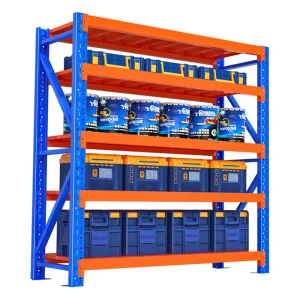
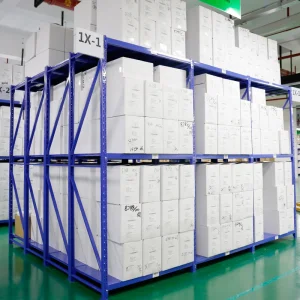
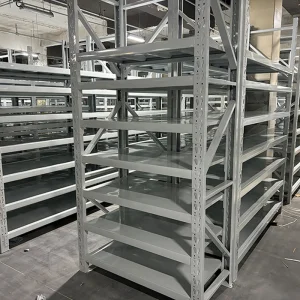
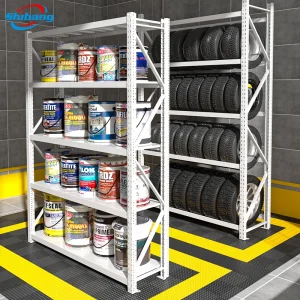
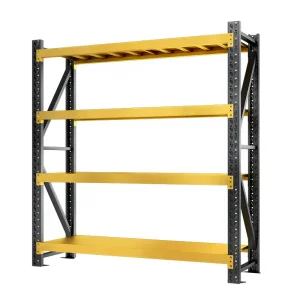
Engineered to handle extreme loads while optimizing horizontal and vertical warehouse footprint.
An in-depth analysis of structural integrity, engineering requirements, global compliance, and manufacturing standards for enterprise warehousing.
Modern global logistics networks demand structural scaling on an unprecedented level. As supply chain nodes transition to high-density hubs, warehousing systems must withstand astronomical weights. Heavy-lift racking systems serve as the structural backbone for heavy industry, dry storage, cold chains, automotive manufacturing, and chemical containment centers. Global procurement managers now require systems designed not just for storage, but for systemic safety, seismic adaptation, and dynamic loads.
From a macroscopic perspective, material handling architectures are experiencing a shift towards automated storage integration. In this environment, tolerance ranges shrink significantly. Precision engineering of steel profiles, dynamic bending calculations, and uniform structural load-bearing parameters are no longer minor details; they are critical pathways to prevent catastrophic structural collapse and operational downtime.
Established in 2016, Guangdong Shibang Storage Rack Co., Ltd. has established itself as an industry leader, specializing in warehouse storage racks, industrial shelving systems, and custom storage solutions. Operating out of a massive 35,000㎡ modern production facility, we design, engineer, and manufacture top-tier heavy-lift racks that empower supply chains globally.
Shibang has combined 15 years of industry experience in structural steel fabrication with 8 years of dedicated export operations, bringing high-capacity storage solutions directly to international markets. With an annual export valuation exceeding USD 18 million, our solutions are engineered to meet global compliance standards. Our advanced quality assurance pipeline is supported by 65 QC specialists, executing structured checks from raw material analysis through welding verification, electrostatic powder coating consistency inspections, and load limit verification testing.
We source structural Q235B and Q345B steel grades, which offer optimal yield strength and flexibility under peak weight conditions.
Our 28 experienced R&D engineers develop solutions that calculate seismic load distributions and high-impact structural resistance.
From the United States to Germany, Australia, and Saudi Arabia, our distribution channels support end-to-end containerized logistics.
A legacy built on precision, scalability, and certified structural performance.
Enterprise procurement teams must approach heavy-lift racking acquisition with strict engineering protocols. Selecting the cheapest fabricator often introduces structural risks. Procurement must evaluate:
• Steel Profile Geometry: Check upright beam cross-sections and thickness tolerances. Standard heavy-lift channels require roll-formed profiles with multiple bends to increase load capacities.
• Connector Configuration: Choose 3-hook or 4-hook connectors with safety lock pins to prevent accidental dislodgement from forklifts.
• Finish Durability: Epoxy powder coating provides high scratch resistance and protection against corrosion in humid or cold storage facilities.
Additionally, working with a factory with deep upstream relationships—such as Shibang's network of over 1,200 raw material and component partners—ensures reliable pricing and production timelines during supply chain disruptions.
Racking systems must fit the specific requirements of the storage environment. For cold storage facilities, temperature-resistant steel and specialized surface coatings prevent zinc flaking and structural embrittlement. In automated warehouses, heavy-lift rack structures must integrate seamlessly with cranes, shuttles, and automated guided vehicles (AGVs), which require tight manufacturing tolerances to avoid mechanical interference.
Our quality management system centers on ISO 9001 quality control procedures, incoming material inspection, production process monitoring, and finished product testing. We conduct rigorous stress tests to confirm material structural integrity, including load cell deflection tests and chemical alloy compositions verification. This ensures our racks consistently withstand their rated capacities.
A look at the advanced machinery and automated processes behind our heavy-lift racking systems.
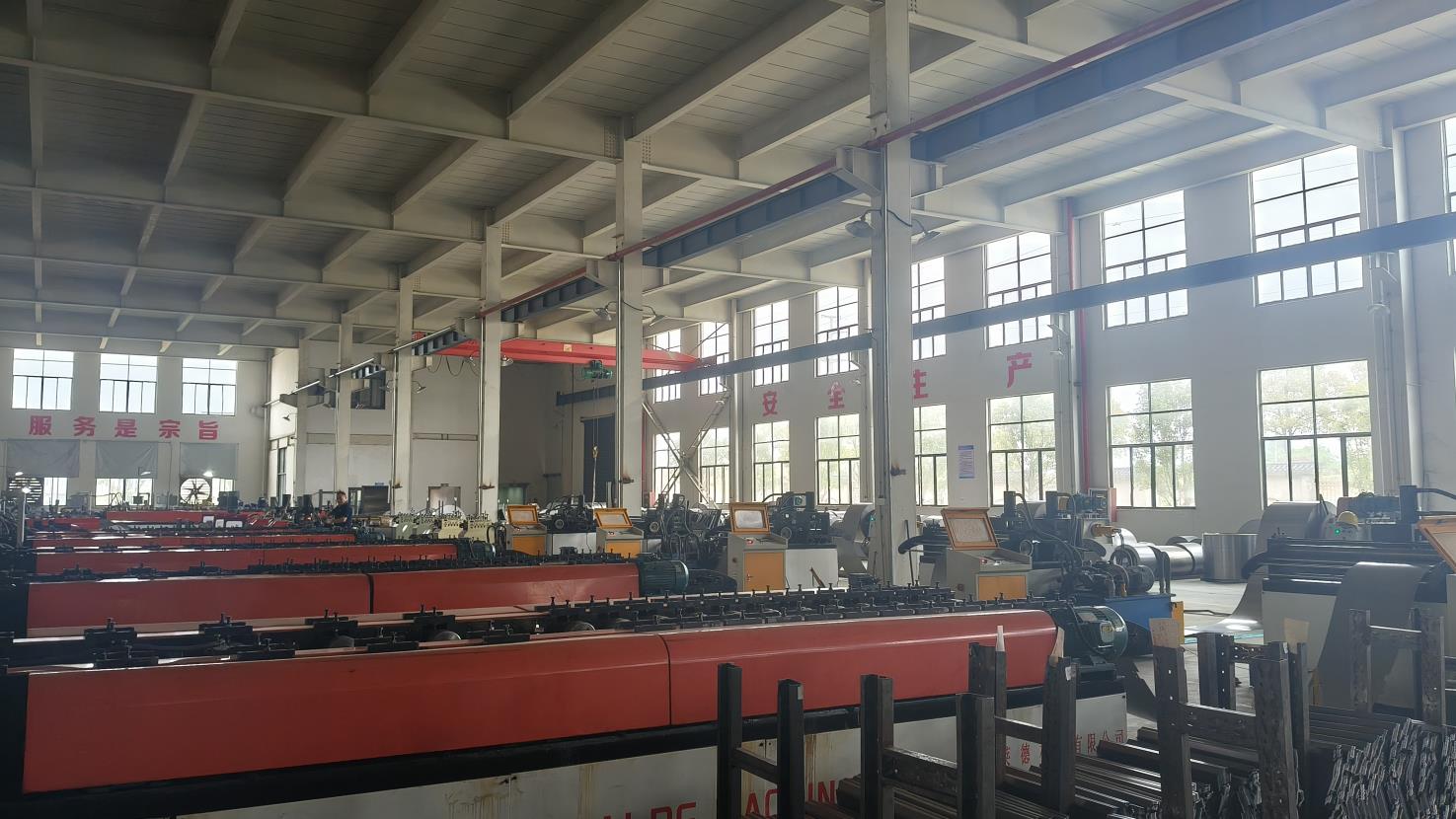
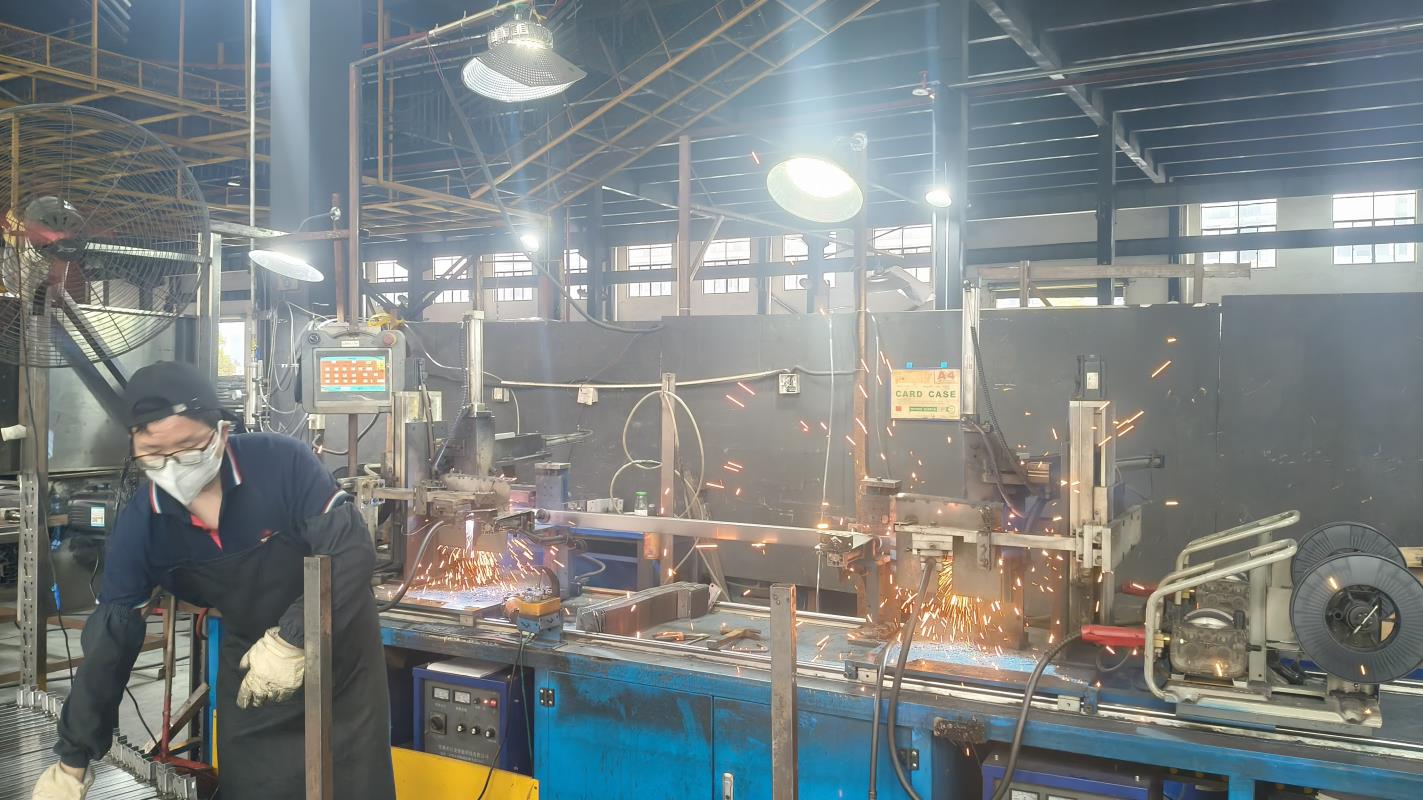
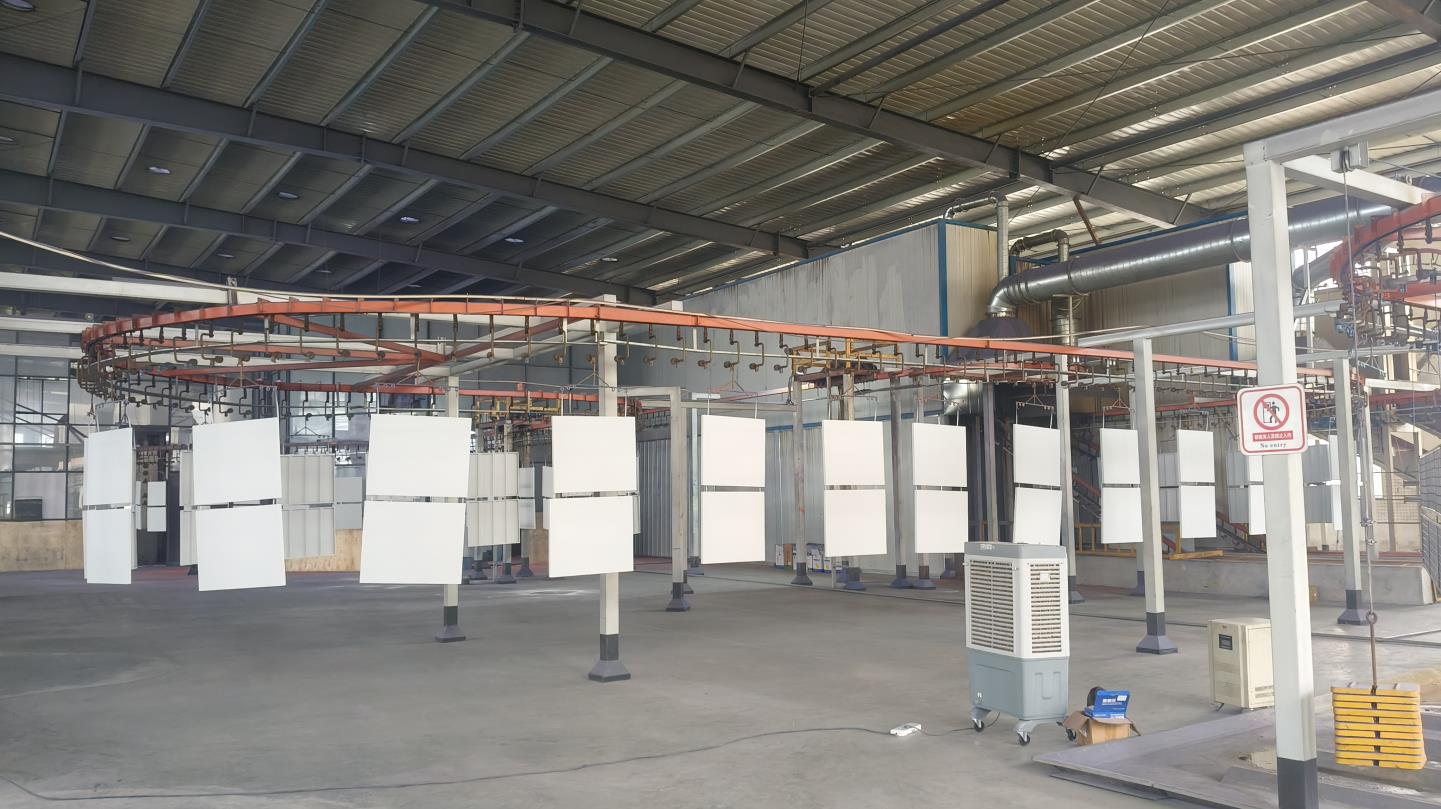
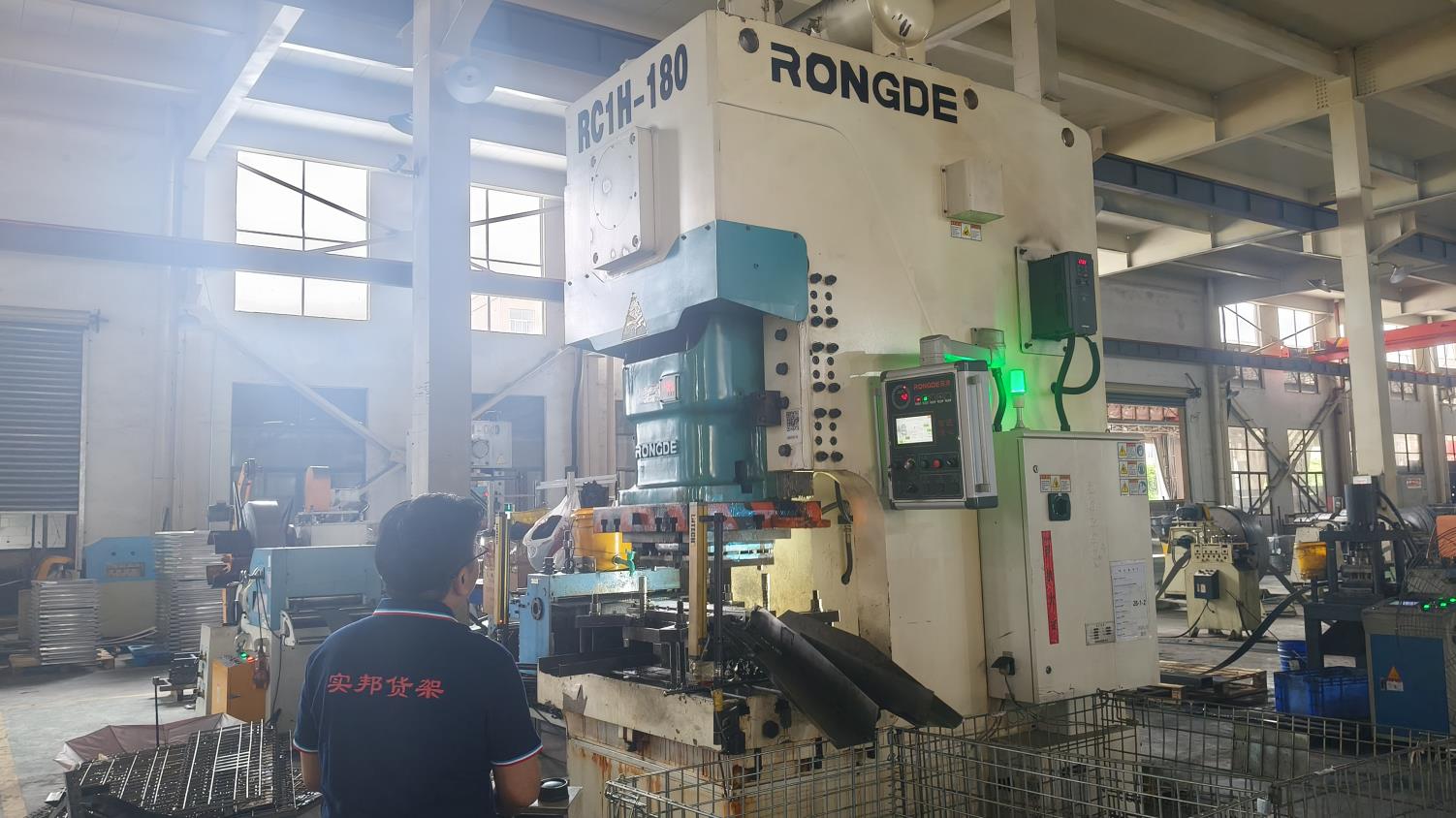
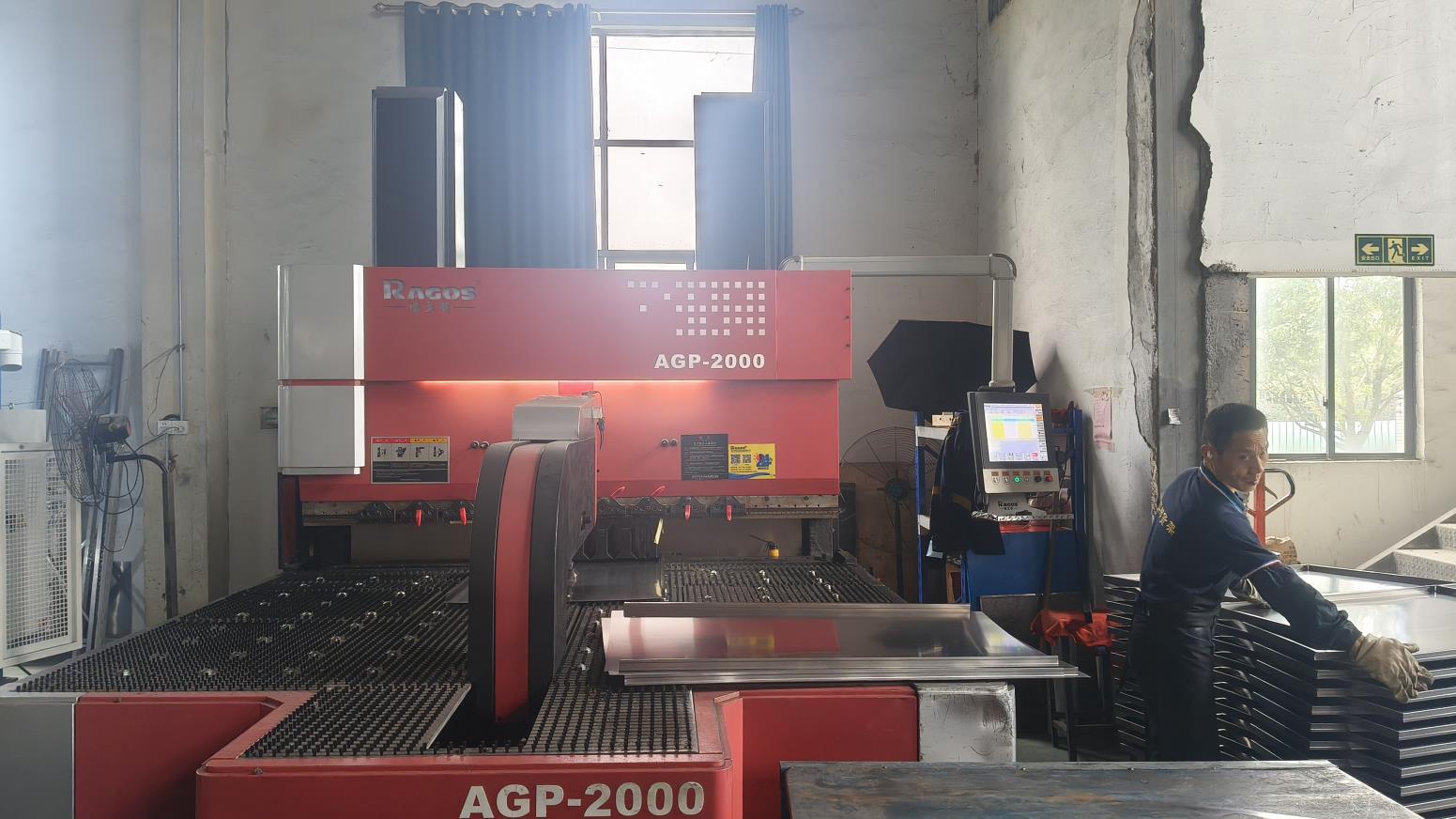
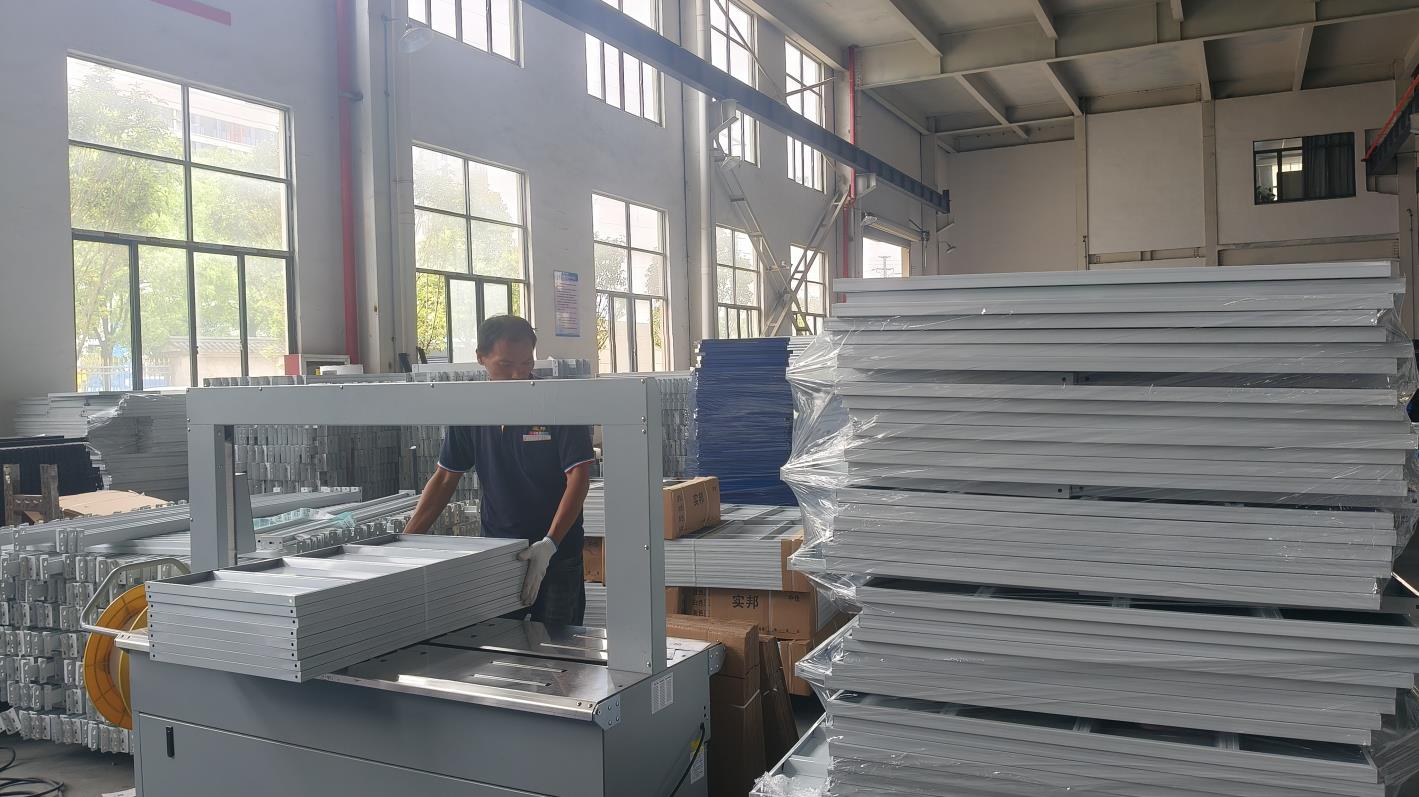
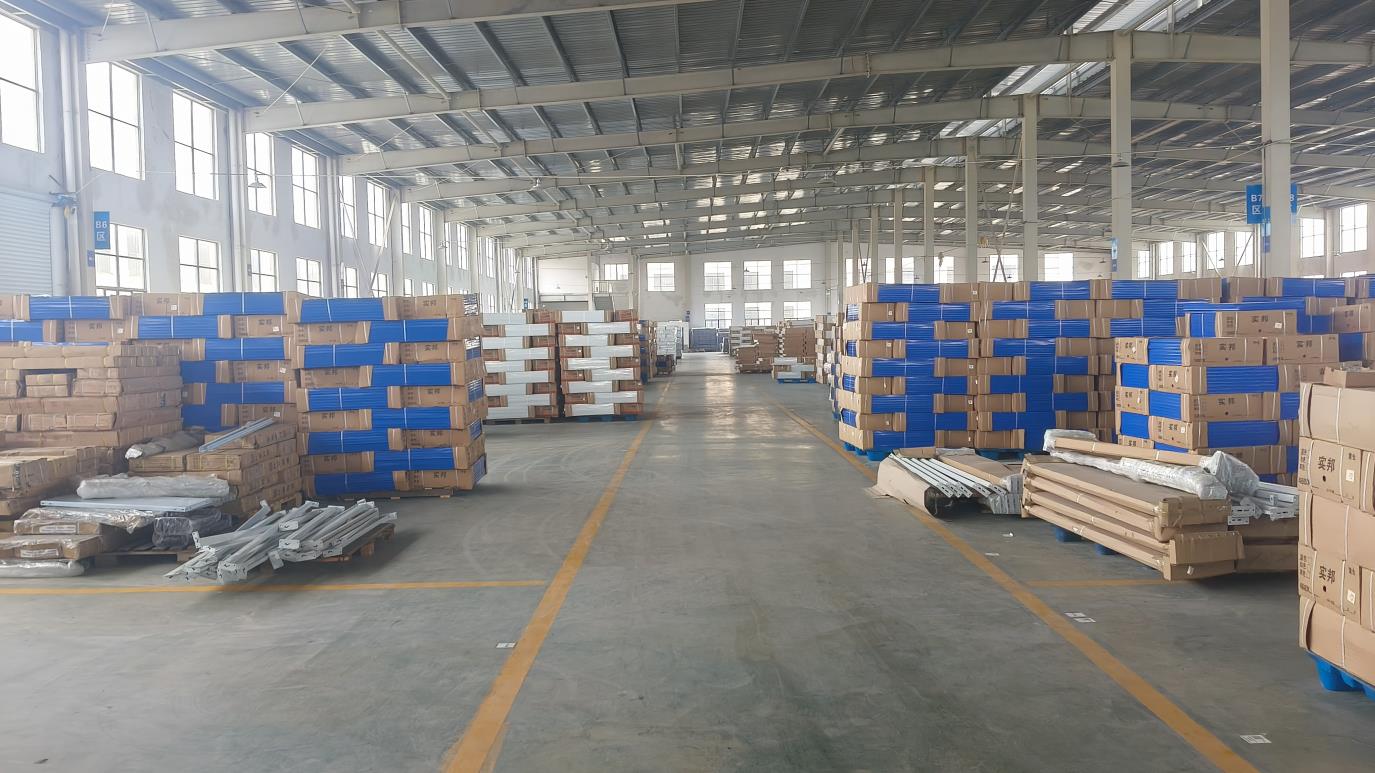
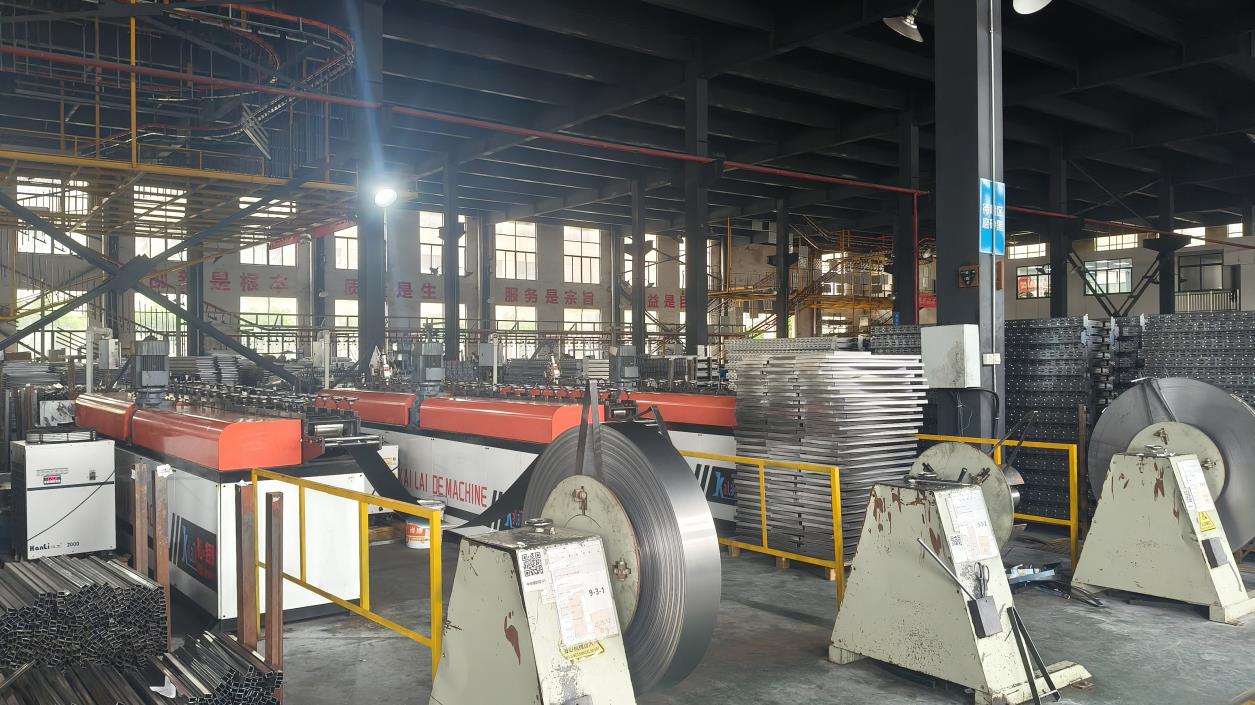
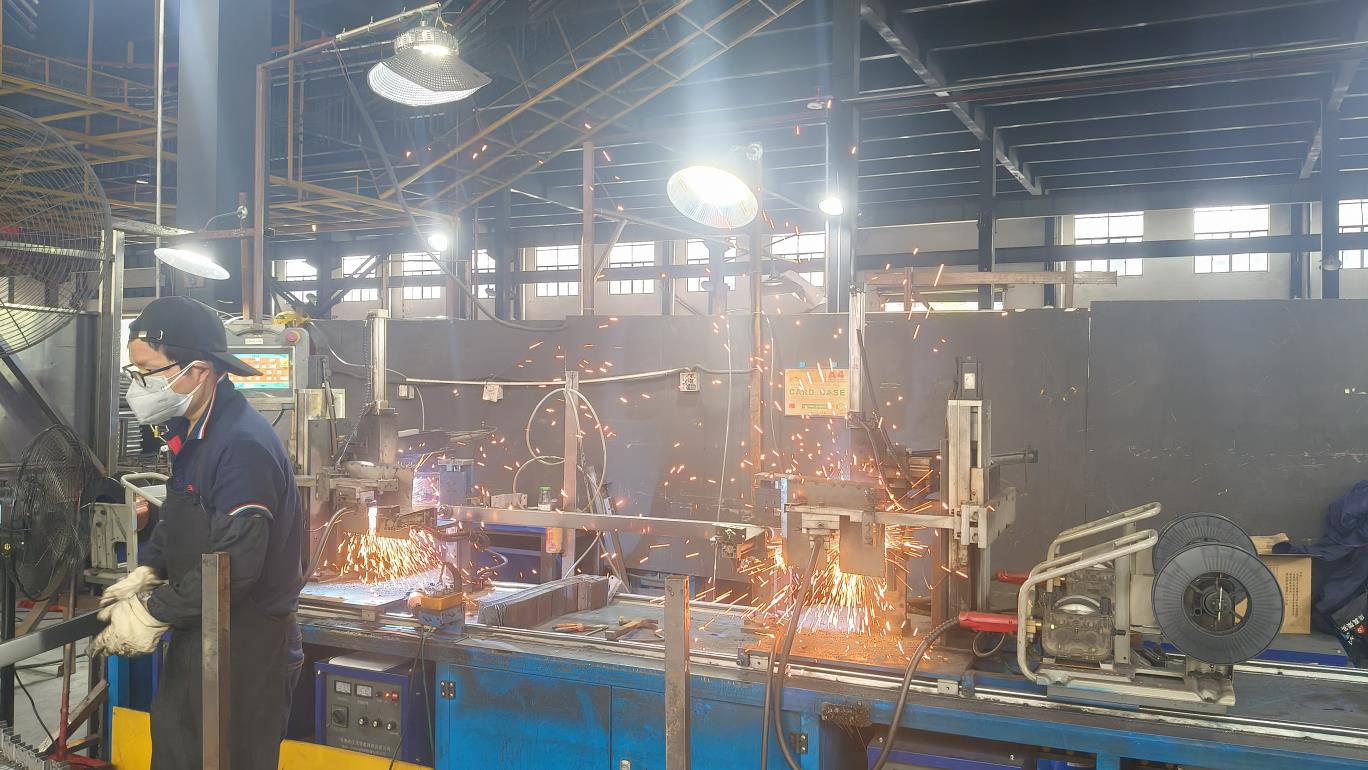
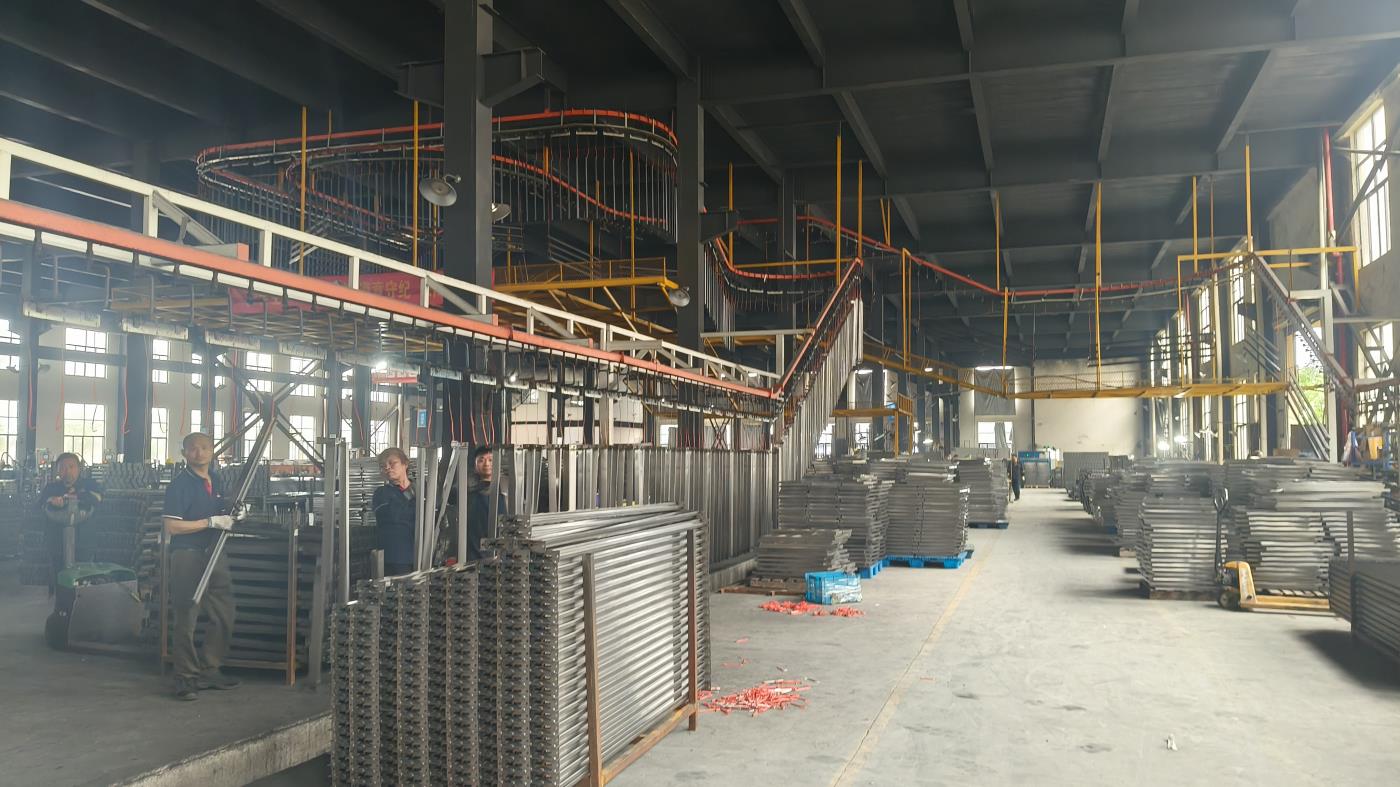
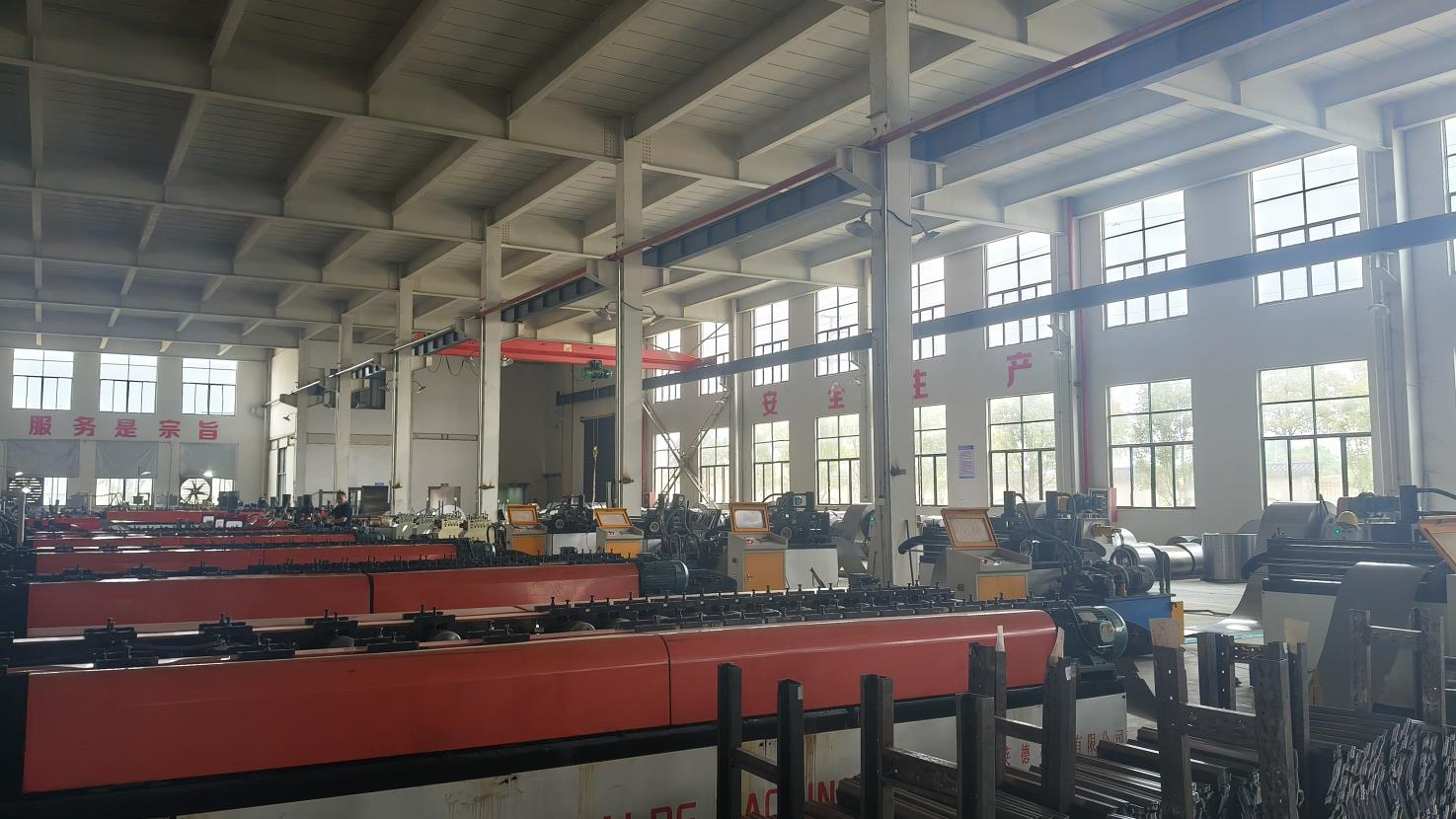
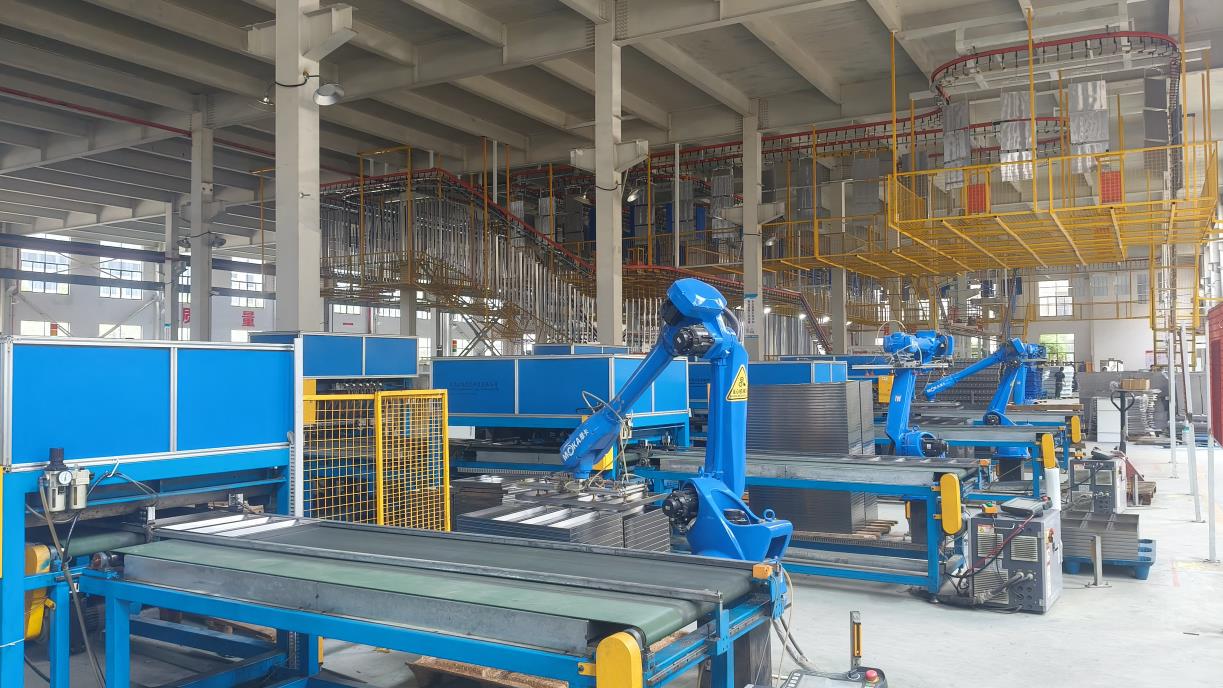
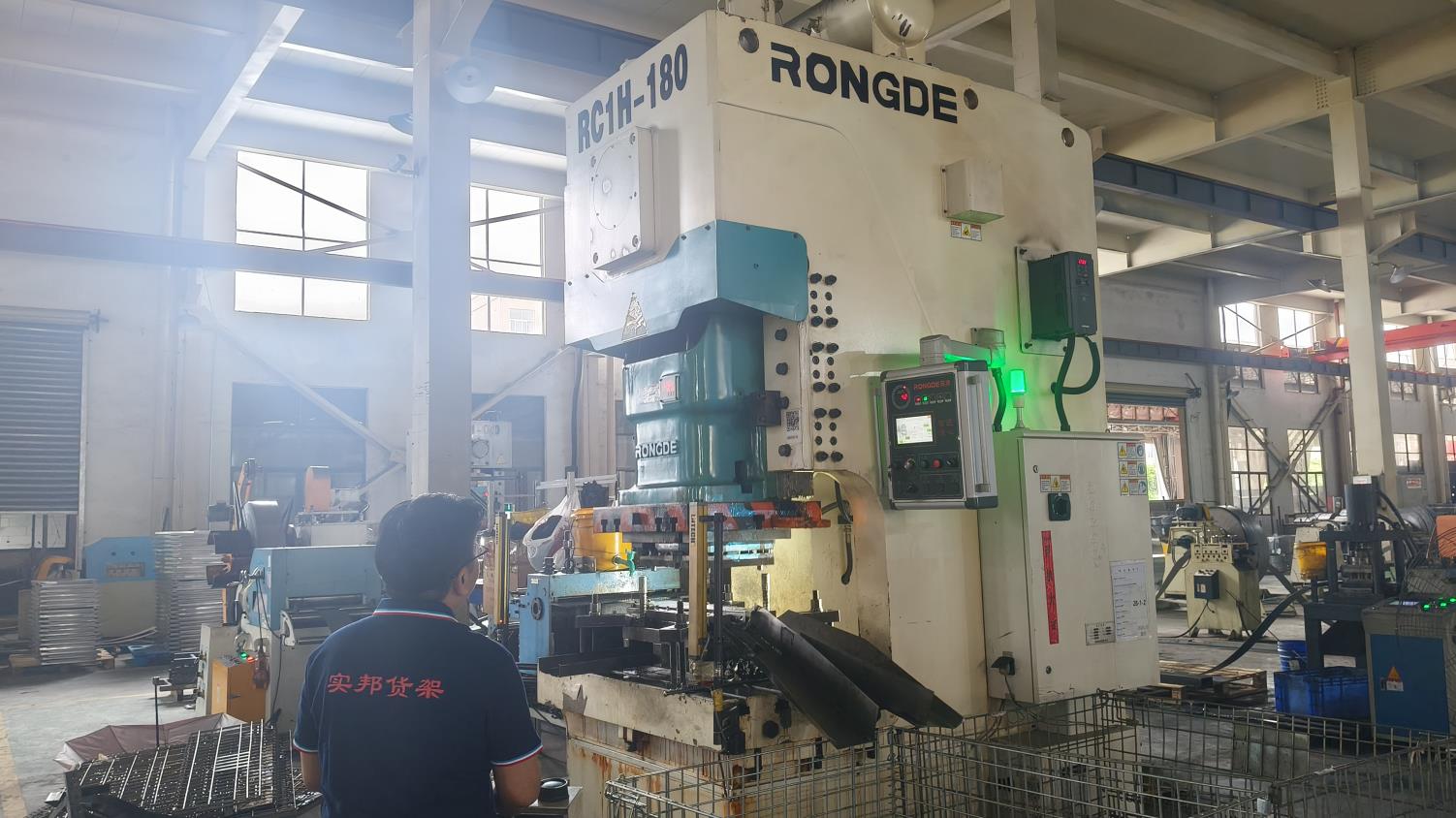
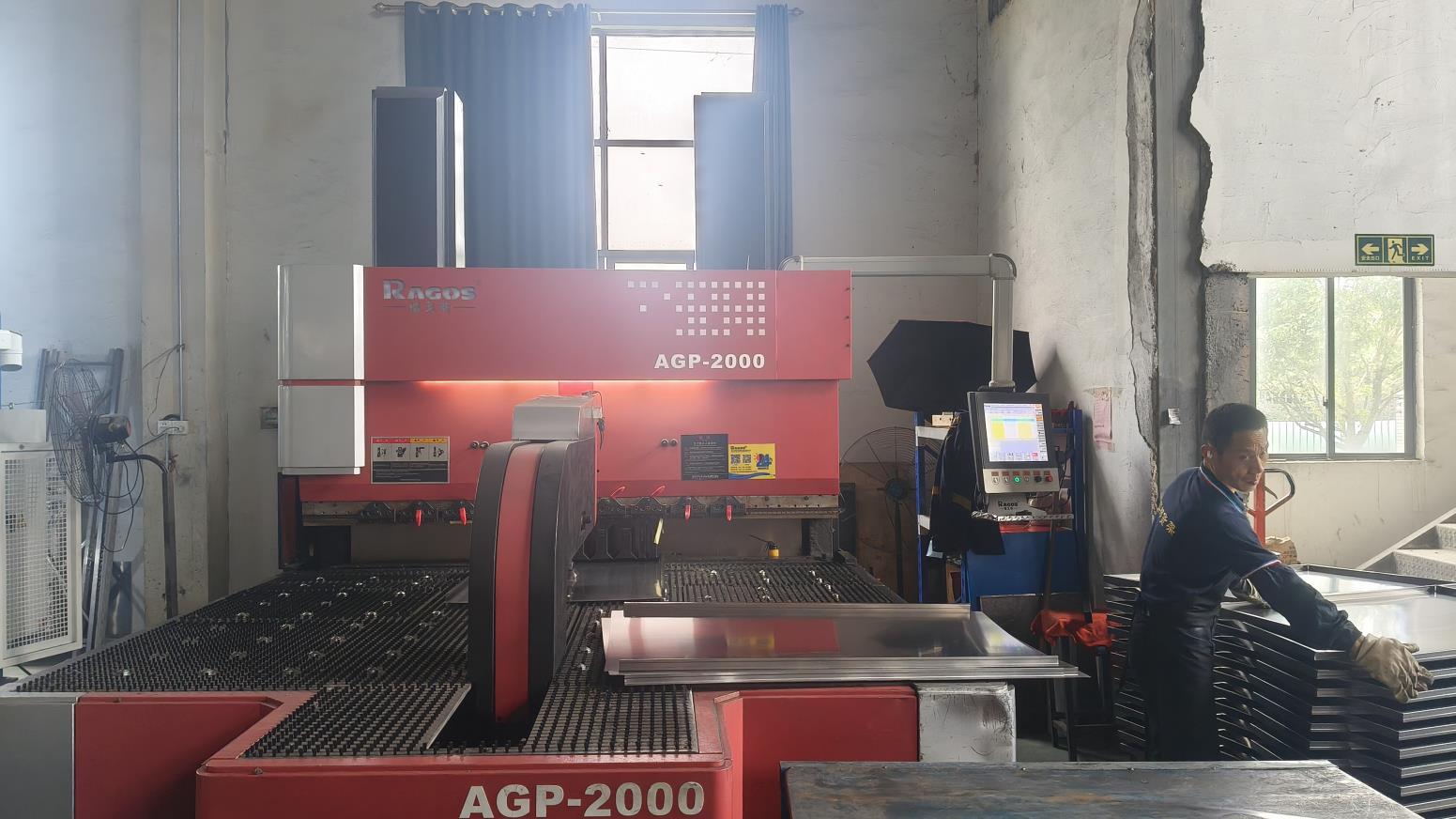
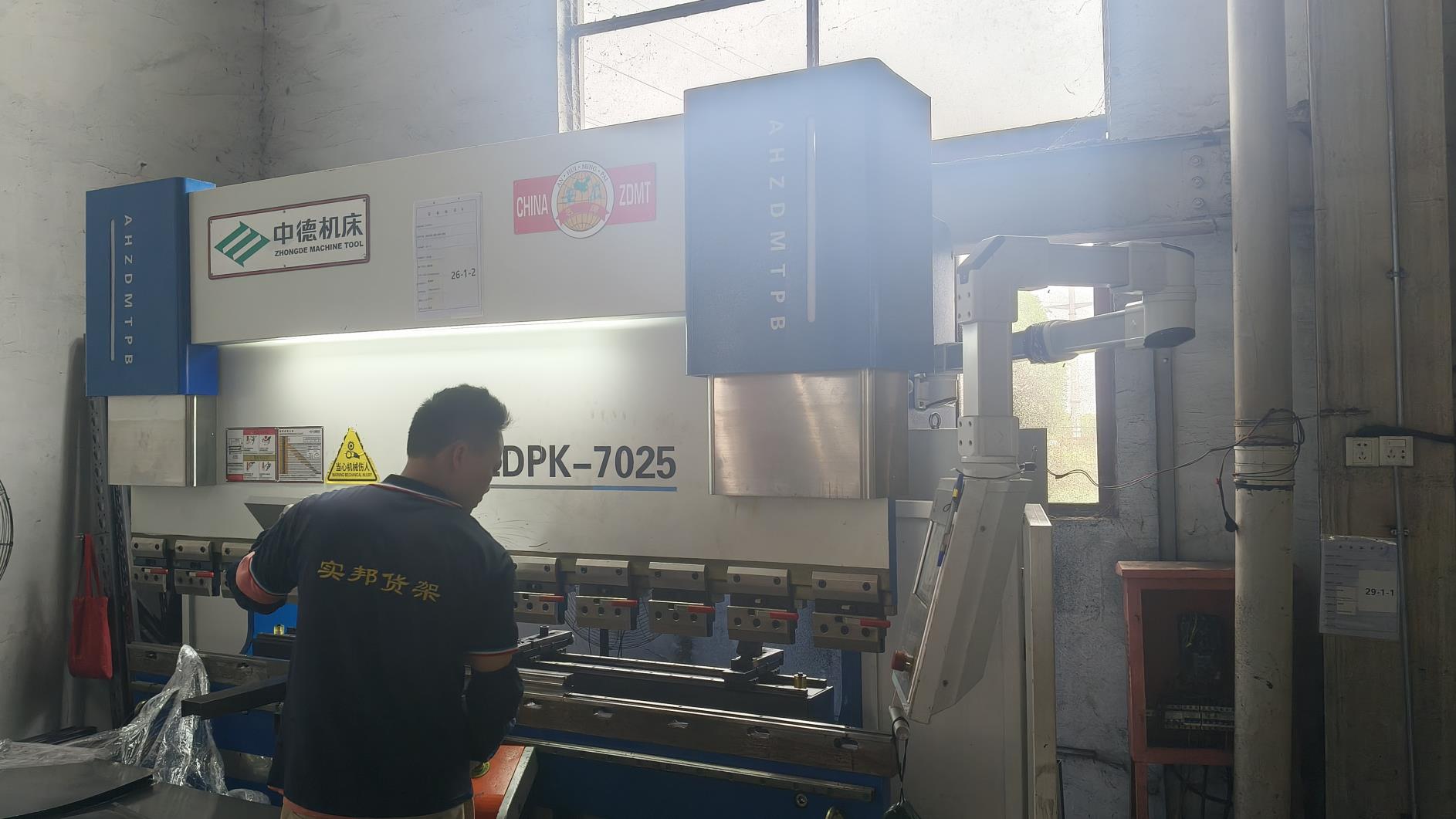
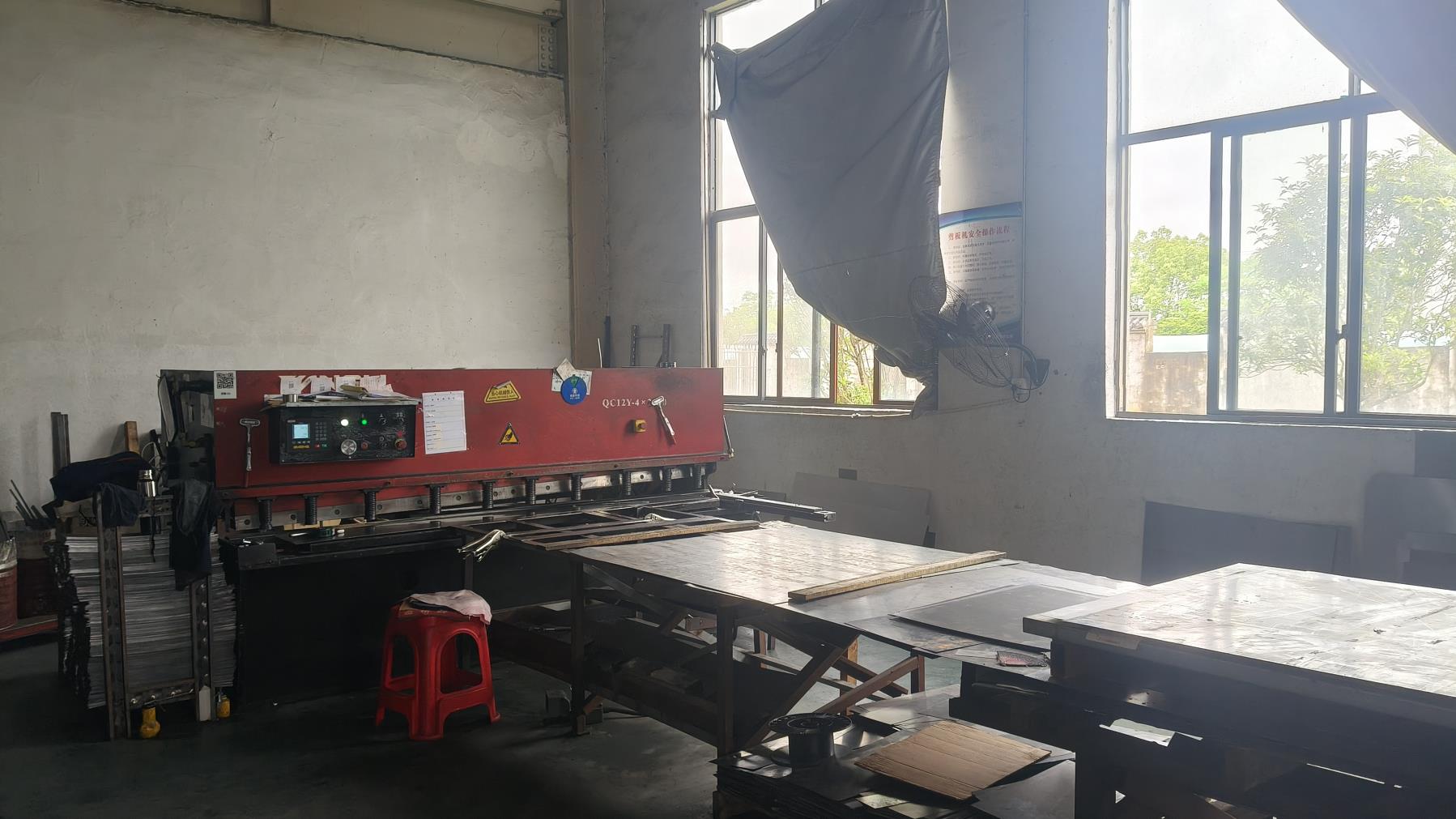
The industrial storage industry is shifting from static steel configurations to interactive, smart systems. Structural design now incorporates real-time load cell monitoring. Sensors embedded in support beams track load and deflection metrics. This dynamic feedback helps prevent issues by warning logistics staff if loading limits are exceeded.
Additionally, seismic engineering now utilizes base isolation technology within structural frame connections. Rather than rigid anchoring, which can fracture during high-amplitude seismic waves, modern structures allow controlled displacement. This design helps dissipate kinetic energy and helps safeguard inventory and nearby operations.
Heavy-lift racking components must comply with regional engineering and building codes. For the North American market, systems should conform to RMI (Rack Manufacturers Institute) guidelines. For European applications, engineering must align with FEM (Fédération Européenne de la Manutention) standards. Non-compliant configurations can lead to legal issues, insurance challenges, and workplace safety concerns.
Guangdong Shibang supports deployment with compliance documentation, site layout recommendations, and anchoring guidelines. Our systems are engineered to withstand regional wind and seismic factors, helping to ensure long-term structural safety.
Key technical explanations for warehouse administrators, structural engineers, and logistics procurement managers.
From light-duty shelving to industrial pallet systems, we build solutions for every logistics application.
 Shibang Storage Rack