Premium selection of engineered steel structures and modular warehousing systems designed for optimal space utilization.
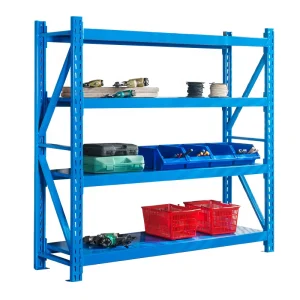
A whitepaper analyzing design parameters, safety integration, and structural longevity.
In the domain of global logistics, space utilization and throughput efficiency are critical variables. Pallet Flow Storage (commonly referred to as gravity flow racking) operates on the First-In, First-Out (FIFO) principle. Heavy loaded pallets slide down inclined lanes equipped with rollers or skate wheels using gravity. By minimizing forklift travel paths, these systems can double or triple storage density compared to traditional selective racking, while drastically reducing energy consumption and operation times.
Designing a system that utilizes kinetic energy requires strict adherence to mechanical principles, steel specifications, and deceleration technologies. This document serves as an exhaustive procurement resource for supply chain directors, warehouse operators, and engineering firms looking to integrate these high-performance rack designs into modern automated environments.
A deep dive into advanced production technologies, manufacturing capacity, and quality management protocols.
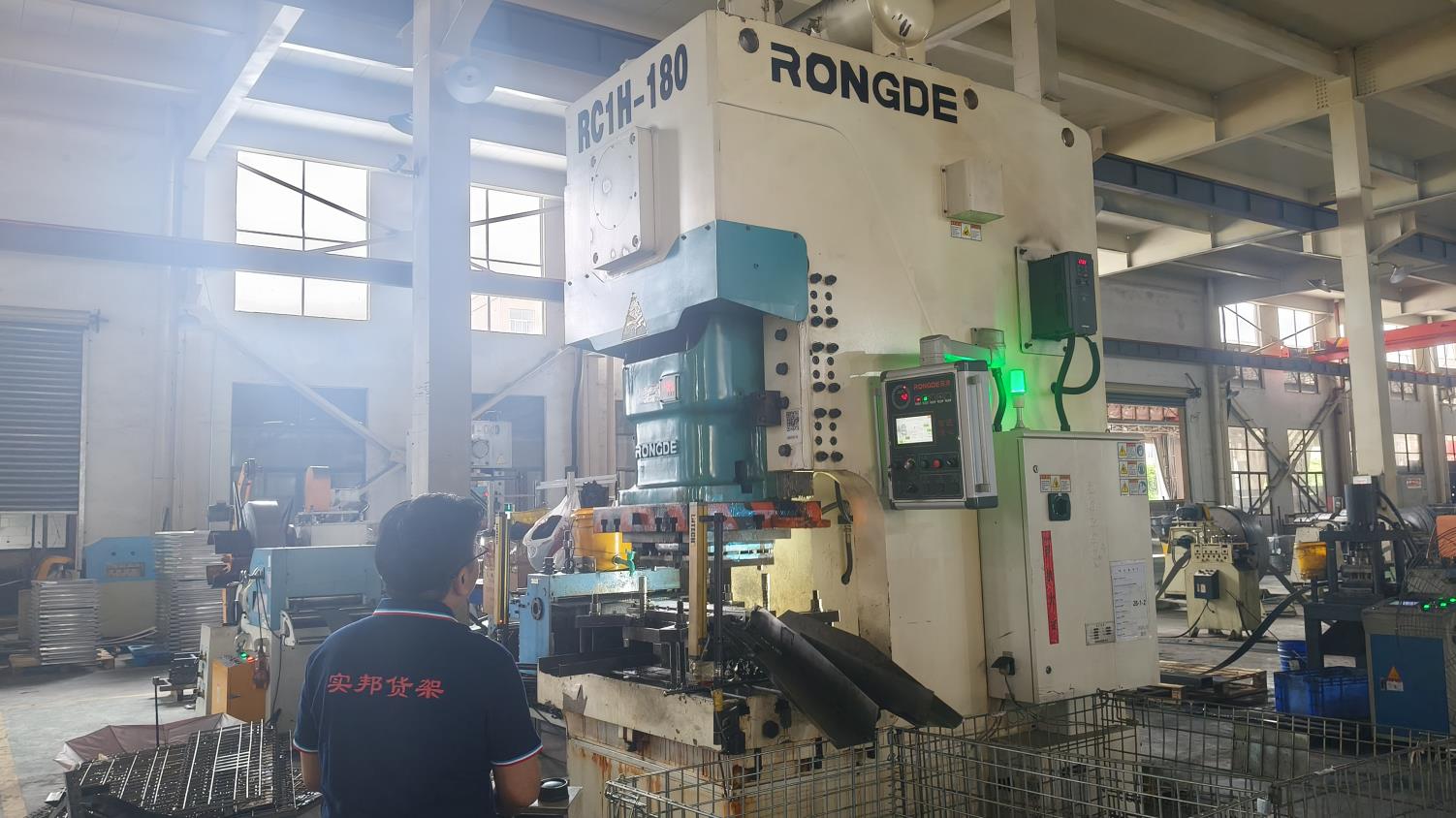
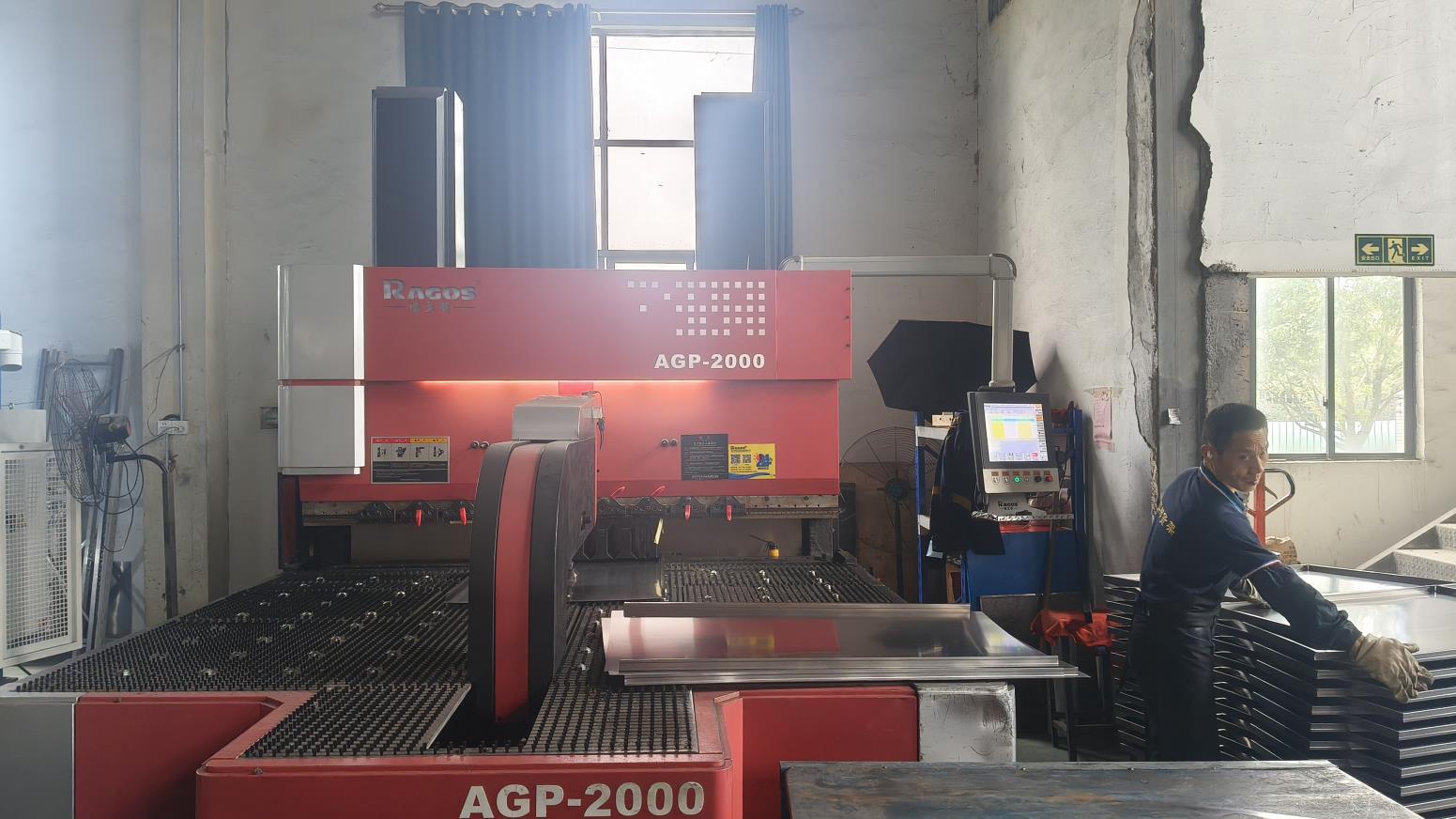
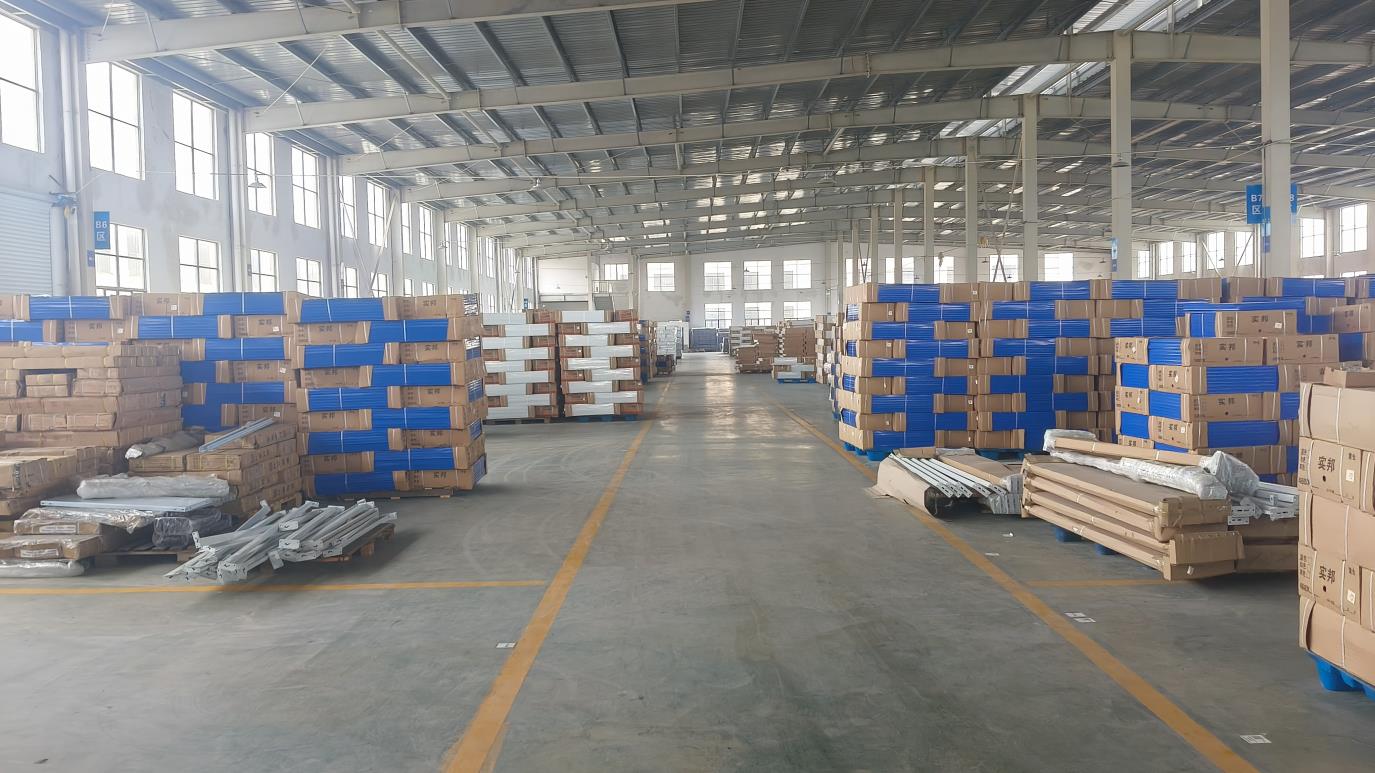
Established in 2016, Guangdong Shibang Storage Rack Co., Ltd. represents the standard of Chinese high-capacity industrial racking manufacturing. Shibang utilizes a state-of-the-art 35,000㎡ modern production facility, operating with an annual export revenue of approximately USD 18 million. Having accumulated 15 years of industry experience in storage rack engineering, the company provides end-to-end global supply services to system integrators, warehouse operators, and logistics developers globally.
Shibang’s QA process features rigorous ISO 9001 quality control procedures, incoming material inspection, production process monitoring, and finished product testing. To ensure mechanical reliability, structural components undergo raw material testing, welding inspection, surface coating inspection, load-bearing testing, and dimensional accuracy checks before container loading and ocean dispatch. This process is monitored by a team of 65 experienced QC specialists.
Backed by 28 engineers, developing 120 new warehouse designs annually, specializing in custom load configurations.
Structural modeling optimized to comply with EN 15512 and standard RMI protocols for high-intensity zones.
Export footprints across the United States, Germany, the UK, Australia, Saudi Arabia, Thailand, and Mexico.
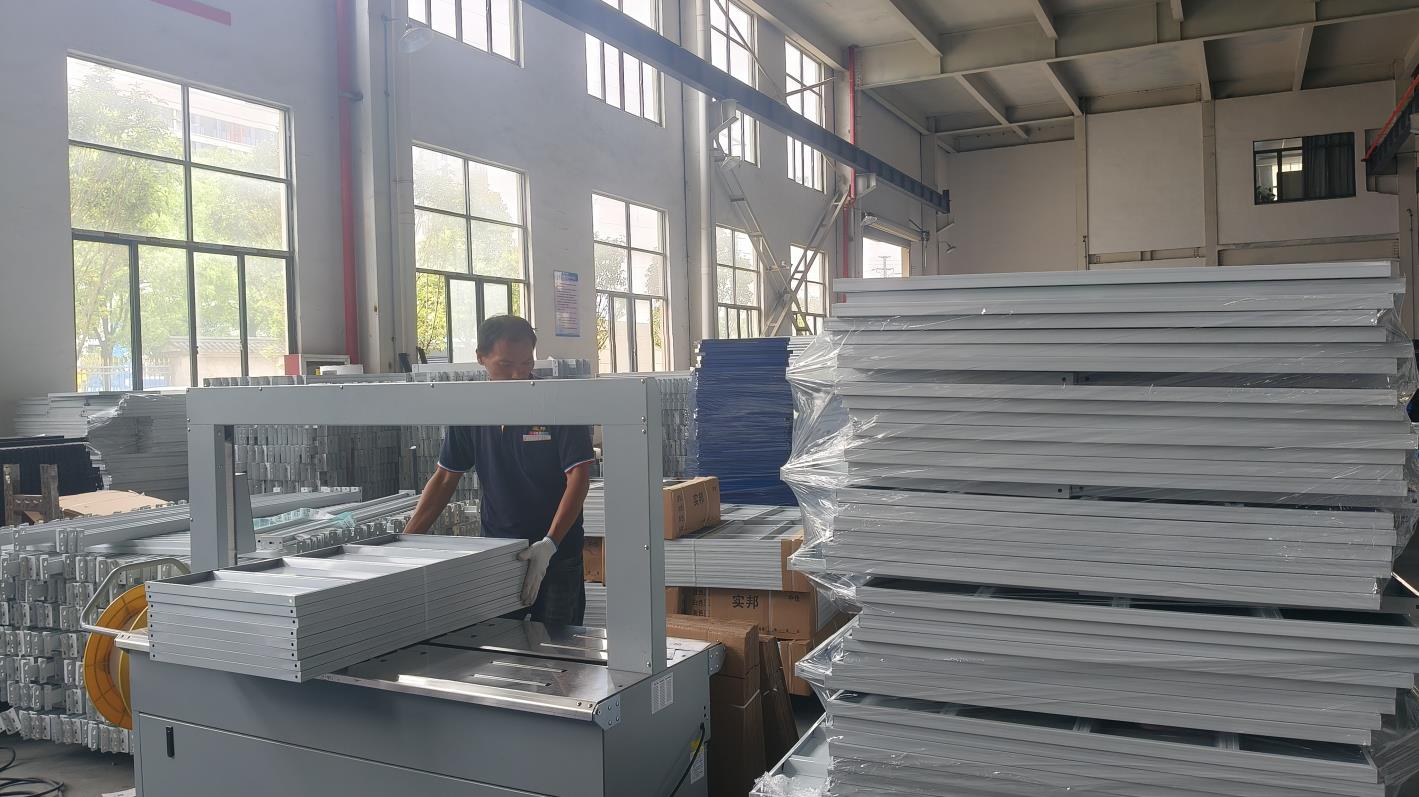
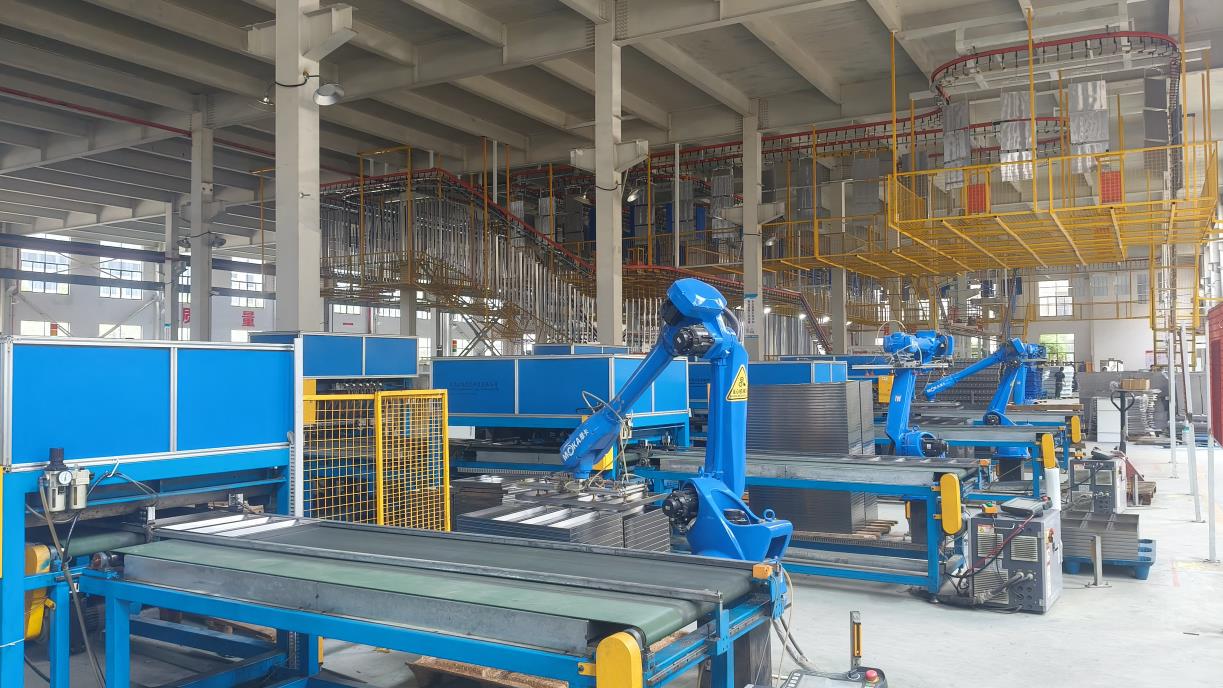
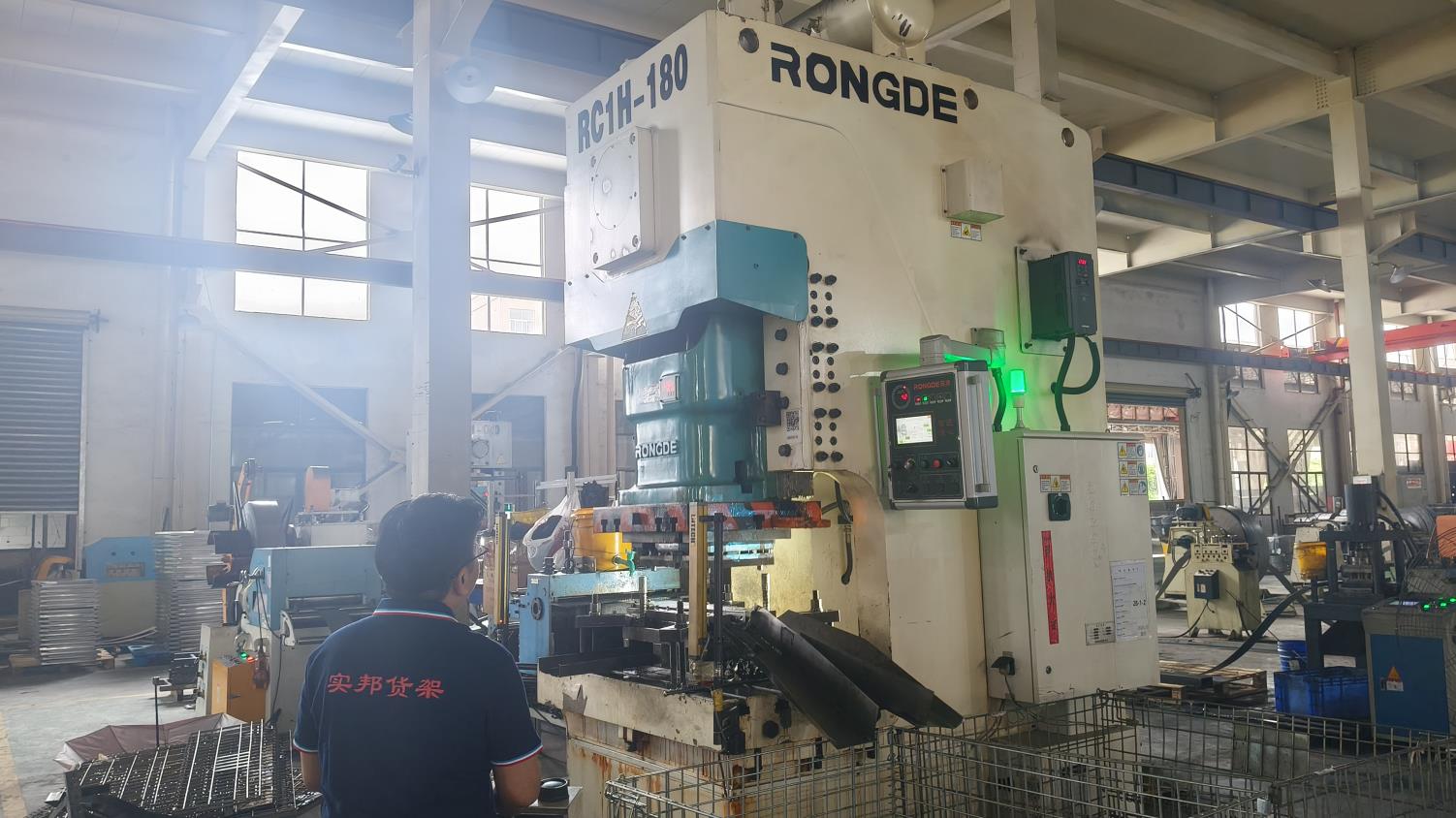
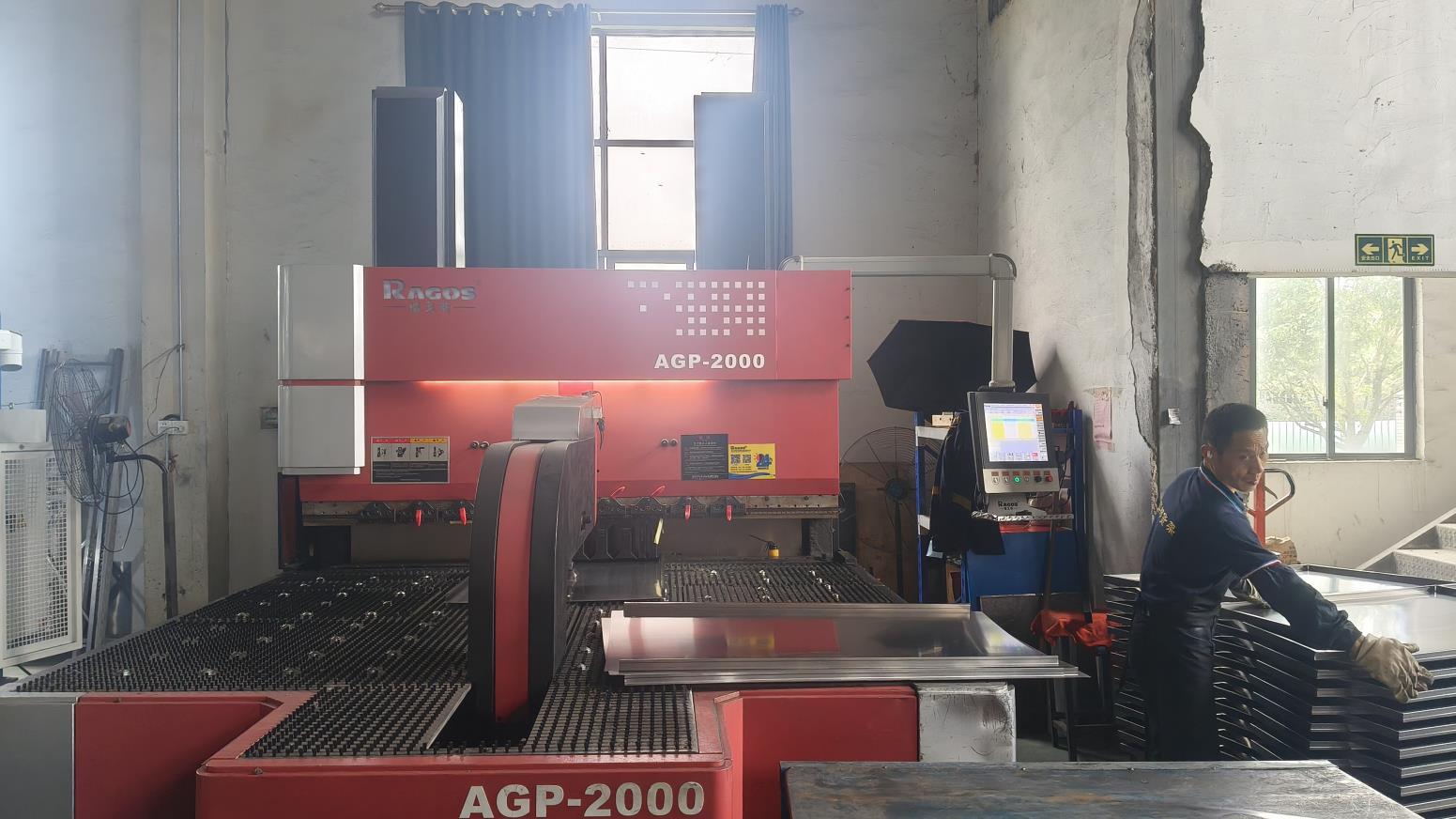
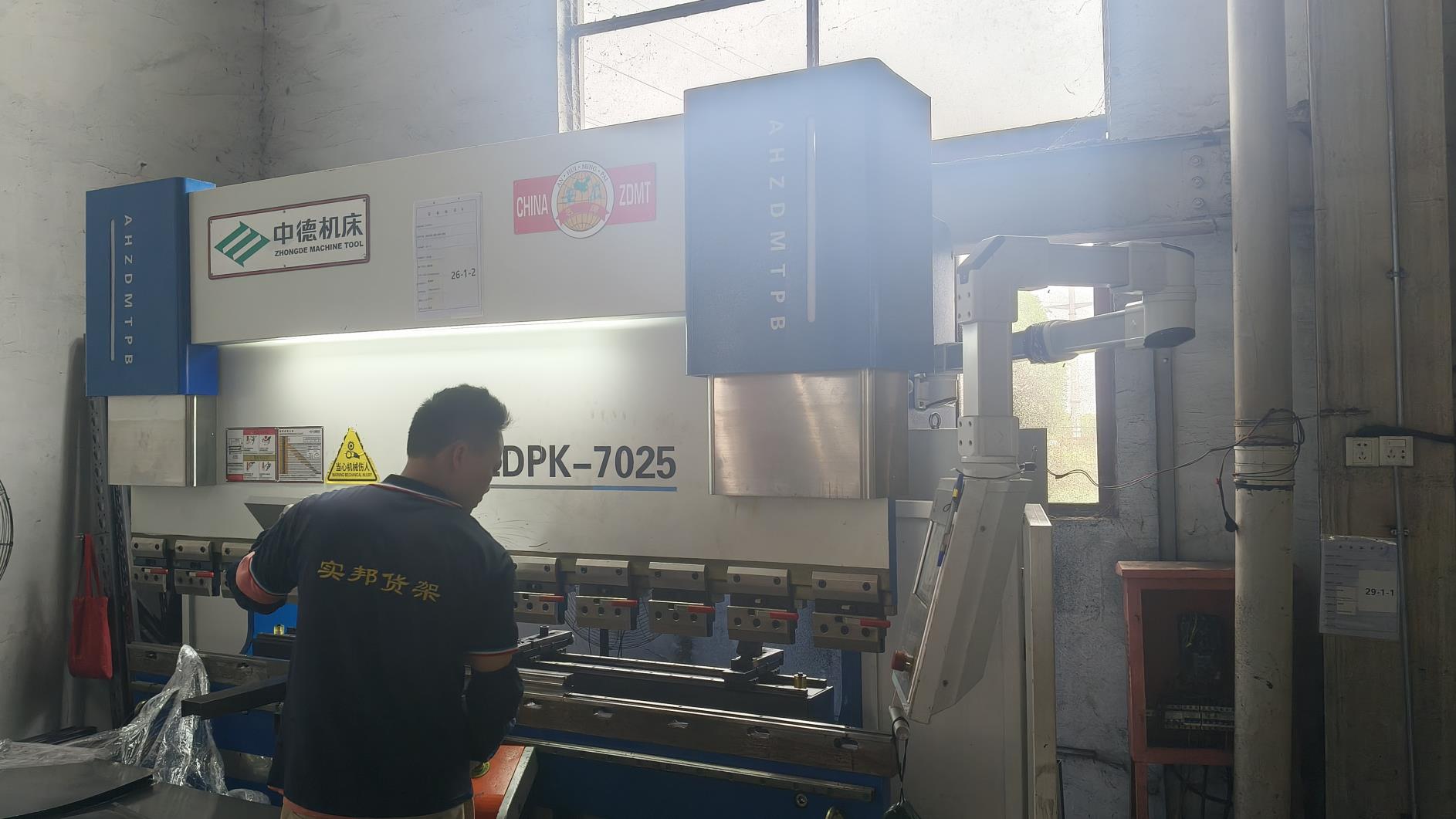
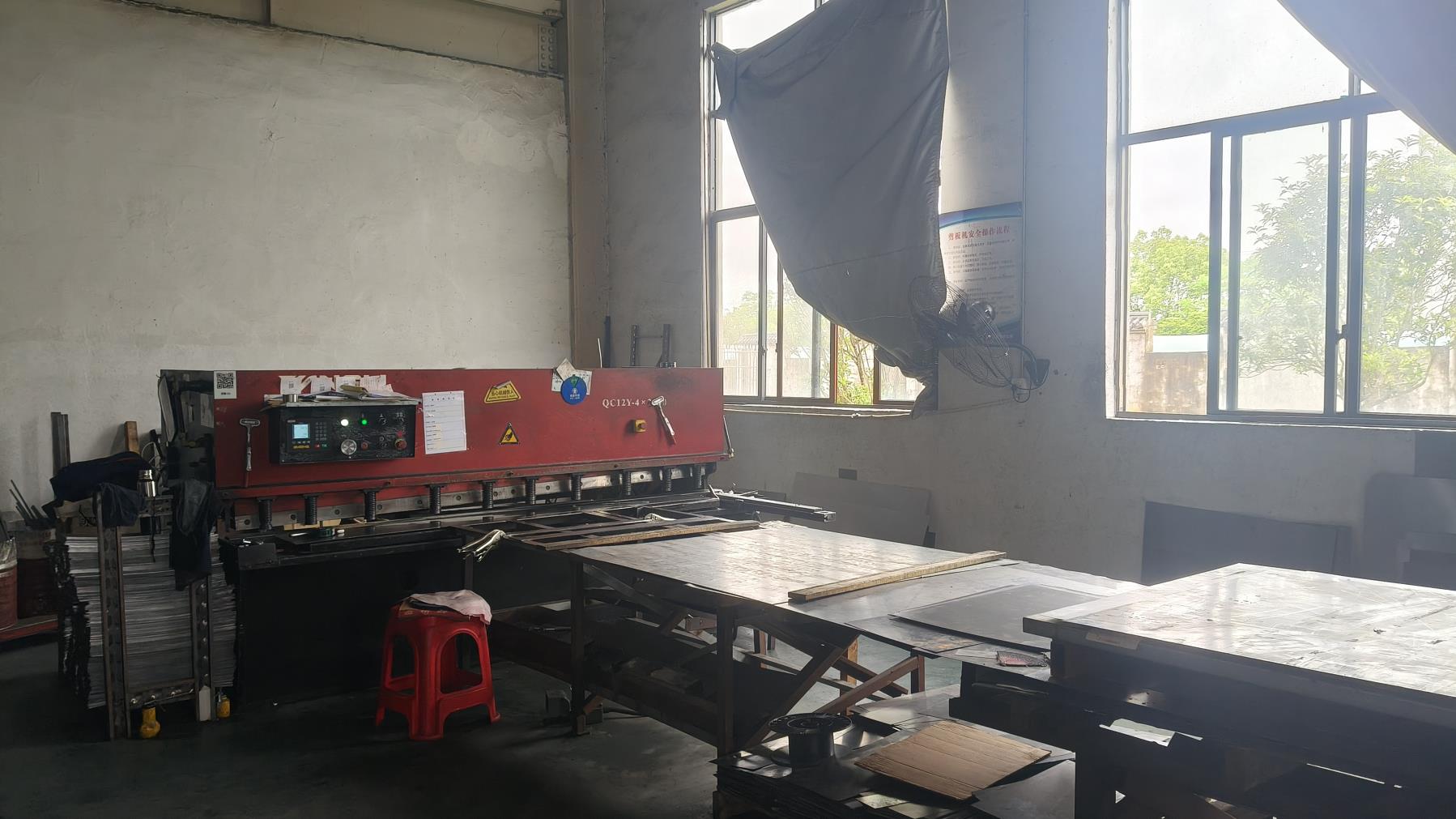
Precision roll-forming and robotic welding ensure consistent frame dimensions. Below is the internal production flow within Guangdong Shibang’s automated factory.
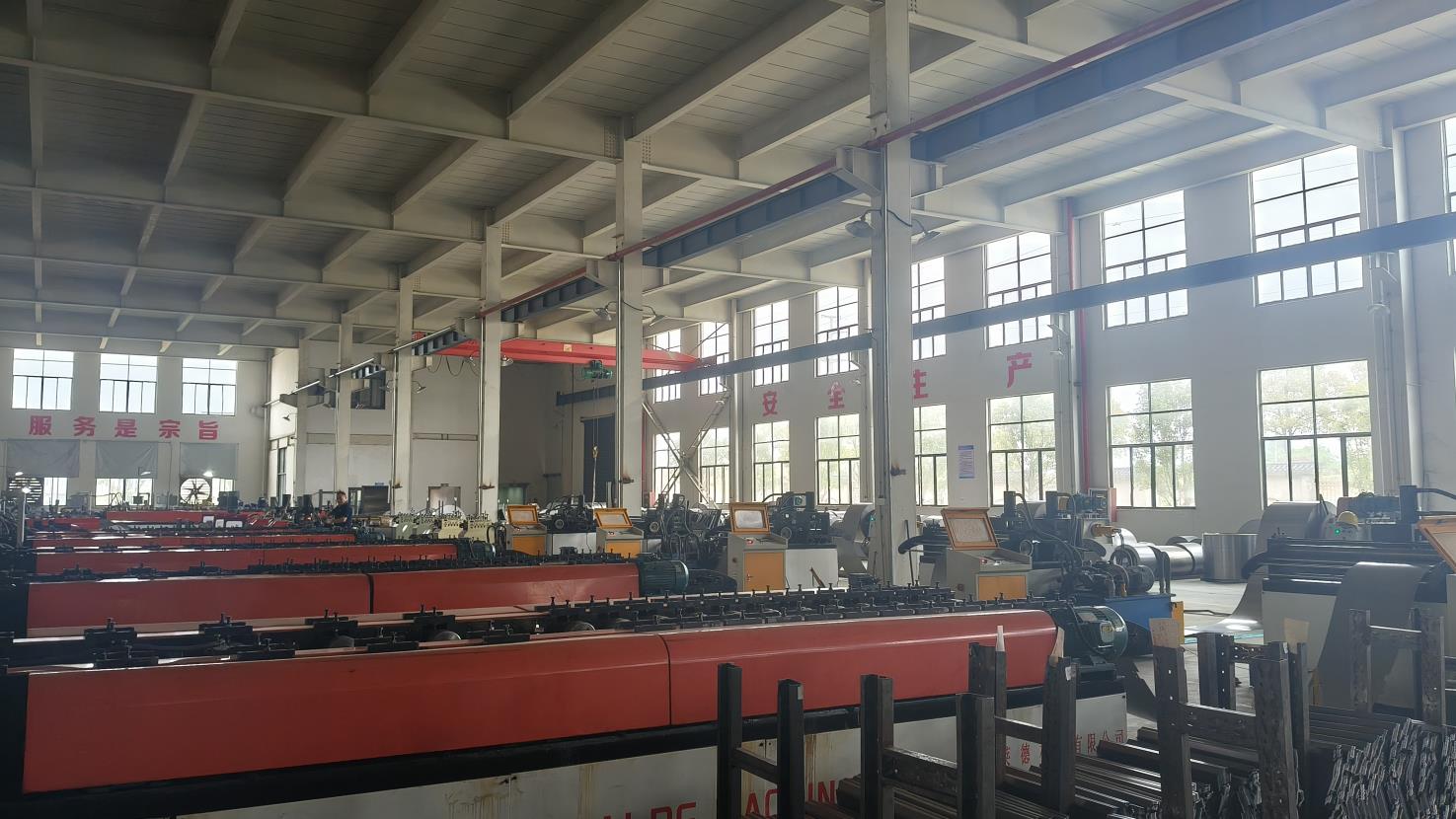
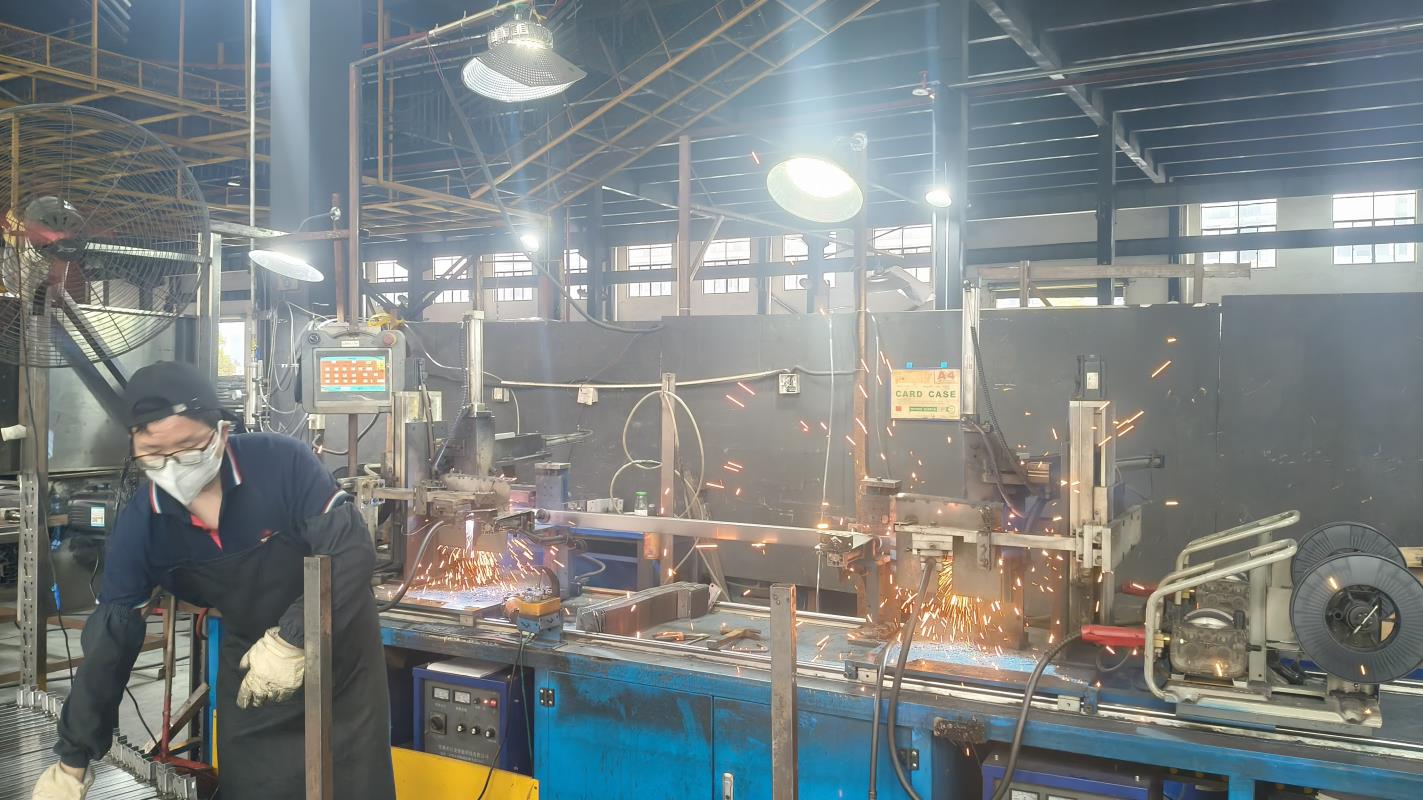
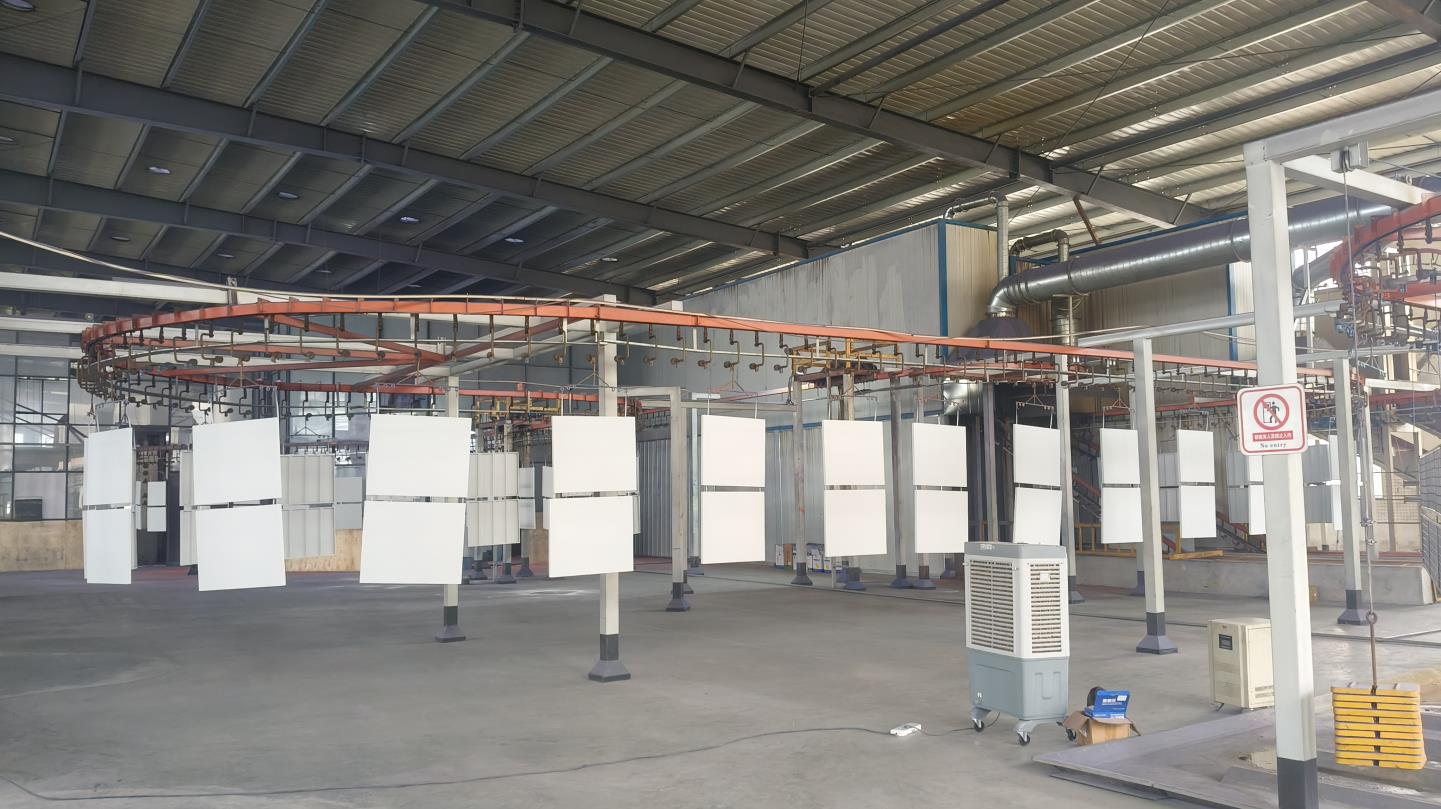
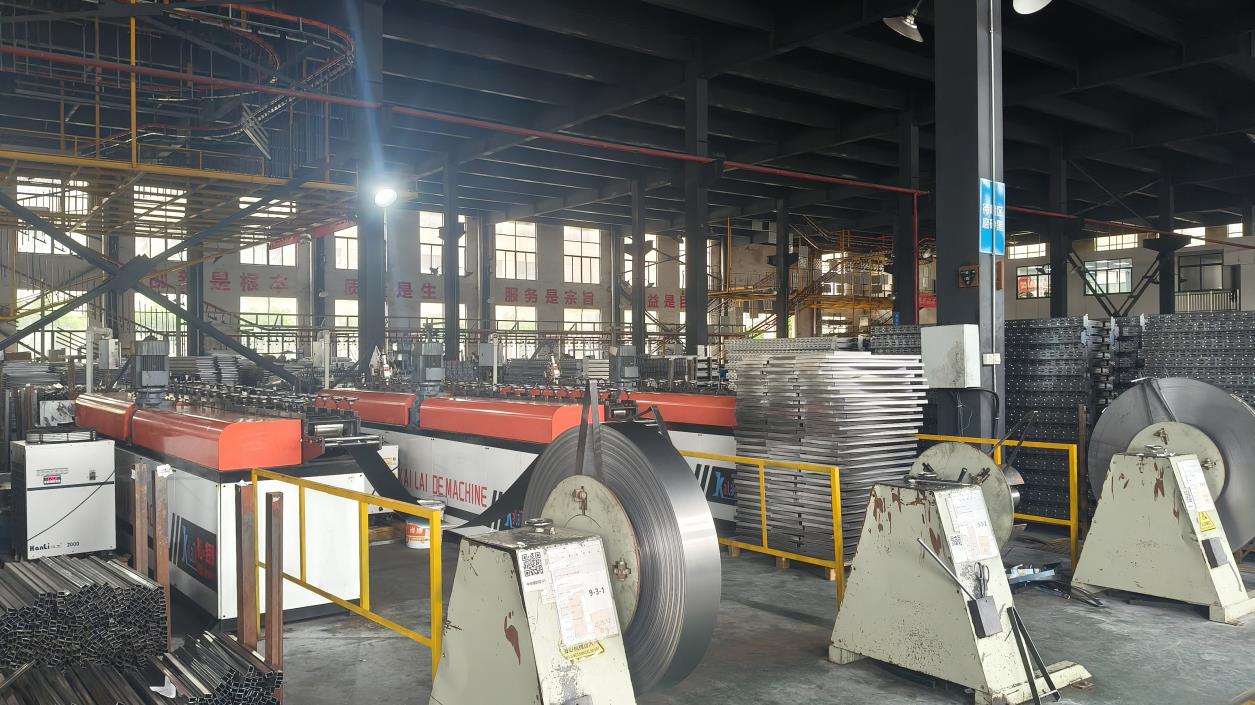
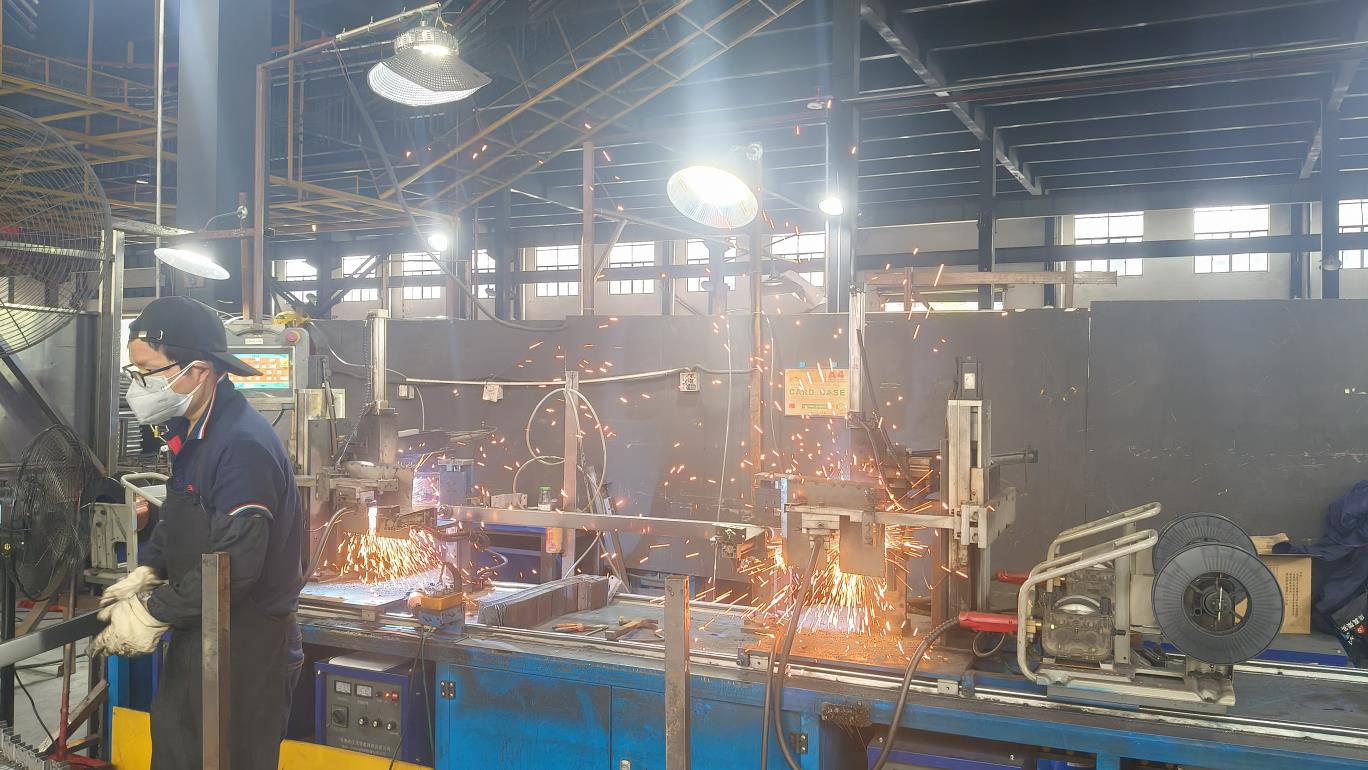
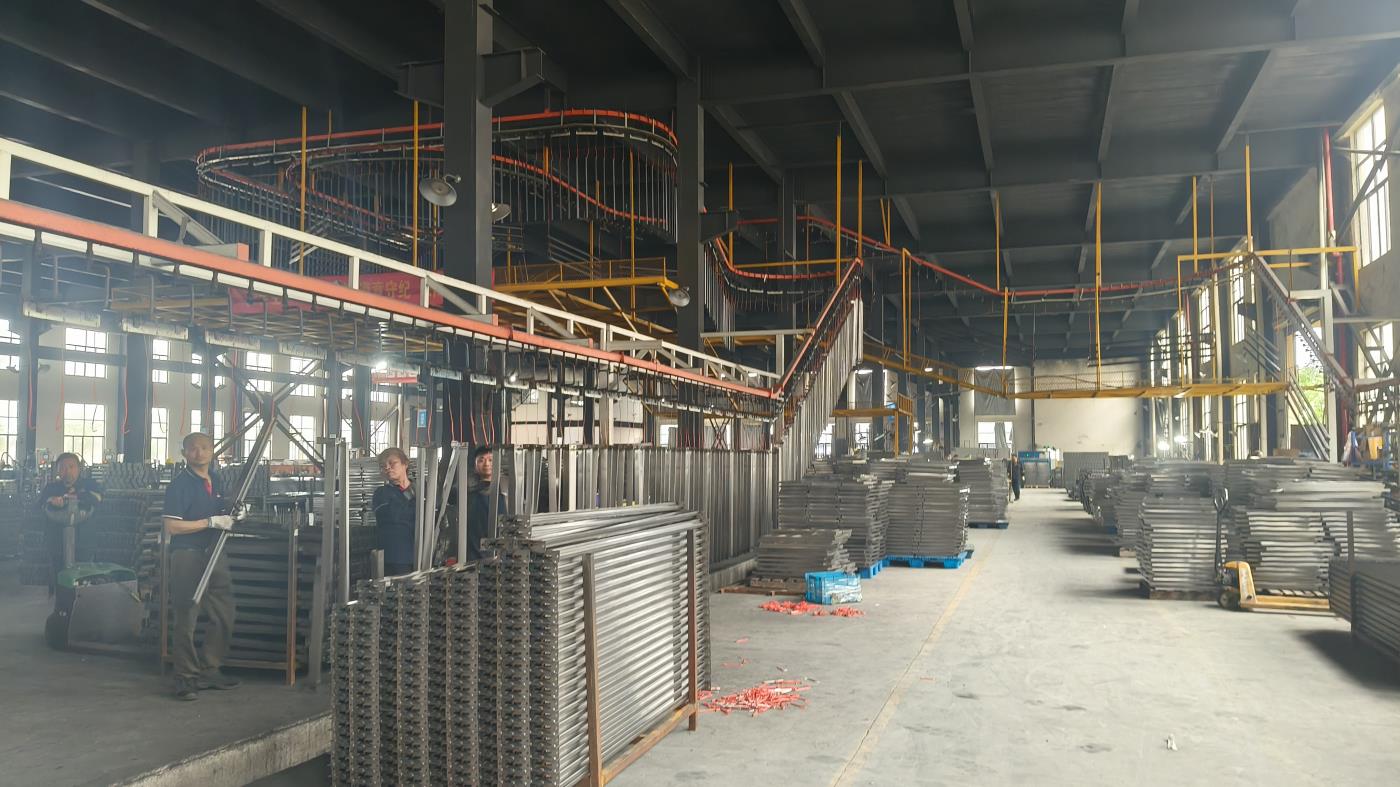
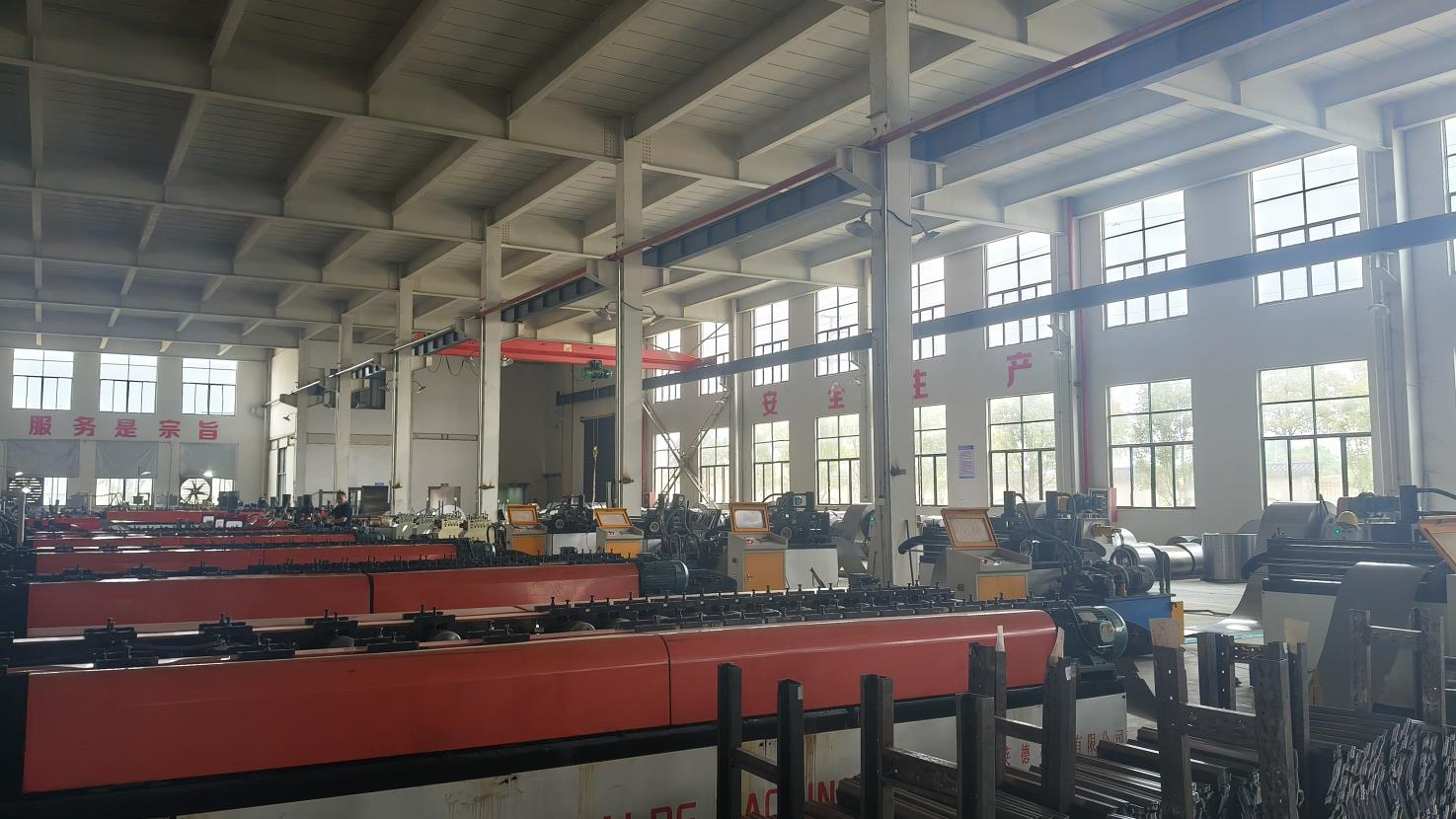
Why international procurement directors leverage integrated Chinese industrial hubs for heavy metal storage.
The manufacturing ecosystem for industrial storage in China offers significant advantages in cost, lead times, and customization. Guangdong Shibang operates within a network of more than 1,200 reliable partners, ensuring access to quality raw materials like cold-rolled Q235B and Q355B structural steel. This enables consistent raw material quality and pricing stability even during global steel market fluctuations.
Key advantages of sourcing from Chinese industrial racking hubs include:
Analyzing key structural safeguards required for complex dynamic gravity flow systems.
Gravity flow storage systems generate kinetic energy during operation. A single structural failure can lead to safety hazards. Therefore, compliance with local codes is critical for project approvals and safe operations.
Top-tier manufacturers calculate frame capacities using international structural codes:
A reference guide comparing capability, primary markets, and specialties among leading global manufacturers.
| Manufacturer / Brand | Primary Production Hub | Core System Specialization | Design Certifications | Target Industries |
|---|---|---|---|---|
| Guangdong Shibang Co., Ltd. | Guangdong, China | Customized high-density systems & structural steel storage racks | ISO9001, CE, OEM Standards | Third-party logistics, cold storage, auto parts, e-commerce |
| Interroll Group | Sant'Antonino, Switzerland | Premium gravity conveyor rollers & dynamic flow lanes | TUV, CE, ISO14001 | Pharmaceuticals, food processing, distribution hubs |
| SSI SCHAEFER | Neunkirchen, Germany | Fully integrated dynamic warehouses & automated systems | FEM, EN 15512, RMI | High-throughput global logistics networks |
| Mecalux | Barcelona, Spain | High-density gravity flow & shuttle-based racking systems | ISO 9001, FEM | FMCG, cold chains, pharmaceutical logistics |
| Dexion | Melton, Australia / Europe | Roll-formed FIFO racking & structural industrial shelving | AS4084, FEM | Heavy manufacturing, dry grocery, chemical warehouses |
| Ridg-U-Rak | Pennsylvania, USA | Heavy structural steel roll-formed pallet flow systems | RMI, ANSI | Automotive, steel production, building materials |
| Frazier Industrial | New Jersey, USA | 100% structural steel frame flow racks (high impact) | RMI, AISC | Beverage distributors, deep-freeze environments |
| Advance Storage Products | California, USA | System-engineered 3D design pallet flow systems | RMI, MHIA | Food service distribution, manufacturing centers |
| Mallard Manufacturing | Illinois, USA | Specialized gravity flow rollers, lanes, & separator systems | ISO 9001, RMI | System integrators, third-party logistics |
| Steel King Industries | Wisconsin, USA | Roll-formed and structural steel storage racking lines | RMI, Weld Certifications | Distribution, retail logistics, wholesale clubs |
How the integration of warehouse automation and structural engineering is shaping modern logistics footprints.
Modern distribution facilities are moving toward dynamic storage solutions. Traditional static racking is often replaced by dynamic systems like Pallet Flow, Push Back, and Automated Storage and Retrieval Systems (AS/RS). The primary driver is the rising cost of land near major logistics hubs.
Key procurement trends include:
Examining field applications of high-density storage systems in diverse operating environments.
Pallet flow systems are engineered for specific warehouse requirements. Below are typical application scenarios:
Cold storage facilities incur high energy costs. Maximizing cube volume is key to operational efficiency. Sourcing structures with galvanized steel columns and low-temperature bearings allows operators to maximize storage capacity while maintaining safe flow speeds.
High throughput requires strict First-In, First-Out rotation for perishables and goods with expiration dates. Dedicated flow lanes segment product categories, reducing sorting errors and loading times.
Automotive assembly lines require constant parts supply. Buffer racking systems positioned near assembly zones hold heavy, uniform parts containers on roller decks, which flow smoothly to the production line as needed.
Answering common engineering questions regarding the design, operation, and safety of pallet flow systems.
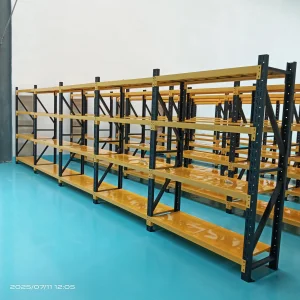
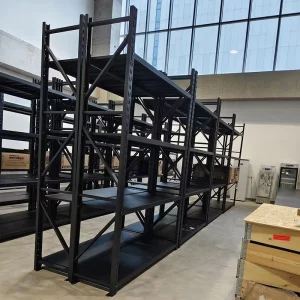
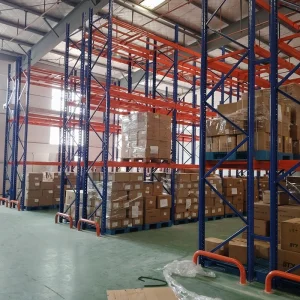
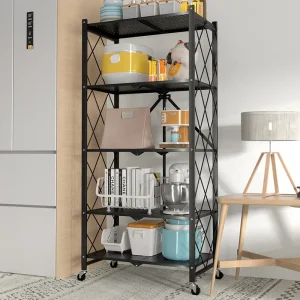
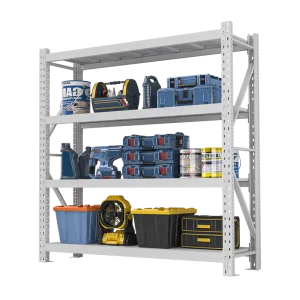
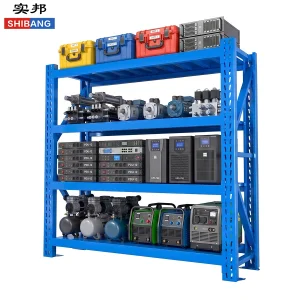
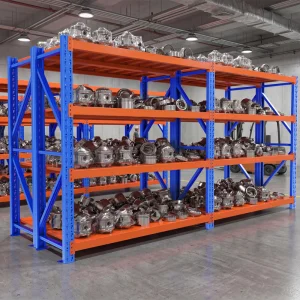
Explore additional warehouse solutions, including medium-duty selective shelves and high-capacity industrial racking units.
 Shibang Storage Rack