Engineered for extreme load-bearing, dimensional structural integrity, and maximum space optimization.
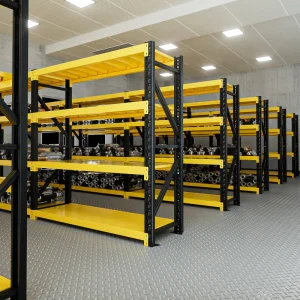
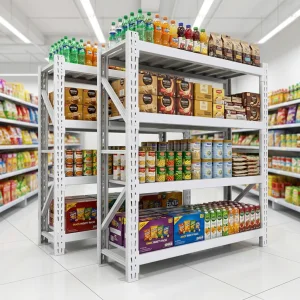
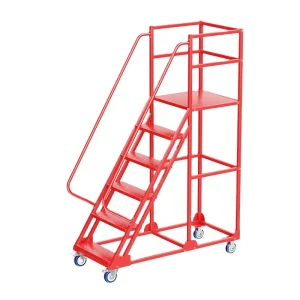
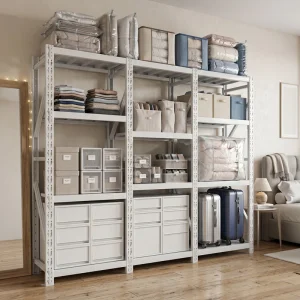
In modern industrial logistics, spatial configuration has evolved from a simple floor-plan layout parameter to a critical dimension of throughput velocity and operational efficiency. Structural steel heavy-duty platforms, mezzanine systems, and multi-tier industrial racking represent the cornerstone of high-density warehouse environments. As structural entities, these systems are tasked with carrying substantial static loads (frequently exceeding 1,000kg to 2,000kg per square meter) while accommodating the dynamic loads of moving material handling equipment, automated guided vehicles (AGVs), and intensive pedestrian traffic.
Selecting a China-based wholesale manufacturer requires evaluation beyond nominal load ratings. Enterprise-level buyers must assess raw material metallurgy, engineering design capabilities, dynamic deflection testing, and compliance with local seismic requirements. As a premier manufacturer located in the manufacturing heartland of Guangdong, Guangdong Shibang Storage Rack Co., Ltd. sets the global standard for industrial structural platforms. Driven by advanced engineering and continuous research and development, we convert complex spatial layouts into high-density storage platforms that comply with European, North American, and international structural standards.
How technological advancements and automated material handling systems are reshaping high-density storage platforms.
Modern heavy-duty platforms are no longer static racking units. The integration of Automated Storage and Retrieval Systems (ASRS), shuttle systems, and vertical conveyors demands tighter tolerances and structural rigidity. Even minor vertical deflection under load can disrupt automated sensor arrays and conveyor alignments. We build our platforms with structural tolerances below L/300 deflection metrics to ensure compatibility with modern robotic systems.
As global logistics facilities migrate to regions with varying seismic activity, heavy-duty platform design must incorporate lateral load resistance. Using advanced Finite Element Analysis (FEA) software, Shibang's R&D department simulates wind loads, localized seismic acceleration, and uneven load distribution. This engineering verification ensures that our platforms maintain structural integrity during geological activities.
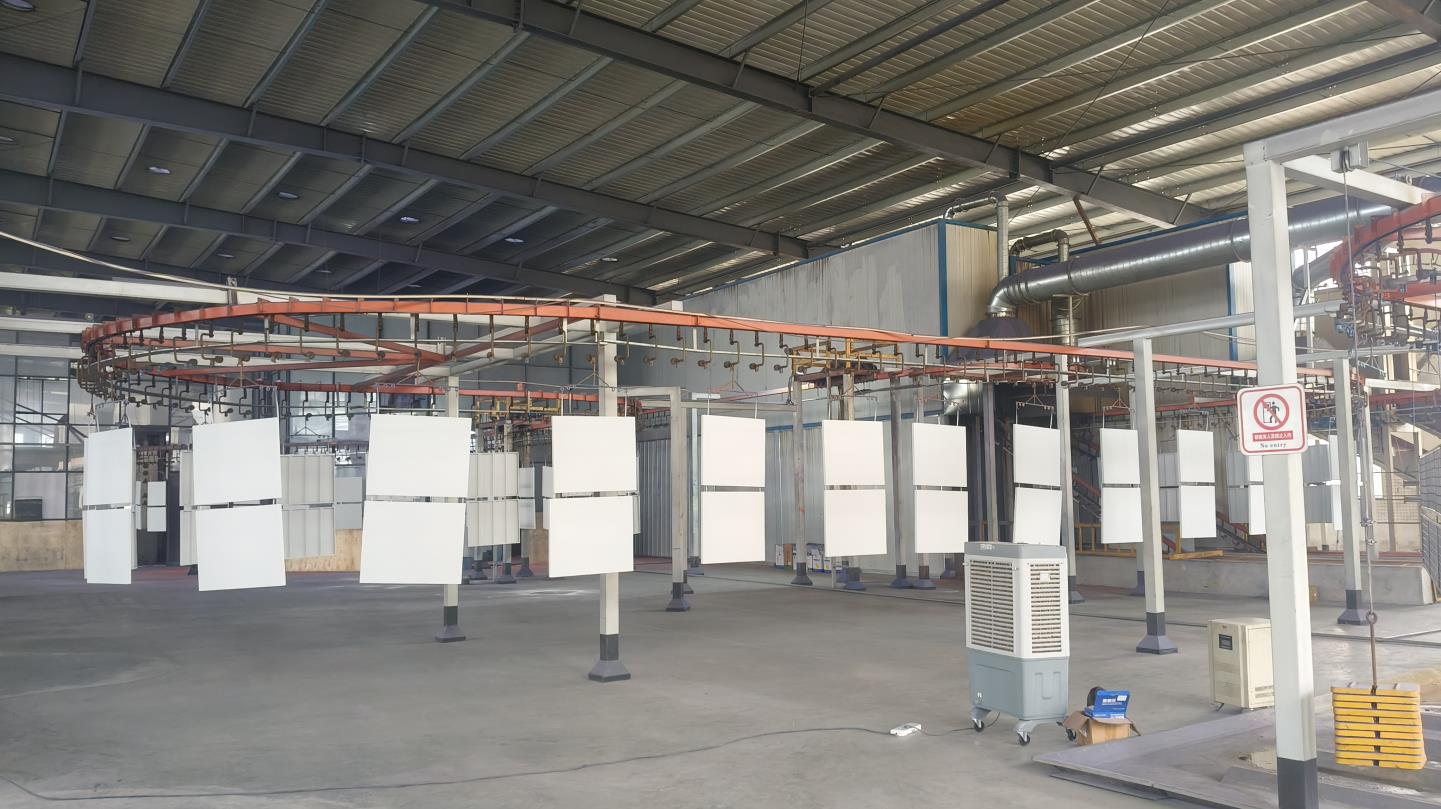
Environmental regulations dictate that structural components utilize sustainable production methods. We utilize certified high-tensile structural steel (primarily Q235B and Q355B) that exhibits an optimal strength-to-weight ratio, reducing dead-load impact on warehouse concrete slabs. Combined with our fully automated electrostatic powder coating line, we eliminate volatile organic compounds (VOCs) while producing a corrosion-resistant, high-durability finish.
Generic catalog buying often fails to address localized site requirements. Factors such as concrete slab thickness, sub-base soil bearing capacities, environmental humidity, and chemical exposure must guide the design of heavy-duty mezzanine platforms. Guangdong Shibang provides customized engineering designs, ensuring every dollar spent directly optimizes space configuration without compromising structural safety.
Deciphering procurement expectations for international markets, logistics hubs, and industrial facilities.
Global procurement teams face the challenge of reconciling international regulatory frameworks with local design codes. For instance, platforms destined for the European market must align with EN 1993 (Eurocode 3) design rules, while those exported to the Americas must comply with RMI (Rack Manufacturers Institute) and ANSI standards. Structural platform components, including columns, baseplates, staircases, and handrails, must meet these compliance criteria to pass municipal building inspections.
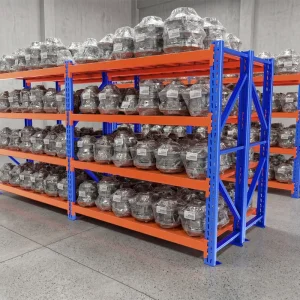
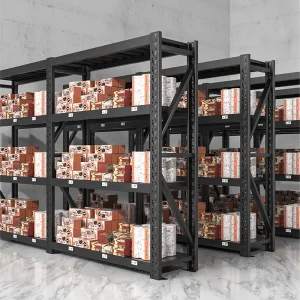
Beyond regulatory compliance, industrial procurement teams prioritize long-term asset lifecycle costs. The Total Cost of Ownership (TCO) of a heavy-duty platform is defined by its modular flexibility, corrosion resistance, and speed of assembly. Welded structures have given way to boltless, modular configurations that can be disassembled, reconfigured, or expanded as business operational footprints change. Shibang's boltless heavy-duty drawer racking and adjustable storage systems provide this flexibility, minimizing on-site installation times and reducing down-time in active warehouses.
Cold storage facilities operate in sub-zero temperatures, which can induce low-temperature brittleness in low-grade steel. Shibang designs specialized cold-chain platforms using killed steel options and hot-dip galvanized or specialized epoxy powder coatings. This prevents rust formation from condensation cycles and maintains ductile strength under continuous sub-freezing temperatures.
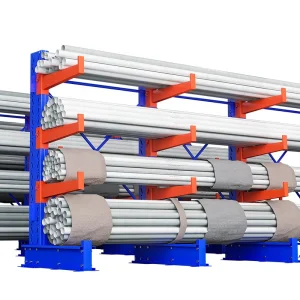
Heavy industrial plants handling pipes, steel tubes, lumber, or industrial machinery require cantilever platforms and custom racks capable of managing asymmetrical and concentrated point loads. Our heavy-duty cantilever systems utilize adjustable vertical arms and heavy-gauge base sections designed to absorb localized impact and prevent catastrophic structural tipping.
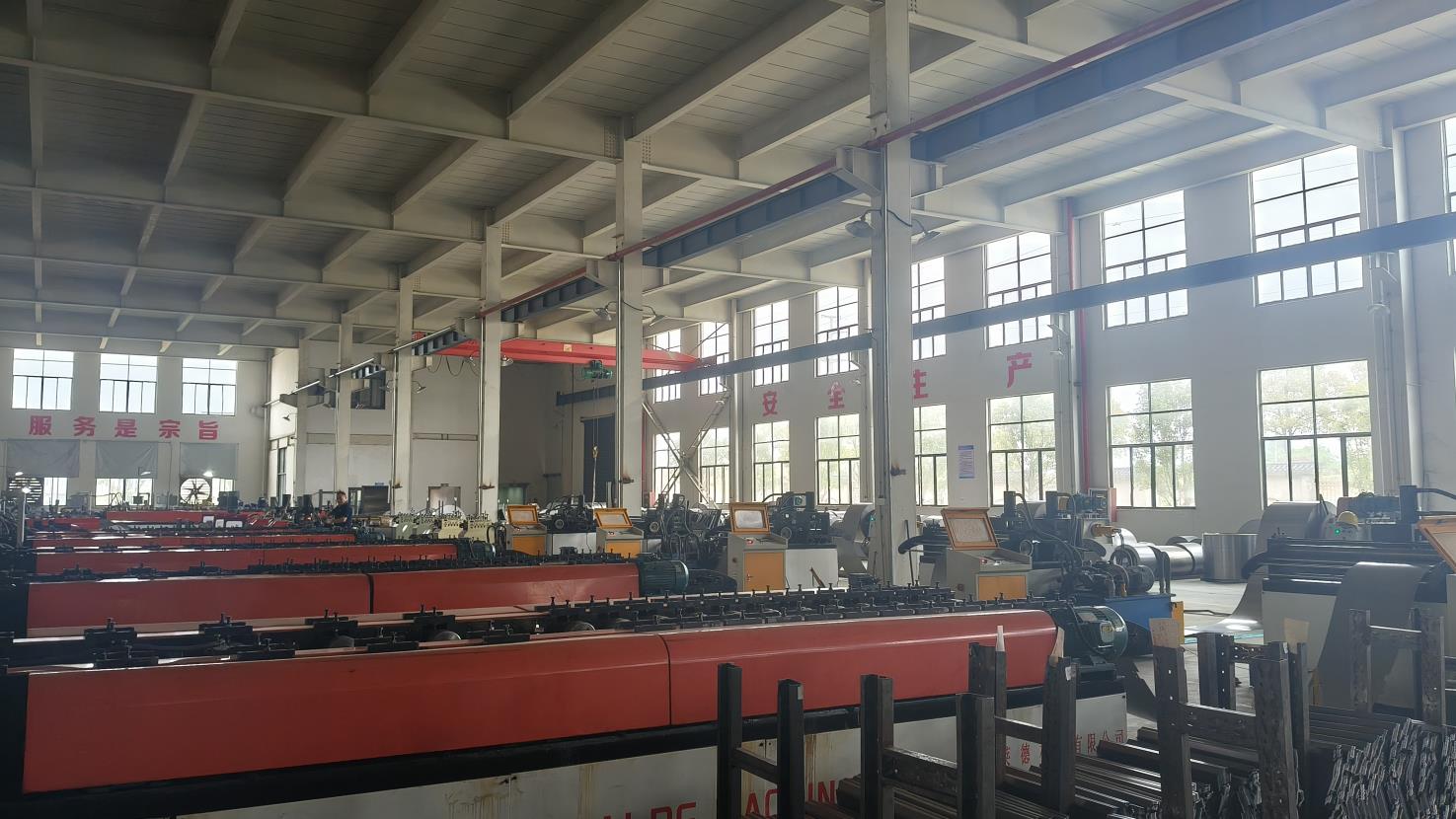
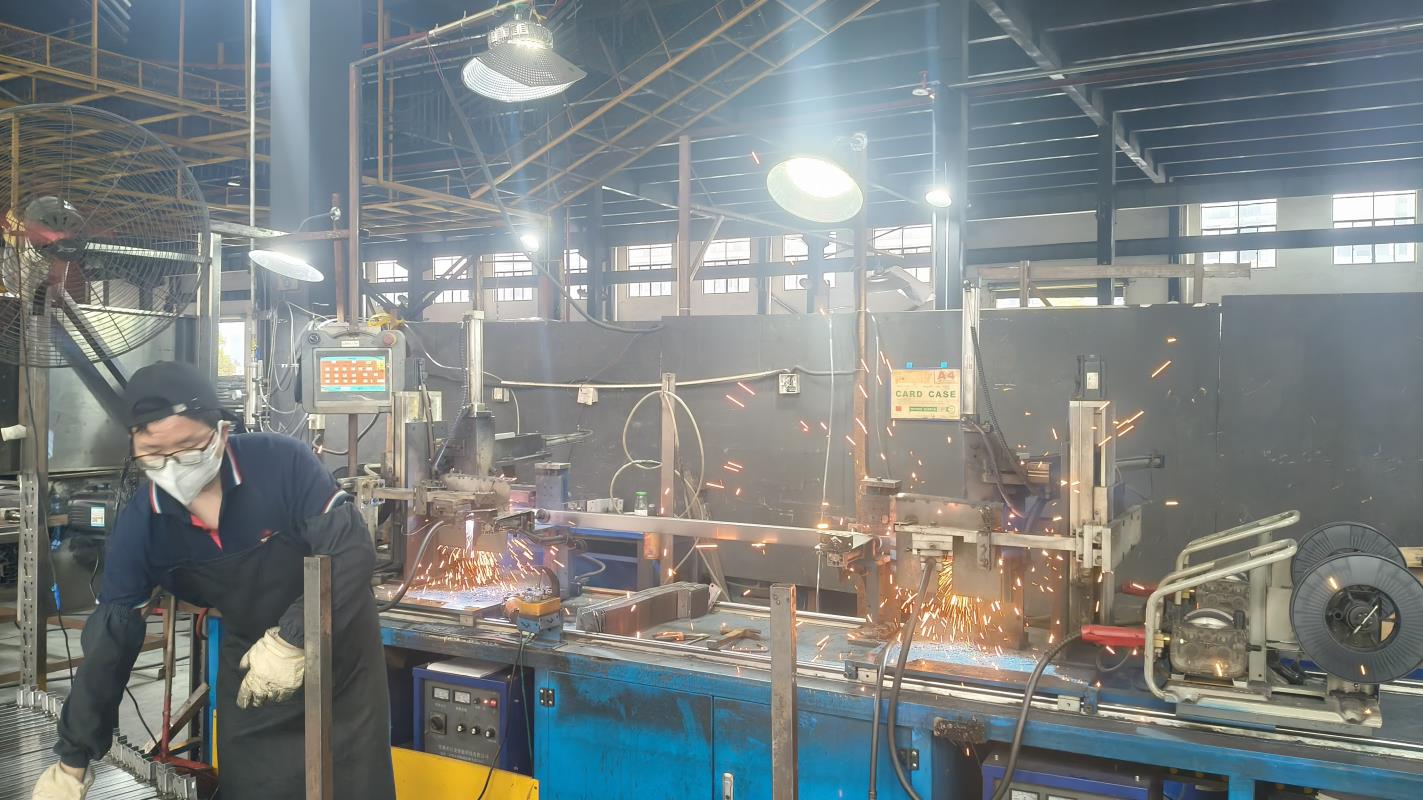
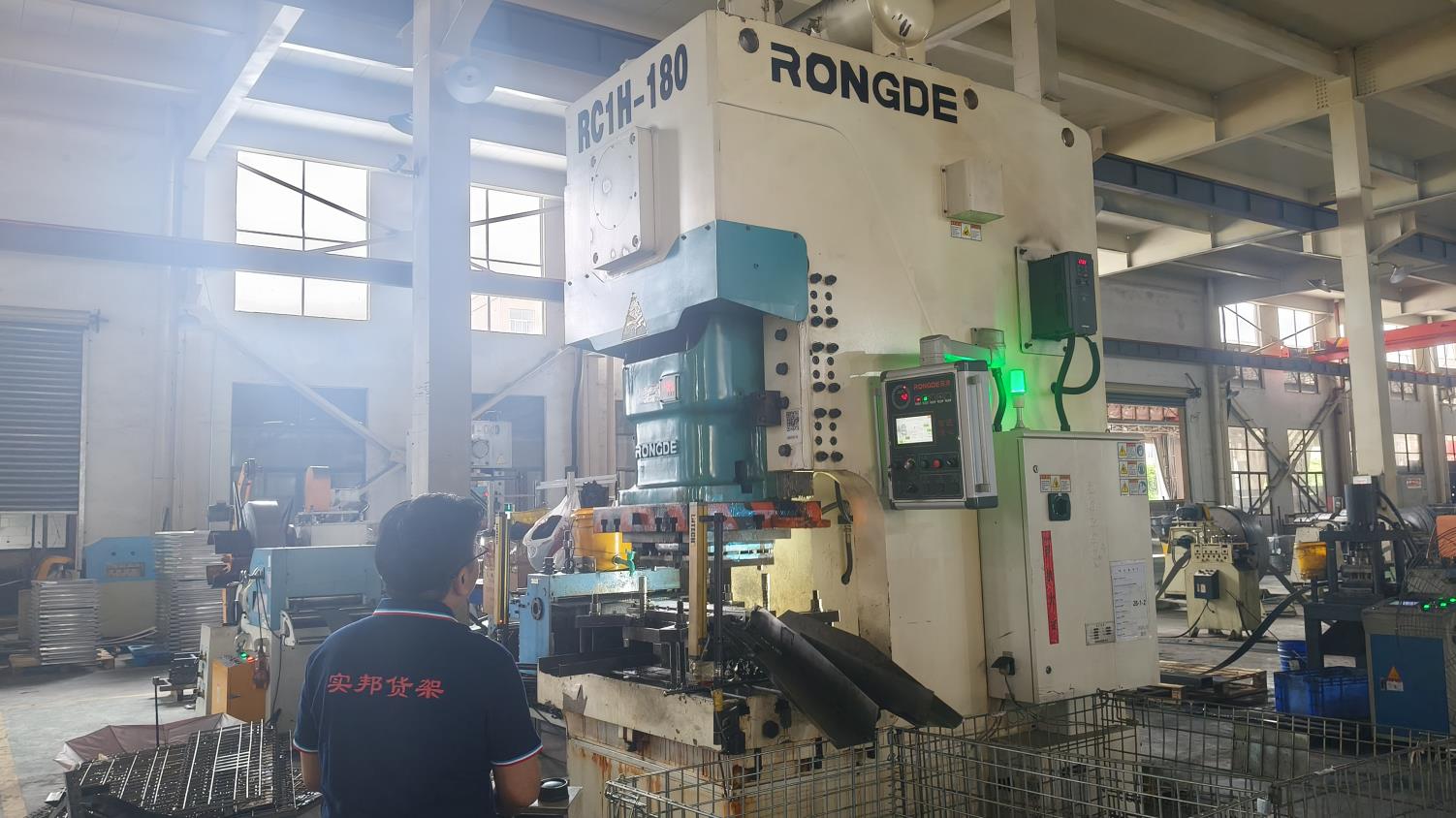
A visual tour of our production facility, showcasing raw material forming, high-precision punching, welding, and automated powder coating.
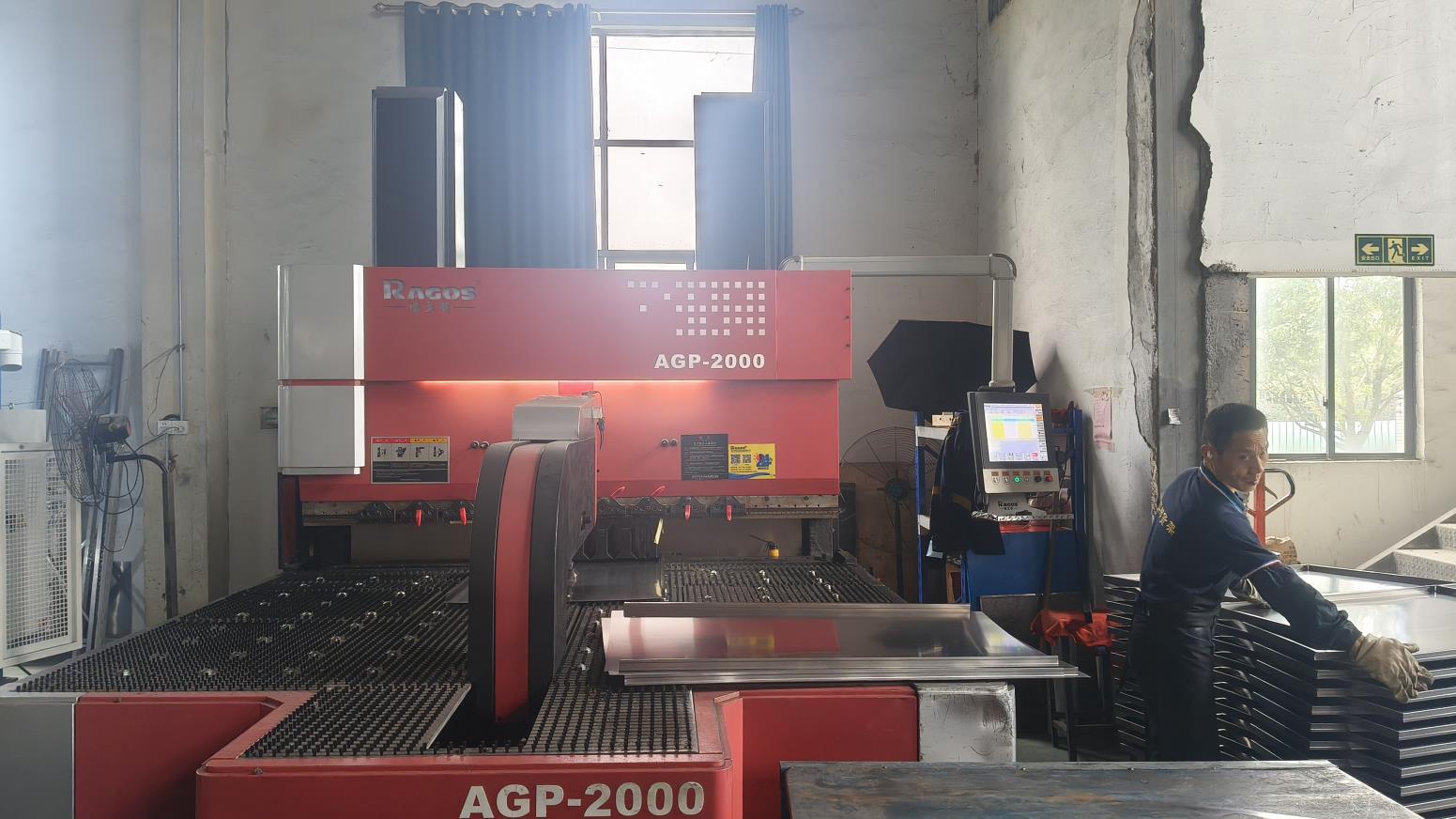
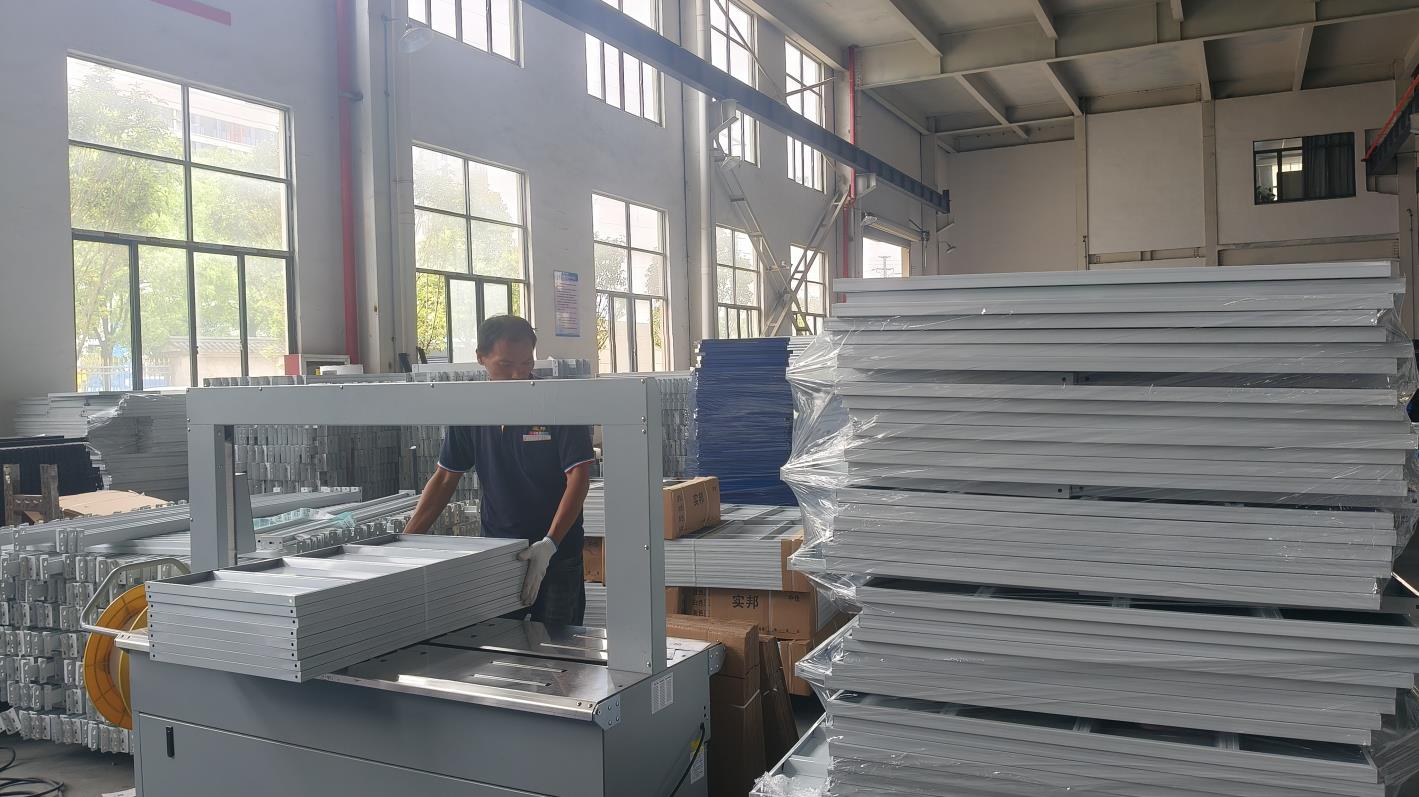
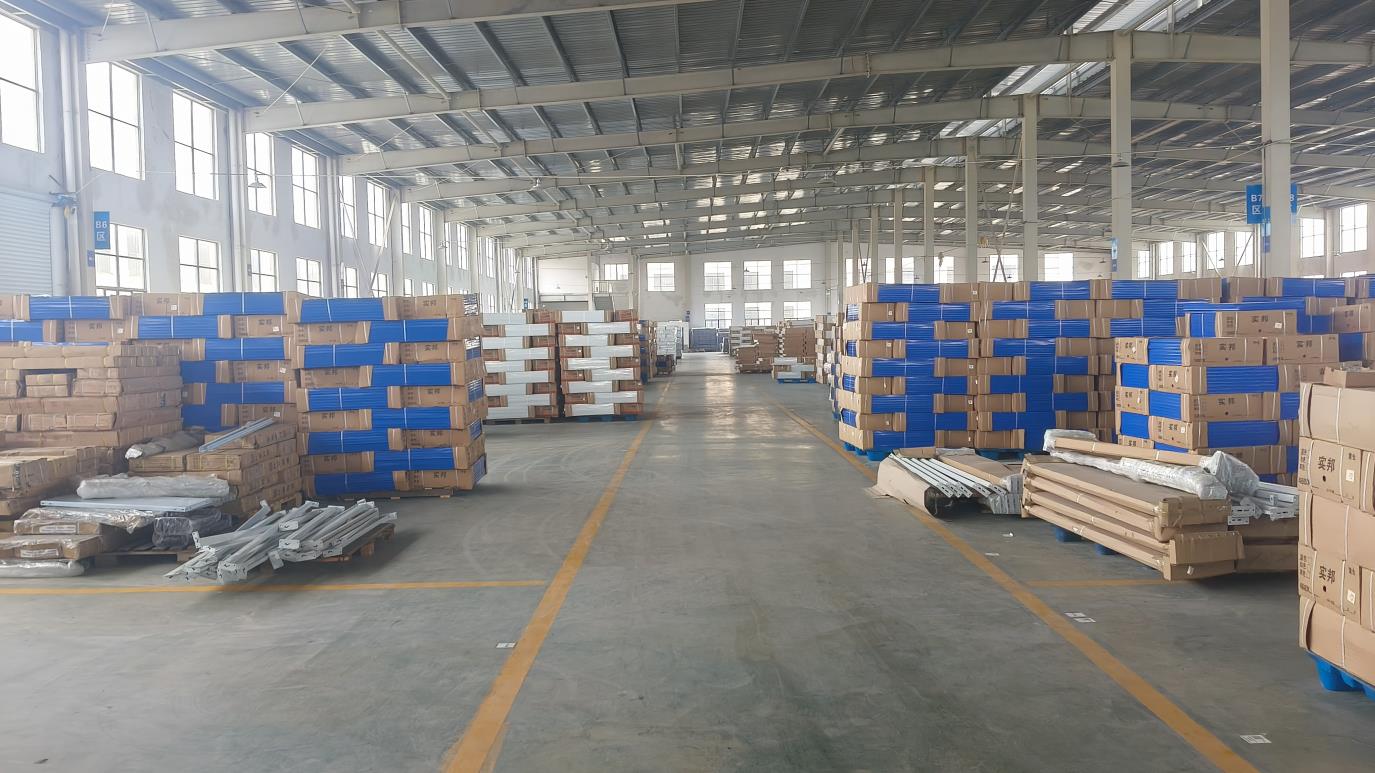
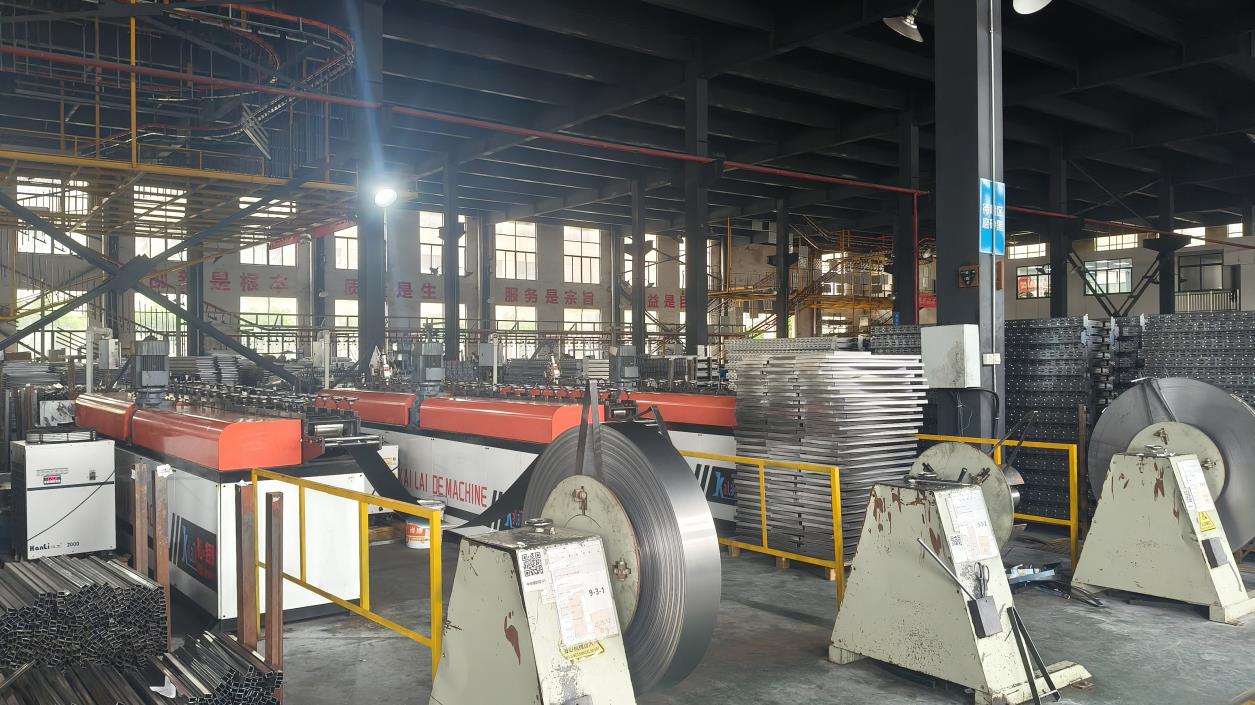
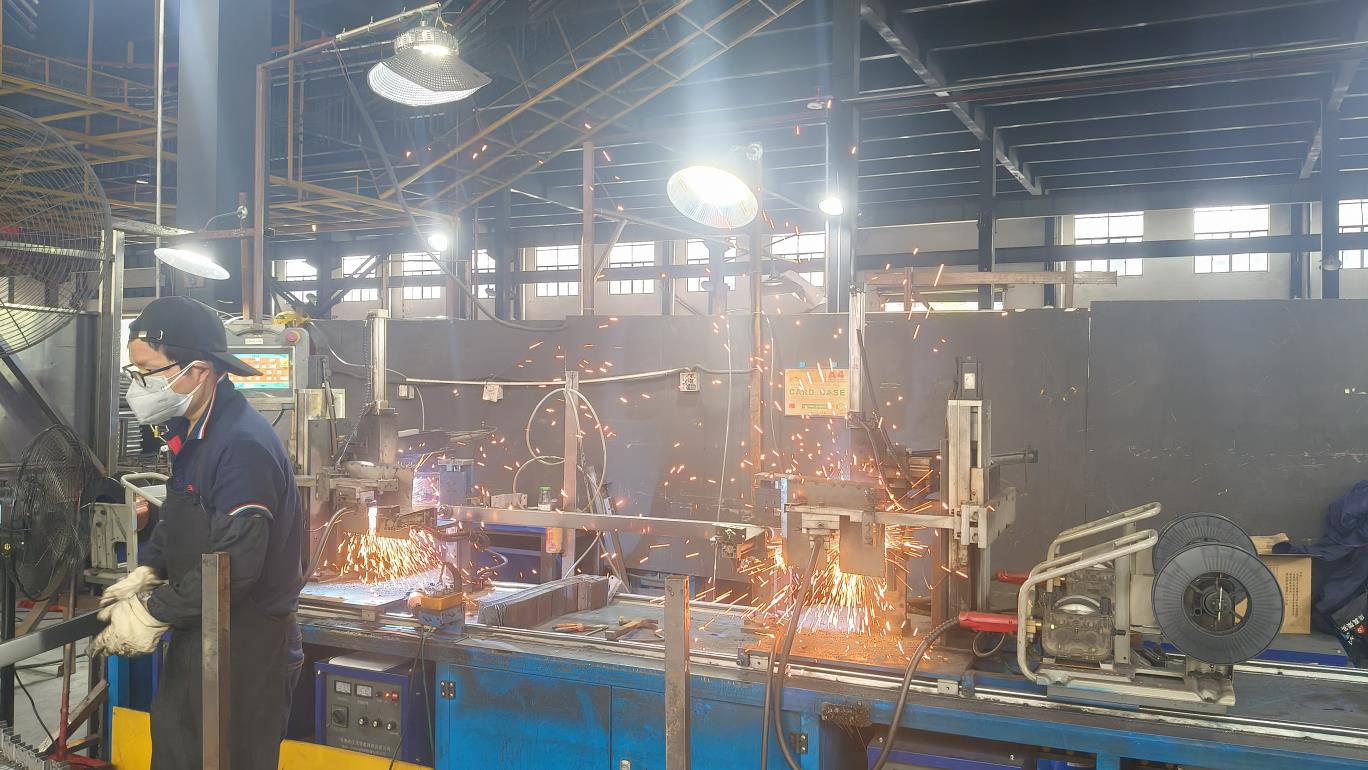
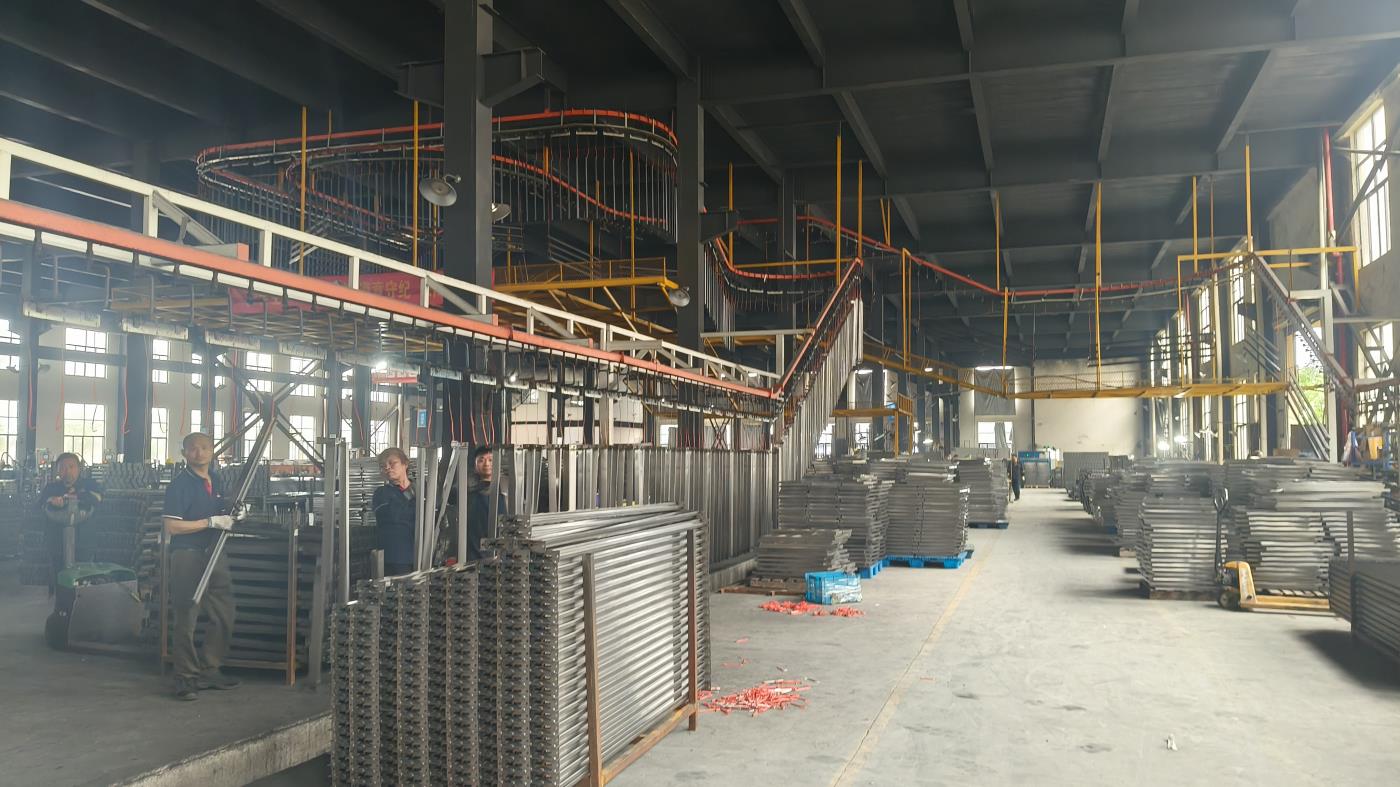
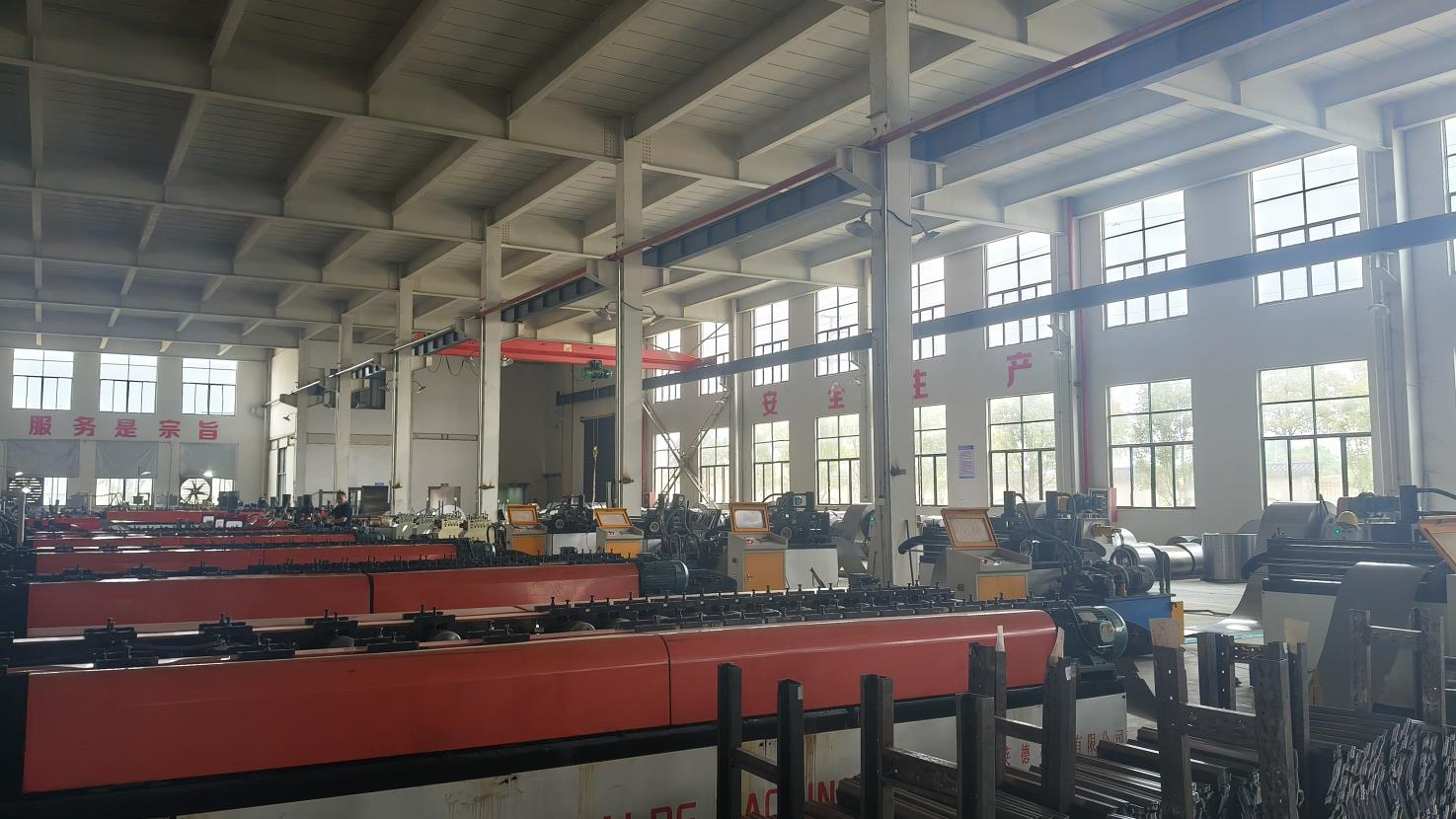
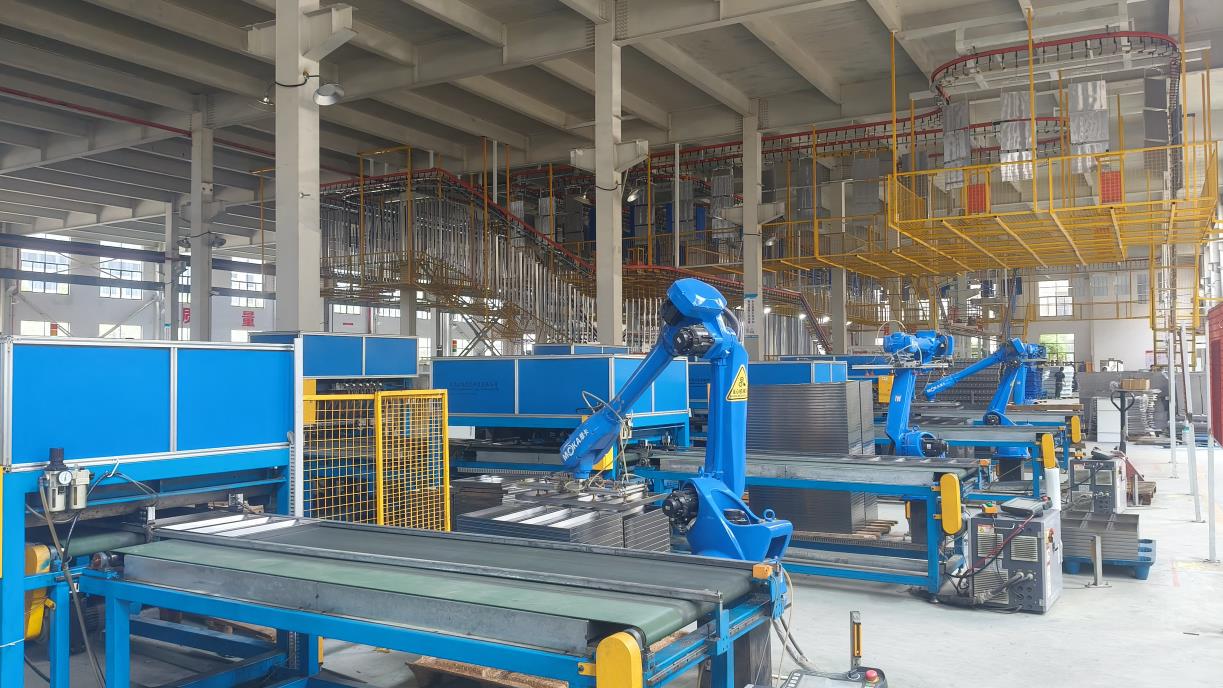
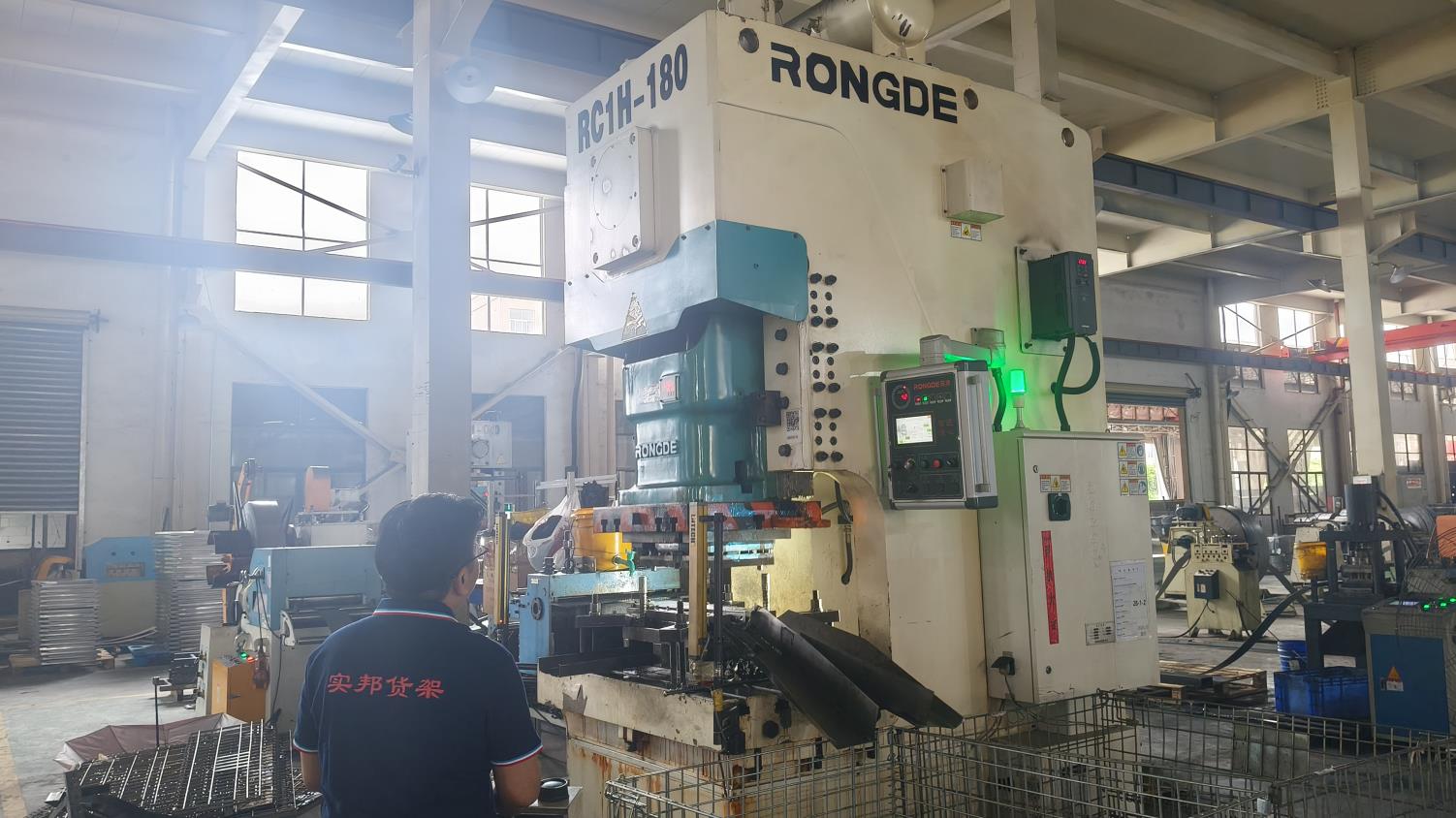
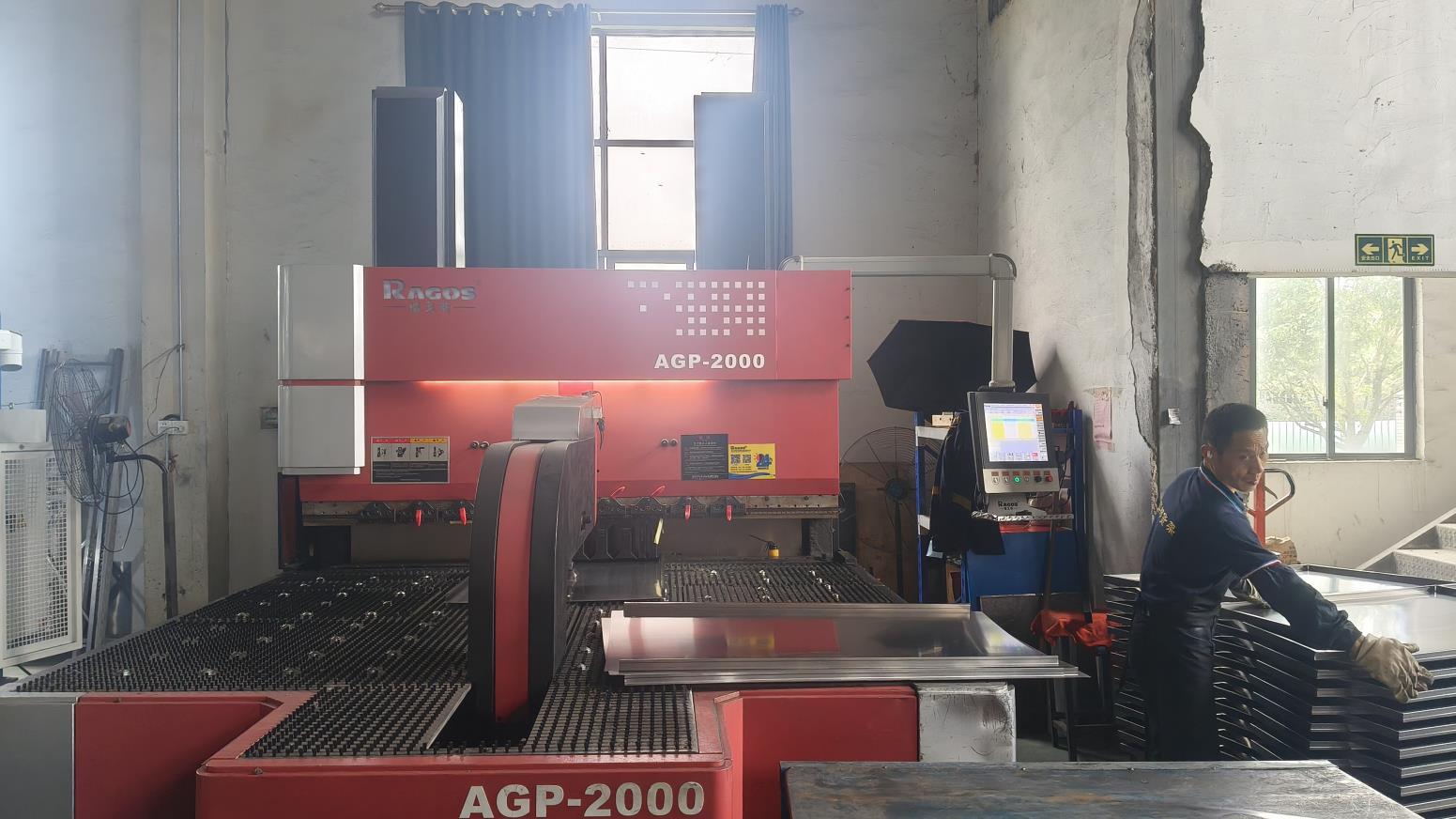
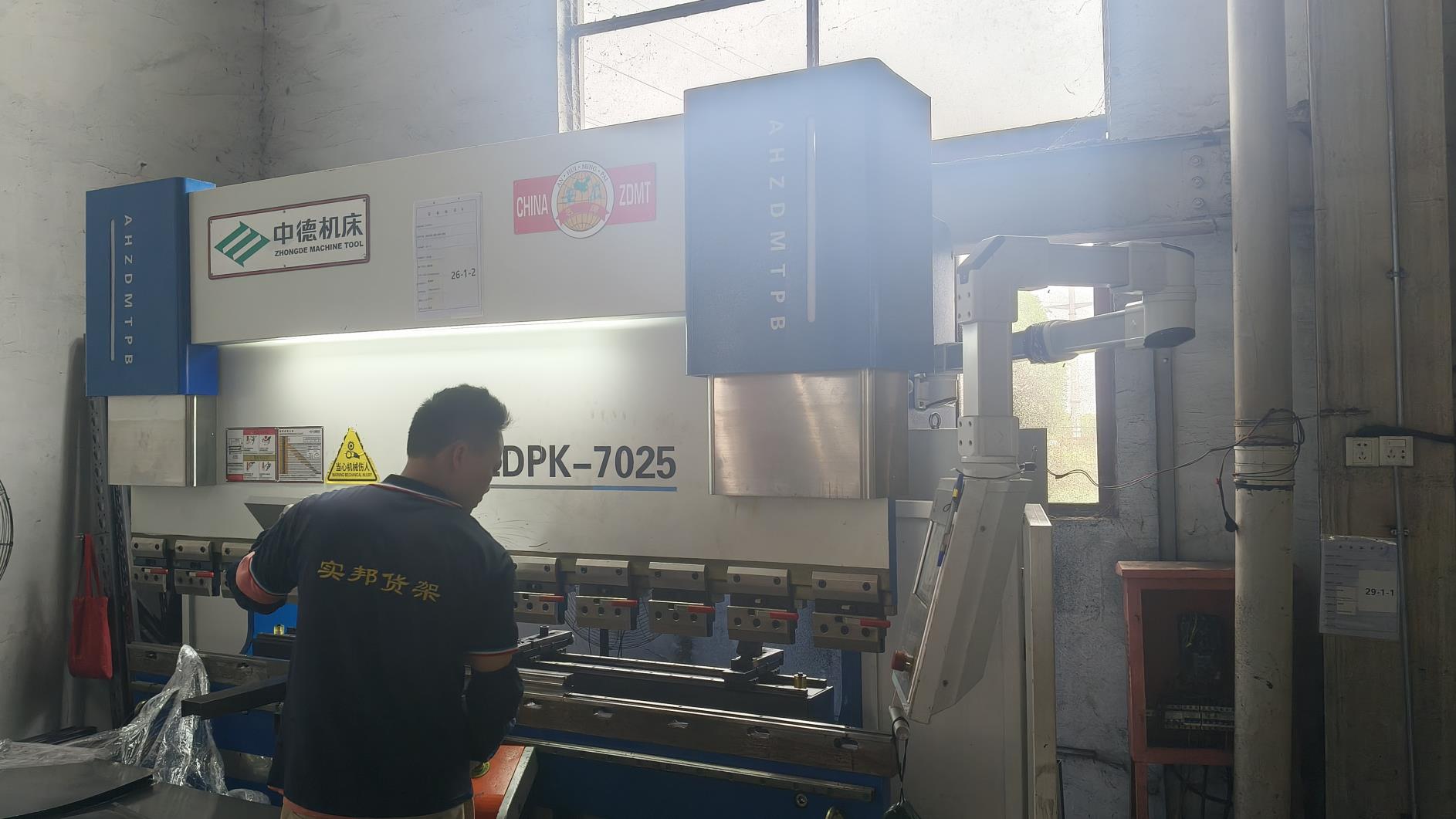
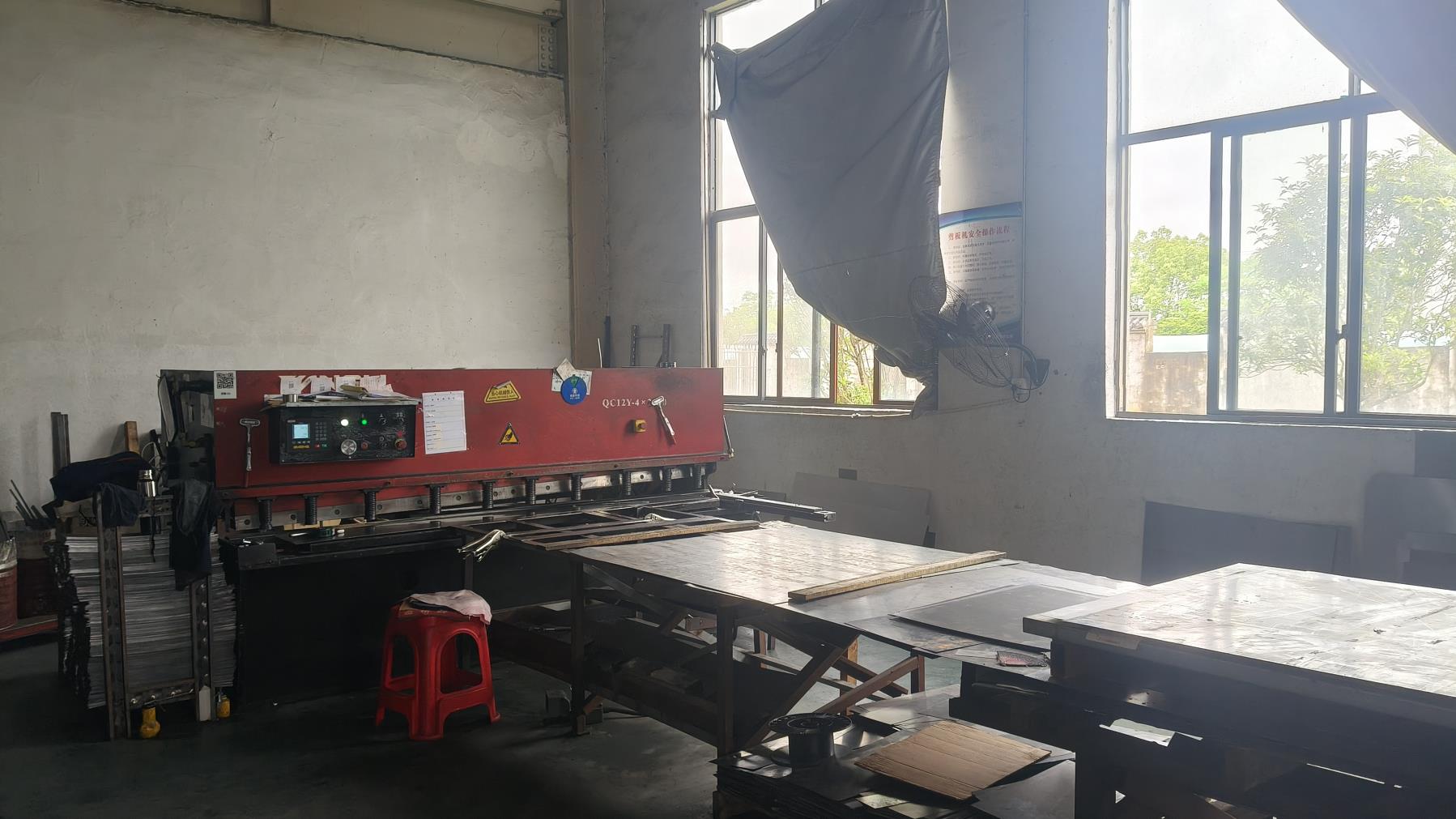
Demonstrable proof of experience, technical capability, and reliable quality management systems.
Established in 2016, Guangdong Shibang Storage Rack Co., Ltd. operates a 35,000㎡ modern production facility. We design and manufacture heavy-duty storage racks, mezzanine platforms, and customized racking systems for global industrial, commercial, and logistical infrastructure. Supported by 15 years of industry experience and 8 years of export history, Shibang serves global distributors, contractors, and warehouse operators.
Our quality management workflow follows standard ISO 9001 quality control procedures. We inspect every stage of production, from raw steel testing to post-welding measurements, surface finish thickness checks, and weight-capacity testing. A quality control team of 65 QC specialists conducts detailed parameter checks before releasing shipments, ensuring that all platforms meet strict international load-bearing guidelines.
We maintain a strong supply network consisting of over 1,200 raw material and manufacturing partners, which allows us to source structural steel cost-effectively and maintain stable pricing for our clients. In addition, our R&D department—composed of 28 structural and design engineers—introduces approximately 120 new configurations every year to address evolving space-utilization requirements across international markets.
Active export networks in North America, Europe, Australia, the Middle East, Southeast Asia, and South America, delivering projects that align with local construction guidelines.
Our facility is equipped with automated roll-forming machines, robotic welding cells, and dynamic electrostatic powder coating lines to achieve consistent dimensional accuracy.
Full layout drafting, CAD/3D modeling, dynamic load calculations, and tailored configurations for unique industrial environments.
The technological future of heavy-duty storage, warehouse structural systems, and structural optimization.
The next decade of warehousing technology points toward fully integrated smart storage facilities. Heavy-duty platforms are evolving from simple mechanical surfaces into active nodes equipped with integrated weight sensors, dynamic load monitors, and power tracks for mobile robots. Shibang is actively designing smart platforms featuring embedded strain gauges that relay load conditions back to warehouse management software (WMS) in real-time. This helps operators prevent structural overloading and predict maintenance cycles.
Additionally, we are focusing engineering efforts on reducing on-site installation labor requirements. By standardizing interlocking joints and modular structural beams, we aim to reduce reliance on on-site welding and heavy lifting equipment during assembly. This modular approach accelerates project timelines, allowing companies to transition from bare floors to operational multi-level platforms in a fraction of the time required by traditional construction.
Essential insights for procurement managers and warehouse engineers looking to source heavy-duty platforms from China.
The load-bearing capacity is determined by structural steel thickness (typically 2.0mm to 4.0mm profiles), column spacing, and beam depth. Engineers calculate both the Uniformly Distributed Load (UDL) and concentrated point loads from racking uprights or forklift tires to ensure safety margins remain above a 1.5 factor.
Exported platforms should carry CE marking for structural compliance in the European Union (under EN 1090 standards). For North America, designs should adhere to RMI (Rack Manufacturers Institute) and ANSI MH16.1 specifications, supported by professional engineering reviews where required.
We source our raw steel coils from certified domestic mills, accompanied by mill test certificates (MTC) detailing chemical composition and mechanical properties. Before production begins, our 65-member QC team performs mechanical tests, including tensile strength and yield point verifications.
Yes, our high-precision roll-formed sections maintain tight dimensional tolerances, allowing our platforms to be integrated with automated shuttle systems, vertical conveyors, and AGV floor pathways. We design specifically to reduce deflection and vibration during automated equipment operation.
We apply an electrostatic powder coat with an average cured thickness of 60 to 80 microns. This non-porous layer protects the underlying steel from moisture, acidic pollutants, and mechanical scratches. For humid or chemical-intensive facilities, we offer hot-dip galvanized solutions for enhanced corrosion protection.
Typical production lead times range from 20 to 35 days from layout design approval, depending on structural complexity and volume. Our custom engineering cycle, managed by 28 R&D engineers, takes 3 to 7 days to complete initial CAD drawings and structural simulations.
Select heavy-duty storage designs, logistics platforms, and space-saving organization systems.
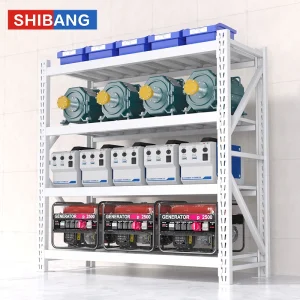
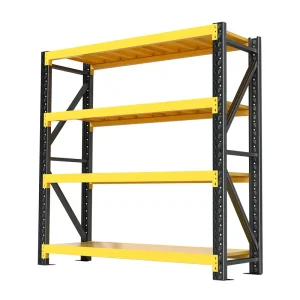
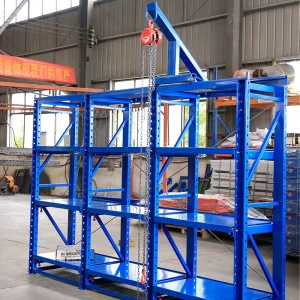
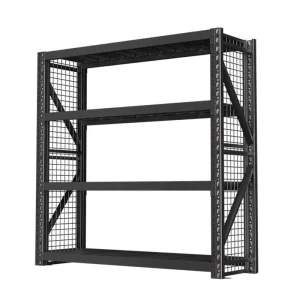
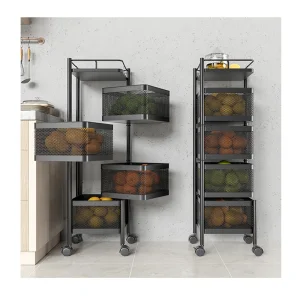
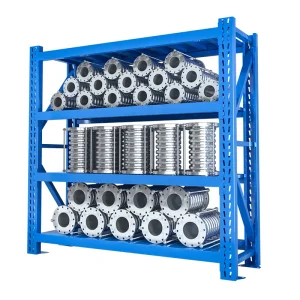
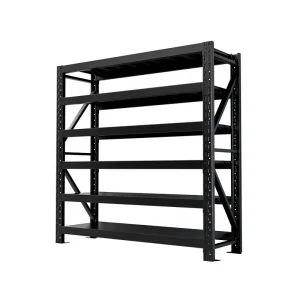
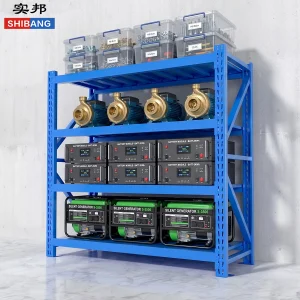
 Shibang Storage Rack