Discover our comprehensive collection of heavy-duty industrial storage racks and customizable racking configurations engineered for global logistics hubs and smart warehouses.
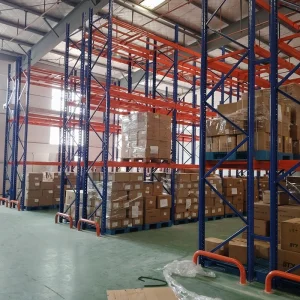
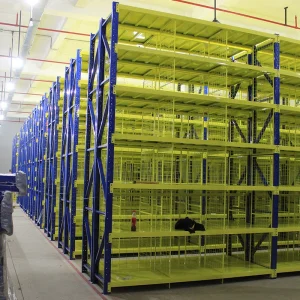
The global warehousing and logistics ecosystem is navigating a critical transformation. Fueled by astronomical rises in industrial real estate valuations, rapid e-commerce proliferation, and the imperative for distribution efficiency, traditional selective racking systems are proving insufficient. Modern supply chain managers are shifting toward high-density configurations, with Push-Back Storage Systems leading the charge. Unlike selective layouts that consume up to 60% of floor space in aisle allowance, push-back storage implements nested carts on inclined rails to combine the dense space-saving properties of drive-in racking with the accessibility of selective solutions.
Operating under the Last-In, First-Out (LIFO) inventory management framework, push-back storage enables pallet depths of 2 to 6 positions. When a forklift operator places a new pallet onto the nest, it pushes the existing pallets backward along the gravity-fed tracks. During extraction, as a pallet is withdrawn, the subsequent pallets roll gently forward to the aisle face. This mechanism drastically reduces forklift travel cycles, eliminates the need for operators to drive deep into racking structures, minimizes rack-damage incidences, and maximizes storage capacities by up to 75% compared to conventional layouts.
According to industrial storage market assessments, three core vectors are accelerating the deployment of push-back technology:
Global procurement teams face complex challenges when sourcing heavy-duty warehousing racks. Storage solutions are not simple commoditized components; they are structural load-bearing installations subject to strict structural standards (e.g., Rack Manufacturers Institute (RMI) standards in North America, EN 15512 specifications in Europe). When sourcing globally, procurement officers focus on distinct parameters to balance initial capital expenditure (CAPEX) with long-term return on investment (ROI) and workplace safety.
Load-Bearing Capacity & Structural Steel Grades: Sourcing managers require certified structural steel (such as Q235B or Q355B cold-rolled steel profiles) that demonstrate high yield strengths. Exact dimensional tolerances are crucial to prevent structural warping and potential rack failure under full-load capacities.
Cart Alignment & Roller Bearings: The mechanical reliability of a push-back rack is only as good as its nested cart assemblies and wheel bearing systems. Rust-resistant, sealed, and heavy-duty steel bearings must execute thousands of cycles without jamming, ensuring smooth movement on inclined rails.
Powder Coating & Corrosion Protection: Racks must withstand tough conditions, from freezing cold storage rooms to humid tropical logistics hubs. Advanced electrostatic powder coating lines ensure optimal paint thickness and adhesion to prevent chipping, rust, and surface deterioration.
Furthermore, supply chain reliability has emerged as a crucial purchasing driver. Standard Lead times, quality compliance documentation, sea freight packaging robustness, and structural engineering support during the installation phase represent critical checkpoints that differentiate basic metal fabricators from tier-one industrial storage solution manufacturers.
We deliver high-density warehouse storage systems engineered to reduce operational overhead and maximize storage capacities globally.
Founded in 2016, Guangdong Shibang Storage Rack Co., Ltd. has established itself as an industry-leading manufacturer of professional warehouse storage racks, industrial shelving, and customized structural systems. Leveraging a state-of-the-art 35,000㎡ modern production facility, the company integrates advanced structural R&D, automated production, strict quality assurance protocols, and global distribution logistics under one roof. With 15 years of industry experience and 8 years of export operations, Shibang products deliver stability, structural safety, and high performance across major global hubs, including North America, Europe, Southeast Asia, the Middle East, and Australia.
Sourcing from premier Chinese rack manufacturers like Guangdong Shibang grants access to an advanced industrial ecosystem. The Pearl River Delta storage equipment manufacturing corridor utilizes state-of-the-art automation systems, combined with localized raw material supply lines, to achieve unparalleled production precision and cost efficiency.
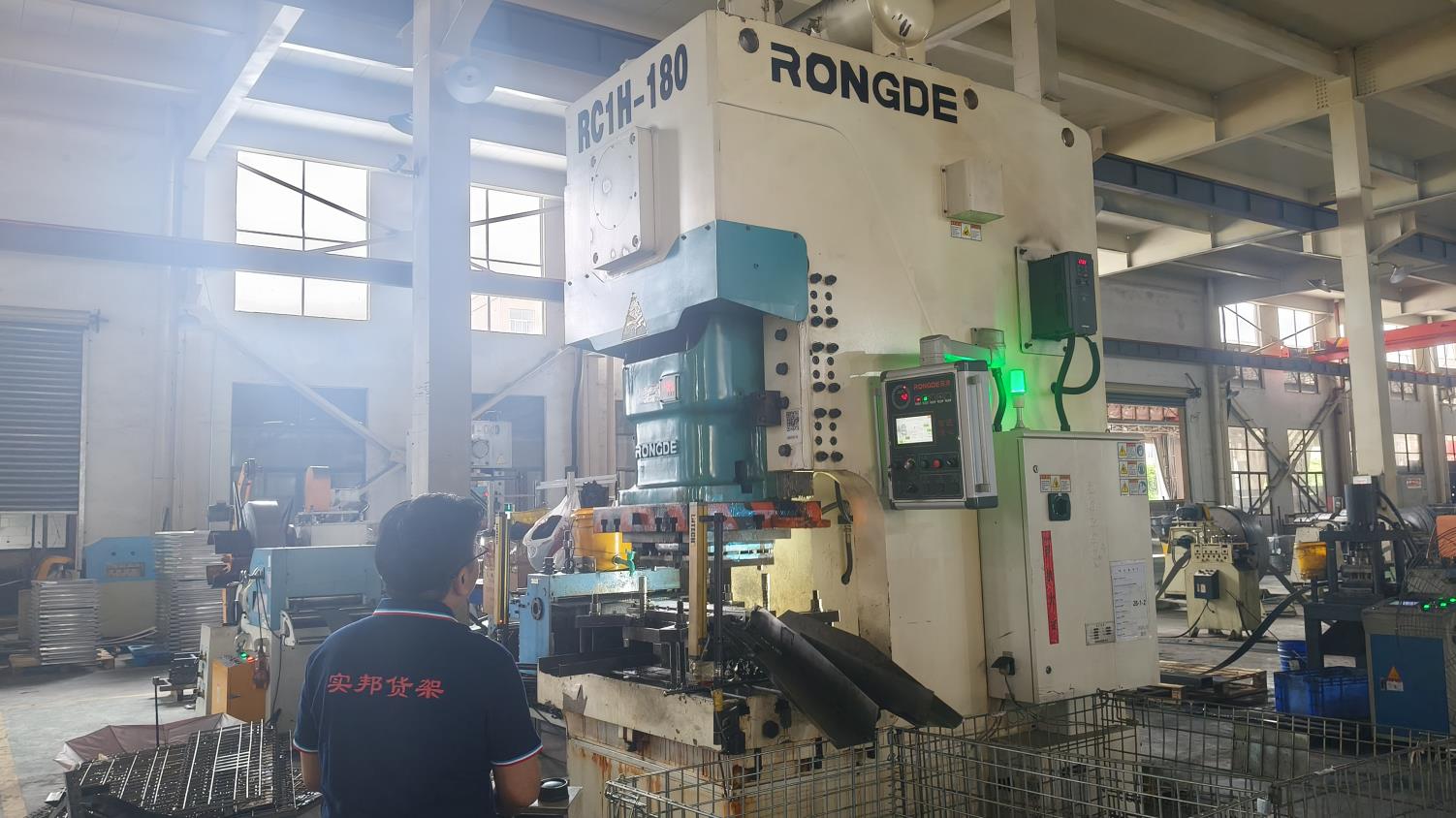
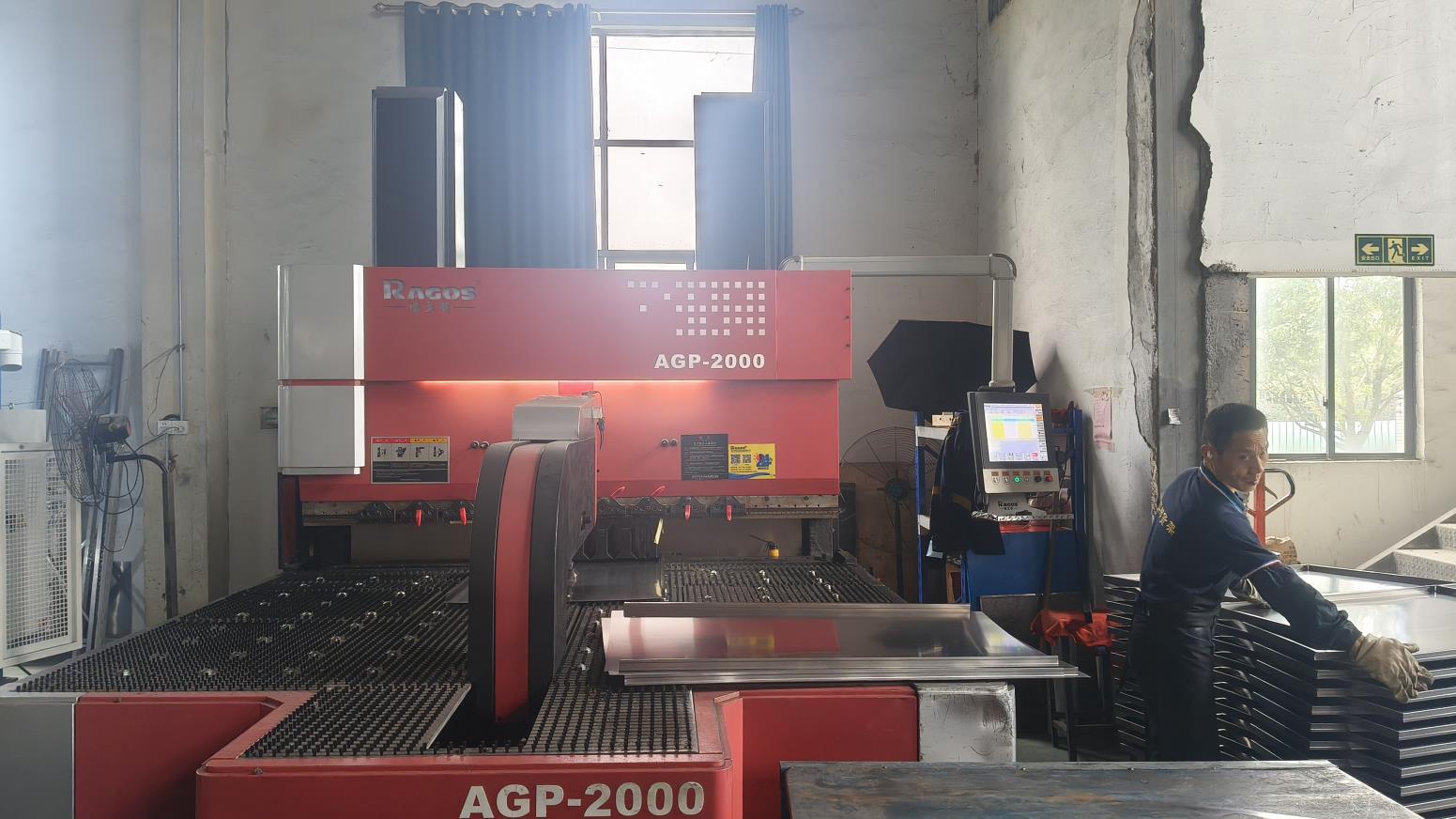
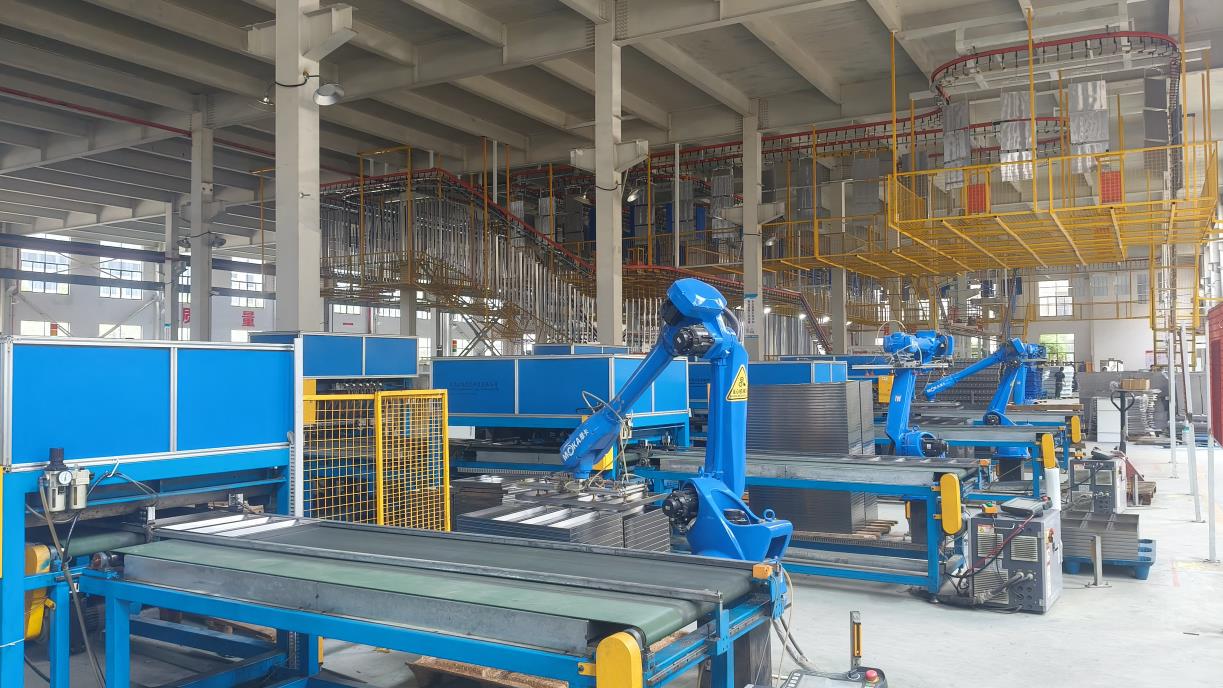
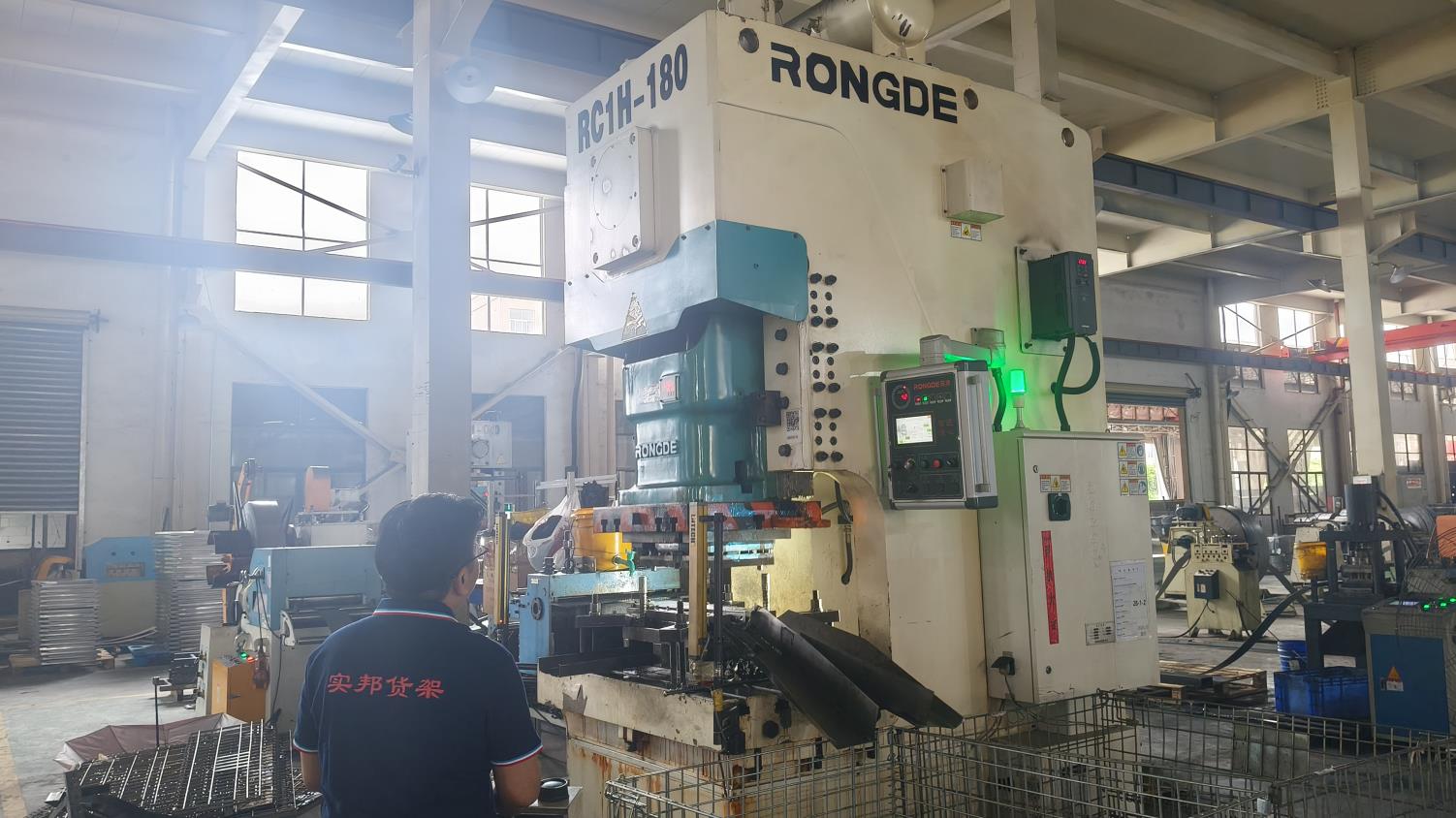
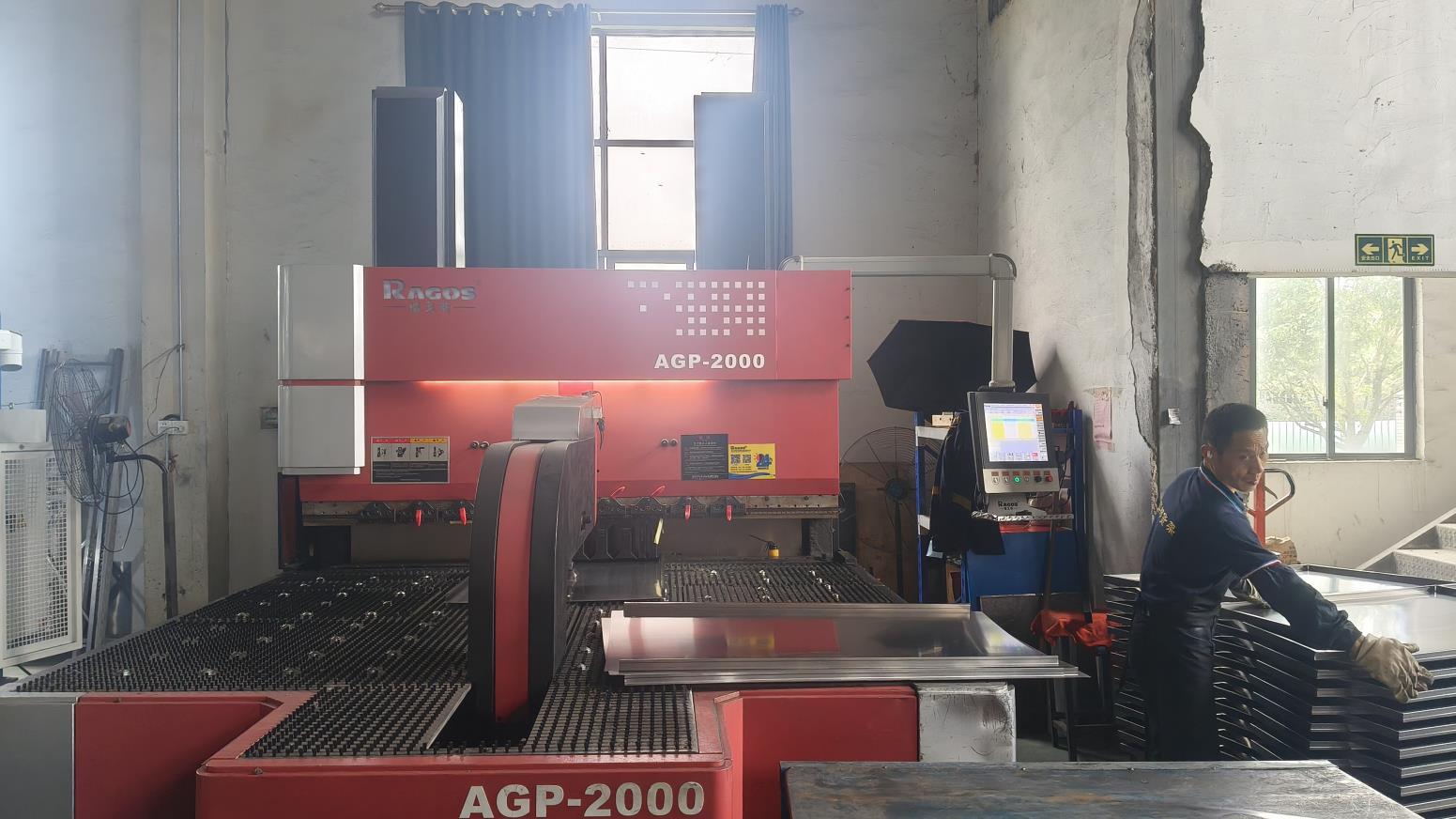
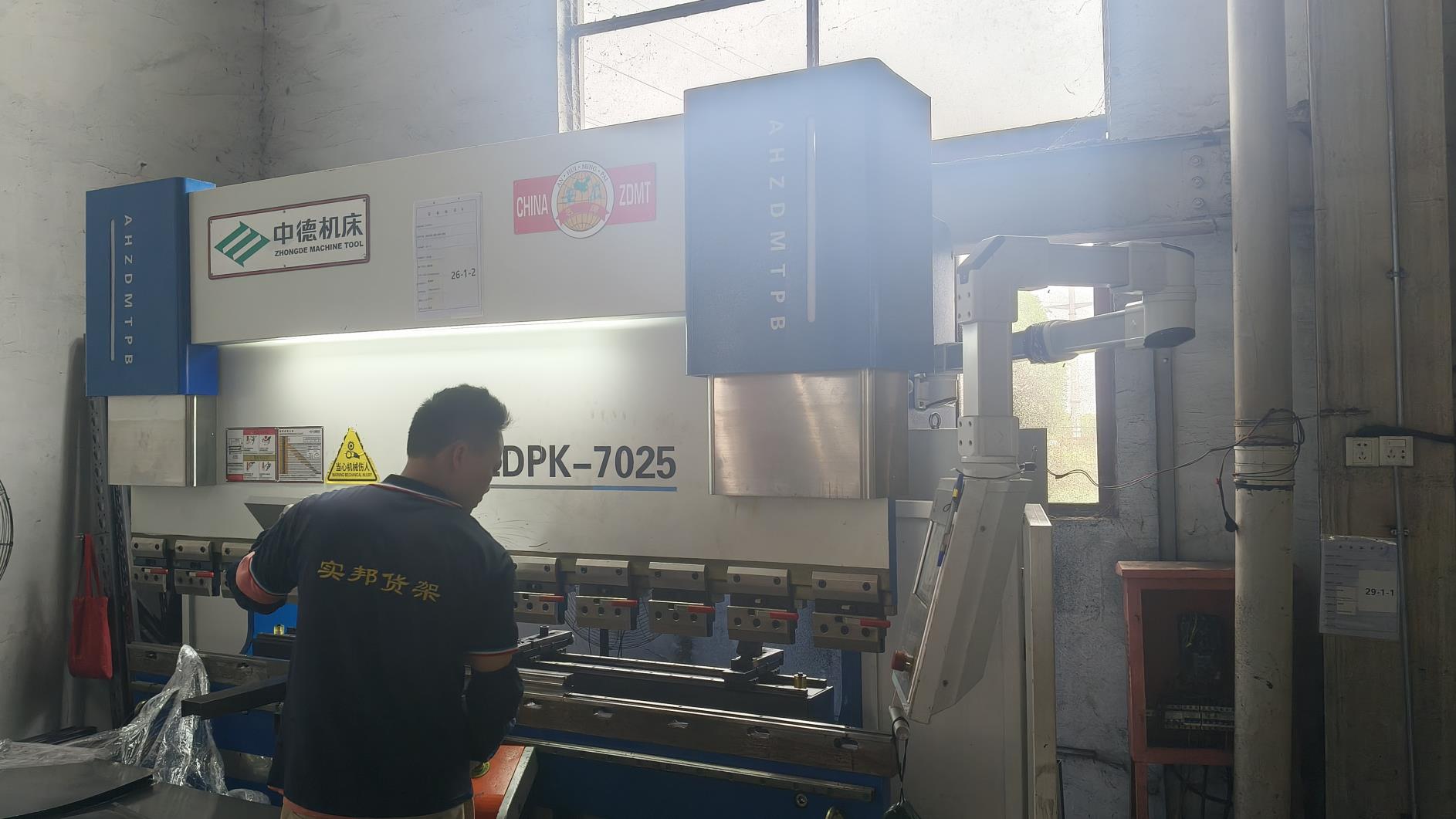
Guangdong Shibang’s production infrastructure integrates high-efficiency manufacturing technology: automated cold roll-forming lines shape upright beams with millimeter accuracy; multi-ton progressive punching machines create precise pitch connections; and heavy-duty robotic welding stations execute consistent, high-integrity welds. These automated methods reduce human error, speed up cycle times, and ensure every batch of upright frames, beams, support bars, and carts meets strict engineering specifications.
By working with a network of over 1,200 reliable partners, Shibang ensures a steady supply of premium hot-rolled and cold-rolled steel coil, fasteners, and specialized bearing components. This integration protects the factory from steel price volatility and material shortages, allowing us to keep production timelines consistent even during global shipping disruptions. For global buyers, this means reliable lead times, lower per-bay costs, and scalable manufacturing support.
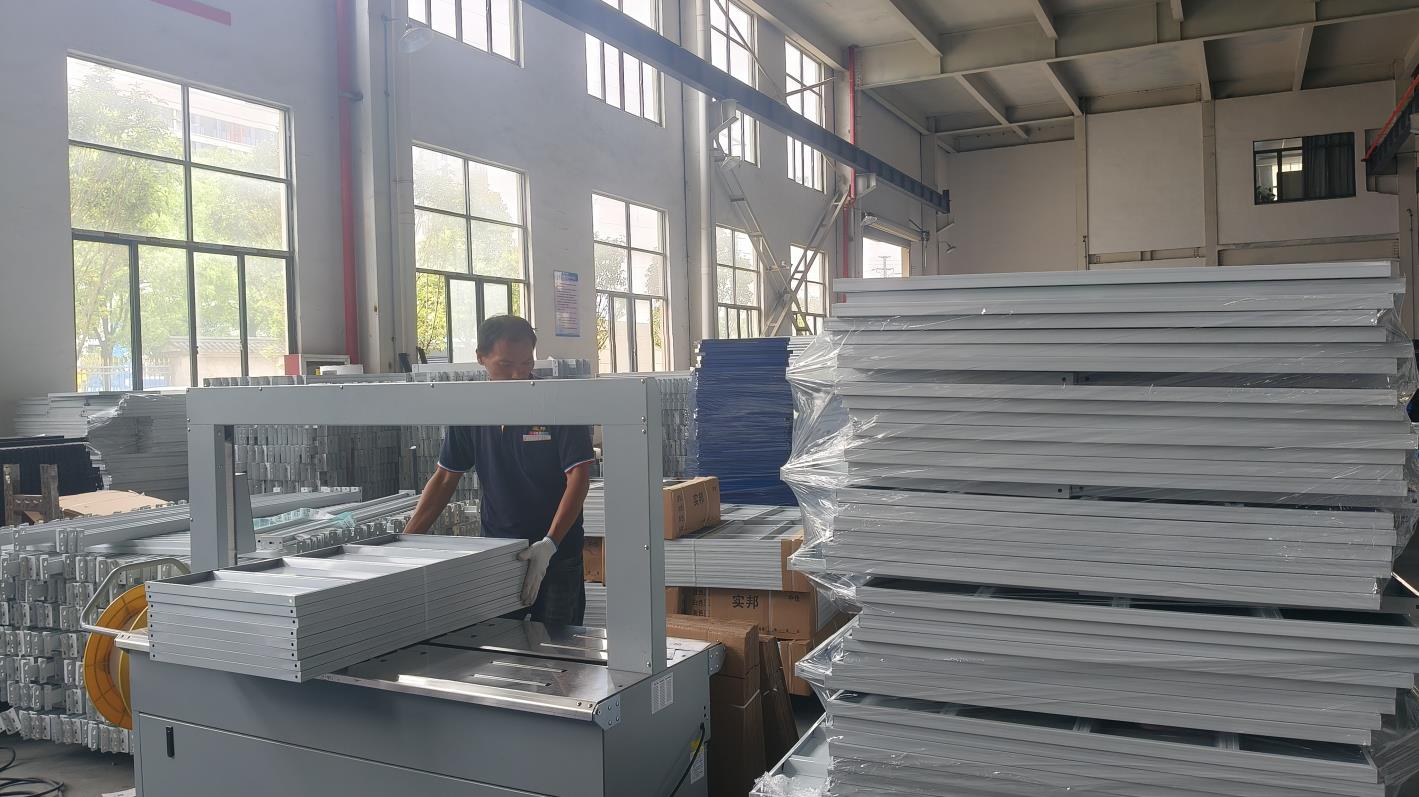
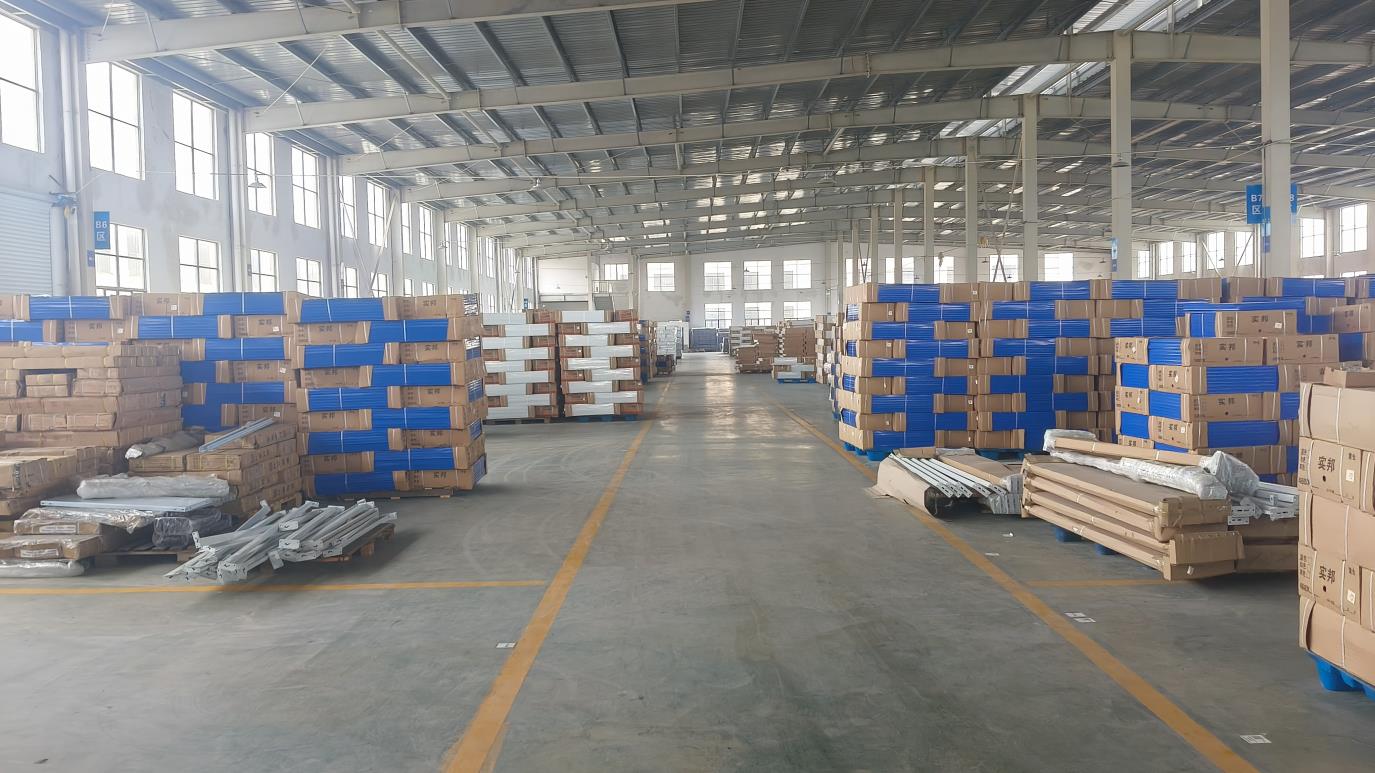
Inside Guangdong Shibang's 35,000㎡ plant: A visualization of modern cold-forming, punching, welding, and surface treatment technologies.
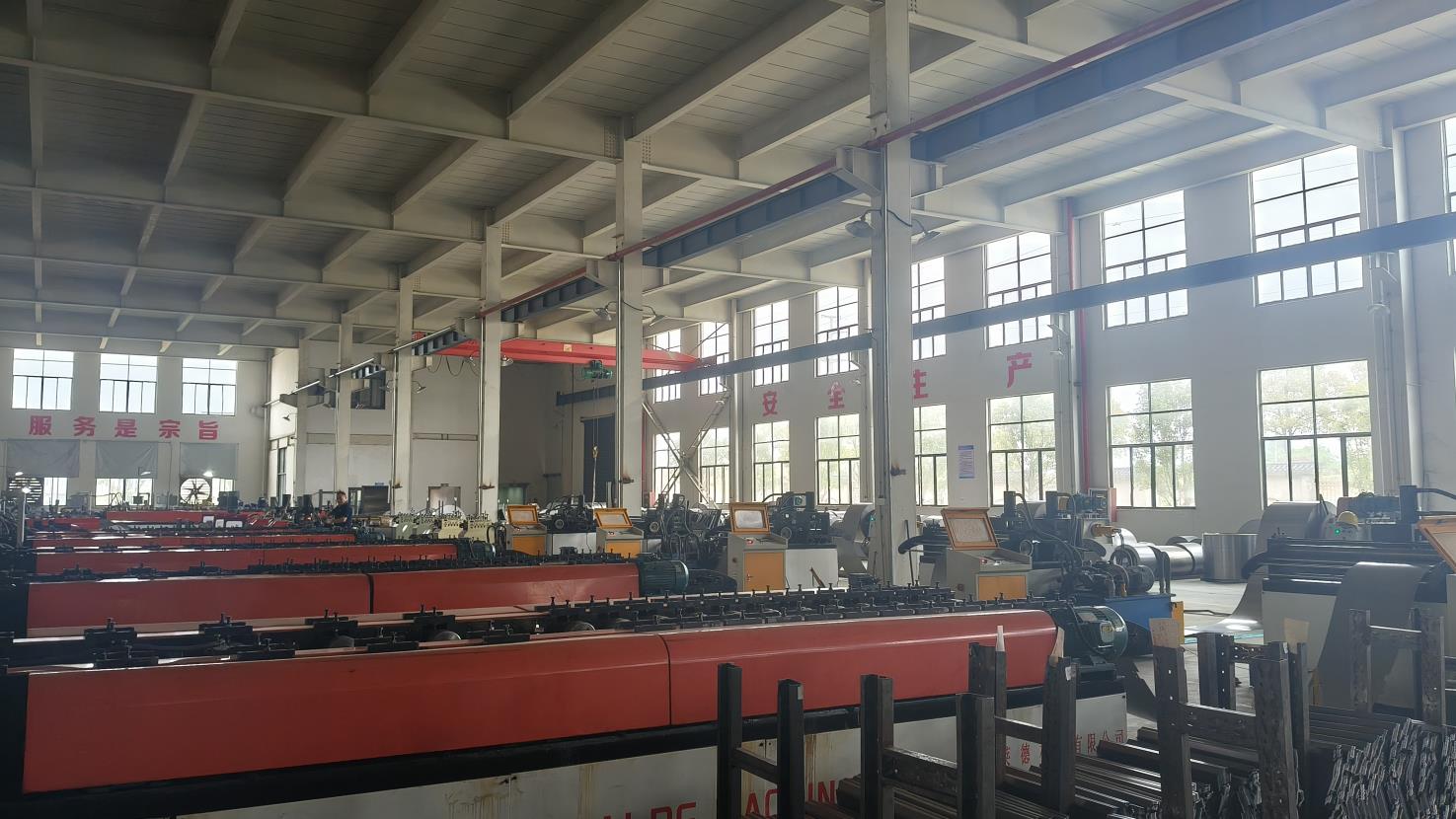
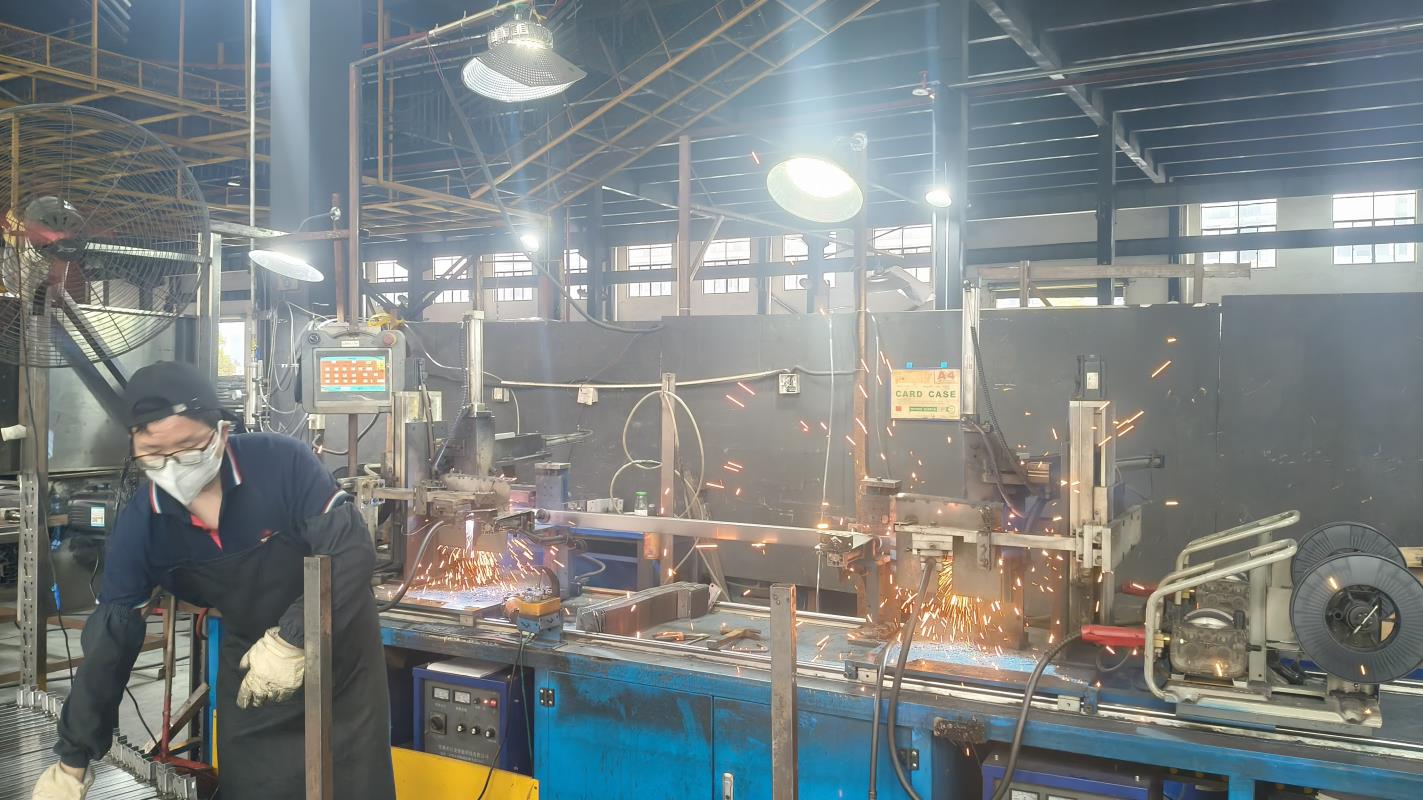
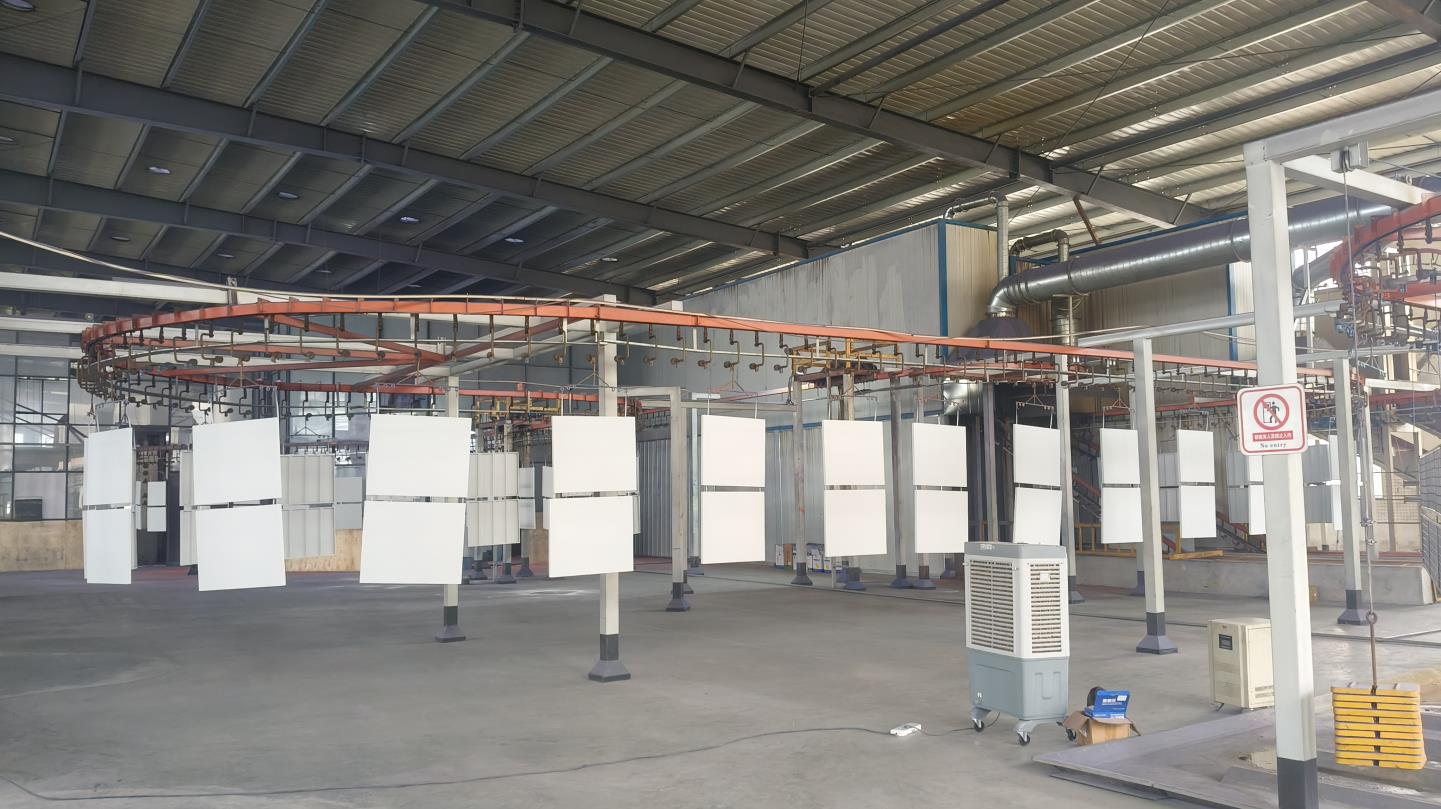
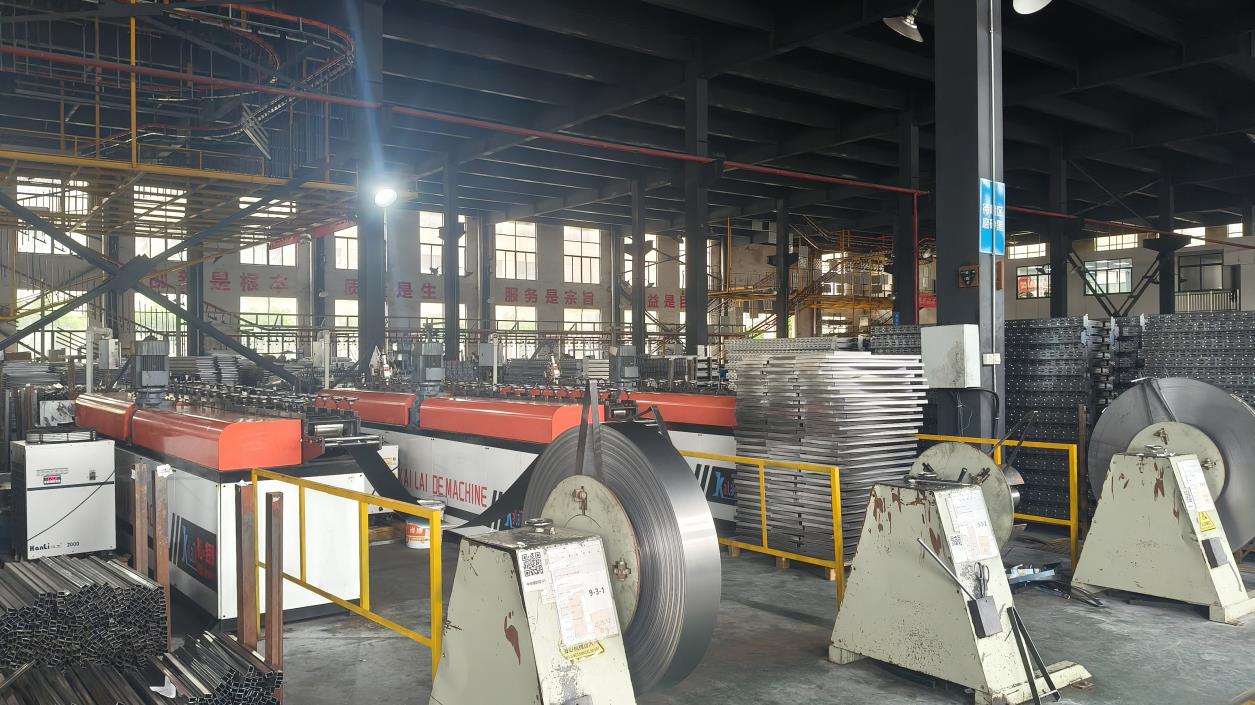
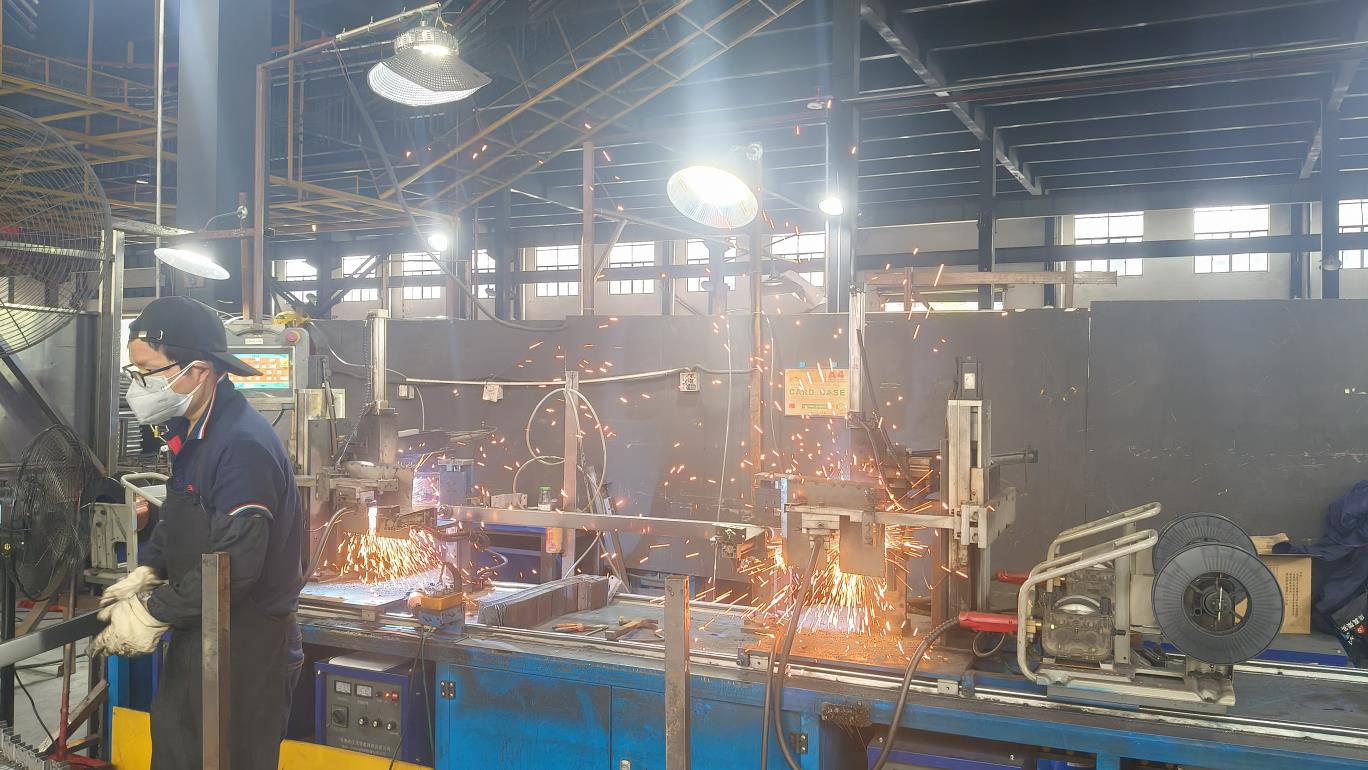
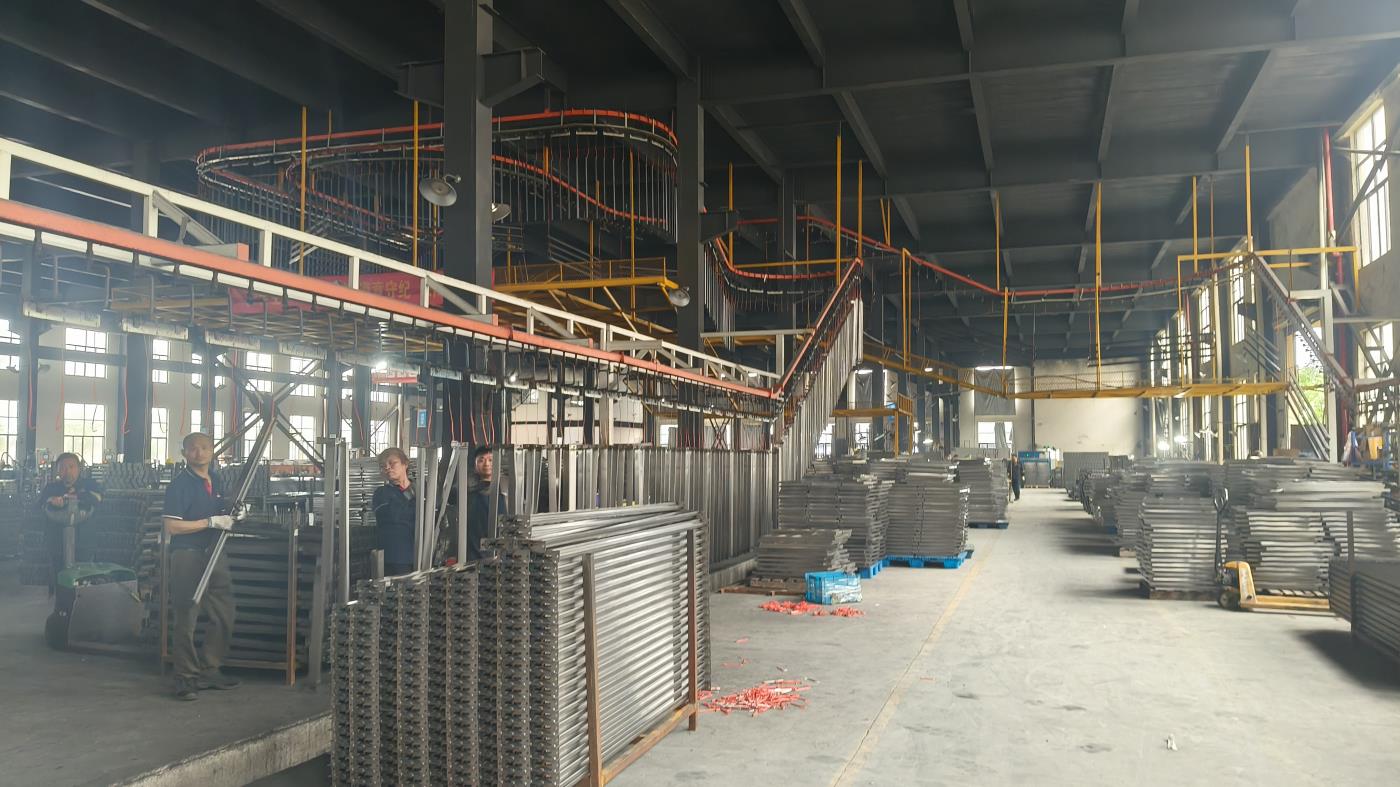
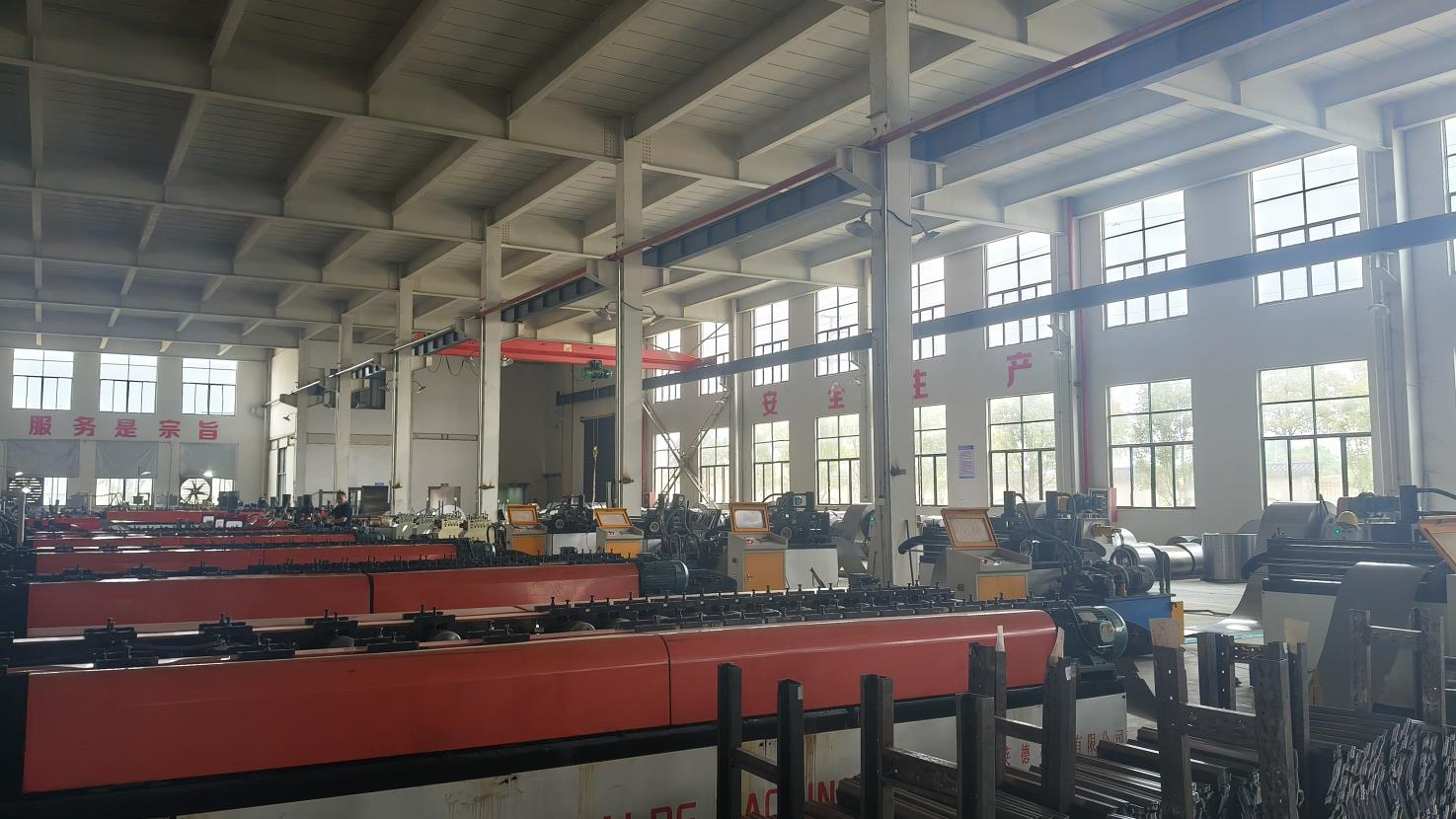
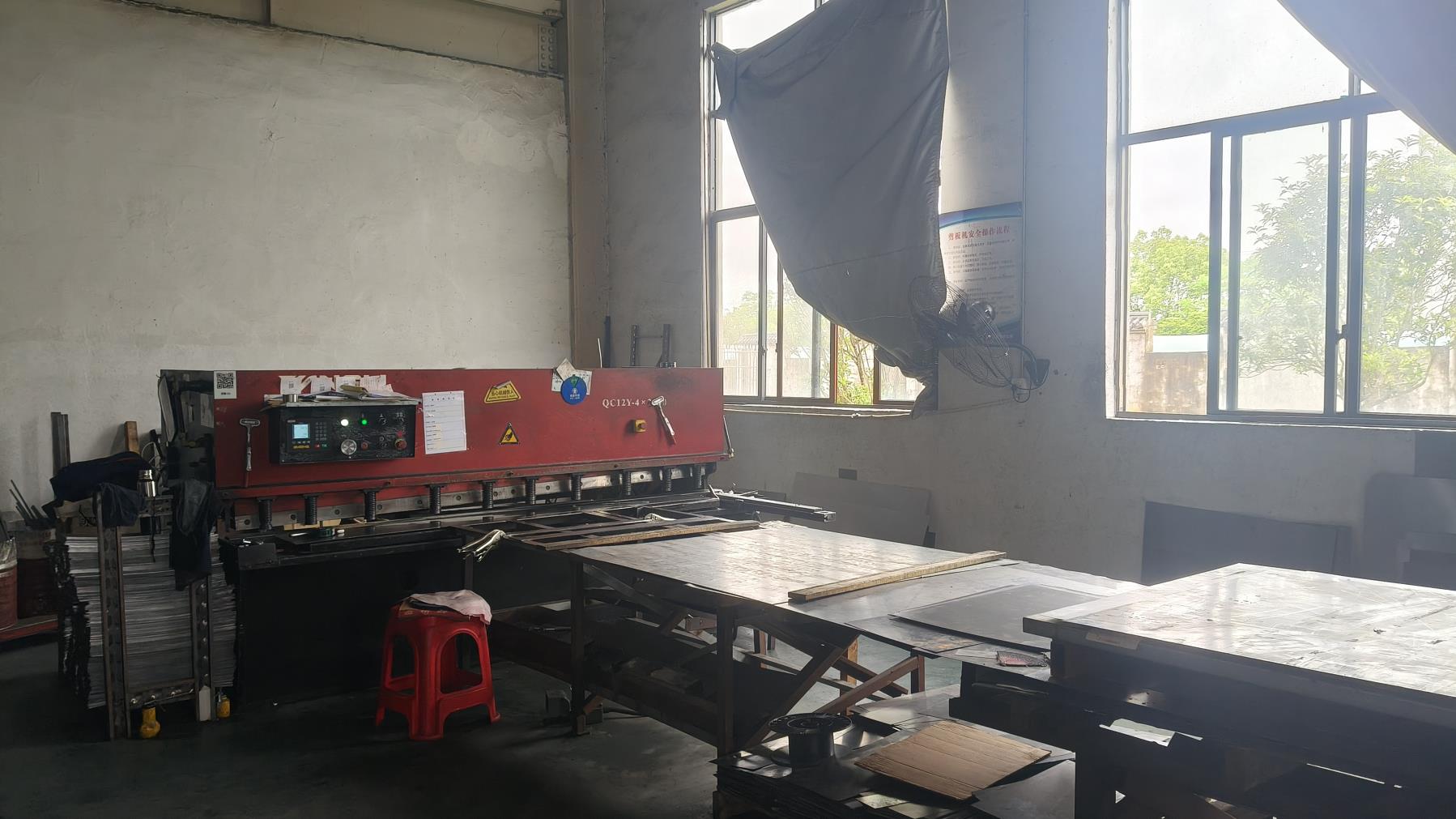
Workplace safety is critical in high-density warehousing. Under the direction of our dedicated quality inspection team of 65 experienced QC specialists, Guangdong Shibang implements an ISO 9001-certified quality control system at every phase of production. We test and verify raw materials from the moment they arrive to ensure the steel grade, yield strength, and thickness meet design specifications before production begins.
Shibang's comprehensive quality assurance testing covers all physical and mechanical properties:
With a skilled engineering team of 28 R&D engineers, we develop approximately 120 new products annually. This R&D-driven approach allows us to adapt rack systems to local environmental challenges, such as designing specialized seismic bracing systems for regional fault lines or optimizing cart configurations to prevent condensation build-up in sub-zero facilities.
Push-back racking systems are highly versatile and fit seamlessly into various industrial applications. They offer space-efficient storage for businesses handling high volumes of multi-pallet goods per SKU. Below are key applications where this storage design excels:
Cold storage facilities have high energy and operating costs. Maximizing storage density is essential to minimize the total volume requiring refrigeration. Push-back racking systems are ideal for cold storage because they offer high storage density and require fewer access aisles. Shibang uses low-temperature-resistant bearings and specialized galvanized finishes to keep cart systems running smoothly and rust-free in sub-zero environments.
In food and beverage distribution, managing batch codes is critical. Push-back systems allow operators to store up to six pallets deep per channel, keeping each lane dedicated to a single SKU. This arrangement enables efficient batch-controlled LIFO access, keeps aisles clear, simplifies inventory tracking, and reduces SKU mixing.
Logistics hubs often need staging zones for fast-moving items before packing and shipping. Storing these items in selective racks takes up too much valuable floor space, while drive-in racking is too slow. Push-back racking provides the perfect balance, serving as an efficient staging buffer that supports fast throughput with minimal forklift travel times.
Get expert answers to technical questions about push-back storage systems, manufacturing compliance, and engineering options.
Browse our full range of heavy-duty, medium-duty, and specialized warehouse storage solutions.
 Shibang Storage Rack