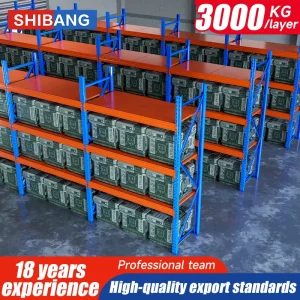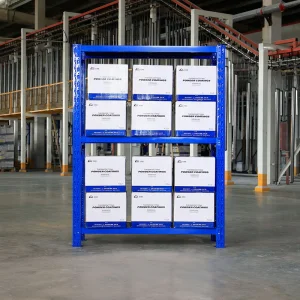
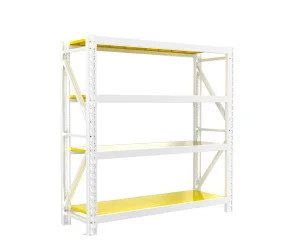
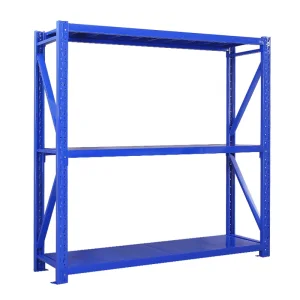
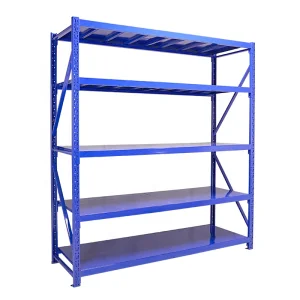
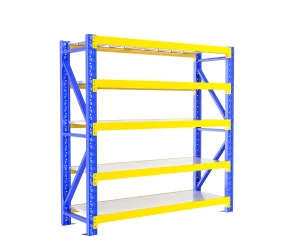
In modern industrial operations, material handling efficiency directly impacts bottom-line profitability. Storage trolleys, heavy-duty warehouse racks, and customizable mobile shelving systems serve as the mechanical backbone for logistics optimization.
The global commercial supply chain is shifting from static, rigid warehousing layouts to dynamic, agile logistics environments. High-density storage systems must now facilitate swift pick-and-pack operations, support automation integrations (like AGVs and AMRs), and ensure high safety levels for floor operators. In this context, storage trolleys and adjustable racks are no longer simple ironmongery; they are precision-engineered devices configured to minimize motion waste and maximize cubic space usage.
China's manufacturing sector leading in cold-rolled steel processing, structural testing, and scale economics has become the global benchmark for sourcing industrial racks and heavy-duty storage equipment. Facilities like Guangdong Shibang Storage Rack Co., Ltd. leverage automated powder coating lines, heavy-duty roll-forming machinery, and structural robotics to construct systems that adhere to global structural standards, including Europe's FEM guidelines and America's RMI specifications.
Modern logistics demands structures that satisfy three pillars of engineering: maximum structural load capacity, multi-tier spatial accessibility, and dynamic structural adaptability. Standard static shelving systems must interface seamlessly with dynamic mobile transport trolleys to secure an uninterrupted warehouse flow.
Established in 2016, Guangdong Shibang Storage Rack Co., Ltd. has developed into a premier manufacturer of storage racks, industrial shelving, and bespoke warehouse systems. Operating from our vast production plant in Guangdong, China, we service logistics providers, e-commerce giants, and distribution networks in the United States, Germany, the United Kingdom, Australia, Saudi Arabia, Thailand, and Mexico.
Our core competitive edge stems from a commitment to material engineering and process quality control. Every batch of cold-rolled steel is tested for tensile strength, yield limits, and dimensional thickness conformity. Our quality assurance protocol includes ISO 9001 compliance, strict raw material verification, structural welding penetration checks, and load-bearing verification tests before any batch departs our docks.
To support global supply chains, we maintain partnerships with over 1,200 reliable material and component suppliers, ensuring steady cost control and production schedules even during complex global market shifts.
Our in-house R&D department comprises 28 structural engineers specializing in CAD, FEA (Finite Element Analysis) load modeling, and space optimization logistics layout. We introduce over 120 new products and configurations each year to align with the changing technological demands of automation, ESD-safe assembly, and deep cold-storage operations.
Analyzing the macro-economic and physical trends shaping the modern materials handling industry.
Rising industrial land prices demand maximum utilization of floor area. Dynamic storage solutions, including mobile shelving systems and specialized carts, increase density by removing static aisle requirements and allowing flexible layout adjustments.
Modern factories utilize ultra-high-grade Q235B and Q355B structural steel, processed through precision cold-rolling lines. Epoxide thermosetting powder coatings protect against corrosion, abrasion, and electrical discharges (ESD).
Trolleys and racking systems are moving toward integration with digital tracking, RFID setups, and automatic retrieval mechanisms, easing transition into computerized Enterprise Resource Planning (ERP) frameworks.
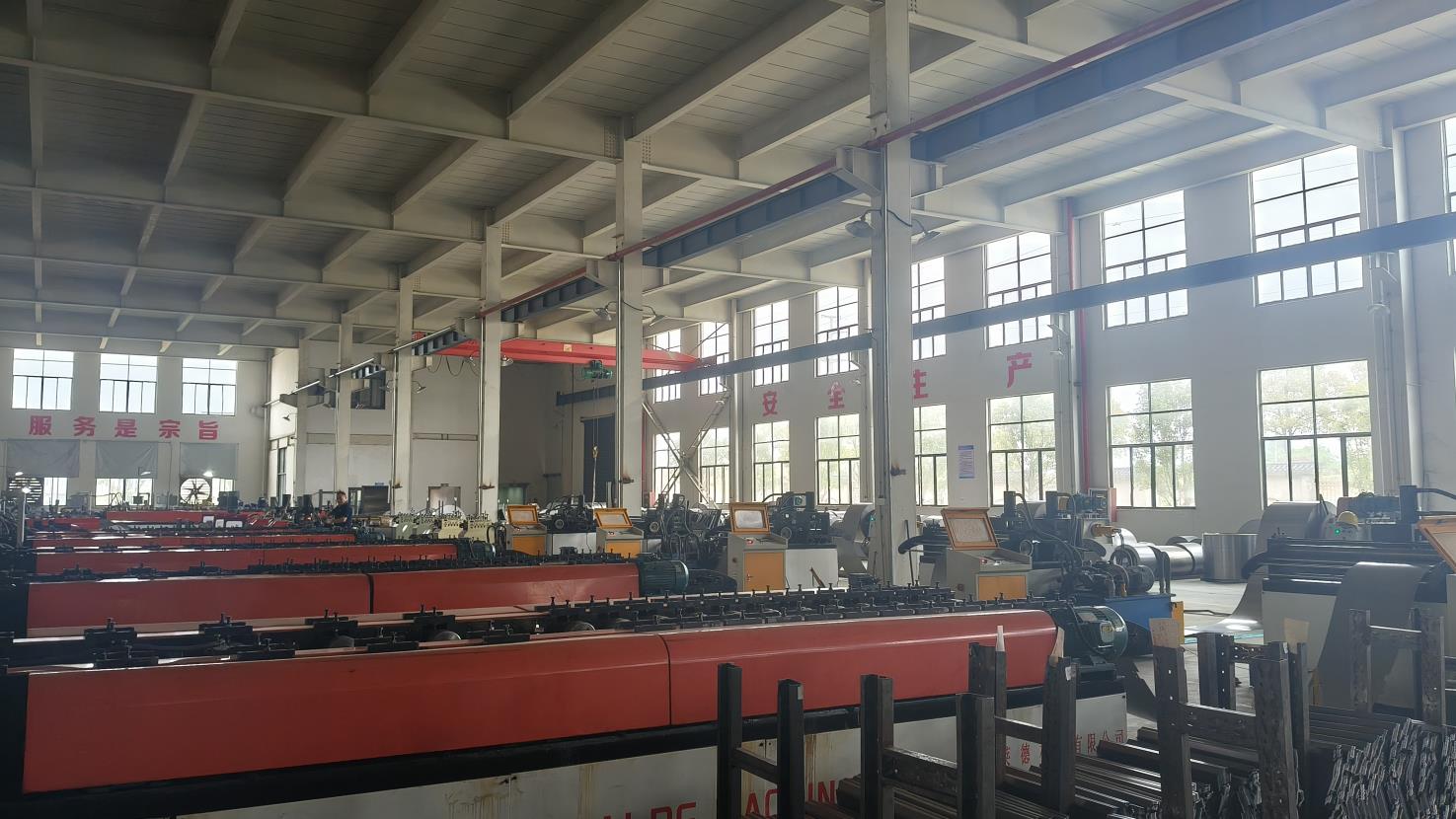
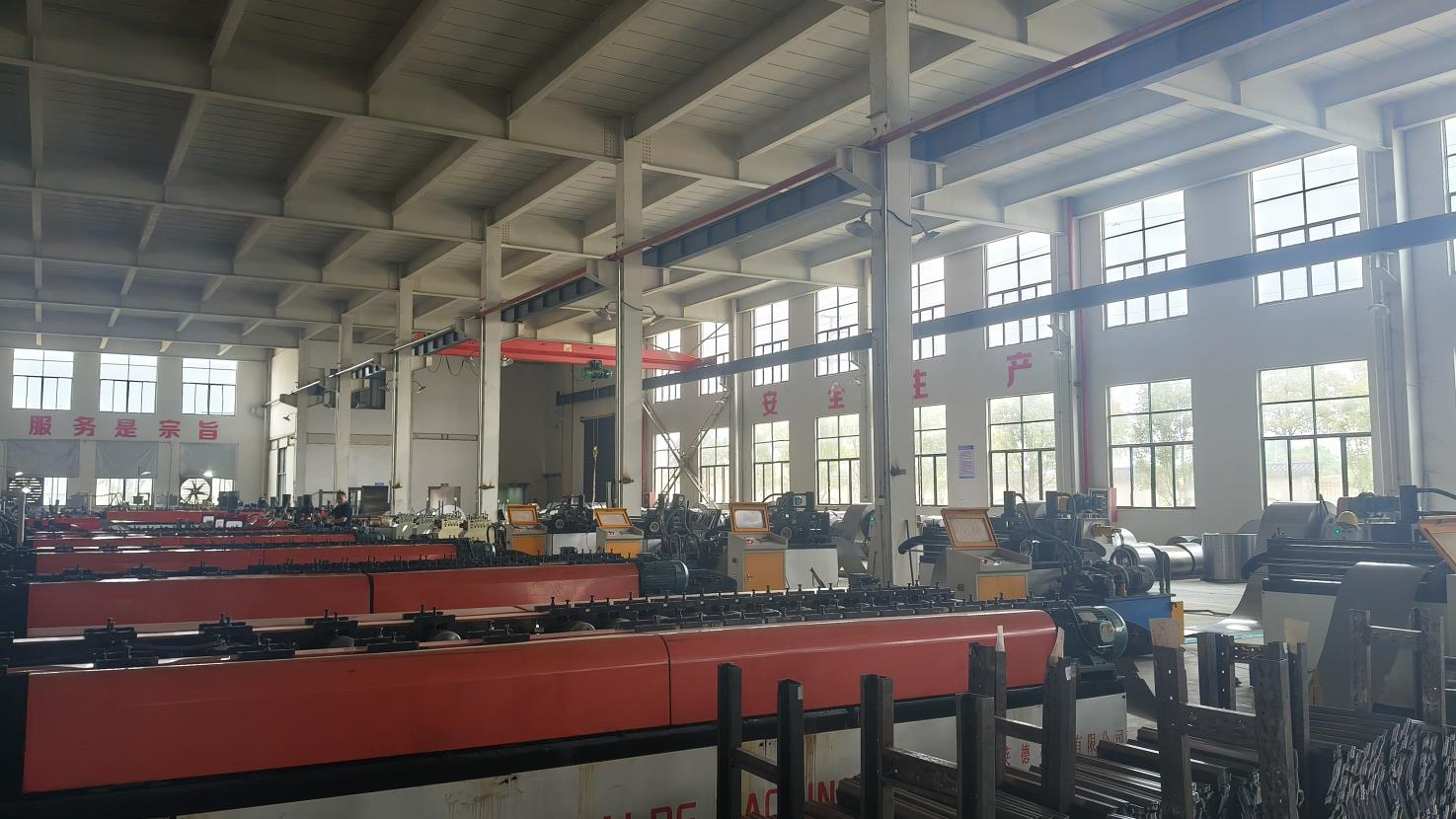
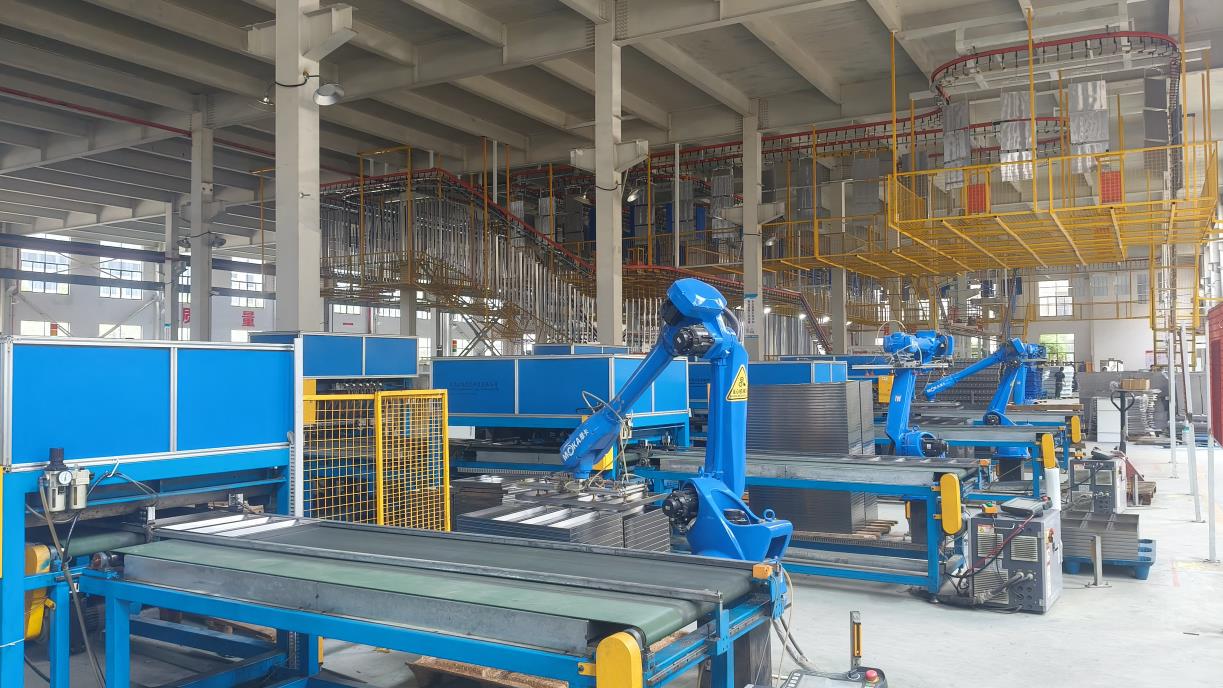
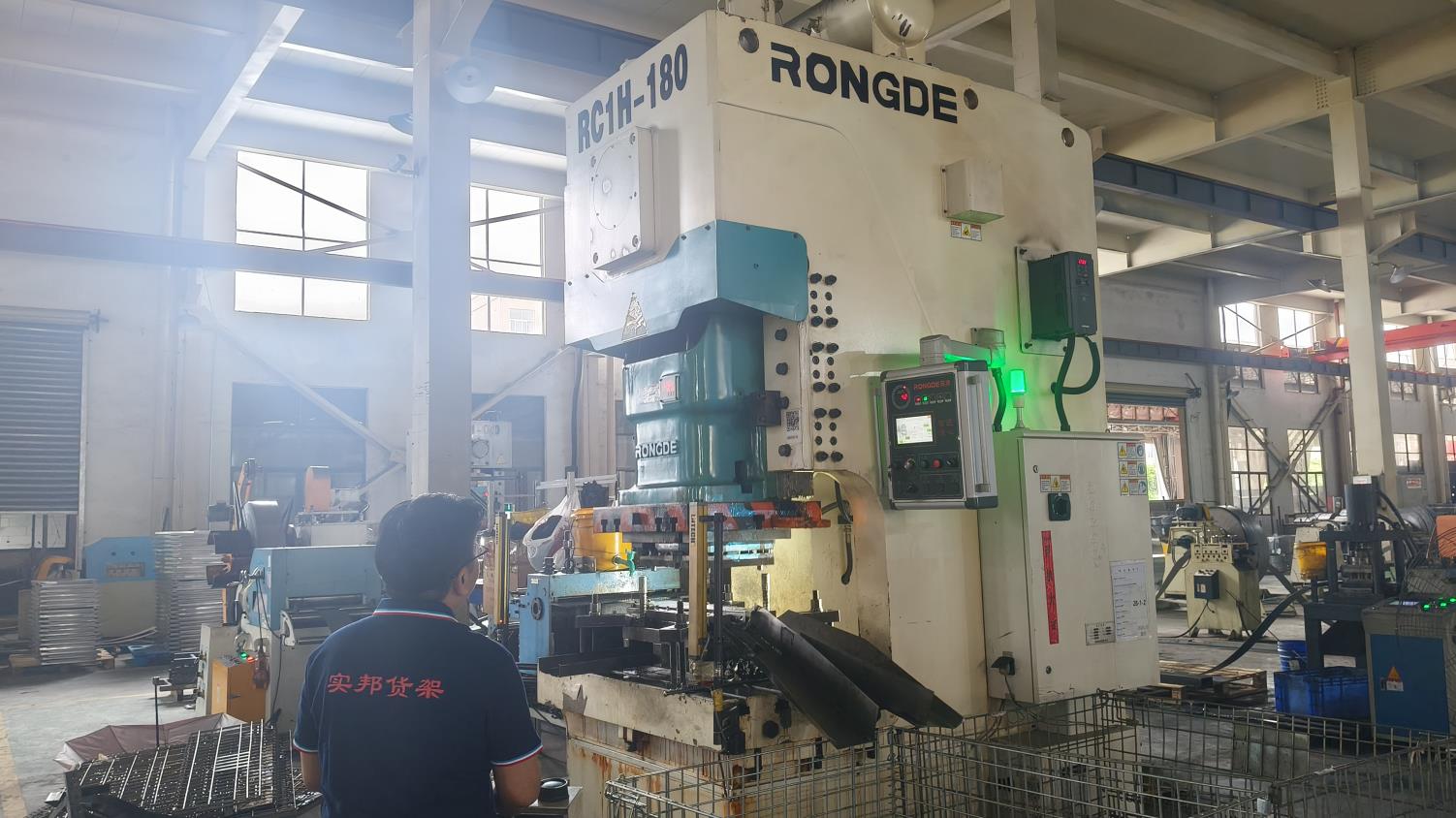
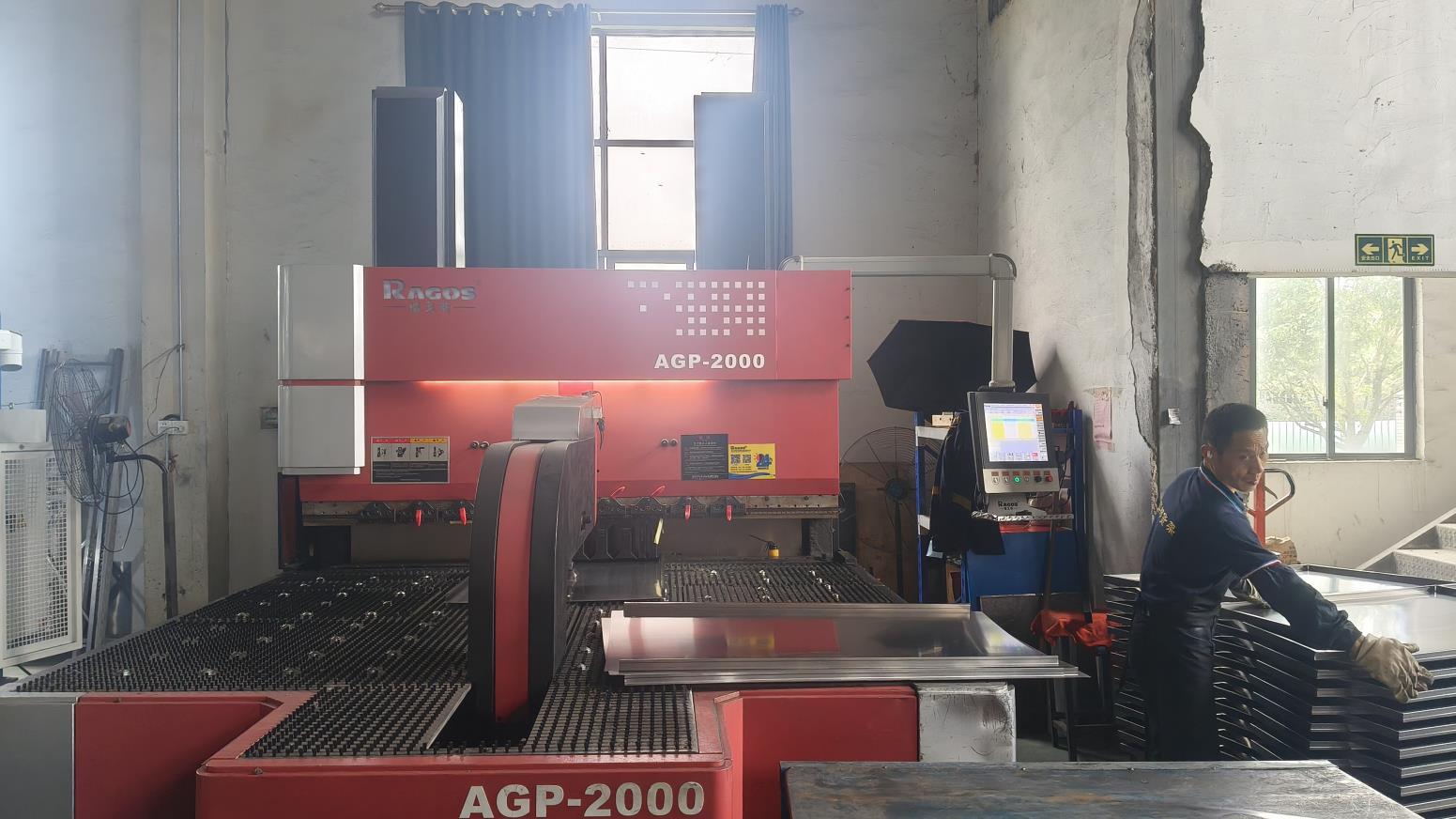
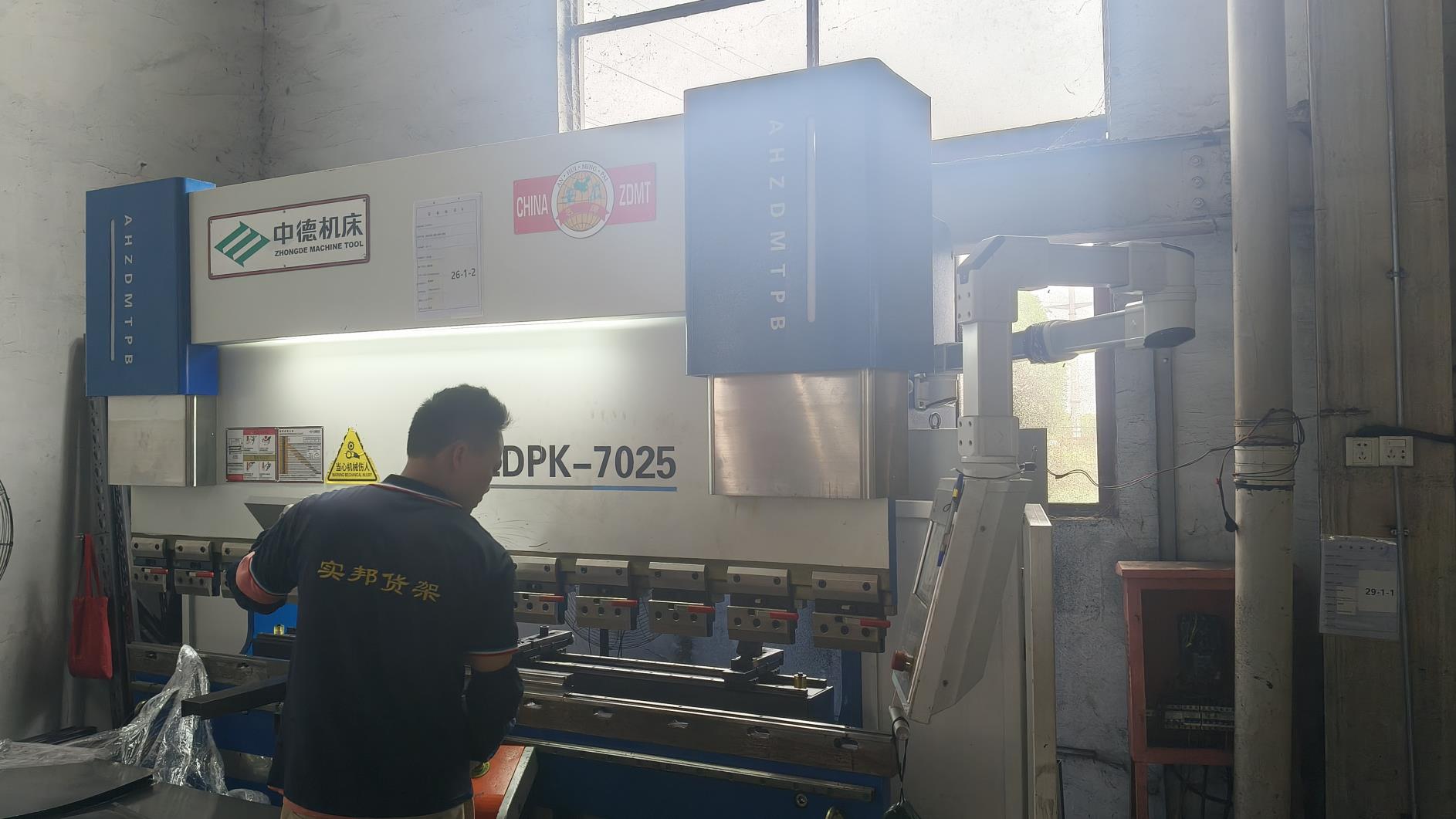
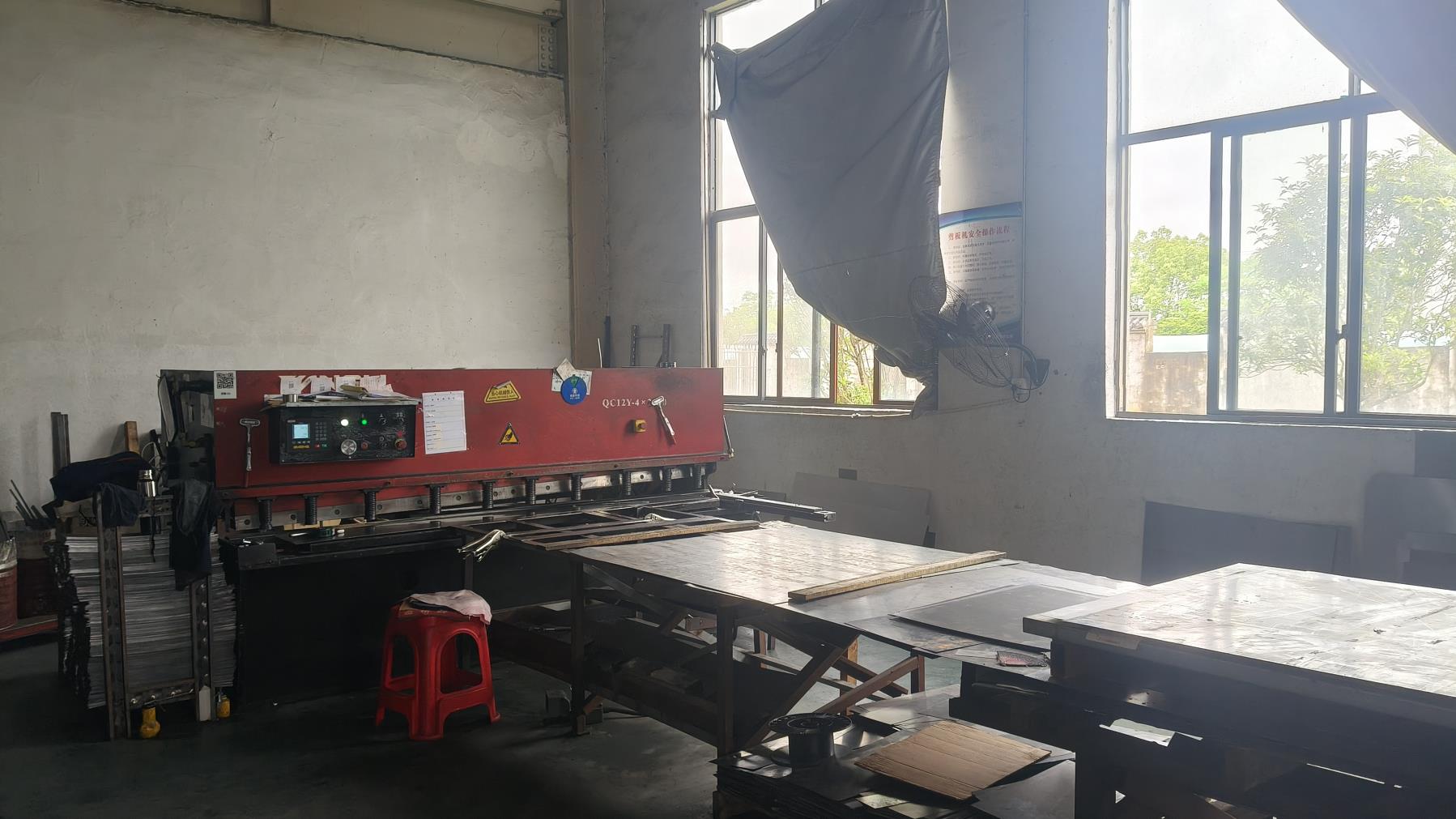
A visual inspection of our 35,000㎡ industrial factory, demonstrating automated cold-rolling, precision bending, automatic punching, and structural assembly lines.
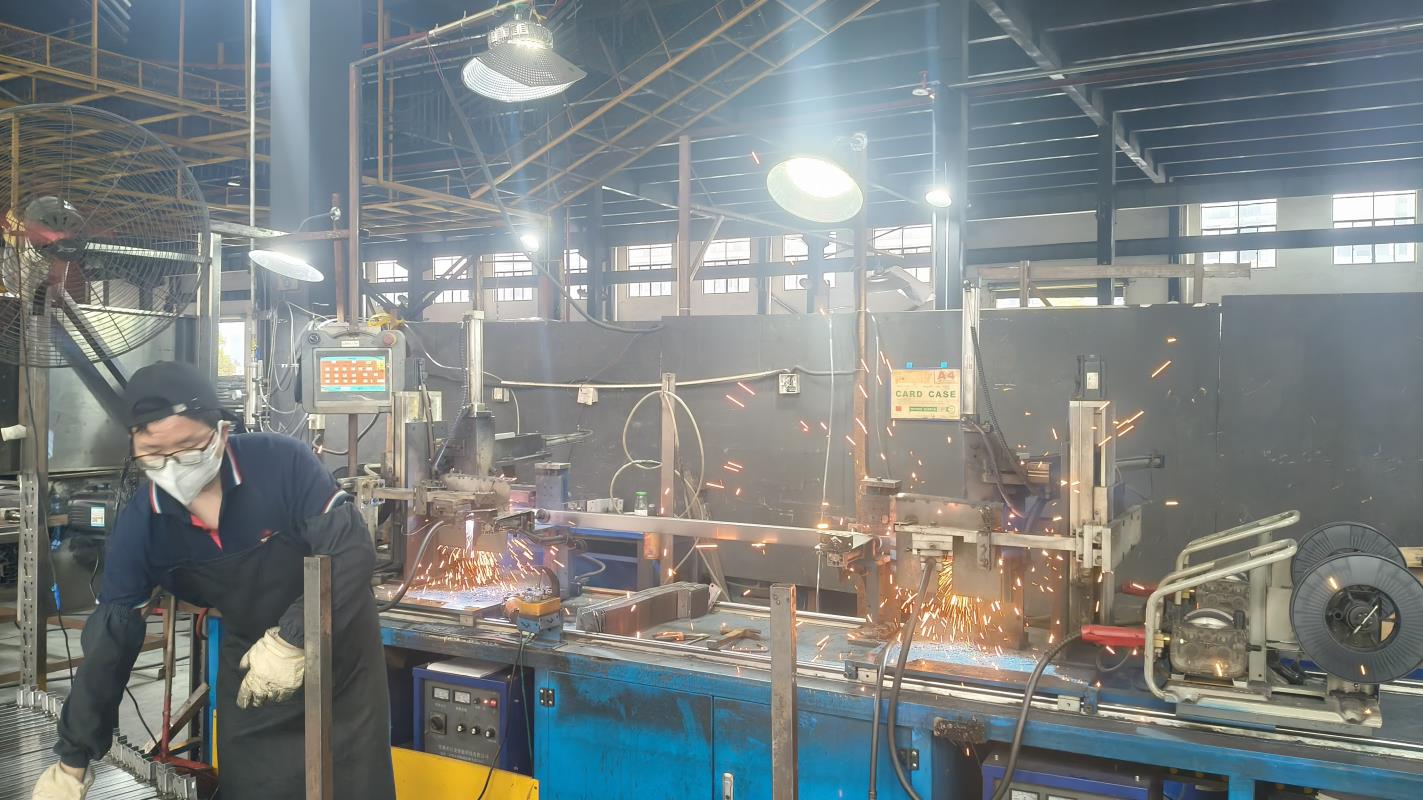
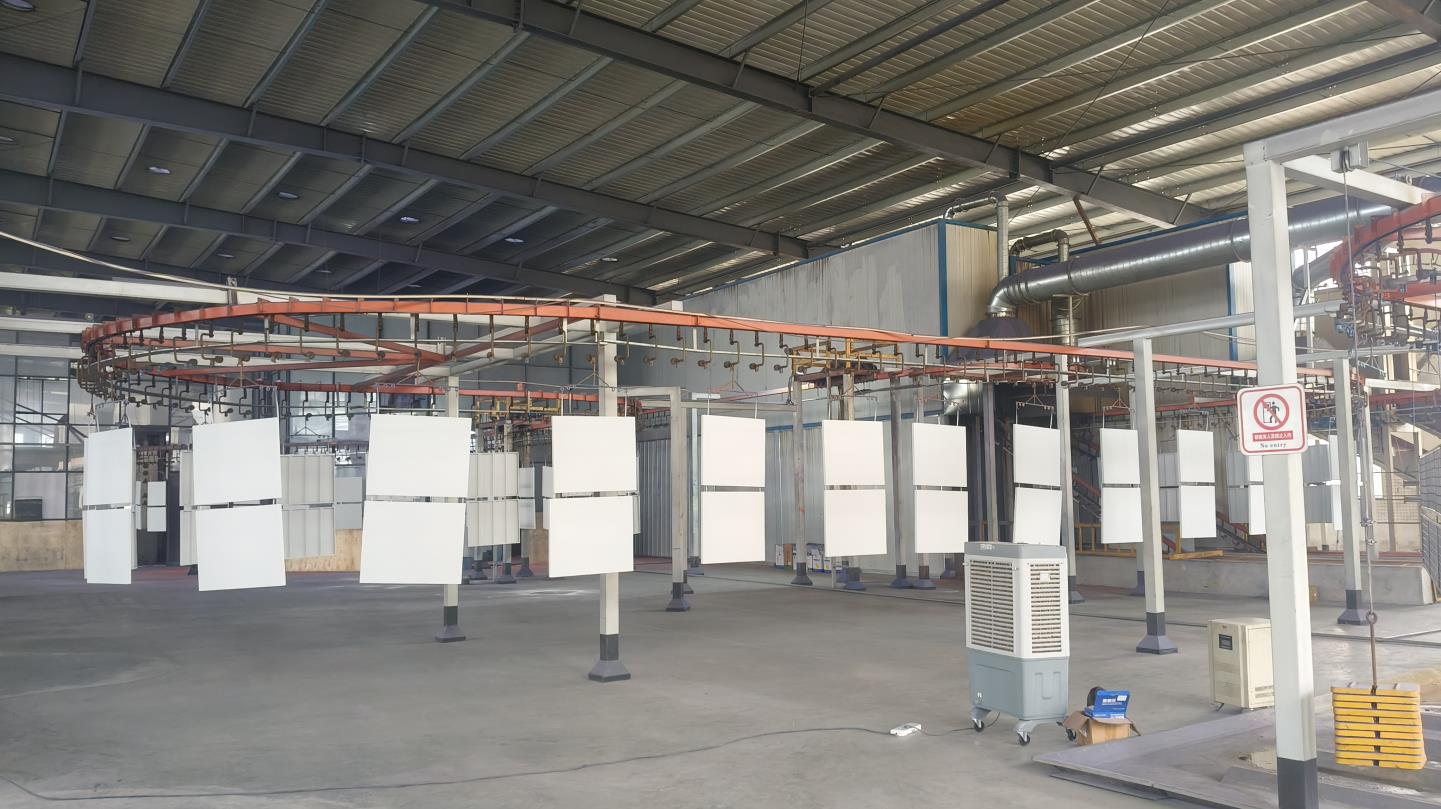
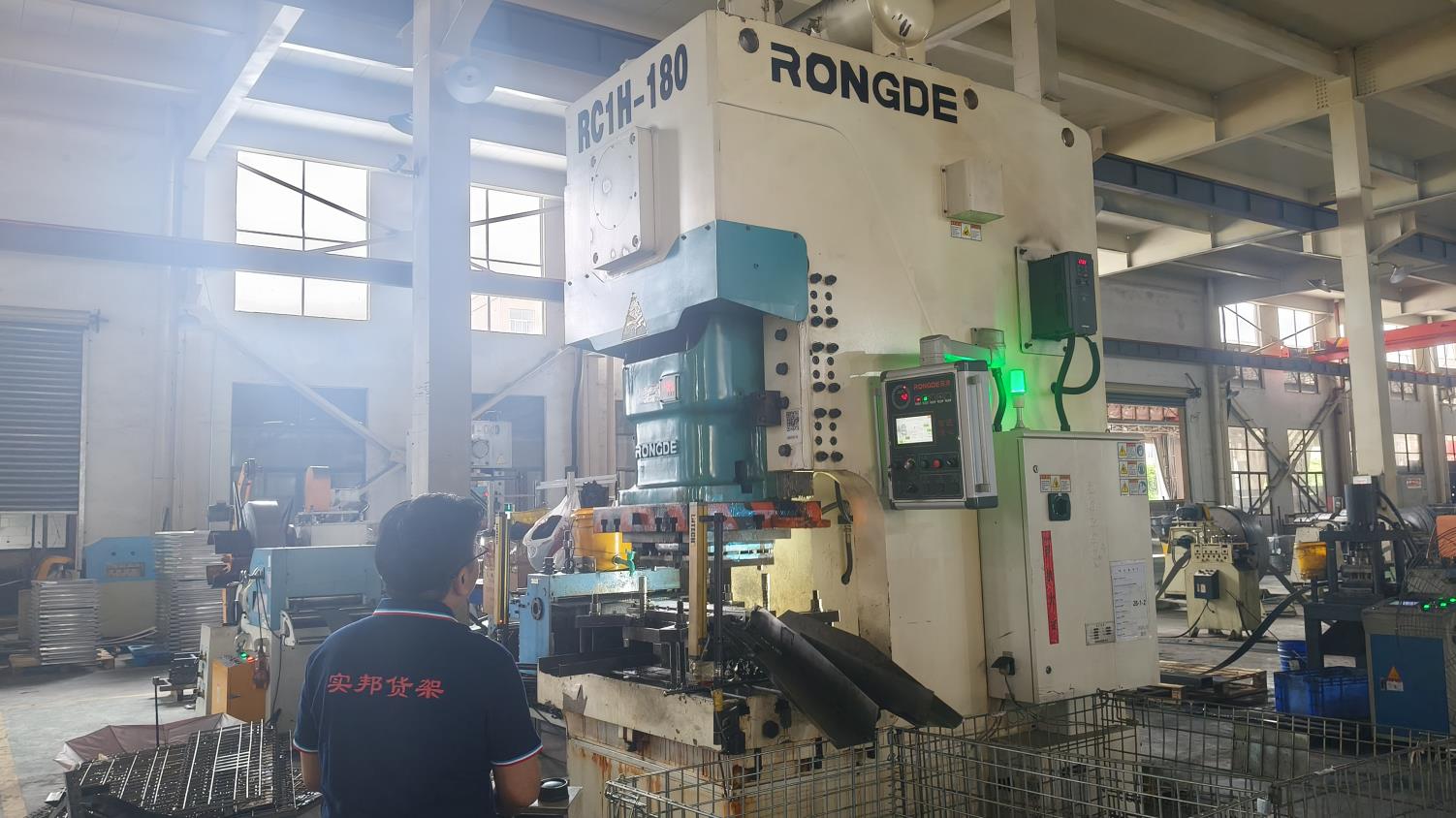
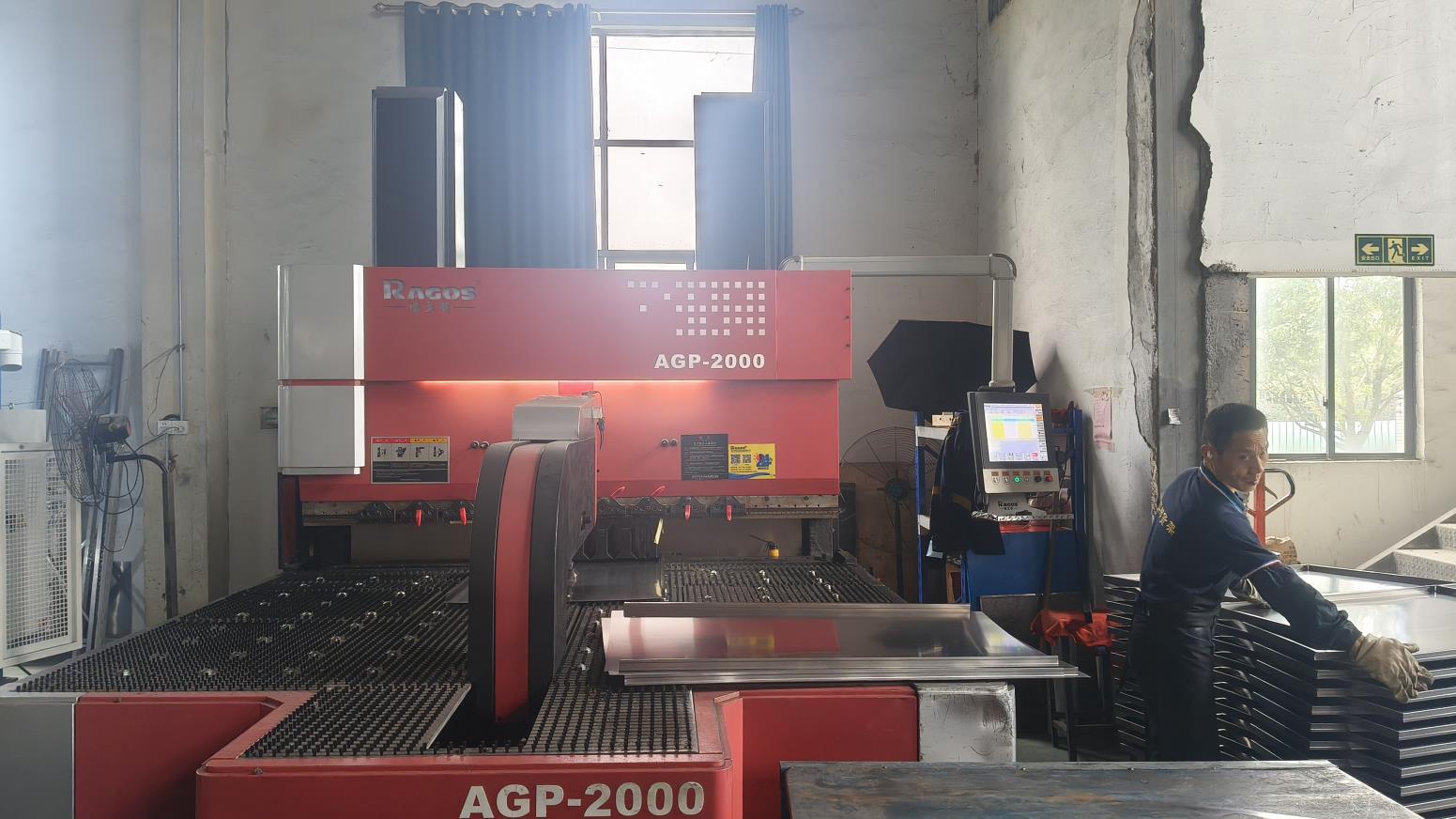
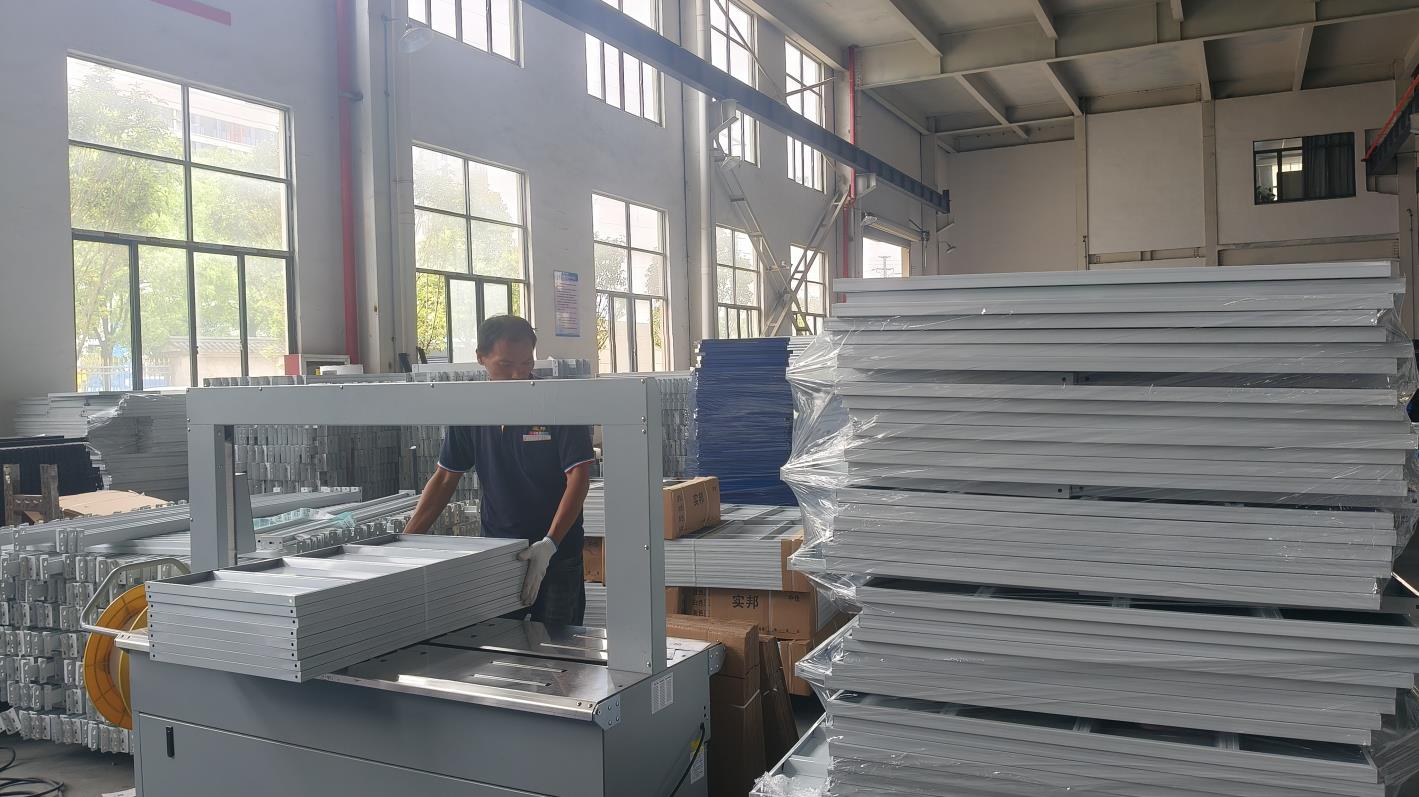
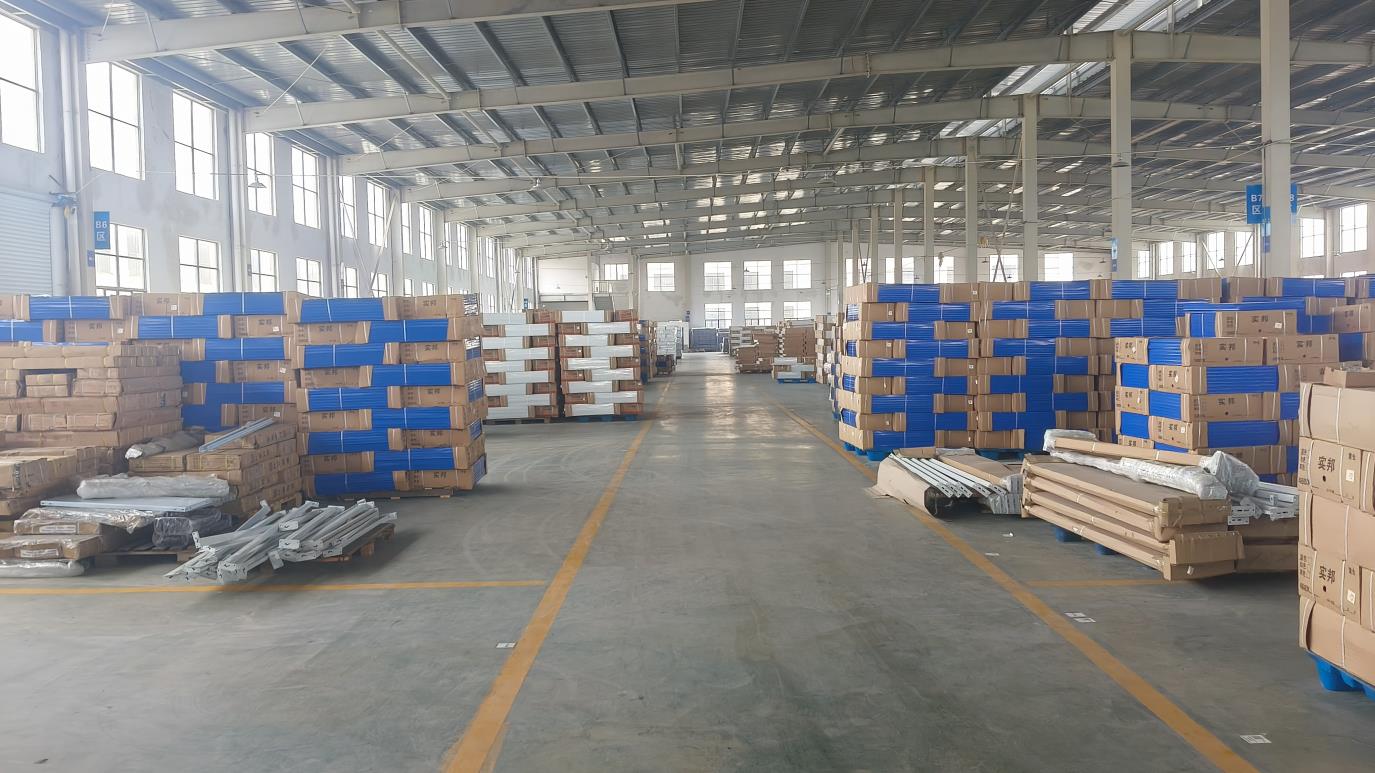
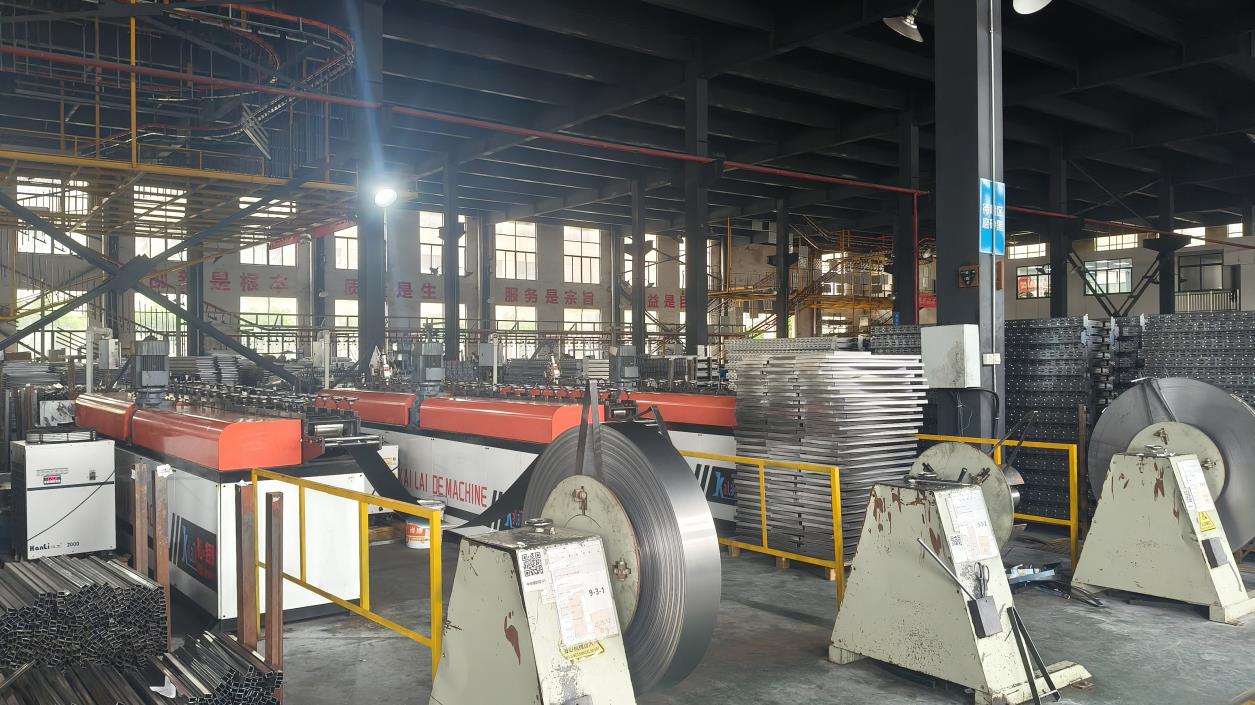
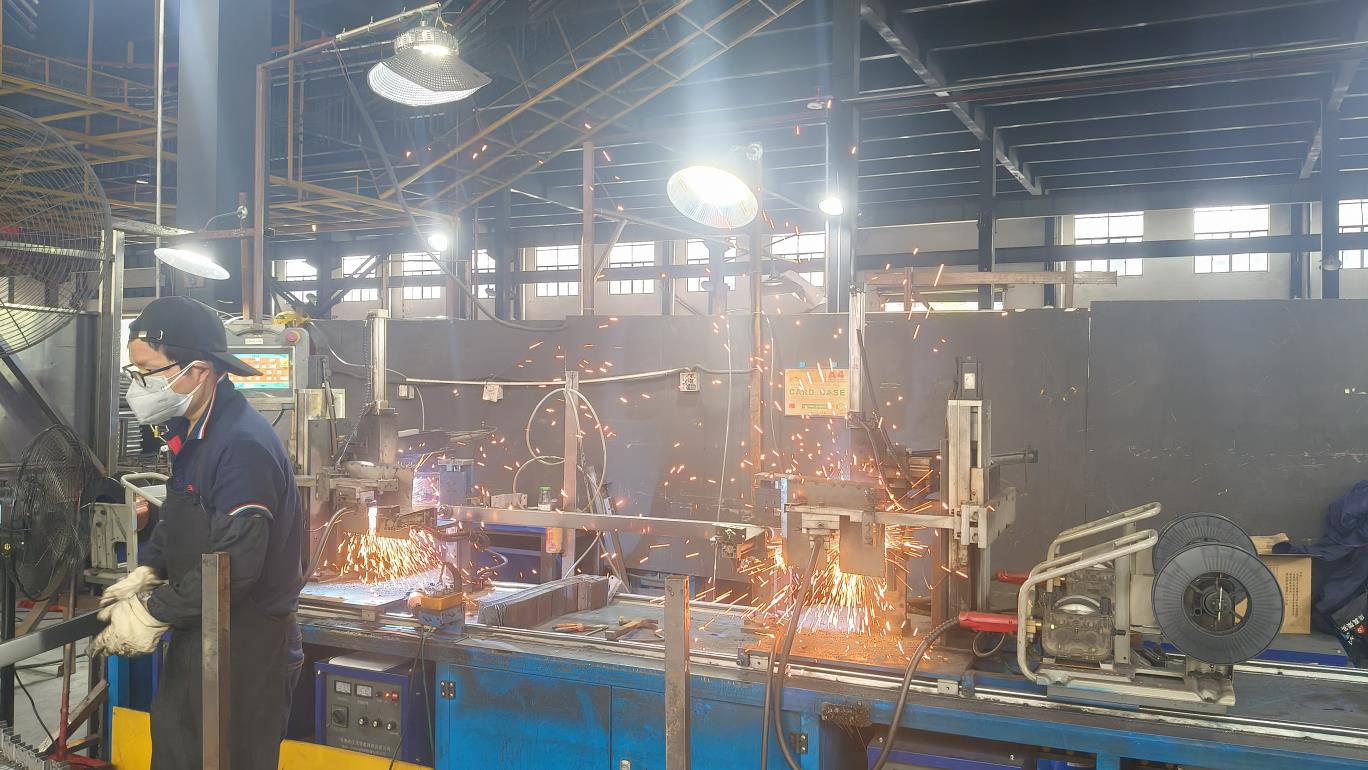
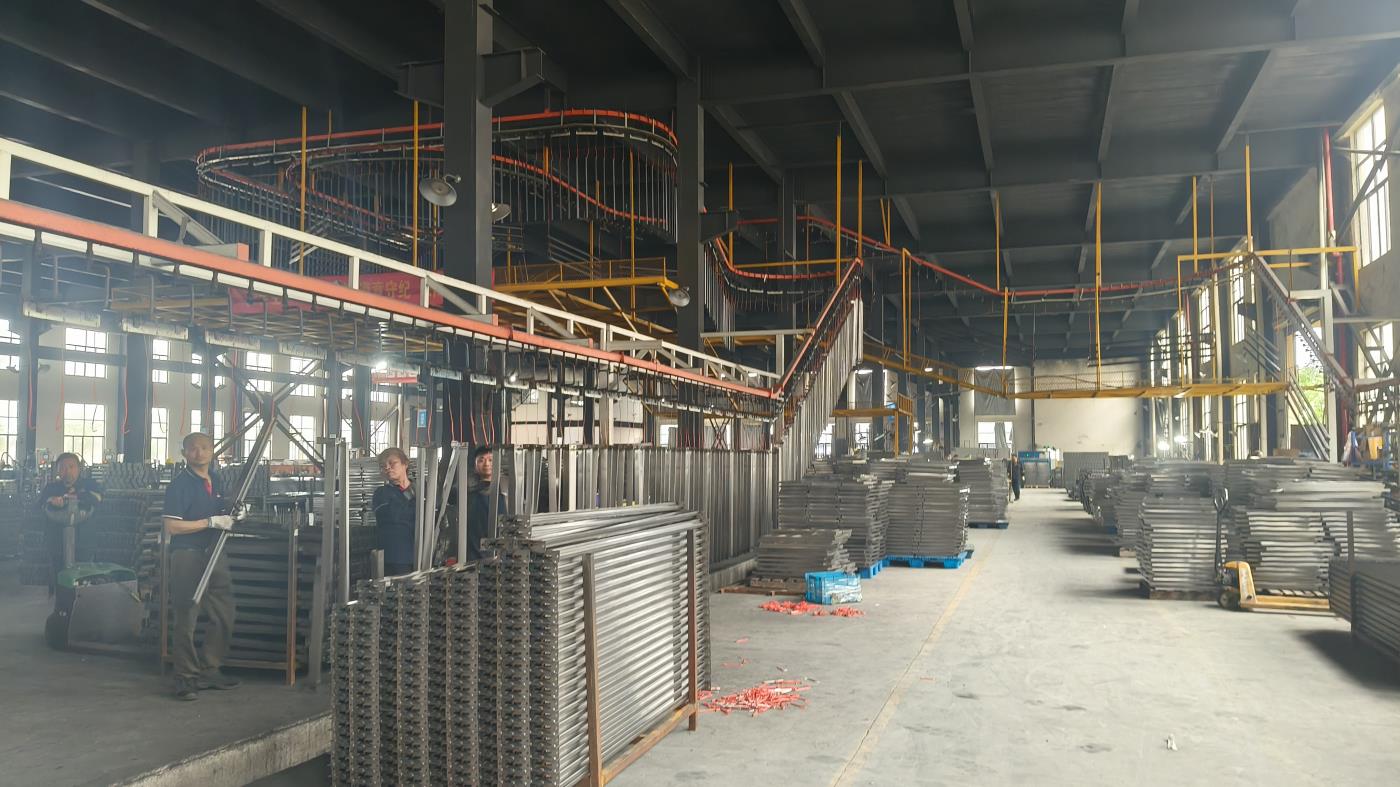
We enforce systematic material evaluations and structural testing throughout our manufacturing pipeline.
Inbound steel verification including chemical composition and tensile yield strength profiling.
Continuous automatic cold-rolling to ensure uniform gauge profile limits.
Multi-stage pre-treatment followed by high-temperature powder thermosetting.
Random structural compression testing to verify loading capacity compliance margins.
Configuring racking and mobile storage equipment to meet localized regional and industrial operational demands.
Large-scale, high-density warehousing configurations that prioritize maximum vertical rack heights and heavy frame weight capacities. Compliance with standard seismic safety ratings is critical in western regional locations.
Focus on workspace ergonomics, boltless modular designs for rapid warehouse modification, strict EN standards compliance, and eco-certified powder coating systems for health and safety.
Highly customizable layouts featuring mixed light-duty shelving and heavy pallet racking. Fast assembly formats allow rapid commissioning within newly constructed industrial parks.
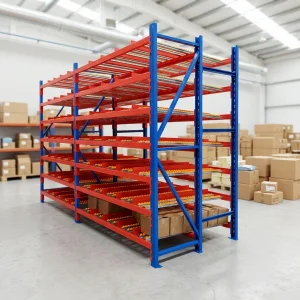
High-turnover consumer goods warehouses require gravity-fed carton flow systems that ensure FIFO (First-In, First-Out) stock rotation. Sloped roller tracks allow inventory to glide automatically to the picking face, reducing walking times by up to 40%.
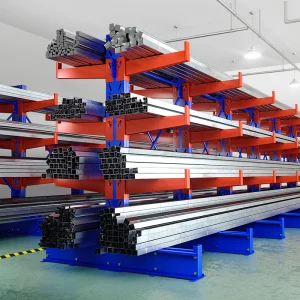
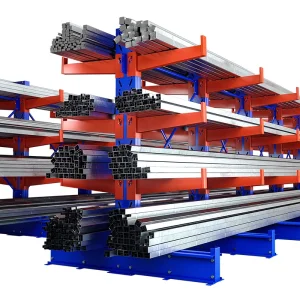
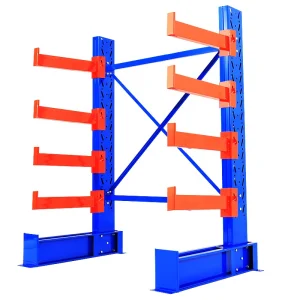
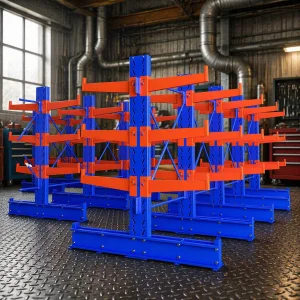
Engineered cantilever rack configurations support awkward, elongated materials (vinyl rolls, tubes, extrusion bars). When combined with heavy-duty mobile carts, they facilitate transit from storage yards to production lines.
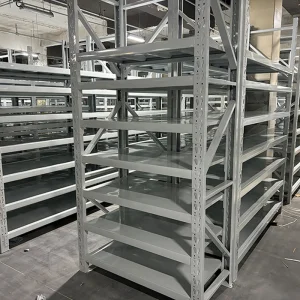
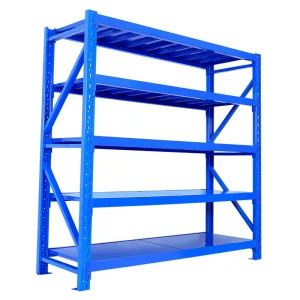
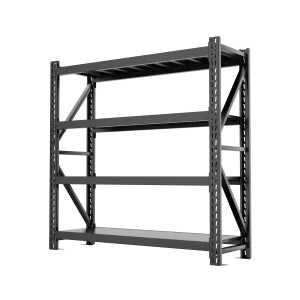
Boltless light-duty shelving systems (120KG-300KG shelf load limits) provide space-saving organization for backrooms, garage workshops, and office archives. Double-rivet beams allow assembly without specialized tools.
We are transitioning our core product architectures toward modular designs compatible with automated shuttles, sensor-linked overload warnings, and high-strength low-alloy (HSLA) steel formulations to reduce overall structure weight.
Common engineering and commercial inquiries answered by our structural design engineers.

 Shibang Storage Rack