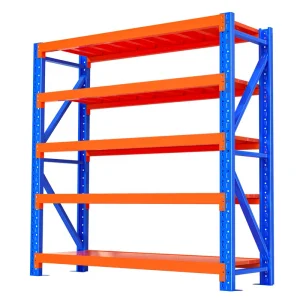
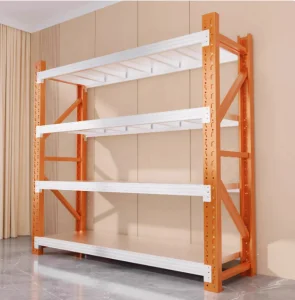
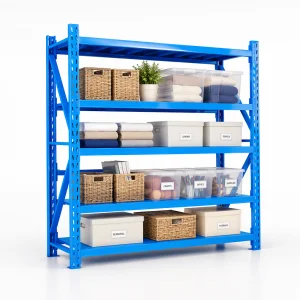
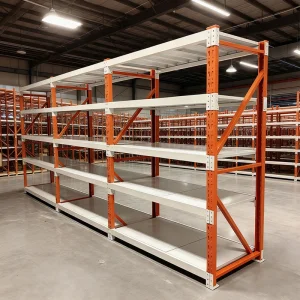
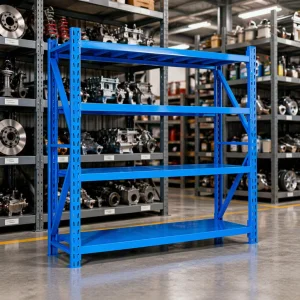
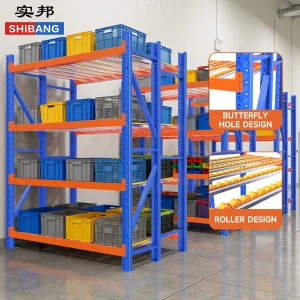
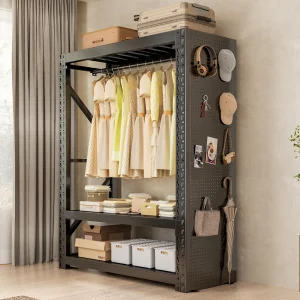
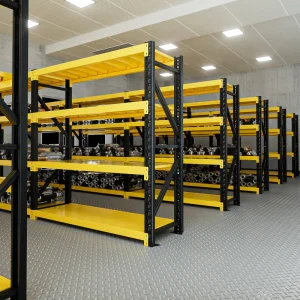
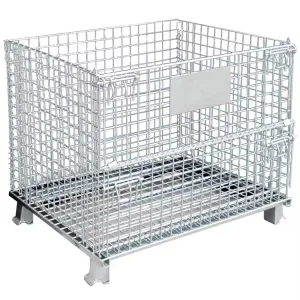
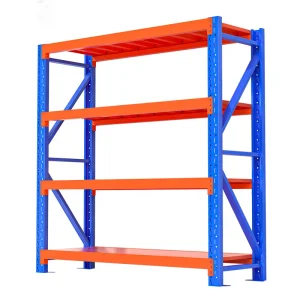
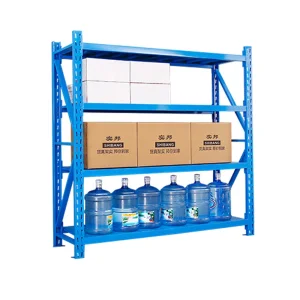
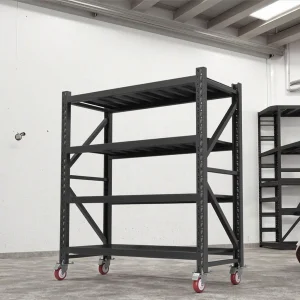
Engineered to handle extreme loads, ensure logistical safety, and optimize warehouse space efficiency.
An in-depth analysis of modern industrial load distribution, safety frameworks, and structural efficiency.
In modern industrial logistics, the integrity of structural design and raw material sourcing directly dictates supply chain performance. As global distribution systems handle increasingly heavy and complex loads, custom transport and racking solutions must balance high load capacity with flexible configuration. To remain compliant under international safety frameworks, manufacturers must adhere to structural guidelines like the CE Certification, certifying that materials and welding processes withstand both static and dynamic storage stresses.
Global demand for high-strength steel storage systems has risen alongside automated warehousing and intermodal logistics. Industries such as automotive manufacturing, cold chains, glass distribution, and e-commerce require material handling systems that reduce cargo damage during transport, simplify crane or forklift operations, and maximize vertical warehouse space. In Europe and North America, regulatory authorities mandate certified storage configurations to prevent failure risks and ensure workplace safety.
Utilizing high-tensile Q235B and Q355B structural steel, our storage systems are designed using finite element analysis (FEA) to ensure load safety, structural stability, and resistance to environmental stress.
With boltless configurations and adjustable beams, operations can scale structures based on changes in SKU dimensions or warehouse floor plans, facilitating agile response to market demands.
Our structures comply with CE regulations, EN 15635 standards, and ISO 9001 guidelines to prevent workplace accidents and catastrophic racking failures under maximum load conditions.
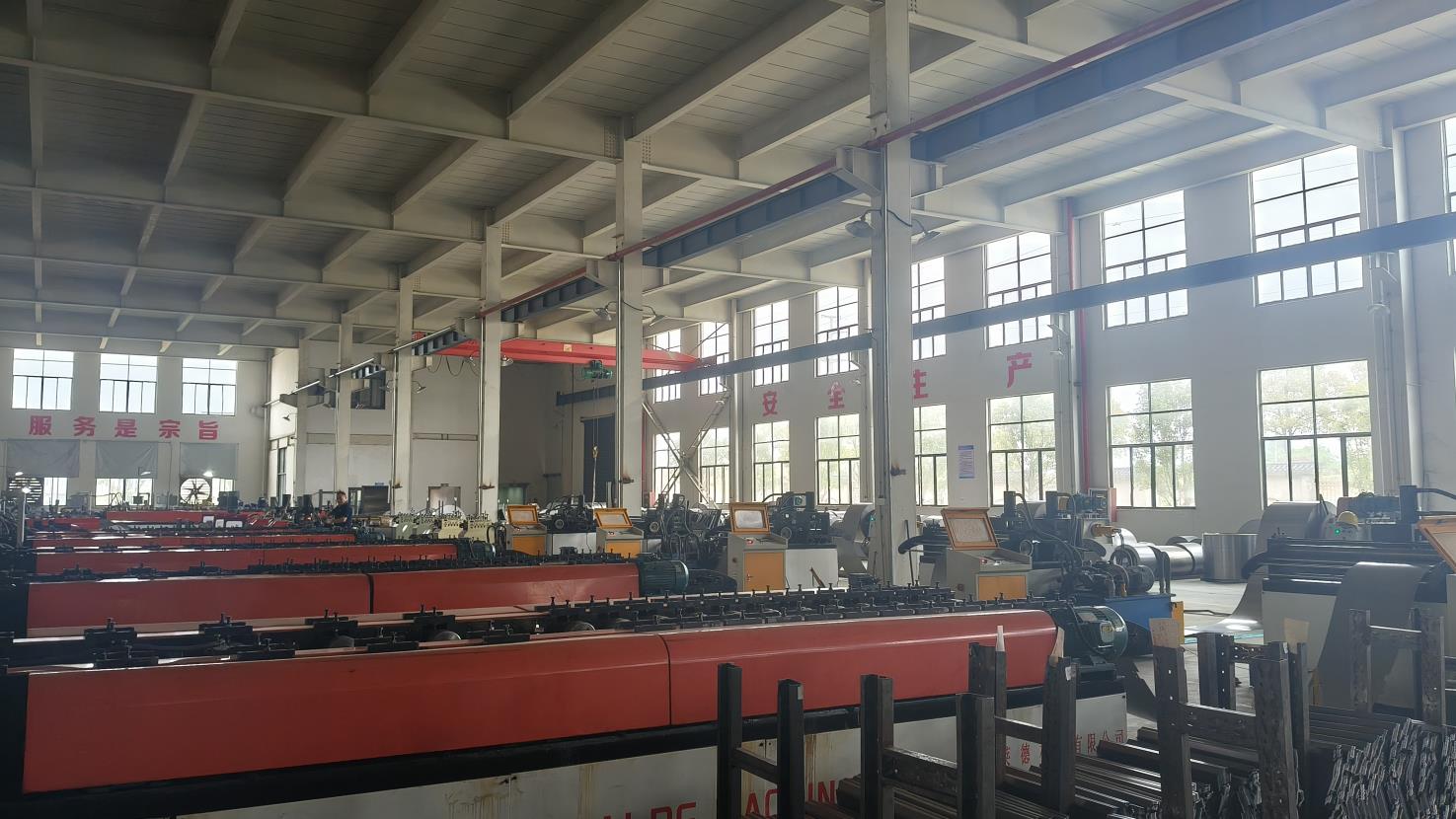
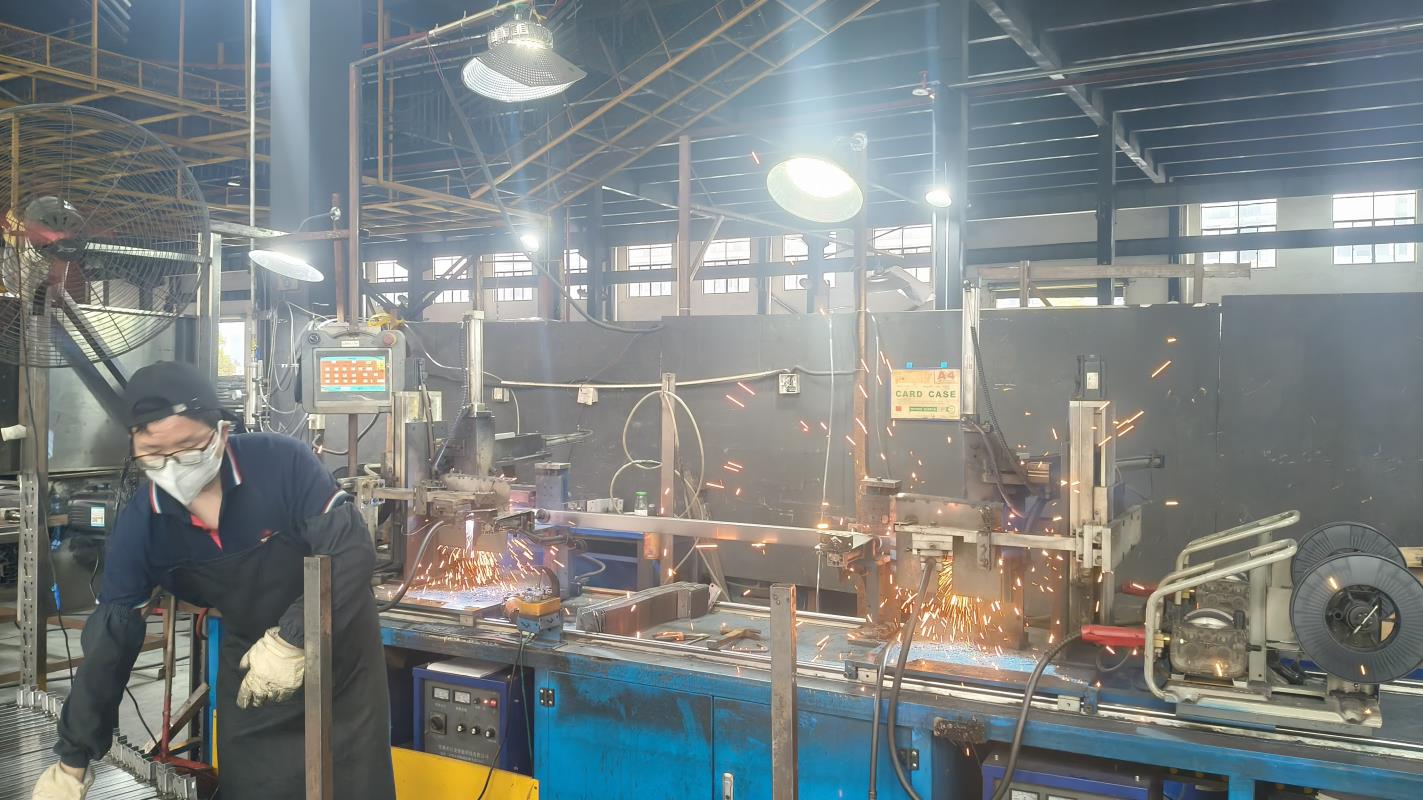
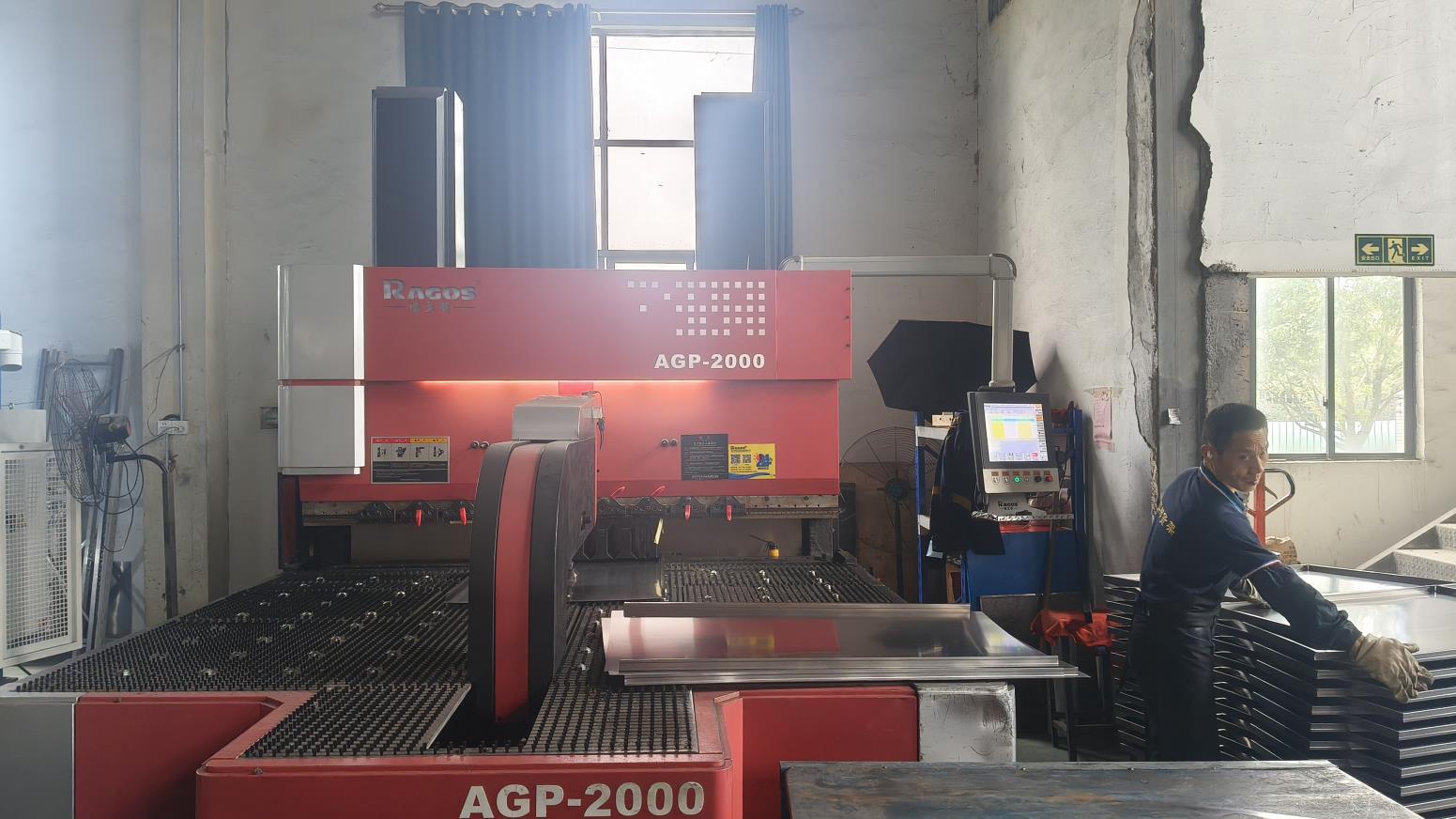
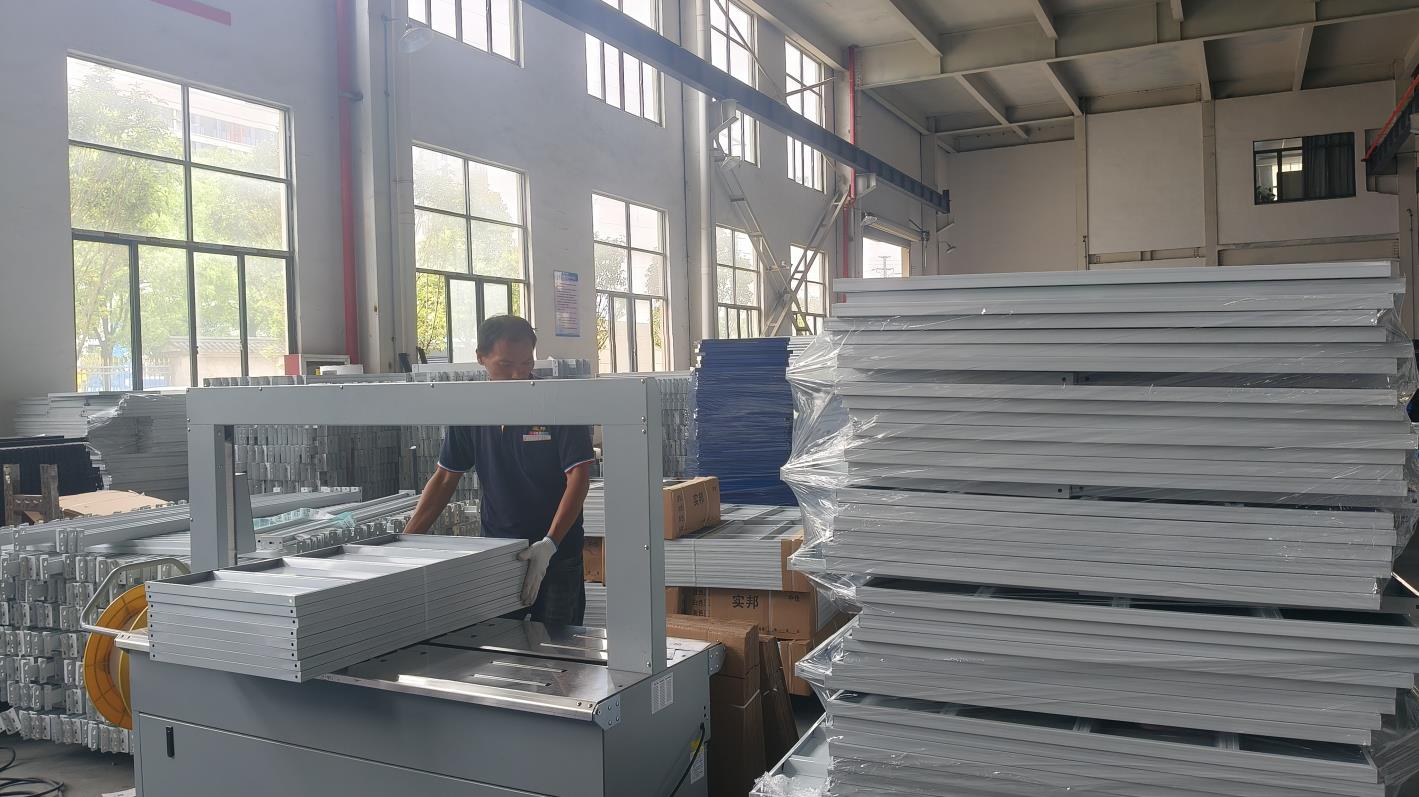
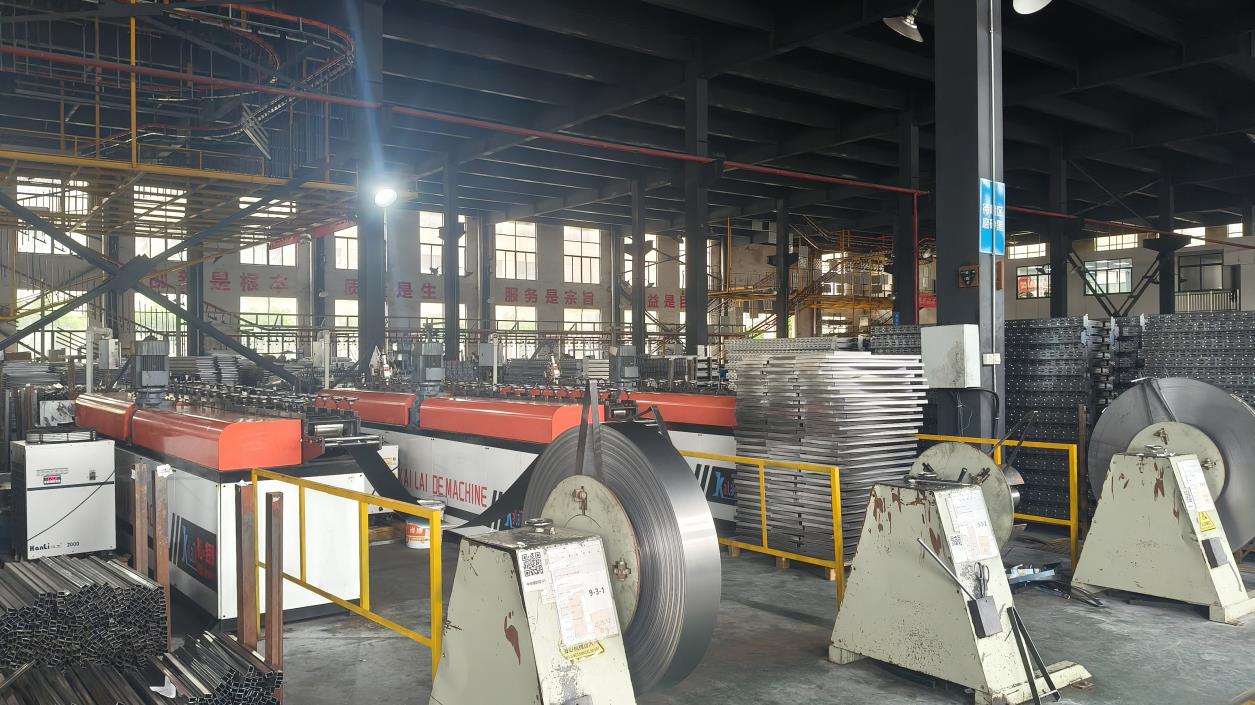
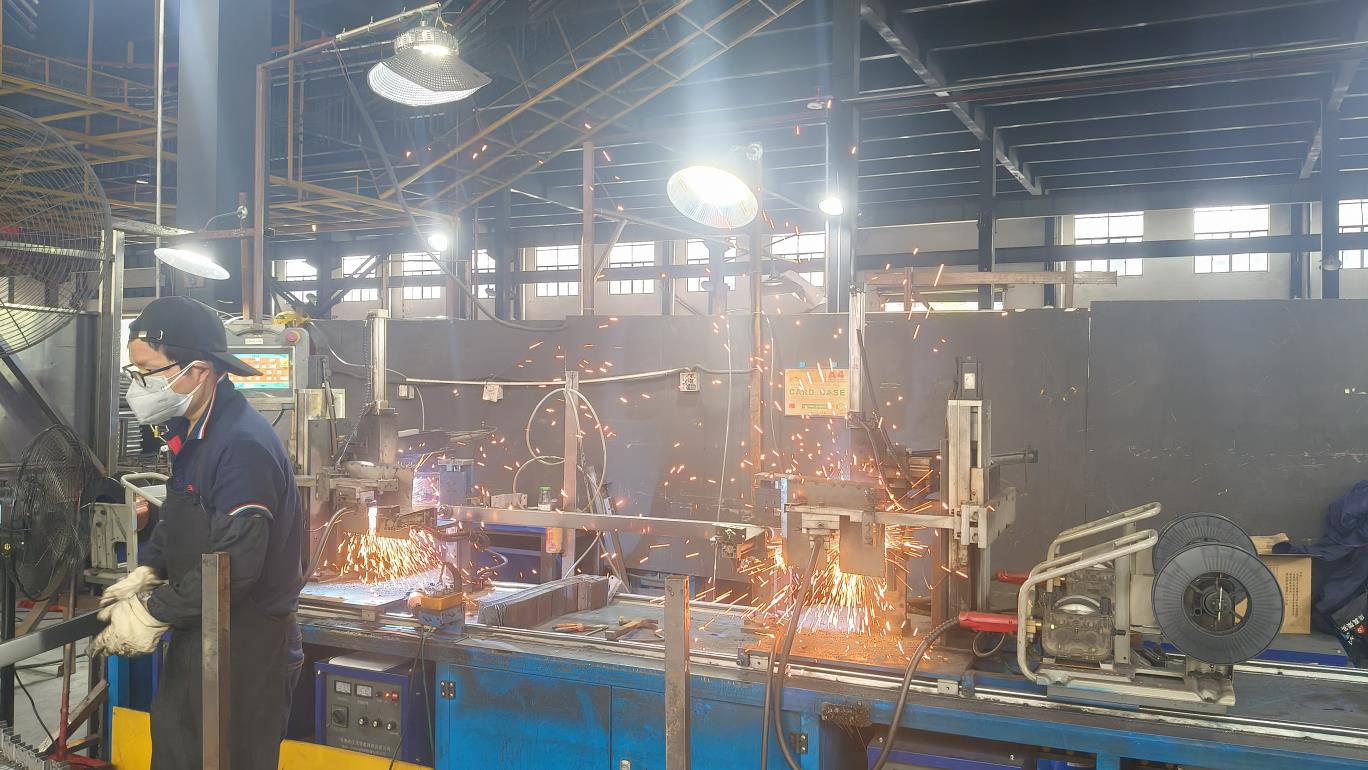
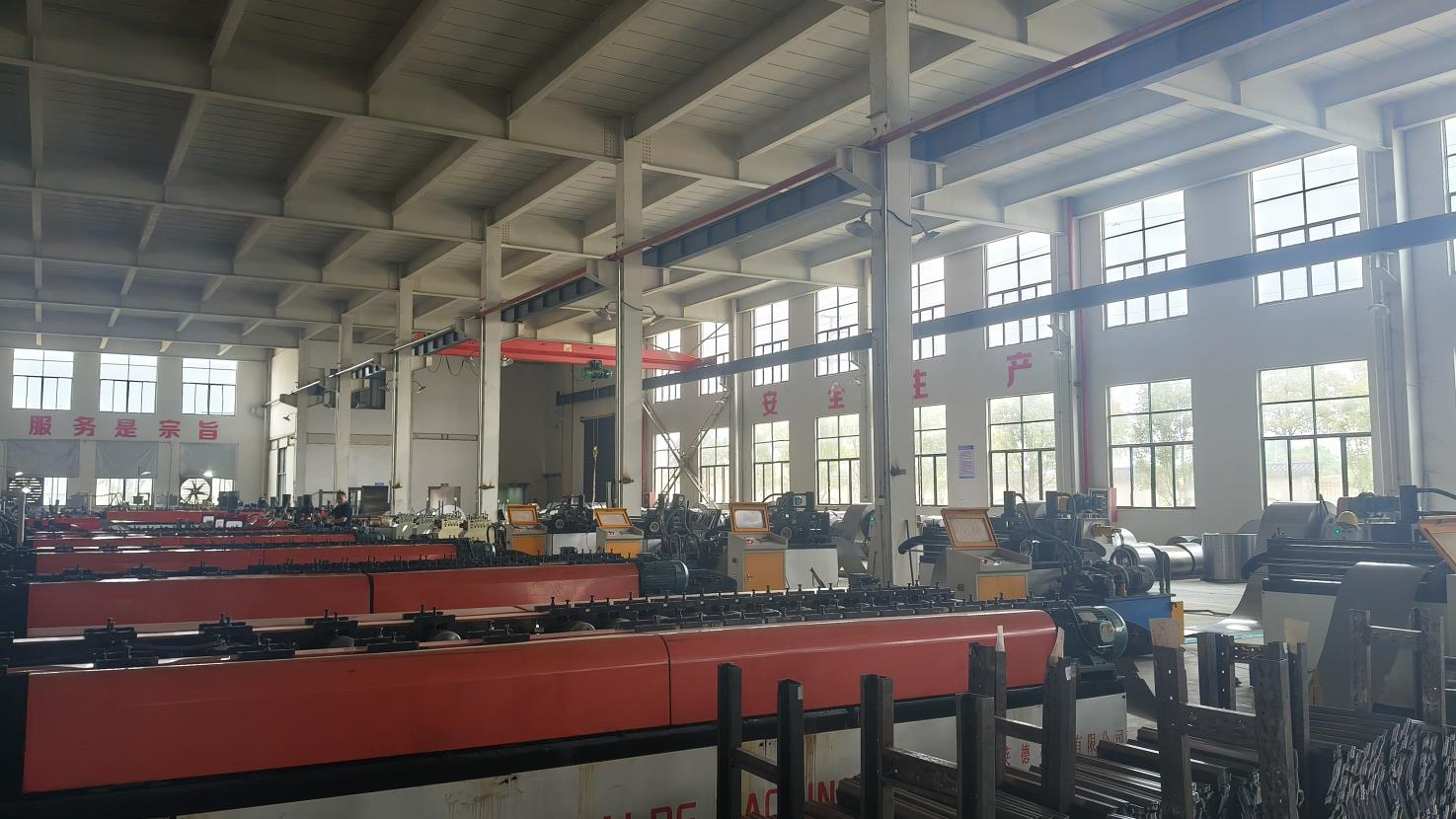
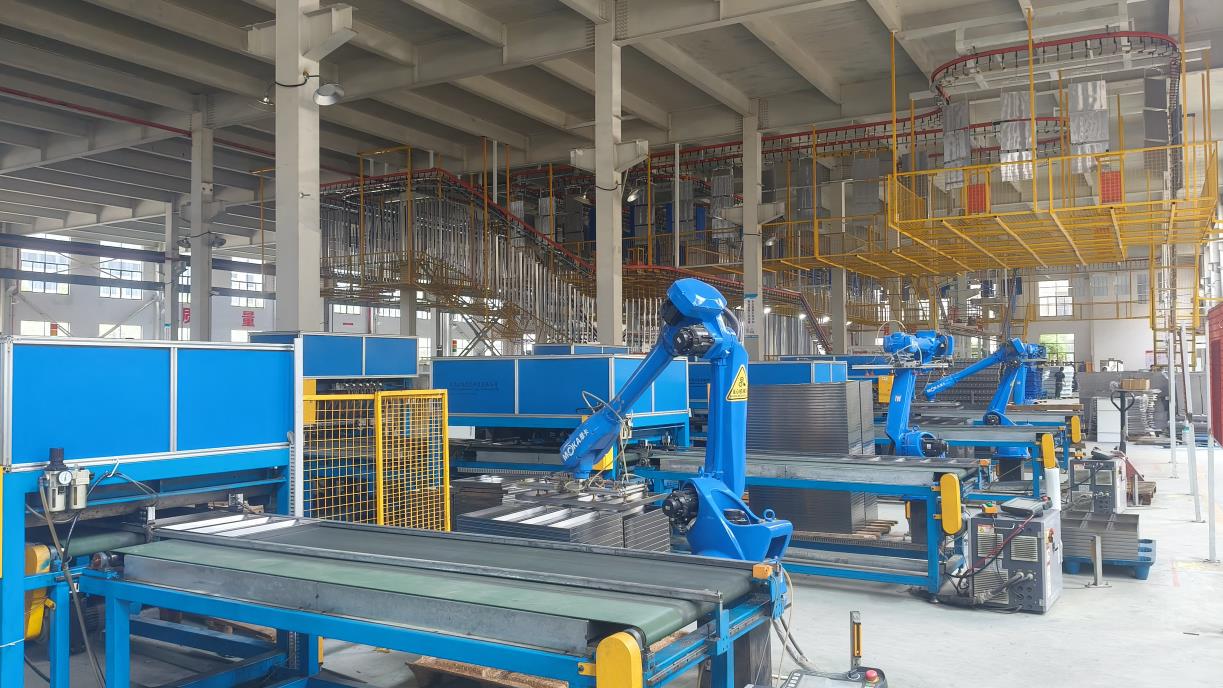
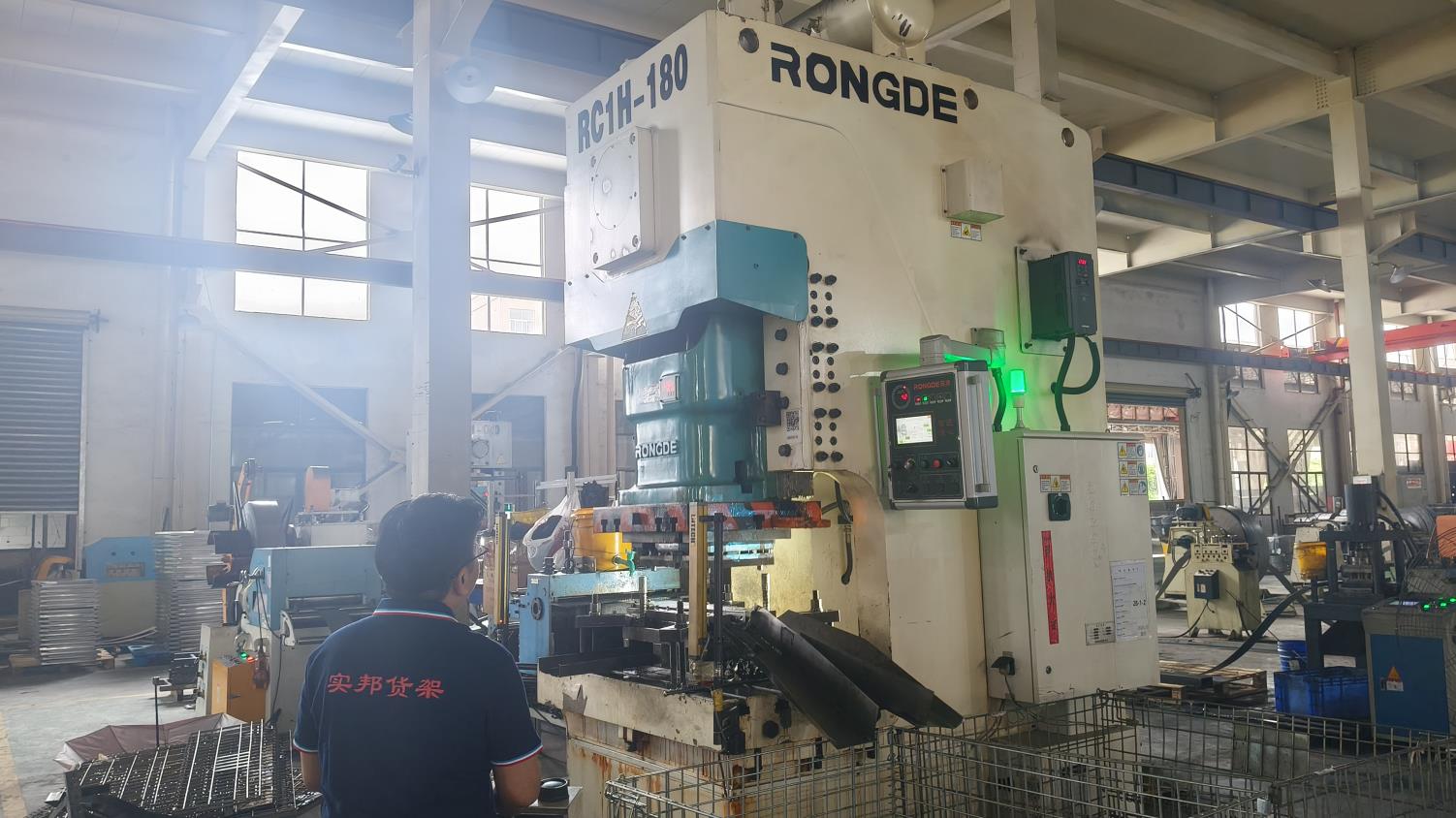
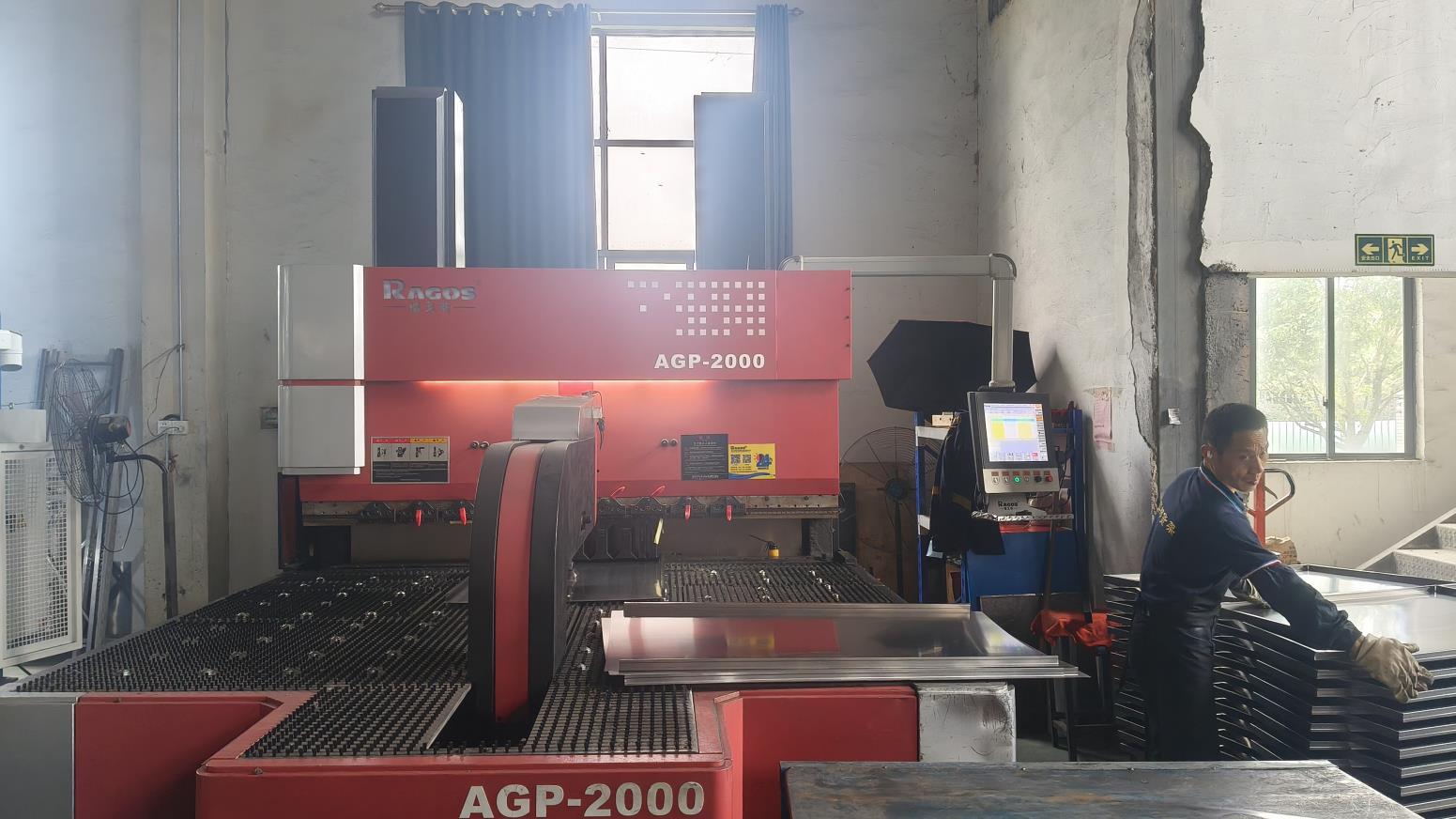
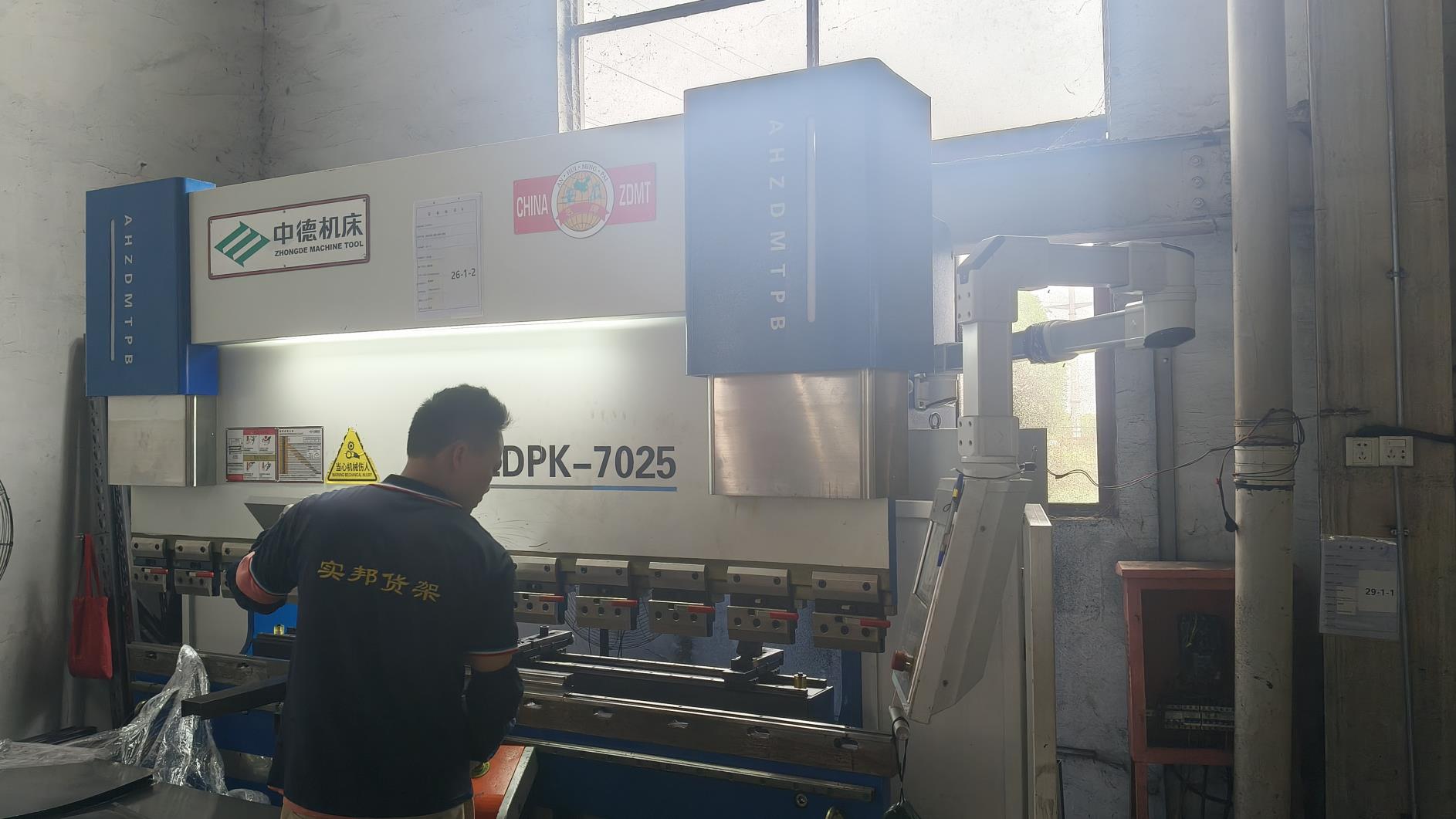
To meet these requirements, manufacturers must invest in automated production lines, including roll-forming and robotic welding, to guarantee precision weld quality and component consistency. Standardized material handling processes reduce cycle times and guarantee structural reliability, allowing international buyers to secure durable equipment for heavy-duty applications.
A trusted manufacturer of heavy-duty industrial storage racks and custom logistics systems since 2016.
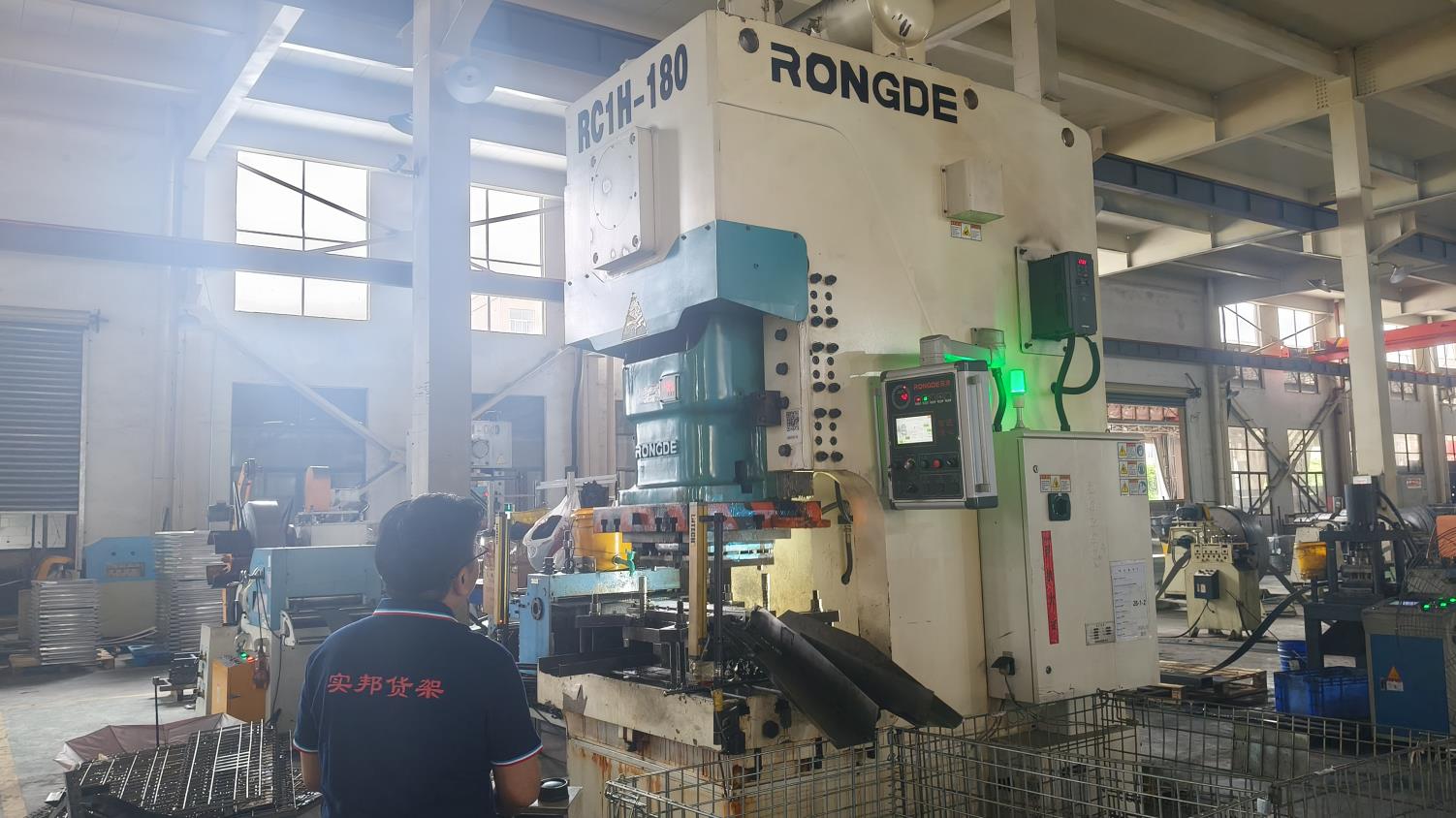
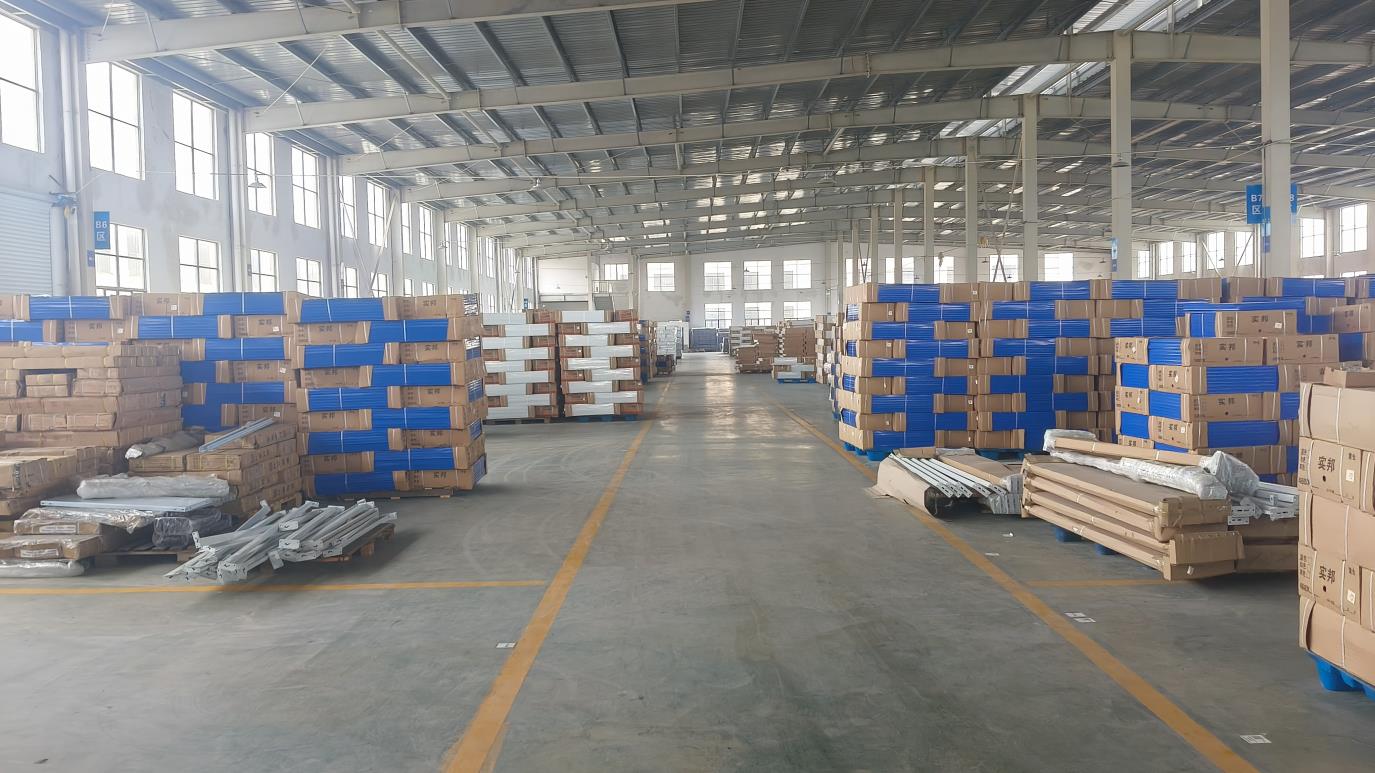
Established in 2016, Guangdong Shibang Storage Rack Co., Ltd. operates a 35,000㎡ modern production facility. We design, manufacture, and export high-performance warehouse storage racks, industrial shelving systems, and custom logistical transport racks to operators globally.
Through 8 years of export experience and 15 years of industry experience, Shibang has generated an annual export revenue of USD 18 million. Our international footprint spans North America, Europe, Southeast Asia, the Middle East, Africa, and South America, with established partnerships in countries such as the United States, Germany, the United Kingdom, Australia, Saudi Arabia, Thailand, and Mexico.
Our quality control system follows ISO 9001 quality control procedures, incoming material inspections, production process monitoring, and finished product testing. A dedicated quality control team of 65 QC specialists conducts raw material testing, welding inspections, surface coating inspections, load-bearing tests, and dimensional accuracy checks before shipment to ensure compliance with global specifications.
Backed by a supply network of over 1,200 partners, Shibang secures stable raw materials and provides competitive pricing to warehouse operators, logistics providers, and industrial distributors. Our engineering team, comprising 28 R&D engineers, develops approximately 120 new designs annually to address emerging material handling challenges.
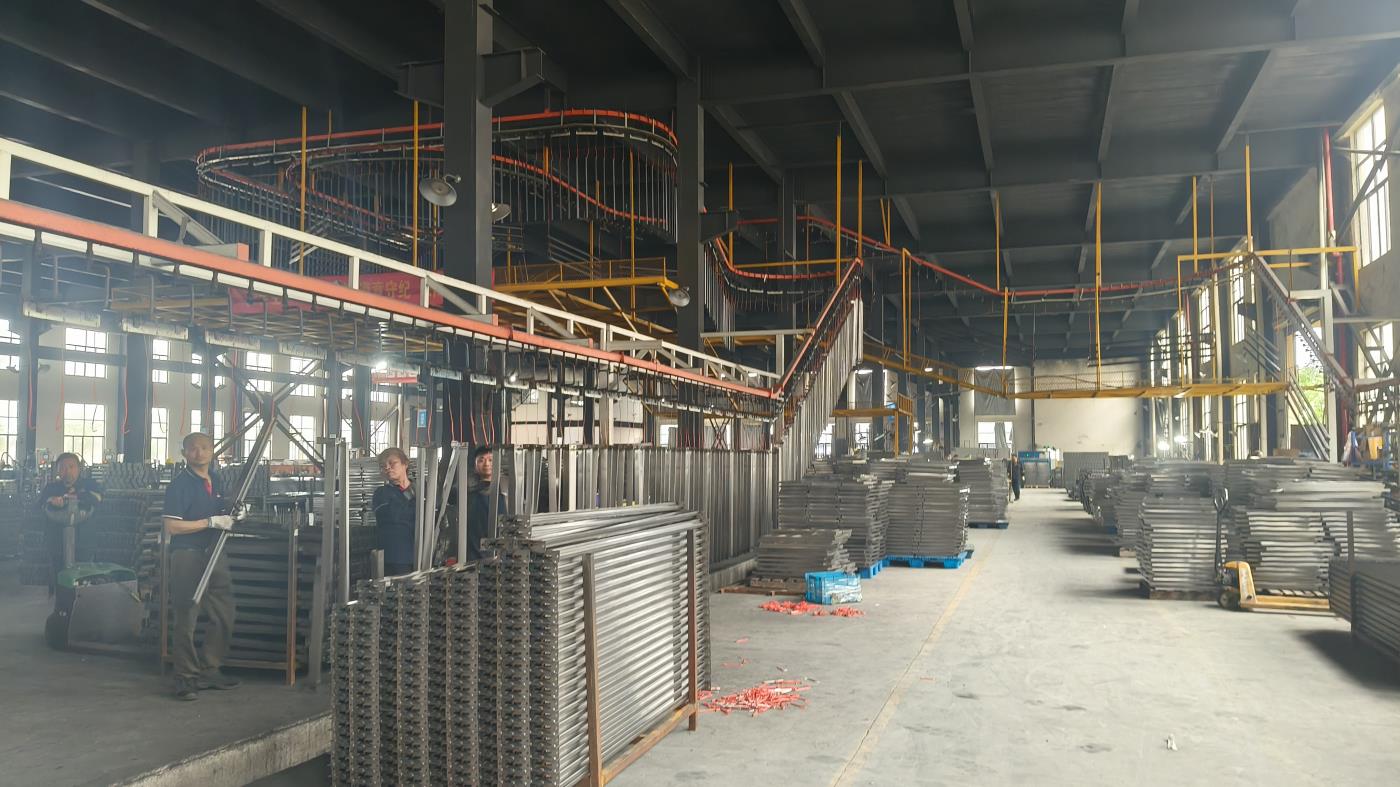
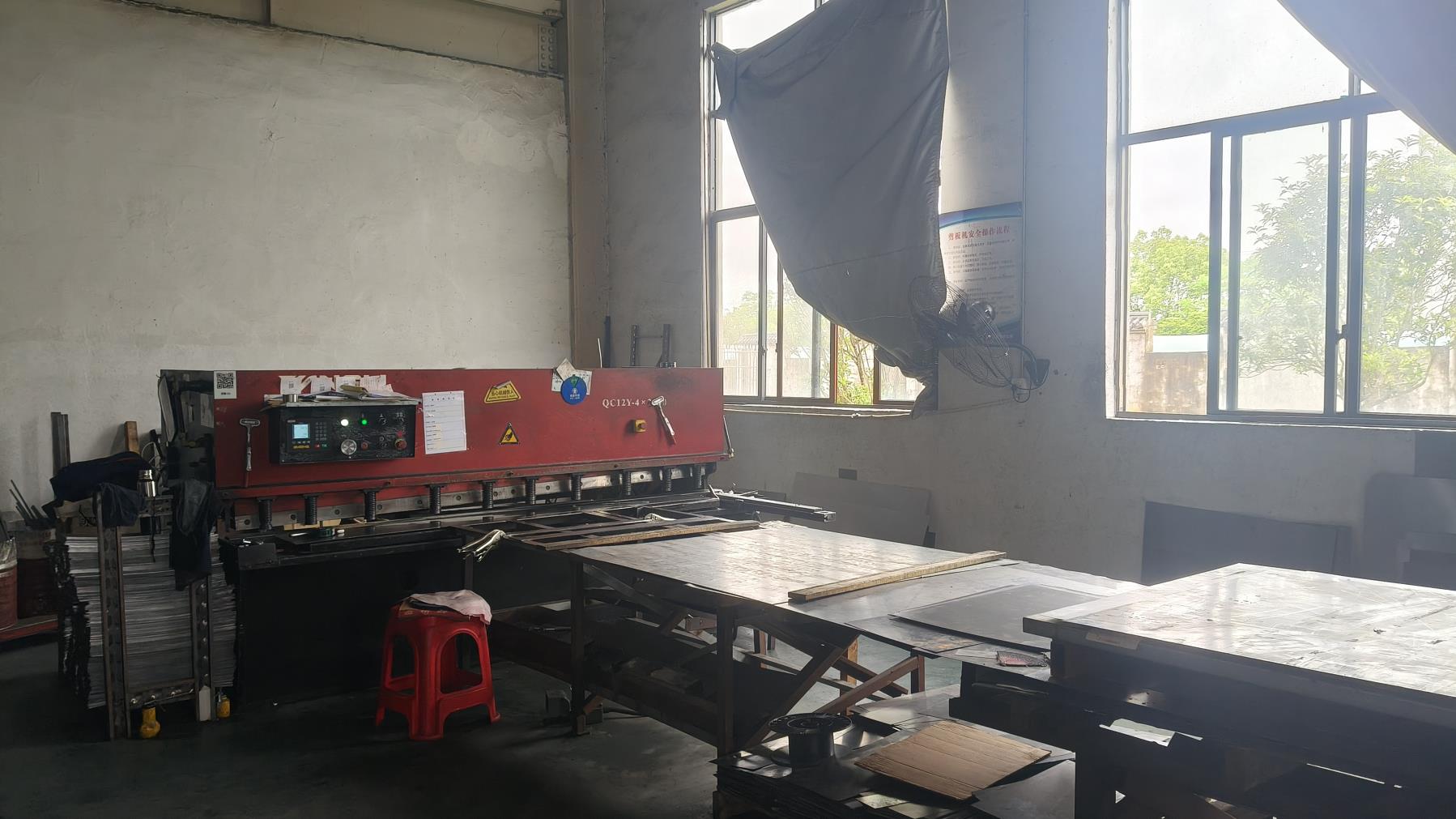
Precision manufacturing processes ensuring dimensional consistency, structural reliability, and high-quality finishes.
Key developments in supply chain structural design, localized safety standards, and sustainable production.
Logistical demands are shifting toward specialized handling equipment designed to move components without repackaging. Heavy-duty transport racks function as returnable packaging, minimizing disposable waste and lowering transit costs. These racks are built to withstand forklift impacts, cranes, and intermodal transport movements.
In regions such as North America and Europe, rising warehouse lease costs have prompted operators to implement higher racks, requiring structural columns with greater yield strength. Certified racking systems provide the stability needed for high-elevation operations, minimizing structural sway and seismic risks.
Exporting to European markets requires compliance with safety protocols, notably the CE Certification. This mark indicates that the product complies with EU health, safety, and environmental protection standards. For storage racks, this involves satisfying structural standards such as EN 15512 and EN 15635, which regulate tolerances, design limits, and system inspections.
Similarly, markets in Australia require compliance with AS 4084, while the United States follows RMI (Rack Manufacturers Institute) guidelines. Manufacturers must perform mechanical testing, weld penetration analyses, and load testing to confirm that racking systems operate safely under their rated load limits.
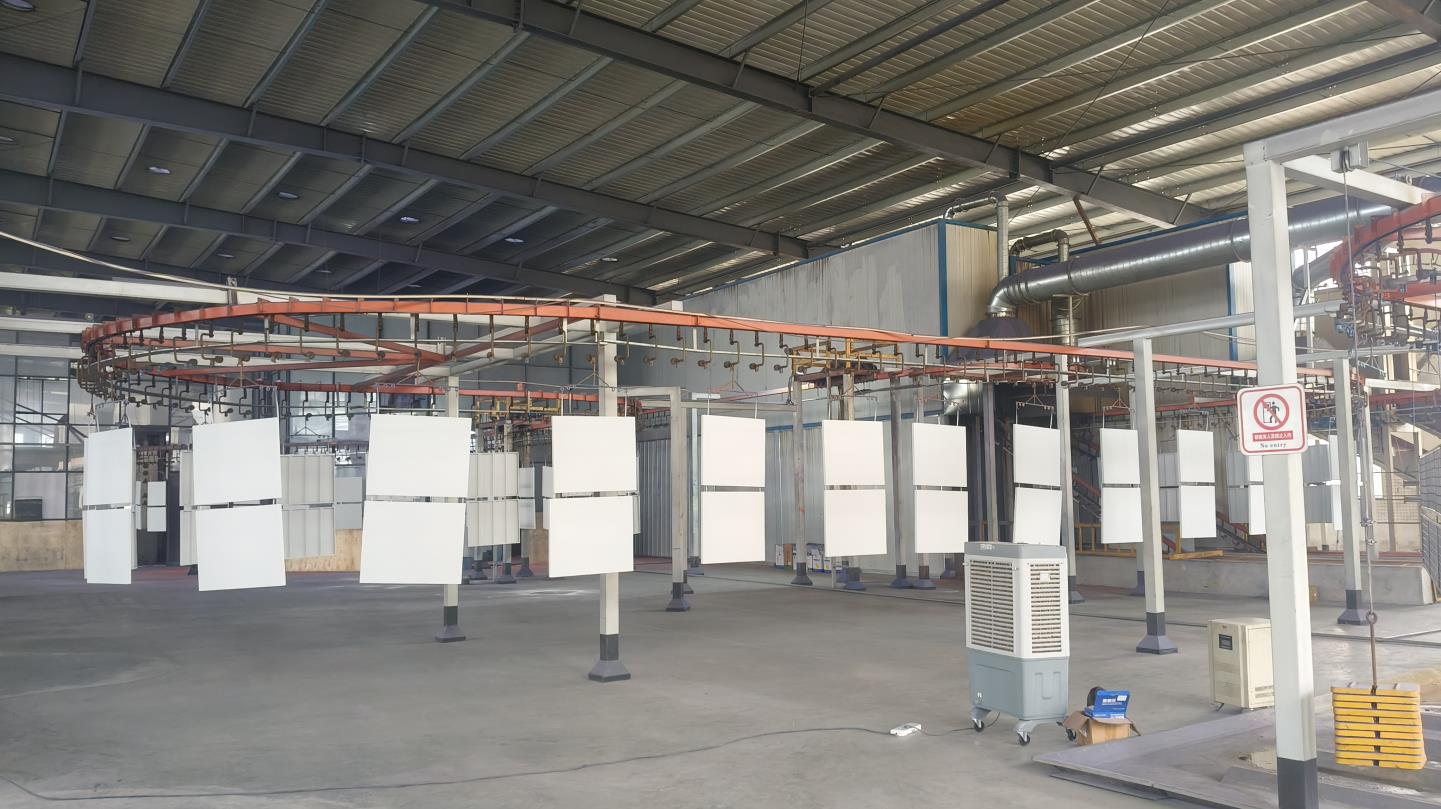
Industrial storage systems must resist rust and wear in challenging environments, such as cold-chain facilities or humid logistics terminals. Advanced powder coating lines apply dry polyester powder electrostatically, which is then heat-cured to form a durable protective layer.
This solvent-free process eliminates volatile organic compounds (VOCs) and provides resistance against chemicals, moisture, and physical impact. High-grade galvanization is also utilized for outdoor and chemical storage, extending the service life of steel components in harsh conditions.
The industry is moving toward smart storage solutions that integrate with warehouse management software (WMS). By embedding RFID chips, pressure sensors, and IoT tags into transport racks, operators can track product movements, log load distribution data, and monitor structural strain in real time.
These smart systems improve inventory visibility and help detect structural deviations before failures occur. Modern manufacturing processes are also adopting robotic welding and automatic roll-forming machines to ensure dimensional accuracy and consistency across production batches.
Customized material handling systems designed to address the operational challenges of specific industries.
Automotive supply chains require custom transport racks to move body panels, engines, and heavy sub-assemblies between stamping plants and assembly lines. These custom steel racks protect sensitive components from damage during transport and support crane integration for automated assembly operations.
Cold storage facilities operate at high densities to minimize refrigeration costs. Storage racks used in these spaces must withstand low temperatures without undergoing brittle fracture. Utilizing high-tensile steel grades and anti-corrosive powder coatings prevents surface degradation under constant thermal cycling.
High-volume order fulfillment centers rely on carton flow systems and multi-level mezzanine racks to support FIFO (First-In, First-Out) stock rotation. These layouts optimize warehouse space, minimize travel times for order selectors, and keep high-demand inventory accessible.
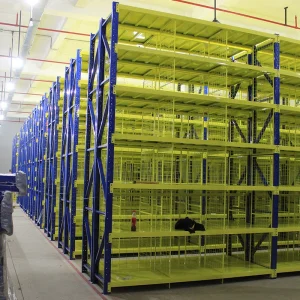
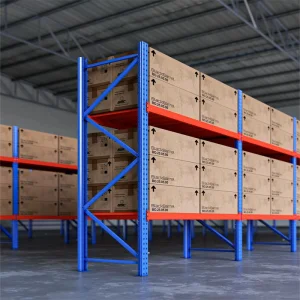
Heavy manufacturing plants require robust racking capable of holding heavy sheet metal, machinery components, and industrial parts. High-load selective pallet racks provide direct access to every pallet, streamlining forklift logistics and maintaining high safety margins on the factory floor.
Expert answers regarding load capacities, CE compliance, surface treatment options, and customization possibilities.
CE Certification confirms that a storage or transport rack complies with European health, safety, and environmental protection standards. For steel structures, this means meeting requirements like EN 15512 or EN 15635, which govern structural calculations, welding quality, and load-bearing testing.
We build our structural products using high-tensile steel alloys, primarily Q235B and Q355B. These steel grades are selected for their mechanical properties, structural yield strength, and weldability, allowing our heavy-duty racking systems to carry loads up to 2000kg per level.
Yes, our engineering department provides comprehensive customization options, including dimensions, load capacities, colors, configuration layouts, and accessories. Our 28 R&D engineers develop custom configurations to integrate with existing material handling systems and floor plans.
We use an automated powder-coating line that applies dry polyester powder electrostatically, followed by thermal curing. This process creates a thick, resilient barrier layer that provides excellent corrosion resistance, high impact protection, and extended durability in cold or humid environments.
Our quality control program consists of incoming raw material inspections, monitoring of the production process, and tests on the finished products. Our team of 65 QC inspectors conducts testing on weld quality, powder coating thickness, structural load capacities, and dimensional accuracy to verify each batch meets specifications before leaving our facility.
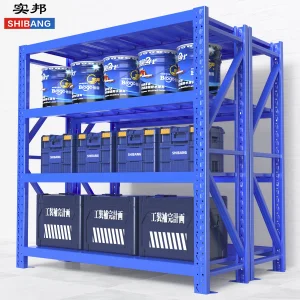
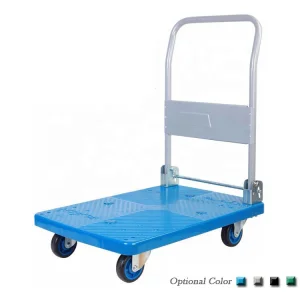
Explore our high-capacity pallet systems, mobile transport dollies, and optimized inventory storage solutions.
 Shibang Storage Rack