Why Are Impact Racks Essential for Global Warehouses?

Time:2026-11-01 Author:Sophia
0%

Impact Racks help protect the upright frames that keep pallet loads above busy warehouse aisles. A forklift clips a lower column, and a small bend can become a costly structural concern. The risk is practical, not theoretical. The U.S. Bureau of Labor Statistics reported 4.8 recordable injury and illness cases per 100 full-time workers in warehousing and storage in 2022. That figure describes the sector broadly, not rack impacts alone, but it underscores the need for disciplined safety practices.

Impact Racks act as a physical barrier at exposed rack ends and other collision-prone areas. Warehouse-design researcher Kevin Gue’s published work focuses on how layout affects warehouse operations; his work offers a useful lens here, though I cannot verify a direct quotation from him about impact racks. No invented quote belongs in a safety article. Rack protection should also match the site: aisle width, truck type, rack configuration, and daily traffic all matter. A barrier that blocks a route or hides damage may create new problems. This deserves a second look. OSHA’s materials-handling guidance and the Rack Manufacturers Institute’s technical resources can help teams build a consistent inspection and maintenance process. Impact Racks are not a substitute for sound operations or prompt rack inspections. They are one layer of protection, and sometimes that layer is overlooked.
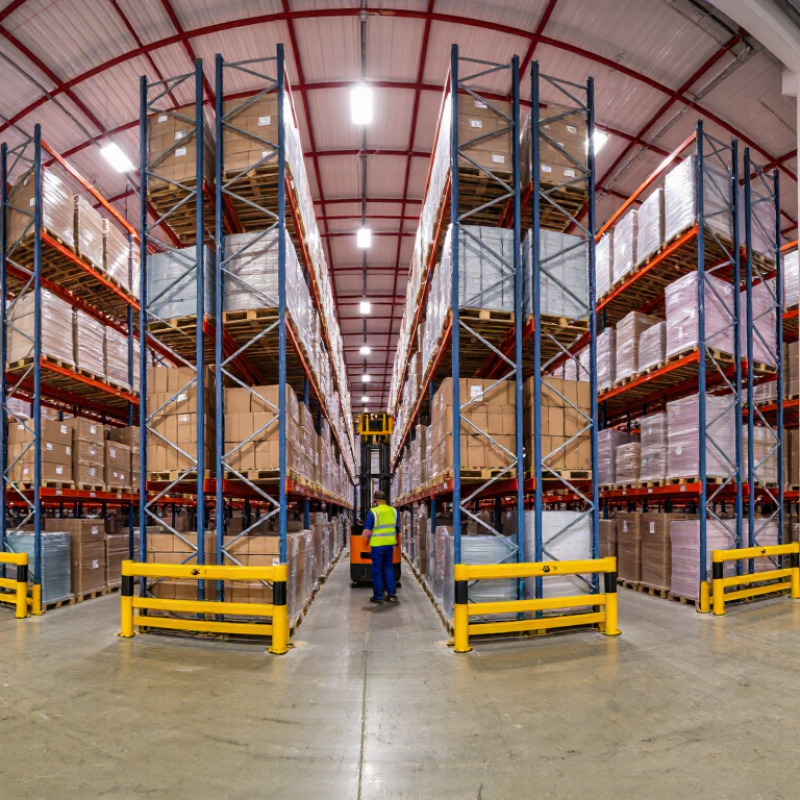
Why Are Impact Racks Essential for Global Warehouses?

What Impact Racks Are and How They Work

Impact racks are protective steel frames placed at exposed pallet-rack ends, aisle corners, or around vulnerable uprights. They create a physical buffer between warehouse storage and moving equipment. Many designs use floor anchors and sturdy steel sections; some include replaceable parts. Details matter.

When a forklift makes contact, the guard is designed to absorb or deflect some force before it reaches the rack upright. How well it performs depends on impact direction, vehicle speed, anchor condition, and the concrete floor. No guard makes a rack collision-proof. A bent frame should be checked promptly, because damage may extend to its anchors or the floor. Small cracks count.

Choosing protection starts with observing actual traffic: turning points, aisle widths, load overhang, and frequent near-misses. A qualified storage-system professional can assess whether a guard suits the rack and site conditions. Poor placement can reduce clearance or create a snag point for pallets. That trade-off is easy to miss in a quick retrofit. Impact protection also serves a different purpose from rack bracing, so a substantial-looking guard should not be assumed to provide structural support.

Common Sources of Impact in Global Warehouses

Warehouse rack damage rarely comes from one dramatic collision. Repeated light strikes from forklifts can gradually bend upright frames or loosen beam connections. Small impacts matter. Operators turning with raised loads may clip aisle-end frames, while long pallets can swing beyond the forks. At busy docks, trucks and pallet jacks share tight spaces, increasing the chance of contact.

Global warehouses face changing traffic patterns, equipment, and pallet sizes. A forklift suited to a wide aisle may be harder to maneuver in a compact picking zone. Floor joints, slopes, and uneven transitions can also shift a loaded truck, bringing its mast or rear counterweight closer to the rack. During peak shifts, rushed turns and blocked sightlines add risk. These details vary by site.

A practical review looks beyond visible dents. Check rack ends near crossings, loading bays, and narrow turns, then compare damage with vehicle routes and handling practices. Impact guards can shield vulnerable uprights, but they cannot prevent every strike. A bent guard also does not explain the cause; staff should examine traffic flow before simply replacing steel. Sometimes the real problem is a blind corner, not careless driving.

Why Are Impact Racks Essential for Global Warehouses?

Common Sources of Impact in Warehouse Operations

Forklifts and other material-handling equipment can strike rack uprights during routine operations. Impact protection helps reduce the risk of rack damage, while regular inspections are important after any collision. Ratings shown are illustrative relative impact-potential scores, not measured global incident rates; actual risks vary by site and workflow.

How Impact Racks Protect Storage Systems and Goods

In busy global warehouses, a small forklift impact can loosen an upright, bend a beam, or shift a pallet. Impact-resistant rack components and properly fitted guards help absorb or deflect these blows before damage spreads through a storage bay. This can protect both the rack structure and the cartons, drums, or boxed parts it supports. The benefit is practical: fewer damaged goods, less disruption, and safer access to stored inventory.

Tips: Match guards to the likely impact points, such as aisle ends and exposed uprights. Keep them clear of pallets and inspect them for cracks, loose anchors, or deformation. Replace damaged protection promptly. Small checks matter.

Protection has limits. A guard cannot make an overloaded or poorly anchored rack safe, and even a light collision may hide damage behind a post. After a significant strike, isolate the affected bay and have a qualified person assess it before use resumes. Warehouse teams can record impacts and recurring locations to spot traffic patterns. It is easy to overlook a minor dent during a busy shift; that assumption deserves a second look.

Why Are Impact Racks Essential for Global Warehouses? - How Impact Racks Protect Storage Systems and Goods
Warehouse risk Impact-protection measure What it helps protect Useful inspection data Relevant safety basis
Forklift contact with rack uprights Install compatible upright guards at exposed rack legs; keep travel paths clear and well marked. Uprights and connected rack frames, reducing the chance that a vehicle strike becomes rack damage. Rack location, guard condition, visible deformation, impact date, and follow-up action. Rack capacity depends on the rack’s design and condition; damaged components should be assessed by a competent person.
Turning or reversing vehicles near aisle ends Use end-of-aisle barriers or guards selected for the site’s vehicle routes and rack layout. Aisle-end frames and the stored loads adjacent to vehicle maneuvering areas. Near-miss and collision records, barrier condition, aisle location, and recurring traffic conflicts. Protection equipment should be selected and installed without compromising the rack system or its safe use.
Pallets that are poorly positioned or not fully supported Use suitable pallet supports or decking where the rack design and stored load require them; train operators on placement. Pallets and goods, while helping reduce the risk of a load shifting or falling through the rack beams. Pallet condition, load overhang, support condition, and observed placement issues by aisle or shift. OSHA 29 CFR 1910.176(b) requires stored materials to be stable and secure against sliding or collapse.
Damaged rack components following an impact Isolate affected locations when needed, report the damage promptly, and arrange assessment and repair or replacement under qualified guidance. Rack stability and the people, equipment, and goods in or near the affected bay. Component type, damage location, photographs, load status, assessment, and closure date. ANSI MH16.1 provides design, testing, and utilization requirements for industrial steel storage racks in its scope.
Repeated impacts in high-traffic zones Review traffic flow, visibility, speed controls, pedestrian separation, and guard placement using incident and inspection records. Rack frames, stored inventory, material-handling equipment, and nearby workers. Impact frequency by location, time, vehicle route, damage type, and corrective action. EN 15635 addresses the application and maintenance of steel static storage systems; applicable requirements vary by jurisdiction.
Inconsistent protection across international sites Adopt a common inspection and incident-reporting process, then adapt equipment and procedures to local rules and rack designs. Consistent rack safety practices across facilities without assuming one protection setup fits every warehouse. Inspection completion, open damage reports, corrective-action status, and local standard or regulation references. Rack design, installation, loading, and inspection requirements can differ by system and jurisdiction; verify local requirements.
Note: Impact guards help reduce exposure to vehicle strikes but do not make a rack impact-proof or increase its rated capacity. Select and install protection to suit the rack design, loads, and local requirements.

Operational Benefits of Impact Racks

Why Are Impact Racks Essential for Global Warehouses?

Operational Benefits of Impact Racks

Impact racks help shield pallet-rack uprights from forklifts and pallet trucks in busy aisles. Their value is practical: a bent upright can trigger inspection, unloading, repairs, and temporary loss of storage space. Small collisions matter. Properly positioned guards can absorb some contact before it reaches the rack frame, but they cannot make a damaged rack safe.

The U.S. Bureau of Labor Statistics reported 4.8 recordable injury and illness cases per 100 full-time workers in warehousing and storage in 2022. That figure covers the whole industry, not rack-related incidents alone. Still, it highlights why safer material handling deserves attention. The Rack Manufacturers Institute’s guidance on damaged rack systems also stresses assessment and repair or replacement when damage is found. Impact protection supports this work; it does not replace inspections or trained operators.

For warehouse teams, fewer rack strikes can mean fewer blocked aisles and less disruption to picking schedules. Guards should match the rack layout, forklift routes, and likely points of contact. Check anchors and surrounding concrete during routine inspections. A guard can shift or take damage too. That detail is easy to miss when operations are busy. The right setup depends on actual traffic, and even a well-protected aisle needs regular review.

Key Factors in Selecting and Maintaining Impact Racks

Impact racks are only useful when matched to warehouse traffic, loads, and layout. Start with the heaviest pallet, not the average one. Confirm beam capacity, upright dimensions, anchoring, and forklift turning clearance against the rack design. Choose guards that protect exposed uprights without blocking sightlines or pallet placement. Replaceable, bolted components can simplify repairs after a glancing strike. Small details matter.

Maintenance is as important as selection. The U.S. Bureau of Labor Statistics’ 2022 Survey of Occupational Injuries and Illnesses reported 4.8 recordable cases per 100 full-time workers in warehousing and storage, compared with 2.7 across private industry. This covers the whole sector, not rack impacts alone, but it underscores the need for disciplined inspections. Log visible bends, loose anchors, damaged welds, and cracked floor concrete. Inspect after any collision, even when the guard looks intact; hidden frame movement is easy to miss. Set inspection frequency according to traffic and risk, and follow engineered limits and applicable RMI/ANSI guidance. Not foolproof. A checklist can become paperwork if no one owns the repairs. Assign a lead, tag damaged bays, and keep dated photos with maintenance records.

FAQS

What is an impact rack guard?

It is a steel buffer fitted near exposed rack ends, aisle corners, or vulnerable uprights. It helps separate storage frames from moving equipment.

How does a guard reduce damage?

It may absorb or deflect some force before impact reaches a rack upright. Performance depends on impact direction, vehicle speed, anchors, and floor condition.

Where should guards be installed?

Focus on aisle ends, turning points, and uprights near frequent traffic. Check pallet overhang and aisle clearance before choosing locations.

Do guards make racks collision-proof?

No. A guard can reduce some impact, but it cannot prevent every collision or make a damaged rack safe. Not quite.

What should teams do after a significant strike?

Isolate the affected bay and ask a qualified person to assess it before use resumes. Damage may reach anchors or concrete.

What should inspections look for?

Check for cracks, bent steel, loose anchors, and damaged concrete. Small cracks count. A minor dent can hide a larger problem.

Are impact guards the same as rack bracing?

No. Guards help protect against contact; they should not be assumed to provide structural support.

What operational benefits can guards provide?

Fewer rack strikes may mean fewer blocked aisles, damaged goods, and picking delays. The benefits depend on suitable placement and regular checks.

Conclusion

Impact Racks are protective components installed at vulnerable points in warehouse storage systems, such as rack ends, corners, and aisle entrances. Designed to absorb or deflect force from everyday material-handling activity, they help reduce the chance that accidental contact will damage uprights, beams, stored goods, or nearby equipment. Impacts can come from forklifts and other moving loads, tight turning spaces, busy traffic routes, and goods being placed or retrieved.

By helping limit damage, Impact Racks can support safer, more reliable warehouse operations and reduce costly repairs, product loss, and interruptions. Their value is especially clear in large, high-activity facilities where storage layouts and traffic patterns vary. Choosing suitable protection involves considering the rack design, likely impact points, vehicle types, load requirements, and site conditions. Regular inspections are also important: damaged or loose protectors should be assessed and maintained or replaced as needed. When selected and cared for appropriately, Impact Racks help preserve storage systems and keep goods better protected.

Sophia

Sophia

Sophia is a dedicated marketing professional with an exceptional depth of knowledge about her company's products and services. With a keen understanding of market trends and customer needs, she crafts insightful blog posts that not only inform but also engage readers, enriching the company’s online......