Choosing Vertical Racks is not just a matter of adding steel to an empty wall. The right system can free floor space, make stock easier to see, and reduce awkward handling. The wrong one can leave valuable height unused or create congestion around picking routes. Small details matter. A beam level, a sprinkler clearance, or the reach of a forklift can change what works.
Supply-chain expert Kate Vitasek’s value-focused approach offers a useful lens for warehouse planning. A guide-specific principle, not a direct quotation from Vitasek, puts it this way: “Choose storage around the work, not just the available space.” That means examining your inventory mix, load dimensions, turnover, equipment, and plans for growth before comparing rack types. A pallet operation and a warehouse storing long lengths of material may need very different solutions.
This guide outlines how to assess capacity, layout, access, safety, and future flexibility when comparing Vertical Racks. It also considers practical trade-offs, such as storing more goods per square foot versus keeping fast-moving items easy to reach. Measurements and supplier specifications deserve careful checks; assumptions can be costly. And no rack layout is perfect forever. Your stock changes. Your operation does too.
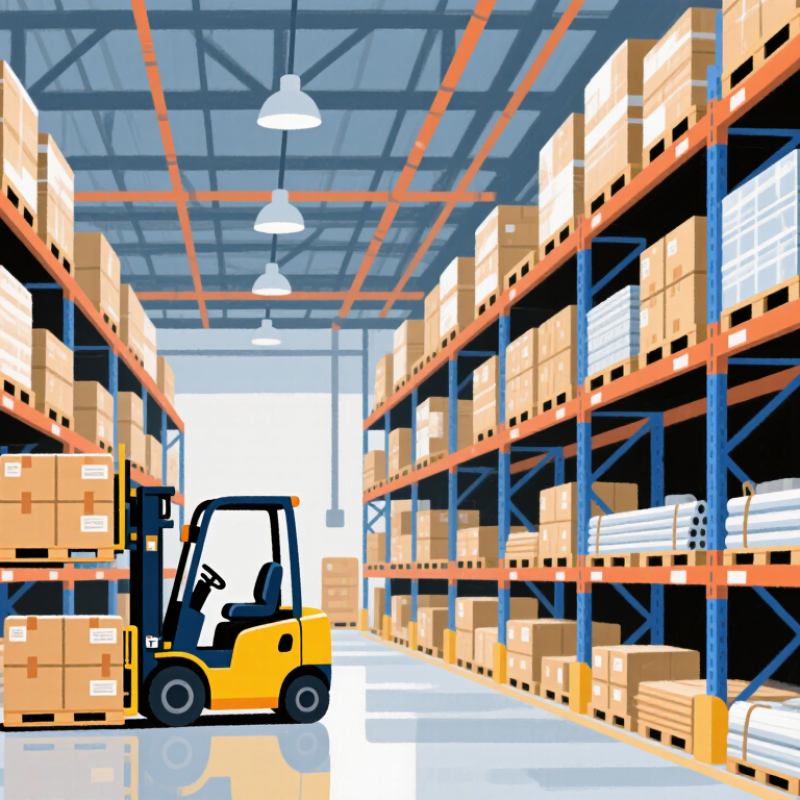
Define Your Storage Needs and Warehouse Constraints
Before comparing vertical racks, map what needs to be stored. Record each item’s height, width, weight, and how often workers retrieve it. A tall item may fit on a rack but still be awkward to lift safely. Measure pallets, bins, and handling equipment, too. Small differences matter.
Measure the warehouse carefully. Note clear ceiling height, floor condition, columns, doors, sprinklers, lighting, and travel aisles. Leave room for forklifts or other equipment to turn without clipping rack frames. Check whether the floor can support the planned loads; a qualified professional can assess uncertain conditions. Access matters. Frequently picked goods usually need convenient positions, while slower-moving stock may tolerate less accessible locations. Allow space for future inventory changes, but avoid buying capacity based on vague growth plans. I have seen layouts look generous on paper and feel cramped once people, carts, and loaded pallets share the aisle. That judgment can be imperfect, so test a proposed layout with actual equipment dimensions and a simple floor plan before installation. Keep clear access to exits and building safety systems. The best rack is not always the tallest one. It is the one that fits your stock, workflow, and real warehouse limits.
How to Choose the Best Vertical Racks for Your Warehouse?
Define Your Storage Needs and Warehouse Constraints
Pallet footprint affects how much floor area each stored load occupies. A common 48 × 40 in pallet uses about 13.3 sq ft, while a 1200 × 800 mm pallet uses about 10.3 sq ft. These figures describe pallet footprints only—not rack capacity. Before choosing vertical racks, also check load weight, warehouse clear height, aisle requirements, and the handling equipment you use.
Compare Vertical Rack Types and Their Intended Uses
Vertical racks are not one product category. A vertical sheet rack suits plywood, acrylic, glass, or metal panels stored upright in separated bays. Workers can identify a sheet quickly, but each bay needs enough clearance for safe loading. A vertical bar or pipe rack is better for trim, conduit, and other long stock. Dividers help prevent pieces from tangling or sliding together. Keep access simple.
Vertical cantilever systems store long materials upright against a frame, while vertical lift modules move trays to an operator-access opening. The first option is usually straightforward for bulky stock; the second can suit smaller, varied items that benefit from controlled access. A lift module needs power, maintenance, and suitable trays, so its footprint alone does not tell the whole story. Measure the longest item, its weight, and how often staff retrieve it.
Handling access deserves equal attention. OSHA’s Powered Industrial Trucks eTool cites estimates of about 85 forklift-related fatalities and 34,900 serious injuries annually in the United States. This is not a rack-selection study, but it underscores why clear travel paths and controlled loading matter. Check aisle width, operator sightlines, and load stability with the actual equipment. A compact layout can still be awkward; drawings rarely capture every snag in daily picking.
Evaluate Load Capacity, Dimensions, and Material
How to Choose the Best Vertical Racks for Your Warehouse?
Load capacity is more than the weight of one item. Check the rated load per level and per rack, then include the heaviest bundle, its supports, and any uneven weight distribution. A load rating only applies to the stated rack configuration. The Rack Manufacturers’ Institute’s ANSI MH16.1 standard covers the structural design of industrial steel storage racks; confirm which standard applies to your specific vertical rack. A rating label is essential.
Measure the goods, not just the floor space. Record their length, width, height, and handling clearance, then check ceiling height, aisle width, and access for lifting equipment. The 2024 MHI Annual Industry Report found that 55% of surveyed supply chain professionals planned to increase technology investment. Better planning matters as storage systems grow more integrated, but automation cannot fix poor measurements. Small margins matter. For material, compare steel strength, finish, and corrosion resistance with the warehouse environment. Damp areas may need added protection.
Tips: Photograph the largest items and measure them twice. Ask the rack supplier for documented capacity ratings, installation requirements, and guidance on inspecting damage. Keep the drawings and load labels accessible. A neat layout can still fail if workers cannot retrieve stock safely; that detail is easy to overlook.
Check Safety Features, Standards, and Installation Requirements
Vertical rack safety starts with the load, not the aisle layout. Record pallet weights, beam loads, and the heaviest lift before selecting a system.
OSHA’s 2022 warehousing data reported 4.8 recordable injury and illness cases per 100 full-time workers. That figure covers the industry, not rack-related incidents alone, but it reinforces the need for disciplined controls.
OSHA 29 CFR 1910.176(b) requires stored materials to remain stable and secure against sliding or collapse. ANSI MH16.1-2023 provides engineering requirements for industrial steel storage racks; confirm which standards and local building codes apply to your project.
Installation details matter. Use approved drawings, verify slab capacity, and anchor each upright as specified. Check rack plumb, beam connections, and clearances before loading. Post readable capacity signs where forklift operators can see them.
Add column guards in impact zones, but keep them from hiding damage. Keep sprinkler and exit clearances unobstructed. Small details count. Schedule inspections, especially after a forklift strike or layout change, and document repairs.
A checklist can still miss a bent connector behind a pallet. Stop loading damaged sections until a qualified person assesses them. Don’t assume a level-looking floor guarantees a suitable foundation.
Select a Rack System That Fits Your Budget and Growth Plans
Choosing vertical racks is a budget decision and a growth decision. Compare systems by cost per usable pallet position, not by the lowest purchase price. Include installation, floor loading, inspections, and any changes needed for forklifts or sprinklers. Selective racks offer easy access to each pallet; denser systems can save floor space but may limit access and flexibility. The right choice depends on your inventory mix and picking speed. A layout that works today may not suit next year’s products.
Tips: Map pallet sizes, weights, and weekly movement before requesting quotes. Leave room for another rack row or adjustable beam levels. Measure clear height and aisle widths on site.
Growth deserves a realistic forecast. The U.S. Census Bureau reported that e-commerce made up 16.1% of U.S. retail sales in Q4 2024, with sales 9.4% higher than a year earlier. That trend can increase pressure on storage and order flow, but it does not mean every warehouse needs high-density racks. Start with a phased design: install the capacity you need now, while checking that future sections can connect safely. One caveat: expansion plans often change. Review the layout with a qualified rack designer, and verify load ratings against actual pallet weights before ordering.
How to Choose the Best Vertical Racks for Your Warehouse? - Select a Rack System That Fits Your Budget and Growth Plans
| Rack System |
Typical Height Range |
Storage Density |
Access and Inventory Rotation |
Relative Budget |
Growth Flexibility |
Best Suited For |
| Selective Pallet Rack |
Often about 20–40 ft, subject to building height and local requirements |
Baseline; aisle space is needed for direct access to each pallet |
Direct access to every pallet position; works well with FIFO or mixed inventory workflows |
Low to moderate |
High; bays can generally be added or reconfigured as needs change |
Warehouses with many SKUs, varied products, and frequent picking |
| Double-Deep Rack |
Often about 20–40 ft, depending on the facility and equipment |
Higher than selective rack because fewer aisles are required |
Two pallet positions deep; rear pallets require moving the front pallet first |
Moderate |
Moderate; expansion is possible, but typically needs compatible reach equipment and layout planning |
Facilities with several pallets per SKU and a need to improve space use |
| Drive-In Rack |
Commonly designed for the available building height; engineered to suit the site |
High; pallets are stored in deep lanes with fewer aisles |
Typically operates on a LIFO basis; access to individual pallets within a lane is limited |
Moderate to high |
Moderate; lanes can be added, but the layout is less adaptable to changing SKU profiles |
Large quantities of the same product, especially where high storage density matters more than immediate access |
| Vertical Lift Module (VLM) |
Many systems are configured for building heights of roughly 10–50 ft; product specifications vary |
High for small parts; uses vertical building space and presents stored trays at an access opening |
Computer-controlled tray delivery; supports organized picking and item-level access |
High |
Moderate to high; modules can be added, though floor space, power, software, and workflow must be planned |
Small parts, tools, and components where controlled access and reduced walking are priorities |
| Vertical Carousel |
Often around 10–30 ft, depending on the model and installation |
High for small, uniform items stored on rotating carriers |
Carriers rotate to an operator access opening; the system suits organized item picking |
Moderate to high |
Moderate; additional units can be installed, but carrier dimensions and product mix should be planned in advance |
Frequently picked small items with relatively consistent storage and retrieval needs |
Planning note: Height ranges and budget categories are general comparisons, not equipment specifications or quotations. Actual rack capacity, clearances, seismic requirements, fire protection, and permitted installation height must be confirmed by a qualified designer for the building and local codes. Compare total installed cost, including equipment, handling machinery, software, installation, and any facility modifications.
Conclusion
Choosing the best Vertical Racks for a warehouse starts with understanding what you need to store, how often items are accessed, and how much floor space and ceiling height are available. Compare rack types according to their intended uses, such as storing long materials, bulky goods, or items that need frequent retrieval. Then check that each option’s load capacity, dimensions, and construction materials match your inventory and operating conditions.
Safety and practicality matter as much as storage capacity. Review protective features, relevant safety standards, and installation requirements, and ensure the rack can be securely fitted into your warehouse layout. Finally, compare the total cost of ownership rather than focusing only on the purchase price. A system that fits your current budget while allowing for changing inventory and future expansion can help you make efficient use of space over time.

 Shibang Storage Rack