Commercial storage has to support daily work, not just hold boxes. In a stockroom, restaurant pantry, or workshop, staff need to find supplies quickly and keep walkways clear. Wire Shelving offers an open, practical way to organize goods without hiding them behind solid panels. A glance can reveal low stock. Air can move around stored items.
Its usefulness comes from simple details. Adjustable shelves can accommodate tall containers, compact cartons, or changing inventory. Open construction also makes routine cleaning and visual checks easier. For damp areas, choose a finish suited to the environment, and inspect it for wear over time. These shelves are not automatically right for every space. Dust-sensitive goods may need enclosed storage, while unusually heavy items require careful attention to the manufacturer’s load ratings.
Plan the layout before buying. Measure doors, aisles, and ceiling clearance, then consider how staff will reach the upper shelves. Place heavier products on lower levels and distribute weight evenly. Small steps matter. A shelf that fits the room but blocks a cart can slow the whole shift. Wire Shelving is a flexible option, but it still needs sensible selection, assembly, and maintenance. Even a well-designed setup may need adjustment once real work begins. That is worth admitting: storage plans often look tidy on paper, then meet crowded deliveries and busy hands.
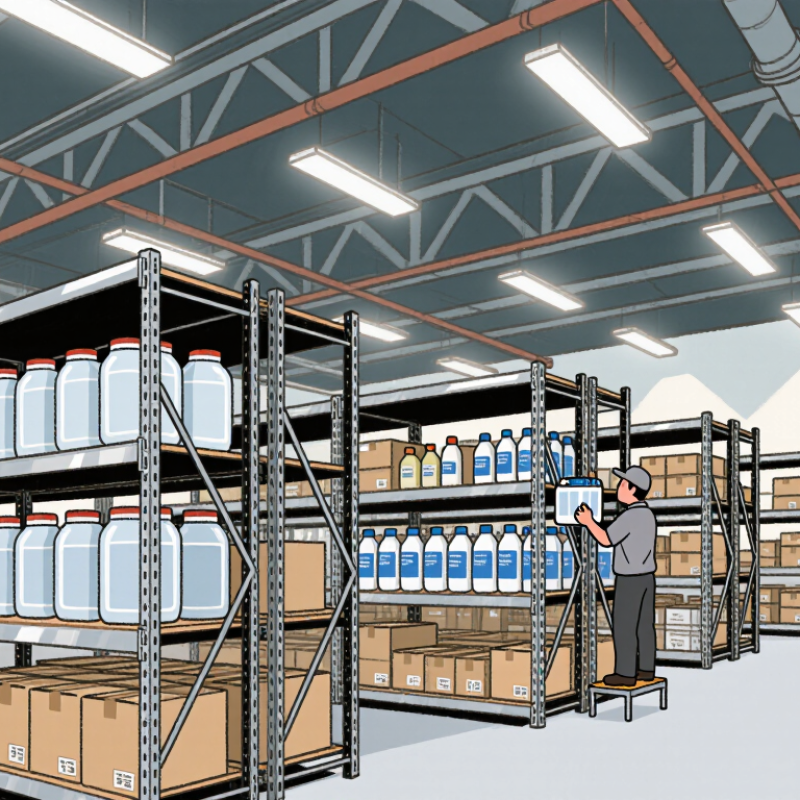
Wire shelving is an open-frame storage system built from upright posts and horizontal shelves made of welded metal wires. The grid leaves gaps between wires, rather than forming a solid deck. This simple design keeps stored goods visible and allows air and light to move around them.
Most units use collars or clips to hold each shelf at a chosen height. The clips seat on grooves in the posts, and the shelf presses down over them. Small detail, big effect. A level floor and correctly seated clips help prevent wobble. Capacity still matters: check the rated load for each shelf and the whole unit, since spacing and loading affect stability. Open wire has limits. Small cartons can sag or tip through the gaps, so shelf liners may be useful.
In busy stockrooms, visibility can reduce time spent moving boxes just to identify what is behind them. Wire decks also leave fewer broad surfaces to collect dust, though regular cleaning remains necessary. MHI’s 2024 Annual Industry Report found that 55% of surveyed supply-chain professionals planned to increase technology investment. Shelving is not automation, but clear, adjustable storage supports accurate picking and inventory checks. Its usefulness depends on sensible placement, even loading, and leaving aisles clear.
Commercial storage rarely stays still. Cartons arrive in different sizes, picking patterns change, and a crowded stockroom can slow staff. Wire shelving supports these changing needs because open shelves make stored items easier to see and reach. A worker can spot a low carton without moving a stack. Air also circulates around goods, though open shelves do not eliminate dust or the need for cleaning. That helps.
Adjustable shelf levels can accommodate tall containers one week and small parts bins the next. For damp areas, material and finish matter: check whether the shelving is suitable for the environment and cleaning products used. Confirm the rated capacity for each shelf, not just the unit as a whole, and spread weight evenly. Heavy items belong low. If shelves are frequently moved, choose a unit designed for that use and secure its wheels before loading.
Wire shelving is not a perfect fit everywhere. Small items can slip through the gaps, so bins or shelf liners may be needed. It can also look less orderly when goods vary in shape; that is worth considering in customer-facing spaces. Measure aisles, door swings, and trolley clearance before installation. Check that the frame is level, connections are secure, and shelves show no signs of bending after rearrangement.
Wire shelving serves varied commercial spaces because it keeps supplies visible, accessible, and off the floor. In healthcare facilities, staff can store linens, sealed supply bins, and clean equipment on shelves that allow air to circulate. In restaurant back rooms, open shelves make it easier to spot dry goods and rotate stock. Retail stockrooms use them for cartons and seasonal items, while workshops often separate tools, parts, and maintenance supplies. The U.S. Energy Information Administration’s 2018 Commercial Buildings Energy Consumption Survey, published in 2022, estimated 5.9 million commercial buildings nationwide. That scale matters: storage needs differ sharply between a clinic supply room and a busy receiving area.
In warehouses and distribution spaces, wire shelving can support picking zones for smaller items, staging areas, or overflow inventory. Its open design helps workers see labels without pulling out every container. That saves time. It can also simplify cleaning beneath shelves, though dust can still settle on stored goods. Match shelf capacity to the actual load, and place heavier items lower for safer access. In damp or frequently washed areas, check the finish and inspect joints for wear; wire construction is not automatically rust-proof. A useful detail, sometimes overlooked: measure carts, doorways, and aisle turns before installation. Shelving that fits the room may still obstruct daily movement.
| Commercial Facility | Common Storage Uses | Why Wire Shelving Can Be a Practical Choice | Planning Considerations |
|---|---|---|---|
| Restaurants and Food-Service Kitchens | Storing dry goods, cookware, small equipment, and food-service supplies. | Open shelves allow air to circulate around stored items and make contents easy to see. | Choose shelving and finishes suitable for the specific area. Follow applicable food-safety, cleaning, and storage requirements. |
| Hotels and Hospitality Facilities | Organizing linens, towels, housekeeping supplies, and back-of-house inventory. | Adjustable shelf positions can accommodate items of different sizes, while open construction helps staff identify supplies. | Consider room dimensions, cart access, shelf spacing, and separation of clean and used linens. |
| Healthcare and Laboratory Support Areas | Holding packaged supplies, linens, containers, and non-sterile support materials. | Visible contents can support inventory checks, and removable shelf components may simplify cleaning where compatible with facility procedures. | Confirm that the shelving material, finish, and cleaning method are appropriate for the room and its infection-control or laboratory protocols. |
| Retail Stockrooms | Storing boxed merchandise, back-stock, seasonal goods, and packing supplies. | Open access can make picking and restocking more convenient, and adjustable shelves can suit changing product mixes. | Check load ratings, aisle widths, item stability, and any local requirements for securing storage equipment. |
| Warehouses and Distribution Areas | Organizing parts, cartons, tools, and frequently accessed inventory. | Multiple shelf levels can make use of vertical space and help keep smaller items organized. | Match the system to the expected load and handling method. Keep loads within the manufacturer’s stated limits and distribute them appropriately. |
| Offices and Educational Facilities | Storing files, classroom materials, office supplies, and shared equipment. | Open shelves make commonly used items easy to locate and can be reconfigured as storage needs change. | Use suitable bins for small items, and place heavier materials on lower shelves for easier, safer access. |
| Maintenance and Utility Rooms | Organizing tools, replacement parts, cleaning supplies, and facility equipment. | Open construction provides visibility and access, which can help staff find frequently used supplies. | Store chemicals according to their labels and applicable safety rules; use dedicated, compatible storage where required. |
Selection reminder: Before installation, verify dimensions, load capacity, environmental suitability, cleaning needs, and any applicable building, workplace, or industry requirements.
Wire shelving helps workers see stock, labels, and spills without moving every item. That visibility can make picking quicker and reveal misplaced cartons before they become trip hazards. Open shelves also allow airflow and light to pass through. Small details count. A clear view, however, does not replace good housekeeping or safe handling.
The U.S. Bureau of Labor Statistics’ 2022 Survey of Occupational Injuries and Illnesses reported 4.8 recordable cases per 100 full-time workers in warehousing and storage. This figure covers the industry, not shelving alone. It is a useful reminder that organized storage is part of a broader safety system. Choose shelving with a stated load capacity, distribute weight evenly, and keep heavier goods on lower levels. Secure units where required by their design and location.
Routine checks matter. Look for bent wires, loose connections, unstable feet, and shelves carrying uneven loads. Keep aisles clear, and place frequently used supplies within comfortable reach. Not always easy. Busy teams may still leave a box out of place, so simple labels and regular resets help. Wire shelves can support tidy, visible storage, but only when workers use them as intended and report damage promptly.
Selecting a wire shelving system starts with the load, not the lowest price. Check both the per-shelf rating and total bay capacity, and confirm whether ratings assume evenly distributed weight. Real loads are messier: a dense carton pushed to one side can strain a shelf. Keep heavier stock low, and inspect the frame, clips, and connections for secure assembly. Check the rating.
Measure the actual space, including aisle width, doorways, and room for carts. Shelf depth should suit your containers; narrow items may need liners to prevent slipping through the wire gaps. For damp or washdown areas, compare finishes and corrosion resistance. If shelves need to move, verify caster capacity and stability under load. Fit matters.
Access and upkeep deserve attention too. The U.S. Bureau of Labor Statistics reported 4.8 recordable injury and illness cases per 100 full-time workers in warehousing and storage in 2022. That figure does not measure shelving-related injuries, but it is a useful reminder to consider safe reach, clear aisles, and stable storage. A specification sheet can look reassuring; staff may still overload one shelf during a busy shift. Test the planned layout with representative bins, then review it after daily use.
Open shelves make cartons, labels, and spills easier to spot. Staff can find items without moving nearby boxes.
Yes. Adjustable levels can fit tall containers one week and small parts bins the next.
Air circulates around items, but dust can still settle. Regular cleaning remains necessary.
Check the capacity for each shelf, spread weight evenly, and place heavier goods on lower levels. Simple, but easy to overlook.
Check whether the shelving material and finish suit the space and its cleaning products. Conditions vary.
They may slip through the gaps. Use bins or shelf liners when needed.
Measure aisles, door swings, and trolley clearance. Confirm the frame is level and its connections are secure.
Look for bent wires, loose connections, unstable feet, or uneven loads. Report damage promptly.
No. Clear views can help reveal misplaced cartons, but they do not replace housekeeping or safe handling. Not a cure-all.
Wire Shelving is a practical storage solution built from open metal shelves supported by sturdy posts. Its ventilated design allows air and light to circulate, makes stored items easy to see, and helps simplify cleaning. In commercial environments, these features can support efficient storage while offering flexibility: shelves can often be adjusted to suit different products, supplies, and changing operational needs.
Wire Shelving can be used in stockrooms, kitchens, workshops, healthcare facilities, and other commercial spaces to keep equipment and supplies organized and accessible. Clear visibility and thoughtful placement can help reduce clutter and make everyday items easier to locate. When selecting a system, consider its dimensions, load capacity, material and finish, adjustability, and the conditions of the space. Choosing shelves suited to the intended use, and arranging them securely with suitable weight distribution, can contribute to a safer, more orderly workplace.

Shibang Storage Rack