How to Choose the Best Radio Shuttle Storage Solutions?

Time:2026-07-22 Author:Isabella
0%

Choosing the right Radio Shuttle Storage solution can significantly impact warehouse efficiency. According to John Smith, a leading expert in logistics, “The right storage system can transform a facility's operational capabilities.” With this in mind, understanding the options available is crucial for any business.

Radio Shuttle Storage systems optimize space and improve inventory management. They utilize automated shuttles to transport pallets, increasing storage density. However, not all systems are the same. Each has unique features and limitations. A well-informed choice depends not only on current needs but also on future growth.

Mistakes can happen when selecting a system without in-depth research. Businesses may overlook compatibility issues or cost implications. Close consultation with industry experts is advisable. This ensures that the selected Radio Shuttle Storage solution aligns with specific operational requirements and enhances overall performance.
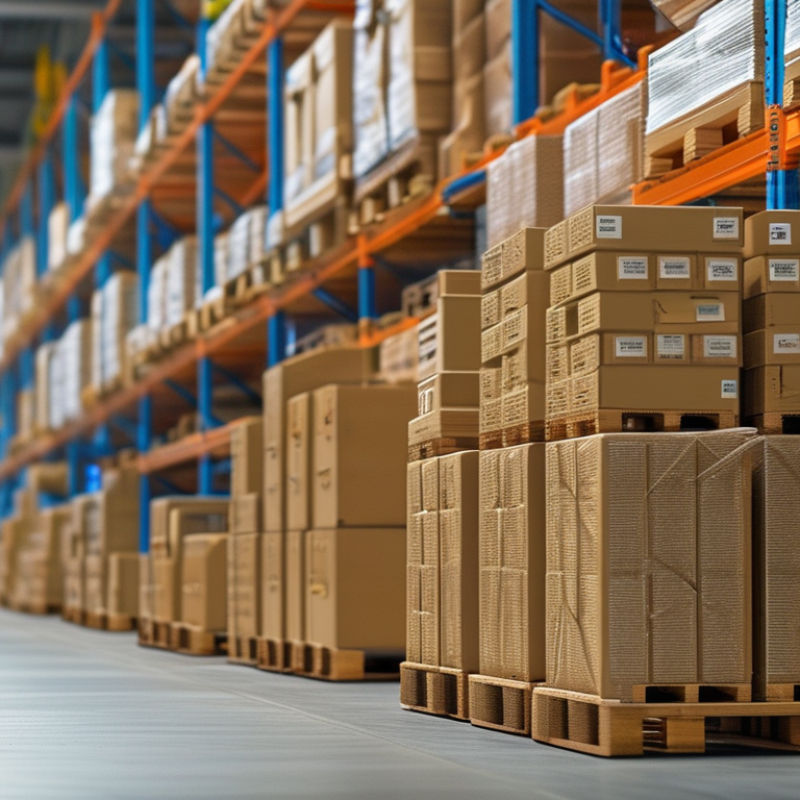
How to Choose the Best Radio Shuttle Storage Solutions?

Understanding Radio Shuttle Storage Systems and Their Applications

Radio shuttle storage systems have gained popularity in modern warehouses due to their efficiency and flexibility. These systems allow for high-density storage, maximizing the use of available space. They operate with shuttles that transport pallets within a racking system, making it easier to access and store goods. This technology is particularly beneficial for industries that handle large volumes of similar products, such as food and beverage or retail.

Understanding the applications of radio shuttle systems is crucial for selecting the right solution. These systems are ideal for environment conditions where fast inventory turnover is essential. For example, they reduce the time spent on loading and unloading pallets. However, not every operation may benefit. Before implementation, one must assess the specific needs of their warehouse. Consideration should be given to factors like product variety and turnover rates. A thorough analysis can reveal potential challenges, such as compatibility with existing infrastructure.

Some might overlook the importance of training staff on this technology. While radio shuttles can be intuitive, proper training ensures safety and efficiency. Mistakes in operation can lead to costly downtime. It's vital to strike a balance between innovation and the readiness of the workforce. The adoption of any new system should come with thoughtful consideration and preparation.

Key Factors to Consider When Selecting Radio Shuttle Storage Solutions

When selecting radio shuttle storage solutions, there are several key factors to keep in mind. The first element to consider is the available space in your facility. Assess the dimensions of your warehouse or storage area. Too large a system may waste space, while too small a setup may lead to inefficiencies.

Next, consider the types of products you will store. Different items require different handling and storage conditions. For instance, fragile goods necessitate more careful handling mechanisms. Additionally, look into the system's compatibility with existing equipment. If the shuttle doesn’t integrate well, it can lead to operational headaches.

Lastly, evaluate the technology used in the shuttle system. Advanced technology can improve speed and accuracy. But, it may also introduce complexity. Be cautious about the learning curve required for your staff. Systems that are too complex can lead to operator errors. Find a balance between innovation and usability.

Comparing Different Brands and Models of Radio Shuttle Systems

When selecting radio shuttle storage solutions, a comprehensive comparison between different brands and models is essential. Industry reports highlight that effective storage systems can optimize warehouse space by over 40%. This metric is significant for businesses aiming to maximize efficiency. The ability to automate storage and retrieval processes can lead to better inventory accuracy, reporting improvements of up to 30%.

Different models vary in the technology they incorporate. Some utilize advanced sensors and AI, enhancing retrieval speeds. Others may focus on durability and ease of maintenance. A 2022 study revealed that systems incorporating robust construction could extend their lifespan by 25% compared to less durable models. This durability often translates into higher initial costs but substantial long-term savings.

Potential users may find it challenging to assess which system aligns best with their specific needs. It’s beneficial to observe real-world applications. Some installations report delayed returns on investment due to unforeseen operational challenges. The right choice hinges on careful evaluation of unique warehouse configurations and operational demands, which may not be straightforward. Adapting to individual specifications often requires an intricate understanding of each proposed system's capabilities and limitations.

Evaluating Space Requirements and Warehouse Layout for Optimal Use

When selecting radio shuttle storage solutions, evaluating your space requirements and warehouse layout is crucial. According to a report by the Warehouse Optimization Institute, effective layout planning can increase storage efficiency by up to 30%. Properly designed systems reduce the time spent on picking and replenishing, leading to higher overall productivity.


It's essential to consider aisle widths and the type of products stored. Narrow aisles may maximize storage but complicate equipment maneuvering. Aim for an optimal balance. A study from the Institute of Supply Chain Management highlights that 20% of warehouse space is often underutilized. Identify high-demand areas and organize them strategically to enhance accessibility.


Tips: Assess your current layout regularly. Use 3D simulations to visualize changes. Monitor inventory flow to adjust layouts efficiently. Engage your workforce in discussions about limitations and opportunities. Their feedback can reveal hidden inefficiencies that data alone may overlook. Consider seasonal fluctuations in inventory levels and adjust your layout accordingly.

Cost Analysis: Budgeting for Radio Shuttle Storage Implementations

When budgeting for radio shuttle storage implementations, it's essential to consider various cost factors. According to industry reports, initial investments can range from $100,000 to $500,000. This includes equipment purchase, installation, and integration costs. Ongoing operational expenses, such as maintenance and energy costs, can add another 20% annually. Being aware of these numbers helps allocate funds more effectively.

Optimizing space usage is critical in a warehouse. Radio shuttle systems can increase storage density by up to 60%. This means more products stored without expanding the facility. Evaluate your current layout and identify underutilized areas. Investing in a radio shuttle can lead to significant savings.

Tip: Always compare multiple quotes from providers. Understand the features they offer. Look for scalability and flexibility in their systems.

Another area to reflect upon is workforce training. Employees need to adapt to the new system. This may incur additional training costs and reduce productivity initially. However, proper training can enhance efficiency in the long run, making it a worthwhile investment.

Cost Analysis of Radio Shuttle Storage Solutions

FAQS

: What are radio shuttle storage systems?

: They are systems that use shuttles to transport pallets within a racking structure, allowing high-density storage.

Who benefits from using radio shuttle systems?

Industries with high volumes of similar products, like food and retail, benefit the most from these systems.

What is a significant challenge in implementing these systems?

Assessing the specific needs of the warehouse is crucial. Compatibility with existing infrastructure can be a challenge.

How can training impact the use of radio shuttle systems?

Proper training ensures safety and efficiency. Without it, costly downtime can occur due to mistakes during operation.

What are the estimated costs for setting up these systems?

Initial investments can range from $100,000 to $500,000, plus ongoing operational expenses of around 20% annually.

How much storage density can radio shuttle systems increase?

They can increase storage density by up to 60%, allowing more products without expanding warehouse space.

Why is it essential to optimize warehouse layout?

Identifying underutilized areas can lead to more efficient storage, maximizing the benefits of radio shuttle systems.

What should warehouse managers consider before adopting these systems?

They should reflect on product variety, turnover rates, and the readiness of the workforce to adapt to new technology.

What is a common oversight during implementation?

Often, the importance of staff training is underestimated, which can affect the efficiency of the system.

How can comparing quotes benefit the selection process?

Comparing multiple quotes helps in understanding features, scalability, and flexibility, ensuring a more informed decision.

Conclusion

When selecting the best Radio Shuttle Storage solutions, it is essential to understand the functionality and applications of these systems. Radio Shuttle Storage is designed to optimize space utilization and enhance efficiency in warehouses by utilizing automated shuttles to move pallets in and out of storage channels. Key factors to consider include the specific needs of the warehouse environment, such as the type of goods stored and the layout of the facility.

Additionally, comparing different brands and models can help identify the best fit for an organization’s requirements, while evaluating space requirements ensures optimal use of available storage areas. A thorough cost analysis is also vital, as budgeting for implementation will significantly impact the return on investment. By considering these elements, businesses can effectively implement Radio Shuttle Storage systems that enhance their operations and increase productivity.

Isabella

Isabella

Isabella is a dedicated marketing professional with a sharp focus on driving brand growth and engagement through strategic content creation. With an extensive background in digital marketing, she combines her passion for storytelling with her keen understanding of industry trends to deliver......