In today's fast-paced warehouse environment, choosing the right storage solution is vital. Cantilever Storage stands out as an effective method for maximizing efficiency. According to Dr. Emily Carter, a leading expert in warehouse management, “Cantilever Storage allows for better space utilization and improved accessibility.” This system is designed to handle bulky and oddly shaped items, minimizing wasted space.
Cantilever Storage features long arms extending from vertical columns, providing strong support. This design promotes easy loading and unloading of goods. However, it also requires careful planning and layout considerations. Businesses must evaluate their inventory types and flow. Sometimes, companies may underestimate the need for adequate aisle space, leading to accessibility issues.
Despite its benefits, relying solely on Cantilever Storage isn't without challenges. It's crucial to understand the specific needs of your warehouse. Integration with other storage systems can enhance overall performance. A thoughtful approach can help in maximizing the advantages of Cantilever Storage while addressing potential drawbacks.
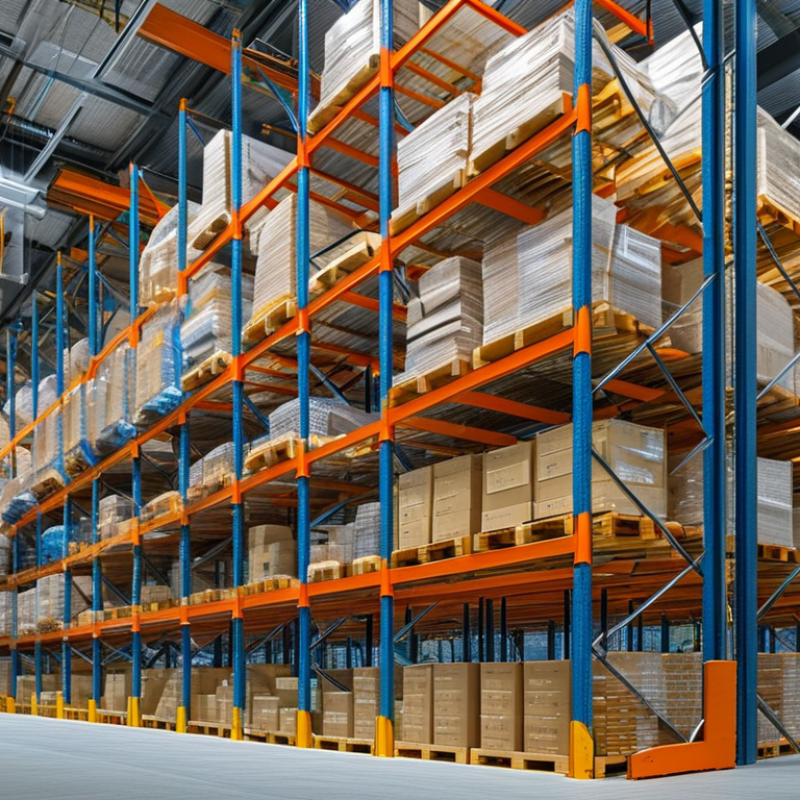
Cantilever storage systems offer a unique solution for warehouses looking to maximize space efficiency. These systems feature long arms extending from vertical columns, which create ample space for storing oversized or bulky items. This design allows for easy access and organization of products, minimizing time spent on locating and retrieving items. Companies can store materials such as pipes, lumber, or furniture vertically, significantly reducing floor space usage.
Implementing cantilever storage can be a game-changer. However, it’s crucial to consider the weight capacity of the system. Overloading can lead to structural failures. Regular inspections and maintenance are vital. Workers should be trained in safety protocols to prevent accidents. A well-planned warehouse layout enhances flow and reduces congestion.
While cantilever storage systems are effective, some challenges may arise. For instance, adjusting to the height of the racks might require specialized equipment. Not every warehouse will benefit equally from this system. Assessing specific needs is important before making changes. Balancing inventory and storage solutions takes careful thought.
Cantilever storage systems stand out for their unique design and capacity. They utilize vertical space efficiently, accommodating long or bulky items like pipes and lumber. By freeing up floor space, warehouses can increase inventory density. A report from the Warehousing Education and Research Council indicates that effective space utilization can reduce costs by up to 30%. This makes cantilever storage an attractive option for many industries.
Consider the height of your warehouse when designing your storage system. Taller structures can maximize capacity. Some reports suggest that a well-organized cantilever system can increase storage by 40%. However, safety must remain a priority. Regular inspections and maintenance can prevent potential issues.
Tip: Ensure that aisles are wide enough for equipment to navigate safely. Overcrowded aisles can lead to accidents and injuries. Implementing effective aisle management is crucial for maintaining a safe working environment. Adapting your storage solutions to optimize both safety and efficiency is essential in today's competitive warehousing landscape.
Cantilever storage systems stand out when compared to traditional racking solutions. They offer unique advantages, especially for handling long, heavy, or bulky items. According to the Warehousing Equipment Manufacturers Institute, over 30% of warehouse space is wasted with traditional racks designed for standard pallets.
Cantilever systems maximize vertical space, allowing for efficient storage of items that vary in length and shape. With adjustable arms, they accommodate various product sizes. Unlike traditional racks, which often limit access, cantilever storage provides unobstructed entry from multiple sides. This flexibility translates to increased retrieval speed, a crucial factor for busy warehouses.
However, one drawback is the initial investment. Although these systems enhance efficiency, the upfront cost can be higher. It’s essential for warehouse managers to analyze operational needs carefully. Balancing costs with potential benefits is vital. Data from the Material Handling Industry states that 60% of companies experienced reduced labor costs after switching to cantilever storage. This improvement highlights the need for reflection on current storage methods and their impact on overall efficiency.
Cantilever storage systems are transforming the way various industries manage their space. Particularly beneficial for sectors like construction, woodworking, and distribution, these systems allow for the efficient storage of long and bulky items. In a construction site, for example, materials such as steel beams or lumber can be effectively organized, reducing clutter and maximizing workflow. Without these systems, managing such materials becomes a logistical nightmare.
The woodworking industry also sees great value in cantilever storage. Large planks and boards can be stored upright, making them easy to access. This organization not only frees up floor space but also enhances safety by minimizing the risk of falling objects. However, not all companies fully utilize the potential of cantilever storage. Some might struggle with layout design or the selection of proper loading solutions. Addressing these challenges requires careful planning and expertise.
In distribution centers, cantilever racks contribute to a streamlined operation. They simplify inventory management and allow for quick product retrieval. Yet, some facilities overlook maintenance needs, leading to inefficiencies. Regular inspection and timely updates to storage systems are crucial for sustaining effectiveness. By recognizing both the benefits and challenges, industries can harness the full potential of cantilever storage solutions.
Cantilever storage systems offer a flexible solution for warehouses dealing with oversized items. Implementing these systems requires careful planning and adherence to best practices. According to the Warehousing Equipment Manufacturers Association (WEMA), effectively organized storage can increase warehouse efficiency by up to 30%. Selecting the right design and layout is crucial to maximizing available space.
When installing cantilever racks, ensure they are tailored to the specific requirements of your inventory. Adequately assess the weight and dimensions of the items. This approach helps in reducing damage and optimizing space. Research shows that poorly organized storage can lead to a 50% increase in retrieval time, affecting overall productivity.
Tips: Regularly inspect cantilever racks to maintain safety and integrity. Training staff on proper loading techniques significantly decreases the likelihood of accidents. Utilize vertical space efficiently; consider adjustable arms that can adapt to different item sizes. Each decision impacts efficiency, so continuous evaluation is necessary for ongoing improvement.
: Cantilever storage systems feature long arms from vertical columns for storing oversized items. They organize bulky products efficiently.
These systems are ideal for items like pipes, lumber, and furniture. They allow for vertical storage, saving floor space.
It maximizes space utilization and increases inventory density. This can reduce costs by up to 30% for warehouses.
Yes, overloading can lead to structural failures. Regular inspections and proper training are essential to prevent accidents.
Not every warehouse will benefit equally. It's important to assess specific needs and layout before implementing changes.
Adjusting to rack height may require special equipment. Some may struggle with layout design or selecting appropriate loading solutions.
Overcrowded aisles can lead to accidents. Ensuring adequate space for equipment navigation is crucial for a safe environment.
Regular inspections are vital. Timely maintenance helps address issues and sustain operational effectiveness.
Construction, woodworking, and distribution can all gain advantages. These industries can organize materials and maximize workflow.
Companies need careful planning and expertise for layout and loading solutions. Understanding both benefits and challenges is key.
Cantilever Storage systems are increasingly favored in warehouse management due to their unique ability to optimize space and enhance accessibility. Unlike traditional racking solutions, Cantilever Storage allows for the efficient storage of long and bulky items, which can be challenging to manage with standard shelving. This system not only maximizes vertical space but also simplifies the retrieval process, making it ideal for industries such as manufacturing, construction, and retail.
Implementing Cantilever Storage effectively requires adherence to best practices, including proper planning of layout and load capacity considerations. By understanding the benefits and the operational advantages offered by Cantilever Storage, warehouses can improve overall efficiency and organization, positioning themselves for success in today's competitive market.

Shibang Storage Rack