In the fast-paced world of supply chain management, effective storage solutions are critical. Pallet storage plays a vital role in optimizing warehouse space and improving inventory handling. With the right pallet storage systems, businesses can enhance efficiency, reduce costs, and streamline operations.
Many companies face challenges in maximizing their storage potential. Often, limited space leads to overcrowded warehouses and inefficient layouts. This results in increased retrieval times and delays in fulfilling customer orders. By understanding the unique needs of their operations, managers can choose the best pallet storage options to suit their environments.
Implementing innovative pallet storage solutions is not without its challenges. Companies must consider factors such as weight capacity, accessibility, and safety. It is also essential to evaluate the ongoing maintenance of these systems. Seeking expert advice can help teams avoid costly mistakes and ensure reliability. Embracing the right pallet storage strategies is key to achieving long-term success in supply chain management.
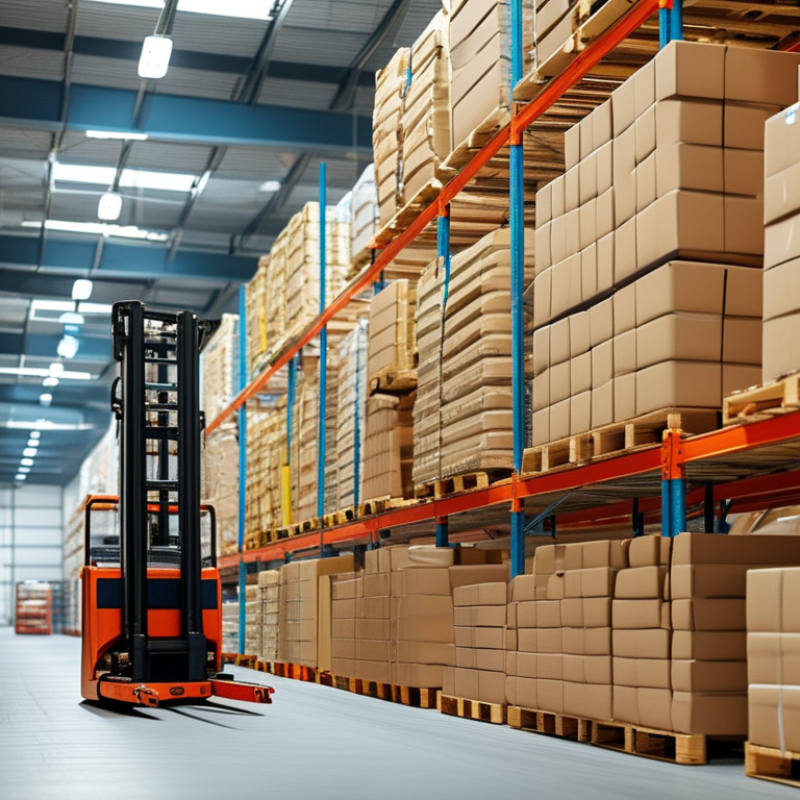
Efficient pallet storage is crucial for modern supply chains. It allows businesses to optimize space, reduce costs, and improve inventory management. When pallets are stored correctly, they minimize damage and enhance accessibility. A well-organized storage system can save time during picking operations, leading to faster deliveries.
However, many companies face challenges with pallet storage. Poor layout can lead to bottlenecks. It’s essential to assess existing facilities regularly. Adapting to changes in inventory or demand will keep operations running smoothly. Using vertical space effectively can maximize storage, yet not every approach will fit every business. Choosing the right method requires careful analysis.
Innovative solutions like automated storage systems can enhance efficiency. Yet, they may also come with high initial costs. Balancing investment with potential savings is a critical decision for logistics managers. Flexibility remains key. As businesses grow, their storage needs evolve, demanding ongoing evaluation and adjustment. Embracing this mindset fosters resilience in supply chain management.
| Storage Solution | Description | Capacity (Pallets) | Benefits | Challenges |
|---|---|---|---|---|
| Selective Racking | A straightforward system allowing direct access to each pallet. | 1000 | Easy access, flexible design. | Lower density storage. |
| Drive-In Racking | A high-density storage system allowing forklifts to drive into the rack. | 2000 | Maximizes space, reduces aisle width. | Potential for less stock rotation. |
| Push Back Racking | High-density storage with a FIFO system. | 1500 | Efficient use of space, easy accessibility. | Higher initial cost. |
| Automated Storage and Retrieval Systems (AS/RS) | Robotic systems for automated handling and storage. | Varies greatly depending on design. | Highly efficient, reduces labor costs. | Complex setup and maintenance. |
: It optimizes space, reduces costs, and improves inventory management.
Poor layout can cause bottlenecks and hinder operations.
It reduces confusion and improves retrieval speed in storage areas.
Audits identify inefficiencies and ensure layouts remain effective over time.
An informed workforce can spot issues early and maintain organization.
Rearranging pallets and updating layouts is essential for efficiency.
They enhance efficiency but may involve high initial costs.
It fosters a sense of ownership and responsibility within the team.
They keep stock fresh and minimize risks of obsolescence.
Embracing flexibility fosters resilience in adapting to evolving storage needs.
Efficient pallet storage is crucial for optimizing supply chain management, as it directly impacts inventory control and workflow efficiency. Understanding the importance of effective pallet storage solutions involves recognizing how various types, such as selective, drive-in, and pallet flow systems, can cater to different operational needs. Key factors to consider include the available space, load capacity, and accessibility to ensure the chosen systems align with the specific demands of the warehouse.
Moreover, integrating technology into pallet storage management can enhance tracking and organization, facilitating smoother operations. Implementing best practices for maintaining and organizing pallet storage areas—such as following safety protocols and conducting regular inventory audits—will promote a productive environment that supports the overall supply chain strategy. Thus, by focusing on these elements, businesses can significantly improve their pallet storage efficiency and, consequently, supply chain performance.

 Shibang Storage Rack